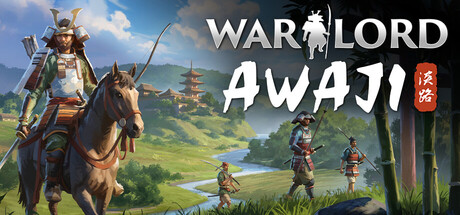
Game review
Warlord: Awaji Review
7 / 10
- Developer
- Darkmatter Games
- Publisher
- Darkmatter Games
- Released
- 9 September 2026
- Platforms
- ["Windows"]
- Genre
- Strategy
A Solo Samurai General, an Entire Island, and an Emperor's Orders
Warlord: Awaji is the second entry in developer Darkmatter Games' "immersive strategy" series, following up on Warlord: Britannia's Roman conquest sandbox with a leap forward in both time and place: 14th-century Japan, in the aftermath of a shattered regime. You play a warlord acting on the Emperor's orders, tasked with subduing an entire island built from real heightmap data and populated with genuine temples and shrines pulled from actual historical sites. The pitch is distinctive even within the crowded strategy genre: rather than commanding from a detached overhead camera, you're planted directly inside your own army, giving orders and building camps from a first-person perspective, then physically wading into the battle line alongside the soldiers you recruited and equipped yourself.
That hybrid of intimate, personal combat and large-scale army management is the series' whole identity, and Awaji leans into it rather than simply reskinning Britannia in different armor. The economy, progression, and formation systems have all been substantially reworked for the new setting, and longtime fans of the first game are split fairly evenly on whether that's a step forward or a step sideways — a tension that runs through almost every review of this release.
Command From the Front Line: Camps, Formations, and a Different Kind of Diplomacy
The core loop has you marching across Awaji, conquering settlements, and using the resources and captured land to grow your force. Rather than the wage-based upkeep of Britannia, troops here are promoted directly through captured territory, and equipment comes from what you loot rather than what you buy — a change that streamlines the economy considerably, for better or worse depending on who you ask. The standout new mechanic is the army formation tab: you physically arrange unit cards on a battle board, and your troops set up in that exact configuration in 3D space when the fighting starts, letting you put archers at the rear, cavalry on a flank, or your best warriors at the tip of a breakthrough. It's a simple system on paper, but reviewers consistently single it out as giving the tactical layer more depth than it might first appear to have.
Camp building carries over from Britannia with a new resource-driven twist: tents, sleeping mats, food, and sake all have to be built from captured supplies rather than free wood, and the whole camp can be torn down and relocated in seconds to keep pace with the front line. A capture mechanic when taking settlements — letting a defeated commander commit seppuku, be executed, or be released — adds small but well-observed touches of period flavor, and the game's diplomacy system lets you ally with neutral factions like the warrior monks for reinforcements in a pinch. Combat itself is intentionally simple: block, swing, and manage positioning rather than a deep moveset, which most reviewers accept as a reasonable scope decision given the game's much larger focus on managing an entire campaign rather than choreographing individual duels.
Where the Ambition Outpaces the Execution
The criticism that comes up most consistently, even from reviewers who otherwise like the game, is that Awaji's 332 settlements are functionally interchangeable — villages, hamlets, and outposts that differ mainly in garrison size rather than layout, purpose, or defensive character. Enemy clans are almost entirely reactive, only engaging when you take their territory rather than acting with any independent agency, which several reviewers note removes a lot of the tension and unpredictability that made Britannia's raids feel dangerous. Diplomacy, similarly, is often described as having little practical weight: alliances rarely cost anything meaningful to form and rarely change the shape of a fight. Performance is the other recurring complaint, with frame rate drops reported during large battles and long loading pauses between camp setup and combat, particularly on lower-end hardware.
Fans of the original Britannia are the most divided group here — several reviews describe Awaji as a "watered down" version of the first game's logistics and unit-management systems, missing the upkeep costs and strategic resource pressure that gave Britannia's campaigns real stakes. Others push back hard on that framing, arguing the two games are simply doing different things by design, and that judging Awaji purely against its predecessor undersells what it's actually trying to be: a more open-ended, customization-focused campaign rather than a rigid, escalating one. Both camps agree, though, that the game currently plays easier than it should, with several reviewers noting that even max difficulty rarely presents a serious threat once your army passes a certain size.
A Rough but Ambitious Solo Effort With Real Scale Behind It
For a $24.99 release built largely by a single developer with some contractor support, Warlord: Awaji is delivering an enormous amount of scope: a heightmap-accurate island, a 30-to-60-hour campaign depending on pace, hundreds of individually named soldiers who level up through actual combat experience, and a level of research into 14th-century Japanese material culture that reviewers repeatedly call out as impressive. The developer has also been notably responsive post-launch, shipping balance and trading fixes within days of release in direct response to community feedback — the kind of active support that several reviewers cite as the main reason they're willing to be patient with the game's current rough edges.
It's not a hard sell for the right audience. Players who came to Awaji hoping for a straight sequel to Britannia's rigid, resource-starved conquest sim are likely to be disappointed by how much has been simplified in the transition. But taken on its own terms — a first-person strategy game about building a samurai retinue, customizing its formation, and slowly painting an island — there's a lot here to like, and a developer with a track record of substantially improving his games post-launch gives real reason to expect the repetitive settlement variety and shallow diplomacy to get addressed over time.
Verdict
Warlord: Awaji is an ambitious, historically grounded strategy game that trades some of its predecessor's tactical bite for a more open-ended, customization-heavy campaign — a trade that plays well for players discovering the series fresh, and less well for Britannia veterans expecting a direct sequel. The core formation and camp-building systems are genuinely clever, the scale of the island and the research behind it are impressive for a small team, and the developer's fast post-launch response is a real point in its favor, but repetitive settlement design, thin diplomacy, and inconsistent performance keep it from fully delivering on its scope. Worth it for anyone drawn to first-person command of a samurai army, with the expectation that some systems still need time to mature.
Pros:
- Distinctive first-person "immersive strategy" hook that genuinely differentiates it from typical RTS or grand strategy games
- Clever formation system that translates army-tab positioning directly into 3D battle placement
- Impressively large, heightmap-accurate island with real historical temples and shrines
- Developer is highly active post-launch, shipping fixes quickly in response to feedback
- Strong value for the price given the campaign length and scope
Cons:
- 332 settlements feel largely interchangeable, differing mainly in garrison size
- Enemy factions are almost entirely reactive, reducing tension and unpredictability
- Diplomacy has little practical impact on how the campaign plays out
- Performance drops noticeably in larger battles and during load transitions
- Feels like a step back in tactical depth for fans of the first game, Warlord: Britannia
Screenshots
-
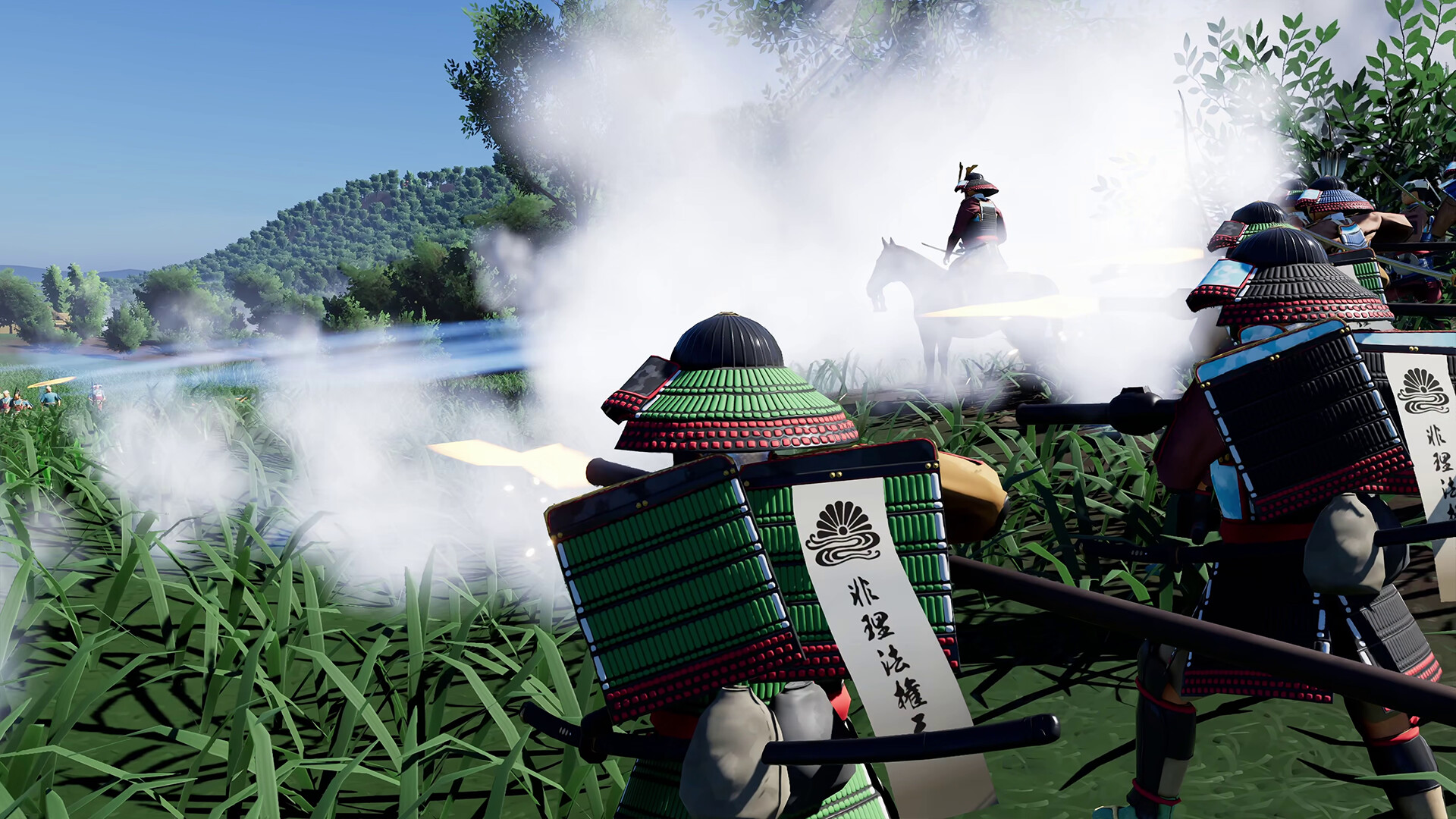
A skirmish along a riverbank, muskets firing through drifting smokeImage: Darkmatter Games -
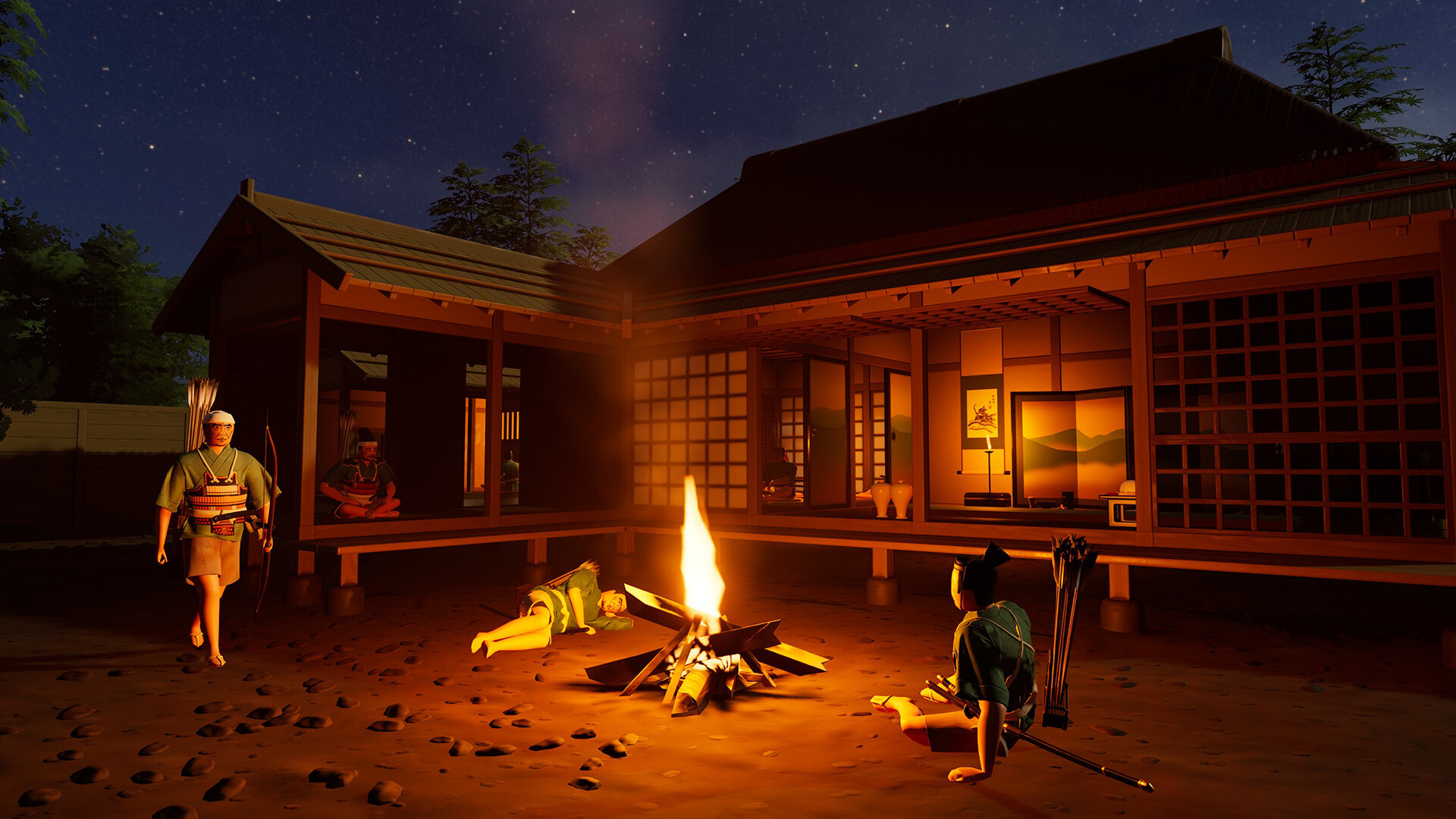
A war camp settled in for the night, troops resting by the fireImage: Darkmatter Games -
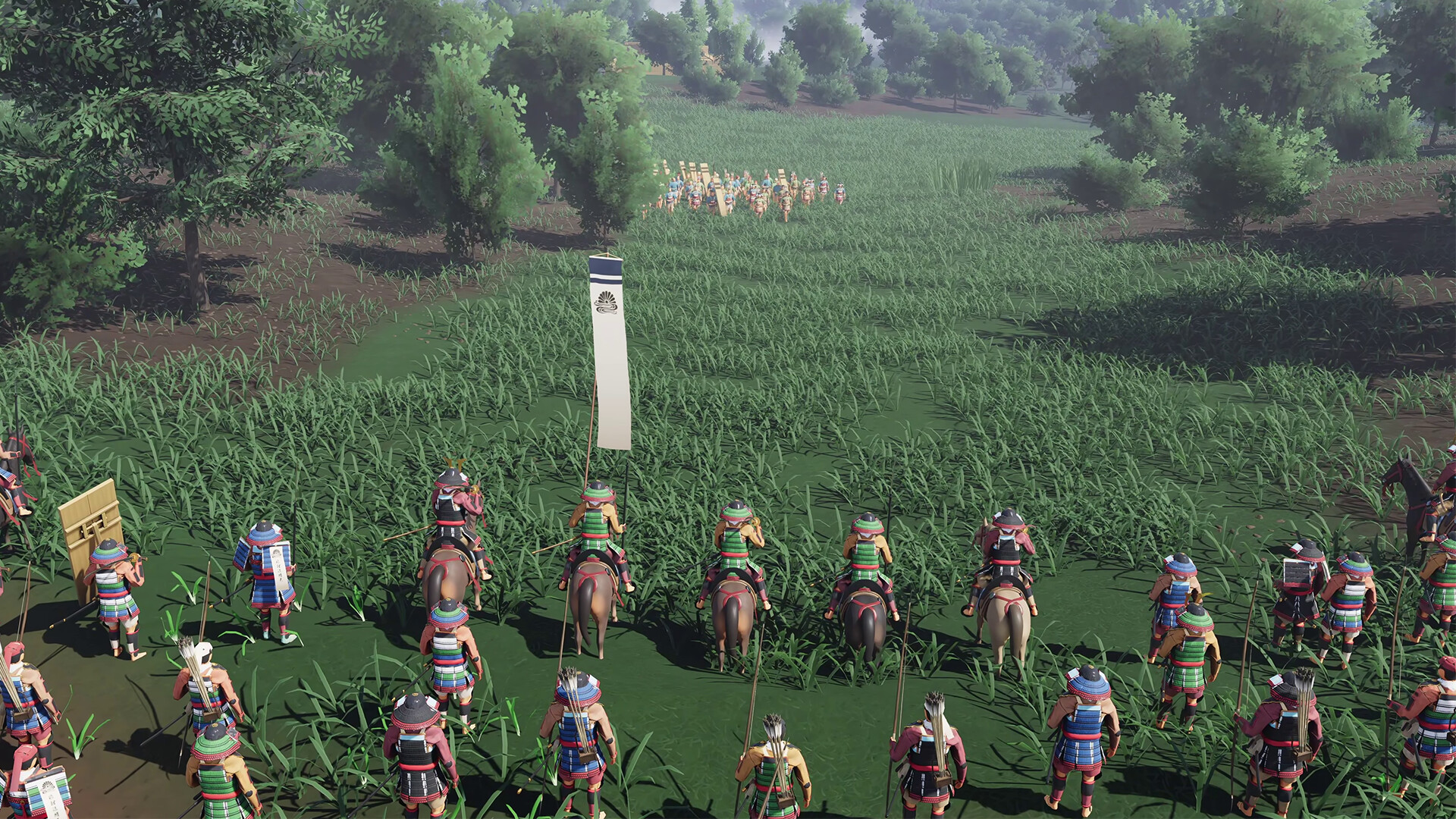
Marching a formation of cavalry and archers into position ahead of a clashImage: Darkmatter Games -
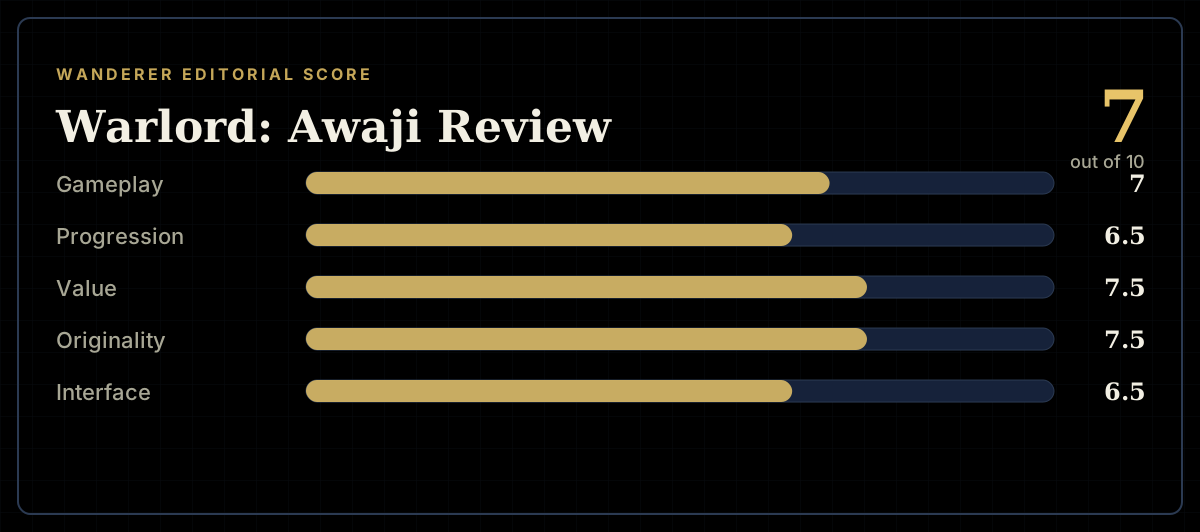
How the review scores each part of the gameWanderer Editorial -
The short versionWanderer Editorial