
Game review
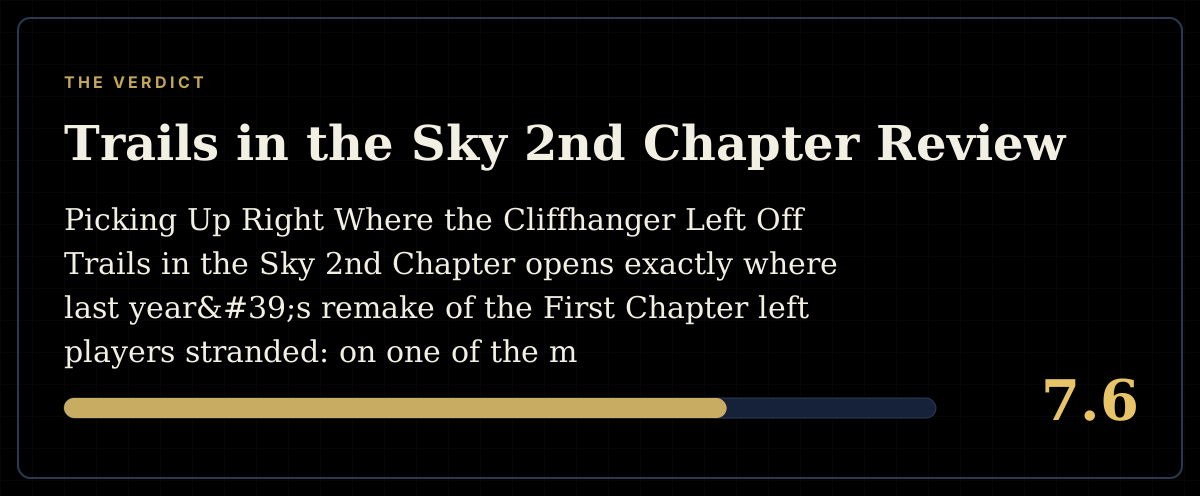
Trails in the Sky 2nd Chapter Review
7.6 / 10
- Developer
- Nihon Falcom
- Publisher
- Clouded Leopard Entertainment
- Released
- 16 September 2026
- Platforms
- ["Windows"]
- Genre
- RPG
Picking Up Right Where the Cliffhanger Left Off
Trails in the Sky 2nd Chapter opens exactly where last year's remake of the First Chapter left players stranded: on one of the most infamous cliffhangers in JRPG history, with bracer-in-training Estelle Bright reeling from the disappearance of her adoptive brother Joshua and the revelation of the sinister Ouroboros organization operating in the shadows of the kingdom of Liberl. What follows is less a gentle continuation than a tonal gear-shift, trading the original's cozy, slice-of-life travelogue structure for a country-spanning, higher-stakes story that asks Estelle to grow up quickly while still holding onto the warmth that made the first game beloved. It's a big swing for a series famous for its patience, and by nearly every account from players who've made the journey, it lands.
This is very much a game built for people who already have history with Liberl. The narrative resumes mid-story at the start of Act 2, and the developer and reviewers alike are consistent on this point: playing First Chapter first isn't optional, it's the whole foundation the sequel is built on. For returning fans, though, that shared history is exactly what makes the payoff hit as hard as it does, turning what could have been a rote sequel into what several early reviewers are already calling one of the best narrative arcs in the genre.
A Refined Hybrid of Turn-Based Tactics and Modern Convenience
Combat carries over the series' tactical, grid-based turn structure but folds in more action-oriented elements introduced in Falcom's more recent Trails entries, giving fights a snappier, more modern feel without sacrificing the positioning and craft-planning depth longtime players expect. It's a deliberate step forward from a purely nostalgic recreation, and the response from series veterans has been overwhelmingly positive: the hybrid system is frequently singled out as an improvement that respects what worked in the original while shaking off some of its slower, more repetitive edges.
Beyond the main quest, the remake pads out its considerable runtime (players are reporting comfortably past the twenty-hour mark without rushing) with expanded side content, including fishing and a casino, that gives the world of Liberl more to do between story beats. None of it reinvents what a JRPG side activity looks like, but it's a welcome bit of texture in a genre that lives and dies on how much you want to linger in its world. Players carrying save data over from the First Chapter remake report the transition feeling seamless, with familiar towns and faces greeting them in updated form rather than requiring a fresh start, which goes a long way toward making the sequel feel like a direct continuation rather than a new game wearing a familiar name.
A Genuinely Excellent PC Port
Where 2nd Chapter distinguishes itself most clearly is in the quality of its PC-specific work, an area Falcom remakes haven't always excelled at historically. Frame rates run uncapped well past 120fps, native 16:10 and ultrawide aspect ratio support is built in rather than bolted on, and DLSS and FSR are both available for players chasing extra headroom. A highly customizable turbo mode lets players speed through backtracking and familiar battle phases at will, meaningfully cutting down on the pacing friction that can bog down long JRPGs, and the game scales cleanly from high-end desktops down to the Steam Deck. Mouse-and-keyboard support is implemented properly rather than as an afterthought, and controller mapping is seamless for players who prefer it. A handful of players hit a false-positive Windows Defender flag in the first twenty minutes after release, easily resolved with a restart, but it's a minor early hiccup rather than a lasting issue.
The audio side gets the same care: a newly arranged soundtrack sits alongside the option to switch back to the classic score for players feeling nostalgic, and the localized cast (with returning favorites like Olivier drawing particular affection) carries the dialogue-heavy script well. Several longtime fans have specifically praised the option to toggle between the two scores mid-playthrough, noting that the original compositions still hold up remarkably well against the new arrangements, and that having both readily available rather than locked behind a separate purchase or mod is exactly the kind of respect for the source material this remake project has built its reputation on.
Priced Like a Full-Scale RPG, Because It Is One
At just under fifty-four dollars, 2nd Chapter is priced as a substantial, full-scale JRPG rather than a budget indie remake, and for players already invested in the series that's an easy sell given the length, polish, and narrative weight on offer. Newcomers, though, should treat the price tag as confirmation that this is act two of a much longer story rather than a standalone entry point; anyone curious about the series is better served starting with First Chapter and working forward. A lone complaint about the absence of regional pricing for Southeast Asia stands out as a real, if narrow, access issue worth flagging for players in that region. For everyone the game is actually built for, series fans who've already cleared First Chapter, the price matches a genuinely substantial, lovingly remade RPG rather than a quick cash-in.
Verdict
Trails in the Sky 2nd Chapter is exactly what a sequel remake should be: a faithful continuation that sharpens its predecessor's combat, dramatically raises the narrative stakes, and wraps it all in one of the best-executed PC ports Falcom has ever shipped. It demands that you've played First Chapter, asks a real time and money commitment even of people who have, and won't do much to win over players who bounce off turn-based JRPGs in general, but for the audience it's actually speaking to, it's shaping up to be a genuine high point for the series.
Pros:
- Dramatically raised narrative stakes that pay off the first game's cliffhanger in satisfying fashion
- Refined hybrid combat system that modernizes the original's turn-based tactics
- Exceptional PC port: uncapped framerates, ultrawide support, DLSS/FSR, turbo mode, and Steam Deck scaling
- Newly arranged soundtrack with the option to switch back to the classic score
Cons:
- Requires having played First Chapter; starts mid-story with little accommodation for newcomers
- Hefty price tag and long runtime represent a real commitment, especially for the genre-curious
- No regional pricing for Southeast Asian players
- Expanded side content (fishing, casino) is pleasant but doesn't meaningfully innovate on genre standards
Screenshots
-
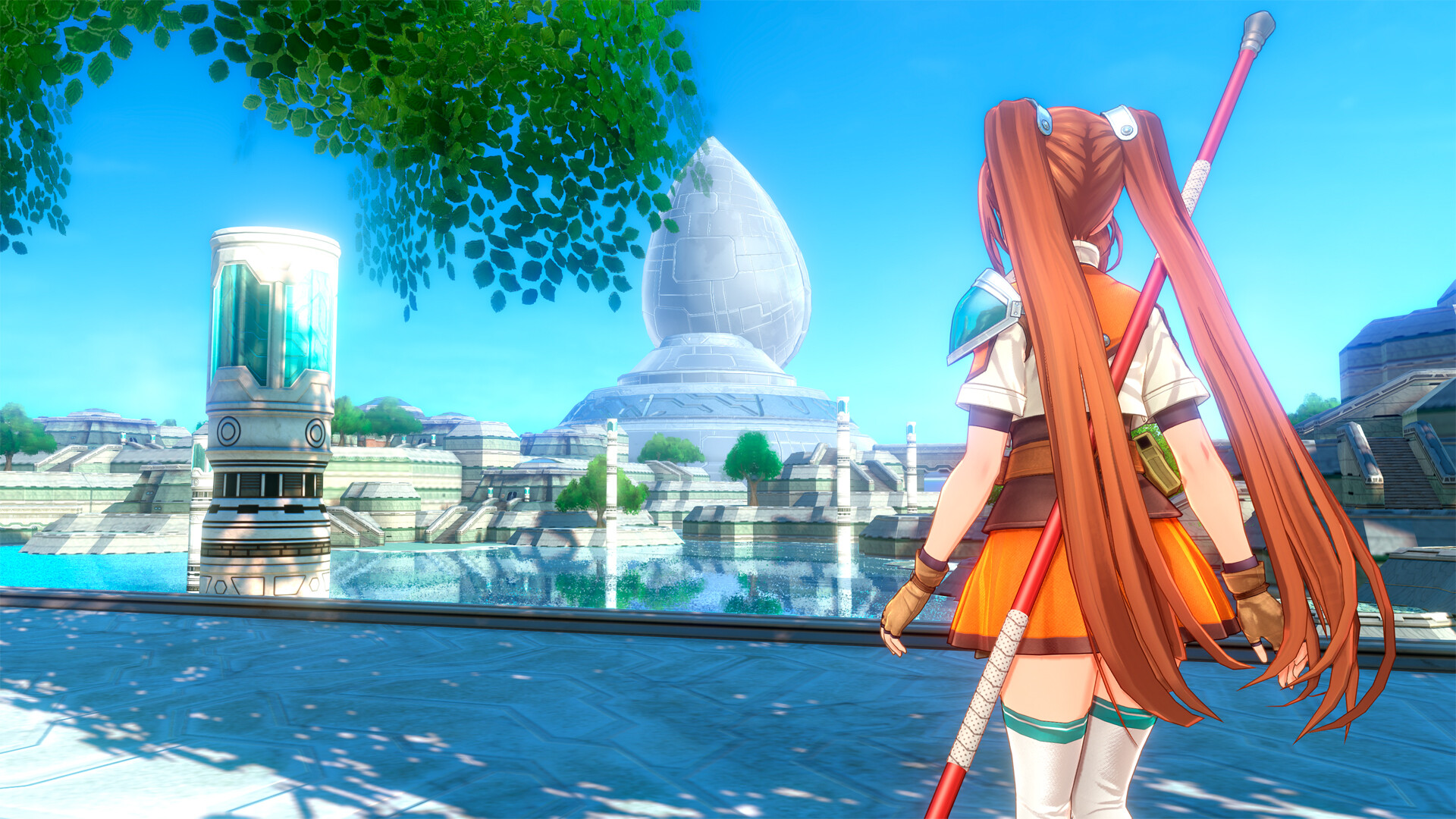
Liberl's more advanced districts show off the remake's overhauled visualsImage: Nihon Falcom -
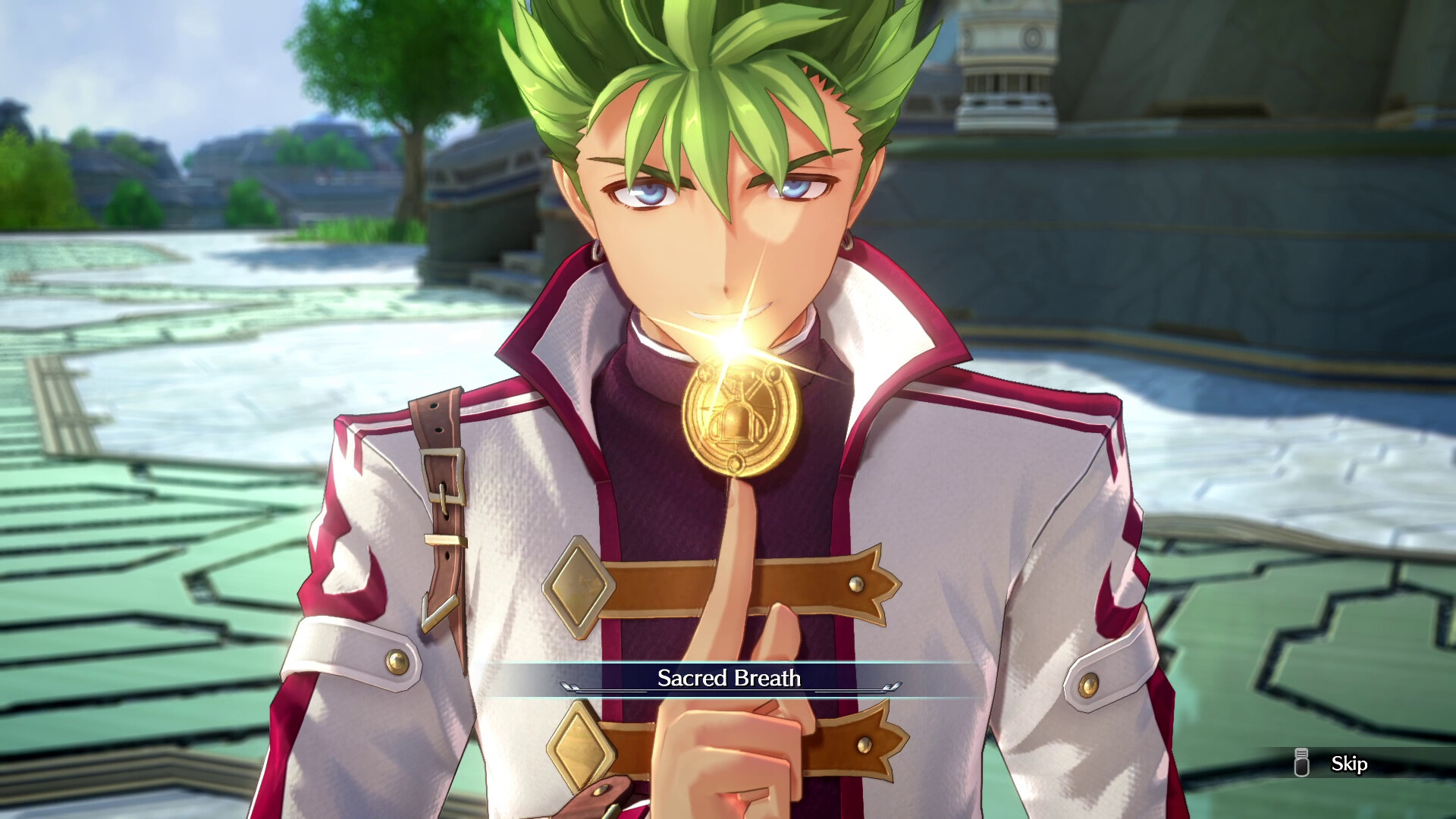
Fully voiced cutscenes carry much of the story's dialogue-heavy pacingImage: Nihon Falcom -
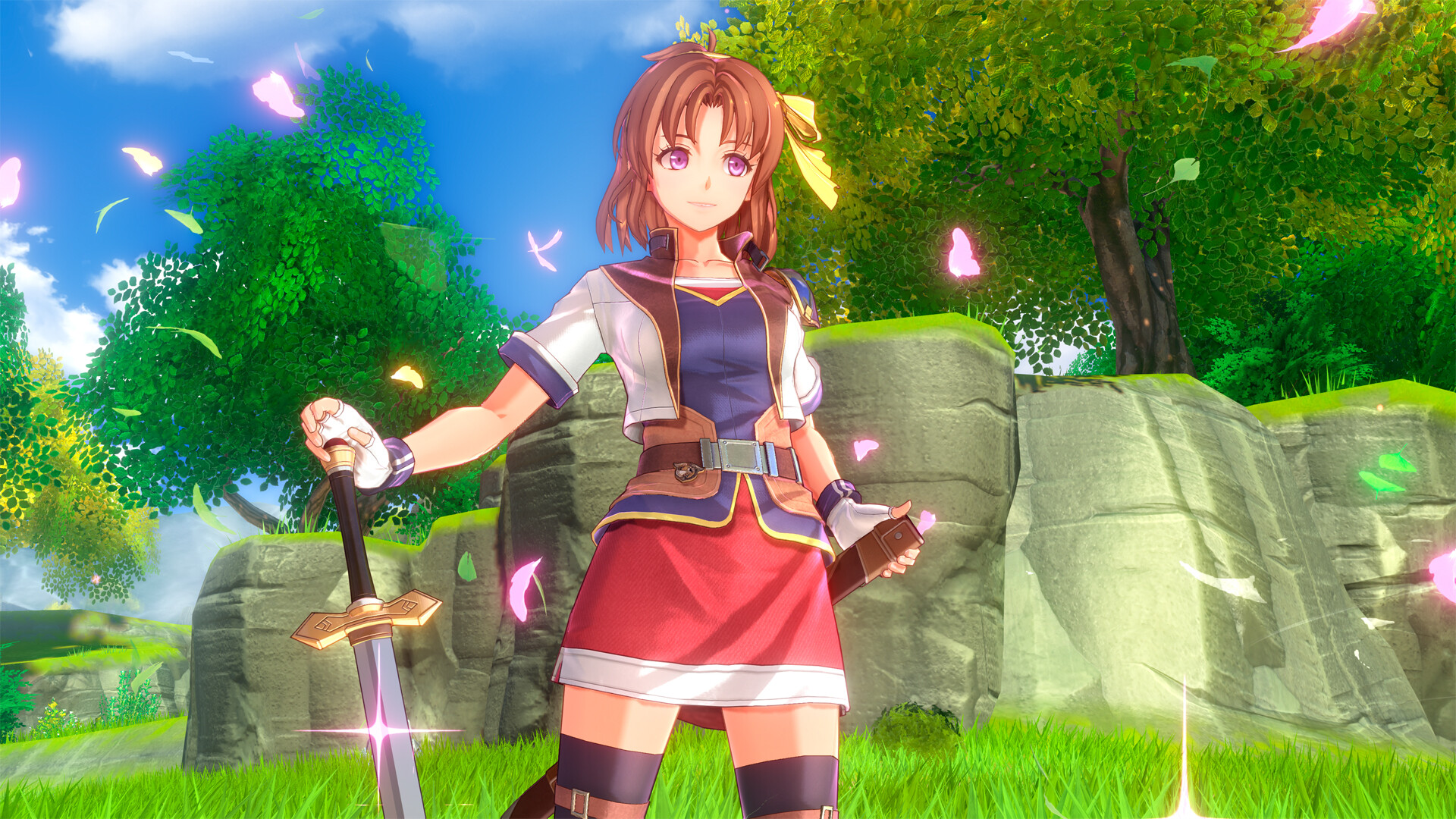
Estelle Bright returns as the story's endearing, fiercely determined protagonistImage: Nihon Falcom -
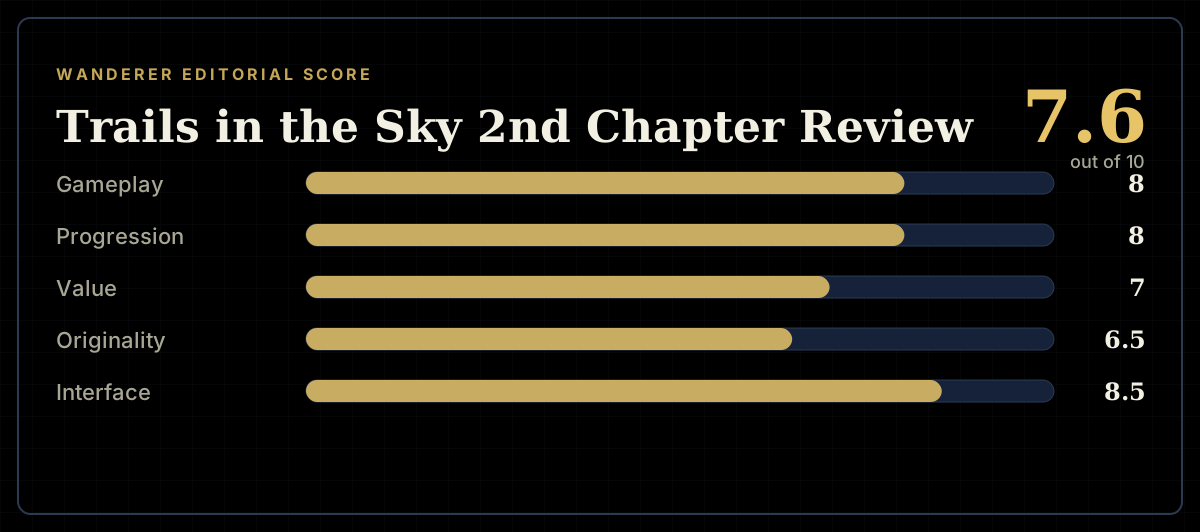
How the review scores each part of the gameWanderer Editorial -
The short versionWanderer Editorial