Game review
Super Robot Wars Y
6.1 / 10
- Developer
- Bandai Namco Forge Digitals Inc.
- Publisher
- Bandai Namco Entertainment Inc.
- Released
- 28 August 2025
- Platforms
- ["Windows"]
- Genre
- Strategy
- Monetisation
- Paid
- Players
- Single-player
The short version
Super Robot Wars Y is a mechanical and narrative improvement over its predecessor, with sharper writing, a genuinely challenging Expert mode, and a crossover cast that finally feels intertwined, but a widely disliked UI, a resolution locked to 1080p, heavy animation reuse, and steep tiered pricing keep it a divisive, mid-pack entry rather than an easy recommendation outside the existing fanbase.
Biggest strengths
- A tighter, better-connected crossover story than its immediate predecessor, with characters from different shows genuinely interacting rather than staying in their own bubbles
- A real difficulty curve on higher settings, with terrain, positioning, and resource management actually mattering again after several very easy entries
- A reworked Assist system and streamlined mission structure that cuts down on the filler and bloat reviewers disliked in the previous game
Biggest weaknesses
- A UI that the majority of reviewers describe as cramped, unintuitive, or a step back from earlier entries, especially on controller
- Resolution locked to 1080p at 60fps with no official way to go higher, a regression reviewers repeatedly compare unfavourably to the previous game's 4K support
- Heavy reuse of animations and assets from earlier titles, with some units receiving no meaningful visual update in a decade, alongside steep pricing across its Standard, Deluxe, and Ultimate editions
Who it's for: Long-time Super Robot Wars and mecha-anime fans willing to tolerate a rough UI and steep price for one of the series' better-written crossovers in years.
Our recommendation: Worth it for franchise veterans and newcomers curious about tactical mecha crossovers, but wait for a sale unless you specifically want day-one access to the included shows and are prepared for a fixed 1080p/60fps presentation.
6.1 / 10
A Crossover That Finally Talks To Itself
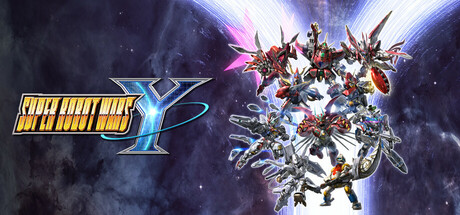
Super Robot Wars Y, developed by Bandai Namco Forge Digitals and published by Bandai Namco Entertainment, is the latest entry in a decades-old tactical RPG series built entirely around crossovers: dozens of mecha anime and tokusatsu properties, from Gundam and Getter Robo to Macross, Dunbine, and Godzilla, sharing a single battlefield and, ideally, a single story. The 510 English-language Steam reviews land at Very Positive, 456 recommending against 54 who don't, but the recommendation rate undersells just how much genuine debate runs through the sample. This is not a review set split between people who like the genre and people who don't; it's overwhelmingly long-time series fans, many with hundreds of hours across multiple previous entries, arguing with real specificity about whether this particular installment lives up to a franchise they clearly care about.
The dominant, recurring verdict, repeated across dozens of reviews in different words, is that Y is a substantial improvement over its immediate predecessor, Super Robot Wars 30, which numerous reviewers describe as bloated, poorly paced, and trivially easy. Where 30 buried its story under ship missions, an "Emergency Order" system that could interrupt play at will, and largely siloed casts that rarely interacted outside their own franchise's stages, Y is repeatedly praised for tearing down those walls. Reviewers describe characters from unrelated shows meeting, arguing, and influencing each other's plots well before the story mechanically requires it, with more than one reviewer calling out specific moments, Dunbine and L-Gaim's storylines intertwining, the Getter Arc cast reacting to a returning Godzilla threat, as genuinely surprising and well-earned rather than perfunctory fan service. For a series whose entire appeal rests on making crossovers feel meaningful rather than incidental, this is treated by the review set as the game's clearest success.
That said, the crossover roster itself draws more mixed reactions. Several reviewers are frustrated that Mobile Suit Gundam: The Witch from Mercury only includes its first, notably shorter season, leaving its plot unresolved within the game. Godzilla Singular Point gets singled out repeatedly as a weak link, with reviewers describing its lead unit as the least interesting in the roster and its "high science" premise failing to translate cleanly into the game's tactical framework, even as its tie-in with SSSS.Dynazenon's kaiju threads is generally well received. A recurring complaint across many reviews, sometimes gently, sometimes with real frustration, is that the roster leans too heavily on series that already appeared in the last two or three entries: Char's Counterattack, Zeta Gundam, Aura Battler Dunbine, and Cybuster all draw specific call-outs from reviewers who'd like to see the mainline series pull from a wider pool of shows rather than the same reliable handful, especially as some reviewers point out the franchise's mobile gacha spinoff appears to be getting first pick of newer, more interesting licenses.
A Real Difficulty Curve, At Last
The single most consistently praised mechanical change is difficulty. Multiple reviewers, some with hundreds of hours across the last four "International Era" entries (V, X, T, and 30), describe those prior games as having become trivially easy even on their hardest settings, with a single strong unit often able to solo entire maps once fully upgraded. Y is repeatedly singled out for reversing that trend, at least on its higher difficulty tiers: reviewers describe genuinely needing to manage positioning, terrain, and spirit-command resources well into the midgame, with several specifically praising Expert mode for finally recapturing the tension of older, pre-HD-era entries in the series. One reviewer with a full Expert clear calls it "a true difficulty now, where even late in the campaign, your units can get one-shot by some of the special bosses," a sentiment echoed across many other reviews in less formal terms.
That difficulty is underpinned by systemic changes reviewers broadly welcome. The prior game's ExCommand system, widely blamed for letting a single unit chain actions and trivialize entire maps, has been replaced with a reworked Assist system that reviewers describe as more tactically interesting and much harder to abuse, requiring specific setups to chain effects rather than allowing infinite snowballing. Support attacks, defends, and second attacks have all been strengthened to compensate, and reviewers note that a much larger share of the recruitable roster, estimated by one reviewer at roughly 90 percent, feels genuinely usable rather than existing purely for its home-series fan service. The mission structure has also been tightened: repeatable grinding missions ("Front Missions" in the game's own terminology) are capped rather than infinitely farmable, side missions have clearer unlock conditions, and several reviewers explicitly praise the reduction in filler compared to 30's sprawling, sometimes directionless mission list.
Not every change lands cleanly. A vocal minority of reviewers describe the game's hit and dodge percentages as feeling statistically off, reporting runs where a listed 31 percent enemy hit chance connects far more often than expected, and where their own high-percentage attacks whiff more than the numbers would suggest, though this reads across the sample as a persistent frustration for a specific subset of players rather than a universal complaint. Several reviewers also miss the ability to cast the same spirit command across multiple units from a single search menu, now requiring each unit to be selected and cast on individually, a workflow regression that comes up often enough in otherwise positive reviews to be worth flagging.
The UI Problem Nobody Can Agree On
If there's one issue that unites almost every negative review and shows up as a significant caveat in a large share of positive ones too, it's the interface. Reviewers across the spectrum describe the new UI as cramped, visually bland, and meaningfully harder to navigate than previous entries, particularly on controller, where several specific workflow changes, reassigned buttons for menu navigation, a multi-step process for casting spirit commands that used to take one button press, are called out as concrete regressions rather than just aesthetic complaints. Multiple reviewers report information now being crammed into a small window during battle, forcing more scrolling and cross-referencing than the series has historically required, and more than one specifically wonders how the layout is meant to work for console or Steam Deck players on smaller screens, given how much it seems to assume a PC monitor's real estate.
There is, notably, a smaller but articulate counter-argument running through the positive reviews. Several reviewers argue the new UI's substance is actually stronger than its predecessors, pointing to large, clear unit portraits that make selecting a specific character faster than in any previous entry, better damage-forecast information, and cleaner combat-forecast screens, framing the complaints as primarily aesthetic rather than functional. This split is real and consistent enough across the sample that it's worth presenting as a genuine disagreement rather than a settled consensus: reviewers who dislike the UI tend to focus on how it looks and how many extra inputs common actions now require, while reviewers who defend it tend to focus on the information it surfaces and how quickly they can act once they've learned its quirks.
The resolution cap draws far less disagreement. The game is locked to 1080p at 60 frames per second with no official option to go higher, and a large number of reviewers, including several who otherwise rate the game highly, call this out specifically because the previous mainline entry, Super Robot Wars 30, supported 4K at launch. For players on high-refresh or ultrawide monitors, or simply used to the previous game's flexibility, this reads in the sample as a genuine and somewhat baffling regression rather than a minor nitpick, though a handful of reviewers push back that the game's hand-drawn 2D sprite work doesn't necessarily benefit from higher resolutions the way a 3D game would.
Old Bones, New Bugs, and a Steep Price
Visually and technically, the review set describes a game caught between eras. A significant number of newly created or reworked units, several reviewers specifically praise Wing Zero's reanimated attacks and a handful of the new original protagonists' units, are described as genuinely excellent, some of the best animation work the series has produced. Set against that, a large volume of returning units are running animations recycled from titles as far back as the PS2-era Z3, and reviewers with a long memory for the series note the inconsistency is jarring in a way that's specific to Y: watching a crisp, modern attack sequence followed immediately by a decade-old recycled one in the same battle. Several reviewers trace this to the developer's move from an in-house engine to Unity for this entry, theorizing that a large share of development time went into technical migration rather than new content, a read that shows up often enough across otherwise unrelated reviews to feel like a reasonably informed guess rather than pure speculation.
The writing fares better in the review set, though not uniformly. Reviewers broadly agree the story is a step up from 30's, crediting a genuinely engaging central plot involving a flying city-state, an energy crisis, and a cast of original characters that multiple reviewers say finally feel like people rather than archetypes. Character interactions between crossover casts draw specific, repeated praise, with reviewers highlighting unexpected pairings, one specifically calls out Shinn from Gundam SEED Destiny becoming Domon from G Gundam's student, as the kind of connective tissue that makes the crossover premise sing rather than feel like a checklist. That said, a meaningful minority of reviewers, including several long-time fans, find the story's tone too uniformly friendly, arguing that characters with real ideological or personal conflicts in their home series get smoothed into implausible harmony far too quickly once they join the main cast, and the story remains fully linear with no branching routes, a structural complaint several reviewers raise as a missed opportunity given how many usable units the game offers.
Sound design draws consistently strong praise for its soundtrack, particularly for reviewers who purchased the premium sound edition that restores original vocal theme tracks, though a smaller group reports the audio mixing itself sounds noticeably thinner or more processed than the previous game's, with the same tracks sounding different, and worse, between the two titles. More concretely, several reviewers report the relocated custom-BGM file path is considerably more difficult to find than in prior entries, burying it several subfolders deep, and note the removal of a per-track volume adjustment feature that let players balance their own music imports, both framed as small but genuine quality-of-life losses.
Cost is one of the most consistently cited frustrations in the review set, independent of how a reviewer otherwise felt about the game. The base edition runs close to full AAA pricing, and the Deluxe and Ultimate tiers, which bundle day-one DLC, a pre-order bonus of several exclusive original units, and the premium soundtrack, push the total well past 150 US dollars for some regions, a figure multiple reviewers explicitly call excessive for what they consider incremental content. The practice of gating specific original units behind pre-order or edition tiers draws particular criticism, with more than one reviewer arguing that players who wait for a sale shouldn't be locked out of playable content that's arguably part of the base experience.
Technical issues appear throughout the negative reviews and occasionally in positive ones. A recurring, specific bug involves the in-game shop freezing when bulk-purchasing items, reported by enough reviewers to read as a real, not isolated, issue, though several reviewers note it was patched relatively early in the post-launch period. Other reviewers report crashes tied to high on-screen enemy counts, one describing frequent crashes once a certain story chapter introduces more simultaneous units, and at least one reviewer reports a catastrophic failure after 51 hours of play that persisted through driver rollbacks and reinstalls, leaving the game unplayable. These reports are a minority within the sample, and several reviewers explicitly note the game has been patched multiple times since launch with real improvements, but they're frequent enough, and severe enough in isolated cases, to be worth flagging clearly for anyone considering an early purchase.
Length is treated almost universally as a positive rather than a complaint, though it comes with its own caveat. Reviewers pursuing full completion report anywhere from 50 to 250 hours depending on how much side content they pursue, and multiple reviewers explicitly note that trying to see everything on a first playthrough can become fatiguing by design, given how much of the roster is genuinely viable and therefore tempting to fully explore. For reviewers approaching the game purely through its main story, playtime estimates run dramatically lower, and the review set is fairly consistent in suggesting the game rewards a a deliberate pace rather than a rush toward the credits.
Verdict
Super Robot Wars Y is, by the overwhelming consensus of its own audience, a genuine step forward for a franchise that many long-time fans felt had been coasting: sharper writing, a real difficulty curve, and a crossover cast that actually talks to and affects each other rather than sharing a battlefield out of obligation. That step forward comes bundled with real, specific friction, a UI a large share of players find actively worse to use, a resolution cap that feels like an unexplained downgrade, heavy reuse of decade-old animations sitting uncomfortably next to genuinely excellent new ones, and a pricing structure that asks a lot even by the standards of a series with a famously dedicated fanbase. It's not the unqualified return to form some reviewers were hoping for, but it's close enough, and different enough from its predecessor, that most of this review set finished it satisfied, if not always without complaint.
Pros and cons
Pros
- A tighter, better-connected crossover story than its immediate predecessor, with characters from different shows genuinely interacting rather than staying in their own bubbles
- A real difficulty curve on higher settings, with terrain, positioning, and resource management actually mattering again after several very easy entries
- A reworked Assist system and streamlined mission structure that cuts down on the filler and bloat reviewers disliked in the previous game
Cons
- A UI that the majority of reviewers describe as cramped, unintuitive, or a step back from earlier entries, especially on controller
- Resolution locked to 1080p at 60fps with no official way to go higher, a regression reviewers repeatedly compare unfavourably to the previous game's 4K support
- Heavy reuse of animations and assets from earlier titles, with some units receiving no meaningful visual update in a decade, alongside steep pricing across its Standard, Deluxe, and Ultimate editions
Screenshots
-
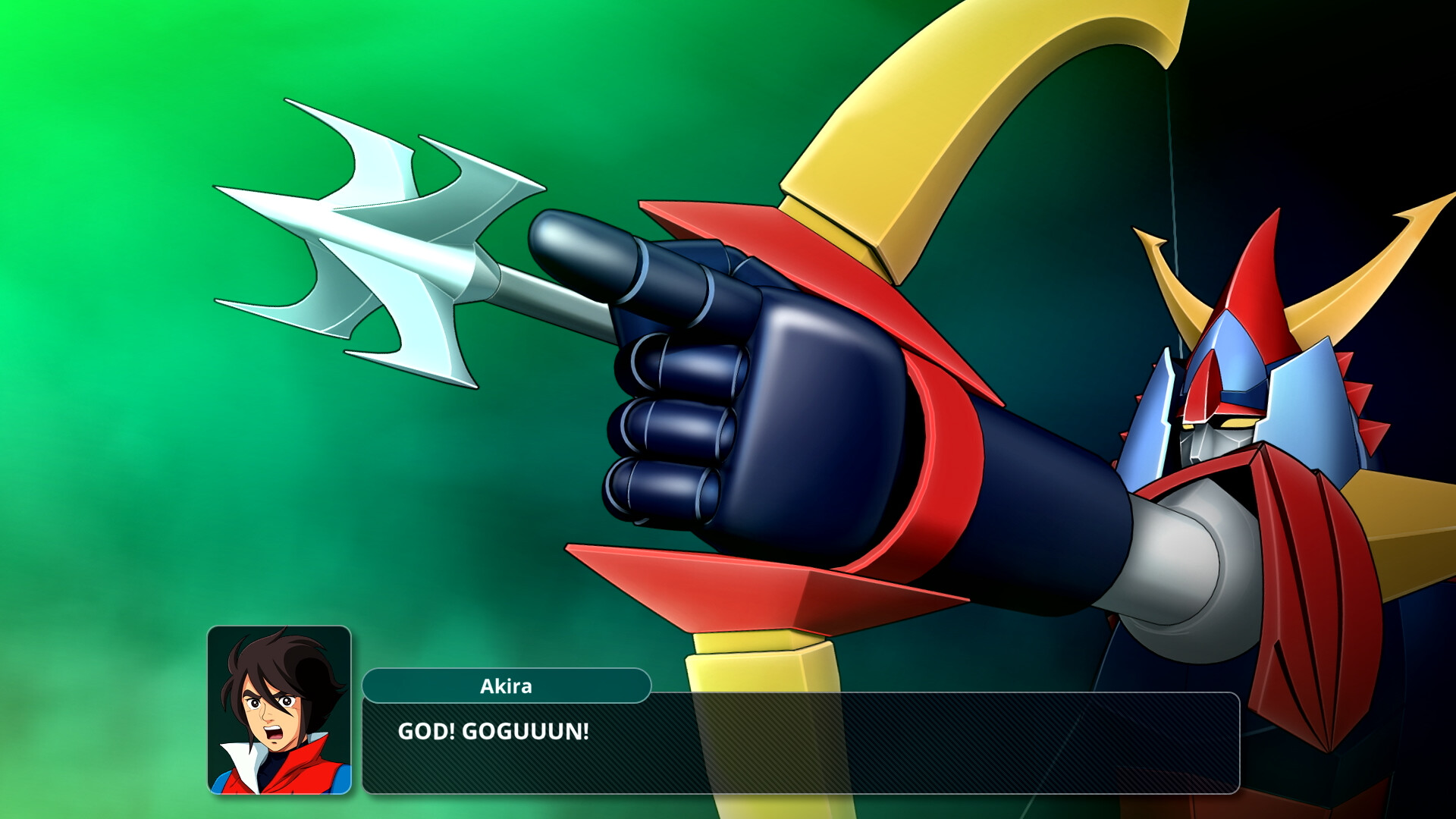
Crossover cutscenes lean hard on each series' own animation style and catchphrases, a big part of the appeal for longtime fansBandai Namco Entertainment Inc. -
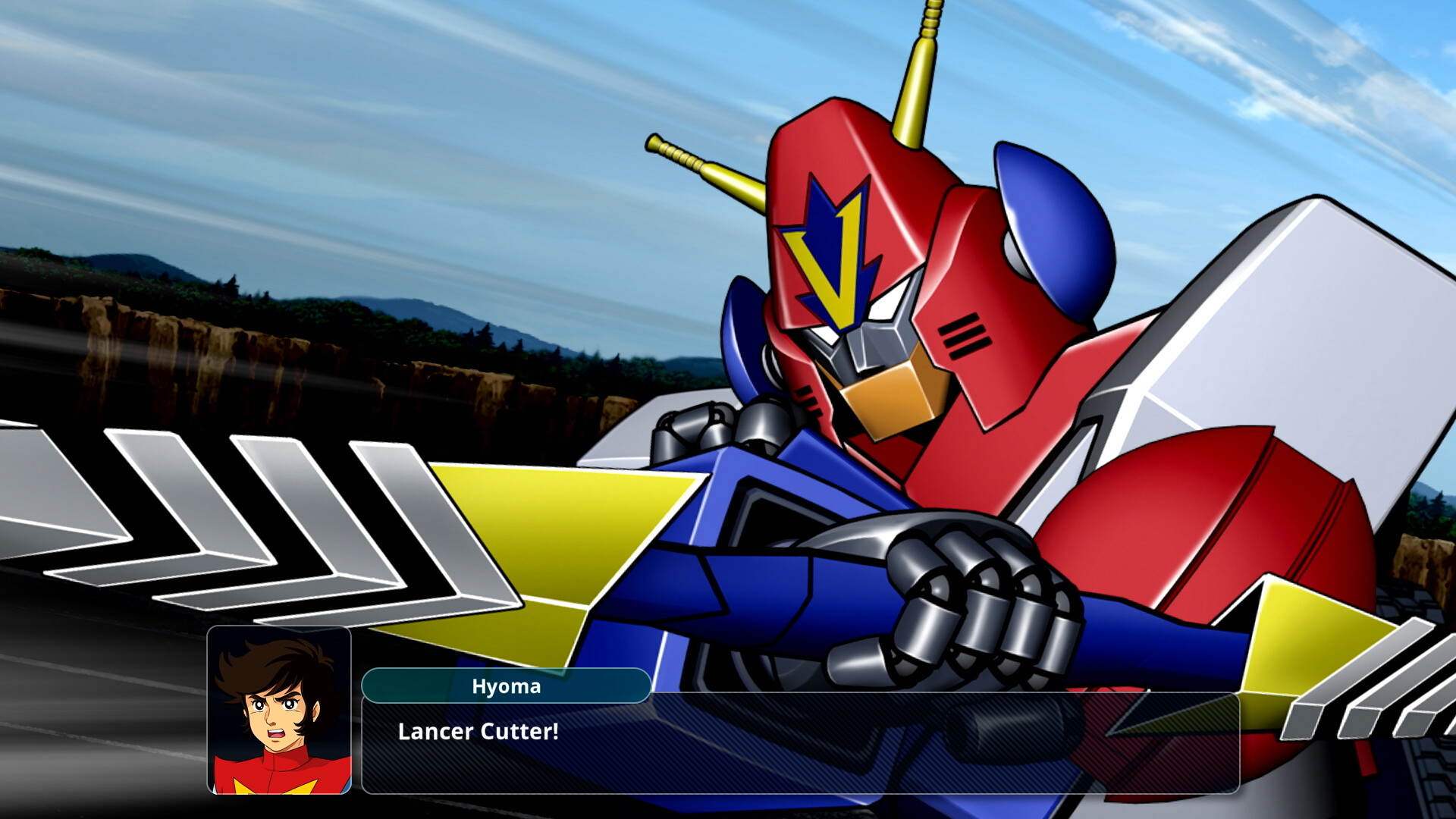
Attack animations vary widely in age and fidelity across the crossover roster, a recurring point of debate among reviewersBandai Namco Entertainment Inc. -
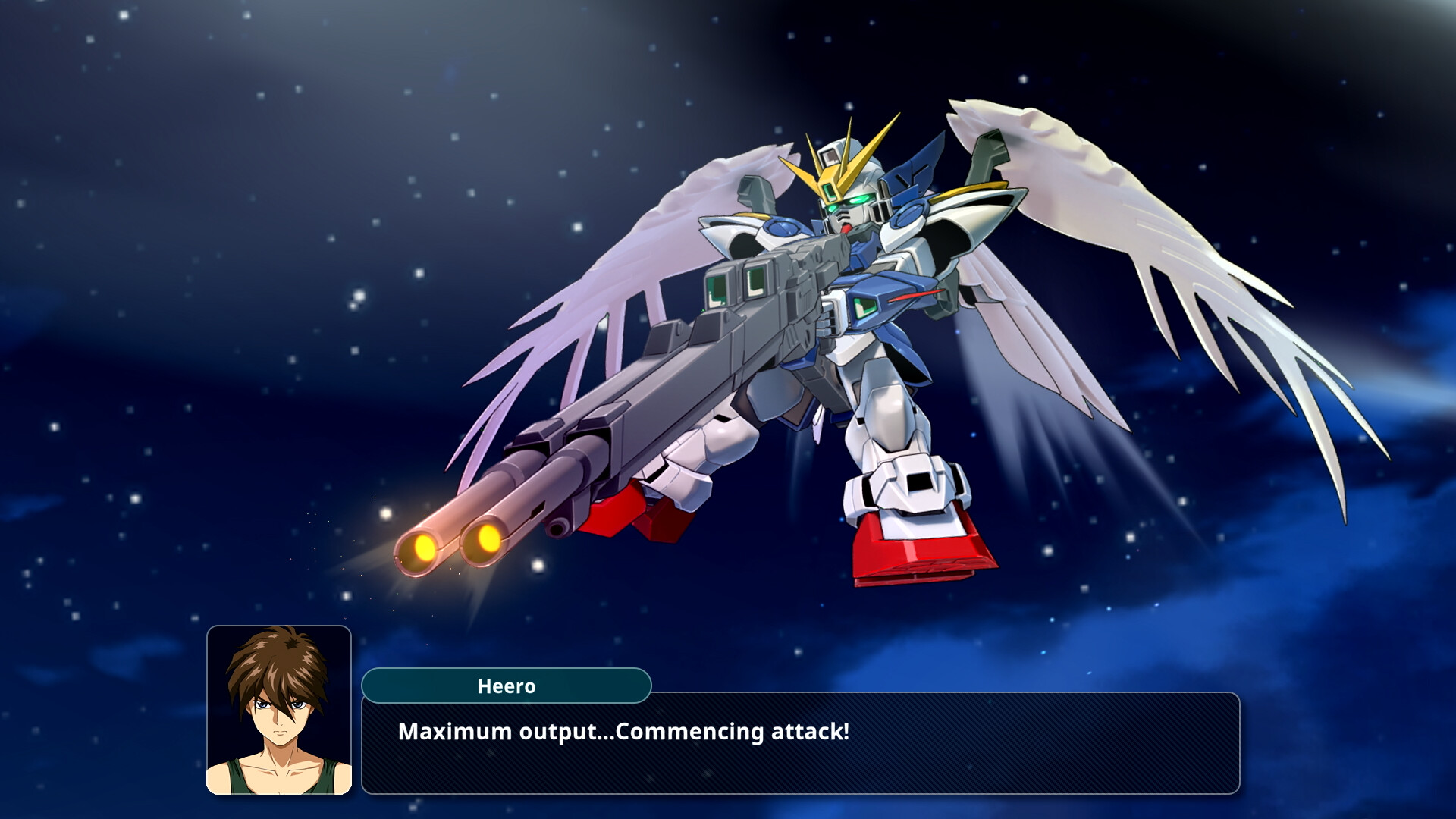
Newer, higher-fidelity units like Wing Gundam Zero sit alongside decades-older franchises in the same rosterBandai Namco Entertainment Inc. -
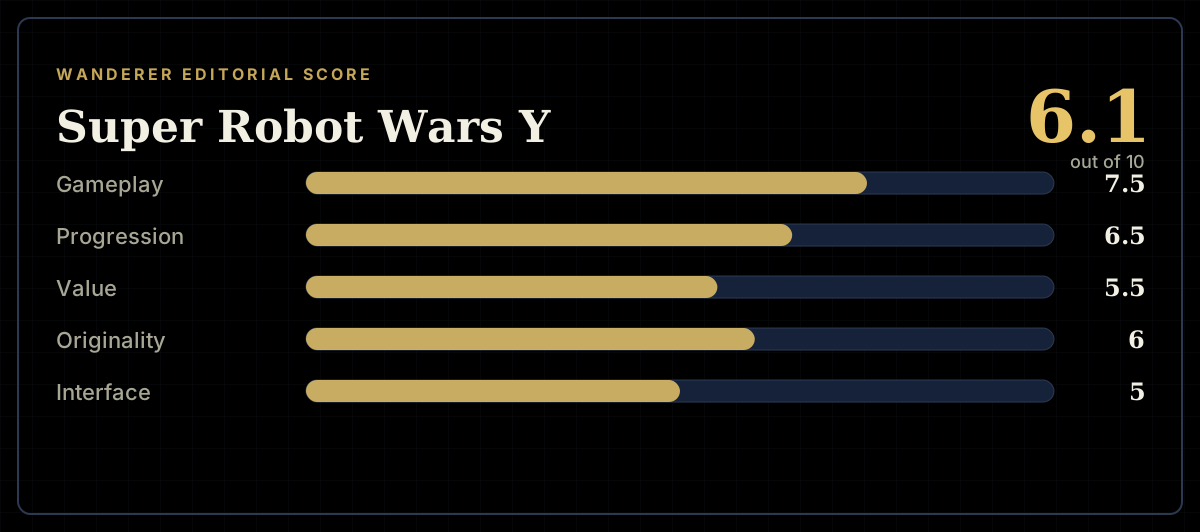
How the review scores each part of the gameWanderer Editorial -
The short versionWanderer Editorial