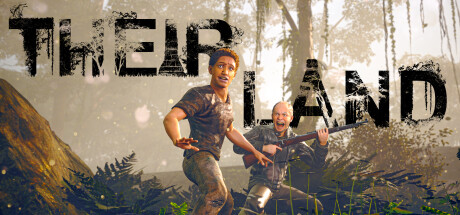
Game review
Their Land
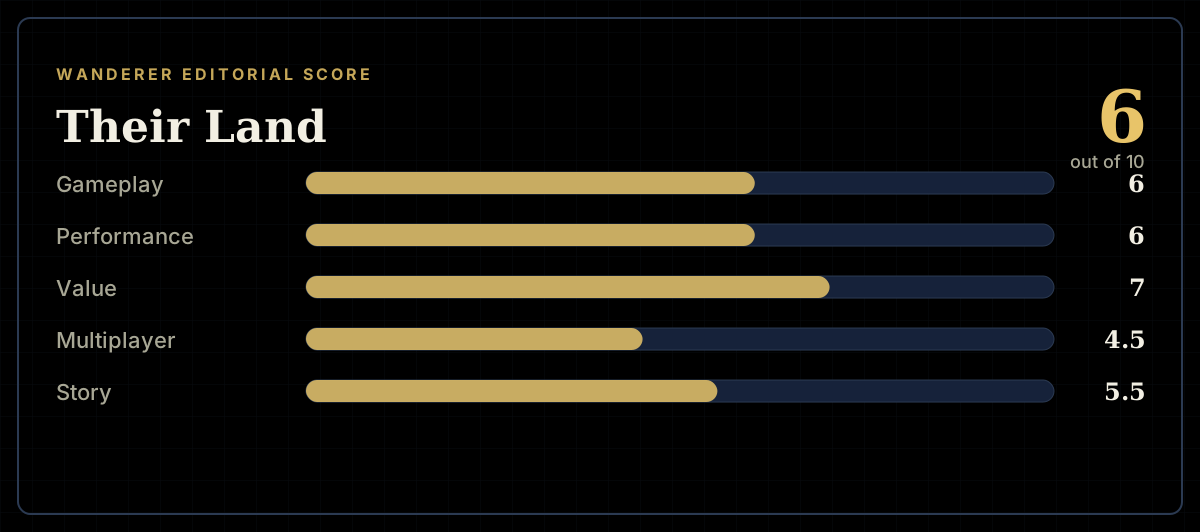
6 / 10
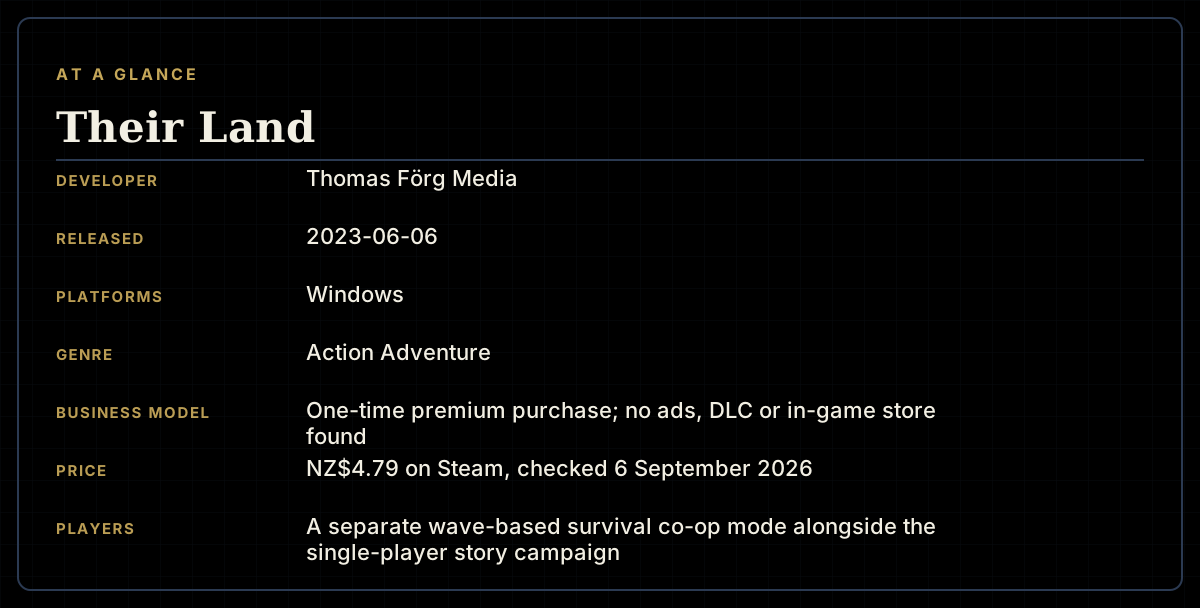
- Developer
- Thomas Förg Media
- Publisher
- Thomas Förg Media
- Released
- 6 June 2023
- Platforms
- Windows
- Genre
- Action Adventure
- Monetisation
- One-time premium purchase; no ads, DLC or in-game store found
- Players
- A separate wave-based survival co-op mode alongside the single-player story campaign
The short version
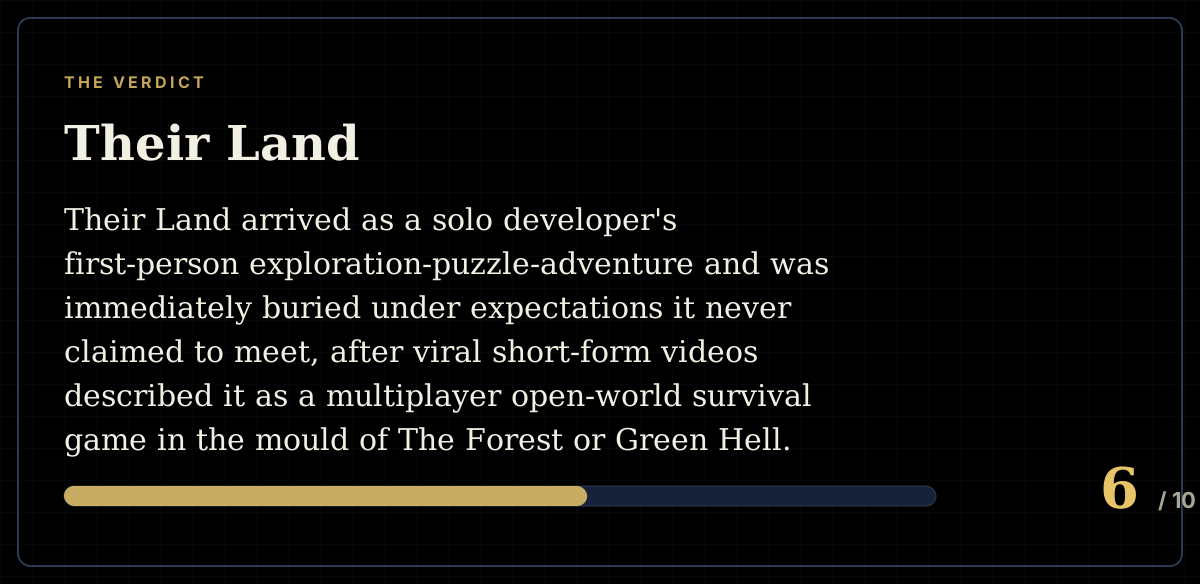
Their Land arrived as a solo developer's first-person exploration-puzzle-adventure and was immediately buried under expectations it never claimed to meet, after viral short-form videos described it as a multiplayer open-world survival game in the mould of The Forest or Green Hell. It isn't that, and the resulting wave of mismatched-expectation reviews landed alongside a second, entirely legitimate problem: the game genuinely ran badly for a large share of players at launch.
What sets this apart from a typical rough solo launch is the response. Barely a day passed after release before the first of what became a string of updates explicitly labelled "performance" patches, a cadence that continued in some form for more than two years, through a major engine upgrade in late 2024 and further fixes into 2025. The game most people are buying today is a considerably more stable release than the one the original review-bomb was reacting to.
Biggest strengths
- An extraordinarily sustained, transparent patch cadence — performance-focused updates began within a day of launch and continued in some form for over two years, including a full engine-level overhaul in late 2024
- Built and maintained by a single developer, an ambitious scope (first-person exploration, puzzle design, combat, a separate co-op mode) for a project of that size
- Priced well under most comparable indie releases, with reviewers even on the negative side acknowledging it's a reasonable price for what's there
Biggest weaknesses
- A viral short-form video mischaracterized the game as a multiplayer open-world survival title, driving purchases from an audience the actual game was never built to satisfy, and a subsequent review-bombing wave that multiple independent reviewers corroborate as the same specific event
- Achievement data shows a stark early drop-off — only about 41% of owners reach even the game's first story milestone — consistent with both the launch-era performance problems and a large share of buyers arriving with mismatched expectations
- The advertised co-op mode is a separate wave-based survival mini-mode rather than the story campaign played together, a distinction multiple reviewers felt was misleadingly close to "co-op" without delivering what that word usually promises
Who it's for: Fans of small, linear first-person exploration games with light puzzle and combat elements, who go in expecting a solo passion project rather than a survival sandbox. Not for anyone wanting the open-world survival experience some viral marketing incorrectly promised.
Our recommendation: A reasonable pickup at its low price for what it actually is — just don't expect the multiplayer survival game a viral video may have described, and check current system requirements rather than trusting older, launch-era performance complaints.
6 / 10
Few games in this review's research turned up as clean and specific a launch controversy as Their Land's. Multiple independent reviewers describe the same event: a short-form video, or several, characterized the game as a multiplayer open-world survival title in the vein of The Forest or Green Hell — something it was never built to be — and a wave of buyers arrived expecting exactly that. When the actual product turned out to be a linear, story-driven first-person exploration-and-puzzle game with a limited side mode for co-op, a review-bombing wave followed, compounded by a second, entirely real problem: the game ran badly for a meaningful share of players at launch, regardless of what they expected going in.
What the game actually is
Stripped of the viral hype, Their Land casts the player as a young man exploring an island with a group of more experienced companions, working through a mix of environmental puzzles, light combat and platforming-adjacent traversal. Reviewers who approached it on its own terms, rather than through the lens of the mismatched marketing, generally describe a short (five-to-six-hour), visually ambitious solo project with a story that starts with real atmosphere but doesn't fully sustain it. The puzzle design draws specific criticism for repetition — several reviewers describe a recurring "find an item, cross the gap" structure that doesn't meaningfully vary across the game's length, and voice acting and lip-sync are consistently described as rough, even accounting for the scale of a one-person team.
The advertised co-op mode is a separate point of friction distinct from the TikTok controversy. Rather than playing the story campaign together, co-op here is a standalone wave-based survival mode. Several reviewers feel this is close enough to false advertising to call out specifically — the word "co-op" implies playing the actual game together to a lot of buyers, and what's on offer is a different, smaller mode entirely.
A genuinely bad launch, not just a misunderstood one
It would be a mistake to read every negative review here as purely a casualty of viral misinformation. A large, independent cluster of complaints describes real, severe performance problems at launch — frame rates in the teens on capable hardware even at the lowest graphics settings, and at least one detailed account of frame rates degrading further the longer a play session continued. Global achievement data supports how serious this was in practice: only around 41% of owners ever reach the game's very first story milestone, a steep early drop-off that's consistent both with players bouncing off poor performance and with buyers discovering quickly that the game wasn't what viral marketing had promised them.
The response is the real story here
What distinguishes Their Land from a typical rough solo launch is what happened next. The developer's public patch history shows a "Massive Performance Update" landing within roughly 24 hours of release, followed by four more explicitly performance-focused updates inside the first week alone. That cadence didn't taper off quickly — a further round of CPU and GPU performance work shipped in September 2023, and a full engine-level overhaul billed as "Huge Performance, Gameplay, Coop and Engine Upgrade" arrived in November 2024, well over a year after launch, with further foliage and visual performance work following in April 2025 and an achievement-system fix in July
- Language support also expanded substantially post-launch, with a dedicated update adding
"many more languages" in August 2023. Few solo developers sustain this level of visible, consistent technical investment in a single already-shipped title for over two years, and reviewers who returned to the game after the early patches consistently report a night-and-day difference from what the original wave of reviews described.
Reviewing the reviews
Because the review-bombing wave is such a large part of this game's public reputation, it's worth being specific about what the corroborated version of that story actually looks like, rather than treating "some people were misled" as a hand-wave excuse for every negative review. Several detailed reviews independently name the same short-form creators as the source of the mischaracterization, and describe the developer as having had no advance knowledge of or involvement in those videos before the backlash hit. That's a meaningfully different situation from a developer over-promising in their own marketing, and it's worth distinguishing clearly: the game's own store page and trailers don't appear to be the source of the mismatch that drove much of the early negative wave, even though the game's actual technical problems at the time were entirely real and entirely its own.
That distinction matters for how to read the review split. A subset of negative reviews are specifically and verifiably about performance — frame rate, stability, crashing — and those complaints track closely with a launch-era build that the developer has since spent over two years visibly working to fix. A separate subset are about the game simply not being the multiplayer survival title some buyers expected, which is a legitimate disappointment for those players but isn't a flaw in the game itself so much as a mismatch nobody involved with actually making the game created. Weighing the two together fairly means neither dismissing the real performance history outright nor treating every one-star review as illegitimate noise.
A developer still building
One additional data point is worth noting for context: in May 2024, close to a year after Their Land's launch and in the middle of its ongoing performance-patch cycle, the developer publicly announced a new, larger-scoped project titled "Wilds of Iron" as being in development. That a solo developer kept shipping substantial fixes to an already-released, modestly-priced game while also starting a new project suggests a level of ongoing commitment to Their Land that goes beyond simply patching a broken launch and moving on — this doesn't read as a game abandoned in favor of something newer so much as one still actively maintained alongside it.
Where it lands
Their Land is a genuinely difficult game to score cleanly, because so much of its reputation was shaped by a controversy that has little to do with what the game actually is or how it currently runs. Judged as what it's actually trying to be — a modest, ambitious, occasionally rough solo-developed exploration adventure — it's a reasonable, inexpensive few hours let down more by thin story pacing and repetitive puzzle design than by the performance problems that dominated its launch reviews. The mislabelled co-op mode and the sheer scale of the early mismatched-expectations wave are real, legitimate reasons for its still-Mixed rating, but the developer's sustained, transparent response to the parts of the criticism that were actually about the game itself is worth real credit, and worth knowing about before writing this one off based on its launch-era review score alone.
Pros and cons
Pros
- An extraordinarily sustained, transparent patch cadence — performance-focused updates began within a day of launch and continued in some form for over two years, including a full engine-level overhaul in late 2024
- Built and maintained by a single developer, an ambitious scope (first-person exploration, puzzle design, combat, a separate co-op mode) for a project of that size
- Priced well under most comparable indie releases, with reviewers even on the negative side acknowledging it's a reasonable price for what's there
- A number of thoughtful reviewers explicitly separated the game's actual content from the viral misinformation surrounding its launch, giving a clearer picture of the real product than the initial review-bomb reflected
Cons
- A viral short-form video mischaracterized the game as a multiplayer open-world survival title, driving purchases from an audience the actual game was never built to satisfy, and a subsequent review-bombing wave that multiple independent reviewers corroborate as the same specific event
- Achievement data shows a stark early drop-off — only about 41% of owners reach even the game's first story milestone — consistent with both the launch-era performance problems and a large share of buyers arriving with mismatched expectations
- The advertised co-op mode is a separate wave-based survival mini-mode rather than the story campaign played together, a distinction multiple reviewers felt was misleadingly close to "co-op" without delivering what that word usually promises
- Puzzle design is repetitive by reviewer accounts, built largely around one recurring obstacle-and-item loop rather than escalating variety
- The narrative is thin and unevenly paced according to several reviewers, with voice acting and lip-sync quality reviewers describe as rough even by small-team standards
Screenshots
-
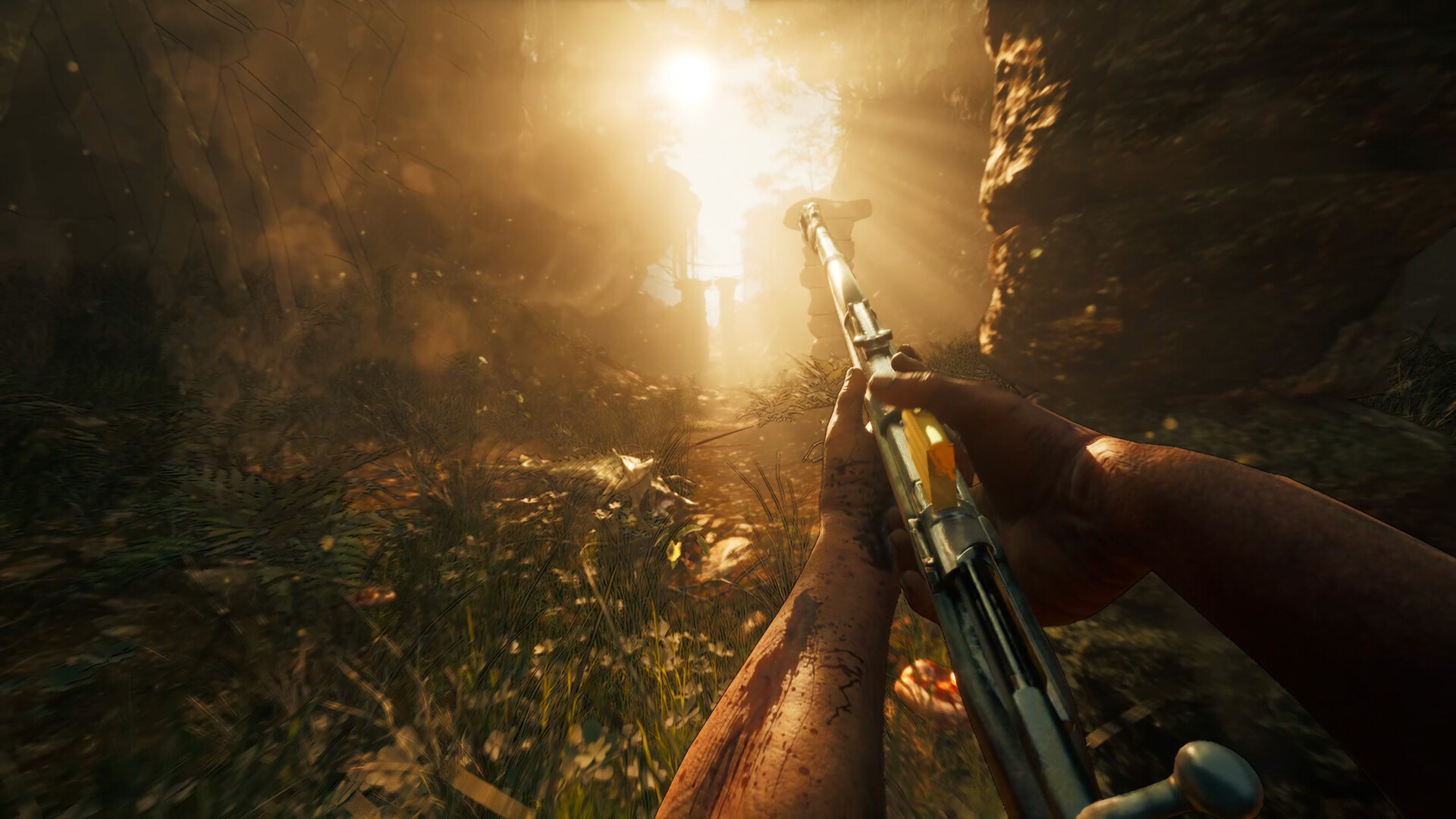
Their LandImage: Thomas Förg Media via Steam -
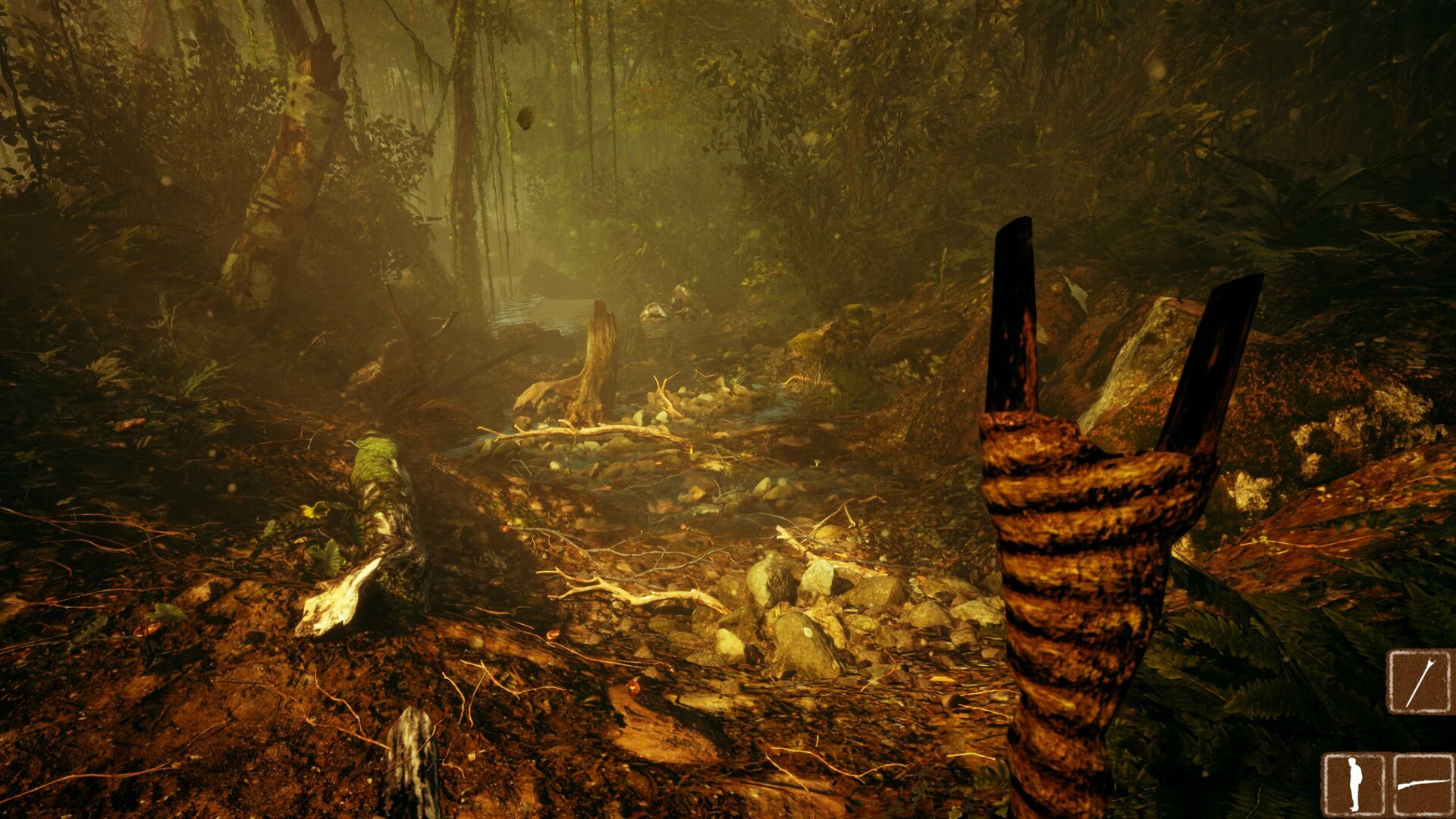
Their LandImage: Thomas Förg Media via Steam -
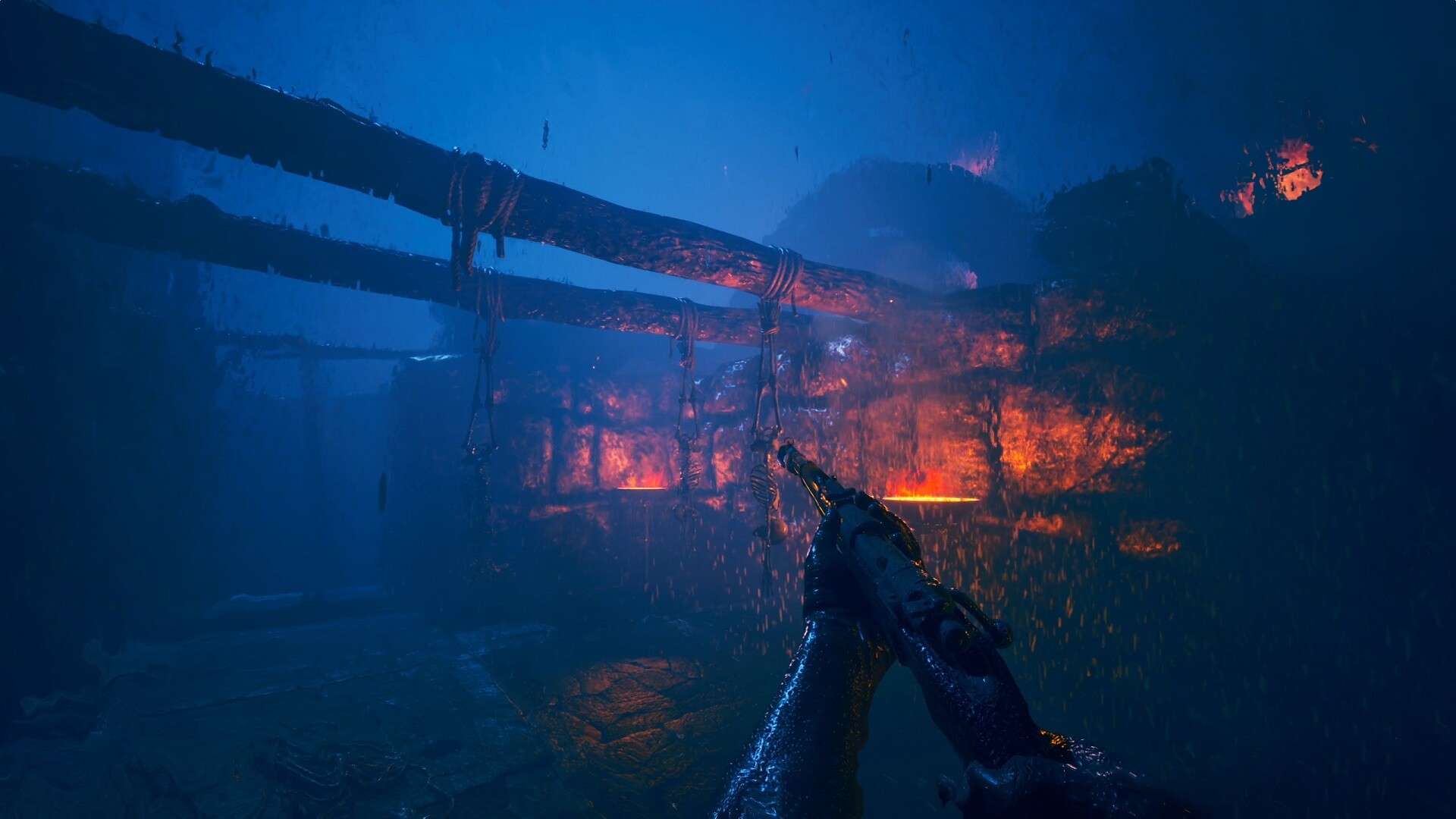
Their LandImage: Thomas Förg Media via Steam -
How the review scores each part of the gameWanderer Editorial -
The specsWanderer Editorial -
The short versionWanderer Editorial