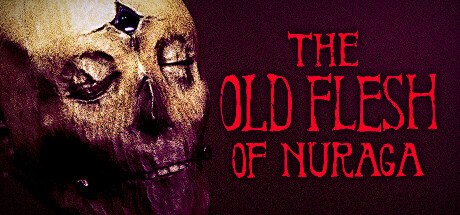
Game review
The Old Flesh of Nuraga
7 / 10
- Developer
- Studio Ortica
- Publisher
- Studio Ortica
- Released
- 27 August 2026
- Platforms
- Windows
- Genre
- Adventure
- Monetisation
- One-time purchase, no in-game purchases listed
- Players
- Single-player
The short version
The Old Flesh of Nuraga, released 27 August 2026 by Studio Ortica, is a short cosmic horror narrative game set in the Sardinian desert, following a grandchild caring for a grandfather slipping into madness while digging up cursed relics tied to a forgotten god. It sits Very Positive with a sample of 52 reviews, and reading widely through it reveals genuine, specific admiration for the studio's writing and atmosphere from an audience that includes returning fans of the developer's earlier games, alongside specific, credible complaints this review found worth weighing directly. Reviewers consistently praise witty, well-crafted dialogue and a slow-burning, folklore-rooted atmosphere, with at least one reviewer from Sardinia itself specifically praising the game's authentic use of the region's real archaeological culture and imagery. Multiple reviewers describe the human relationship at the story's centre, between a naive, selfish but sympathetic grandfather and the granddaughter caring for him, as genuinely affecting, with several specifically connecting it to real experiences caring for elderly family members. Set against that praise, this review found a specific, detailed complaint that the game's multiple branching endings feel unsatisfying, either an early "win by leaving" resolution that ends the story abruptly or several variations on losing that a detailed reviewer describes as thematically underwhelming. This review also found reports that controller support is effectively unusable, with the interface remaining locked to keyboard and mouse despite controller input being nominally listed, and a specific, reproducible quest-progression bug absent from the earlier public demo.
Biggest strengths
- Writing and dialogue draw consistent, specific praise as witty and well-crafted, with reviewers describing genuinely well-developed characters, particularly the central grandfather and granddaughter relationship, as surprisingly human and affecting
- The game's grounding in real Sardinian folklore and archaeological culture draws specific praise, including from at least one reviewer identifying themselves as Sardinian and confirming the game's authentic, respectful use of the region's real relics and imagery
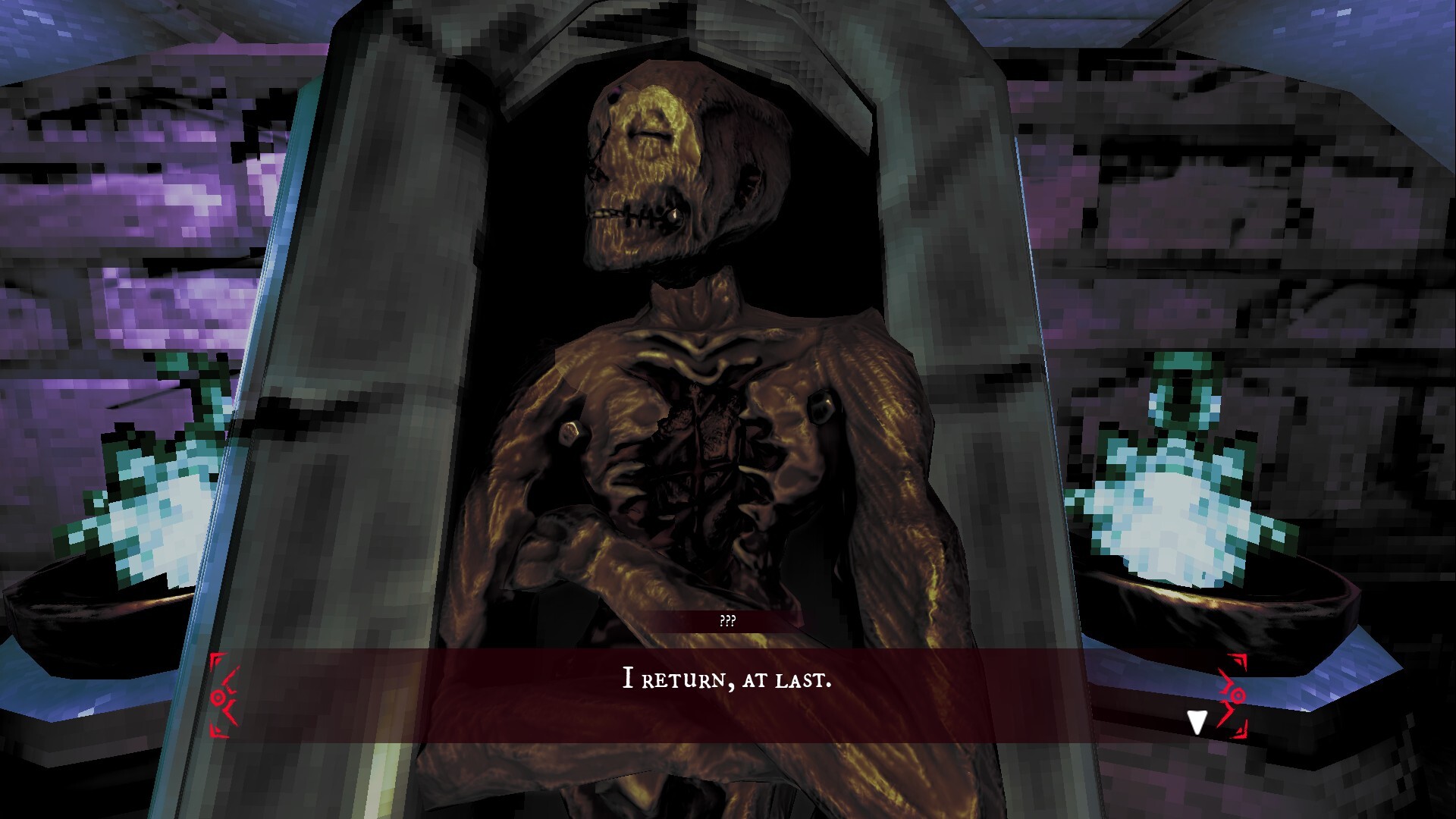
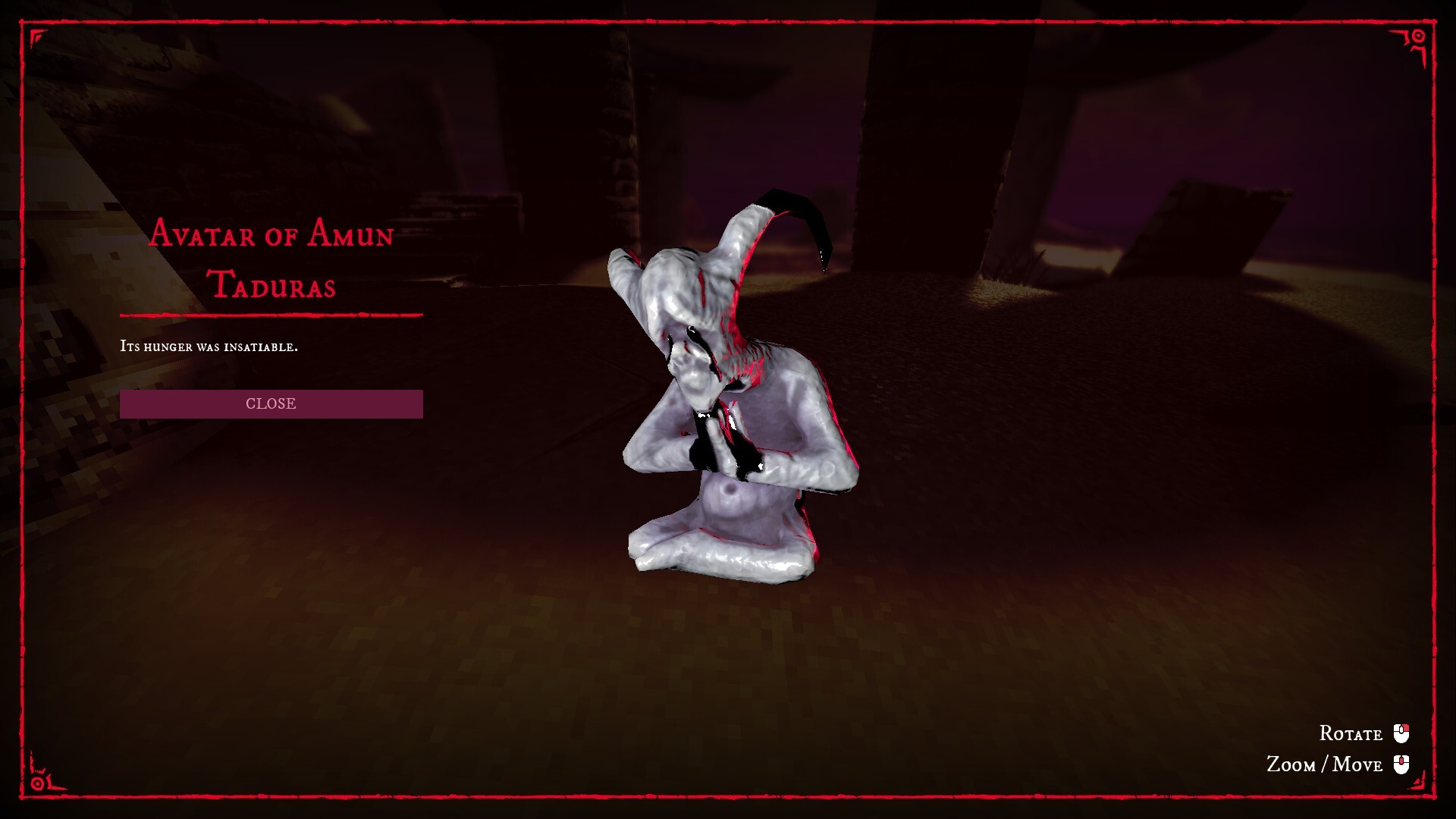
- Atmosphere, art direction and sound design draw consistent, enthusiastic praise, with reviewers describing a distinctive lo-fi visual style and sound work several specifically call brilliant
Biggest weaknesses
- At least one detailed reviewer reports the game's multiple branching endings feel unsatisfying, describing either an early "win by leaving" resolution that abruptly ends the story with little payoff, or several variations on losing that reviewer found thematically underwhelming and insufficiently differentiated from one another
- Multiple reviewers report controller support is effectively unusable, with the interface remaining locked to keyboard and mouse conventions despite controller input being nominally listed, alongside reports that bad random number generation can seemingly break progression entirely
- At least one detailed reviewer reports a specific, reproducible quest-progression bug involving a key archaeological dig site that couldn't be located despite following in-game guidance correctly, an issue that reviewer specifically notes wasn't present in the earlier public demo
Who it's for: Fans of short, atmospheric narrative horror games with genuine emotional weight, and players specifically drawn to folklore-rooted storytelling distinct from more generic horror settings.
Our recommendation: Worth it at this low price for narrative-horror fans, especially those who enjoyed the developer's earlier work; play with keyboard and mouse given reported controller issues, and temper expectations for a fully satisfying, conclusive ending.
7 / 10
Introduction
The Old Flesh of Nuraga, released 27 August 2026 by Studio Ortica, is a short cosmic horror narrative game set in the Sardinian desert, following a grandchild caring for a grandfather slipping into madness while digging up cursed relics tied to a forgotten god. It sits Very Positive with a sample of 52 reviews, and reading widely through it reveals genuine, specific admiration for the studio's writing and atmosphere from an audience that notably includes returning fans of the developer's earlier games, alongside specific, credible complaints this review found worth weighing directly rather than treating as marginal noise.
Witty writing, and a relationship reviewers describe as genuinely human
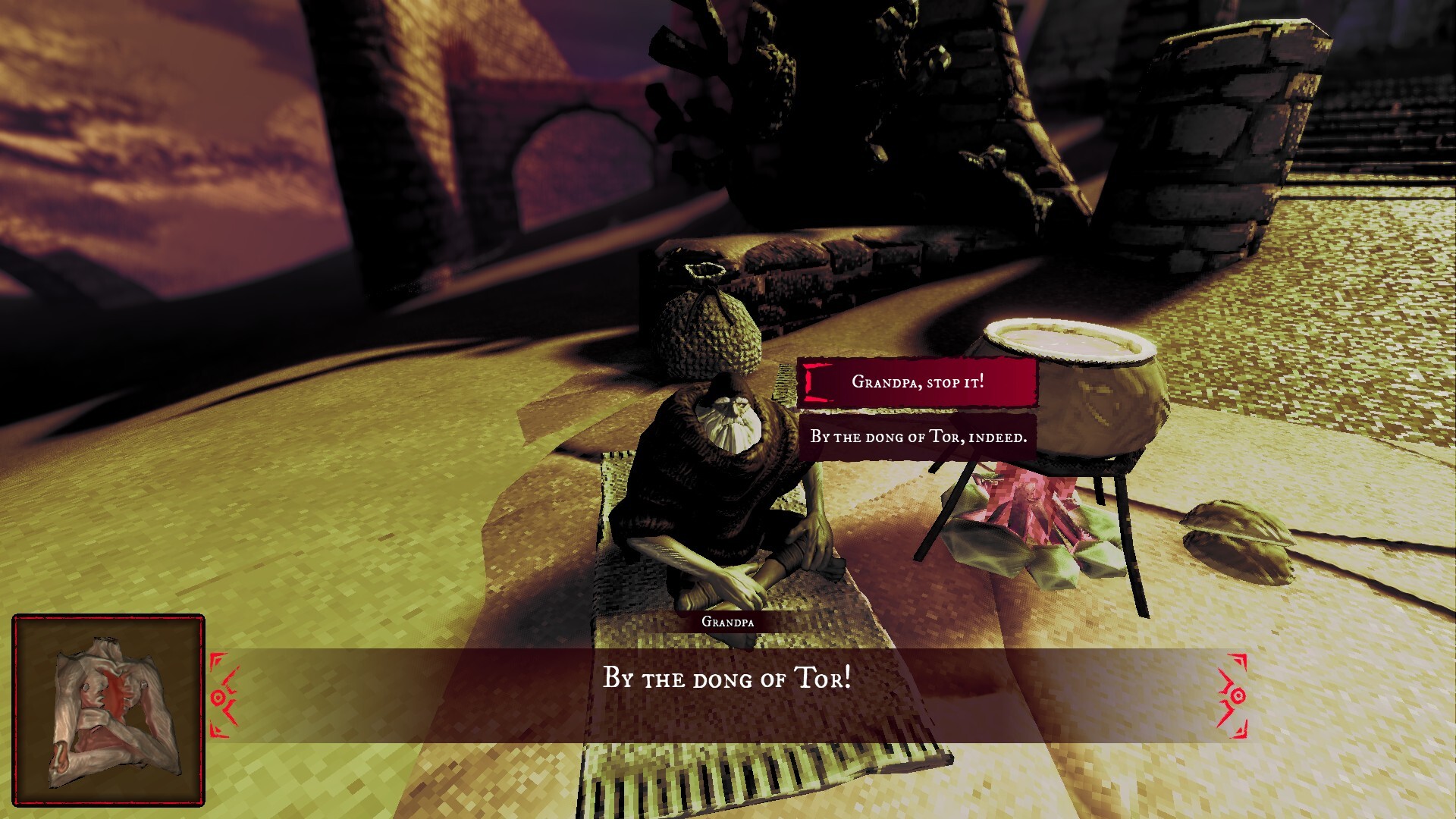
The clearest, most consistent praise across this sample concerns dialogue and character writing. Reviewers repeatedly describe the script as witty and well-crafted, and multiple reviewers specifically praise the central relationship between the player character and their grandfather as genuinely human — a naive, occasionally selfish old man the player character nonetheless refuses to abandon. Several reviewers explicitly connect this dynamic to their own real experiences caring for elderly family members, describing the story as an unexpectedly affecting exploration of that specific caregiving weight rather than a purely abstract horror premise.
Authentic Sardinian folklore, confirmed by a local reviewer
A specific, distinctive strength this sample highlights is the game's grounding in real Sardinian archaeological culture and folklore. At least one reviewer specifically identifies themselves as being from Sardinia, the real island the game's relics and imagery draw from, and confirms the game's use of that culture reads as authentic and respectful rather than generic horror-genre window dressing. That kind of direct, credentialed endorsement carries real weight for a game whose atmosphere depends so heavily on specific regional folklore most players wouldn't otherwise be able to verify themselves.
Atmosphere and presentation, and a studio hitting its stride
Presentation draws consistent, enthusiastic praise throughout this sample, with reviewers describing a distinctive lo-fi visual style and sound design several specifically call brilliant. Returning fans of Studio Ortica's earlier releases, including Loan Shark and Birds Watching, specifically praise this as the strongest entry in the developer's body of work yet, framing consistent quality growth across successive releases as genuine reason to trust the studio's future output.
Endings that a detailed reviewer finds unsatisfying
Set against that praise, this review found a specific, detailed complaint concerning the game's multiple branching endings. At least one reviewer describes the available outcomes as either an early "win by leaving" resolution that abruptly concludes the story with minimal payoff, or several variations on losing that reviewer found thematically underwhelming and insufficiently distinct from one another. A separate reviewer echoes a related, if gentler, version of this complaint, describing the endings as feeling somewhat truncated, as though the developer opted for narrative simplicity over a more complex resolution the story's setup seemed to promise.
Controller support reviewers describe as effectively unusable
A concrete, specific technical complaint concerns controller compatibility. Multiple reviewers report the interface remains locked to keyboard-and-mouse conventions despite controller input being nominally listed as supported, with menu navigation reportedly assigning controller buttons in ways that don't map sensibly to on-screen prompts. At least one reviewer separately reports bad random number generation can seemingly break progression entirely, compounding the frustration for players attempting to use a controller in the first place.
A specific bug absent from the earlier demo
This review found one further, concrete complaint worth flagging directly: at least one detailed reviewer reports a specific, reproducible quest-progression bug involving a key archaeological dig site that couldn't be located despite following the game's own in-game guidance correctly, spending around 25 minutes searching before giving up. That reviewer specifically notes this exact issue wasn't present when they'd played the earlier public demo, suggesting a regression introduced somewhere between the demo and full release rather than a longstanding design flaw.
Is it "barely a game," and does that matter?
It's worth addressing directly a specific, ambivalent characterisation raised by one reviewer, who describes the experience as barely qualifying as a traditional game, closer to an interactive short film with minimal mechanical depth layered on top. That reviewer notably offers this observation without framing it as an outright complaint, explicitly stating the game doesn't deserve a negative review even while declining to fully recommend it either. This review reads that specific ambivalence as useful, honest calibration for prospective buyers rather than a real strike against the game: several other reviewers explicitly praise the same minimal mechanical structure as an appropriate, unobtrusive anchor for a story-first experience, arguing it would likely have worked even as a purely narrative piece with no interactive elements at all. Whether that's a strength or a limitation depends entirely on what a given player wants from the genre, and this review treats it as a legitimate expectation-setting note rather than a quality problem in its own right.
A studio worth watching, based on this sample's trajectory
It's worth noting directly how consistently this sample frames The Old Flesh of Nuraga within the context of Studio Ortica's broader, ongoing body of work rather than judging it purely in isolation. Multiple reviewers explicitly describe following the developer across multiple prior releases and specifically credit this entry with exceeding their expectations relative to what came before, describing a studio that keeps improving with each subsequent release rather than repeating a formula. That trajectory, evident across a sample small enough that individual returning fans are each a meaningful share of the total, gives this review real confidence that the specific issues documented above, the ending structure and the reported bugs, reflect a still-developing project rather than a ceiling on what this particular studio is capable of delivering.
Final Verdict
The Old Flesh of Nuraga delivers genuinely affecting, well-crafted storytelling grounded in authentic Sardinian folklore, with a central grandparent-grandchild relationship reviewers consistently describe as surprisingly human, backed by distinctive atmosphere and sound design that represents Studio Ortica's strongest work according to the developer's own returning fans. What holds this score back is a specific, detailed complaint about unsatisfying branching endings, reportedly unusable controller support, and at least one concrete quest-progression bug absent from the earlier demo. Worth it at this low price for narrative-horror fans, especially those drawn to folklore-rooted storytelling; play with keyboard and mouse, and go in with tempered expectations for a fully conclusive ending.
Pros and cons
Pros
- Writing and dialogue draw consistent, specific praise as witty and well-crafted, with reviewers describing genuinely well-developed characters, particularly the central grandfather and granddaughter relationship, as surprisingly human and affecting
- The game's grounding in real Sardinian folklore and archaeological culture draws specific praise, including from at least one reviewer identifying themselves as Sardinian and confirming the game's authentic, respectful use of the region's real relics and imagery
- Atmosphere, art direction and sound design draw consistent, enthusiastic praise, with reviewers describing a distinctive lo-fi visual style and sound work several specifically call brilliant
- Returning fans of the developer's earlier games specifically praise this as the studio's strongest release yet, describing consistent quality and growth across the developer's body of work as a genuine reason to trust future releases
Cons
- At least one detailed reviewer reports the game's multiple branching endings feel unsatisfying, describing either an early "win by leaving" resolution that abruptly ends the story with little payoff, or several variations on losing that reviewer found thematically underwhelming and insufficiently differentiated from one another
- Multiple reviewers report controller support is effectively unusable, with the interface remaining locked to keyboard and mouse conventions despite controller input being nominally listed, alongside reports that bad random number generation can seemingly break progression entirely
- At least one detailed reviewer reports a specific, reproducible quest-progression bug involving a key archaeological dig site that couldn't be located despite following in-game guidance correctly, an issue that reviewer specifically notes wasn't present in the earlier public demo
- Separate reviewers report a borderless windowed display mode bug that causes the game to jump unexpectedly between exclusive fullscreen and windowed states during menu transitions
- At least one reviewer describes the overall experience as barely qualifying as a traditional game, framing it closer to an interactive short film with minimal mechanical depth, a characterisation that reviewer offers ambivalently rather than as an outright complaint
Screenshots
-
The Old Flesh of NuragaImage: Studio Ortica via Steam -
The Old Flesh of NuragaImage: Studio Ortica via Steam -
The Old Flesh of NuragaImage: Studio Ortica via Steam -
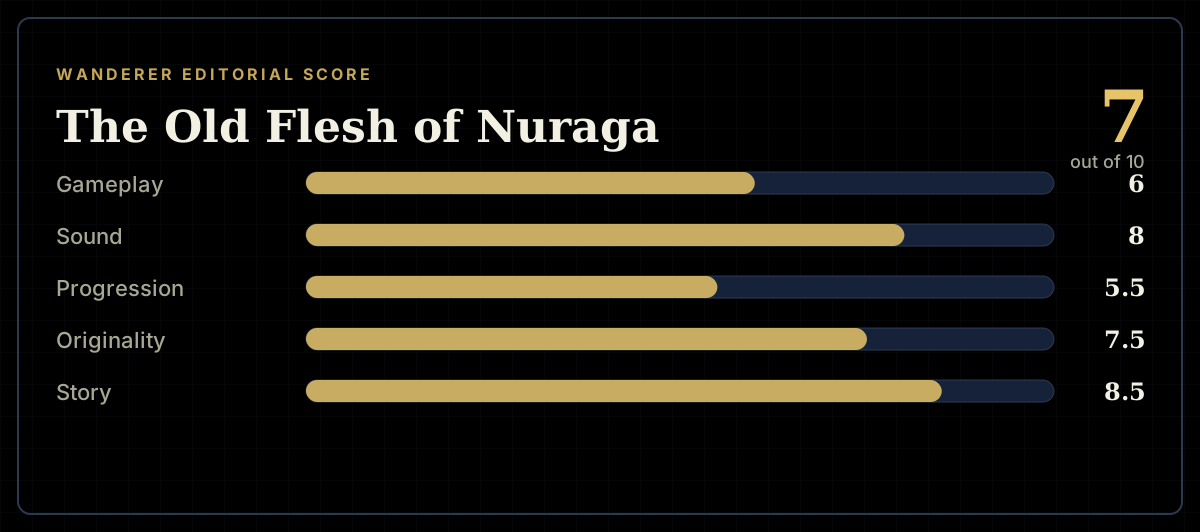
How the review scores each part of the gameWanderer Editorial -
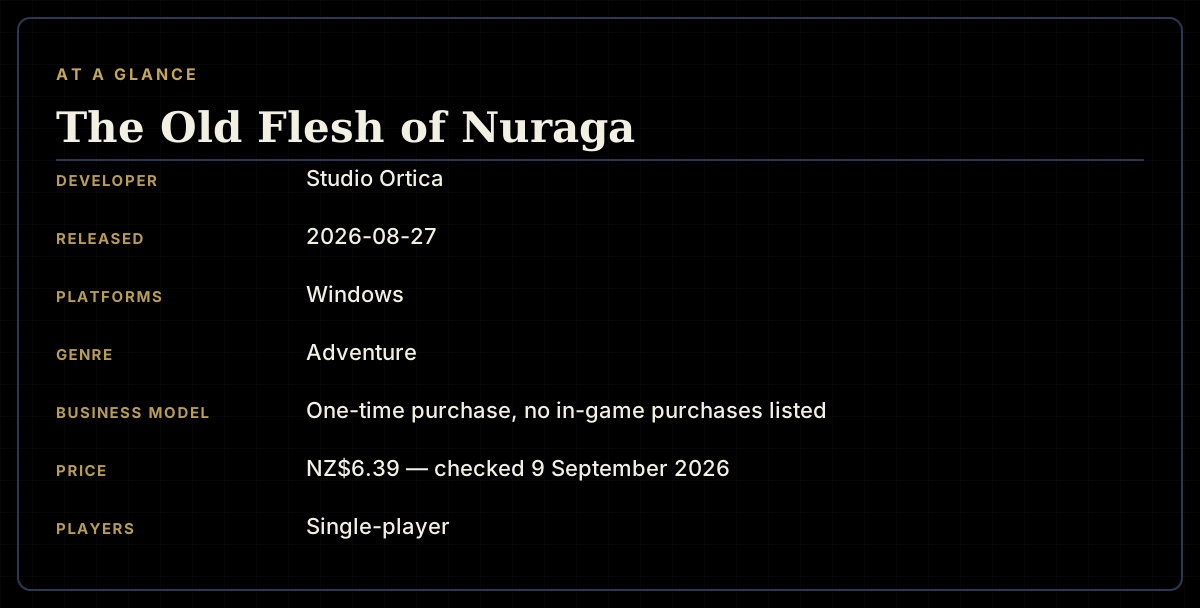
The essentials at a glanceWanderer Editorial -
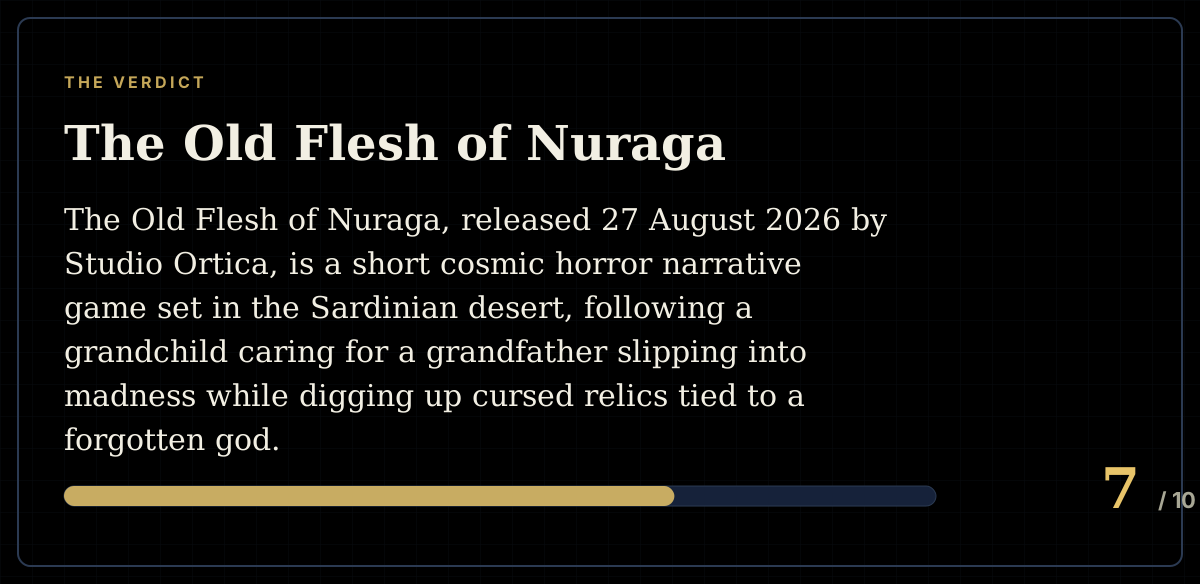
The short versionWanderer Editorial