Game review
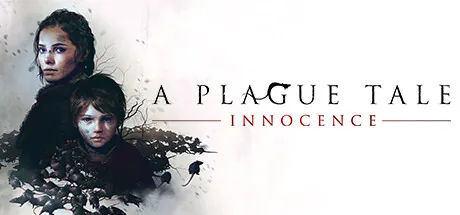
A Plague Tale: Innocence
7 / 10
- Developer
- Asobo Studio
- Publisher
- Focus Entertainment
- Released
- 14 May 2019
- Platforms
- Windows
- Genre
- Historical Dark-Fantasy Stealth-Adventure
- Monetisation
- One-time purchase at NZ$69.99, no discount active as of 14 August 2026. One minor cosmetic DLC pack (Coats of Arms); no microtransactions.
- Players
- Single-player only
The short version
A Plague Tale: Innocence follows fifteen-year-old Amicia de Rune and her sickly younger brother Hugo fleeing the Inquisition and a Black Death-ravaged 1348 Aquitaine, rendered with custom technology that puts up to 5,000 individually-tracked rats on screen at once. It launched to positive reviews (Metacritic 81-83) and passed one million copies sold by mid-2020. Steam agrees it's aged well on the strength of its atmosphere: Very Positive, 93.2% of 70,941 reviews seven years on.
What's kept a real, current slice of that audience from a cleaner recommendation is strikingly specific: game-breaking bugs. A 100-review negative sample sorted by recency turns up repeated, independent reports of players stuck at specific chapters -- 9, 14, 16 named directly and repeatedly -- unable to progress due to scripting or lighting bugs, some describing having to replay entire chapters to get unstuck, with one reviewer asking plainly how the game can have been on sale for seven years with bugs "never fixed." A newly-reported crash specific to NVIDIA's RTX 50-series driver branch shows this is a live issue as of mid-2026, not a fossil from launch.
Biggest strengths
- Genuinely impressive, technically distinctive rat-swarm rendering that draws close to universal praise even from reviewers who are critical of everything else
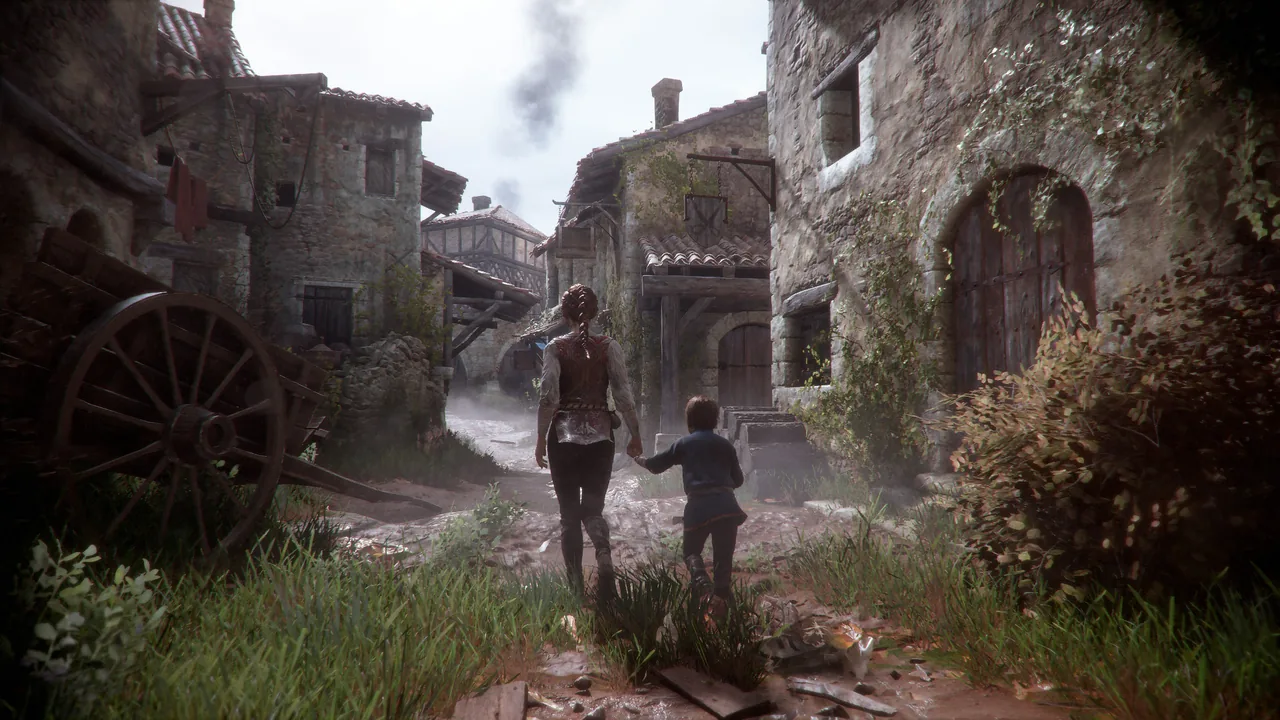
- A striking, well-realised historical dark-fantasy setting -- 1348 Aquitaine, the Hundred Years' War, the Inquisition and the Black Death woven together -- that's rare territory for the genre
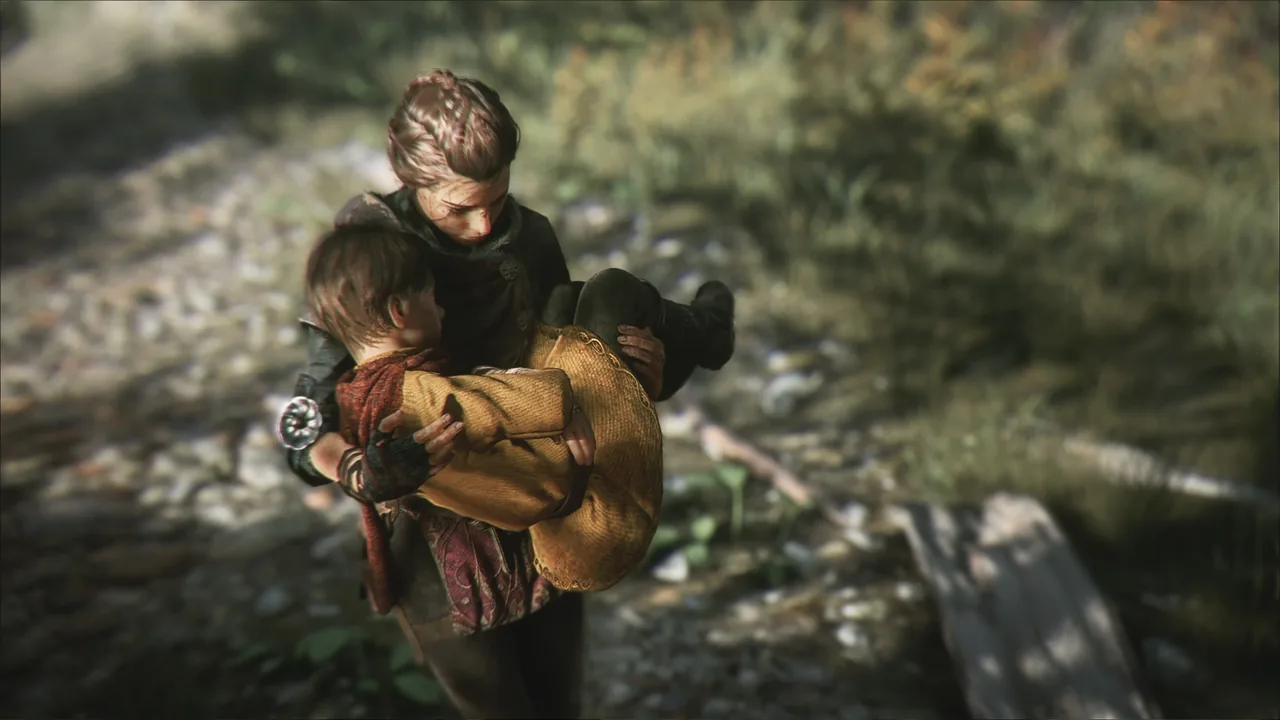
- A central sibling relationship between Amicia and Hugo that a real majority of reviewers, including several otherwise critical ones, credit as the story's emotional anchor
Biggest weaknesses
- Specific, repeatedly-reported game-breaking bugs at named chapters (9, 14 and 16 recur independently across multiple 2026 reviews) that can block progress entirely, with several reviewers reporting no fix years after release
- A newly-reported crash tied to NVIDIA's RTX 50-series driver branch shows technical problems are current, not just a launch-era fossil
- Stealth and puzzle mechanics draw steady criticism as simplistic, hand-holding and repetitive, with escort-style "protect Hugo" sections singled out as a specific source of frustration
Who it's for: Fans of narrative-driven, Last of Us-style escort-and-stealth adventures who prioritise atmosphere and story over mechanical depth, and who can tolerate real risk of hitting a progress-blocking bug. A frustrating pick for anyone who wants a guaranteed clean playthrough.
Our recommendation: A genuinely atmospheric, well-told medieval survival story worth playing for its setting and central sibling relationship -- just go in aware of the specific, repeatedly-reported bug risk at several named chapters, and keep a recent save nearby.
7 / 10
Asobo Studio's first original game since 2009 sends two children across a France torn apart by war, plague and religious persecution. Fifteen-year-old Amicia de Rune and her younger brother Hugo, whose illness carries a mysterious significance the Inquisition wants for itself, flee across 1348 Aquitaine in a story that draws explicit inspiration from The Last of Us and Brothers: A Tale of Two Sons — a narrative-first stealth-adventure built around a sibling bond rather than combat mastery. It launched on 14 May 2019 to a genuinely positive critical reception (Metacritic settled at 81-83 across platforms) and crossed a million units sold by mid-2020. Seven years on, Steam's audience still rates it Very Positive: 93.2% of 70,941 reviews.
Five thousand rats and a real technical achievement
The game's calling card, and the thing every review checked for this piece agrees on regardless of overall verdict, is its rat-swarm technology. Asobo built a custom rendering system capable of putting up to 5,000 individually tracked rats on screen simultaneously, using layered levels of detail so distant rats render cheaply while nearby ones get full animation — a genuine technical achievement that turns the game's signature horror set-pieces into something that still looks distinctive seven years later. "The game looks pretty good for a game that came out in 2019," reads one representative 2026 review. "The devs created their own engine to create the rat swarms and I don't think there is any" comparable technology in the genre even now. That praise is close to universal across the entire review sample checked for this piece, holding steady in reviews that otherwise land firmly negative on the rest of the experience — a rare thing for any single element of a game to achieve this consistently.
The central relationship between Amicia and Hugo draws similarly strong, if slightly less universal, praise. A real majority of reviewers credit the sibling bond as the story's genuine emotional core, and several specifically note that even players frustrated with the mechanics stayed invested because of the two characters' relationship. It's not without dissent — Hugo's constant in-game chatter and some of the dialogue draw real, specific criticism from a meaningful minority, one reviewer summarising the frustration as "babysitting an insufferable child" — but the story overall, and the historical dark-fantasy setting wrapped around it, land well for most of the audience checked in this sample.
Where the mechanics wear thin
The actual moment-to-moment gameplay is where the review sample splits most clearly. Stealth sections draw steady, specific criticism as simplistic and forgiving rather than tense — several reviewers describe successfully hiding from alert guards by crouching in waist-high grass a few feet away, undercutting the tension the rat-horror atmosphere is otherwise working hard to build. Puzzle design draws a related complaint: mostly linear, low-friction sequences that several reviewers describe as closer to a "walking simulator with some extra elements" than a game that asks much of the player mechanically. This is a familiar shape of complaint for games explicitly modelled on The Last of Us's slower, story-forward pacing — what one reviewer summarises, somewhat pejoratively, as "consolitis," meaning design choices that prioritise cinematic pacing and guided sequences over the kind of open mechanical challenge PC players sometimes expect — and it's worth noting upfront rather than treating as an unexpected flaw: this is a game built to be experienced more than mastered.
The bugs are the review's real news, seven years in
What separates reviewing this game in 2026 from reviewing it at launch is a specific, current, well-corroborated technical problem: game-breaking bugs that stop players from finishing the story entirely, reported independently and repeatedly across the negative sample checked for this piece. Reviewers name specific chapters — 9, 14 and 16 recur across multiple, unrelated reviews — where scripting or lighting bugs can halt progress completely, sometimes requiring an entire chapter replay to work around. "I bought it, but I can't even finish it because of game-breaking issues that have never been fixed," reads one representative review from a player stuck near the end of the game. "Extremely buggy, someone please explain to me how this game has been on Steam for 7 years and has a ton of bugs that were never fixed," reads another, capturing the same frustration more bluntly. This isn't a scattered handful of isolated reports — the specificity and repetition of named chapter numbers across independent reviewers, written months apart, is a strong signal this reflects a real, unresolved issue rather than individual hardware problems.
Adding weight to the idea that this is a live, current issue rather than a launch-week fossil: one July 2026 review reports a specific crash tied to NVIDIA's newer RTX 50-series driver branch, describing the game failing to launch or crashing outright with only unofficial workarounds available. That's not a seven-year-old bug resurfacing in old reviews — that's a compatibility problem with hardware and drivers that didn't exist when the game launched, which suggests Asobo either isn't actively patching the PC build against new driver releases, or is doing so slowly enough that current owners are finding out the hard way.
The global achievement data lines up with these reports in a way that's hard to dismiss as coincidence: completion rates fall steadily and steeply through the game's roughly 35 chapter-tied achievements, from 82.2% at the first milestone down into the 5-12% range by the final stretch — a decline steep enough to be consistent with a meaningful share of players getting stuck or giving up partway through, rather than simply losing interest gradually the way most narrative games see completion taper off.
Verdict
A Plague Tale: Innocence earns its Very Positive score honestly on the strength of what it does best: a genuinely distinctive, technically impressive setting, a real emotional core in Amicia and Hugo's relationship, and dark-fantasy atmosphere that few other games in this genre attempt with this much craft. The stealth and puzzle mechanics wrapped around that atmosphere are simple by design and won't satisfy players looking for real challenge, which is a fair, known trade-off for this kind of narrative-forward adventure. What's genuinely worth flagging plainly, seven years in, is that this isn't just a launch-week caveat: specific, repeatedly-named, still-unresolved bugs are stopping a real number of current players from finishing the game they bought, and a newly surfaced driver compatibility issue suggests the PC build isn't getting the ongoing technical attention a seven-year-old, still-actively-sold game would ideally have.
7 out of 10. A beautifully atmospheric, technically distinctive medieval survival story worth experiencing for its setting and central relationship — just go in aware that specific, well-documented bugs have kept some players from ever reaching the ending, seven years after release.
Pros and cons
Pros
- Genuinely impressive, technically distinctive rat-swarm rendering that draws close to universal praise even from reviewers who are critical of everything else
- A striking, well-realised historical dark-fantasy setting -- 1348 Aquitaine, the Hundred Years' War, the Inquisition and the Black Death woven together -- that's rare territory for the genre
- A central sibling relationship between Amicia and Hugo that a real majority of reviewers, including several otherwise critical ones, credit as the story's emotional anchor
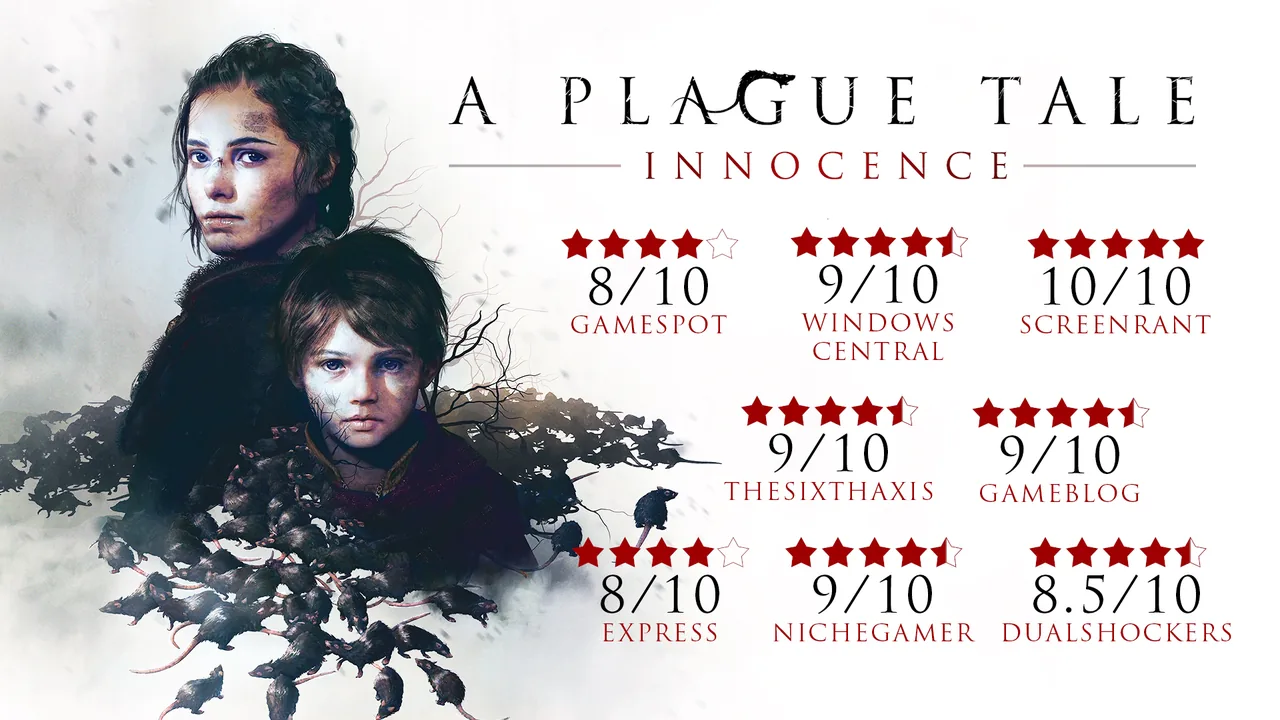
- Real critical and commercial success at launch (Metacritic 81-83, one million units by mid-2020) that a stable seven-year Steam score largely backs up
Cons
- Specific, repeatedly-reported game-breaking bugs at named chapters (9, 14 and 16 recur independently across multiple 2026 reviews) that can block progress entirely, with several reviewers reporting no fix years after release
- A newly-reported crash tied to NVIDIA's RTX 50-series driver branch shows technical problems are current, not just a launch-era fossil
- Stealth and puzzle mechanics draw steady criticism as simplistic, hand-holding and repetitive, with escort-style "protect Hugo" sections singled out as a specific source of frustration
- Dialogue and pacing draw a real, if secondary, complaint -- several reviewers find Hugo's constant chatter and some of the writing weak set against the strength of the atmosphere around it
Screenshots
-
A Plague Tale: InnocenceImage: Focus Entertainment via Steam -
A Plague Tale: InnocenceImage: Focus Entertainment via Steam -
A Plague Tale: InnocenceImage: Focus Entertainment via Steam -
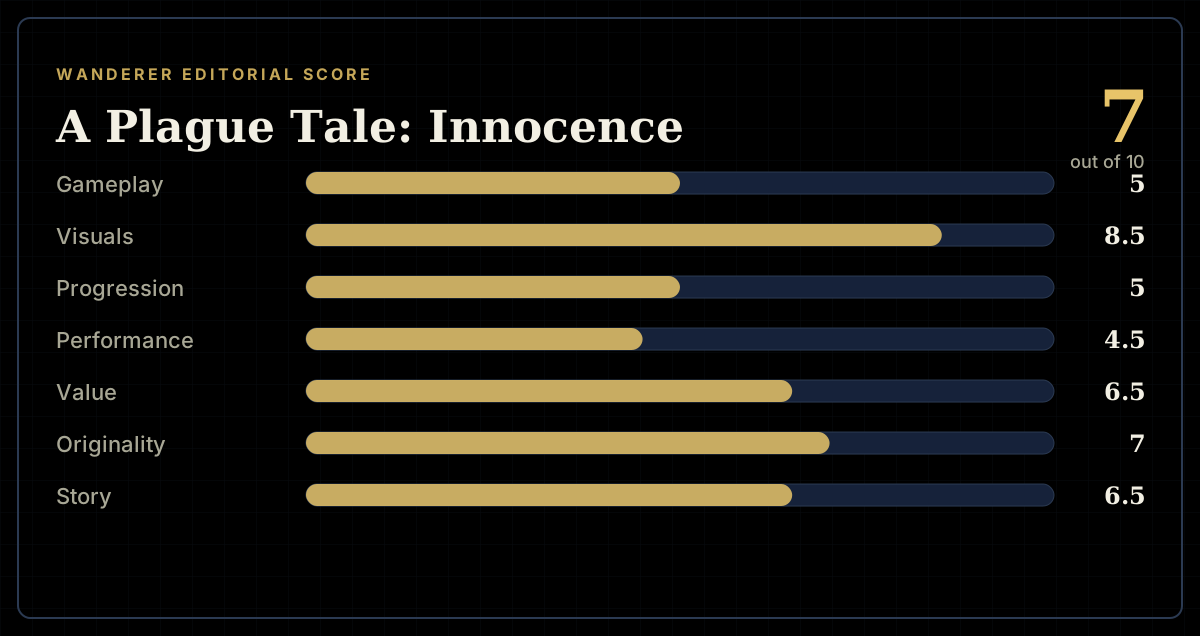
How the review scores each part of the gameWanderer Editorial -
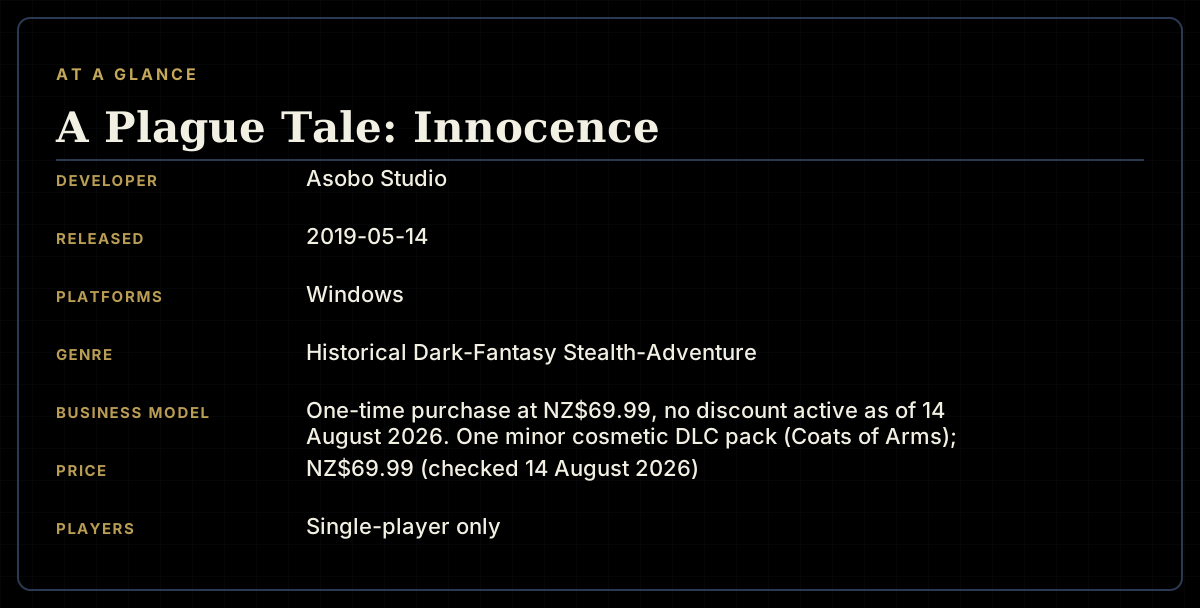
The essentialsWanderer Editorial -
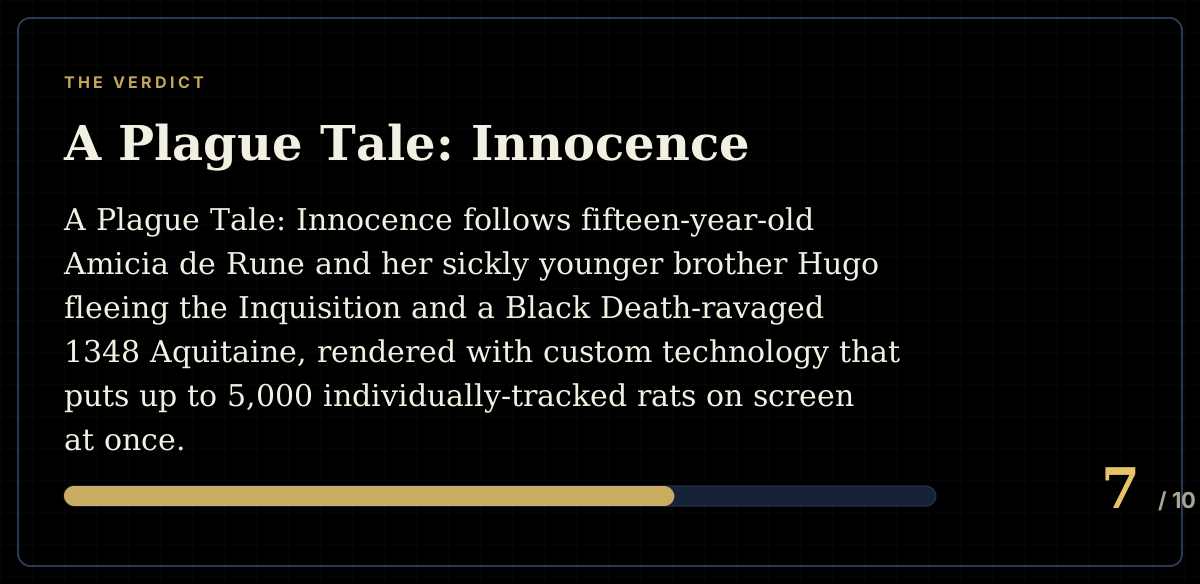
The short versionWanderer Editorial