Game review
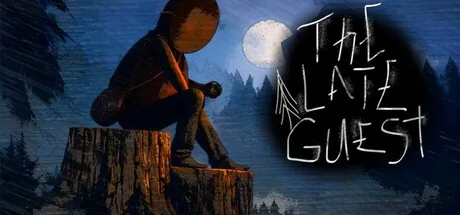
The Late Guest
5 / 10
- Developer
- RKEENT
- Publisher
- RKEENT
- Released
- 27 March 2026
- Platforms
- Windows
- Genre
- Horror / Adventure / Indie
- Monetisation
- One-time purchase
- Players
- Single-player
The short version
The Late Guest is a short, atmospheric first-person horror game about a night shift in an abandoned theme park, built around short, replayable runs toward one of several different endings rather than a single linear story. Developed and published solo by RKEENT, it released 27 March 2026 at $2.99. This review's sample is tiny, just 6 lifetime reviews, 5 positive, too few for Steam to generate an overall score description, but each review is detailed enough to build a clear picture: real structural ambition (multiple endings, a working achievement set) undercut by launch-week rough edges, some of which the developer has already patched and some of which remain.
Biggest strengths
- This review's sample repeatedly compares the game favorably to Hello Neighbor in tone and structure, with one reviewer calling it 'крутецкая игра основанная на hello neighbor' (a cool game based on Hello Neighbor) and specifically praising the Easter eggs and multiple endings it offers
- This review checked the achievement list directly and confirmed a genuine multiple-ending structure exists as designed, not just as a marketing claim, with separate achievements for completing 'any' ending, a bad ending, and a secret ending, unlocked at meaningfully different rates (31.2%, 25.0%, and 12.5% of players respectively)
- This review checked the developer's partner-events feed and found real, sustained post-launch support: two numbered patches in the three weeks after the 27 March 2026 launch, the first specifically addressing bugs described as present 'everywhere' in the game
Biggest weaknesses
- This review found a detailed, first-hand account of a serious onboarding failure: one reviewer described being unable to figure out the crowbar and generator controls through normal play, losing an item entirely by pressing an unexplained key, and only later discovering the actual key bindings were posted in a separate Steam community guide rather than explained in-game
- This review's sample raises the complete absence of a save function as a specific, repeated frustration, with the same reviewer describing being sent back to the opening scene after exiting the game entirely, even after making real progress, and concluding that the design 'chewed me up and spit me out' rather than pulling them into the story
- This review found a specific, detailed complaint about the game's antagonist, with one reviewer writing that the watching creature could have been genuinely interesting but is in practice 'обычный скриптованный ИИ который теряет тебя не успев увидеть' (an ordinary scripted AI that loses track of you before it's even seen you), undercutting what should be the game's central tension
Who it's for: Fans of atmospheric, Hello Neighbor-adjacent horror who want a cheap, short, replay-focused experience and are willing to look up a control-bindings guide before starting; a poor fit for anyone who wants a polished, self-explanatory horror game or who is put off by a total lack of mid-run saving.
Our recommendation: A reasonable, low-risk purchase at $2.99 if the atmosphere and multiple-ending structure appeal, but read the Steam guide for the control bindings before starting, and expect a rough first run or two.
5 / 10
The Late Guest opens on a night shift at Golden Grove, an abandoned theme park lit by dead neon and stalked by a watching creature in the woods. The player heads toward a security office, then a Ferris wheel, gathering tools like a crowbar and a generator along the way, all while something unseen tracks their every move. It's developed and published solo by RKEENT and released 27 March 2026 at $2.99. This review draws on all 6 of the game's lifetime reviews, 5 positive, too small a sample for Steam to generate a score description, supplemented by the developer's own achievement and patch data to fill in the picture a six-review sample can't provide on its own.
A real multiple-ending structure, not just a marketing line
This review checked the game's achievement list directly rather than taking the "different endings" premise on faith, and found it holds up. Separate achievements exist for completing any ending at all (31.2% of players), reaching a specifically bad ending (25.0%), and finding a secret ending (12.5%), meaningfully different unlock rates that indicate real branching rather than a single path dressed up as several. This review's sample independently supports that structure: one reviewer specifically praised the presence of Easter eggs and multiple endings as a highlight, in a game clearly designed around short, repeatable runs rather than one long playthrough.
The Hello Neighbor comparison reviewers keep making
This review found every Russian-language reviewer in the sample independently invoking Hello Neighbor, either as a direct comparison or as an explicit genre lineage, with one calling it "хороша... как фан игра по hello neighbor" (good as a Hello Neighbor fan game) while adding that it's weaker judged purely as its own standalone title. This review reads that framing as useful context rather than a knock: the atmosphere, object variety, and stalking-AI structure clearly draw from that specific well, and reviewers who came in expecting that lineage seem to have gotten roughly what they wanted.
A serious onboarding failure that cost at least one player their save
This review found the sample's most detailed account, a 90-minute English-language review, describing a genuinely rough first encounter with the game. The reviewer couldn't determine how to use a crowbar while holding a generator, pressed an unexplained key that caused the generator to disappear entirely, then discovered on exiting that the game has no save function at all, resetting them to the opening scene. Only after asking the developer directly did they learn the actual control bindings were posted in a separate Steam community guide rather than explained anywhere in the game itself. This review treats the combination, no save function plus no in-game control explanation, as the single biggest barrier to a first-time player actually enjoying what the multiple-ending structure has to offer.
A stalking enemy that reviewers say doesn't quite work yet
This review's sample raises a specific, pointed complaint about the antagonist meant to drive the game's tension. One reviewer wrote that the watching creature "could have been a very interesting enemy" with real mechanics or a behavior chain, but in practice runs on "an ordinary scripted AI that loses track of you before it's even seen you," which they singled out as spoiling otherwise reasonable expectations built up by the atmosphere. For a horror game built around the feeling of being watched, this review reads that specific complaint as a meaningful gap between the game's ambition and its current execution.
Smaller bugs and missing options, several already being patched
This review's sample lists a cluster of smaller, concrete issues: no field-of-view or mouse-sensitivity settings, walking footstep audio that intermittently cuts out, a mismatched mix of textures one reviewer said left the game without a single unified visual style, and a menu bug allowing the pause screen to be bypassed by opening settings and pressing escape. This review checked the developer's partner-events feed directly and found genuine, active follow-up: a first patch on 31 March 2026 explicitly named the "Everywhere" update, addressing bugs described in its own patch notes as present throughout the game, followed by a second numbered patch on 17 April 2026. That's a real, ongoing commitment for a $2.99 solo release, even though several of the sample's specific complaints predate those patches and this review cannot confirm from the review text alone which individual bugs were resolved.
A note on this review's small sample, and what the reported playtimes suggest
This review's sample of 6 reviews is small enough to flag directly rather than let readers assume it carries the same weight as a hundred-review sample elsewhere in this lane. That said, the reviews available are unusually detailed for their number, and this review's other checks, the achievement data and the partner-events patch history, independently corroborate several of their specific claims rather than standing alone. Worth noting separately: logged playtimes across the sample range from about 18 minutes to under two hours, short even by horror-game standards, which lines up with the game's own short-run, multiple-ending design intent rather than reading as a sign reviewers bounced off early. At $2.99, that translates to a genuinely low cost per attempt if a player wants to chase more than one of the game's endings.
Verdict
The Late Guest has real structural ambition, genuine multiple endings backed up by its own achievement data, and a setting reviewers consistently find atmospheric, but this review's sample makes clear the first-time experience is rougher than it needs to be: no save function, controls that require reading an external guide, and a stalking enemy that doesn't yet deliver the tension its premise promises. At $2.99 it's a low-risk pickup for horror fans drawn to its Hello Neighbor-adjacent style, and the developer's active post-launch patching is a genuinely good sign, but go in prepared to look up the controls first.
Pros and cons
Pros
- This review's sample repeatedly compares the game favorably to Hello Neighbor in tone and structure, with one reviewer calling it 'крутецкая игра основанная на hello neighbor' (a cool game based on Hello Neighbor) and specifically praising the Easter eggs and multiple endings it offers
- This review checked the achievement list directly and confirmed a genuine multiple-ending structure exists as designed, not just as a marketing claim, with separate achievements for completing 'any' ending, a bad ending, and a secret ending, unlocked at meaningfully different rates (31.2%, 25.0%, and 12.5% of players respectively)
- This review checked the developer's partner-events feed and found real, sustained post-launch support: two numbered patches in the three weeks after the 27 March 2026 launch, the first specifically addressing bugs described as present 'everywhere' in the game
- This review's sample credits the game's atmosphere and object variety directly, with one reviewer writing the location and variety of objects to interact with was 'impressive — for an indie,' and another separately praising the pleasant, if visually inconsistent, art
Cons
- This review found a detailed, first-hand account of a serious onboarding failure: one reviewer described being unable to figure out the crowbar and generator controls through normal play, losing an item entirely by pressing an unexplained key, and only later discovering the actual key bindings were posted in a separate Steam community guide rather than explained in-game
- This review's sample raises the complete absence of a save function as a specific, repeated frustration, with the same reviewer describing being sent back to the opening scene after exiting the game entirely, even after making real progress, and concluding that the design 'chewed me up and spit me out' rather than pulling them into the story
- This review found a specific, detailed complaint about the game's antagonist, with one reviewer writing that the watching creature could have been genuinely interesting but is in practice 'обычный скриптованный ИИ который теряет тебя не успев увидеть' (an ordinary scripted AI that loses track of you before it's even seen you), undercutting what should be the game's central tension
- This review's sample lists several smaller but specific issues: no field-of-view or mouse-sensitivity settings, an item that can disappear if the wrong mouse button is pressed while carrying it, walking footstep sound that intermittently stops working, and a visually inconsistent mix of textures that one reviewer said made the game feel like it lacks a single unified art style
Screenshots
-
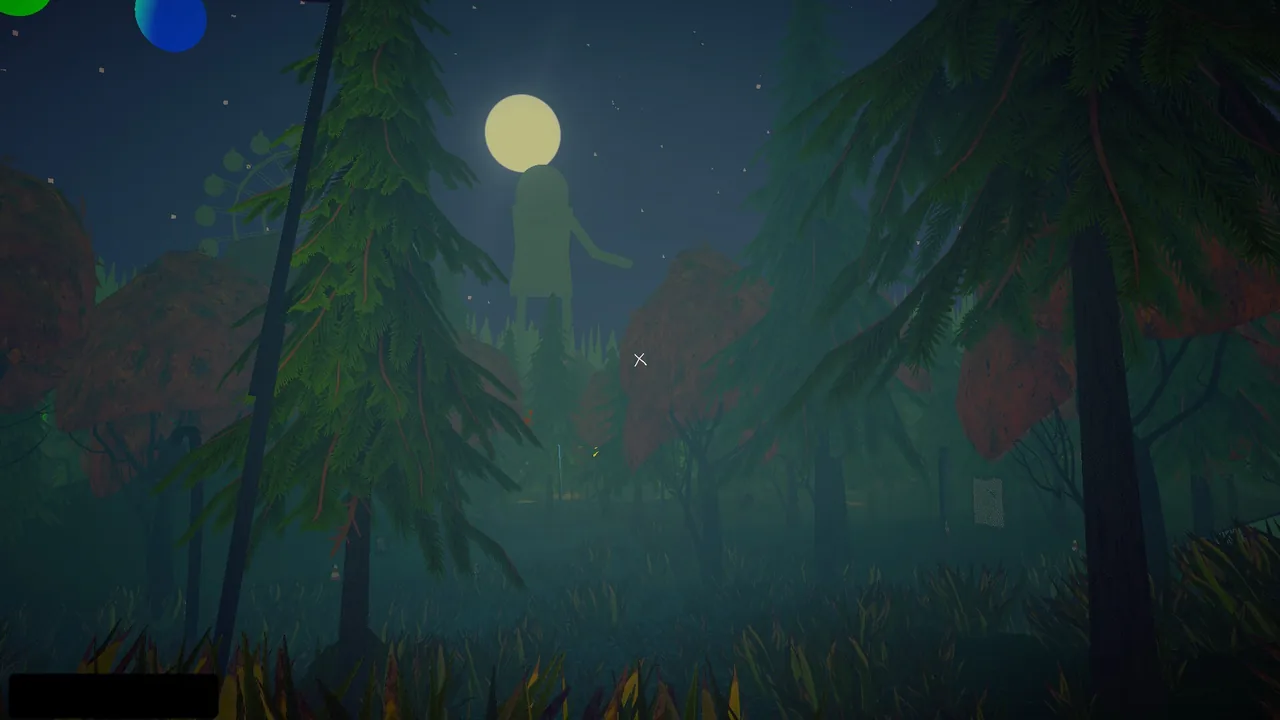
The Late GuestImage: RKEENT via Steam -
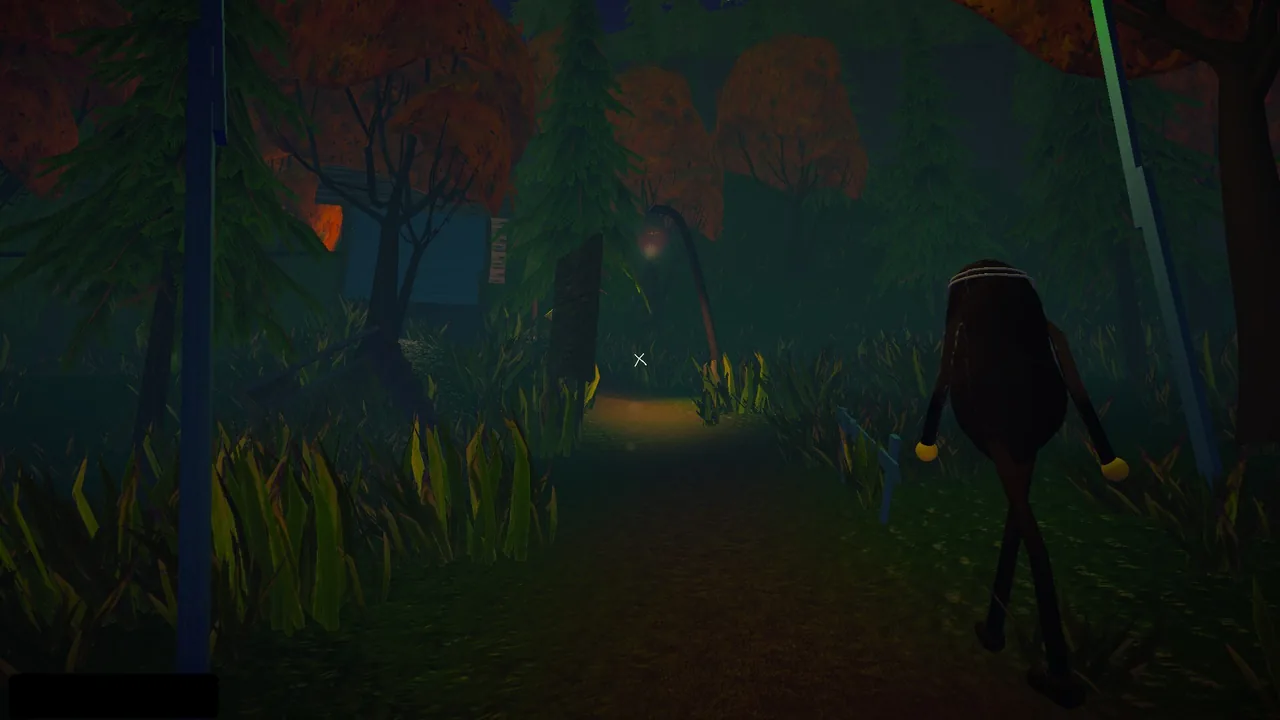
The Late GuestImage: RKEENT via Steam -
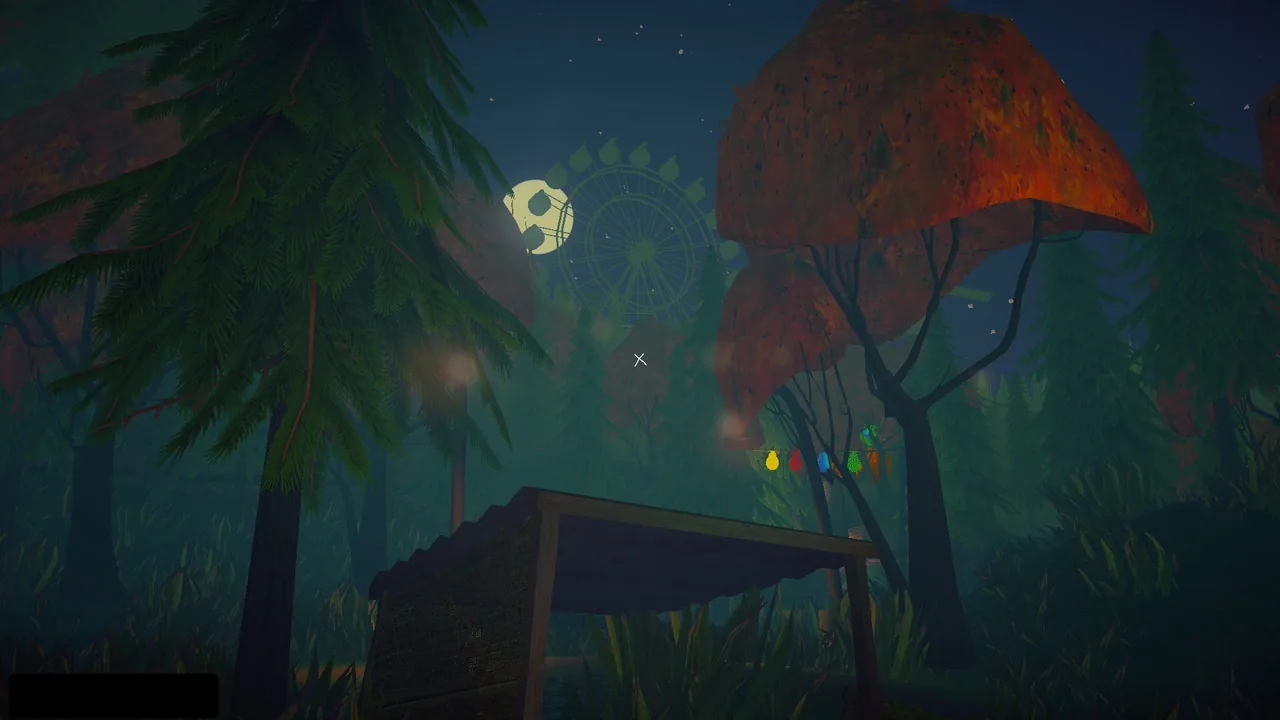
The Late GuestImage: RKEENT via Steam