Game review
The Hollow Lighthouse
5.9 / 10
- Developer
- Dimlight Works
- Publisher
- Dimlight Works
- Released
- 24 July 2025
- Platforms
- [Windows]
- Genre
- Survival Horror
- Monetisation
- Paid
- Players
- Single-player only
The short version
The Hollow Lighthouse is a small, atmosphere-first survival horror game that gets a surprising amount right for a solo indie project: fog, sound design and lighting that reviewers repeatedly single out as genuinely unsettling, and a slow-burn sense of dread that doesn't lean on cheap jump scares to work. Its fuse-and-fuel-can fetch-quest structure and a map that several players found hard to read drag against that atmosphere, especially across the island's open, pathless terrain, but at around two hours long and under twelve dollars, it's a reasonable pick for horror fans who value mood over mechanical depth.
Biggest strengths
- Fog, lighting and sound design that multiple reviewers called genuinely atmospheric and immersive
- A slow-burn sense of dread that works without leaning heavily on jump scares
- Strong voice acting and a story that unfolds gradually rather than front-loading exposition
Biggest weaknesses
- The core loop of hunting for fuses and fuel cans across a wide, pathless island gets repetitive fast
- Several reviewers reported a map that's difficult to read and doesn't clearly show routes
- Some interactions (picking up fuel cans, operating the generator) reportedly required precise angles or repeated attempts
Who it's for: Slow-burn horror fans who care more about atmosphere and sound design than combat or puzzle complexity, and who don't mind a short runtime.
Our recommendation: Worth a look if moody, isolated horror appeals to you and you can tolerate a repetitive fetch-quest loop and a fiddly map — just keep expectations calibrated to its indie, single-developer scale.
5.9 / 10
A Job That Stops Feeling Like a Job
The Hollow Lighthouse puts players in the boots of a lighthouse keeper on an isolated, fog-choked island, tasked with the simple-sounding job of keeping the light running. Reviewers in the sample consistently describe how quickly that simple premise curdles into something worse: "the island feels alive in a very wrong way, and the lighthouse quickly stops feeling like just a job," as one review puts it, while another describes it as a game where "you're never really alone," even when the screen is empty. What comes through again and again in the sample is that this is a mood piece first and a mechanical horror game second — several reviewers explicitly noted the absence of frequent jump scares, describing the tension instead as constant, ambient dread built from fog, silence and the sense of being watched.
That atmosphere gets credited specifically to the game's lighting and sound work. One reviewer, comparing the game favourably to Firewatch, noted that Dimlight Works appears to be a single developer achieving an atmospheric density usually associated with much larger teams. Another praised how "the lighting and environment work are just top-notch," while a third singled out fog and distant ambient sound as doing most of the game's emotional heavy lifting. For a solo indie horror project, that's a genuinely strong foundation, and it's the single most consistent thread across every review in the sample, positive or negative.
Fuses, Fuel Cans, and a Map That Fights Back
Where the reviews diverge is on the game's actual moment-to-moment structure. The core loop involves tracking down fuses with an EMF reader and locating fuel cans scattered across the island to keep the generator running and the lighthouse powered, then contending with whatever emerges from the dark once things start going wrong. Several reviewers found this rewarding in small doses — one called finding the fuses "the most difficult part of the game, but did get you exploring the island," and praised the option to eventually arm yourself against the island's monsters as adding welcome tension release. Others were considerably less forgiving: one review describes the game as "largely a chore simulator," criticizing the wide, pathless, hilly terrain that turns fuse- and can-hunting into aimless wandering, while a separate reviewer flagged specific interactions — picking up fuel cans, operating the generator's power button — as fiddly enough to require repeated attempts before registering at the right angle.
The map comes in for particular criticism across multiple reviews. One reviewer described it as "difficult to use" during a broader complaint about repetitive backtracking across the island, and a similarly critical review confirmed the same frustration independently, describing constant walking back and forth without clear route guidance. This is the clearest recurring weak point in the sample: a game whose atmosphere reviewers consistently praise is undercut by navigational friction that turns exploration, which should reinforce the mood, into a source of tedium instead.
A Short, Story-Driven Experience With Real Voice Acting Behind It
Most reviewers in the sample completed The Hollow Lighthouse in somewhere between one and three hours, describing it as a tightly scoped, story-driven horror experience rather than a sprawling survival game. One reviewer specifically praised the voice acting as a standout element that helped sell the island's isolation and mystery, while several others noted that the story "unfolds slowly, and it sticks with you," suggesting the pacing is a deliberate choice rather than a byproduct of limited content. That slow unfolding won't work for everyone — one of the more critical reviews in the sample found the plot "hard to follow and not really deadly or scary," a pointed rebuttal to the game's marketing as a horror title, and worth weighing against the far more numerous positive impressions of its mood and pacing.
One review in the sample raised a different kind of concern, accusing the game of undisclosed AI-generated content without a store-page warning. That specific complaint doesn't appear anywhere else in the sample, and nothing in the game's published store listing that we could verify corroborates or denies it, so it's worth flagging as one reviewer's opinion rather than an established fact — but it's the kind of criticism that's become increasingly common in indie horror discourse, and prospective buyers who care about that issue should be aware it's been raised.
Small But Competent, With Room Left on the Table
Taken as a whole, the review sample paints The Hollow Lighthouse as a game that nails the hardest part of horror design — sustained, convincing atmosphere — while stumbling on some of the more mechanical connective tissue that should support it. Achievements are present but nothing in the sample suggests they add meaningfully to replay value, and the settings on offer appear modest, focused on the essentials rather than deep customization. Accessibility options listed on the store page, including camera comfort settings and support for playing without timed input, suggest a level of care that goes beyond the bare minimum for a solo project, which lines up with the broader impression of a developer who sweated the details that mattered most to them, even if navigation wasn't one of those details.
At just under twelve New Zealand dollars for a one-to-three-hour experience, the price sits comfortably in line with what's delivered. It's not a game that reinvents survival horror, and the fetch-quest backbone will frustrate players who want their exploration to feel purposeful rather than repetitive, but for horror fans specifically chasing mood and dread over combat or puzzle complexity, the consistent praise for its atmosphere across a genuinely broad cross-section of reviewers counts for a great deal.
Verdict
The Hollow Lighthouse is a modest but well-atmosphered slice of solo-developed horror, built on fog, sound and a slow-burn sense of dread that reviewers consistently praise, and held back by a repetitive fuse-hunting loop and a map that fights players more than it helps them. It won't satisfy anyone looking for mechanical depth or sustained scares, but for a short, moody night with the lights off, it's a reasonably safe recommendation at its price point.
Pros and cons
Pros
- Fog, lighting and sound design that multiple reviewers called genuinely atmospheric and immersive
- A slow-burn sense of dread that works without leaning heavily on jump scares
- Strong voice acting and a story that unfolds gradually rather than front-loading exposition
- A reasonable runtime and price for what's delivered, at roughly one to three hours
Cons
- The core loop of hunting for fuses and fuel cans across a wide, pathless island gets repetitive fast
- Several reviewers reported a map that's difficult to read and doesn't clearly show routes
- Some interactions (picking up fuel cans, operating the generator) reportedly required precise angles or repeated attempts
- One reviewer raised concerns about undisclosed AI-generated content on the store page, a complaint not echoed elsewhere in the sample but worth noting
Screenshots
-
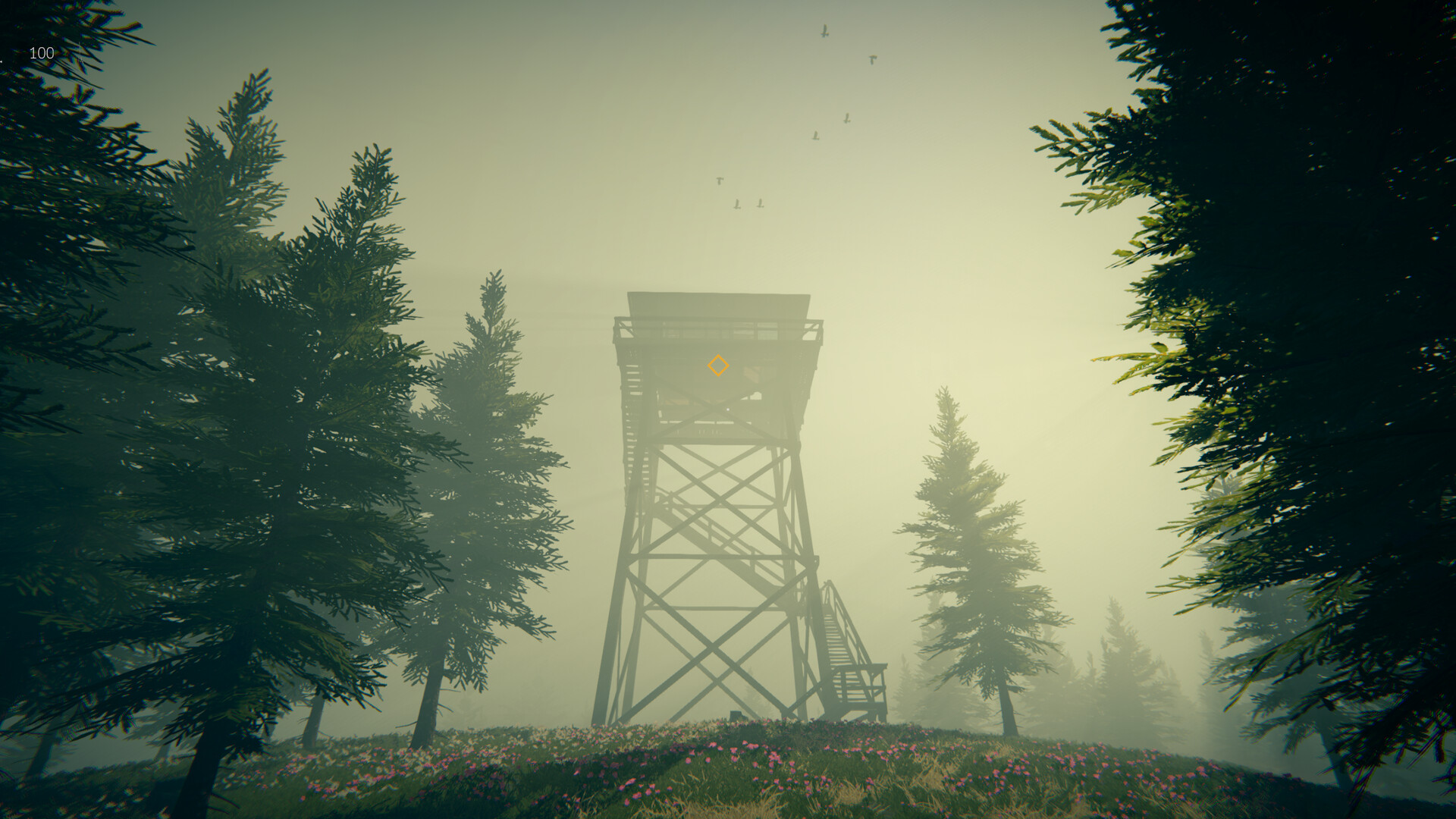
Thick fog and moody lighting define the island throughout, the atmosphere reviewers praised most consistentlyDimlight Works -
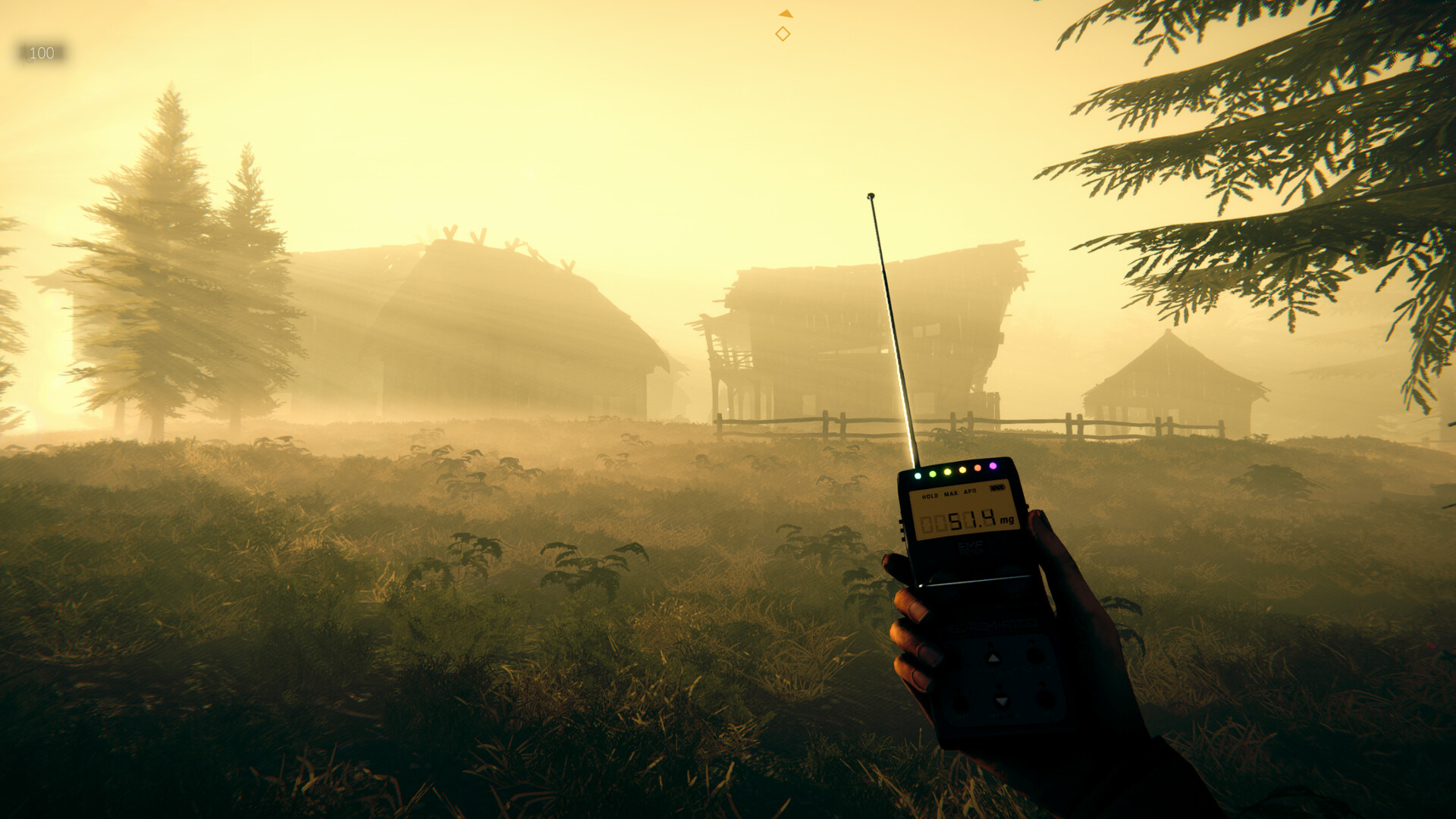
The EMF reader used to track down fuses, part of the fetch-quest loop several reviewers found repetitiveDimlight Works -
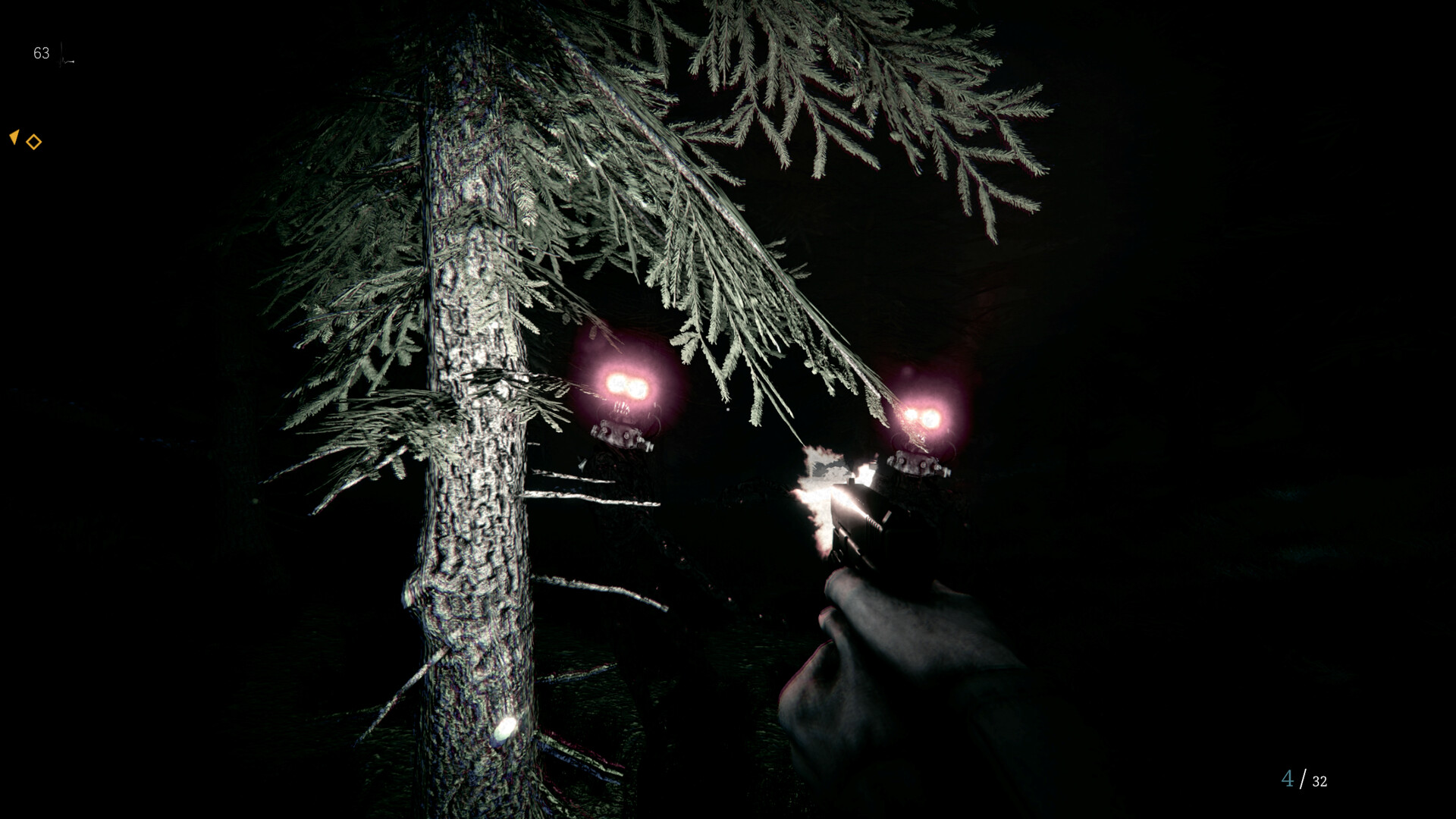
Armed confrontations with the island's creatures, the tension release reviewers said broke up the explorationDimlight Works -
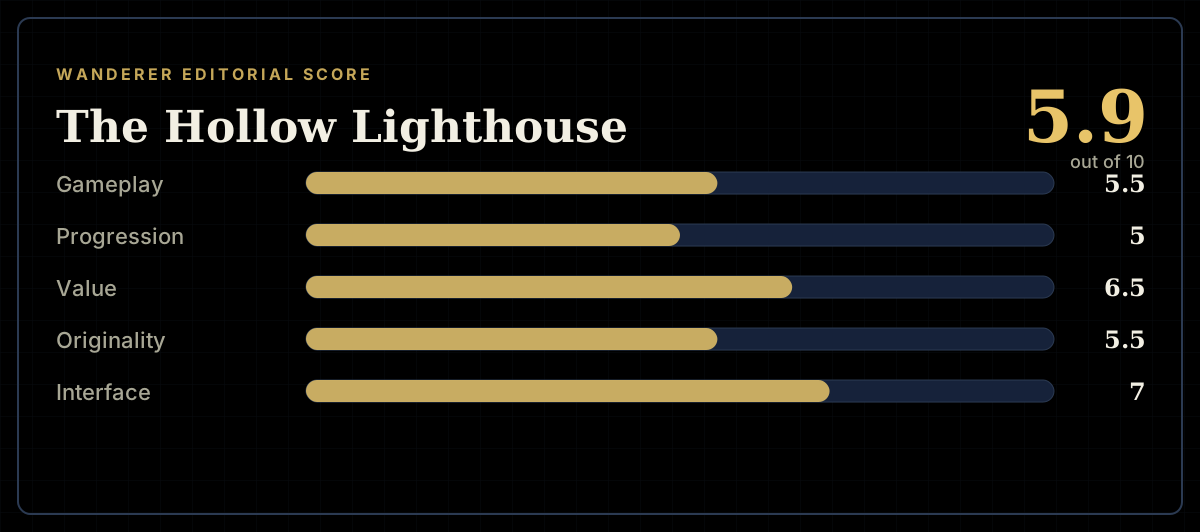
How the review scores each part of the gameWanderer Editorial -
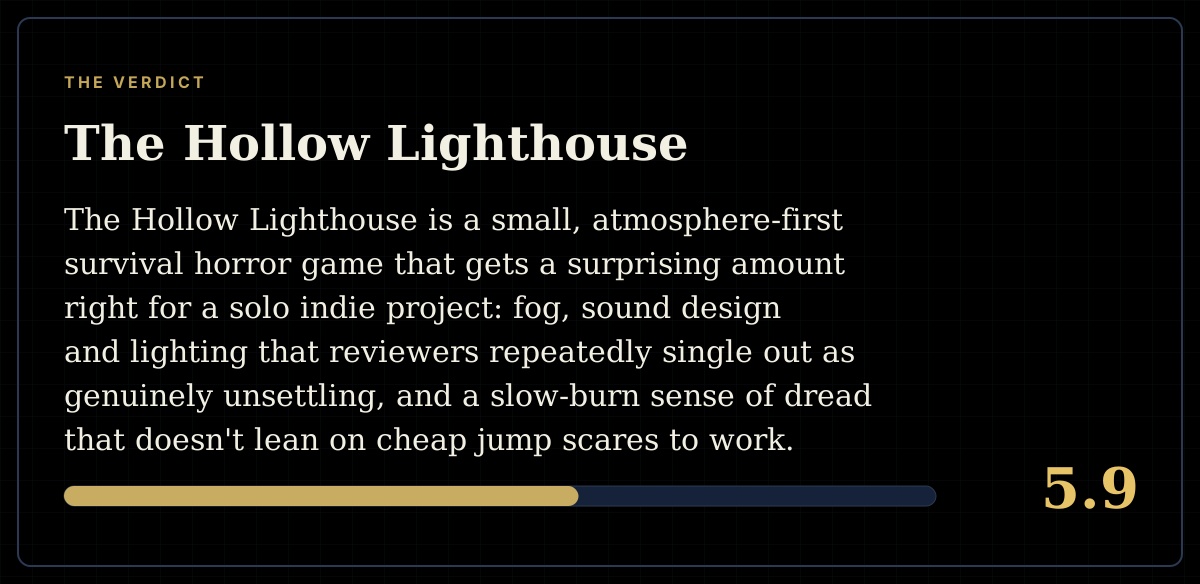
The short versionWanderer Editorial