Game review
The Cave
6.5 / 10
- Developer
- Double Fine Productions
- Publisher
- Double Fine Productions
- Released
- 23 January 2013
- Platforms
- Windows, macOS, Linux
- Genre
- Puzzle Platformer
- Monetisation
- One-time premium purchase; no DLC, no in-app purchases
- Players
- Local co-op for up to 3 players, alongside a full single-player campaign; reviewers report the co-op implementation has real, specific limitations (see cons)
The short version
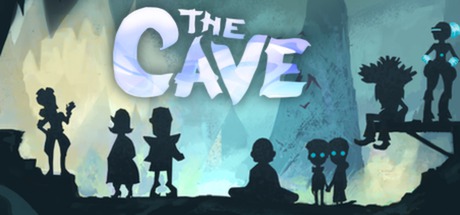
The Cave, directed by Monkey Island co-creator Ron Gilbert, lets players choose three adventurers from a roster of seven — a knight, a time traveler, twins, a scientist, a hillbilly, and an adventurer — to descend into a sentient cave that grants wishes at a cost. Reviewers consistently praise its distinctive dark humor, charming cartoonish art, and quality voice acting, with several specifically noting the story only fully reveals itself across multiple playthroughs with different character combinations.
A specific, well-documented complaint runs alongside that praise, and it's a serious one for anyone drawn in by the game's co-op marketing: reviewers report the multiplayer mode lacks split-screen or any way to see your own character while a friend controls theirs, forcing players to essentially watch and wait during another player's puzzle sections. A separate, frequently repeated critique concerns the puzzles themselves, described by multiple detailed reviewers as simplistic "find key, open door" affairs padded out with extensive backtracking and slow traversal animations rather than genuine challenge.
Biggest strengths
- Distinctive, dark-comedy writing and a charming cartoonish art style that reviewers consistently praise as the game's strongest asset
- Quality voice acting, including narration from the cave itself, that reviewers say elevates otherwise simple puzzle sequences
- Seven distinct playable characters with unique abilities and personal backstories, giving the game genuine replay value across multiple playthroughs with different combinations
Biggest weaknesses
- A specific, well-documented complaint: the advertised co-op mode lacks split-screen or any way to view your own character while a teammate controls theirs, effectively forcing players to watch and wait rather than play together meaningfully
- Multiple detailed reviewers describe most puzzles as simplistic "find key, open door" design, made generic enough that any character can solve them regardless of their unique ability
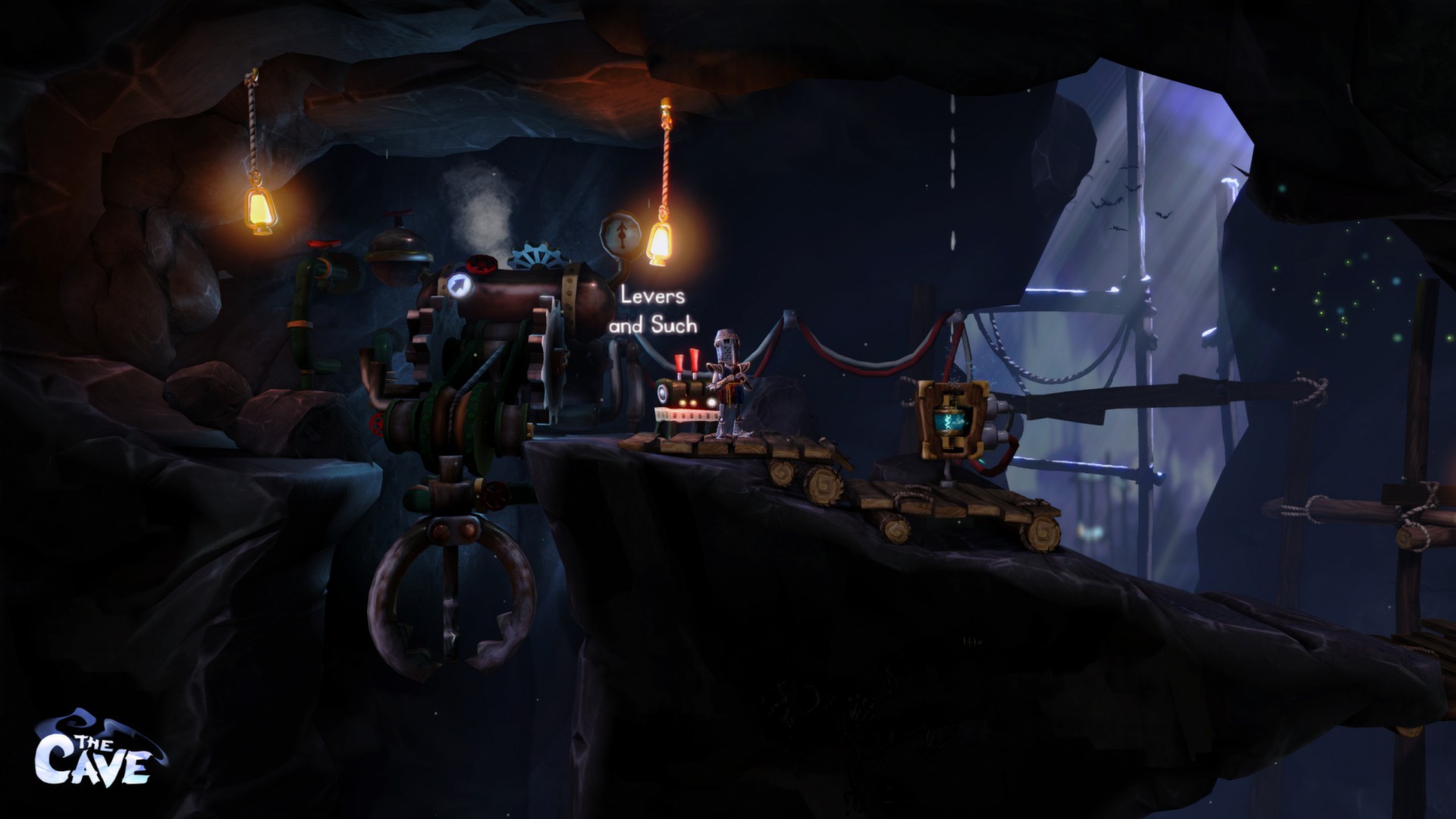
- Extensive backtracking and slow, deliberate traversal animations (particularly ladder climbing) are repeatedly singled out as padding that artificially extends playtime rather than adding genuine content
Who it's for: Fans of Double Fine's writing and dark comedy who want a relaxed, story-focused puzzle platformer, best enjoyed solo despite its co-op tag. Less suited to players specifically seeking a genuine co-op experience, or anyone wanting substantial puzzle challenge.
Our recommendation: Worth a look for Double Fine fans and puzzle-platformer completionists specifically interested in its writing and multiple-playthrough structure — go in expecting to play mostly solo, and temper expectations around puzzle difficulty.
6.5 / 10
The Cave marks a reunion of sorts: Ron Gilbert, co-creator of Monkey Island and Maniac Mansion, directing a Double Fine-developed puzzle-platformer about a sentient, wish-granting cave that lures seven very different adventurers into its depths. Players choose three of the seven at the start of a run, each with a personal reason for descending and a unique traversal ability, and this review sample makes clear the game's writing lands even where its mechanics draw real criticism.
Charm and writing that reviewers consistently single out
The praise here centers specifically on tone and presentation. "The Cave is an ambitious adventure game that has quite a lot going for it," one reviewer writes, listing "beautiful cartoonish art design, a twisted yet charming sense of humor, quality voice work" among its strengths. Another reviewer who describes themselves as not typically a puzzle-game fan states plainly: "the game is charming, funny and clever... animations, music and voice acting is awesome." Several reviewers specifically credit the game's structure — full completion requiring multiple playthroughs with different character combinations to see every story thread — with rewarding repeated engagement rather than feeling like padding for its own sake, at least when it comes to narrative content.
A clever standout mechanic among simpler puzzle design
It's worth crediting one specific bright spot several reviewers single out directly: the Time Traveler character's ability to manipulate past events to change how a level plays out in the present. Reviewers describe this as one of the few genuinely inventive puzzle mechanics in the game, standing out precisely because so much of the rest of the puzzle design leans on more familiar, less demanding structures. That contrast is worth noting specifically, since it suggests the underlying team was capable of more distinctive puzzle design when a character's ability allowed for it, making the simplicity elsewhere feel more like a deliberate choice to keep puzzles accessible across any character combination than a lack of creative ideas.
A specific, serious complaint about the advertised co-op mode
The most concrete and consequential critique in this review sample concerns multiplayer, and it's worth stating plainly given how the game is marketed. "Don't be fooled by that co-op tag, this game is NOT co-op in any enjoyable way," one detailed reviewer states. "There is no split-screen or way to view your character while your friend plays theirs... Unless you enjoy watching your friend do complicated, drawn-out puzzles for 20 minutes then do not play this game with others." That's a specific, mechanically precise complaint rather than vague disappointment, and it directly contradicts what a shopper might reasonably expect from a game explicitly tagged and marketed with co-op support, making it arguably the single most consequential thing to know before buying this specifically to play alongside someone else.
Puzzles reviewers describe as simple and padded
A separate, frequently repeated critique targets the puzzle design itself. One detailed, longtime Double Fine fan writes that "most of the puzzles in the game aren't particularly challenging or interesting, often consisting of a simple 'find key, open door,'" arguing many puzzles were made deliberately generic so any character could solve them, avoiding the need to account for specific party compositions. A separate reviewer voices a related, more visceral frustration: "SO MUCH BACKTRACKING!!!" describing long stretches spent traveling back and forth to collect items and pull simultaneous levers with all three characters, adding little beyond extended playtime.
What the completion data confirms about that replay structure
This listing's achievement schema uses readable names, and one entry — tied specifically to seeing the whole story — sits at just 2.7% of the tracked playerbase, a striking, direct confirmation of how few players actually experience the full narrative across every character combination. Earlier, single-playthrough milestones sit much higher, in the 30-46% range, suggesting most buyers complete one run with their chosen trio but don't go back for the multiple additional playthroughs needed to see everything. That's useful, corroborating data for anyone weighing this review's praise of the game's replay structure against the reality of how many players actually follow through on it.
Seven characters, seven different lenses on the same cave
Beyond the mechanics debate, it's worth detailing what the roster actually offers, since the specific character selection is central to how reviewers describe their experience. The seven adventurers — including a knight, a time traveler, twin siblings, a scientist, a hillbilly, and a carnival-going adventurer — each carry a distinct personal reason for entering the cave, revealed gradually through environmental storytelling and character-specific vignettes along their route. Reviewers who tried multiple combinations generally describe noticing genuinely different tonal shifts depending on which three characters accompany a given playthrough, even though the underlying puzzle structure along the shared path stays largely consistent regardless of who's in the party.
Where it lands
The Cave earns real, specific praise for its writing, art direction, and voice work, and its structure of multiple playthroughs across different character combinations offers genuine narrative replay value for players willing to invest the time. The specific, well-documented failure of its advertised co-op mode is a serious enough gap between marketing and actual experience to flag clearly for anyone buying specifically to play with a friend, and the repeatedly noted puzzle simplicity and backtracking padding are concrete enough to temper expectations honestly. For Double Fine fans approaching it as a solo, story-focused experience, this remains a worthwhile, if uneven, pickup — just save the friends for a different game night.
Pros and cons
Pros
- Distinctive, dark-comedy writing and a charming cartoonish art style that reviewers consistently praise as the game's strongest asset
- Quality voice acting, including narration from the cave itself, that reviewers say elevates otherwise simple puzzle sequences
- Seven distinct playable characters with unique abilities and personal backstories, giving the game genuine replay value across multiple playthroughs with different combinations
- A clever, well-received time-manipulation mechanic tied to one specific character that reviewers single out as a highlight among the otherwise simpler puzzle design
- A relatively short, approachable single playthrough that respects players' time even if full completion requires several runs
Cons
- A specific, well-documented complaint: the advertised co-op mode lacks split-screen or any way to view your own character while a teammate controls theirs, effectively forcing players to watch and wait rather than play together meaningfully
- Multiple detailed reviewers describe most puzzles as simplistic "find key, open door" design, made generic enough that any character can solve them regardless of their unique ability
- Extensive backtracking and slow, deliberate traversal animations (particularly ladder climbing) are repeatedly singled out as padding that artificially extends playtime rather than adding genuine content
- At least one detailed reviewer, a longtime Double Fine fan, argues the character writing echoes Psychonauts' backstory-exploration structure without matching its underlying quality
- A single-item carry limit per character is criticized by at least one reviewer as an arbitrary constraint that removes potential puzzle depth rather than adding meaningful challenge
Screenshots
-
The CaveImage: Double Fine Productions via Steam -
The CaveImage: Double Fine Productions via Steam -
The CaveImage: Double Fine Productions via Steam -
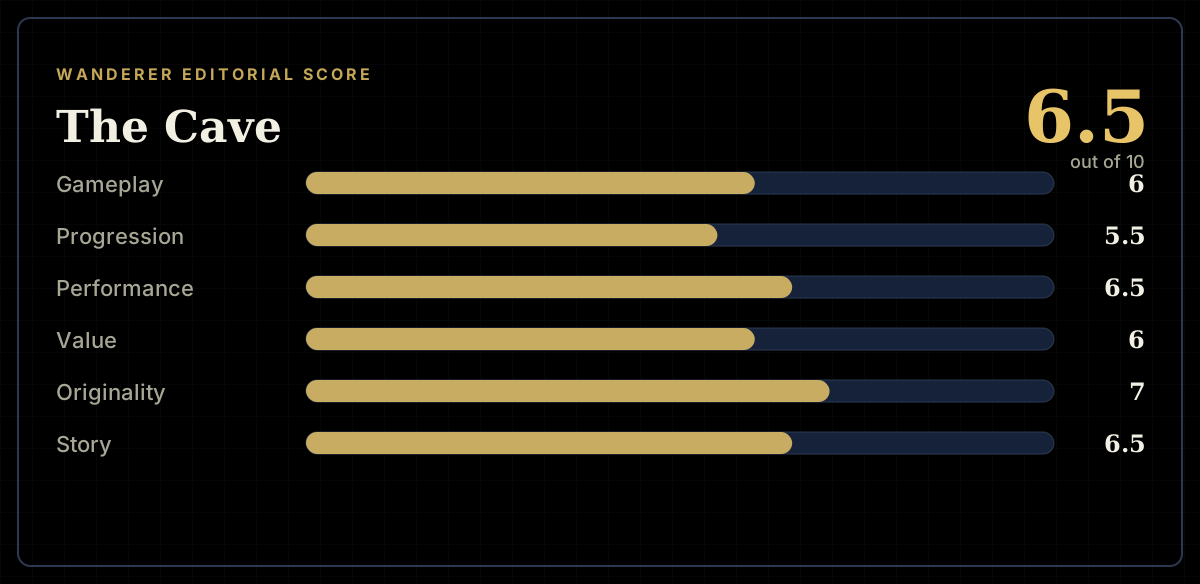
How the review scores each part of the gameWanderer Editorial -
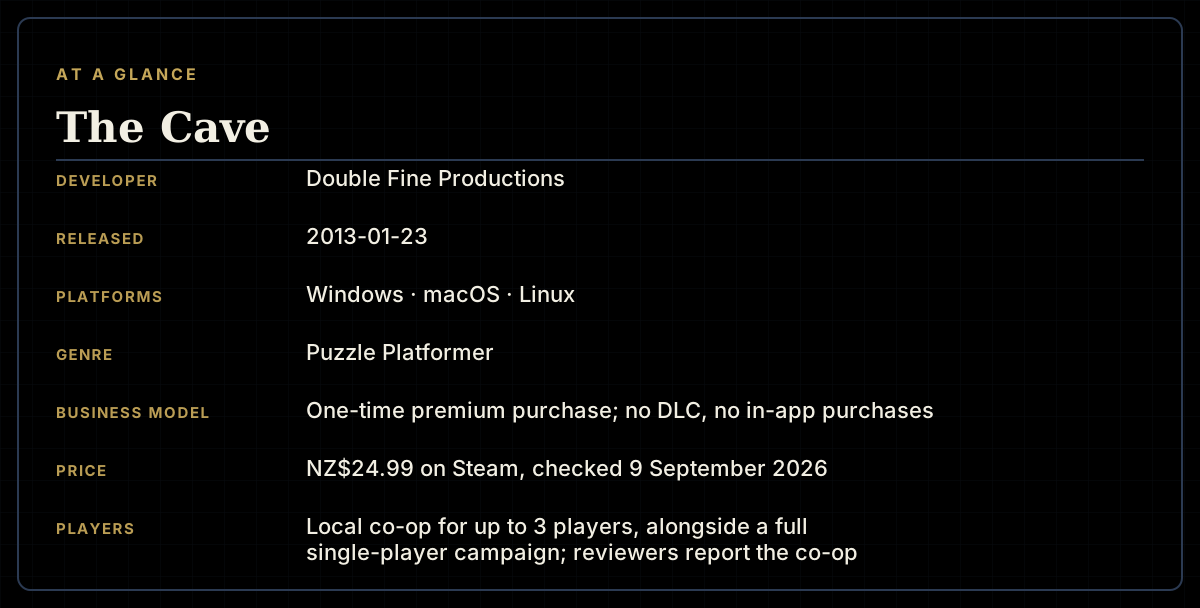
The specsWanderer Editorial -
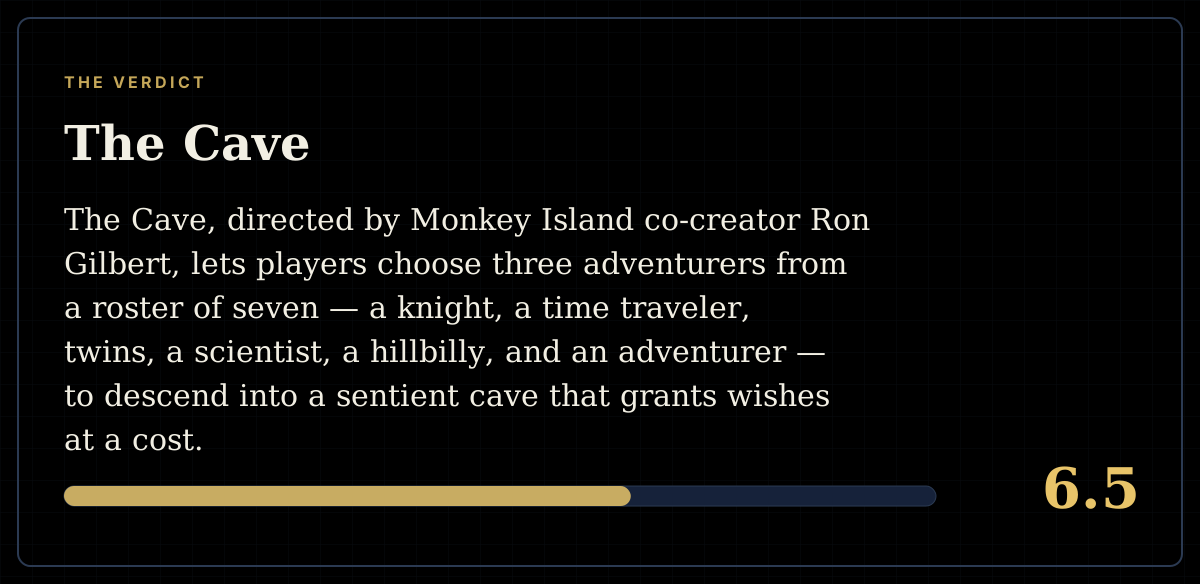
The short versionWanderer Editorial