
Game review
Fireboy & Watergirl 1: The Forest Temple
6 / 10
- Developer
- Oslo Albet
- Publisher
- Oslo Albet
- Released
- 1 September 2026
- Platforms
- Windows
- Genre
- Action, Adventure, Indie
- Monetisation
- One-time purchase, no in-game purchases listed
- Players
- Local co-op and Steam Remote Play Together, no true online co-op
The short version
Fireboy & Watergirl 1: The Forest Temple, released 1 September 2026 by Oslo Albet, is the first-ever official Steam release of the beloved 2009 browser puzzle-platformer, guiding two elementally-opposed characters through cooperative obstacle courses to collect diamonds and beat the clock. It sits Mostly Positive with a sample of 43 reviews, and reading widely through it reveals genuine, deeply felt nostalgia from a generation of players who grew up with the original Flash game, sitting alongside specific, well-corroborated complaints about this particular port's technical execution. Reviewers consistently and warmly describe rediscovering a childhood favourite, several specifically recalling playing the original secretly at school, and full-screen support and general accessibility draw genuine appreciation. Set against that nostalgic goodwill, this review found a specific, reproducible cluster of port-quality bugs: doors taking an unreasonably long time to open unless players manually lock their frame rate to 60fps through external graphics driver settings, overlapping main-menu and level music tracks playing simultaneously, and at least one reported softlock triggered by restarting a level too quickly. Multiple reviewers separately report Remote Play Together, the game's one genuinely new feature over the original Flash version, frequently fails to connect or suffers from lag and glitches even on strong internet connections, and several reviewers specifically note there's no true online co-op option despite some initial confusion that Remote Play Together would provide one.
Biggest strengths
- Reviewers consistently and warmly describe genuine, deeply felt nostalgia rediscovering a childhood favourite, with several specifically recalling playing the original Flash version secretly at school computers
- The core cooperative puzzle-platforming design holds up well according to this sample, with reviewers describing the elemental-restriction mechanics and level design as still genuinely fun and satisfying to solve even years later
- Full-screen support and general modern accessibility improvements over the original browser Flash experience draw specific, appreciative comment from reviewers pleased to see the classic playable without needing a Flash emulator
Biggest weaknesses
- This review found a specific, reproducible port-quality bug in which doors take an unreasonably long time to open unless players manually lock their frame rate to 60fps through external graphics driver settings, a workaround discovered and shared by reviewers themselves rather than documented by the developer
- Multiple reviewers report overlapping audio, with the main menu music track continuing to play simultaneously with in-level music, and separate reviewers report movement and interaction glitches tied to framerate that change how the game feels relative to the original Flash version
- At least one detailed reviewer reports the game can freeze or softlock if a level is restarted too quickly, requiring a full relaunch to recover
Who it's for: Anyone who grew up playing the original Fireboy & Watergirl on a school computer, looking for a cheap, nostalgic way to revisit it, ideally with a friend sitting on the same couch rather than relying on the game's own online features.
Our recommendation: An easy, low-risk nostalgia purchase at this price; play locally rather than relying on Remote Play Together, and lock your frame rate to 60fps to avoid the door and movement glitches multiple reviewers report.
6 / 10
Introduction
Fireboy & Watergirl 1: The Forest Temple, released 1 September 2026 by Oslo Albet, is the first-ever official Steam release of the beloved 2009 browser puzzle-platformer, guiding two elementally-opposed characters through cooperative obstacle courses to collect diamonds and beat the clock. It sits Mostly Positive with a sample of 43 reviews, and reading widely through it reveals genuine, deeply felt nostalgia from a generation of players who grew up with the original Flash game, sitting alongside specific, well-corroborated complaints about this particular port's technical execution that this review found worth taking seriously despite the game's overall warm reception.
Real, specific nostalgia
The clearest, most consistent theme across this sample is genuine, warmly-expressed nostalgia. Reviewers repeatedly and specifically describe rediscovering a childhood favourite, with several recalling playing the original Flash version secretly during school computer lab sessions. That specificity matters: this isn't generic "nostalgia" praise but reviewers describing concrete, personal memories tied directly to this exact game, which reads as a genuine, considered emotional response rather than reflexive positivity toward a cheap release.
A puzzle-platforming design that still holds up
Beyond nostalgia, this review found reviewers crediting the core design itself with genuinely holding up well years later. The elemental-restriction mechanic, Fireboy avoiding water while Watergirl avoids fire, both needing to cooperate to reach separate doors, draws consistent praise for still feeling satisfying to puzzle through, and full-screen support draws specific, appreciative comment as a genuine improvement over needing a Flash emulator to access the original browser experience today.
A door-opening bug tied directly to frame rate
Set against that praise, this review found a specific, reproducible technical complaint recurring independently across multiple reviewers: doors within levels take an unreasonably long time to open unless players manually lock their frame rate to 60 frames per second through external graphics driver settings, a workaround reviewers discovered and shared with each other rather than one documented by the developer. This is a concrete, checkable bug distinct from ordinary difficulty or polish complaints, and its specific fix, external frame-rate locking, is the kind of detail that speaks to real underlying physics-timing issues in how this particular port was built.
Overlapping audio, and a restart-triggered softlock
Multiple reviewers separately report overlapping audio, describing the main menu music track continuing to play simultaneously with in-level music rather than stopping cleanly on entering a level. At least one detailed reviewer reports the game can freeze or softlock entirely if a level is restarted too quickly in succession, requiring a full relaunch to recover — a specific, reproducible stability issue distinct from the framerate-related bugs described above.
Remote Play Together, the one new feature, frequently doesn't work
The most consequential complaint in this sample concerns Remote Play Together, effectively the single genuinely new feature this port adds over the original 2009 Flash release. Multiple reviewers report it frequently fails to connect or suffers from noticeable lag and visible glitches even when both players report strong, stable internet connections independently. Several reviewers specifically note confusion that Remote Play Together doesn't function as genuine online co-op, since it requires one player to host and stream the session rather than both connecting to a shared game state directly, meaning connection quality problems affect the entire session rather than a single player's input alone.
Weighing genuine nostalgia against a genuinely rough debut
Taken as a whole, this review reads this port as a case where the underlying game everyone already loves is being reintroduced through a technically rough vehicle. At least one detailed reviewer makes this tension explicit, stating directly they'd still recommend seeking out the original Flash version, where still accessible, over this particular Steam port in its current state — a striking, specific verdict from someone who otherwise clearly loves the underlying game, and one this review treats as a meaningful data point given how rare it is for a reviewer to prefer an older, less convenient version of something over a new official release.
What "first official Steam release" actually means here
It's worth being explicit about why this review treats this specific release as meaningfully distinct from a simple, unmodified re-listing of an old browser game, since that distinction shapes how this review's research approaches it. The original Fireboy & Watergirl was built and distributed as a Flash game, a technology now effectively retired from modern browsers, meaning this Steam release represents genuine, necessary technical work to bring the game to a currently supported platform at all, not merely repackaging an already-playable product. The addition of Remote Play Together, full-screen support, and Steam achievements represent real, if imperfect, new functionality layered on top of that underlying port work. That's a meaningfully different situation from, say, a straight re-listing of an already-modern PC game with no changes, and it's why this review treats reviewers' specific, technical port complaints as genuine feedback on new work rather than criticism of the beloved original design those same reviewers otherwise praise so warmly.
A note on price versus expectations
It's worth directly addressing how the extremely low asking price shapes this sample's overall tolerance for the port issues documented above. Multiple reviewers explicitly frame their continued recommendation around the price specifically, describing a purchase this cheap as essentially risk-free regardless of the bugs, while reserving harsher judgment for what the port's issues might mean for a full-priced release. This review reads that calculus as reasonable and worth passing along directly: the specific technical complaints here are real and worth knowing about before buying, but they land differently, and less severely, against a price this low than they would against a full-priced modern release with the same list of issues.
Final Verdict
Fireboy & Watergirl 1: The Forest Temple succeeds at reintroducing a genuinely beloved cooperative puzzle-platformer to a new generation of players, and the nostalgia this sample expresses is real, specific and warmly felt rather than generic. What holds this score down is a specific, well-corroborated cluster of port-quality bugs, framerate-tied door and movement glitches, overlapping audio, a restart-triggered softlock, and a headline Remote Play Together feature that frequently doesn't work as advertised. An easy, low-risk nostalgia purchase at this price; play locally with a frame rate locked to 60fps rather than relying on Remote Play Together for now.
Pros and cons
Pros
- Reviewers consistently and warmly describe genuine, deeply felt nostalgia rediscovering a childhood favourite, with several specifically recalling playing the original Flash version secretly at school computers
- The core cooperative puzzle-platforming design holds up well according to this sample, with reviewers describing the elemental-restriction mechanics and level design as still genuinely fun and satisfying to solve even years later
- Full-screen support and general modern accessibility improvements over the original browser Flash experience draw specific, appreciative comment from reviewers pleased to see the classic playable without needing a Flash emulator
- Value draws consistent, enthusiastic praise given the extremely low asking price, with multiple reviewers specifically framing it as an easy purchase regardless of the port's other rough edges
Cons
- This review found a specific, reproducible port-quality bug in which doors take an unreasonably long time to open unless players manually lock their frame rate to 60fps through external graphics driver settings, a workaround discovered and shared by reviewers themselves rather than documented by the developer
- Multiple reviewers report overlapping audio, with the main menu music track continuing to play simultaneously with in-level music, and separate reviewers report movement and interaction glitches tied to framerate that change how the game feels relative to the original Flash version
- At least one detailed reviewer reports the game can freeze or softlock if a level is restarted too quickly, requiring a full relaunch to recover
- Multiple reviewers report Remote Play Together, the game's main new feature relative to the original Flash release, frequently fails to connect or suffers from noticeable lag and glitches even on strong internet connections between both players
- Several reviewers specifically note there is no true online co-op option, with some initially confused that Remote Play Together would provide one, and at least one detailed reviewer directly states they'd still recommend the original Flash version, where one remains accessible, over this particular port in its current state
Screenshots
-
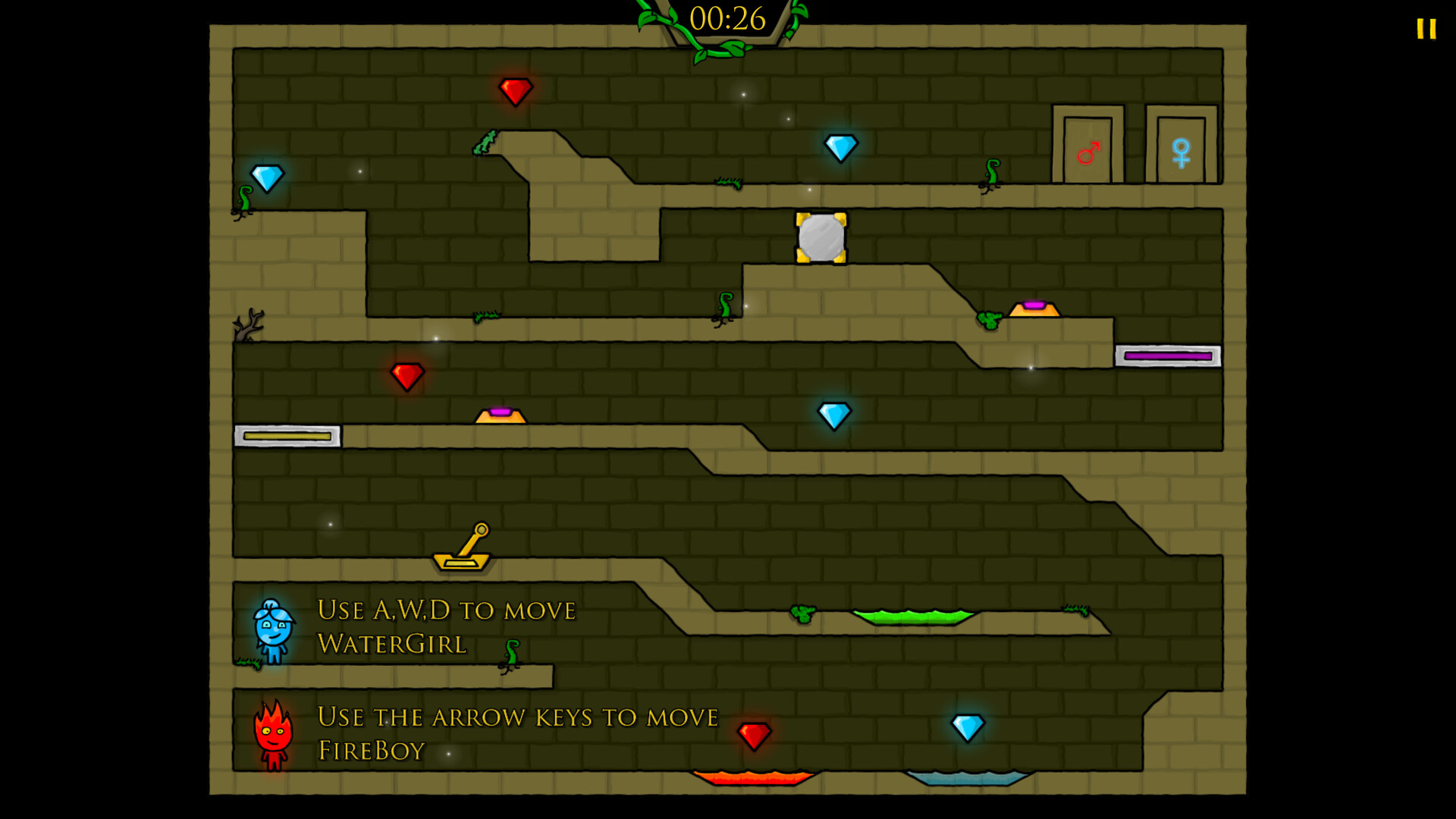
Fireboy & Watergirl 1 The Forest TempleImage: Oslo Albet via Steam -
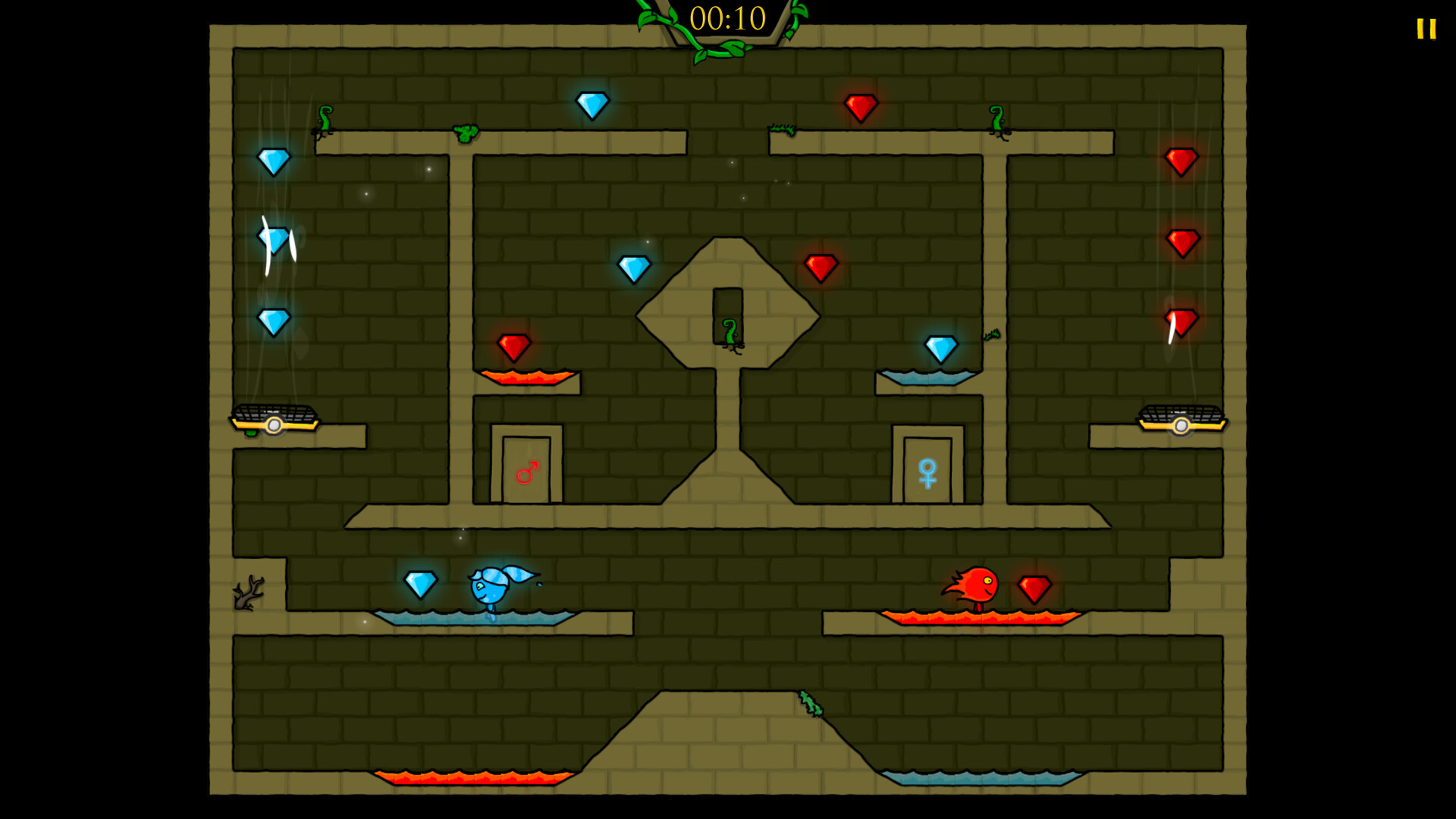
Fireboy & Watergirl 1 The Forest TempleImage: Oslo Albet via Steam -
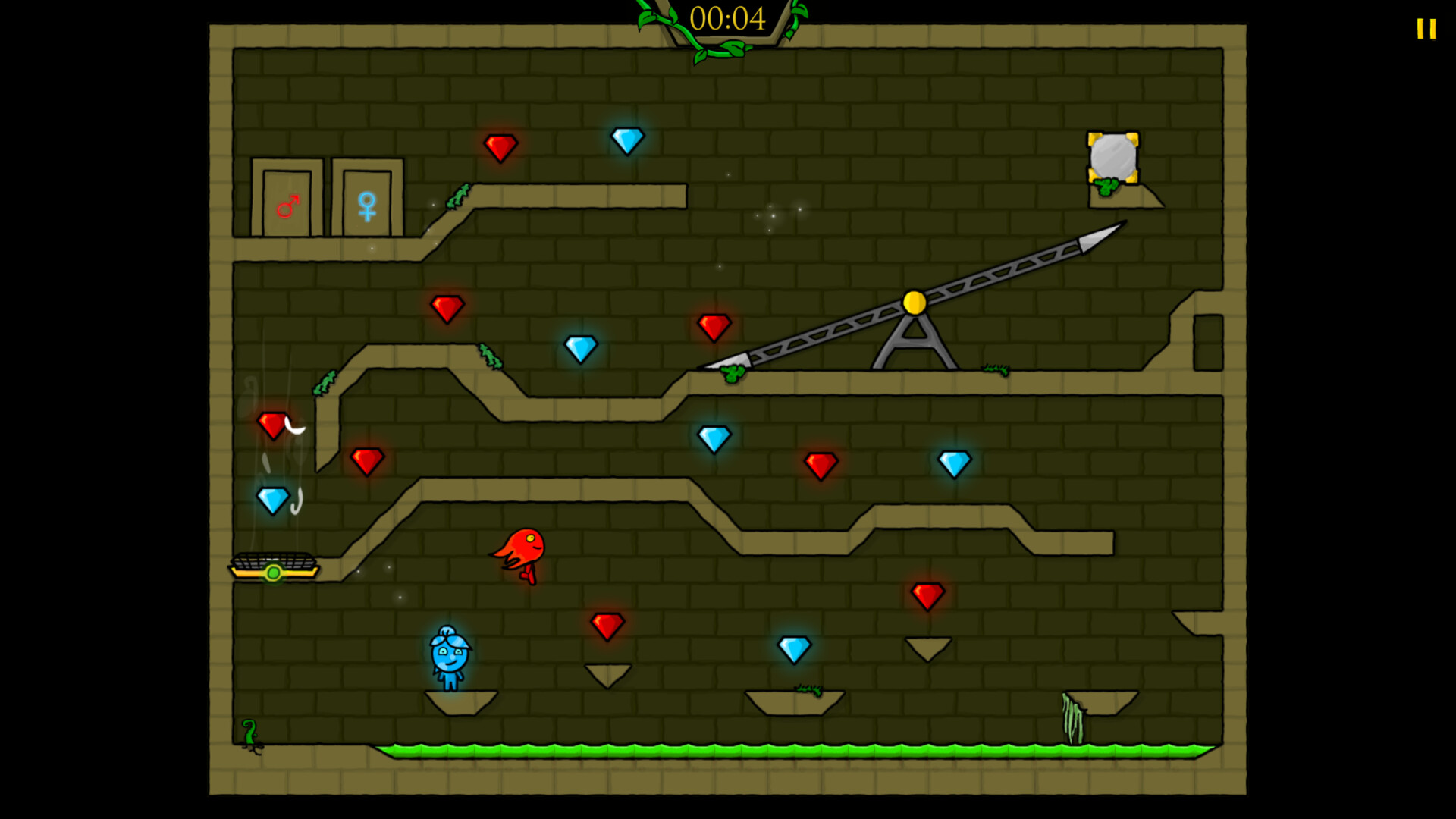
Fireboy & Watergirl 1 The Forest TempleImage: Oslo Albet via Steam -

How the review scores each part of the gameWanderer Editorial -
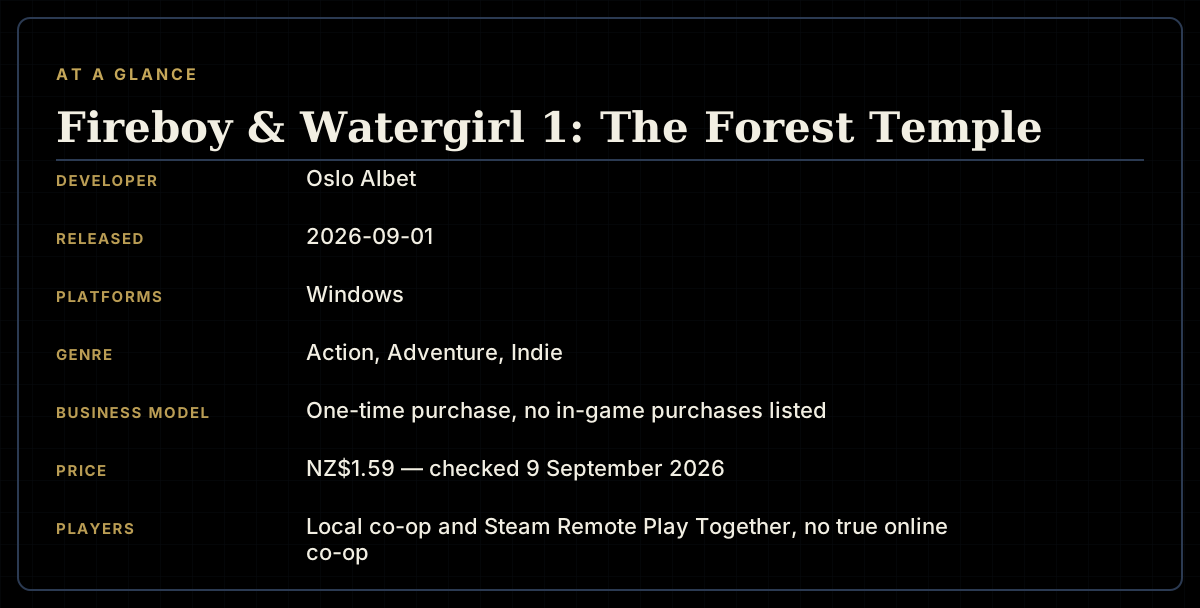
The essentials at a glanceWanderer Editorial -

The short versionWanderer Editorial