Game review
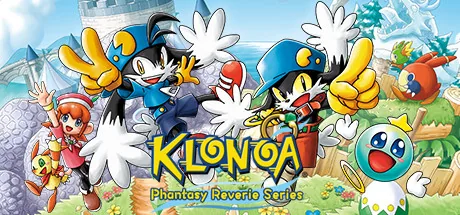
Klonoa Phantasy Reverie Series
6 / 10
- Developer
- MONKEYCRAFT Co. Ltd.
- Publisher
- Bandai Namco Entertainment
- Released
- 7 July 2022
- Platforms
- Windows
- Genre
- Platformer, Action, Remake
- Monetisation
- One-time purchase, no in-app purchases
- Players
- Local split-screen co-op
The short version
Klonoa Phantasy Reverie Series rebuilds Klonoa: Door to Phantomile, originally released on PlayStation in 1997, and Klonoa 2: Lunatea's Veil, from PlayStation 2 in 2001, into a single package for modern platforms. Developed by MONKEYCRAFT and published by Bandai Namco Entertainment, it released 7 July 2022, ending a roughly two-decade drought for the series, and sits at Very Positive, 94.9% across 1,653 English-language reviews. That number is worth reading carefully rather than at face value: a striking share of this game's own positive reviews, including several of its most-upvoted, explicitly state the remake work itself is poor — degraded cutscenes, inaccurate physics and controls, visual and audio quality below the originals — and recommend the collection anyway, purely out of gratitude that a beloved, long-dormant series received any re-release at all.
Biggest strengths
- The underlying Klonoa games remain genuinely well-regarded, charming 3D platformers with real heart, and this is the first way to play either on modern hardware without resorting to emulation or expensive original hardware
- Local split-screen co-op preserves a feature from the original releases, letting a second player join in
- For many longtime fans, simply having the series accessible again after roughly two decades of silence carries real emotional weight independent of remake quality, and several reviewers frame their purchase explicitly as a vote for a future Klonoa 3
Biggest weaknesses
- A large, detailed share of reviewers — including longtime fans who played the PS1 and PS2 originals — describe specific execution failures: controls and hit detection reported as noticeably worse and less precise than the source material, cutscenes rebuilt in-engine that several reviewers say lose the charm of the originals' pre-rendered CGI
- Multiple detailed reviews catalogue specific bugs and regressions not present in the original releases, including lighting glitches, missing facial expressions and reduced audio quality
- At NZ$84.99 for two remakes of games originally released in 1997 and 2001, each completable in roughly four to seven hours, several reviewers explicitly call the price too high for what's delivered
Who it's for: Longtime Klonoa fans who want the series preserved and accessible regardless of execution quality, and newcomers curious about a classic 3D platformer series who don't mind real rough edges; a poor fit for anyone expecting a remaster that improves meaningfully on the originals.
Our recommendation: A genuinely important act of preservation for a beloved, long-dormant series, let down by remake execution its own fans openly admit falls short — buy this to support the franchise and hope for a proper sequel, not for remaster quality.
6 / 10
Introduction
Klonoa Phantasy Reverie Series rebuilds two entries in a beloved but long-dormant 3D platformer series for modern platforms: Klonoa: Door to Phantomile, originally released on PlayStation in 1997, and Klonoa 2: Lunatea's Veil, from PlayStation 2 in 2001. Developed by MONKEYCRAFT and published by Bandai Namco Entertainment, it released 7 July 2022, ending roughly two decades in which the series had no official re-release on any platform. It sits at Very Positive, 94.9% across the 1,653 English-language reviews this review draws from, having read the entire negative sample and a substantial share of the positive one. That figure needs unpacking carefully, because a genuinely unusual pattern runs through this corpus: a meaningful number of the positive reviews themselves openly state the remake work is poor, and recommend buying it anyway for reasons that have little to do with remake quality.
A beloved series, still beloved
Start with what nobody in this sample disputes: the underlying Klonoa games are genuinely good, and longtime fans describe them with real affection. Multiple reviewers who played the originals on PS1 or PS2 call them "masterpieces" even while cataloguing this collection's specific failures, and the charm of the character, the level design and the emotional core of both games' stories draw consistent praise independent of how well this particular package represents them. Several reviewers frame their purchase explicitly as an act of support for the franchise rather than a straightforward quality endorsement — one of the game's most-upvoted reviews, at over 1,300 votes, put the sentiment as a joke with real weight behind it: "Please play Klonoa's games or else Bandai Namco will lock him in the basement again." That's the throughline connecting the vast majority of this game's positive reception: genuine, long-standing love for a series that fans feared might never return, more than confidence in this specific execution of its return.
Reviewers who recommend it while saying it isn't good
Here's the pattern worth centring this review on, because it's unusual enough to need stating plainly. A 131-vote review — one of the highest-voted in the entire corpus — opens by recommending the collection "since the series deserves all the love and attention it can get," then states directly: "there's some huge caveats. Put simply: This is NOT a good remaster," before cataloguing specific problems with voice quality and visual fidelity across both games. This isn't an isolated case of one generous reviewer softening real criticism — it recurs across multiple high-voted positive reviews, each recommending a purchase while simultaneously and specifically describing the remake work as falling short of the source material. Read this way, a meaningful share of that 94.9% figure measures affection for a franchise and gratitude for its survival rather than satisfaction with what MONKEYCRAFT actually built, and this review treats that distinction as central rather than a footnote.
What specifically falls short, according to fans of the originals
The negative sample, and the caveat-heavy sections of positive reviews, are unusually specific about where the execution disappoints. Controls and hit detection draw the most consistent technical complaint, with reviewers who know the originals well describing movement and physics as noticeably less precise — one detailed review put it bluntly: "the movement and physics are wrong," identifying specific inaccuracies that recur throughout play rather than one isolated issue. Cutscenes draw their own specific criticism: both original games used pre-rendered CGI for key story beats, and this collection rebuilds them in the game engine instead, which multiple reviewers say loses meaningful visual charm in the transition — one reviewer described the results bluntly as looking noticeably worse than what shipped on PlayStation over twenty years earlier. A 27-vote review, playing well after launch and specifically framing itself as a considered retrospective rather than a launch-week reaction, catalogued a specific list of regressions not present in either original: lighting bugs, missing facial expressions, and altered attack ranges that change how certain moves actually function compared to the source material.
Consumer-experience complaints independent of remake quality
A smaller set of complaints concerns the launch experience rather than the remake work itself. One reviewer specifically objected to a mandatory data-collection consent screen appearing immediately after the publisher's logos, before reaching the actual game. Another, in a more pointed complaint about a single-player title, objected to being required to accept a EULA to start a new game at all, arguing that having already paid for the product should be sufficient without an additional agreement most players won't meaningfully read. Neither complaint is about the games themselves, but both are specific, checkable friction points worth passing on to a prospective buyer.
A price several reviewers call out directly
At NZ$84.99 for two games completable, according to multiple reviewers, in roughly four and seven hours respectively, several reviews explicitly flag the asking price as too high given the execution issues catalogued above — one detailed review, while still recommending the collection overall on the strength of the Klonoa 2 port specifically, noted "the asking price of this collection is a little too high" even for a fan making a positive case. Steam's achievement data shows a reasonably standard completion curve for the genre, with the first-tier achievement at 71.6% tapering down through a real midgame to under 10% for the hardest, most dedicated unlocks — consistent with a short, largely linear pair of games most buyers who start actually finish.
Final Verdict
Klonoa Phantasy Reverie Series matters as an act of preservation more than as a demonstration of remake craft — it's the first way in roughly two decades to play either Klonoa game on modern hardware without emulation, and a meaningful share of its own overwhelmingly positive review base says so directly while simultaneously, and specifically, describing the actual remake work as falling short of the beloved originals. That's a genuinely unusual thing for a corpus to do consistently, and this review treats it as the central finding rather than letting the headline percentage stand in for a verdict on quality it doesn't quite support. If getting Klonoa back in front of players, and signalling demand for a genuine third entry, matters more to you than polished execution, this is worth supporting. If you're buying specifically expecting a remaster that improves meaningfully on twenty-year-old originals, a large and detailed share of this game's own fans will tell you, unprompted, that it doesn't.
Pros and cons
Pros
- The underlying Klonoa games remain genuinely well-regarded, charming 3D platformers with real heart, and this is the first way to play either on modern hardware without resorting to emulation or expensive original hardware
- Local split-screen co-op preserves a feature from the original releases, letting a second player join in
- For many longtime fans, simply having the series accessible again after roughly two decades of silence carries real emotional weight independent of remake quality, and several reviewers frame their purchase explicitly as a vote for a future Klonoa 3
- Original audio tracks are preserved as an option for players who prefer them to the remake's new voice work
Cons
- A large, detailed share of reviewers — including longtime fans who played the PS1 and PS2 originals — describe specific execution failures: controls and hit detection reported as noticeably worse and less precise than the source material, cutscenes rebuilt in-engine that several reviewers say lose the charm of the originals' pre-rendered CGI
- Multiple detailed reviews catalogue specific bugs and regressions not present in the original releases, including lighting glitches, missing facial expressions and reduced audio quality
- At NZ$84.99 for two remakes of games originally released in 1997 and 2001, each completable in roughly four to seven hours, several reviewers explicitly call the price too high for what's delivered
- A mandatory data-collection consent prompt and EULA agreement at first launch draw specific complaints in a single-player game, with one reviewer objecting to being asked to accept terms before starting a game they'd already paid for
Screenshots
-
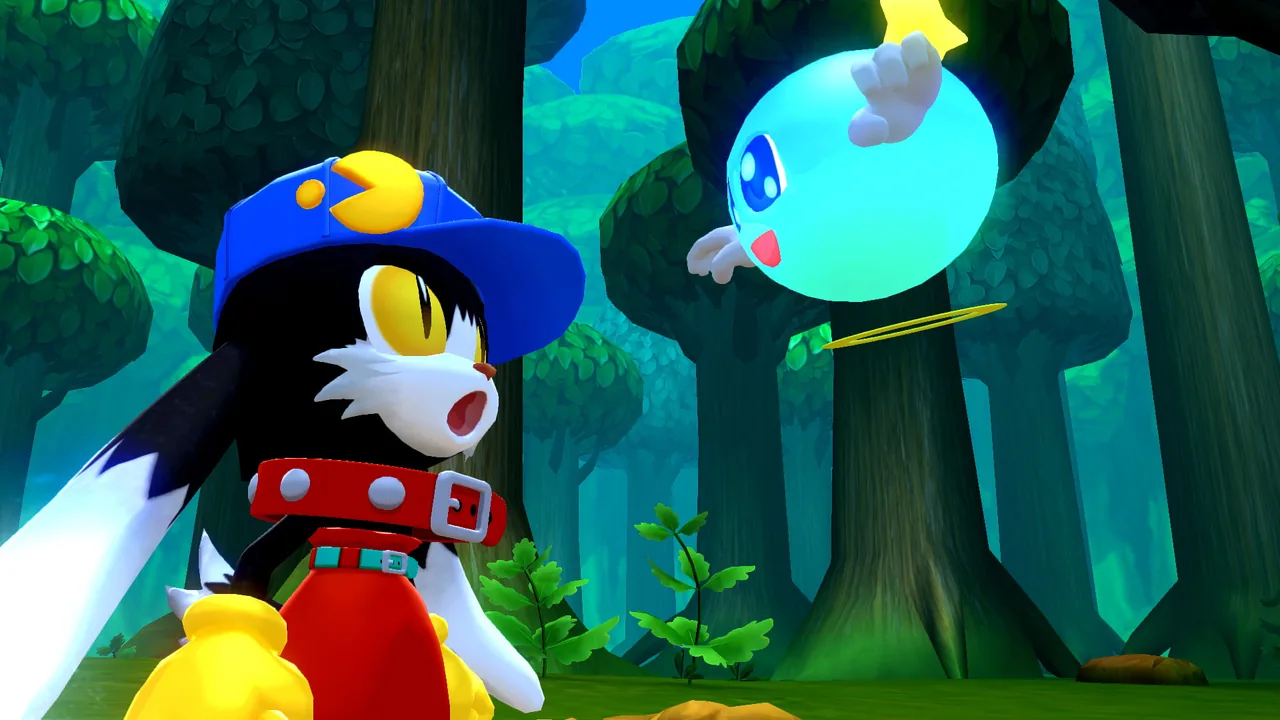
Klonoa Phantasy Reverie SeriesImage: Bandai Namco Entertainment via Steam -
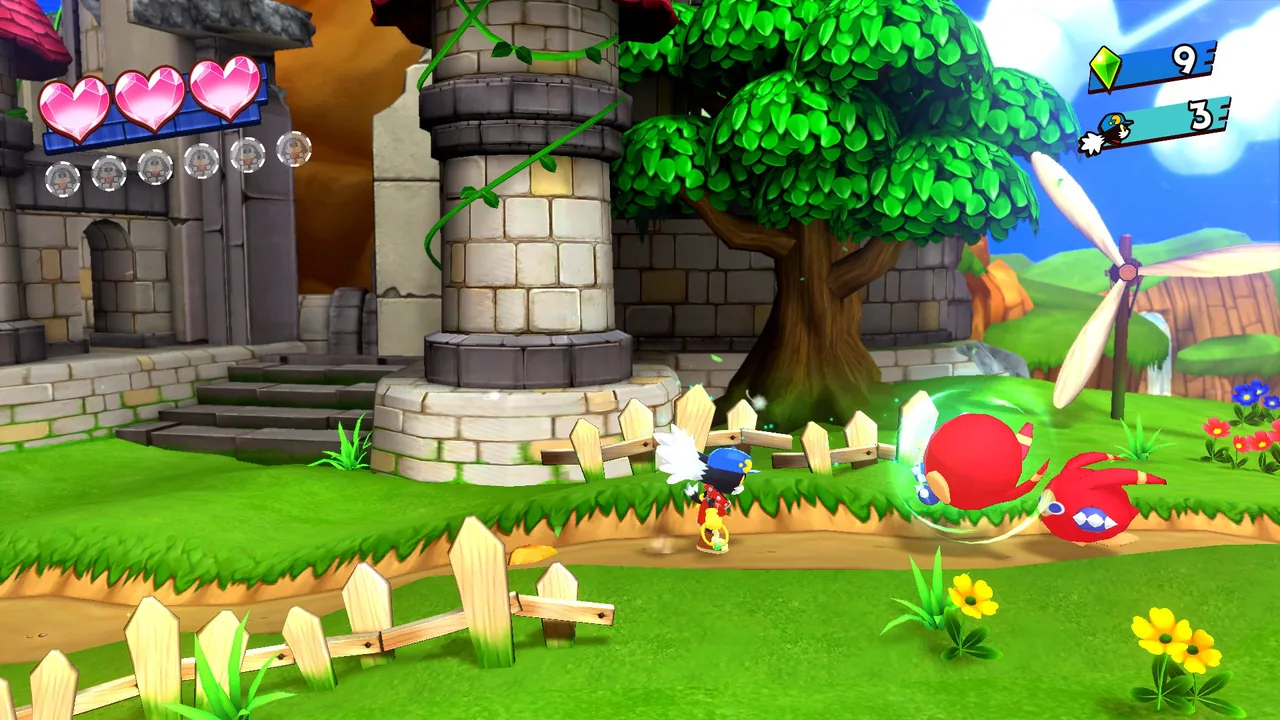
Klonoa Phantasy Reverie SeriesImage: Bandai Namco Entertainment via Steam -
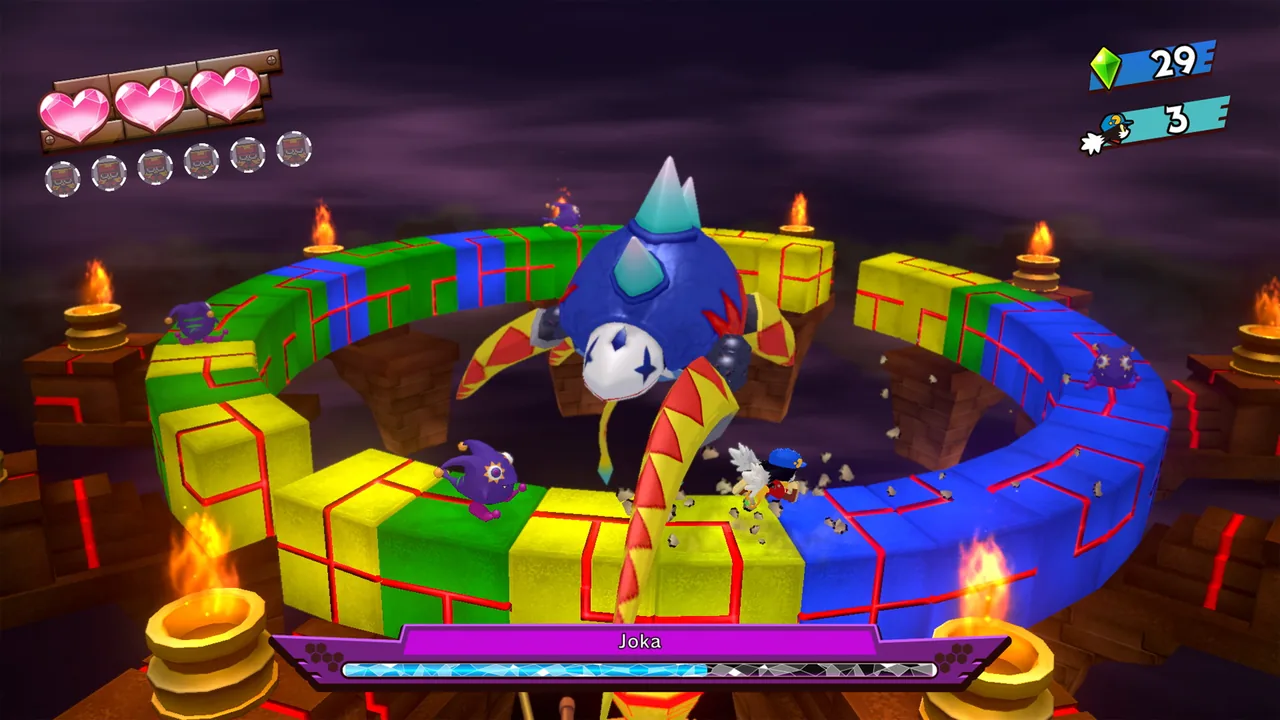
Klonoa Phantasy Reverie SeriesImage: Bandai Namco Entertainment via Steam -
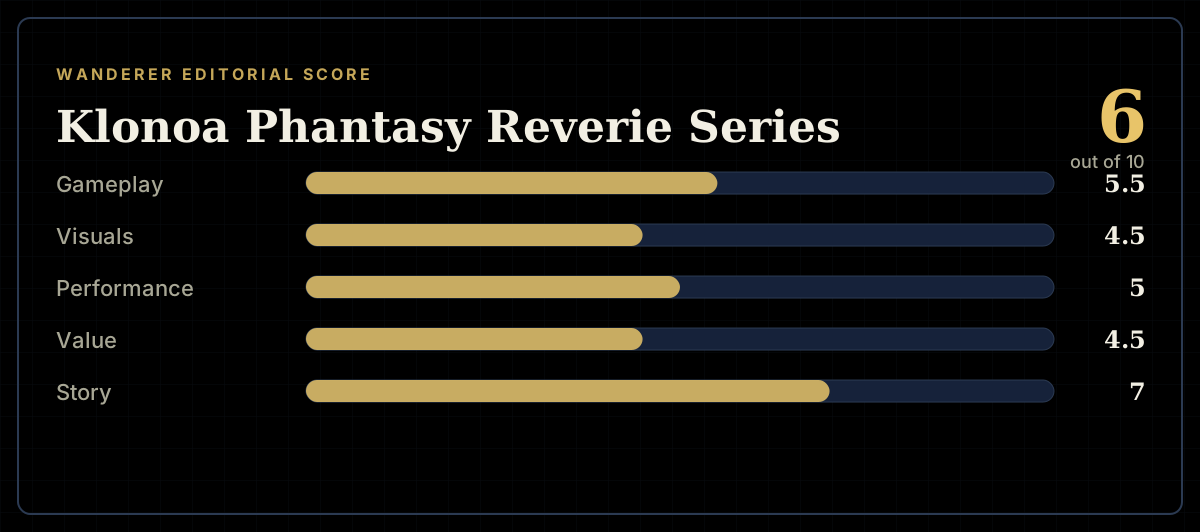
How the review scores each part of the gameWanderer Editorial -
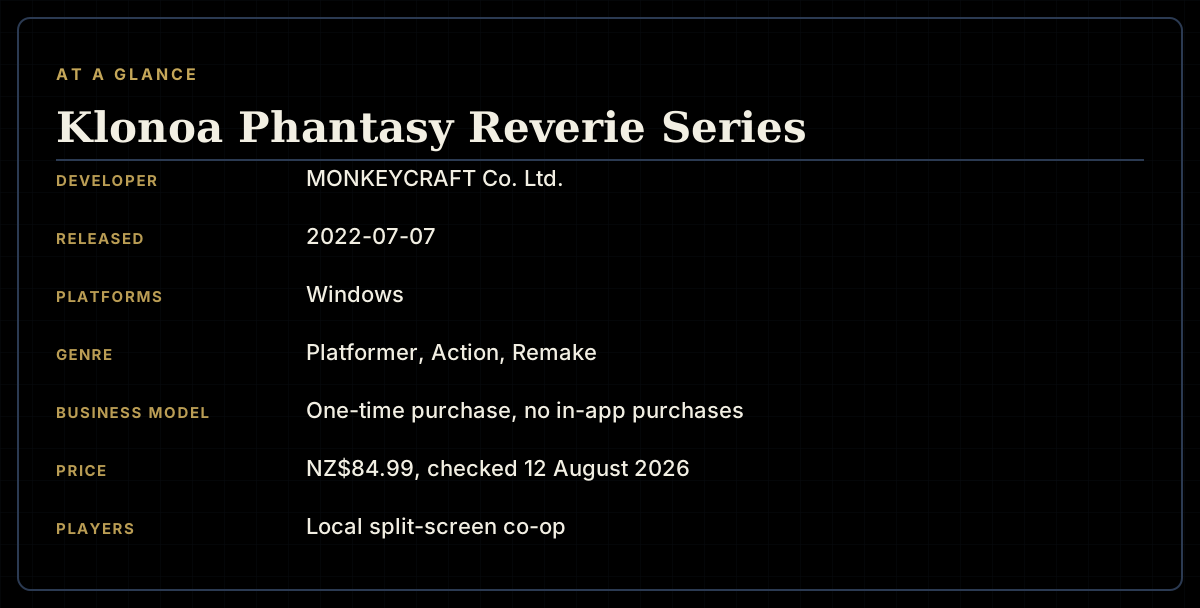
The essentials at a glanceWanderer Editorial -
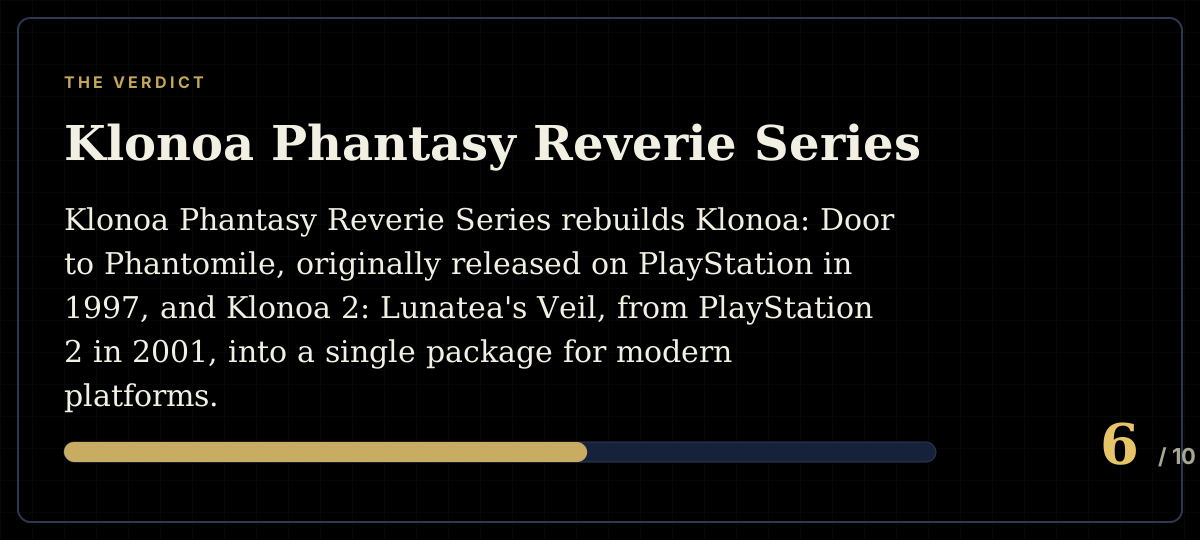
The short versionWanderer Editorial