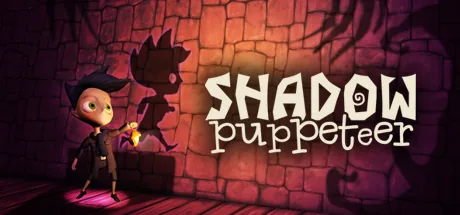
Game review
Shadow Puppeteer
6 / 10
- Developer
- Sarepta studio
- Publisher
- Snow Cannon Games
- Released
- 29 September 2014
- Platforms
- Windows
- Genre
- Adventure
- Monetisation
- Free to play, no in-app purchases found on the store page (paid at original launch, since made free).
- Players
- Local co-op (shared keyboard or split controller), with Remote Play Together support
The short version
Shadow Puppeteer casts two players as a boy and his own detached shadow — one moving through a 3D world, the other platforming through its 2D shadow-cast reflection — chasing down a man who has stolen everyone's shadows. Steam's aggregate reads Mostly Positive at 75% of 110 English-language reviews, and this review read all 27 negative reviews plus a sample of the positive side.
What's notable about this sample is how closely both sides agree on where the game succeeds and fails. Fans and critics alike credit the central concept and its charming, Tim Burton-esque visual style — one detailed positive review describes moments where "the co-op clicks" as genuinely special. Both sides also converge on the same specific weakness: solo play, where one person controls both characters at once, is widely described as confusing and frustrating compared to genuine two-player co-op, with camera angles that several reviewers say make it hard to track both characters simultaneously. A real cluster of technical complaints recurs too — items misfiring under controller input, platforms drifting unexpectedly, and keybind settings that don't save between sessions.
Biggest strengths
- A genuinely clever, well-regarded central concept — controlling a 3D boy and his 2D shadow simultaneously — that draws real, specific praise across the review sample, including comparisons to Tim Burton's visual style
- Multiple reviewers describe the co-op experience specifically as where the game's ideas come together, with moments they call genuinely memorable
- A short, easy-to-follow story told without dialogue that several reviewers find charming despite its simplicity
Biggest weaknesses
- The single most consistently repeated complaint, agreed on by both positive and negative reviewers: solo play, where one person controls both the boy and his shadow, is confusing and frustrating compared to genuine co-op, with camera angles several reviewers say make it hard to track both characters at once
- Real, specific bugs recur across multiple reviews: items misfiring or failing to register under controller input, platforms drifting unexpectedly near obstacles, and keybind settings that don't persist between sessions
- Puzzle design is described by several reviewers as repetitive, reusing a small handful of core mechanics (moving boxes, standing on discs, blocking steam) across many levels with only cosmetic variation
Who it's for: Best for two players sharing a couch, ideally with a Tim Burton-style aesthetic and gentle puzzle-platforming in mind — a much harder recommendation for solo play.
Our recommendation: Worth trying now that it's free, especially with a co-op partner — that's where this review's sample says the concept genuinely shines — but go in aware that solo play and some rough technical edges are real, repeated complaints even from reviewers who otherwise recommend it.
6 / 10
Introduction
Shadow Puppeteer casts two players as a boy and his own detached shadow — one navigating a 3D world, the other platforming through its shadow-cast 2D reflection — chasing down a man who has stolen everyone's shadows. Developed by Sarepta studio and published by Snow Cannon Games, it originally launched on Steam on 29 September 2014 as a paid, award-recognised co-op title, and is now available free. Over a decade later, its 110 English-language reviews sit at 75% positive, Mostly Positive. This review read all 27 negative reviews in that sample alongside a range of the positive side.
A concept both sides respect
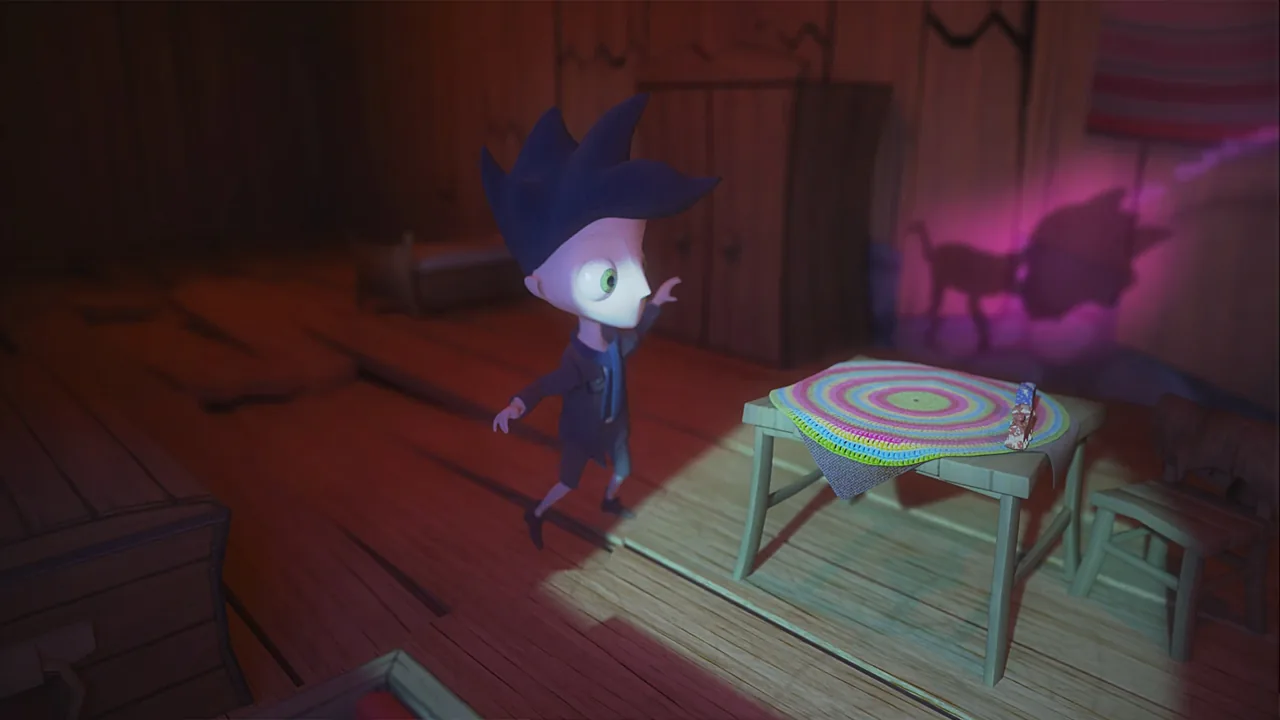
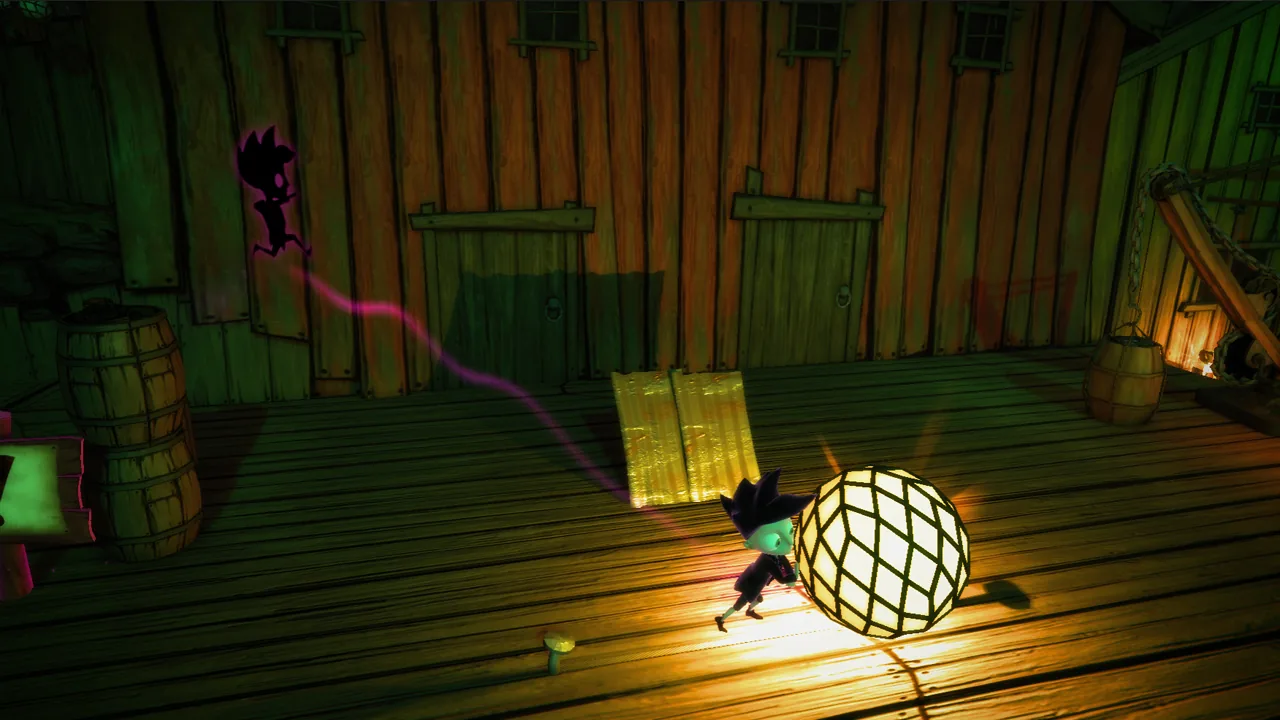
The central idea draws genuine, specific praise across the entire sample, not just the positive side. "Shadow Puppeteer has a genuinely clever concept... and when the co-op clicks, there are moments that had me saying 'wow, this game is awesome,'" reads one detailed positive review, going on to praise a visual style with "a charming Tim Burton-esque quality." Reviewers on the negative side echo the same respect even while ultimately not recommending it: "The idea is interesting," reads one, "boy moves in 3D; his shadow in 2D, platforming on shadows." No reviewer in this sample disputes that the premise itself is a genuinely creative one for the puzzle-platformer genre.
Where both sides converge on the problem
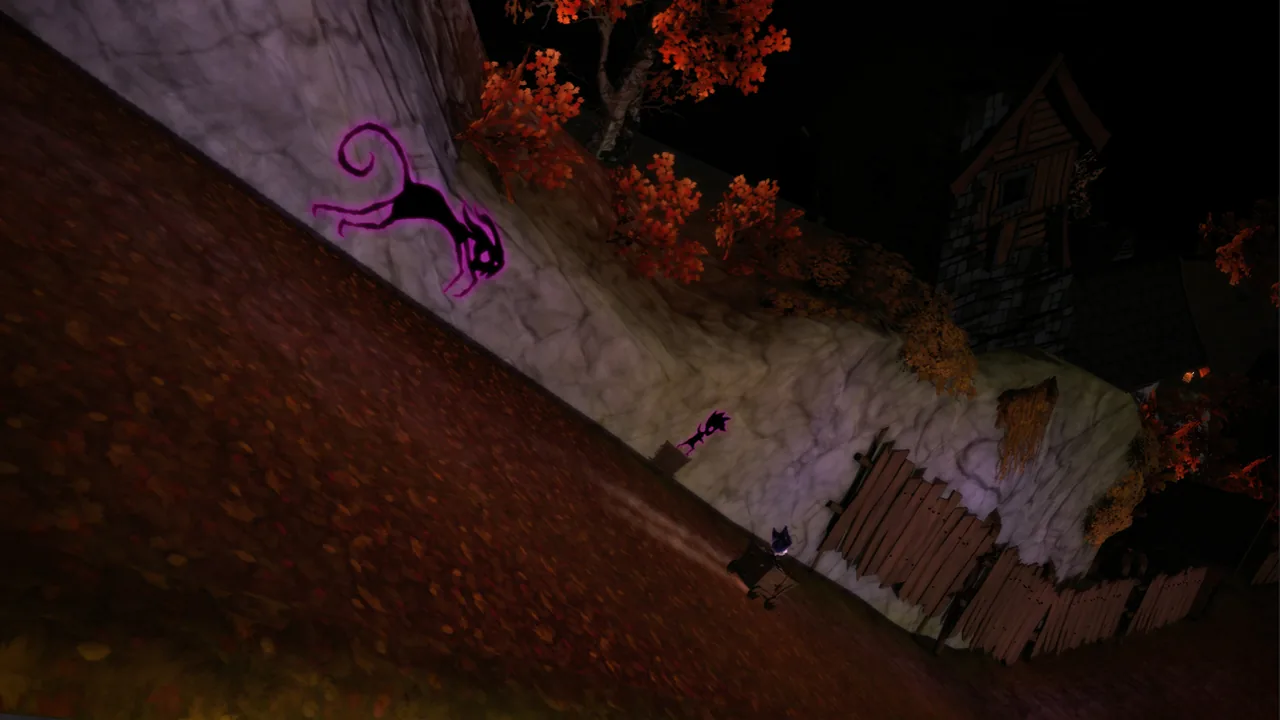
What both sides agree on almost as strongly is where the execution falls short — and it's overwhelmingly about solo play. "It's a great game with a great art style, however with no controller support and the intended playstyle to be shared keyboard multiplayer, its rather hard to recommend" for one player, reads one review. Another: "Interesting idea, but not a good game as 1-player." Camera clarity is the specific, repeated culprit — "the isometric 3D camera focused too much on helping the shadow perform their platforming while the other player is left confused as to where they actually are," reads one detailed review, a complaint echoed by several others describing difficulty tracking both characters when controlling them alone.
Real, specific technical rough edges
Beyond the solo-play problem, this sample surfaces a cluster of concrete bugs worth naming plainly: one reviewer reports items misfiring or failing to register under controller input during a boss fight; another describes platforms drifting unexpectedly near obstacles "for no apparent reason"; a third reports keybind settings failing to save between sessions, forcing reconfiguration every launch. One reviewer reports frame rates dropping as low as 5fps on modern hardware, severe enough to make solo play especially difficult. Puzzle variety draws its own separate complaint — several reviewers describe the same handful of core mechanics (moving boxes, standing on discs, blocking steam vents) reused across many levels with only cosmetic differences.
Verdict
Shadow Puppeteer's central idea — a boy and his shadow, moving through paired 3D and 2D spaces — remains genuinely clever more than a decade on, and this review's full read of its negative-review sample confirms even critics respect the concept. But solo play, camera clarity, and a real cluster of specific bugs are consistent, repeated complaints from both sides of the aggregate. Now free, it's a low-risk, worthwhile try specifically with a co-op partner in mind — temper expectations significantly if you're planning to play alone.
Pros and cons
Pros
- A genuinely clever, well-regarded central concept — controlling a 3D boy and his 2D shadow simultaneously — that draws real, specific praise across the review sample, including comparisons to Tim Burton's visual style
- Multiple reviewers describe the co-op experience specifically as where the game's ideas come together, with moments they call genuinely memorable
- A short, easy-to-follow story told without dialogue that several reviewers find charming despite its simplicity
- Now free to play, removing the financial risk entirely for a decade-old, award-recognised title
Cons
- The single most consistently repeated complaint, agreed on by both positive and negative reviewers: solo play, where one person controls both the boy and his shadow, is confusing and frustrating compared to genuine co-op, with camera angles several reviewers say make it hard to track both characters at once
- Real, specific bugs recur across multiple reviews: items misfiring or failing to register under controller input, platforms drifting unexpectedly near obstacles, and keybind settings that don't persist between sessions
- Puzzle design is described by several reviewers as repetitive, reusing a small handful of core mechanics (moving boxes, standing on discs, blocking steam) across many levels with only cosmetic variation
- Performance complaints recur, including one reviewer reporting severe frame-rate drops on modern hardware that made solo play especially difficult
Screenshots
-
Shadow PuppeteerImage: Snow Cannon Games via Steam -
Shadow PuppeteerImage: Snow Cannon Games via Steam -
Shadow PuppeteerImage: Snow Cannon Games via Steam -
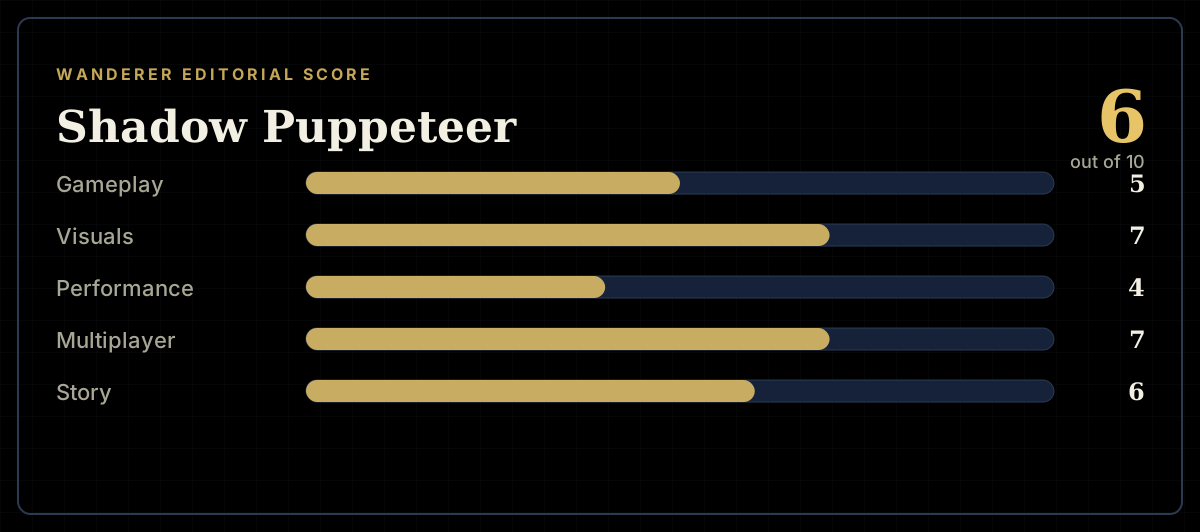
How the review scores each part of the gameWanderer Editorial -
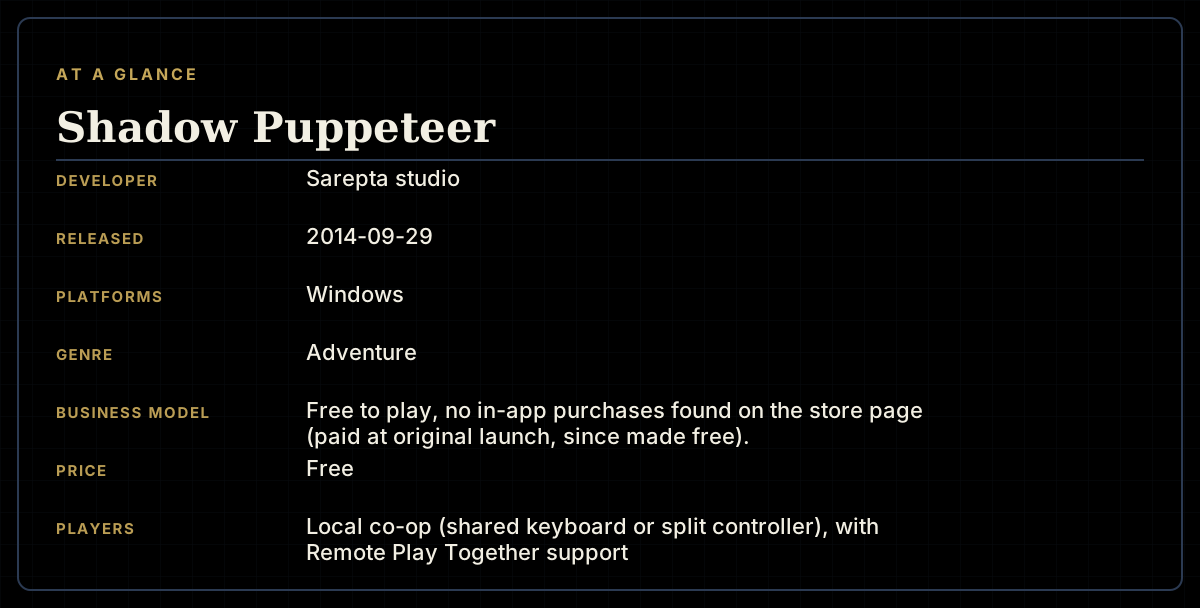
The essentials at a glanceWanderer Editorial -
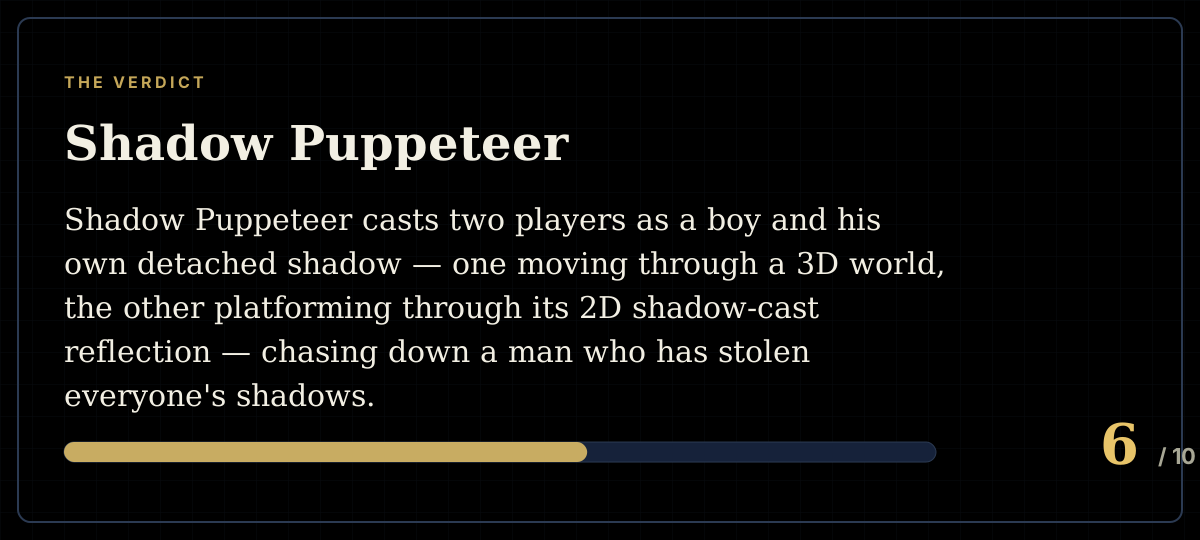
The short versionWanderer Editorial