Game review
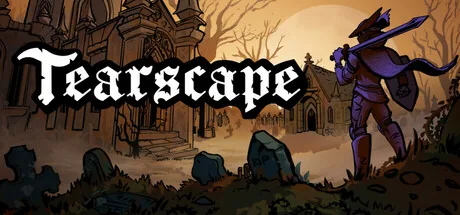
Tearscape
7.5 / 10
- Developer
- NERDS TAKE OVER
- Publisher
- NERDS TAKE OVER
- Released
- 2 February 2026
- Platforms
- PC, Mac, Linux
- Genre
- Action RPG
- Players
- true
The short version
Biggest strengths
- A confident, well-executed blend of Game Boy Color-era Zelda exploration and Soulslike combat
- Genuinely strong level design, secrets, and boss variety across a compact runtime
- Local co-op that several reviewers compared favorably to Hyper Light Drifter
Biggest weaknesses
- A story reviewers repeatedly call thin, with an ending many found jarring or unsatisfying
- Real technical rough edges — sketchy hit detection, co-op softlocks, and steep late-game enemy scaling
- A soundtrack multiple reviewers turned down or off entirely
7.5 / 10
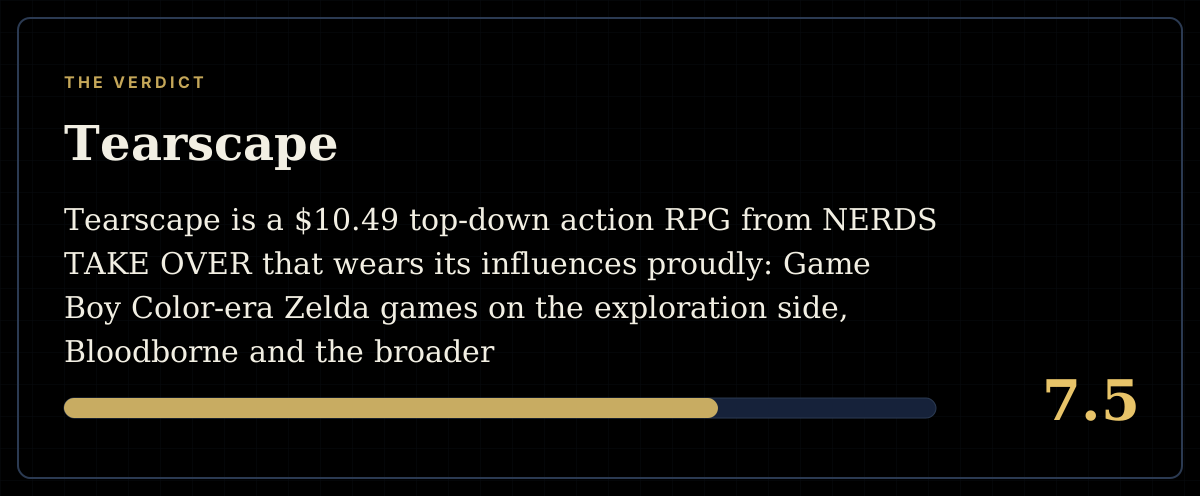
Tearscape is a $10.49 top-down action RPG from NERDS TAKE OVER that wears its influences proudly: Game Boy Color-era Zelda games on the exploration side, Bloodborne and the broader Soulslike genre on the combat side. Its 266 English-language reviews land solidly in "Very Positive" territory, and the reviews themselves are unusually detailed for a release this size — reviewers clearly have strong opinions about both what the game gets right and where it falls short.
A confident genre mashup with real structural ambition
The elevator pitch shows up in almost every review, phrased a dozen different ways. One reviewer called it "a sort of loose Bloodborne demake thrown into a blender with the Gameboy Color Zelda games," while another put it more bluntly: "It's a sort of loose Bloodborne demake thrown into a blender with the Gameboy Color Zelda games. Whereas the latter were mostly focused on the puzzle of navigation using your tools, Tearscape instead mixes elements of more open ended games with the timing based combat of FromSoftware titles. The result is an enjoyable dungeon crawler with some real heart." That same detailed review praised the way exploration and combat intertwine: "the strength lies in the distinct vibes of each area," and singled out the game's map system as a standout: "The game doesn't tell you this, but you can place markers on the map if you run into something you want to check back on later," concluding that "The persistent stream of upgrades and new equipment you can find makes exploration constantly compelling." A shorter review compared the effect to a beloved indie touchstone: "Imagine if instead of Zelda, the Oracle of Ages and Oracle of Seasons for the gameboy color were Bloodborne." Others kept it simple: "Great game, Bloodborne meets Zelda. A lot of fun to play, highly recommended!" and "A great mix of nostalgia, exploration, and challenge in this Zelda/Soulslike hybrid."
Strong combat and presentation, praised in detail
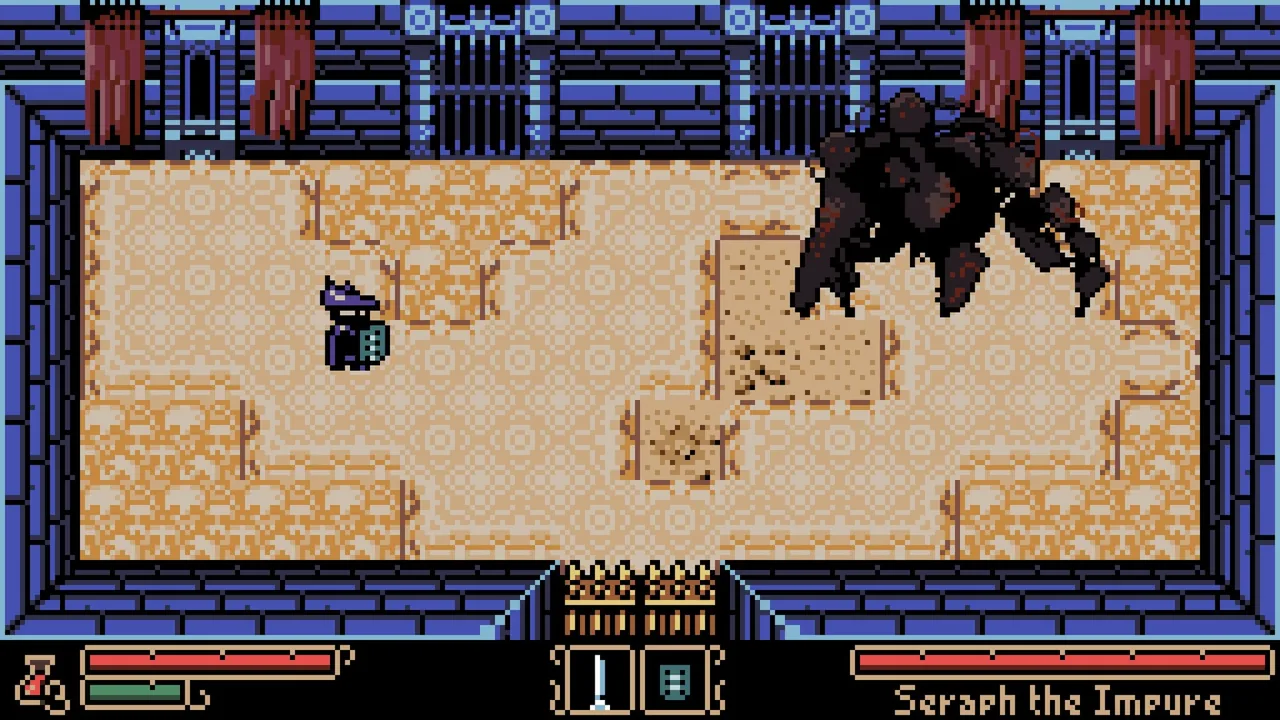
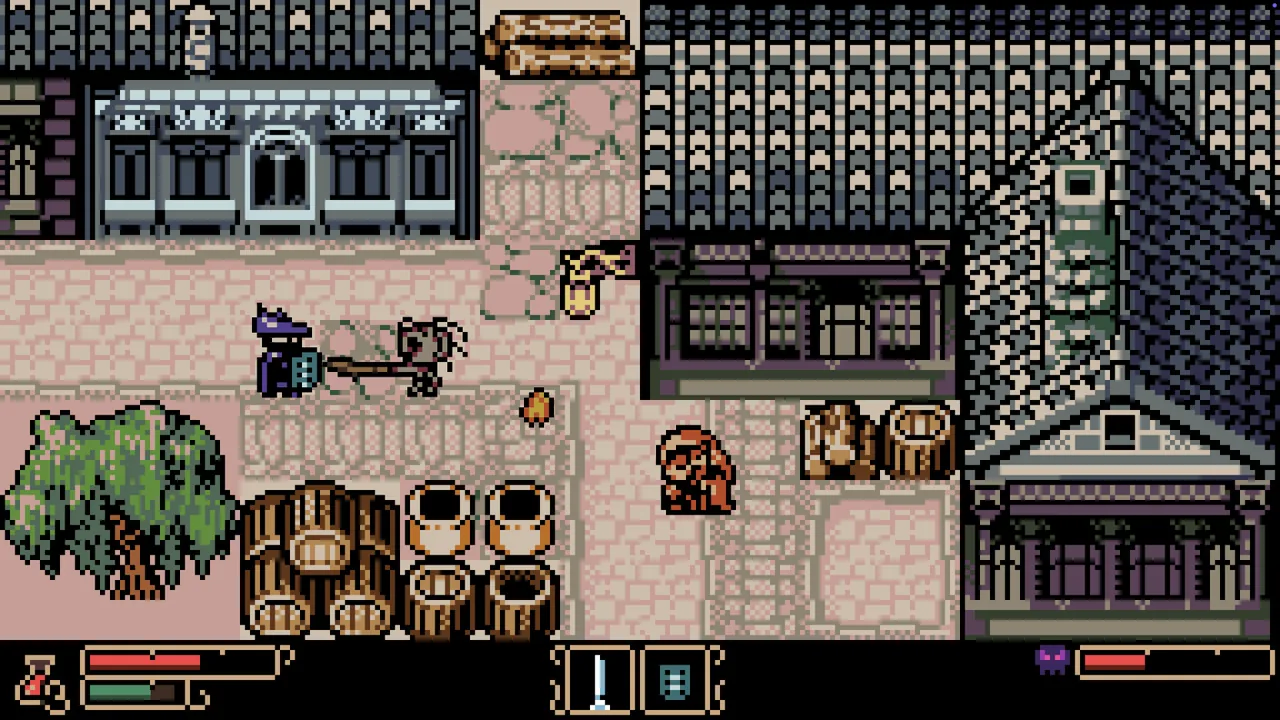
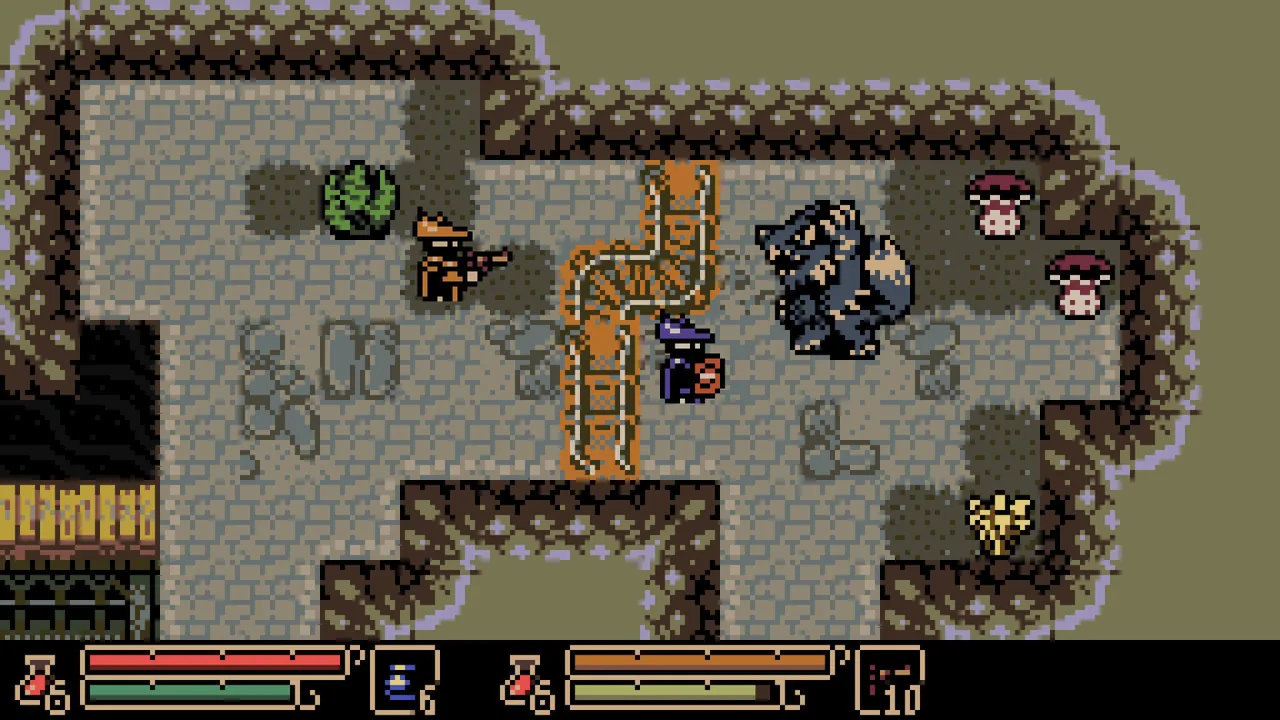
A long pros-and-cons review captured the moment-to-moment appeal most thoroughly, opening with "Combat is a lot of fun, abilities unlock at a satisfying pace, the leveling system feels rewarding, and each boss is unique and memorable." That reviewer went on to praise nearly every mechanical pillar: "Level design is excellent. I rarely felt lost, especially with the helpful NPC in town who points you toward the next objective without over-explaining things," and separately, "The pixel art is fantastic. Everything looks beautifully crafted, and the protagonist has a really strong visual design." They also praised the restraint of the writing, noting "The game is not flooded with unnecessary NPCs or endless dialogue," and called "Boss fights... easily one of the strongest parts of the game." Another reviewer who fully completed the game agreed on the mechanical depth, describing four core stats — "Vitality, Stamina, Strength, and Skill" — and a build-crafting loop built around collectible tokens, concluding "it is a good game and I appreciate it for what it is and think its worth playing." That reviewer also praised the game's co-op implementation directly, calling it "a really fun way to play the game that makes it much easier" after playing through early areas with a family member.
A thin story and an ending that left reviewers cold
Where reviewers consistently pull back their praise is the narrative. The same detailed pros-and-cons review was blunt about it: "The story feels almost nonexistent. For much of the game, I found myself wondering, "What exactly am I doing besides killing things?" The dialogue itself is well written, but the overall narrative never really comes together." That reviewer reserved their sharpest criticism for the game's conclusion: "You beat the final boss, credits roll, and then it is straight back to the title screen. No meaningful conclusion, cutscene, payoff or explanation for what happens to the world or protagonist. After spending 20+ hours with the game, this felt incredibly disappointing." They ultimately still recommended it, landing on "★★★☆☆ — 3/5 Stars" and noting that "If this is the dev/team's first game, they did a really good job." Other reviewers echoed the same complaint more briefly: one called the plot "very reminiscient of other games" while admitting "I didn't always follow it," and another summed up their whole experience as "Kinda meh ending but the game is solid! Cant wait for a sequel."
Bugs, hit detection, and difficulty spikes
The most detailed negative review on file — from someone who described themselves as a longtime fan of both Zelda and Bloodborne — laid out a long list of specific technical problems encountered in both solo and co-op play: "Multiple times, my co-op partner and I became "stuck" on each other and were unable to progress aside from quitting and reloading, losing significant progress in the process". That same reviewer flagged a perfect-parry system they otherwise liked in concept: "I generally love games with perfect parry systems and appreciated the chip damage in this game from simply blocking, but I felt like the perfect parry in this had a very odd timing/detection." Their core complaint about difficulty was about how it's implemented rather than its existence: "I did not appreciate the difficulty spikes from Bigger Numbers. The game features reused sprites (without recolours) with no differences in enemy behaviour aside from HP bloat and attack damage bloat," adding, "I love difficulty spikes, but I want difficulty from skillful challenge and not from tedium." A second detailed negative review raised similar concerns about combat feel: "Hit detection is sketchy," and separately noted that "Level up stat bonuses can't be reverted, and enemies outscale at a ridiculous pace." That reviewer did later post an update noting some of the issues had been patched: "The rng falling boulders now only damage when landing, and the number of boulders per room has been reduced. You can now attack enemies in your bottom right quadrant. Slow progress, but still progress." The soundtrack drew its own smaller thread of complaints, with one reviewer noting plainly, "The music was not for me. I ended up turning it down quite a bit, and on the water level, I turned it off completely."
A compact, well-loved dungeon crawler with a few real seams
For every reviewer frustrated by a bug or an abrupt ending, several more walked away satisfied with what they got for the price. One reviewer who finished the game in roughly ten hours called it "short and sweet," and added: "Felt very true to its inspiration and looking forward to whatever comes next from the dev." Another simply wrote, "This game rules. Zelda with some Bloodborne influence. Took me around 14 hrs to complete it 100%. Highly recommend." Tearscape's reputation rests on that same tension throughout its review base: a well-crafted, clearly loved genre mashup with real level design chops and a satisfying co-op mode, held back by a story that trails off without payoff and enough rough technical edges — hit detection, save-point placement, enemy scaling — that even its fans bring them up unprompted. At just over ten dollars, reviewers overwhelmingly think it's worth the price of admission regardless.
Pros and cons
Pros
- A confident, well-executed blend of Game Boy Color-era Zelda exploration and Soulslike combat
- Genuinely strong level design, secrets, and boss variety across a compact runtime
- Local co-op that several reviewers compared favorably to Hyper Light Drifter
Cons
- A story reviewers repeatedly call thin, with an ending many found jarring or unsatisfying
- Real technical rough edges — sketchy hit detection, co-op softlocks, and steep late-game enemy scaling
- A soundtrack multiple reviewers turned down or off entirely
Screenshots
-
TearscapeImage: NERDS TAKE OVER via Steam -
TearscapeImage: NERDS TAKE OVER via Steam -
TearscapeImage: NERDS TAKE OVER via Steam -
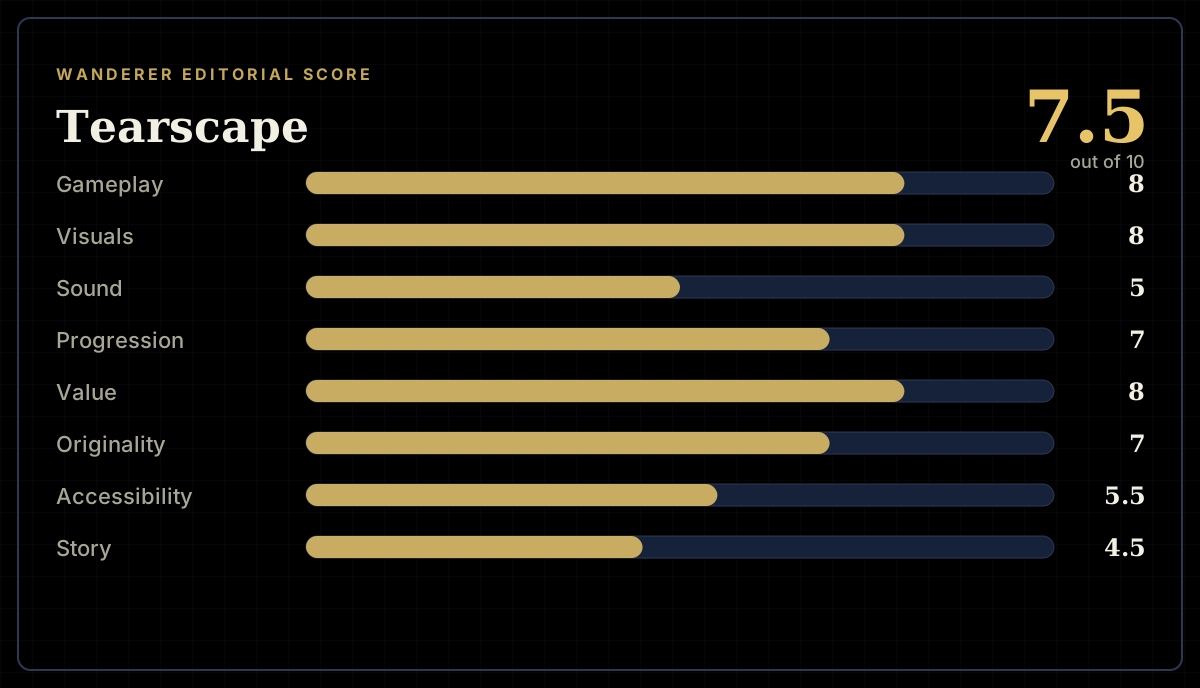
How the review scores each part of the gameWanderer Editorial -
The short versionWanderer Editorial