Game review
Stray Gods: The Roleplaying Musical
7 / 10
- Developer
- Summerfall Studios
- Publisher
- AMC Games
- Released
- 9 August 2023
- Platforms
- Windows, macOS, Nintendo Switch, PlayStation, Xbox
- Genre
- Musical Interactive Fiction
- Monetisation
- One-time premium purchase; a paid Orpheus DLC expansion released separately in 2024
- Players
- Single-player only; no online, co-op or PvP modes
The short version
Stray Gods casts you as Grace, a woman drawn into a hidden world of Greek gods living among ordinary people, using sung dialogue choices to navigate a murder mystery and shape her fate. It's a fully-voiced musical built by a team with a genuine pedigree in narrative choice design, and reviewers consistently praise the concept, the cast (led by Laura Bailey), and the visual novel's willingness to commit fully to an unusual format most games never attempt.
That ambition came with real launch friction. A significant number of reviewers reported an initial save-corruption bug capable of wiping progress entirely, plus uneven voiceover volume levels between characters described as jarring enough to require constant manual adjustment. Both were real, developer-acknowledged problems, and both were fixed in named, dated patches — though a first attempt at the audio fix had to be rolled back after it introduced new crashes. A smaller but recurring complaint concerns billing: several reviewers argue the "roleplaying" in the title oversells how much the story's branches actually diverge.
Biggest strengths
- A genuinely strong, well-cast voice performance lineup, with Laura Bailey singled out repeatedly by reviewers as a highlight of the whole experience
- A distinctive, fully-committed musical format that reviewers describe as unlike almost anything else on Steam, backed by a real, if divisive, original score
- Well-written, likeable characters and a modernized Greek mythology setting that reviewers consistently praise for its concept and execution
Biggest weaknesses
- A notable minority of reviewers report a serious save-corruption bug on their very first playthrough at launch, in some cases wiping hours of progress before a hotfix addressed the root cause
- Voiceover volume levels between characters were reported as jarringly uneven by many reviewers at launch, requiring constant manual adjustment; the first patch meant to fix this had to be rolled back after it caused new crashes, delaying a full fix
- Several reviewers argue the game's choices don't meaningfully diverge the story despite the "roleplaying" billing, describing most paths as converging toward the same broad outcome
Who it's for: Fans of story-driven visual novels, musical theatre, or Greek mythology reinterpretations who value strong voice performances and don't need combat or traditional RPG mechanics. Less suited to anyone expecting substantial branching narrative outcomes or expecting an action RPG from the "roleplaying" label.
Our recommendation: A worthwhile pickup for narrative-game and musical fans specifically, especially now that the launch-era save and audio bugs are long resolved — just go in expecting a short, linear-ish visual novel rather than a mechanically deep RPG.
7 / 10
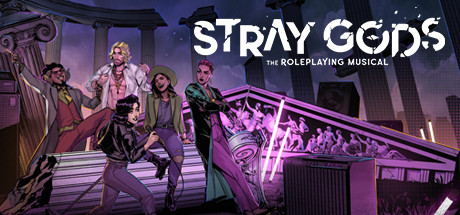
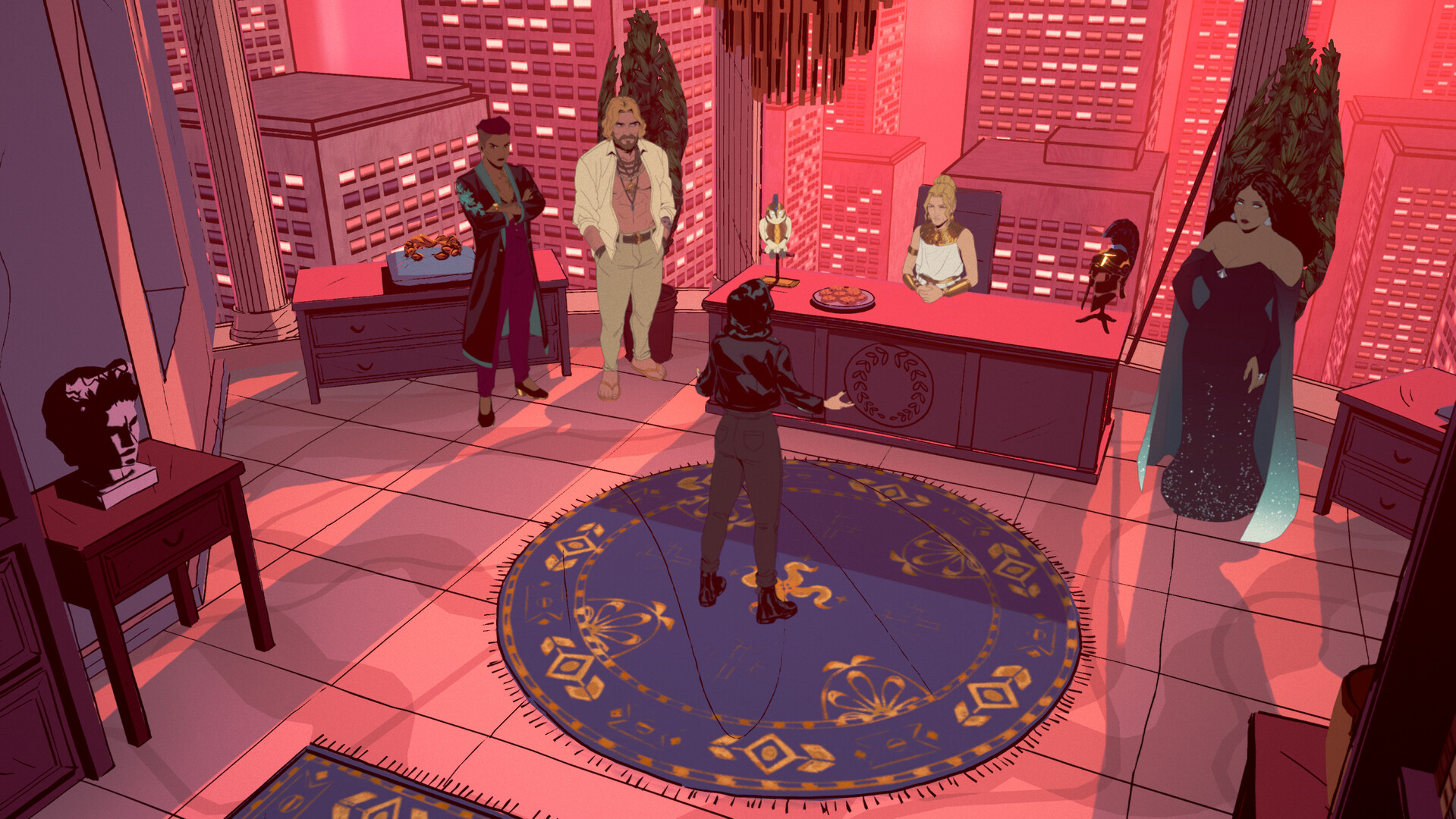
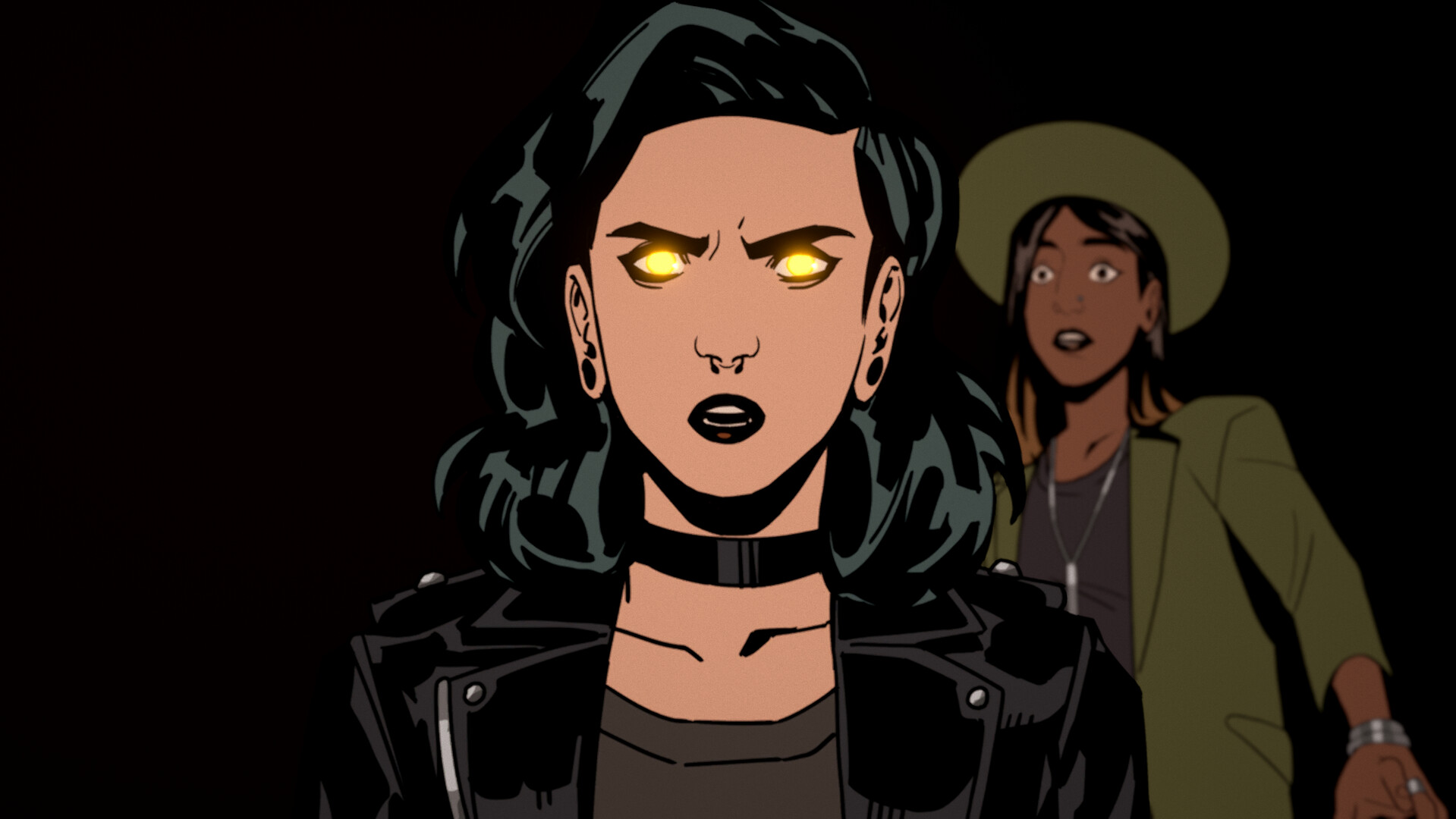
Few games commit as fully to a single, unusual format as Stray Gods does. It's a musical, told almost entirely through fully-voiced sung dialogue, casting the player as Grace, an ordinary woman pulled into a hidden society of Greek gods living quietly among modern humans after inheriting a dangerous power. It's built by Summerfall Studios, a team with a genuine pedigree in narrative choice design, and reviewers consistently frame it as a bold, largely successful experiment in a format almost nothing else on Steam attempts.
A cast that carries the concept
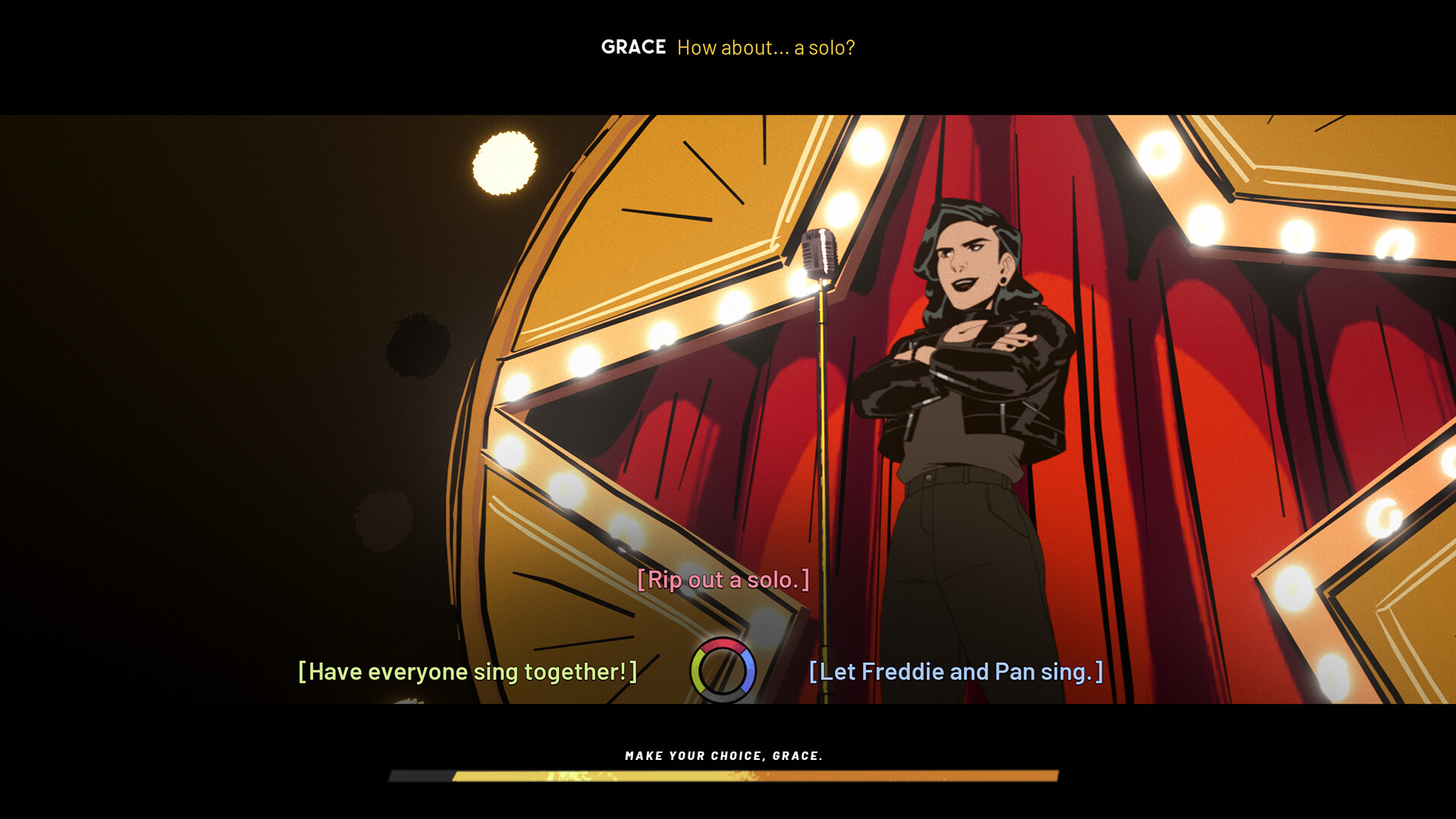
The single most consistent praise across reviews is for the voice performances, with Laura Bailey's turn as Grace singled out repeatedly as a highlight of the entire experience. Reviewers describe the writing as genuinely likeable and well-observed, the modernized take on Greek mythology as a fresh spin on familiar figures, and the overall presentation — a striking, painterly art style paired with full voice work throughout — as a clear labor of love rather than a cheap novelty. Choices during musical numbers let players pick lyrics that shape a scene's tone and Grace's relationships with the other gods, a mechanic multiple reviewers describe as the game's most interesting idea, distinguishing it from a typical branching visual novel.
Real bugs, addressed in public
Set against that praise, this review's research turned up a specific, well-documented launch problem: a save-corruption bug capable of wiping a player's very first playthrough, caused by the game misidentifying legitimate early saves as leftover demo data and deleting them. The developer acknowledged the issue directly within days of launch, posted an interim manual workaround for affected players while investigating, and shipped a hotfix targeting the exact root cause — a save versioning system incorrectly flagging and removing early saves. A second, separate launch complaint concerned voiceover mixing: several characters' volume levels were reported as jarringly uneven, forcing constant manual adjustment during dialogue-heavy scenes. The developer's first attempt at a fix, Patch #1.1, specifically targeted this "voiceover equalisation," but had to be rolled back within days after it introduced new crashes for some players — a genuine setback that the developer was transparent about rather than quietly reverting without explanation. A follow-up, Patch #1.2, reintroduced the same audio fix alongside additional crash-specific corrections, and a final, more substantial patch bundled further gameplay, menu, and localization fixes around the 2024 Orpheus DLC launch.
A billing that oversells the "roleplaying"
A smaller but recurring complaint concerns the game's own marketing rather than any bug: several reviewers argue that "roleplaying" oversells how much the story actually diverges based on player choice, describing most paths as ultimately converging toward the same broad outcome regardless of which lyrics or dialogue options a player picks along the way. This isn't a universal complaint — plenty of reviewers describe genuine satisfaction picking which god's storyline to pursue romantically or platonically — but it's a fair, specific expectation-setting issue for anyone coming to Stray Gods expecting branching consequences on the scale of a traditional choice-driven RPG rather than a visual novel with musical numbers layered on top.
What the achievement data shows about replay behaviour
Global achievement figures back up both the game's short length and its replay structure. The base completion achievement sits at a very high 83.9% of the playerbase, consistent with reviewer accounts of roughly a six-hour runtime that most buyers who start the game do finish. Beyond that, achievements tied to specific character routes and story branches — the different gods Grace can end up aligned with — sit in a much wider, lower range from roughly 40% down to under 5%, exactly the kind of curve you'd expect from a game most players complete once for the core story and only a smaller, more invested subset revisit for its other paths, matching reviewer accounts that the game rewards a second or third playthrough without requiring one.
A divided verdict on the music itself
Given the game stakes its entire identity on being a musical, it's worth being precise about how reviewers actually receive the songs, since the reaction is more split than the overall Very Positive score suggests at a glance. Many reviewers describe the soundtrack as a genuine highlight, praising specific numbers and the way lyric choices reshape a song's tone in real time. But a distinct minority push back specifically on the composition and vocal performance choices, with one detailed critical review arguing the production leaned on strong voice actors rather than performers trained in musical theatre, and describing several numbers as discordant rather than melodic. This isn't a case of a single outlier complaint — it recurs across multiple independent reviews with enough specificity (naming particular acts or songs) to treat as a real, if minority, critical throughline rather than noise, and it's worth factoring in separately from the writing and voice acting, which draw far more consistent praise.
Notably, the game's own accolades cut against that minority view: Summerfall Studios' public announcements cite a BAFTA nomination for Debut Game, a Grammy nomination, and a Game of the Year win at the Australian Game Developer Awards. Those are the developer's own reported honours rather than independently reverified here, but they at least establish that industry reception ran considerably warmer than the music-specific critical minority suggests.
Where it lands
Stray Gods succeeds at what few games even attempt: a fully-committed, well-performed musical told through genuine choice-driven dialogue, anchored by a cast reviewers repeatedly praise without reservation. Its most serious problems — the save-corruption bug and the uneven voiceover mixing — were real, developer-acknowledged launch issues, and the developer's public, sometimes stumbling but ultimately successful fix process (including a rolled-back patch it was upfront about) reflects well on a small studio handling a rocky launch. The "roleplaying" billing is a fair point of caution for anyone expecting deep branching consequences, but as a musical narrative experience on its own terms, this remains a distinctive, worthwhile pickup years past its bumpy first weeks.
Pros and cons
Pros
- A genuinely strong, well-cast voice performance lineup, with Laura Bailey singled out repeatedly by reviewers as a highlight of the whole experience
- A distinctive, fully-committed musical format that reviewers describe as unlike almost anything else on Steam, backed by a real, if divisive, original score
- Well-written, likeable characters and a modernized Greek mythology setting that reviewers consistently praise for its concept and execution
- A public, transparent patch response to launch-era save-corruption and audio-mixing bugs, including a same-week interim workaround post and multiple dated, named fixes
- Real replayability built around choosing which god's storyline to pursue, reflected in achievement data showing a meaningful share of players returning for different character routes
Cons
- A notable minority of reviewers report a serious save-corruption bug on their very first playthrough at launch, in some cases wiping hours of progress before a hotfix addressed the root cause
- Voiceover volume levels between characters were reported as jarringly uneven by many reviewers at launch, requiring constant manual adjustment; the first patch meant to fix this had to be rolled back after it caused new crashes, delaying a full fix
- Several reviewers argue the game's choices don't meaningfully diverge the story despite the "roleplaying" billing, describing most paths as converging toward the same broad outcome
- Some reviewers found the songs themselves inconsistent in quality, with at least one detailed critical review arguing the composition wasn't performed by singers experienced in musical theatre specifically
- At roughly six hours for a single playthrough, several reviewers consider the asking price steep relative to length, particularly for buyers expecting a longer RPG experience from the name
Screenshots
-
Stray Gods: The Roleplaying MusicalImage: Balor Games via Steam -
Stray Gods: The Roleplaying MusicalImage: Balor Games via Steam -
Stray Gods: The Roleplaying MusicalImage: Balor Games via Steam -
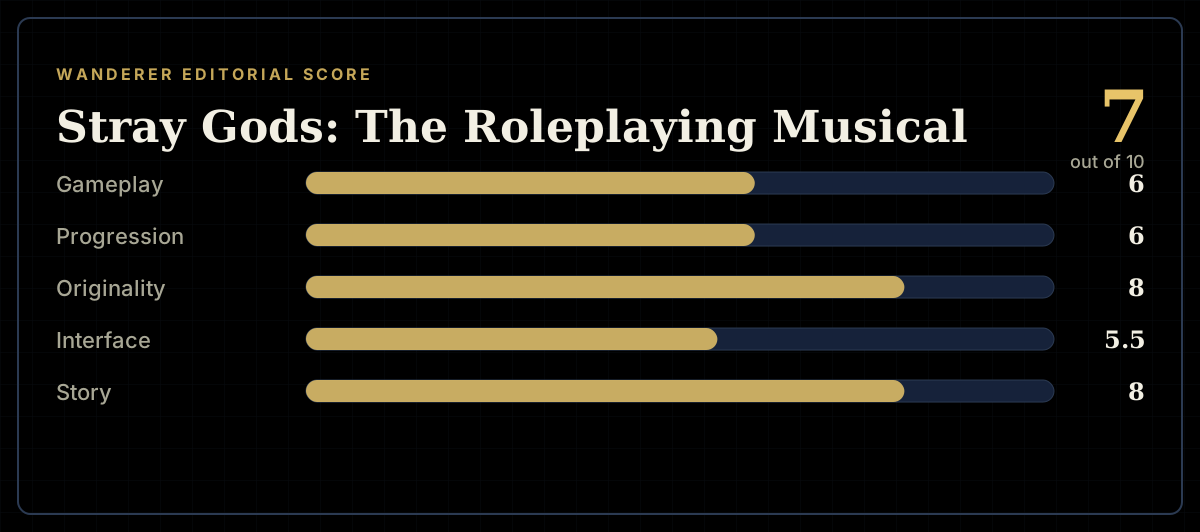
How the review scores each part of the gameWanderer Editorial -
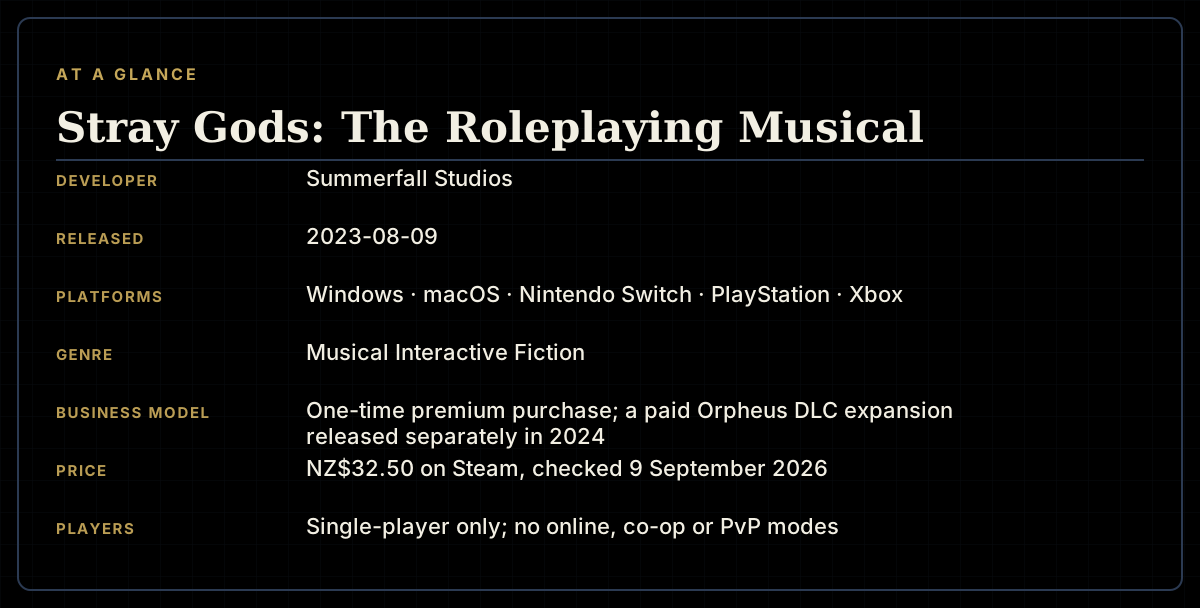
The specsWanderer Editorial -
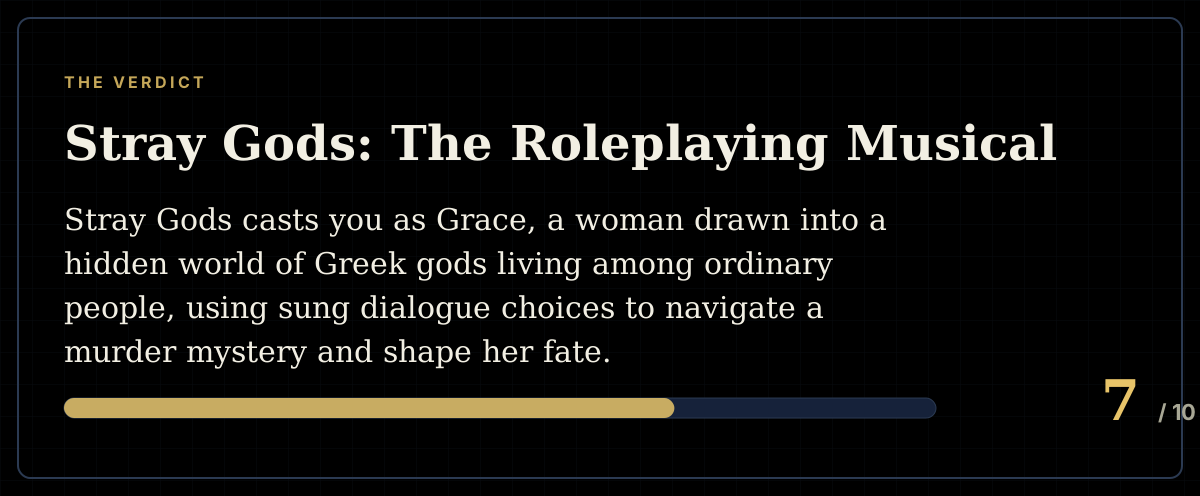
The short versionWanderer Editorial