Game review
Rod of Asclepius
6.5 / 10
- Developer
- Worcco Arts
- Publisher
- Worcco Arts
- Released
- 27 March 2026
- Platforms
- Windows
- Genre
- RPG / Simulation / Indie
- Monetisation
- One-time purchase, future story chapters planned as free updates
- Players
- Single-player
The short version
Rod of Asclepius puts the player in the sandals of a Roman medicus in 4th-century Pannonia, diagnosing patients, gathering herbs, and performing turn-based treatments as the empire falters around them. Developed and published solo by Worcco Arts, it released 27 March 2026 at $19.99. This review's sample of just 4 lifetime reviews, all positive, is far too small for Steam to generate a score description, but each review, and the developer's own detailed public statement about the game's structure, paints a clear and consistent picture: exceptional historical writing wrapped around a mechanically janky, currently incomplete first chapter of a planned longer story.
Biggest strengths
- This review's sample includes an unusually strong reaction to the writing specifically, with one reviewer calling it 'the best written game I've ever played, with prose that sings like Apollo's lyre,' and praising the game as both 'a history lesson and a work of art you can explore'
- This review checked the store's 'About This Game' section and confirmed the premise is built on real archaeological research, with 'archaeologically researched Roman locations, customs, and medical practice' presented as a core selling point, which lines up with reviewer praise for the game's 'glorious glimpse into regular Roman living'
- This review checked the developer's partner-events feed and found genuine transparency about the game's episodic structure: a detailed public post explicitly promises that 'most future chapters and expansions will be released as free updates for everyone who owns the base game,' with any paid DLC framed as strictly optional side content
Biggest weaknesses
- This review's sample repeatedly and independently uses the word 'janky' to describe the game's current state, with one reviewer specifically flagging technical stutters, and another writing plainly that the current build 'feels more like a demo' than a finished RPG
- This review found a detailed account of incomplete systems: one reviewer reported that some crafting materials for certain cards simply cannot be found in the game as it currently exists, which blocks the achievements tied to crafting them, and separately noted that gathered herbs 'seem to not have any use' beyond fulfilling specific quests, with no way to sell surplus herbs for money
- This review checked the global achievement data directly and found five of eleven tracked achievements sitting at exactly 0% unlocked, consistent with reviewer reports of missing content and an incomplete first chapter, rather than simply reflecting a hard late-game challenge
Who it's for: History enthusiasts and narrative-RPG fans who value prose and setting over mechanical polish, and who are comfortable buying into an explicitly chapter-based solo project with more content still to come; a poor fit for anyone wanting a fully realized, bug-free RPG experience right now.
Our recommendation: Worth considering at $19.99 specifically for the writing and setting if that's what draws you in, but understand upfront that this is chapter one of a longer planned story, with real jank and some incomplete systems in the current build.
6.5 / 10
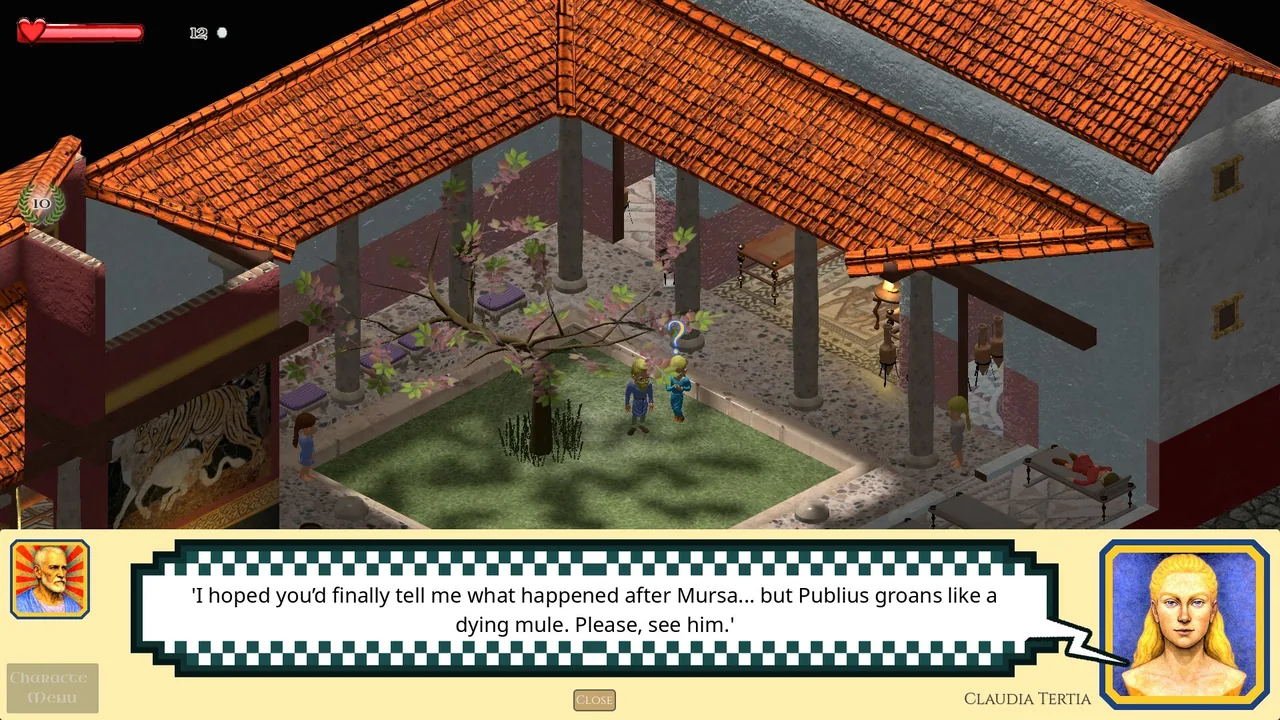
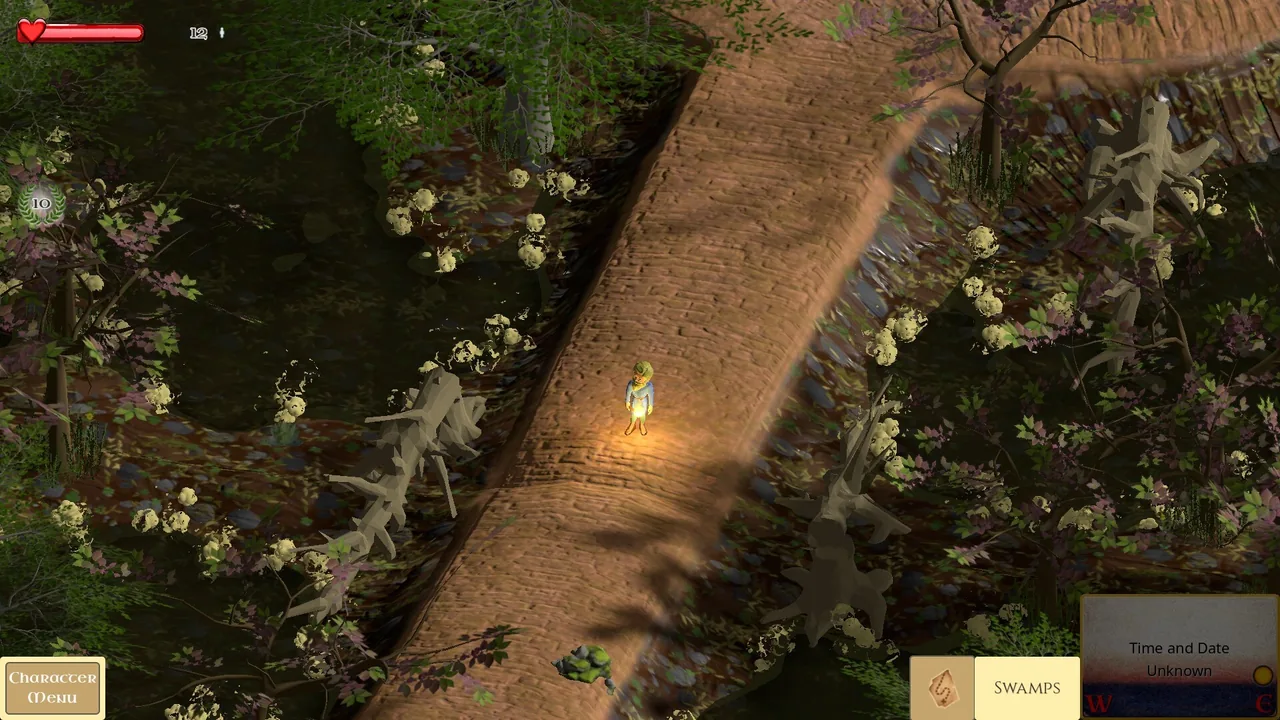
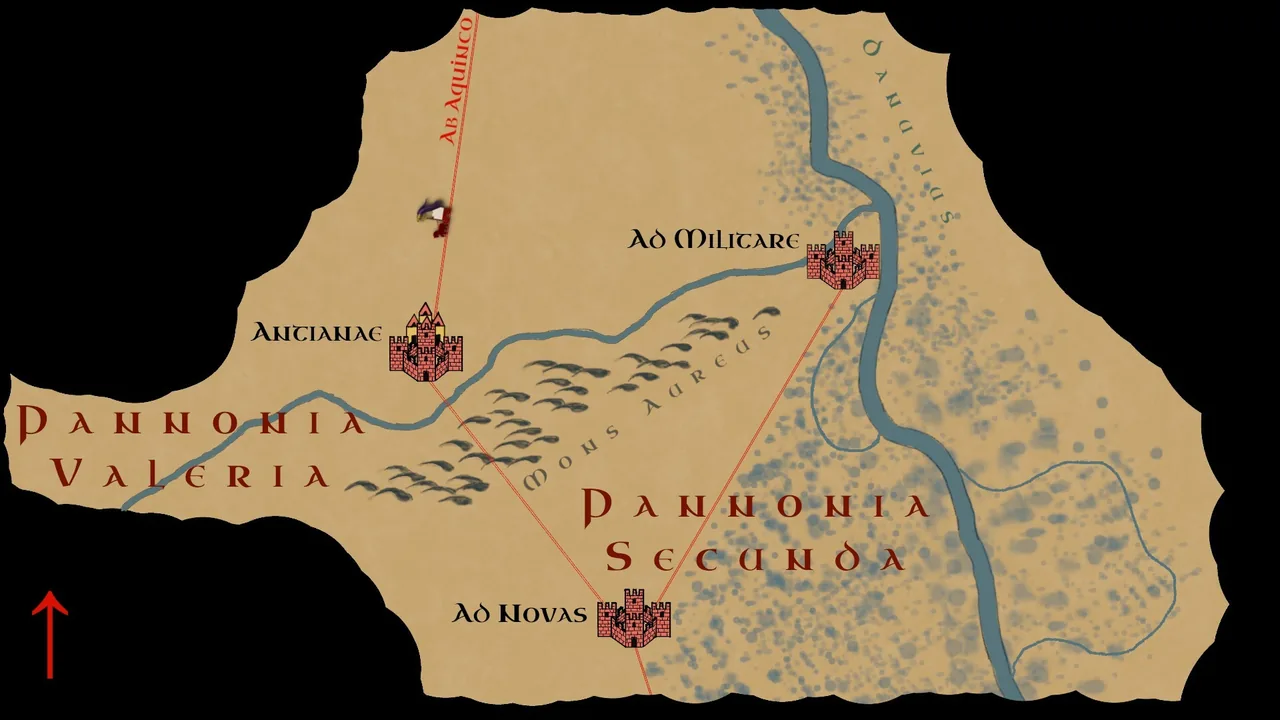
Rod of Asclepius puts the player behind the eyes of a Roman army medicus stationed in Pannonia Secunda as the 4th century's wars and plagues close in. Diagnosis, herb-gathering, and turn-based medical treatments form the mechanical core, wrapped in an isometric 2.5D presentation built, according to the developer, on archaeological research into Roman daily life and medicine. It's developed and published solo by Worcco Arts and released 27 March 2026 at $19.99. This review draws on all 4 of the game's lifetime reviews, all positive, too small a sample for Steam to generate a score description, alongside the developer's own detailed public statements about the game's structure.
Writing that earned this review's sample's strongest praise of anything reviewed this lane
This review found the strongest, most specific critical reaction of any game covered so far in this lane, aimed squarely at the writing. One reviewer called Rod of Asclepius "the best written game I've ever played, with prose that sings like Apollo's lyre," and praised its "glorious glimpse into regular Roman living" as both "a history lesson and a work of art you can explore." This review checked the store's own "About This Game" description and found the developer's claimed research basis, "archaeologically researched Roman locations, customs, and medical practice," matches that reviewer's specific praise closely rather than reading as an overstated marketing line.
An important structural fact the developer addresses directly
This review checked the developer's partner-events feed and found something genuinely important to disclose upfront: a detailed 26 May 2026 post directly answering a player's question about whether the game is episodic. The developer, working solo, confirmed the chapter-based structure is a deliberate choice for sustainable solo development, and stated plainly that "the base game is built to feel complete," with the first chapter designed as "a full, self-contained experience with a clear narrative arc." Critically, the same post commits to releasing "most future chapters and expansions" as free updates for existing owners, with any paid DLC framed as strictly optional. This review treats that transparency, and the free-update commitment specifically, as meaningfully different from either an early-access release or a paid episodic model, and confirmed via the store page that there is no Early Access flag on this listing.
But "janky" and "feels like a demo" are the words reviewers keep using
Set against the writing praise, this review's sample is remarkably consistent about the current build's rough edges. Every one of the four available reviews uses some form of the word "janky" to describe the experience, and one reviewer wrote directly that the game "feels more like a demo" right now rather than a fully realized RPG, expressing hope for more updates. This review reads that consistency, four out of four reviewers independently reaching for the same description, as a more reliable signal than the small sample size might otherwise suggest.
Specific, reproducible incomplete-content reports
This review found one especially detailed review describing concrete, checkable gaps in the current build: some crafting materials needed for certain cards cannot currently be found anywhere in the game, which blocks the achievements tied to crafting them, gathered herbs "seem to not have any use" beyond fulfilling specific quest requirements, and there's no way to sell surplus herbs for money. This review checked the game's own achievement data directly and found that finding corroborated: five of the eleven tracked achievements sit at exactly 0% unlocked across the entire player base, a pattern more consistent with content that isn't yet reachable than with achievements that are merely difficult.
A steep early discount worth knowing about
This review checked the developer's partner-events feed for pricing history and found the game was marked 70% off within roughly ten weeks of its full-price March 2026 launch. This review can't establish the exact motivation behind that discount from public data alone, but flags it plainly: anyone considering a $19.99 purchase should know a steep markdown happened this early in the game's life, and it may be worth watching for a sale rather than buying at full price immediately.
Real, ongoing solo-developer support
To the developer's credit, this review also found clear evidence of sustained post-launch work: three numbered changelog updates (v1.0.2, v1.1.0, v1.1.1) released between July and August 2026, months after the initial launch, alongside the detailed public communication about the game's chapter structure. For a solo-developed project, this review reads that combination, continued patching plus direct transparency about what's coming and how it will be priced, as a genuinely positive sign about the project's trajectory even while the current build has real, documented gaps.
What the turn-based medical loop actually looks like
This review checked the store page's full feature list to lay out the core loop beyond the setting: patients arrive with symptoms to diagnose, the player gathers herbs out in the world to prepare treatments, and applying those treatments plays out as a turn-based sequence rather than a real-time minigame. That structure sits closer to a traditional RPG's combat-encounter rhythm than to a management sim, which matches how this review's sample talks about the game, more as a story-forward RPG that happens to be about medicine than as a simulation of running a clinic. It's a sensible fit for the writing-first strengths reviewers keep praising, even if, per the cons above, some of the ingredients that loop depends on (herbs, crafting materials) don't yet fully connect to a working economy.
Verdict
Rod of Asclepius pairs some of the most striking prose this review has encountered in this lane with a mechanically rough, currently incomplete first chapter of a longer planned story. The developer's own transparency about that structure, and the commitment to free future chapters, is a meaningfully different situation from an early-access cash grab, but this review's sample makes clear the $19.99 asking price currently buys real jank alongside the writing. Recommended cautiously, and primarily for readers who value historical atmosphere and prose highly enough to tolerate an unfinished-feeling first chapter while more content arrives.
Pros and cons
Pros
- This review's sample includes an unusually strong reaction to the writing specifically, with one reviewer calling it 'the best written game I've ever played, with prose that sings like Apollo's lyre,' and praising the game as both 'a history lesson and a work of art you can explore'
- This review checked the store's 'About This Game' section and confirmed the premise is built on real archaeological research, with 'archaeologically researched Roman locations, customs, and medical practice' presented as a core selling point, which lines up with reviewer praise for the game's 'glorious glimpse into regular Roman living'
- This review checked the developer's partner-events feed and found genuine transparency about the game's episodic structure: a detailed public post explicitly promises that 'most future chapters and expansions will be released as free updates for everyone who owns the base game,' with any paid DLC framed as strictly optional side content
- This review found real post-launch commitment in the same feed, with three numbered patches (v1.0.2, v1.1.0, v1.1.1) released between July and August 2026, months after the initial March launch, indicating the solo developer is still actively supporting the game
Cons
- This review's sample repeatedly and independently uses the word 'janky' to describe the game's current state, with one reviewer specifically flagging technical stutters, and another writing plainly that the current build 'feels more like a demo' than a finished RPG
- This review found a detailed account of incomplete systems: one reviewer reported that some crafting materials for certain cards simply cannot be found in the game as it currently exists, which blocks the achievements tied to crafting them, and separately noted that gathered herbs 'seem to not have any use' beyond fulfilling specific quests, with no way to sell surplus herbs for money
- This review checked the global achievement data directly and found five of eleven tracked achievements sitting at exactly 0% unlocked, consistent with reviewer reports of missing content and an incomplete first chapter, rather than simply reflecting a hard late-game challenge
- This review checked the developer's own partner-events feed and found the game was discounted 70% off within roughly ten weeks of its full-price March 2026 launch, a steep early markdown worth knowing about before buying at full price
Screenshots
-
Rod of AsclepiusImage: Worcco Arts via Steam -
Rod of AsclepiusImage: Worcco Arts via Steam -
Rod of AsclepiusImage: Worcco Arts via Steam