Game review
Relativity Wars - A Science Space RTS
5.3 / 10
- Developer
- Fungameco Ltd
- Publisher
- Fungameco Ltd
- Released
- 10 April 2015
- Platforms
- Windows
- Genre
- Real-Time Strategy
- Monetisation
- One-time purchase. No in-app purchases, no DLC.
- Players
- Single-player only
The short version
Relativity Wars sells itself on a real hook: an RTS where planets sit in actual gravity wells, where the fabric of space-time bends around mass, and where time dilation is a tactical variable rather than set dressing. That premise is the best thing about it, and it's also the thing its own reviewers argue about most — some find it clever and original, others call it a thin coat of physics vocabulary over a fairly ordinary build-and-conquer RTS.
Where almost nobody disagrees is the interface. Across positive and negative reviews alike, the same word keeps turning up: clunky. Multi-planet management has no batch actions, at least one refund cites a missing fullscreen toggle, and several players who liked the concept still bounced off actually running it for more than a few hours.
Biggest strengths
- A genuinely original hook for the genre — gravity wells and relativistic flavour text instead of another generic build-and-conquer skin
- Multiple reviewers single out specific strategic depth in how mass and gravity affect combat, calling the battles "clever" and "fun"
- Cheap, lightweight and low-spec (1 GB RAM, DX9-era graphics), so it runs on almost anything
Biggest weaknesses
- The interface is the single most repeated complaint across the entire review set, on both sides of the score — no batch orders for multi-planet tasks, and one refund report cites no fullscreen option at all
- A reviewer who works with relativity professionally calls the physics "so distilled" that it barely resembles the science it's named after, comparing the gravity representation to a coarse rubber-sheet toy rather than a real field
- Despite "Wars" in the title and an RTS billing, there is no multiplayer of any kind — Steam lists it Single-player only
Who it's for: RTS players and physics-curious tinkerers after a cheap, short, single-player curiosity — not anyone looking for a deep or a competitive strategy game.
Our recommendation: A sale-bin purchase at best. The concept is worth the few dollars it costs on a discount; at full price, its own review split says to wait.
5.3 / 10
Introduction
Relativity Wars - A Science Space RTS is an eleven-year-old indie curiosity from Fungameco Ltd, a small studio whose own store page calls the game "a god-type strategy/action game, set in a universe which obeys Einstein's theories of relativity." That's an unusual pitch for a real-time strategy game, and it's the entire reason to know this title exists: it tries, in its small and cheap way, to make gravity wells, warped space-time and time dilation into things you actually play with rather than words on a loading screen. Released on Steam on 10 April 2015 at a budget price, it never built much of an audience — 14 Steam reviews in over a decade is a vanishingly small sample even for a niche indie game — but that sample is split exactly down the middle, seven positive and seven negative, "Mixed" on Steam's own scale. Read all fourteen and the disagreement isn't really about whether the game works. It's about whether its central idea is being honoured or merely borrowed.
The physics hook
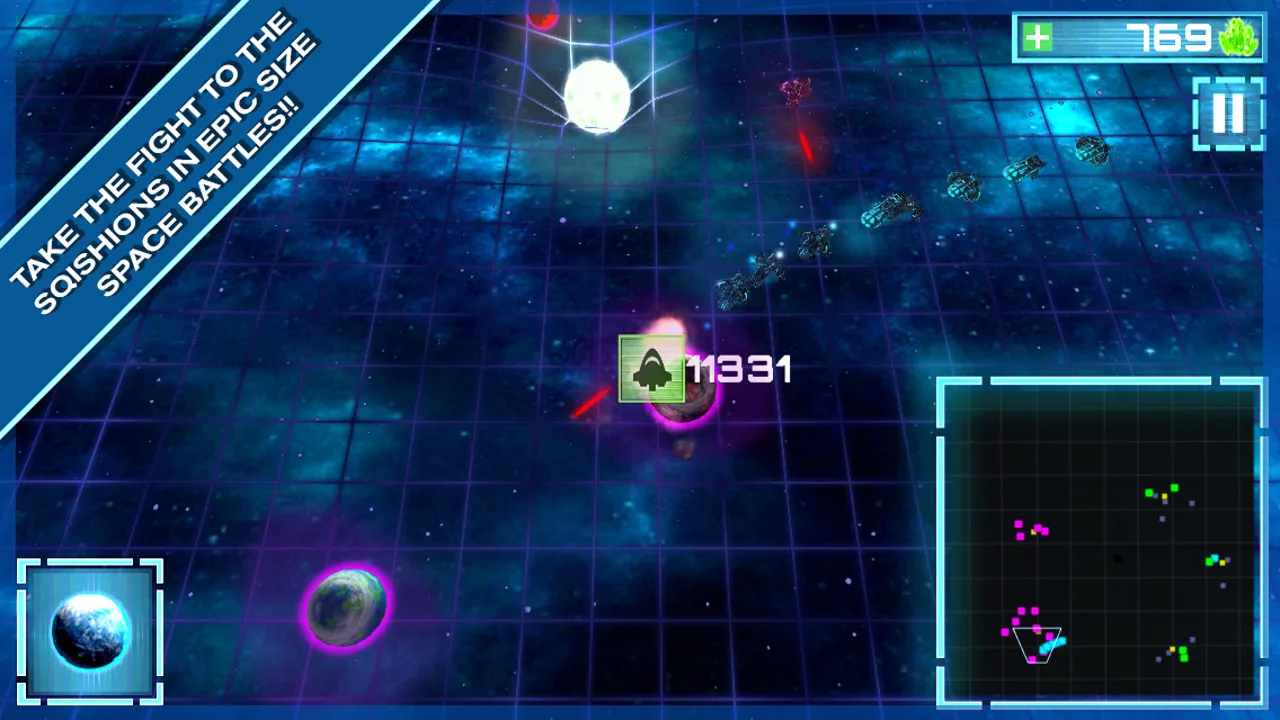
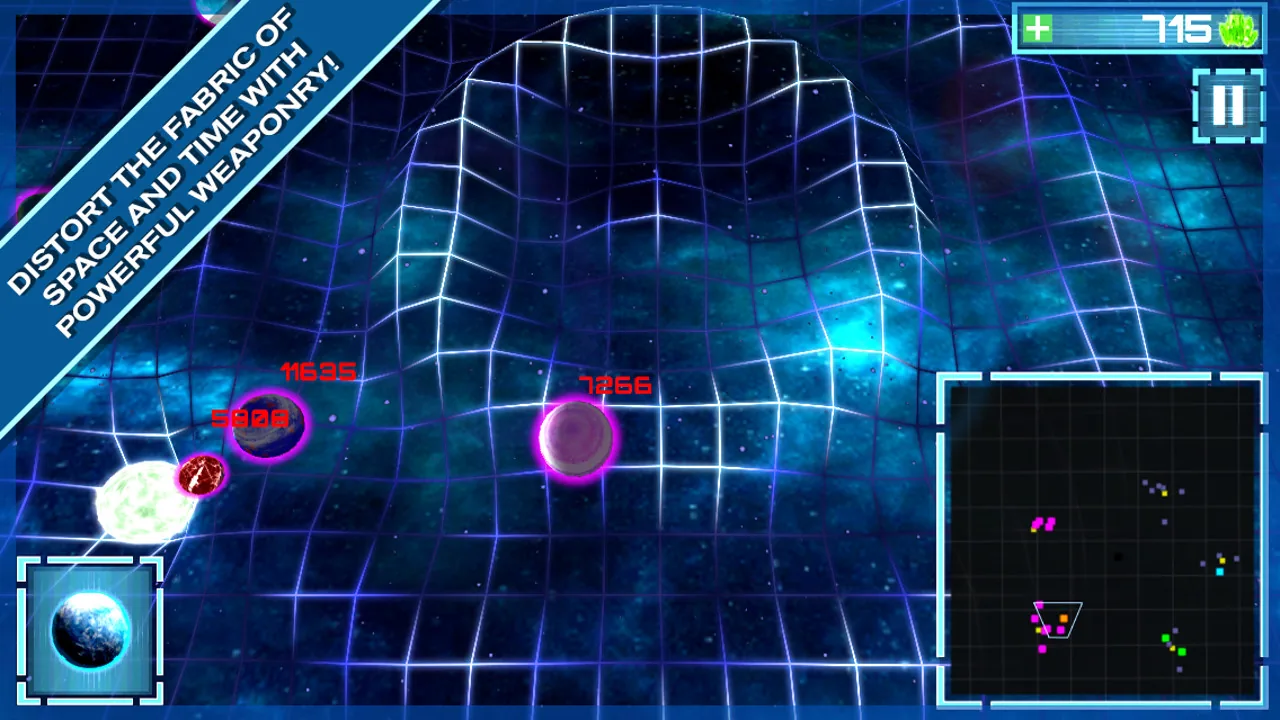
The premise, per the store page: ships and planets exist on a space-time fabric that curves around mass, and "some pretty crazy physics concepts" — the developer's own phrase — sit under the hood whether or not you understand them. In practice, judging from what players actually describe, that means planets and stars pull at surrounding objects like weights on a sheet, gravity affects how forces and fleets move and interact, and the game leans on that as both a visual identity and a tactical layer. Reviewers who like the game describe it in exactly those terms: "the gravity aspect adds an interesting dimension," "clever concept, good use of physics and relativity," "fun strategic battles" built around it.
Not every reviewer buys it. The most detailed negative review in the whole set comes from someone who says they work with relativity professionally and had been considering making a similar game themselves — and finds this one's physics "so distilled" that the space-time representation reads as a coarse rubber sheet with balls dropped on it, rather than anything that behaves like an actual field. Another negative review is blunter still: "I guess it uses some basic relativistic equations (Lorentz transform seems to be used) but the game mechanic doesn't really have much to do with relativity at all. It's just shooting stuff in space and building things." A Spanish-language review makes a related point from a different angle, likening the snowballing planet-economy loop to a game of Monopoly dressed in space-time language. None of that makes the hook fake — multiple other reviewers found real tactical texture in how mass and gravity shape a fight — but it's a fair caution against expecting a rigorous simulation. This is flavoured RTS mechanics, not a physics engine with guns attached.
Interface and pacing
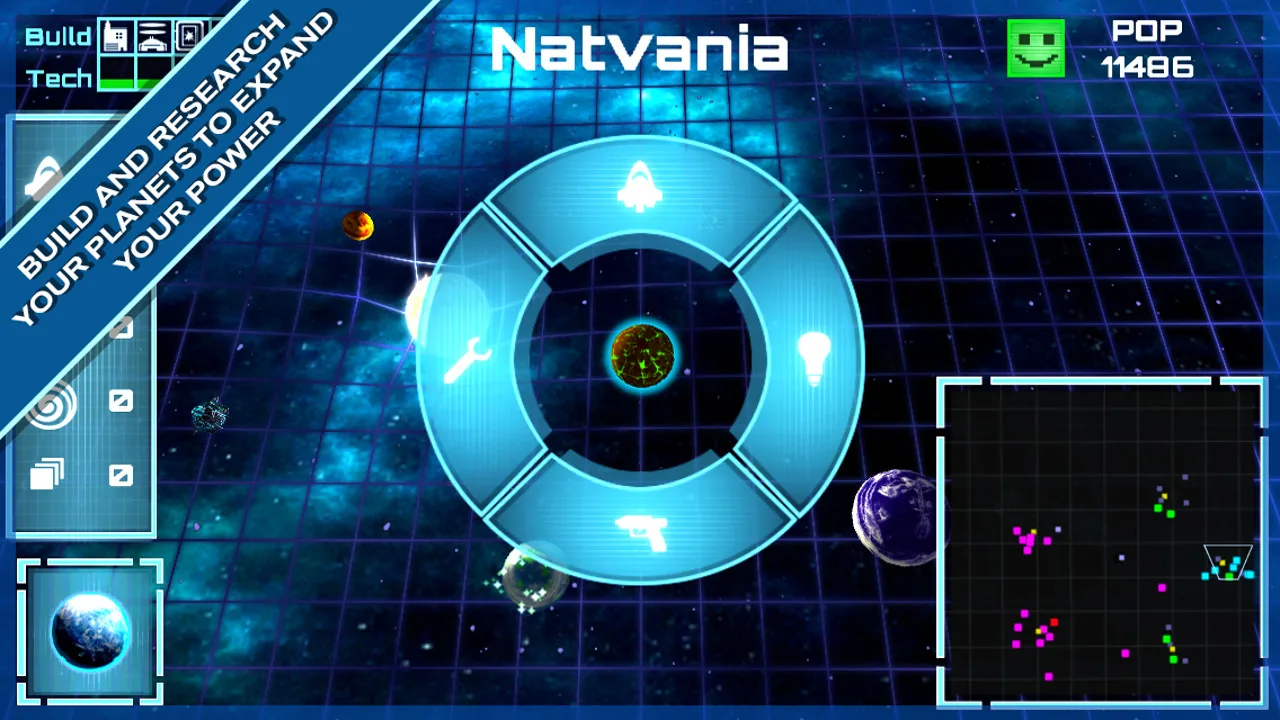
If there's one thing the 14 reviews agree on almost without exception, it's that the interface gets in the way. A reviewer who otherwise likes the game asks for basic quality-of-life batching — "build at all planets," "patrol/attach from all planets," "colonise all available planets" — that apparently doesn't exist, meaning routine empire management is done one planet at a time by hand. Another recommends the game while still flagging the interface as "a little clunky." On the negative side it's more blunt: "I really wanted to like this game, but the interface is way too clunky for it to be enjoyable" stands as its own one-line review, and a refund report cites "no full screen option, simplistic gameplay and a rubbish port" as the reasons for bouncing off it within under an hour.
Pacing draws a similar split. More than one player calls the battles genuinely fun while also warning the game is slow to get going and repetitive once it does, with "not quite enough content to really get into" a common note even from players who recommend the game overall. Reported playtimes before writing a review mostly sit in the low hours, several under thirty minutes — this reads as a short, light experience rather than a strategy game built for a long campaign, which tracks with its origins: the store page's own pull-quotes praise an earlier, differently titled release ("Relativity" rather than "Relativity Wars") on Xbox Live Indie Games and mobile storefronts, suggesting this Steam release is an expanded PC port of smaller original work rather than a game built for the platform from the ground up.
No multiplayer, despite the title
For a game called Relativity Wars, marketed under the Strategy and Indie genre tags on Steam, there is no multiplayer component at all — the store listing's only feature categories are Single-player, Commentary Available and Family Sharing. Whatever conflict the title promises plays out entirely against the AI. That's not unusual for a budget indie RTS, but it is worth flagging for anyone assuming "Wars" implies head-to-head play: it doesn't, and there's no sign one was ever planned. The game also carries no Steam achievements and, as of this review, an active player count of zero — this is a quiet, largely dormant single-player title rather than anything with an ongoing community around it.
Reception
Steam's own aggregate calls it plainly: Mixed, seven positive reviews against seven negative, with no lopsided majority either way. That even split holds up under a close read rather than dissolving into one side being obviously right. The positive reviews are not uncritical — several praise the originality and the strategic battles while flagging the same clunky interface the negative reviews lead with — and the negative reviews are not dismissive of the idea, several explicitly wishing the execution had lived up to the concept. "The game is very promising, but a bit raw" is as fair a one-line summary of the whole review set as any single review manages on its own.
Final verdict
Relativity Wars deserves credit for trying something the RTS genre rarely does: building gravity and relativistic flavour into the core loop instead of pasting a space skin over a generic base- building template. That idea genuinely lands for a chunk of its small audience, who describe strategic battles shaped by mass and gravity as clever and fun. It just as clearly doesn't land for the rest, who find the physics thinner than advertised and the interface actively unpleasant to use for anything beyond a short session. At its low asking price, on a sale, it's a defensible few dollars for RTS players curious about the concept. At full price, with no multiplayer, no achievements, a near-dormant community and a near-even review split describing exactly the same game two different ways, there's little reason not to wait.
Pros and cons
Pros
- A genuinely original hook for the genre — gravity wells and relativistic flavour text instead of another generic build-and-conquer skin
- Multiple reviewers single out specific strategic depth in how mass and gravity affect combat, calling the battles "clever" and "fun"
- Cheap, lightweight and low-spec (1 GB RAM, DX9-era graphics), so it runs on almost anything
- Short, low-commitment sessions suit players who want a curiosity rather than a campaign
- Only needs an internet connection once, for the very first session, then plays fully offline
Cons
- The interface is the single most repeated complaint across the entire review set, on both sides of the score — no batch orders for multi-planet tasks, and one refund report cites no fullscreen option at all
- A reviewer who works with relativity professionally calls the physics "so distilled" that it barely resembles the science it's named after, comparing the gravity representation to a coarse rubber-sheet toy rather than a real field
- Despite "Wars" in the title and an RTS billing, there is no multiplayer of any kind — Steam lists it Single-player only
- Several reviewers, including some who recommend it, call the pacing slow and repetitive and say there isn't enough content to hold attention past a few hours
- Reported playtimes before writing a review cluster well under eight hours, several under one
- No Steam achievements, and the store page's own pull-quotes are for an earlier, differently titled release, suggesting this Steam edition is itself a port of older mobile and console work
Screenshots
-
Relativity Wars - A Science Space RTSImage: Fungameco Ltd via Steam -
Relativity Wars - A Science Space RTSImage: Fungameco Ltd via Steam -
Relativity Wars - A Science Space RTSImage: Fungameco Ltd via Steam -
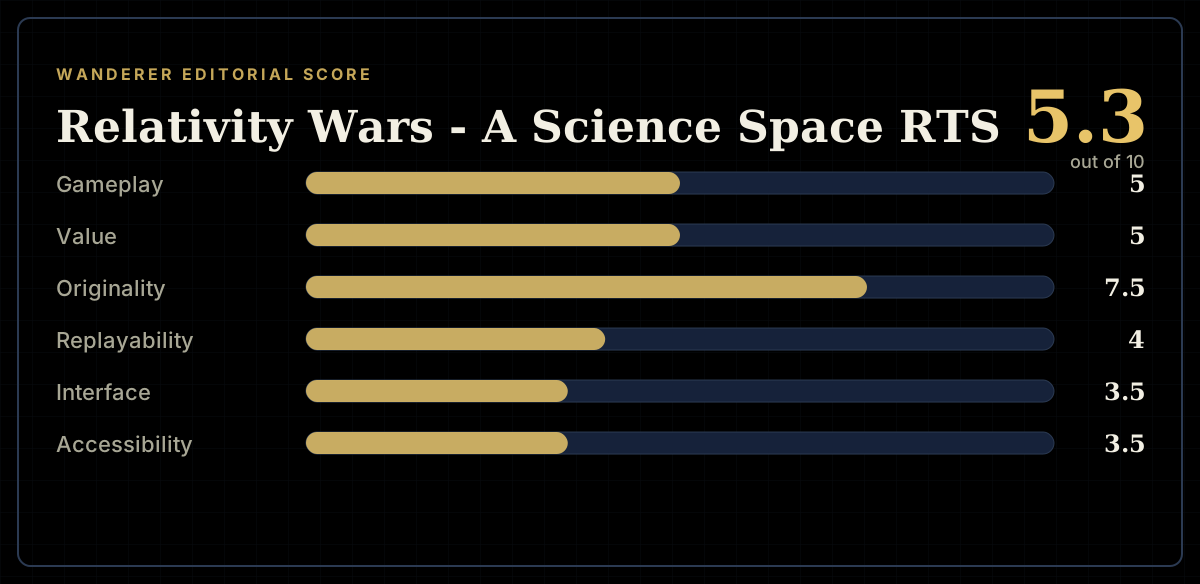
How the review scores each part of the gameWanderer Editorial -
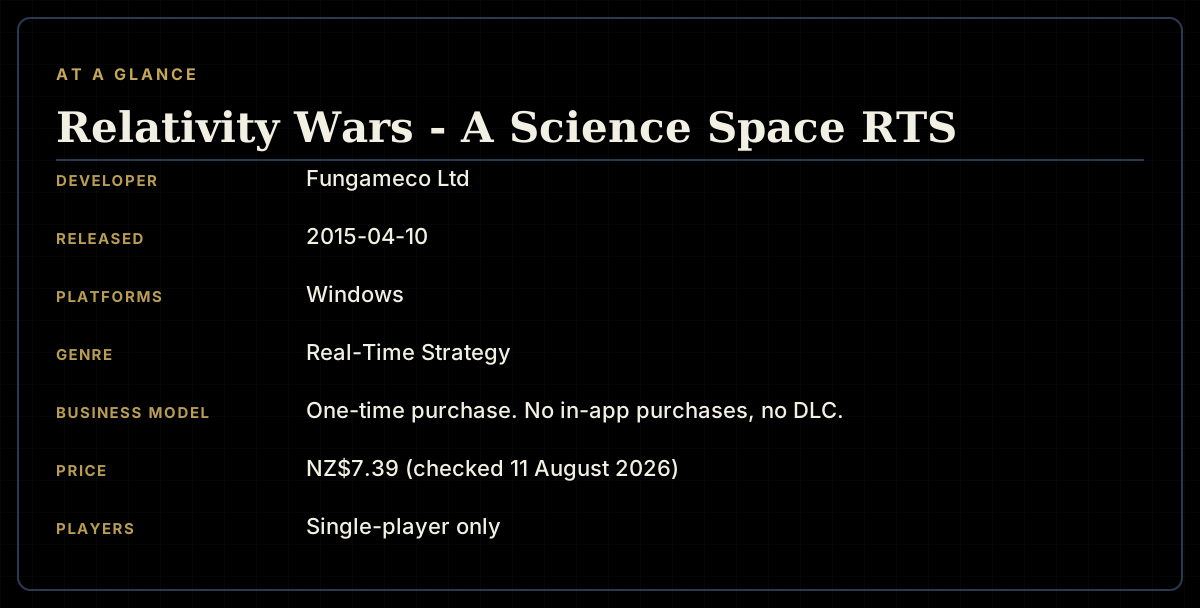
The essentials at a glanceWanderer Editorial -
The short versionWanderer Editorial