Game review
Orb Tower
6.5 / 10
- Developer
- Pierre Vandermaesen
- Publisher
- VANDERMAESEN GAMES
- Released
- 10 March 2025
- Platforms
- Windows
- Genre
- Action, Indie
- Players
- Single-player
The short version
Biggest strengths
- A genuinely well-executed hybrid of bubble-shooter puzzling and roguelike run structure, with eight mage classes offering real mechanical variety in how you aim and clear
- At NZD 2.99, priced honestly for a short, replayable arcade session rather than padded to justify a bigger tag
- A smooth achievement curve (87.8% down to 21.7%) shows a genuine, escalating difficulty ladder across easy, medium and hard modes
Biggest weaknesses
- Item and spell variety is thin enough that multiple reviewers specifically call out low replayability once the initial classes are unlocked
- One persistent, reviewer-reported launch-freeze bug (game hangs on the splash screen) went unresolved for months despite direct developer contact, per a fan who says they otherwise loved the game
- The teleportation-based mage class is repeatedly singled out as frustrating rather than challenging, with aim outcomes reviewers describe as luck-based rather than skill-based, especially on hard difficulty
6.5 / 10
A cheap, charming bubble-popping roguelike
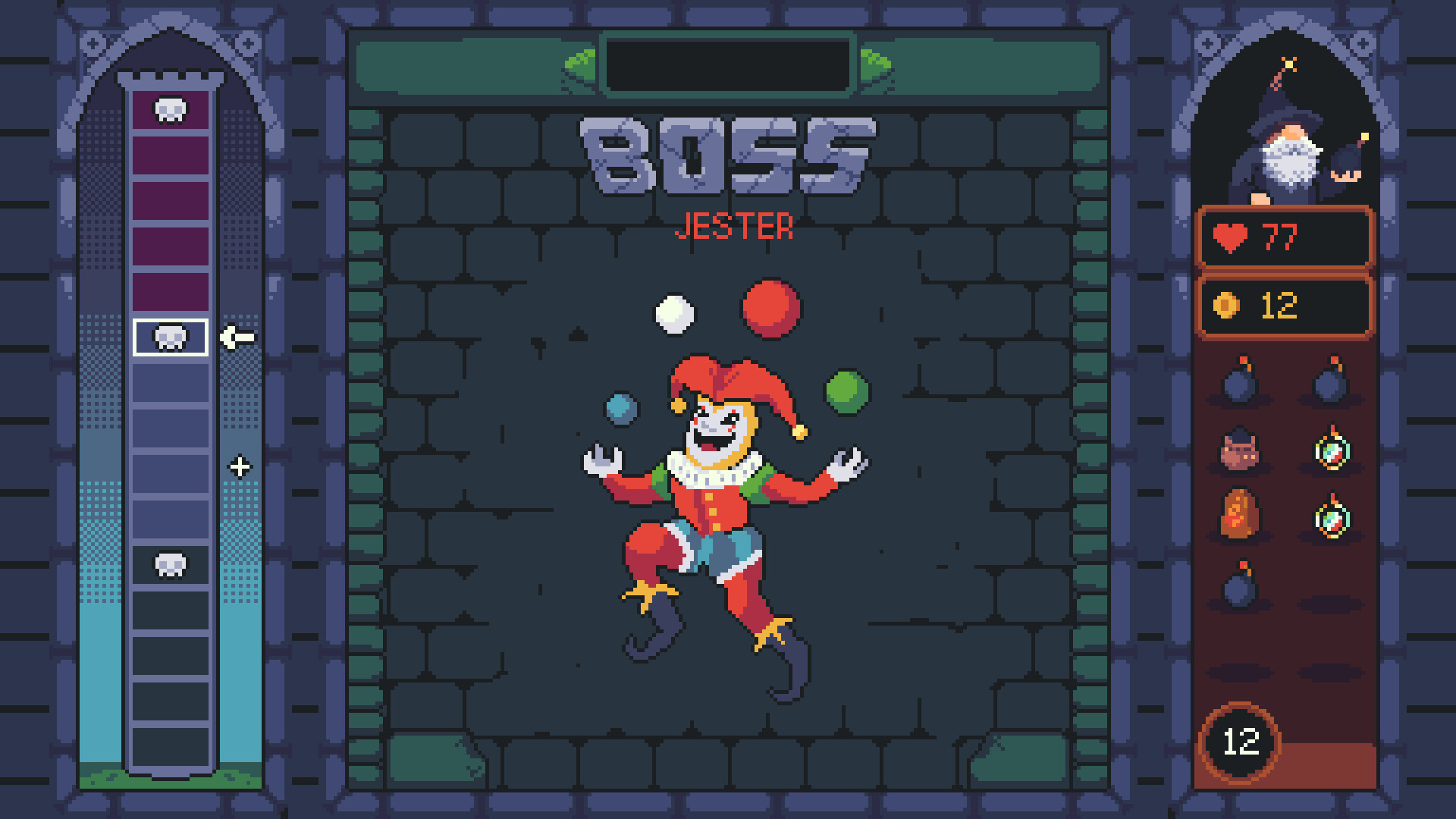
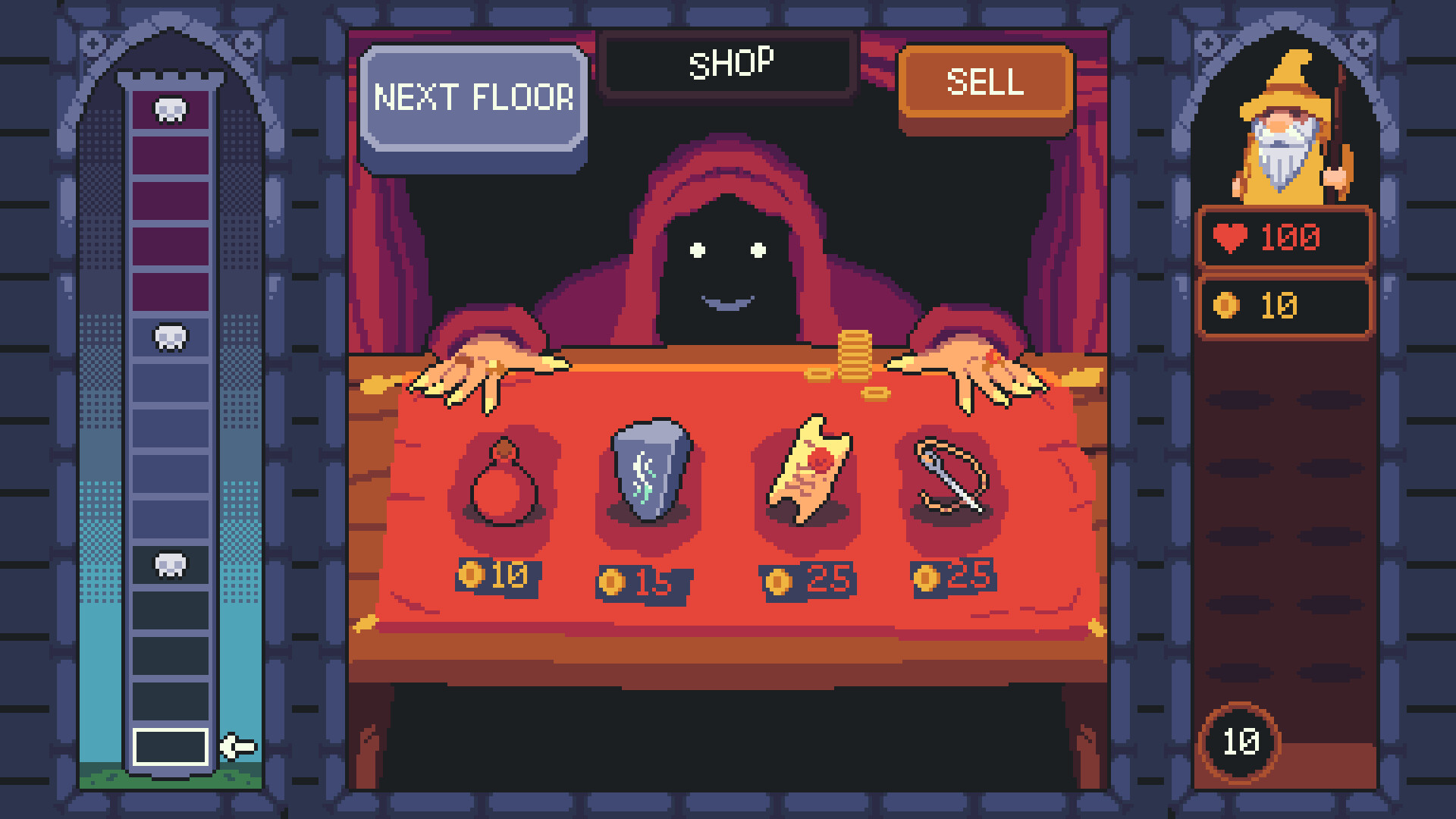
Orb Tower takes the Puzzle Bobble formula — clear a field of colour-matched bubbles with a limited number of shots before they reach the bottom — and wraps it in the run-based structure of a roguelike: pick one of eight mage classes, climb a randomised tower of levels, and spend coins collected along the way on shop upgrades between floors. It's a small, cheap idea executed with real care. Solo developer Pierre Vandermaesen, previously known for the resource-management game Tiny Folks, brings the same appreciation for clean, legible systems here — reviewers consistently praise the pixel art and the soundtrack even in otherwise lukewarm reviews, and more than one calls the core aiming-and-popping loop "perfectly serviceable" or better for what amounts to the price of a coffee.
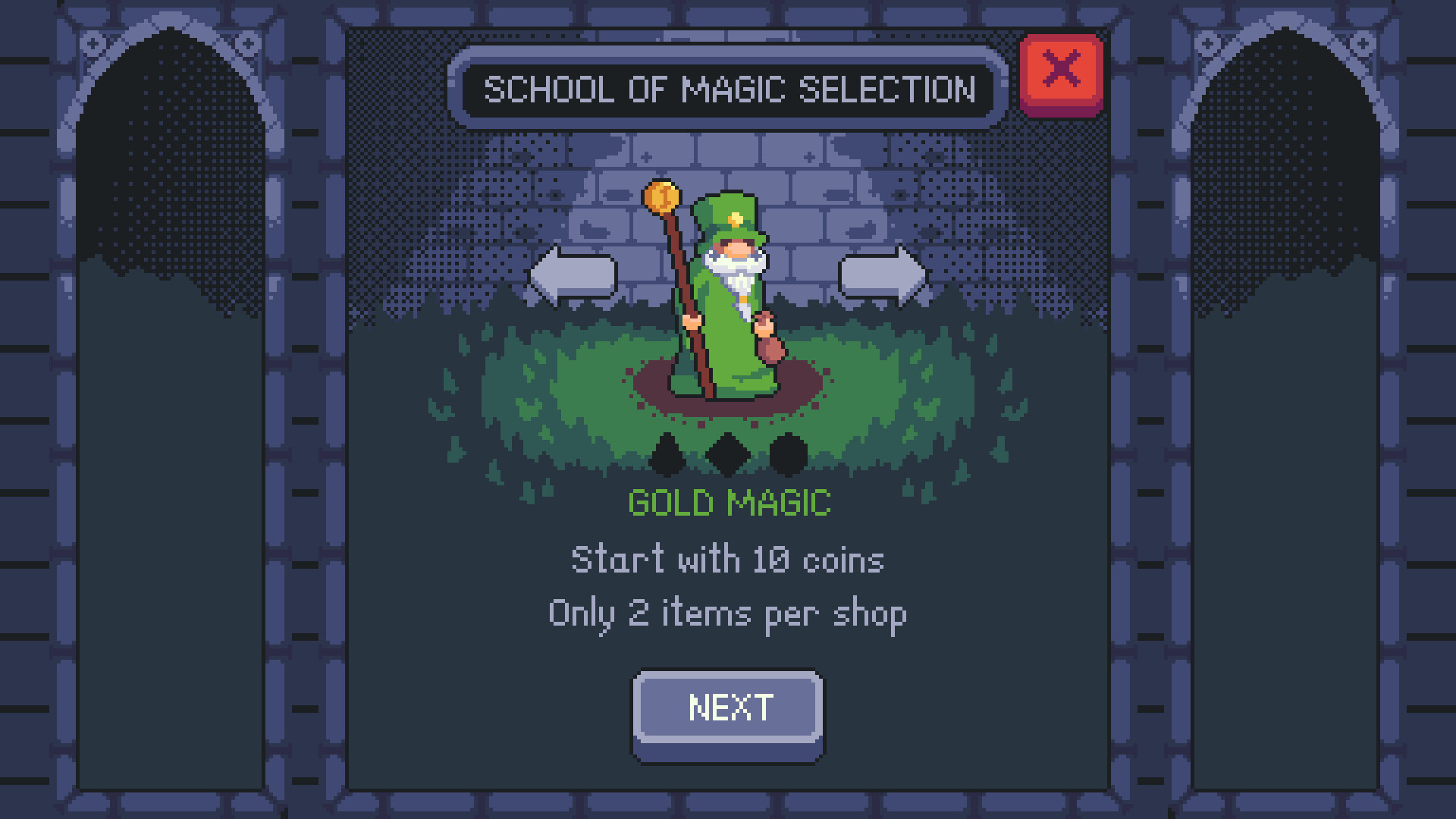
The class variety is the game's strongest structural idea. Each of the eight mages changes how you interact with the central puzzle — different projectile behaviours, different spell effects, different risk-reward tradeoffs — which keeps the first several hours feeling meaningfully different from run to run. The achievement data backs up a real difficulty structure sitting behind that variety: early milestones like clearing a level cleanly or landing the last ball of a stage sit comfortably above 75%, while beating the game on hard difficulty — "WinHard" — sits at just 21.7%, and unlocking every mage class ("AllMages") sits under 41%. That's a legitimate, gradual climb rather than a game that's either trivial or a wall.
Where the puzzle runs dry
The complaint that surfaces most consistently, across otherwise positive reviews as well as negative ones, is a lack of long-term variety once the initial classes are unlocked. "Barely any items in the game, replayability is pretty low," one reviewer summarises bluntly, and a more detailed critique argues the level layouts become predetermined rather than tactically reactive once you've learned them — the opposite of the on-the-spot randomness that makes the arcade games it's drawing from replayable in the first place. This isn't a universal complaint (several reviewers are perfectly happy with a handful of short, chill sessions at this price), but it recurs often enough, and specifically enough, to treat as the game's real ceiling rather than a matter of individual taste.
A second, more pointed complaint concerns one specific class: the teleportation-based mage, whose aiming outcomes multiple reviewers independently describe as luck-driven rather than skill-driven, especially once difficulty rises to hard mode. One reviewer says this single class "made the game unfun tbh, the rest of the game is great," which is a useful, specific piece of feedback rather than a blanket complaint — the frustration is isolated to one mechanic rather than the whole design.
An unfixed bug and a quiet developer
The most serious individual complaint in the review sample isn't about balance at all. One reviewer, who describes genuinely loving the game, reports that it freezes on the launch splash screen and never starts, and says months of attempting to contact the developer for a fix went nowhere. It's a single account rather than a pattern repeated across many reviewers, so it may well be a hardware- or configuration-specific issue rather than a widespread one, but a fan willing to document months of unanswered outreach before finally leaving a negative review specifically because of the developer's silence is worth taking seriously as a data point on post-launch support, even for a game this small and this cheap.
Measured against its own inspiration
It's worth being precise about what Orb Tower is and isn't trying to be, because a chunk of its middling reviews come from measuring it against the wrong yardstick. One detailed review frames it directly against classic Puzzle Bobble and Bust-a-Move: the physics here are simpler, the combo potential shallower, and the aiming less tactile than the arcade originals it's visually quoting. Read as an attempt to out-do those games mechanically, it comes up short, and reviewers who came in expecting that comparison to hold tend to land closer to a 6 or 6.5 out of 10 in their own framing. Read instead as what it actually is — a two-dollar roguelike that borrows a familiar, comfortable mechanic and adds just enough class-based variety and run structure to justify repeat short sessions — it holds up much better, and that's the more useful lens for anyone deciding whether to buy it.
That distinction matters because the achievement data suggests real people are finishing runs across all three difficulty tiers rather than bouncing off immediately: "WinEasy" sits at 38.5%, "WinMedium" at 24.0%, and "WinHard" at 21.7%, a gentler drop-off between medium and hard than between easy and medium. That's a difficulty curve doing its job reasonably well, even if the depth underneath the curve is thinner than the games it's paying tribute to.
Where this leaves it
Orb Tower is a small, honest arcade-roguelike hybrid that delivers exactly what its NZD 2.99 price tag promises: a handful of genuinely enjoyable sessions built on a well-worn but well-executed puzzle mechanic, with just enough class variety and difficulty scaling to justify more than one sitting. It isn't going to hold anyone's attention for dozens of hours, and the lack of deeper item variety means the ceiling is real rather than a matter of needing more time to discover it. At its price, that's a fair trade rather than a disappointment — buy it for a few short, chill evenings rather than expecting a long-term roguelike obsession, and be aware of the isolated but concerning report of an unresolved launch bug before assuming support will be there if something goes wrong.
Pros and cons
Pros
- A genuinely well-executed hybrid of bubble-shooter puzzling and roguelike run structure, with eight mage classes offering real mechanical variety in how you aim and clear
- At NZD 2.99, priced honestly for a short, replayable arcade session rather than padded to justify a bigger tag
- A smooth achievement curve (87.8% down to 21.7%) shows a genuine, escalating difficulty ladder across easy, medium and hard modes
- Charming pixel art and a well-liked soundtrack that several reviewers single out even when critical of other aspects
Cons
- Item and spell variety is thin enough that multiple reviewers specifically call out low replayability once the initial classes are unlocked
- One persistent, reviewer-reported launch-freeze bug (game hangs on the splash screen) went unresolved for months despite direct developer contact, per a fan who says they otherwise loved the game
- The teleportation-based mage class is repeatedly singled out as frustrating rather than challenging, with aim outcomes reviewers describe as luck-based rather than skill-based, especially on hard difficulty
- Several reviewers find runs too easy or too predetermined once the level layouts are learned, missing the tactile randomness of the arcade games it's inspired by
Screenshots
-
Orb TowerImage: VANDERMAESEN GAMES via Steam -
Orb TowerImage: VANDERMAESEN GAMES via Steam -
Orb TowerImage: VANDERMAESEN GAMES via Steam -
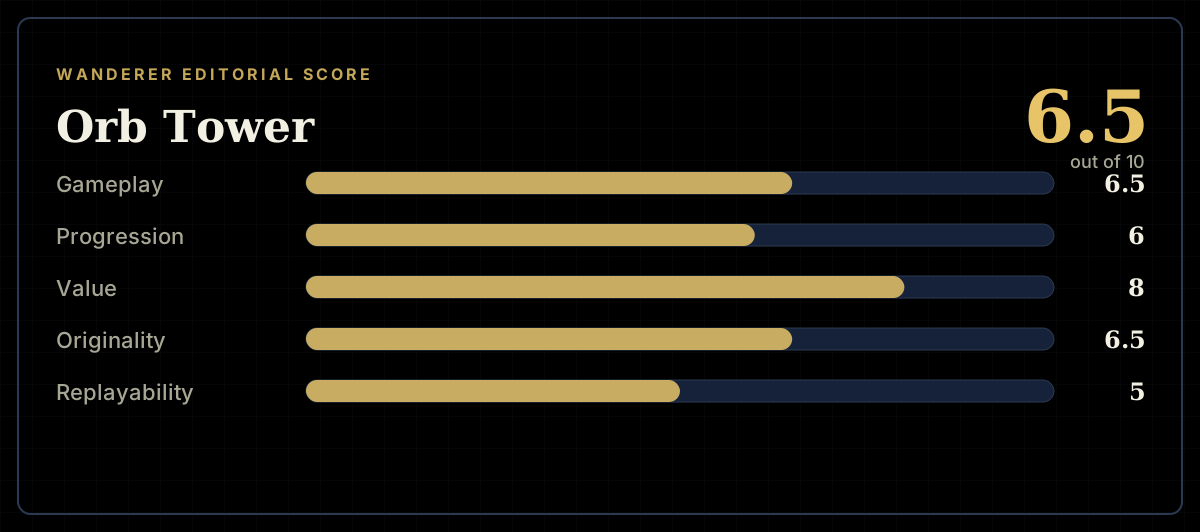
How the review scores each part of the gameWanderer Editorial -
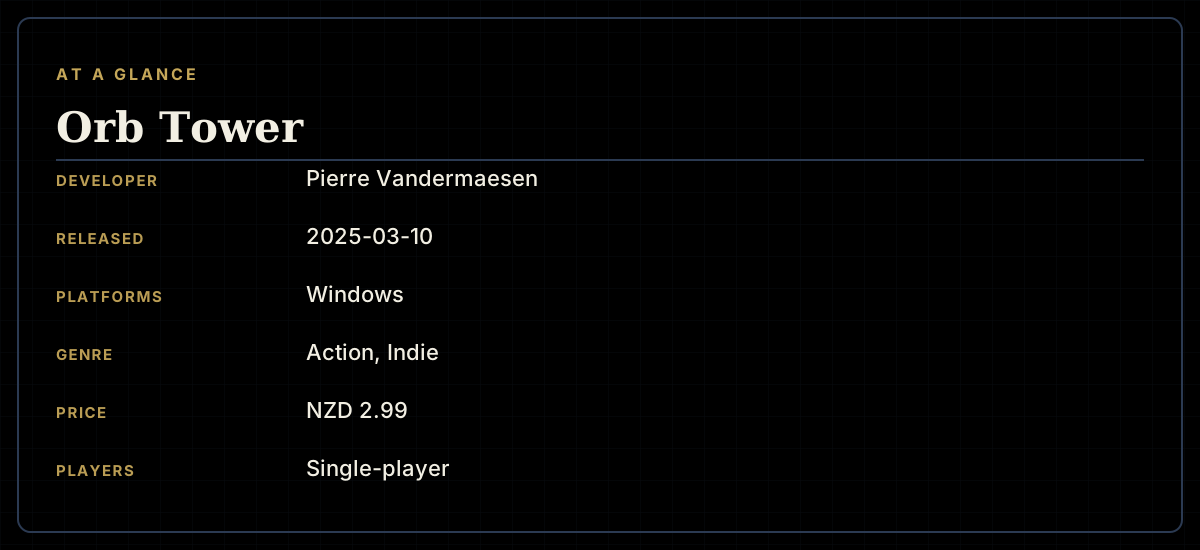
At a glanceWanderer Editorial -
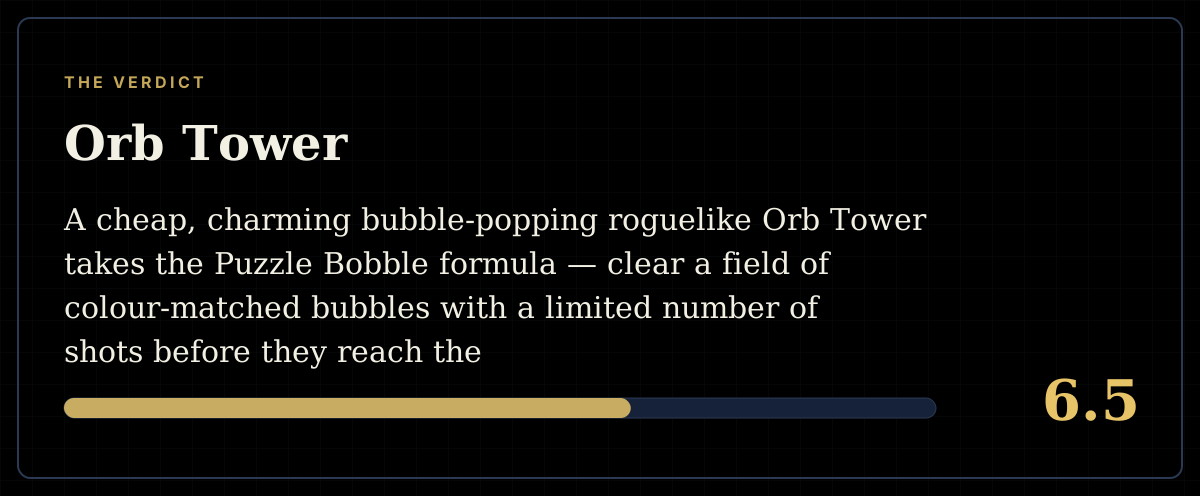
The short versionWanderer Editorial