Game review
Nightmare Frontier
6.5 / 10
- Developer
- Ice Code Games
- Publisher
- Slitherine Ltd.
- Released
- 22 July 2026
- Platforms
- Windows
- Genre
- Tactical Extraction Looter
- Monetisation
- One-time purchase, no in-game store
- Players
- Single-player only
The short version
Nightmare Frontier is a self-described "Tactical Extraction Looter" from developer Ice Code Games, published by Slitherine, that fuses turn-based tactical combat with the risk-reward loop of an extraction game: send a band of scavengers into a devastated, alternate-1900s West Coast city, fight monstrous Dreadweavers for loot, and decide each run whether to push deeper or pull out with what you've already got. It spent 13 months in Early Access before its 1.0 launch on 22 July 2026, and its 122 English-language Steam reviews — Mostly Positive at roughly 80% — read as the verdict on a genuinely novel structural idea that a real development period smoothed but didn't fully solve. Reviewers consistently praise the extraction tension and the atmosphere; reviewers just as consistently report the tactical combat growing repetitive over a full run and a gear-progression curve that, for several high-playtime players, eventually breaks the game's own difficulty in the other direction — encounters that once demanded careful positioning become trivial once equipment stacks up.
Biggest strengths
- The extraction mechanic is this review's most consistently praised system — deciding whether to push for more loot or retreat with what you've secured creates the kind of meaningful, repeated tension the genre mash-up is built around
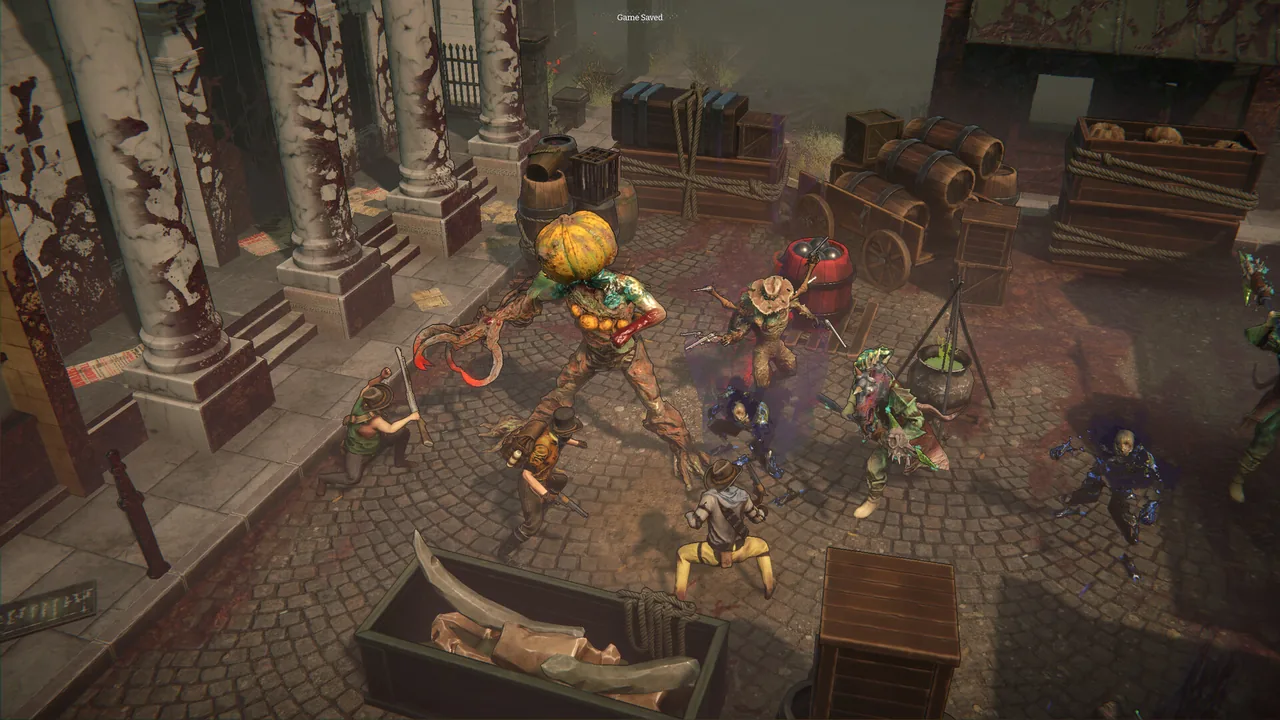
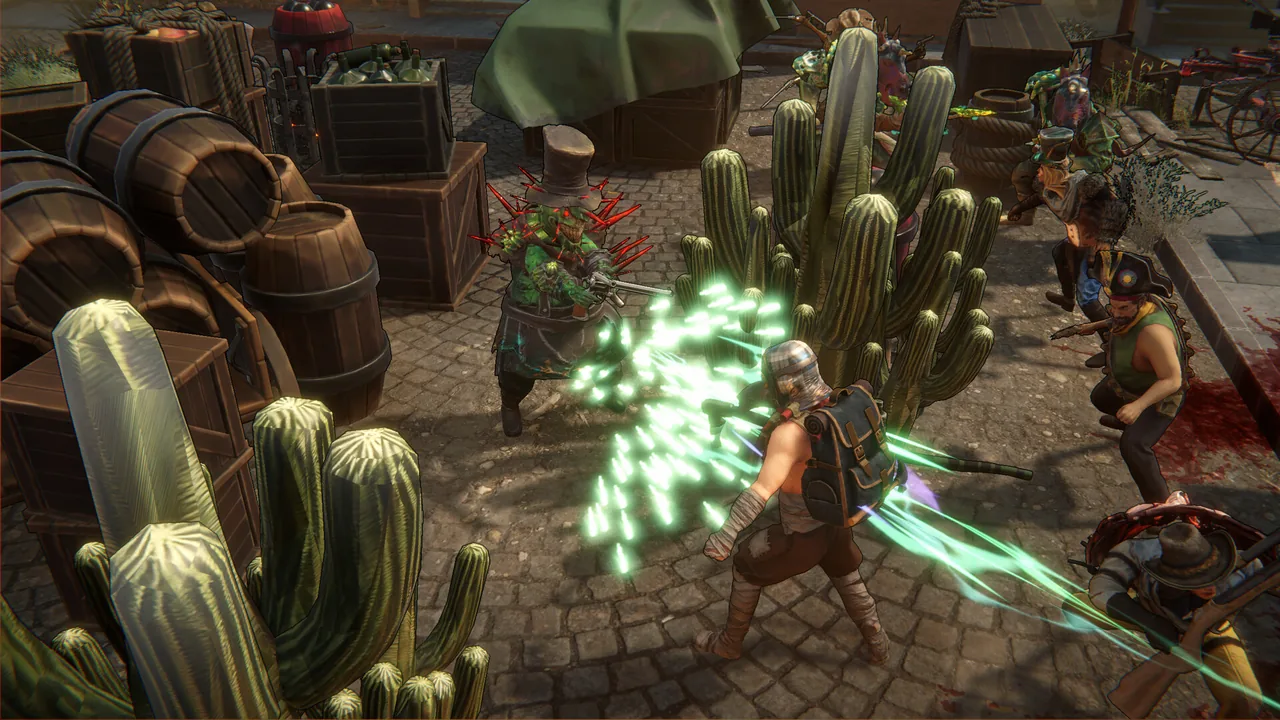
- A cohesive Western-gothic horror atmosphere draws specific, repeated praise for its creature design and art direction rather than vaguer "nice visuals" comments
- A genuinely uncommon genre combination — turn-based tactics is not commonly paired with extraction-looter structure, and reviewers who came in skeptical of the pairing describe it working better than expected
Biggest weaknesses
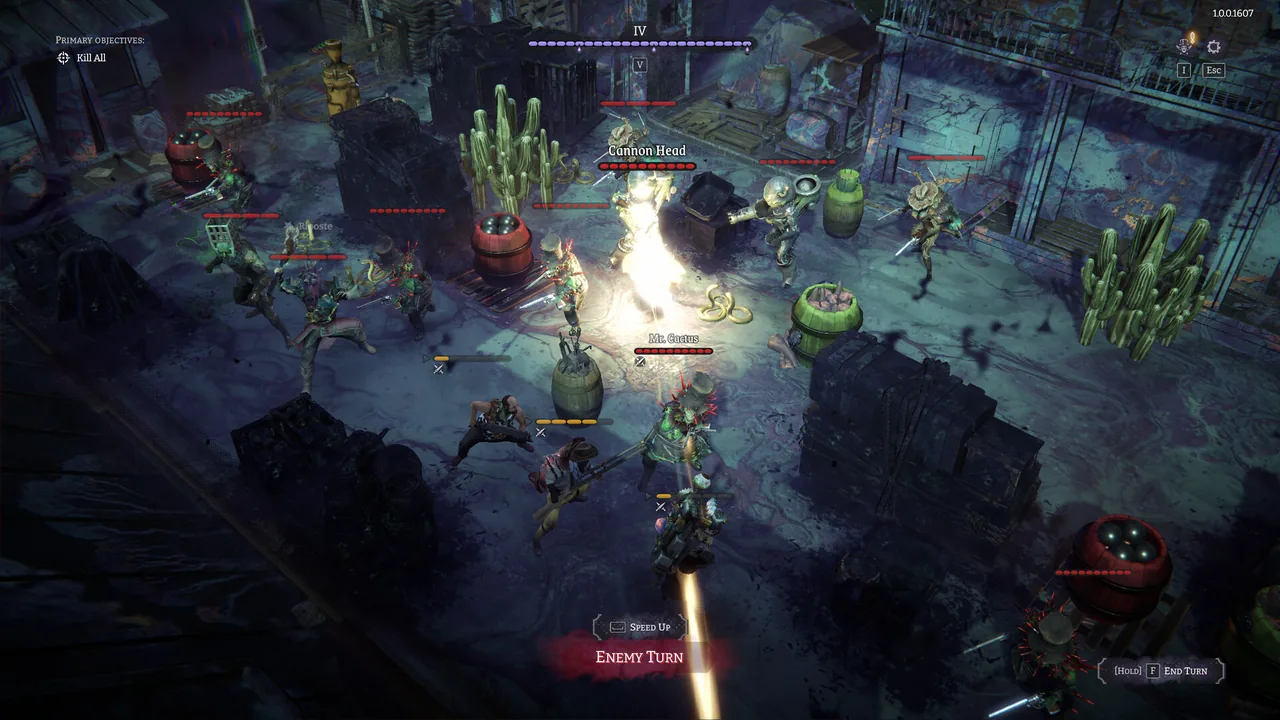
- Reviewers across the sample describe combat growing repetitive well before a full run ends, with tactical decisions collapsing into familiar patterns once the early puzzle-solving phase passes
- Equipment progression eventually inverts the difficulty curve for several high-playtime reviewers — encounters that demanded careful positioning early on become trivial, sometimes winnable in a single turn, once gear stacks up
- A recurring minority complaint alleges inconsistent art direction and possible AI-generated assets in some areas — this review did not independently verify the claim, but it appears often enough in the negative sample to be worth naming
Who it's for: Tactics fans curious about the extraction-looter hybrid and willing to accept real repetition in the mid-game; less suited to players who want a tightly-tuned difficulty curve from start to finish.
Our recommendation: A structurally interesting hybrid that mostly delivers on its central idea — worth playing for the extraction tension and atmosphere, with the clear-eyed expectation that both the challenge curve and the moment-to-moment combat variety soften considerably by the later hours.
6.5 / 10
Introduction
Nightmare Frontier bills itself as the first-ever Tactical Extraction Looter, and that description is doing real work rather than functioning as marketing shorthand. Developed by Ice Code Games and published by Slitherine, it sends a band of scavengers into a devastated, alternate-1900s West Coast city, fighting horror-tinged monsters called Dreadweavers for loot across turn-based tactical combat — but every run carries an extraction-game's core question underneath it: push deeper for more reward, or pull your team out while you still can. It spent 13 months in Steam Early Access, from June 2025 through to its 1.0 launch on 22 July 2026, and now sits at NZ$38.49 with 122 English-language reviews and a Mostly Positive score around 80%. This review reads the full negative sample, a matching share of positive reviews, and the 100 most recent English-language reviews to see how a genuinely uncommon genre pairing landed after a real development runway.
The extraction tension actually works
Start with what the review sample agrees on most consistently: the central hybrid idea is working. Reviewers across the positive sample describe the extraction mechanic as the game's real innovation — one reviewer with over a thousand hours put it plainly, noting that "every decision carries weight, making successful extractions feel genuinely rewarding," and that avoiding unnecessary fights becomes just as tactically important as winning them. That's a meaningfully different kind of tension than most turn-based tactics games offer, where the objective is usually simply to win the fight in front of you. Here, winning a fight you didn't need to have can be the wrong call if it costs resources you needed for extraction, and that reframing is exactly the kind of genre-blending payoff a mash-up like this needs to justify its own existence.
Atmosphere that earns specific praise
The Western-gothic horror presentation draws consistent, specific praise rather than generic compliments — reviewers single out the creature design, the terrain art and the overall cohesion of the setting, with one long-time player calling the graphics, sound and terrain art "stunning and slick" in the same breath as praising the tactical puzzle-solving. That combination matters: a strong aesthetic wrapped around a weak system usually draws visual praise alongside mechanical complaints, but here the atmosphere and the extraction hook are credited together often enough to suggest the whole package is coherent rather than a good coat of paint over a thin idea.
Where it wears thin
Set against that, the most consistently repeated criticism across this review's negative sample is straightforward: the tactical combat grows repetitive well before a full run is over. Reviewers describe battles collapsing into familiar patterns once the early puzzle-solving phase of the game passes, and the loot gained per run as feeling minimal relative to the time it takes to earn it. One reviewer's blunt framing was that it plays like "a mobile game turned manual" — engaging while you're still figuring the systems out, less so once you have, with runs starting to feel like a load-screen generator rather than a fresh tactical puzzle each time.
The second major complaint compounds the first in an unusual way: rather than staying too hard, the game's difficulty curve inverts for several high-playtime reviewers as gear accumulates. A reviewer with over five thousand hours logged — clearly not a casual dabbler — described being able to "run through any district endlessly" and "killing everything on the first turn" once equipment stacked up sufficiently, a complaint echoed by others in the sample. That's a genuinely tricky balance problem to solve in a looter-adjacent system: the loot has to feel meaningful to chase, but meaningful loot that trivialises the combat undercuts the very tactical puzzle-solving the game is praised for earlier.
Two smaller but real threads round out the criticism. A recurring minority of reviewers allege inconsistent art direction in places and raise concerns about possible AI-generated assets — this review did not independently verify that claim and states it only because it recurs often enough in the negative sample to be worth naming rather than because it's been confirmed. And several reviewers directly compare the game to Ice Code Games' earlier title Rogue Waters, describing the resemblance as closer to a reskin than a fresh design — a view other reviewers in the very same sample explicitly disagree with, one noting the game "feels different enough" not to read as a reskin despite the shared lineage. Worth flagging as a live disagreement among the game's own audience rather than a settled fact either way.
What 13 months in Early Access bought
It's worth stating plainly what a long, genuine Early Access period looks like in review data, because it's visible here: bug complaints in this sample concentrate around specific, nameable issues — a generator interaction that could block progress, pink-screen and black-character visual glitches — rather than the broad, unfocused instability typical of a title rushed to launch. That's the kind of signature a real development runway leaves behind, and it's consistent with a developer who used the 13 months for more than a marketing delay.
Final Verdict
Nightmare Frontier delivers on its core promise — the extraction-looter tension layered onto turn-based tactical combat is a genuinely uncommon idea, and it's the thing reviewers praise most consistently and specifically. What keeps it from a stronger recommendation is the shape of its mid-to-late game: tactical variety that thins out, and a gear curve that several experienced players say eventually solves its own challenge for them. Thirteen months of Early Access clearly sanded down the rough technical edges a shorter cycle would have shipped with, but it didn't fully resolve the pacing and balance questions at the heart of the design. Worth playing for the hybrid's real appeal and its atmosphere, with realistic expectations about where the tension goes once the loot starts piling up.
Pros and cons
Pros
- The extraction mechanic is this review's most consistently praised system — deciding whether to push for more loot or retreat with what you've secured creates the kind of meaningful, repeated tension the genre mash-up is built around
- A cohesive Western-gothic horror atmosphere draws specific, repeated praise for its creature design and art direction rather than vaguer "nice visuals" comments
- A genuinely uncommon genre combination — turn-based tactics is not commonly paired with extraction-looter structure, and reviewers who came in skeptical of the pairing describe it working better than expected
- 13 months of Early Access development is reflected in the review sample: bug reports concentrate around specific, nameable issues (a generator interaction, pink-screen glitches) rather than the broad instability typical of a rushed launch
Cons
- Reviewers across the sample describe combat growing repetitive well before a full run ends, with tactical decisions collapsing into familiar patterns once the early puzzle-solving phase passes
- Equipment progression eventually inverts the difficulty curve for several high-playtime reviewers — encounters that demanded careful positioning early on become trivial, sometimes winnable in a single turn, once gear stacks up
- A recurring minority complaint alleges inconsistent art direction and possible AI-generated assets in some areas — this review did not independently verify the claim, but it appears often enough in the negative sample to be worth naming
- Several reviewers directly compare it to Ice Code Games' earlier Rogue Waters and describe the resemblance as closer to a reskin than a fresh design, a view other reviewers in the same sample explicitly push back on
Screenshots
-
Nightmare FrontierImage: Slitherine Ltd. via Steam -
Nightmare FrontierImage: Slitherine Ltd. via Steam -
Nightmare FrontierImage: Slitherine Ltd. via Steam -
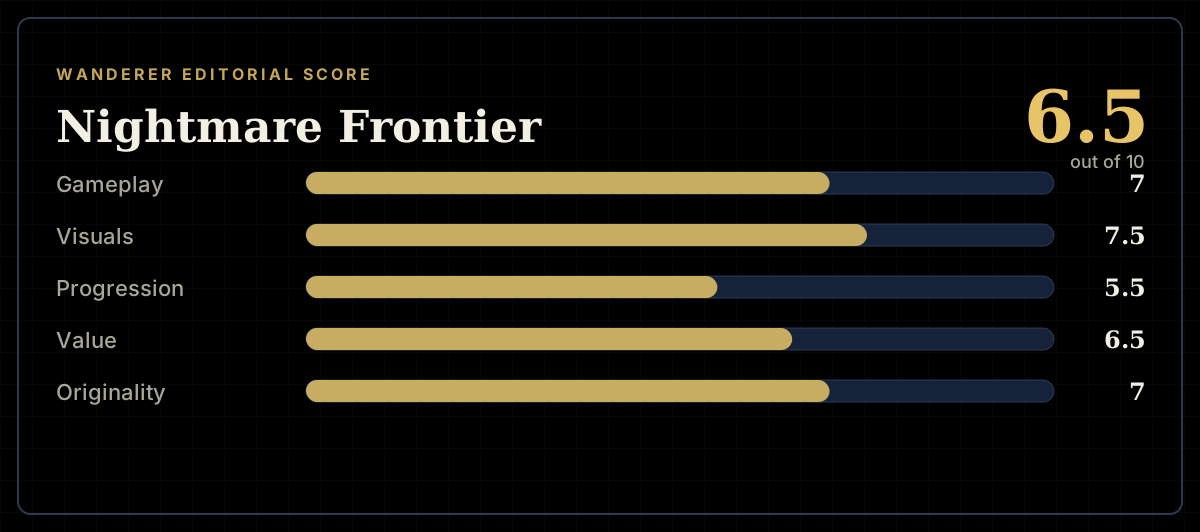
How the review scores each part of the gameWanderer Editorial -
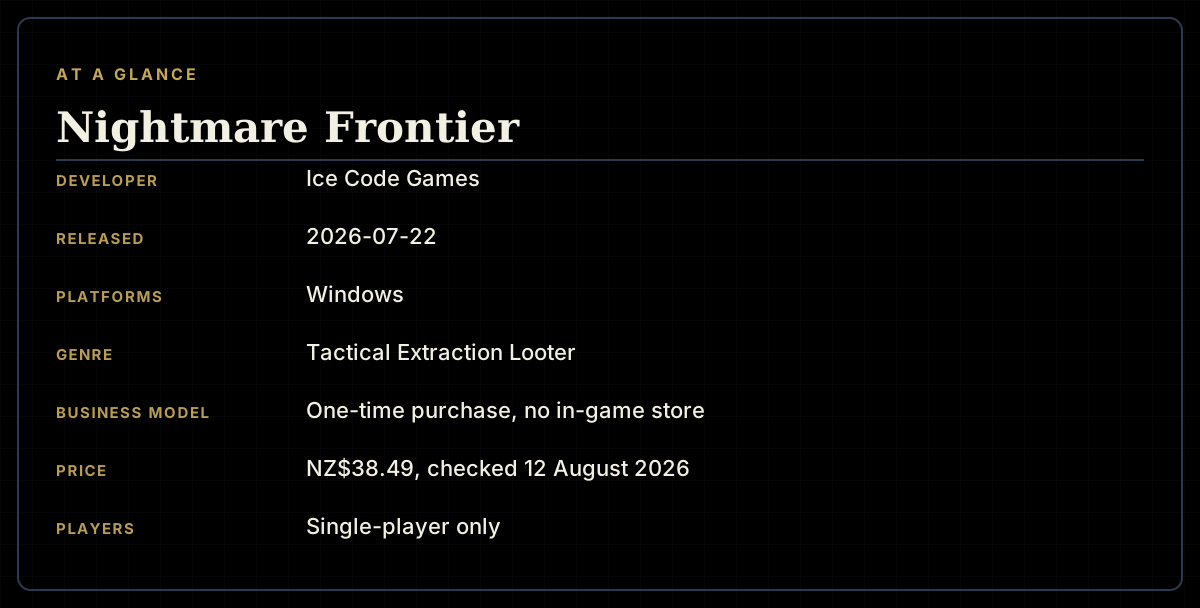
The essentials at a glanceWanderer Editorial -
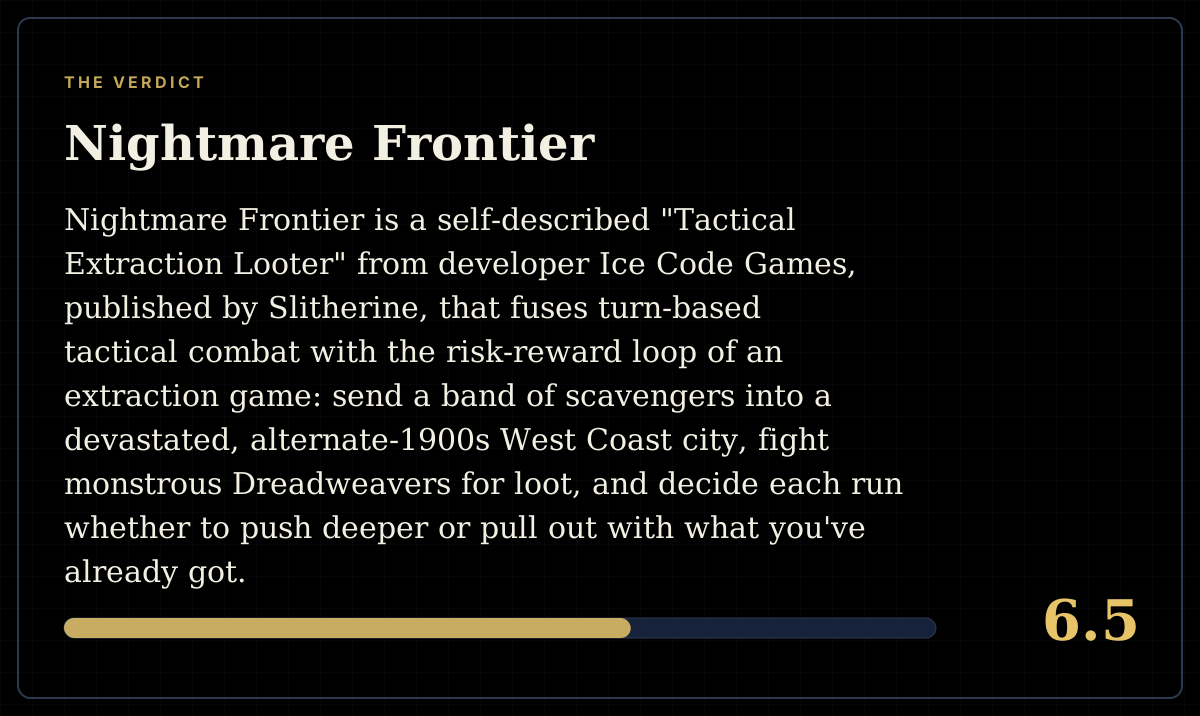
The short versionWanderer Editorial