
Game review
Pacific Drive
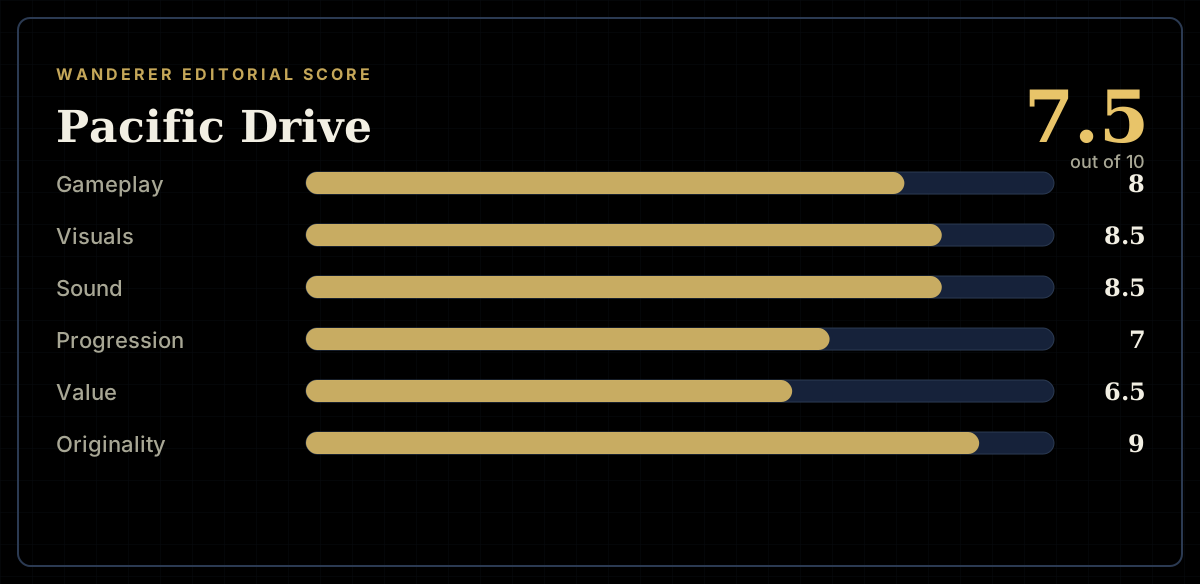
7.5 / 10
- Developer
- Ironwood Studios
- Publisher
- Kepler Interactive
- Released
- 22 February 2024
- Platforms
- Windows
- Genre
- Survival Driving Roguelike
- Monetisation
- One-time purchase, NZ$47.39. One paid DLC expansion. No microtransactions.
- Players
- Single-player only
The short version
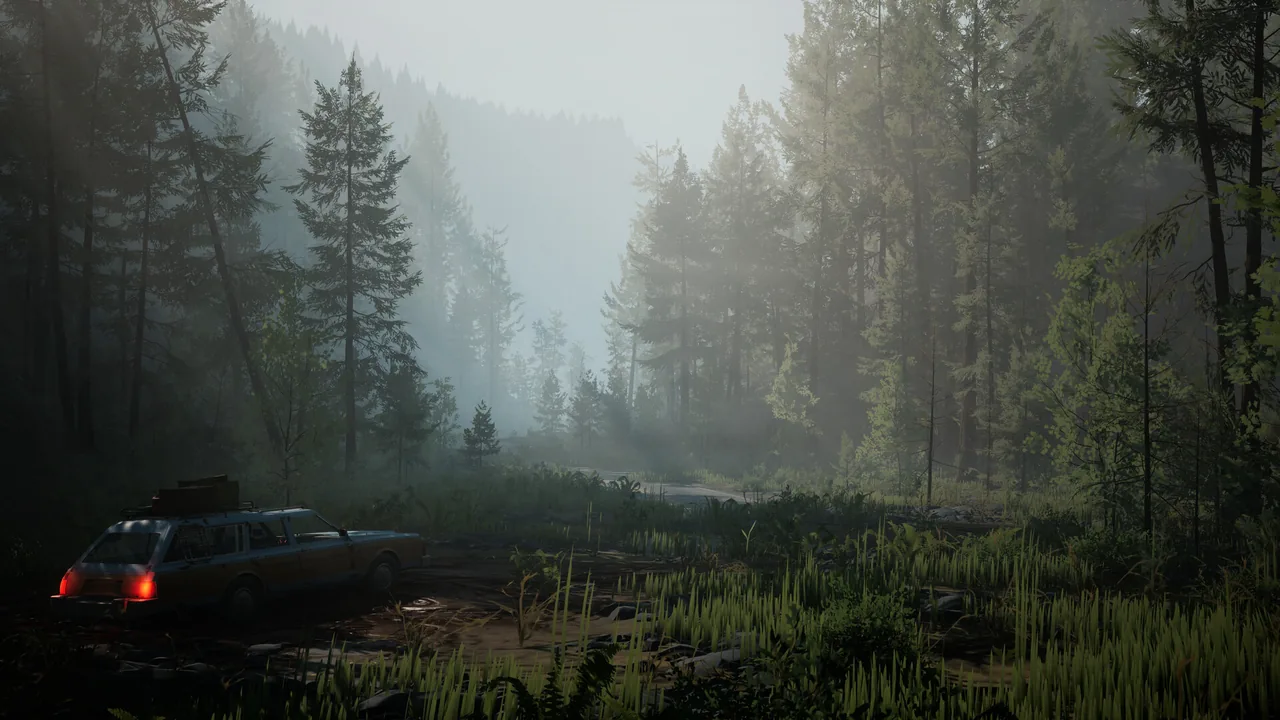
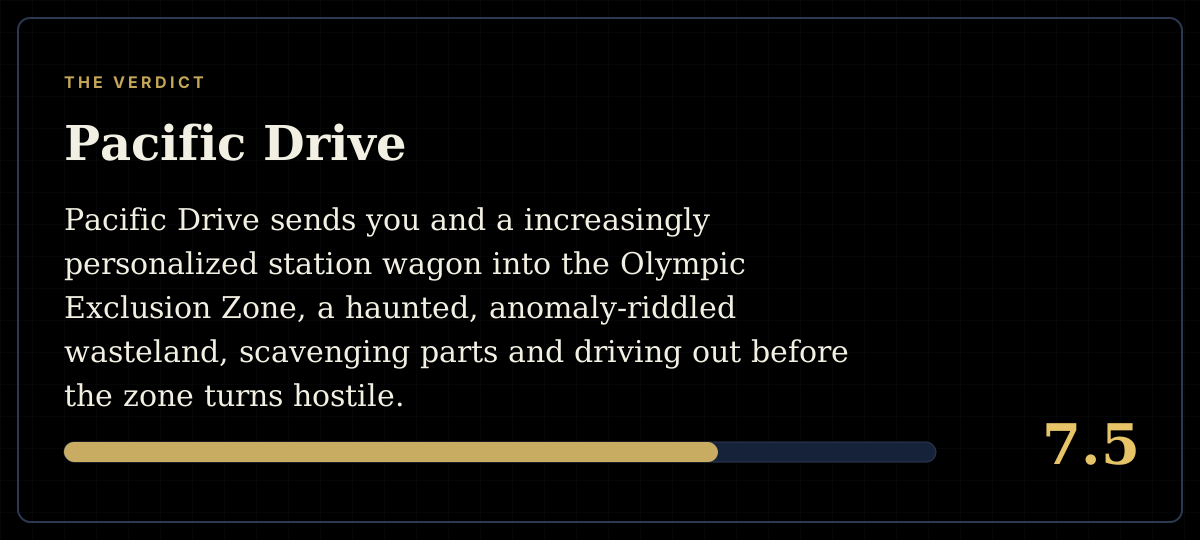
Pacific Drive sends you and a increasingly personalized station wagon into the Olympic Exclusion Zone, a haunted, anomaly-riddled wasteland, scavenging parts and driving out before the zone turns hostile. It's a genuinely original setting and gameplay hook — reviewers consistently call the atmosphere and the bond you form with your car unlike anything else available — and 83.2% positive across 26,514 reviews reflects real enthusiasm for what it gets right.
What holds the score back is unusually concentrated on one specific design decision: the game only saves between full "runs" rather than mid-run, and a large, consistent share of negative reviews say this makes the game genuinely difficult or impossible to play for anyone without long uninterrupted blocks of free time. It's worth noting the counterargument reviewers themselves raise: runs typically take 20-30 minutes once you know what you're doing, and a difficulty setting exists to retain loot on death — but the complaint has persisted at real volume since launch regardless.
Biggest strengths
- A genuinely original setting and hook — an anomaly-filled exclusion zone explored by car, combining survival, driving physics and horror in a combination nothing else offers
- A real sense of attachment to your customized, increasingly battle-scarred station wagon that reviewers describe as unexpectedly emotional
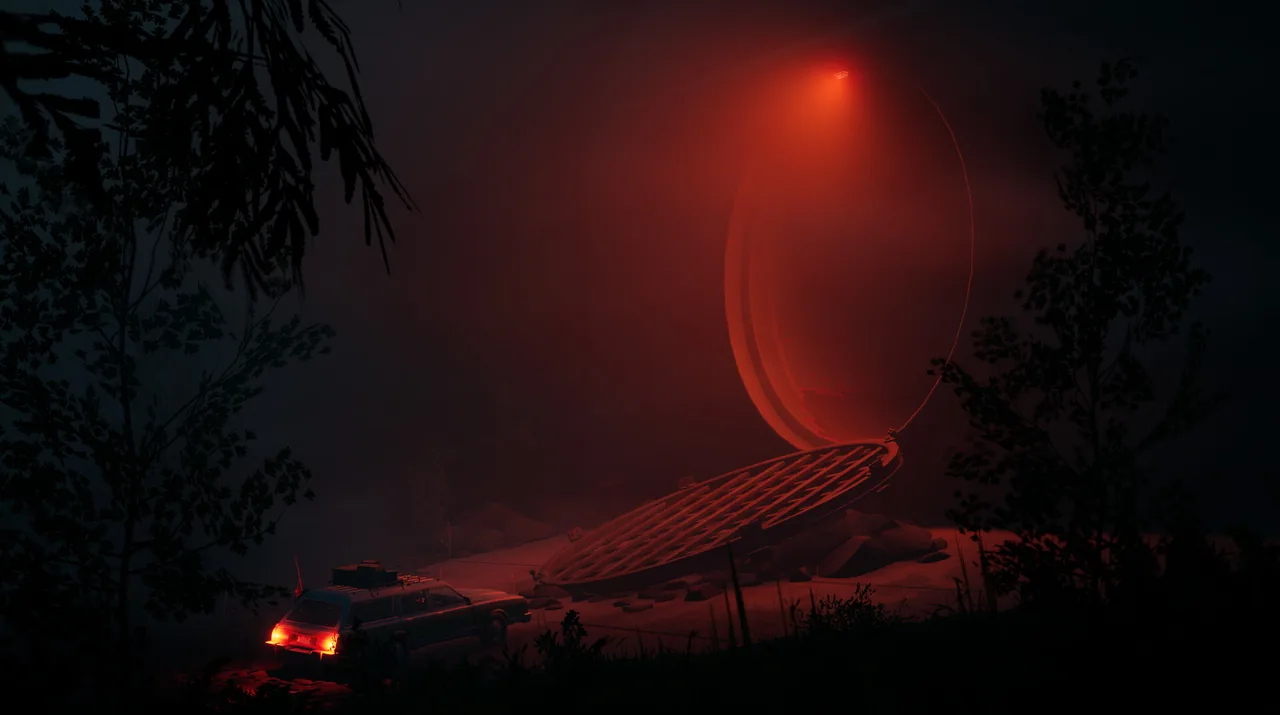
- Strong atmosphere and sound design that deliver on the game's horror elements without leaning on cheap jump scares
Biggest weaknesses
- The lack of a mid-run save is the single most consistent, heavily-upvoted complaint since launch, with multiple reviewers describing losing an hour or more of progress to real-life interruptions
- Several reviewers say this specifically makes the game a poor fit for anyone with limited or unpredictable free time, such as parents or people with demanding schedules
- A meaningful share of reviewers describe losing motivation before the story's conclusion, citing the run structure becoming repetitive over dozens of hours
Who it's for: Fans of atmospheric survival games and unconventional roguelikes who can commit to uninterrupted play sessions, at least until runs become quick and familiar. Less suited to players whose available playtime is frequently and unpredictably interrupted, given the save system's real limitations.
Our recommendation: Buy it if the setting and driving-survival hook appeal to you, but read the save system carefully first. Check the difficulty options for "save loot on death" and use "abandon run" to autosave progress if you're interrupted mid-run — several reviewers say this genuinely helps once you know it exists, and the early hours are the worst of the problem since runs get much faster as you learn the game.
7.5 / 10
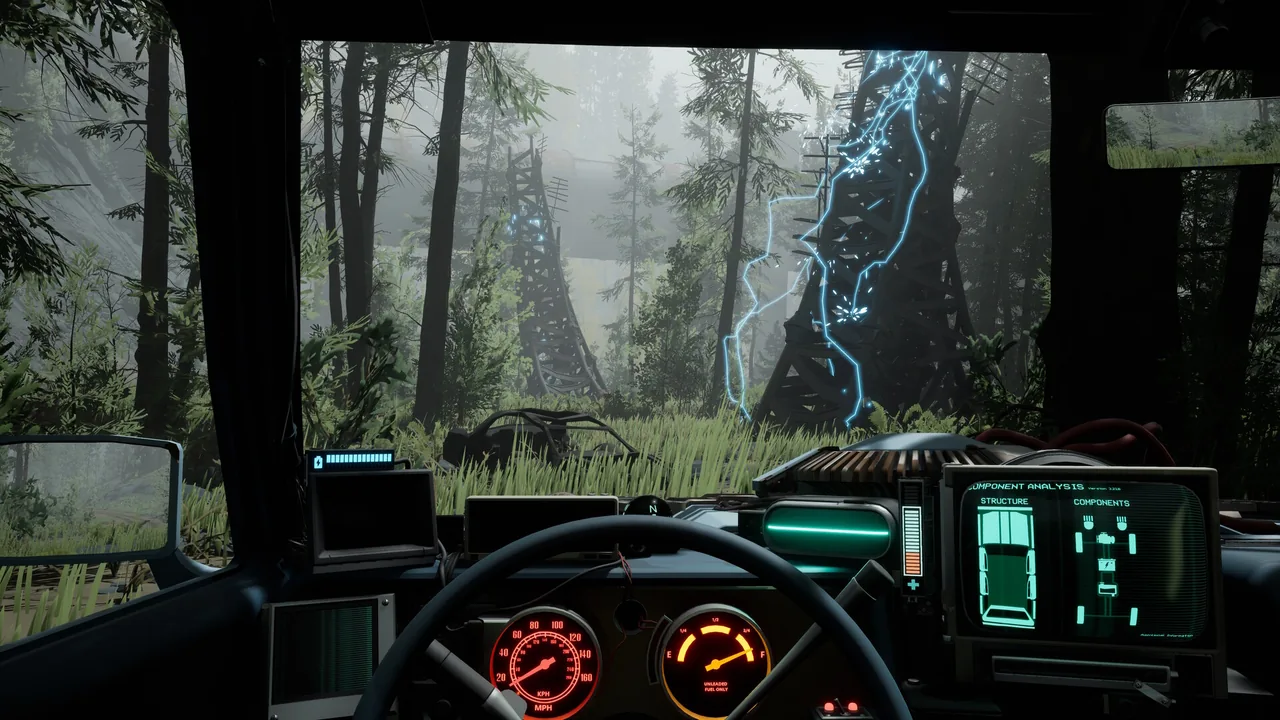
Pacific Drive's premise is genuinely unlike anything else on Steam: you and a station wagon, scavenged and rebuilt part by part, venture into a fenced-off exclusion zone full of reality-bending anomalies, racing to gather resources and reach an exit gate before the zone turns actively hostile. Reviewers across the board credit the setting and the relationship you build with your car as something new — and then, almost as consistently, name one specific decision as the thing holding the whole experience back from a wider recommendation.
A setting and a car worth the trip
The atmosphere draws consistent, specific praise. One of the most-upvoted early reviews calls the game "super atmospheric and immersive" from the first impression, citing the looting and inventory systems as genuinely entertaining rather than just functional. What sets this apart from other survival games, reviewers agree, is the car itself — not a vehicle you drive so much as a character you gradually rebuild, patch, and grow attached to as it accumulates dents, mismatched parts and scars from close calls. That attachment is unusual enough in the genre that multiple reviewers describe it as the game's most memorable achievement, ahead of the horror or the crafting systems built around it.
The complaint that dominates everything else
Here's what's remarkable about this game's negative-review corpus: it's almost entirely about one decision. Pacific Drive only saves between complete runs, not mid-run, and the top negative review in the game's history — over 2,000 votes — states it plainly: "you can't just leisurely play this game for 20 minutes. You MUST dedicate your time." Multiple other top-voted reviews describe the exact same real-world consequence: losing an hour or more of progress to a work call, a child needing attention, or simply running out of free time before a run's natural stopping point. One reviewer states outright that this makes the game "unplayable" given their schedule, and several frame it not as a minor annoyance but as a fundamental incompatibility with how they're able to play games at all.
It's worth reporting the other side of this specific argument fairly, because reviewers make it themselves. One of the most-upvoted positive reviews responds directly to the save complaint, pointing out that a completed run typically takes 20-30 minutes once you understand the systems, not the hours some early reviews imply. Another lays out a concrete workaround: enabling "save loot on death" in the difficulty options and using "abandon run" as an effective manual autosave. Both things are true at once — the underlying limitation is real and has driven a large, sustained share of this game's negative sentiment since launch, and there are genuine mitigations that make it considerably less punishing once you know about them, which many frustrated early players evidently didn't.
Reading the completion data
The achievement curve reflects a game whose early hours draw broad engagement before narrowing sharply. The most common milestones, tied to early story beats, sit at 83% and 65%, showing most buyers get well into the opening runs. The rarest achievements, tied to specific late-game challenge conditions, fall under 2%, consistent with a roguelike whose hardest content is reserved for players who've pushed well past the point where the save-system frustration typically peaks.
7.5 out of 10. Pacific Drive succeeds at something genuinely rare — a setting, a hook and a relationship with a vehicle that no other game currently offers — and its continued content support through 2026 shows real commitment from Ironwood Studios. It's held below the top tier almost entirely by one specific, well-documented design decision: a save system that a large and consistent share of reviewers say makes the game a poor fit for anyone without predictable free time, tempered but not erased by workarounds many players discover only after the frustration has already set in. Know about the difficulty-setting fix before you start, and this becomes a much easier game to recommend.
Pros and cons
Pros
- A genuinely original setting and hook — an anomaly-filled exclusion zone explored by car, combining survival, driving physics and horror in a combination nothing else offers
- A real sense of attachment to your customized, increasingly battle-scarred station wagon that reviewers describe as unexpectedly emotional
- Strong atmosphere and sound design that deliver on the game's horror elements without leaning on cheap jump scares
- Continued active support, including a paid horror-themed expansion and regular patches well into 2026
- A genuinely deep crafting and car-customization loop once its systems click
Cons
- The lack of a mid-run save is the single most consistent, heavily-upvoted complaint since launch, with multiple reviewers describing losing an hour or more of progress to real-life interruptions
- Several reviewers say this specifically makes the game a poor fit for anyone with limited or unpredictable free time, such as parents or people with demanding schedules
- A meaningful share of reviewers describe losing motivation before the story's conclusion, citing the run structure becoming repetitive over dozens of hours
- Some players expecting a more open-world driving and crafting experience report disappointment that the core loop is closer to a structured extraction game than free exploration
Screenshots
-
Pacific DriveImage: Kepler Interactive via Steam -
Pacific DriveImage: Kepler Interactive via Steam -
Pacific DriveImage: Kepler Interactive via Steam -
How the review scores each part of the gameWanderer Editorial -
The short versionWanderer Editorial