Game review
Magicbook AutoBattler: Contract
6 / 10
- Developer
- JXGS
- Publisher
- JXGS
- Released
- 28 March 2025
- Platforms
- Windows
- Genre
- RPG, Strategy, Indie
- Players
- Single-player
The short version
Biggest strengths
- A genuinely deep build system — weapon combinations across seven professions with a real merge/upgrade equipment layer — that reviewers with hundreds of hours still describe as engaging
- Solo studio JXGS has kept up a real, active patch cadence (18 separate update posts across four months after launch), a meaningfully different pattern from several other small-studio autobattlers this lane has covered
- Numbers scale satisfyingly into genuinely huge damage figures, and several reviewers specifically cite the escalating build variety as the reason they keep coming back
Biggest weaknesses
- English localization is repeatedly and independently flagged as rough or outright unreadable on item names, skill descriptions and UI text — a real barrier for an English-speaking audience regardless of how good the mechanics underneath are
- At least two reviewers independently report a specific, game-breaking bug where newly acquired weapons or armor cannot be equipped in fast or standard mode, effectively ending a run
- The tutorial is criticized as shallow, describing what's on screen rather than teaching the systems that actually matter
6 / 10
Auto-chess with a grimoire
Magicbook AutoBattler: Contract folds a fairly standard auto-chess foundation — units placed on a board, combat resolved automatically, gold spent between rounds on upgrades — into a solo RPG shell with roguelike run structure. Instead of drafting from a shared pool against other players, it's entirely single-player: you build a party around one of seven weapon-defined professions, merge and upgrade equipment as it drops, and push through escalating waves until you either clear the run or die. Developer JXGS calls the design philosophy "mastering preparation rather than execution," and that framing holds up in practice — the interesting decisions all happen in the shop and the inventory screen, not in real-time combat, which the game mostly automates once a round starts.
That preparation layer is genuinely where the game earns its better reviews. Players with playtime well into the thousands of minutes describe a build variety and equipment-merging system deep enough to keep them engaged long after the opening hours, and the escalating numbers — damage figures climbing into territory reviewers explicitly enjoy watching scale — are cited directly as the reason more than one player keeps returning. One long-form review calls it built "around the idea of mastering preparation rather than execution," essentially restating the developer's own pitch approvingly after extended play, which is a reasonable sign the mechanical promise is actually delivered on for players who get past the early friction.
A small studio that's actually still updating
One thing this review can verify directly, rather than relying on reviewer impression: JXGS has kept up a genuinely active support cadence. The developer's own Steam events feed shows eighteen separate posts in the four months following the 28 March 2025 launch — regular "Update Notes" entries, a cooperation/bundle announcement, workshop support going live, and a "brand new version" push in mid-2025 — a meaningfully different pattern from the "patch hard for two weeks then vanish" shape this lane has documented elsewhere in small-studio autobattlers and idle games. Whatever else is wrong with the game, an abandoned-project complaint would not be a fair one to level at it based on the evidence available.
The language barrier is the real problem
The single most consistent complaint across the English-language review sample — a small one numerically, at only fifteen reviews against roughly two hundred total, reflecting a playerbase that skews heavily toward non-English-speaking markets — is translation quality. Multiple reviewers independently flag specific unreadable or missing translations: item names, skill descriptions, and UI text that reads as machine-translated or simply left in a placeholder state. One reviewer who otherwise enjoys the game still opens with "poor translation but quite fun," and a returning player after a content patch reports the update added real content but the game "still unreadable." For a systems-dense auto-battler where understanding what a piece of equipment actually does is the entire point of the preparation phase the developer is proud of, unclear translation isn't a cosmetic issue — it directly undermines the mechanic the game is built around.
Layered on top of the language problem is a specific, independently-reported bug: at least two reviewers describe being unable to equip newly acquired weapons or armor in either fast or standard game mode, a bug severe enough that one reviewer calls the game "unplayable in its current format" and explicitly warns others away from purchasing until it's fixed. A second, separate reviewer reports the identical symptom without referencing the first. Whether this has since been patched isn't confirmable from the review timestamps alone, but two independent, specific, matching bug reports on the same mechanic is a stronger signal than an isolated complaint, and worth flagging to anyone considering the purchase.
Depth confirmed by the numbers, not just the reviews
It's worth putting the achievement data next to the review complaints, because together they tell a more complete story than either alone. The completion curve runs smoothly from 75% for reaching level 30 down through equipment-merge and gold-accumulation milestones into single digits for the hardest professions and a full-unlock achievement sitting at just 1.8% — the shape of a game with a real, long difficulty tail rather than a shallow one padded out with busywork. Several of the mid-tier milestones (killing 5,000–10,000 monsters, accumulating a million gold, winning 200–500 runs) sit in the 15–50% band, which reads as a healthy, gradual mid-game rather than a cliff where most players simply stop. That's consistent with the positive reviews' emphasis on long-term build variety, and it argues against reading the translation and equip-bug complaints as evidence the whole game is thin — the systems underneath are real, even where the presentation around them lets them down.
That combination is what makes this a genuinely difficult game to score cleanly. A player who can tolerate rough English text and hasn't hit the reported equip bug is likely to find a legitimately deep, well-supported auto-battler for their money; a player who needs clean interface text to actually understand what they're building, or who hits the bug on a fresh purchase, is likely to bounce off entirely regardless of how much content exists underneath. Both outcomes are represented in the review sample, and neither side is wrong about what they experienced.
Where this leaves it
Magicbook AutoBattler: Contract has a real, well-liked core loop underneath a rough English presentation — a genuinely deep preparation-phase RPG hiding inside a competently made auto-chess shell, backed by a developer who has actually kept updating it rather than walking away. The achievement data backs up that there's substantial content for players who push through the early hours. But the translation quality is a real, repeatedly-documented obstacle for exactly the English-speaking audience this review is written for, and the equip-bug reports are serious enough that anyone considering it should check recent reviews for confirmation the issue is resolved before buying. Recommended cautiously, and mainly to players already comfortable working around rough English text to get at a genuinely deep numbers-and-builds game underneath.
Pros and cons
Pros
- A genuinely deep build system — weapon combinations across seven professions with a real merge/upgrade equipment layer — that reviewers with hundreds of hours still describe as engaging
- Solo studio JXGS has kept up a real, active patch cadence (18 separate update posts across four months after launch), a meaningfully different pattern from several other small-studio autobattlers this lane has covered
- Numbers scale satisfyingly into genuinely huge damage figures, and several reviewers specifically cite the escalating build variety as the reason they keep coming back
- A wide, gradual achievement curve (75% down to 1.8% for full unlock) confirms there's real structural depth for players who commit past the opening hours
Cons
- English localization is repeatedly and independently flagged as rough or outright unreadable on item names, skill descriptions and UI text — a real barrier for an English-speaking audience regardless of how good the mechanics underneath are
- At least two reviewers independently report a specific, game-breaking bug where newly acquired weapons or armor cannot be equipped in fast or standard mode, effectively ending a run
- The tutorial is criticized as shallow, describing what's on screen rather than teaching the systems that actually matter
- Damage numbers render at the position of the source rather than the target, which multiple long-time players call out as a persistently annoying readability problem never addressed
Screenshots
-
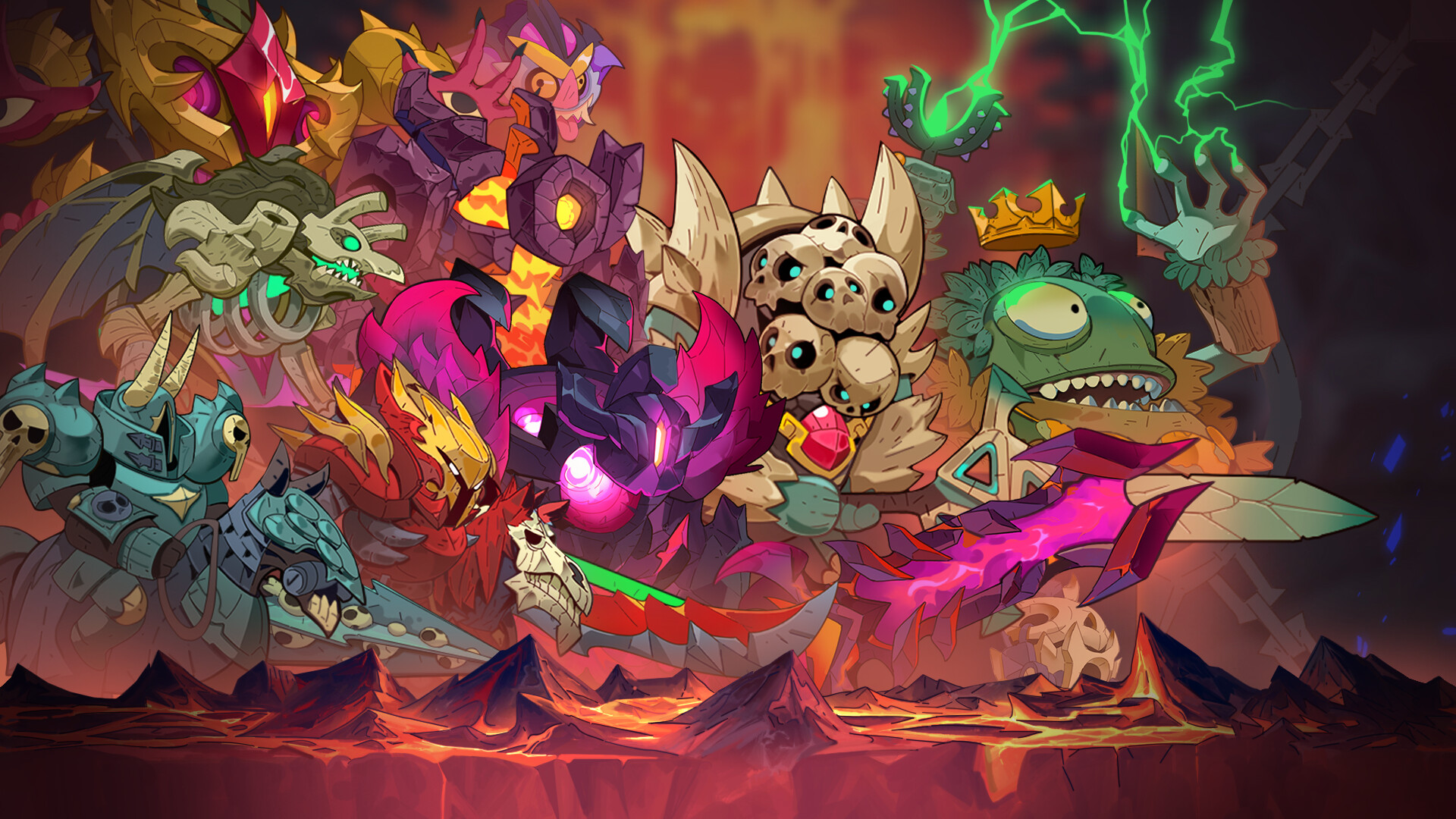
Magicbook AutoBattler: ContractImage: JXGS via Steam -
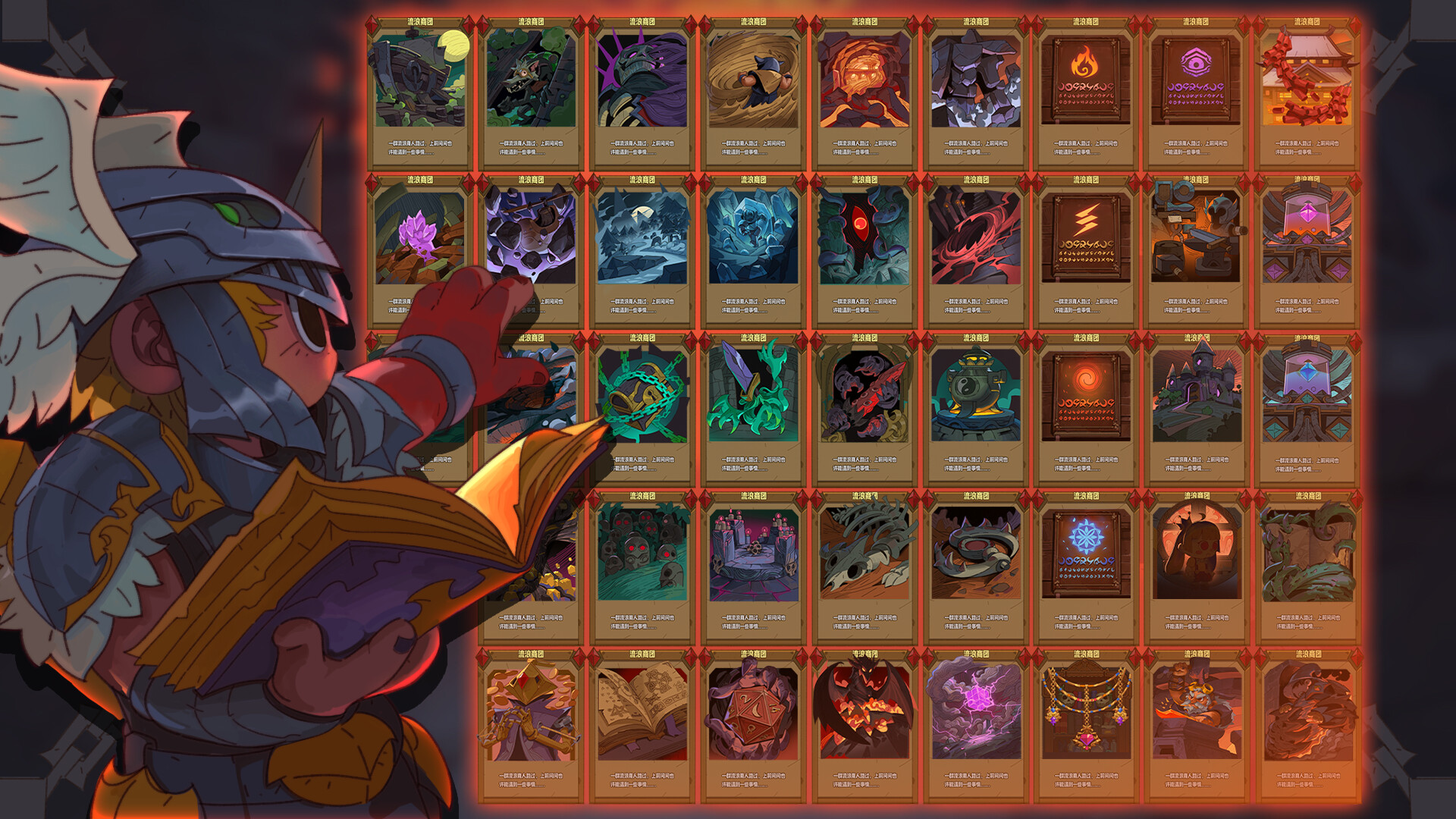
Magicbook AutoBattler: ContractImage: JXGS via Steam -
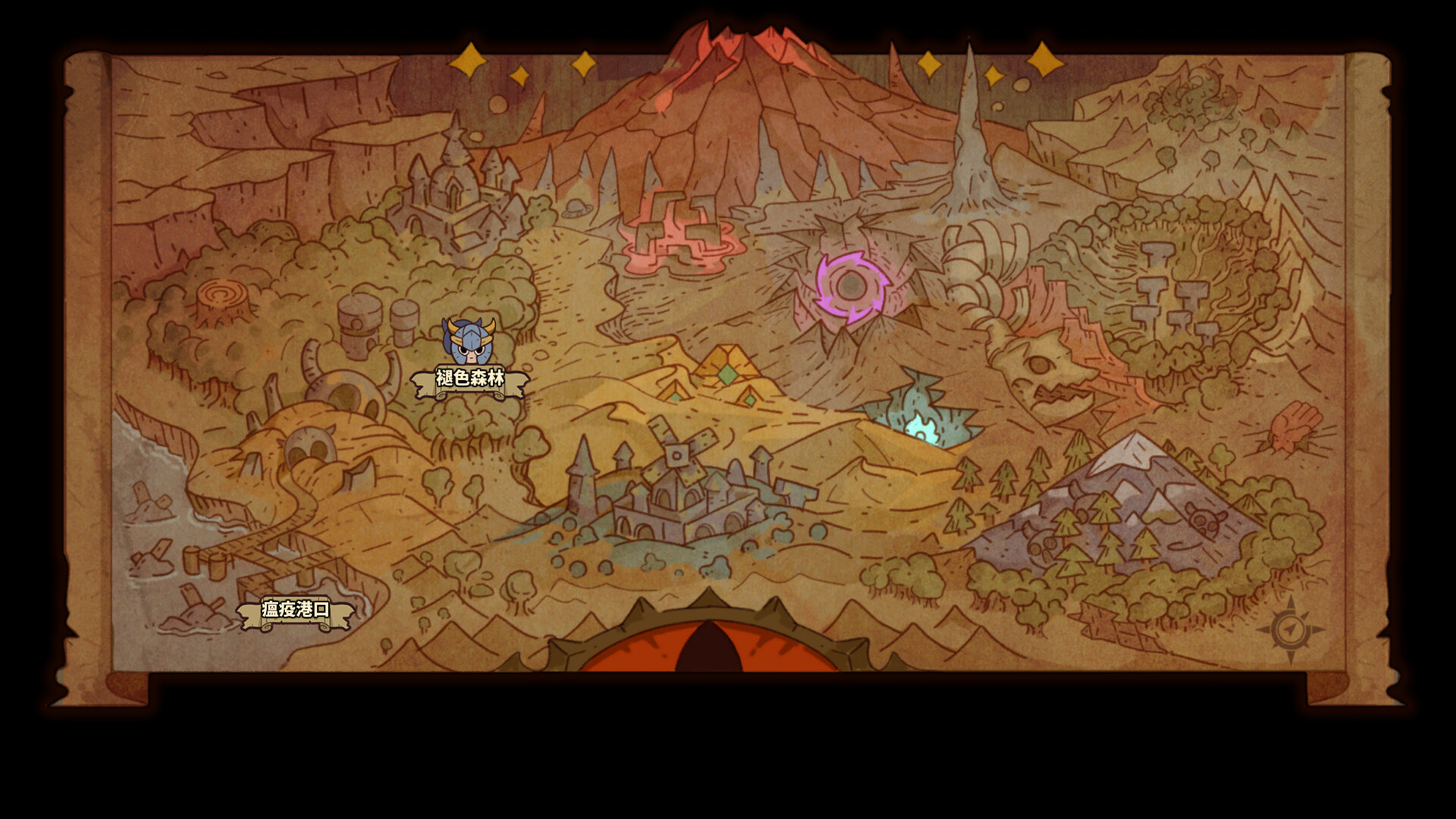
Magicbook AutoBattler: ContractImage: JXGS via Steam -
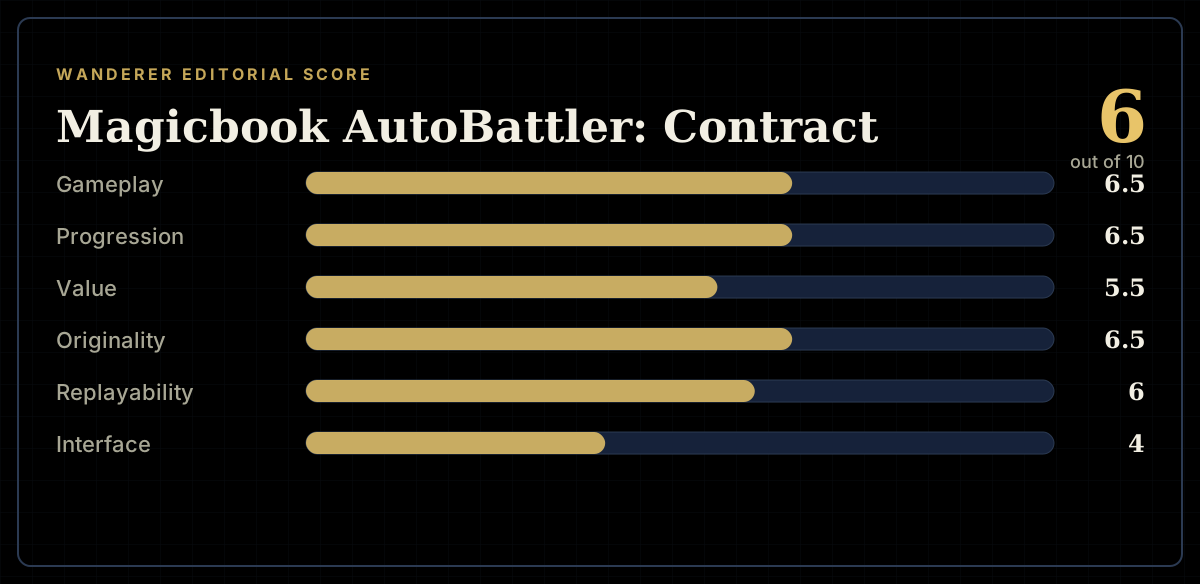
How the review scores each part of the gameWanderer Editorial -
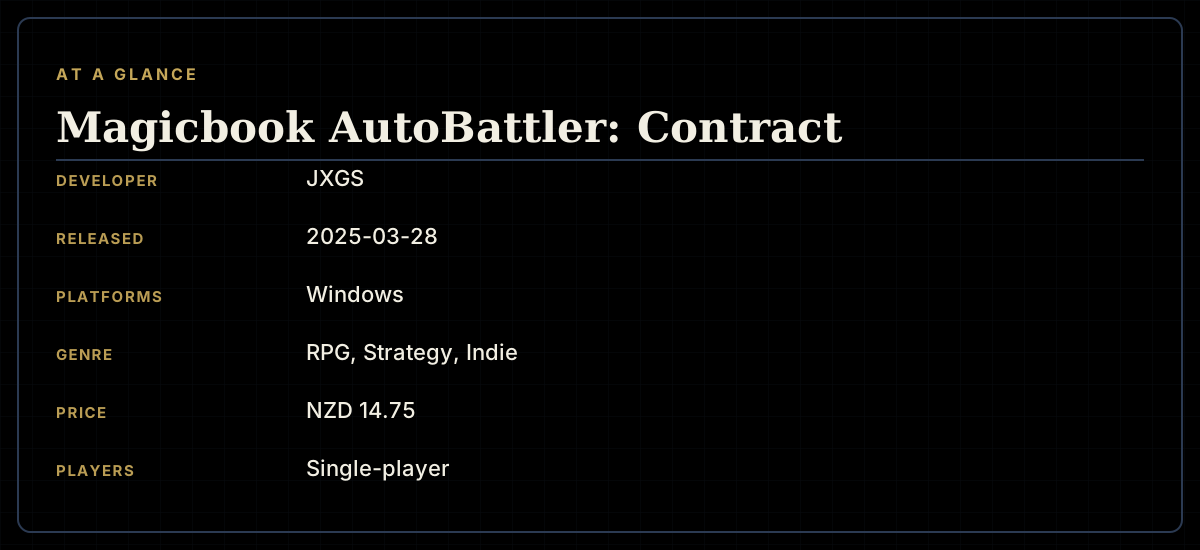
At a glanceWanderer Editorial -
The short versionWanderer Editorial