Game review
Machinefall
6 / 10
- Developer
- Jan Zizka
- Publisher
- Jan Zizka
- Released
- 10 July 2026
- Platforms
- Windows
- Genre
- Strategy
- Monetisation
- One-time purchase, no in-game purchases listed
- Players
- Single-player
The short version
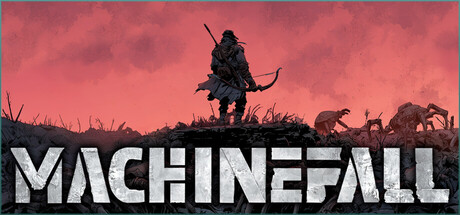
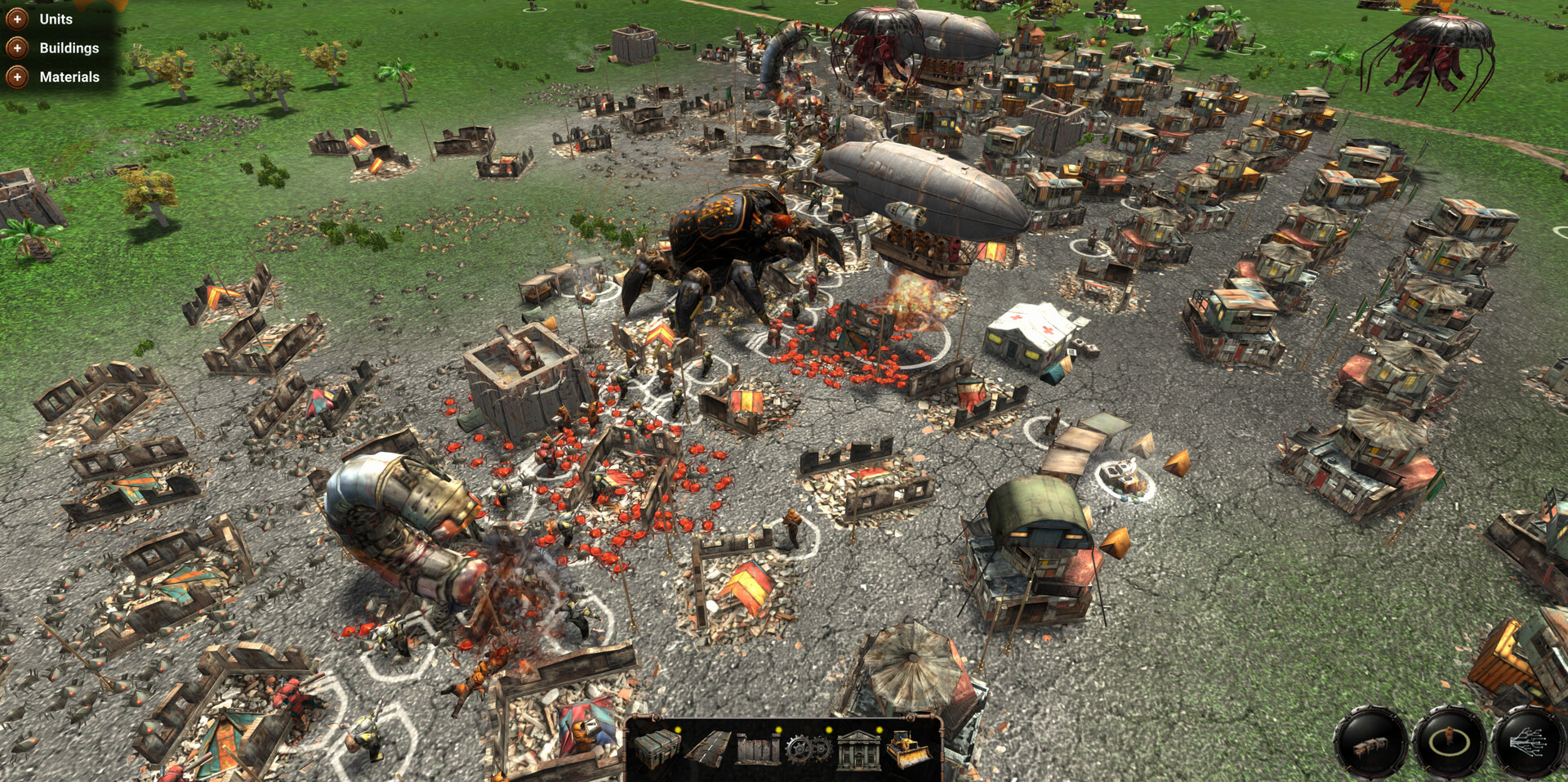
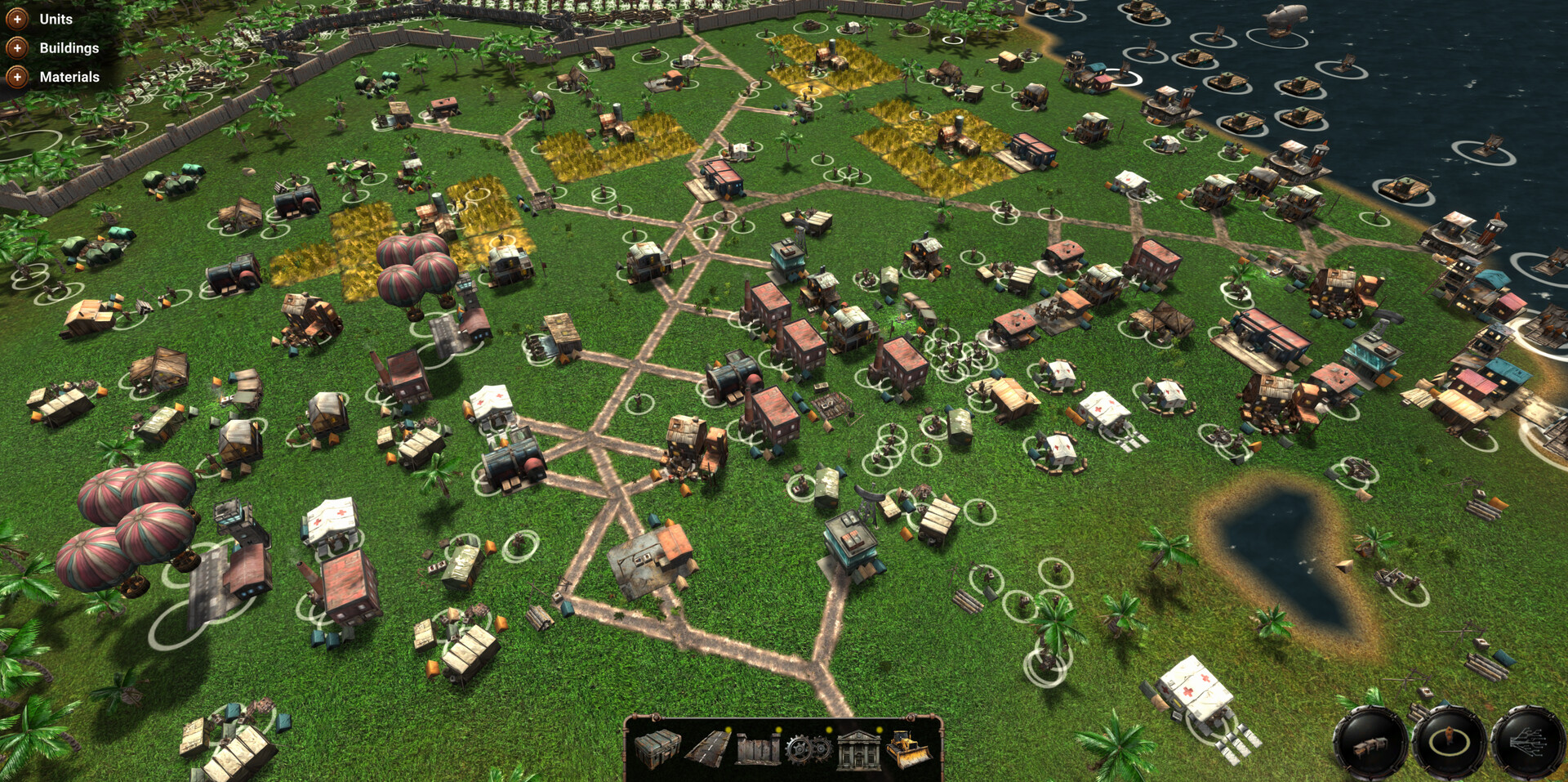
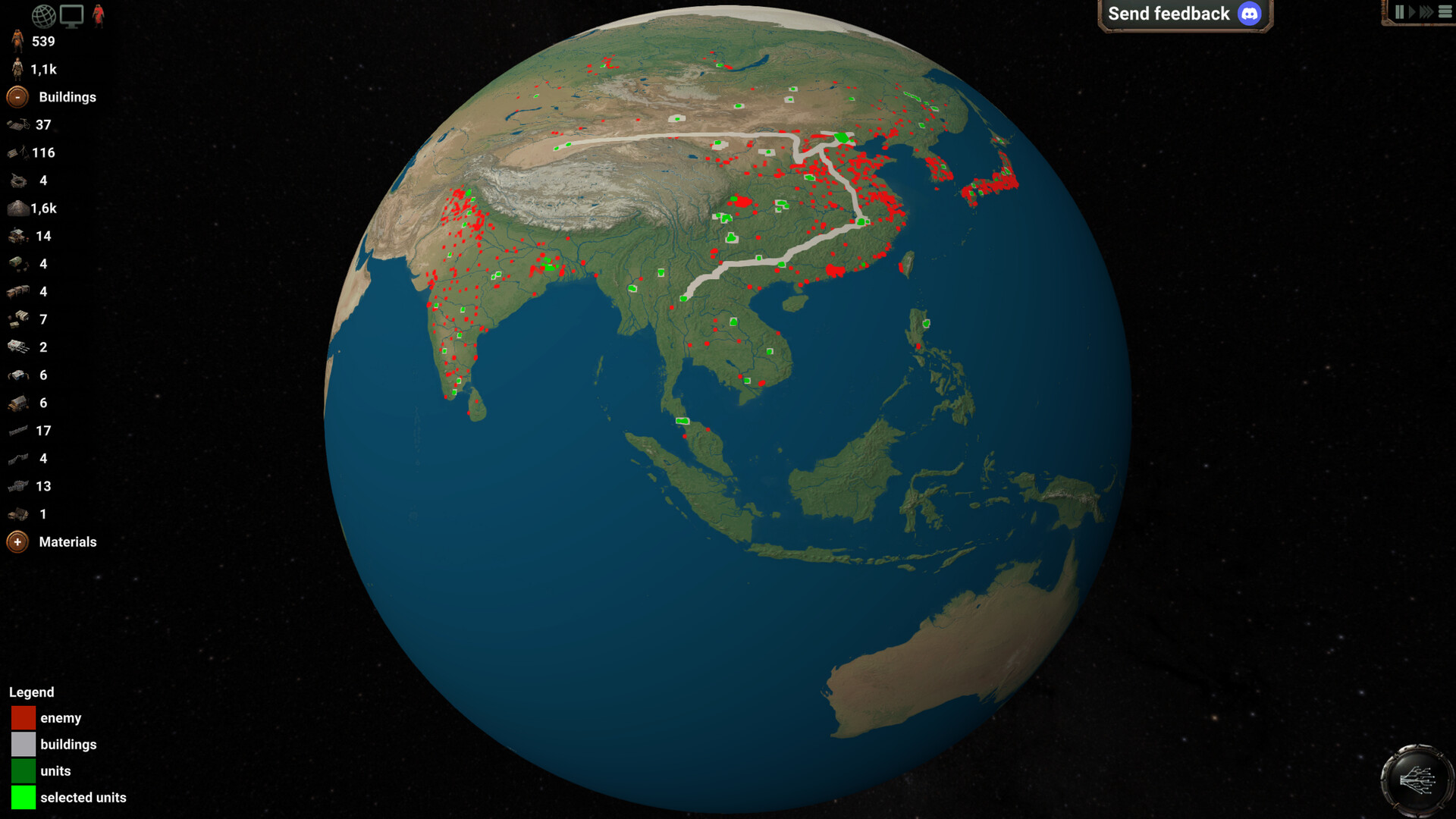
Machinefall, released 10 July 2026 by solo developer Jan Zizka, is a post-apocalyptic real-time strategy game set on a fully playable global map, tasking players with building bases, managing resource logistics and defending against an overwhelming machine swarm. It sits Very Positive with a strong sample of 111 reviews, and reading widely through it turns up genuine enthusiasm for an unusually specific hybrid concept: reviewers repeatedly compare it to a mix of They Are Billions' horde-defense tension, Factorio's production-chain logistics, and a map-painter structure letting players conquer real-world regions one at a time. Set against that praise is a consistent set of specific technical complaints: reported unit-tracking bugs that can lose units entirely during transport between world and regional views, resource and population management that multiple reviewers say breaks down once a player controls several cities at once, and severe reported frame-rate drops during large late-game battles. A further complication concerns disclosed generative AI use in some of the game's content, which several reviewers say is real but was easy to overlook before purchase, provoking a genuinely split reaction between buyers who say it doesn't affect their recommendation and others who specifically cite it as their reason for withdrawing one.
Biggest strengths
- The core hybrid concept draws genuinely enthusiastic, specific praise, with reviewers repeatedly and independently comparing it to a combination of They Are Billions, Factorio and global map-painter games, describing the blend as something they hadn't found elsewhere in the genre
- Multiple reviewers report deep, sustained engagement, including several logging extended overnight sessions and one specifically anticipating dropping at least a hundred hours into the game if its current momentum continues
- The in-game tutorial and contextual "knowledge book" that appears when new mechanics unlock draws specific praise for making a genuinely complex set of interlocking systems approachable
Biggest weaknesses
- Multiple reviewers report specific unit-tracking bugs, including units becoming lost entirely when transported between the world map and regional tactical view, and unclear caps on unit counts when using certain transport types
- Resource and population management is repeatedly described as breaking down at scale, with several reviewers reporting the game doesn't provide adequate tools or explanation for managing multiple cities simultaneously, turning what should be strategic decision-making into frustrating micromanagement
- Severe, specific performance problems are reported during large late-game battles, with one detailed reviewer citing a drop to roughly 5 frames per second even on low graphics settings, and a separate reviewer reporting multi-second freezes when zooming between tactical and regional views
Who it's for: Strategy fans drawn to an ambitious, specific hybrid of horde-defense tension and production-chain logistics who can tolerate real, currently-unresolved technical rough edges from a solo developer's ongoing project.
Our recommendation: Worth checking out for strategy fans specifically excited by its unusual hybrid premise, with realistic expectations about its current bugs and late-game performance; more cautious buyers should wait for further patches or a price drop given how consistently multiple reviewers recommend exactly that.
6 / 10
Introduction
Machinefall, released 10 July 2026 by solo developer Jan Zizka, sets players against an overwhelming machine swarm on a fully playable global map, building bases, managing resource logistics and leading humanity's last survivors through escalating waves of attacks. It sits Very Positive with a strong sample of 111 reviews, and reading widely through that sample reveals real, specific enthusiasm for an unusual combination of genre ideas, tempered by a consistent set of technical complaints that multiple reviewers describe as a solo project still needing real time to mature.
A genuinely fresh hybrid concept
The clearest strength in this review's research is conceptual. Reviewers repeatedly and independently reach for the same comparison set — They Are Billions for its horde-defense tension, Factorio for its production-chain logistics, and global map-painter games for the appeal of conquering real-world regions one at a time — and consistently frame the combination as something they hadn't encountered put together this way before. One reviewer specifically praises the blend of economy and warfare as well thought out for where the game currently sits in development, and multiple reviewers separately report deep, sustained engagement, including sessions running until the early hours of the morning and one player specifically anticipating over a hundred hours of total playtime if their early momentum continues. The in-game tutorial and a contextual "knowledge book" that surfaces automatically when new mechanics unlock draws specific praise for making a genuinely complex web of interlocking systems approachable without demanding external research.
Real bugs at the unit and resource-management level
Set against that enthusiasm, this review found a consistent, specific set of technical complaints. Multiple reviewers report unit-tracking bugs, including units becoming lost entirely when transported between the world map and a regional tactical view, and unclear limits on how many units certain transport types can carry. Resource and population management draws its own repeated complaint: several reviewers state the game currently provides inadequate tools or explanation for managing multiple cities simultaneously, turning strategic decisions about logistics into frustrating, unclear micromanagement once an empire grows past its earliest stage. Combat onboarding specifically draws pointed criticism, with multiple reviewers describing early defense missions that instruct players to hold a position without explaining how to man defensive structures, retreat units under pressure, or otherwise meaningfully respond to an active attack.
Severe performance problems in the late game
Beyond bugs and onboarding, this review found specific, corroborated reports of serious performance issues once a campaign reaches its later stages. One detailed reviewer reports frame rates dropping to roughly 5 frames per second during a final battle even after switching to the lowest available graphics settings, and a separate reviewer describes multi-second freezes every time the camera transitions between tactical and regional map views. These aren't vague complaints about general optimisation — they're specific, reproducible accounts of the game becoming difficult to play at exactly the moments (large, climactic battles) where smooth performance matters most.
A disclosed AI usage that split opinion sharply
A further specific complication concerns the game's use of generative AI, which multiple reviewers confirm is disclosed on the store page but describe as easy to miss before purchasing. This produced a genuinely divided reaction within this sample rather than a uniform one. Several reviewers specifically cite the AI usage as their reason for a negative review despite otherwise liking the underlying concept, with one stating plainly they would likely switch to a positive review if AI elements were removed. Others in the same sample explicitly state the opposite: that they didn't notice the AI content, or don't consider its presence relevant to their overall recommendation, with one bluntly writing "used ai? didnt even notice nor do i care. good job." This review reports both positions as genuinely held within the same review base rather than treating either as more legitimate than the other.
A game still visibly in motion
One useful thread running through this sample is how many reviewers frame their assessment explicitly in terms of trajectory rather than a fixed, final verdict. Several reviewers who played an earlier public demo specifically report the full release as a meaningful step forward, highlighting reduced lag, expanded building and unit variety, and generally more content than what the demo offered — evidence, in their reading, of real, ongoing development rather than a game shipped and abandoned. At least one reviewer separately praises the developer directly as personable and helpful in response to player feedback, a detail that, taken alongside the demo-to-release improvements other reviewers report, paints a picture of an actively maintained solo project rather than a static, finished product. That context doesn't erase the specific bugs and performance problems documented above, but it does inform how several reviewers frame their own patience with them — many explicitly recommend buying in now specifically to support continued development, while others recommend waiting exactly because they'd rather judge a more mature build. Both positions appear repeatedly and specifically enough in this sample that this review treats them as equally legitimate ways to approach a solo-developed strategy game still finding its footing.
Final Verdict
Machinefall pursues a genuinely distinctive hybrid concept — horde-defense tension, production-chain logistics and global map conquest combined in a way this review's research found little direct precedent for — and earns real, specific enthusiasm from reviewers willing to look past its current rough edges. What holds this score down is a consistent, corroborated set of technical problems: unit-tracking bugs, resource management that multiple reviewers say breaks down at scale, severe late-game performance drops, and a disclosed-but-easily-missed AI usage that has genuinely split opinion among its own buyers. Worth checking out now if the concept itself excites you and you can tolerate real jank from an active solo project; more cautious buyers should follow this sample's own frequent advice and wait for further patches or a price drop.
Pros and cons
Pros
- The core hybrid concept draws genuinely enthusiastic, specific praise, with reviewers repeatedly and independently comparing it to a combination of They Are Billions, Factorio and global map-painter games, describing the blend as something they hadn't found elsewhere in the genre
- Multiple reviewers report deep, sustained engagement, including several logging extended overnight sessions and one specifically anticipating dropping at least a hundred hours into the game if its current momentum continues
- The in-game tutorial and contextual "knowledge book" that appears when new mechanics unlock draws specific praise for making a genuinely complex set of interlocking systems approachable
- Several reviewers who played an earlier public demo report the full release representing a meaningful improvement in performance, content and building/unit variety over that demo, suggesting real, visible progress from the developer between builds
Cons
- Multiple reviewers report specific unit-tracking bugs, including units becoming lost entirely when transported between the world map and regional tactical view, and unclear caps on unit counts when using certain transport types
- Resource and population management is repeatedly described as breaking down at scale, with several reviewers reporting the game doesn't provide adequate tools or explanation for managing multiple cities simultaneously, turning what should be strategic decision-making into frustrating micromanagement
- Severe, specific performance problems are reported during large late-game battles, with one detailed reviewer citing a drop to roughly 5 frames per second even on low graphics settings, and a separate reviewer reporting multi-second freezes when zooming between tactical and regional views
- Combat and defense onboarding draws pointed criticism from multiple reviewers, who report being told to defend against an attack with no clear instruction on how to man defensive positions, control retreating units, or otherwise respond to an active threat during early missions
- The game's disclosed generative AI usage provokes a genuinely split reaction: several reviewers say they missed the disclosure before purchasing and specifically cite the practice as their reason for a negative review despite otherwise liking the concept, while others explicitly state they didn't notice or don't consider it relevant to their recommendation
Screenshots
-
MachinefallImage: Jan Zizka via Steam -
MachinefallImage: Jan Zizka via Steam -
MachinefallImage: Jan Zizka via Steam -
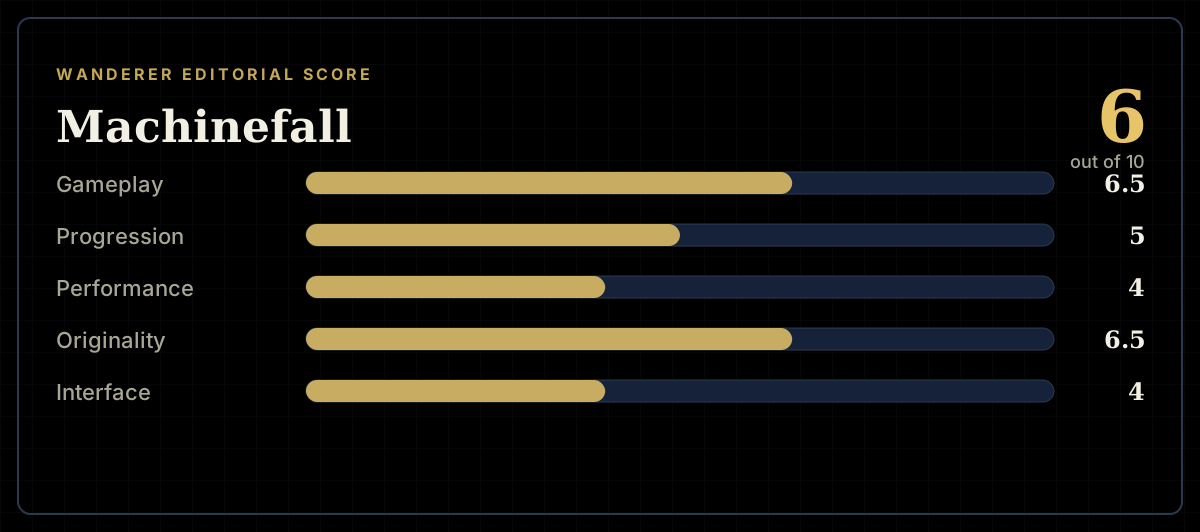
How the review scores each part of the gameWanderer Editorial -
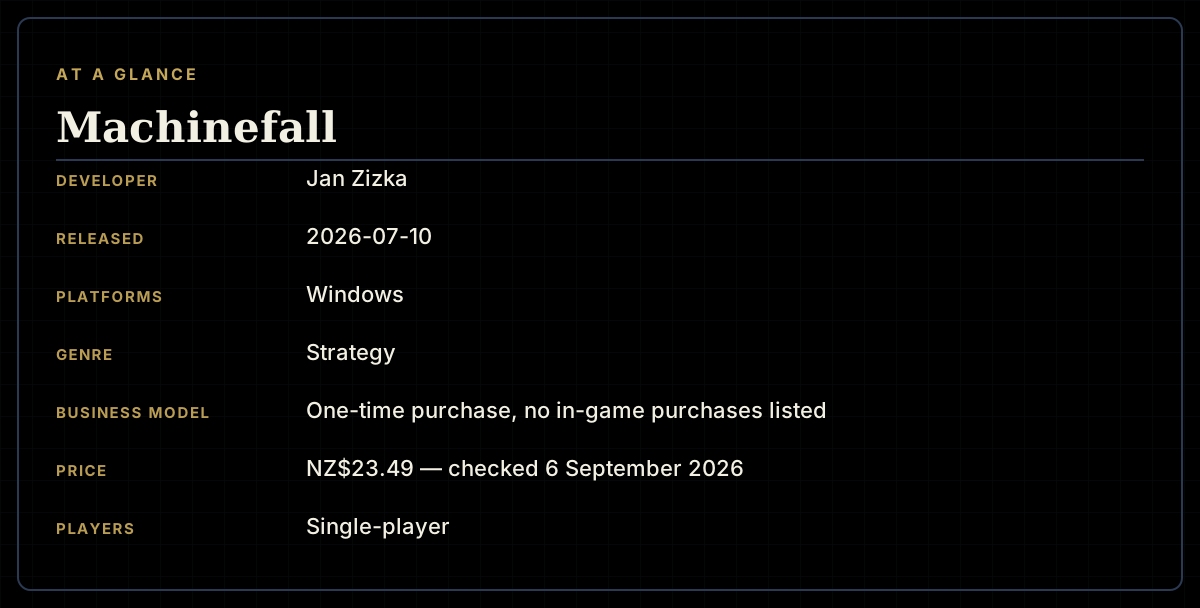
The essentials at a glanceWanderer Editorial -
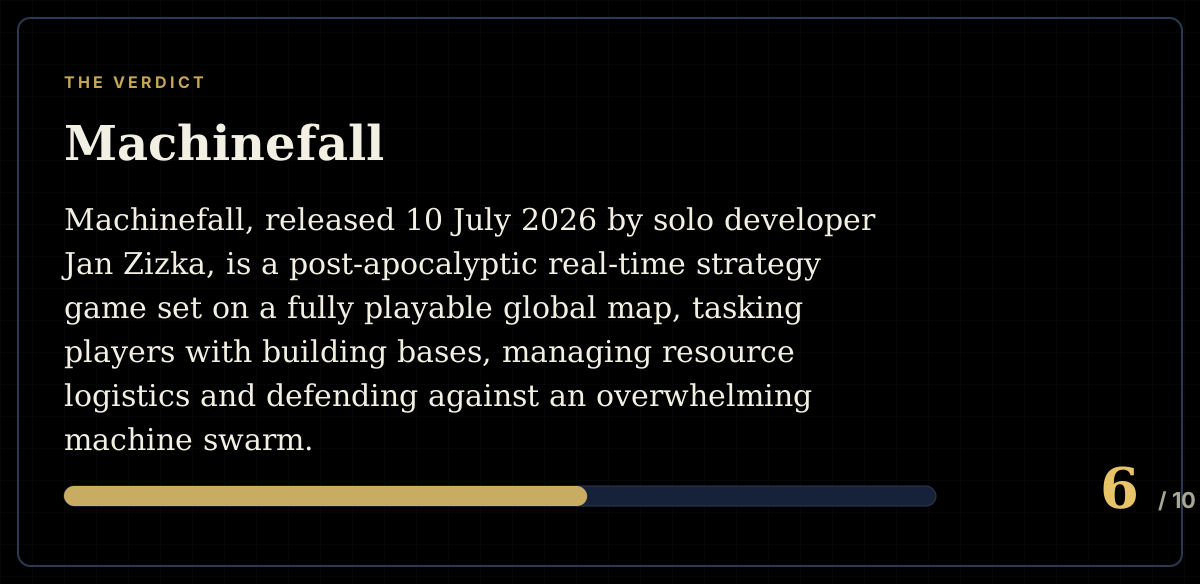
The short versionWanderer Editorial