Game review
Incremental Factory
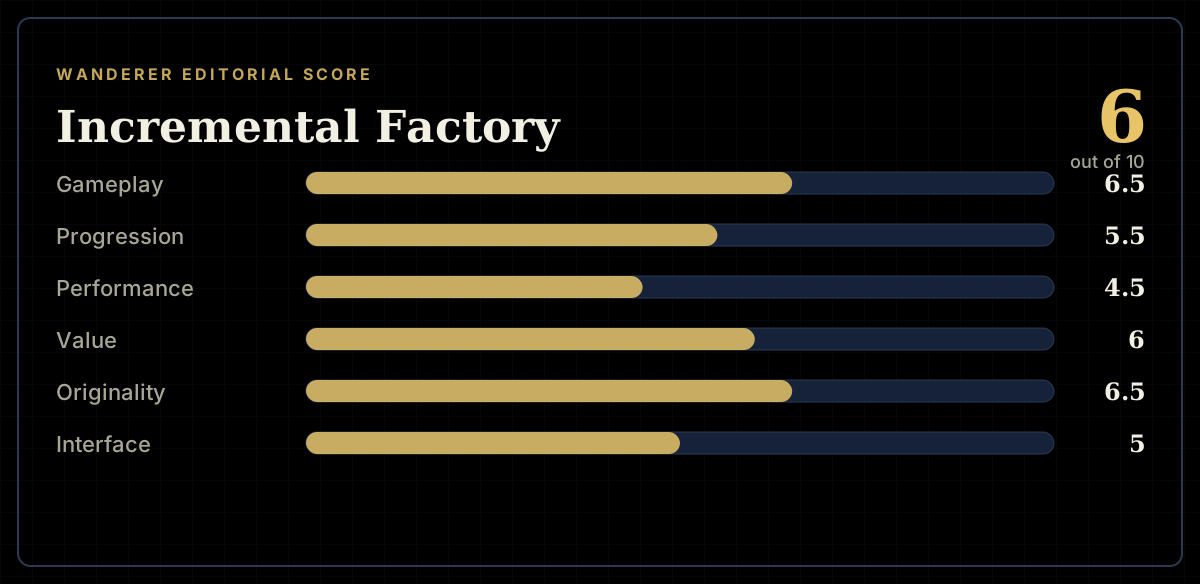
6 / 10
- Developer
- Significant Steak
- Publisher
- Significant Steak
- Released
- 29 January 2024
- Platforms
- Windows, macOS
- Genre
- Incremental Automation Simulation
- Monetisation
- One-off premium purchase, no DLC, no in-app purchases and no premium currency
- Players
- None. Single-player only, with no leaderboard, co-op or shared-progress feature
The short version
Incremental Factory takes Factorio's production-chain-optimisation appeal and strips out the part where you personally run around building everything — parcels move automatically between nodes, and the player's job is designing the network rather than executing it. That's a genuinely good hook, described by more than one reviewer as "Factorio in a spreadsheet," and it's kept a solo developer patching the game for two and a half years of Early Access. What keeps the score down is a cluster of real, specific problems: performance that throttles modern hardware doing what should be simple math, a widely disliked "excavation" combat mode that several players call an outright blocker, and — familiar territory for the genre this year — a persistent complaint that the game doesn't actually progress while minimised or in the background, despite its own name.
Biggest strengths
- The node-based automation loop is a distinctive, well-liked variation on Factorio's core appeal — designing an efficient production chain without personally hauling every resource
- A solo developer has kept shipping substantive content and rebalance patches for two and a half years, including a July 2026 update that specifically removed several long-complained- about progression walls
- Minimalist presentation keeps the focus on the actual optimisation puzzle, and more than one reviewer specifically praises not needing flashy graphics to make a satisfying automation game
Biggest weaknesses
- Multiple reviewers report the game does not run in the background or increment while minimised despite the "Incremental" and idle-adjacent framing, a mismatch between name and actual behaviour that's shown up repeatedly across the review history
- Performance complaints are specific and alarming for a game this visually simple — one review describes CPU throttling on hardware many times more powerful than the store page's stated requirements
- An "excavation" mode added to the game is described by multiple reviewers as poorly designed and, for at least one player, a hard progress blocker rather than an optional diversion
Who it's for: Factorio fans who want the production-chain puzzle without the base-building and personal-logistics workload, and players comfortable with a rough, still-improving Early Access build rather than a finished product.
Our recommendation: Worth it for genre fans at its current price if you can tolerate real performance and stability rough edges; the developer's active, responsive patch history is a genuine point in its favour, but this is not yet the polished version of its own idea.
6 / 10
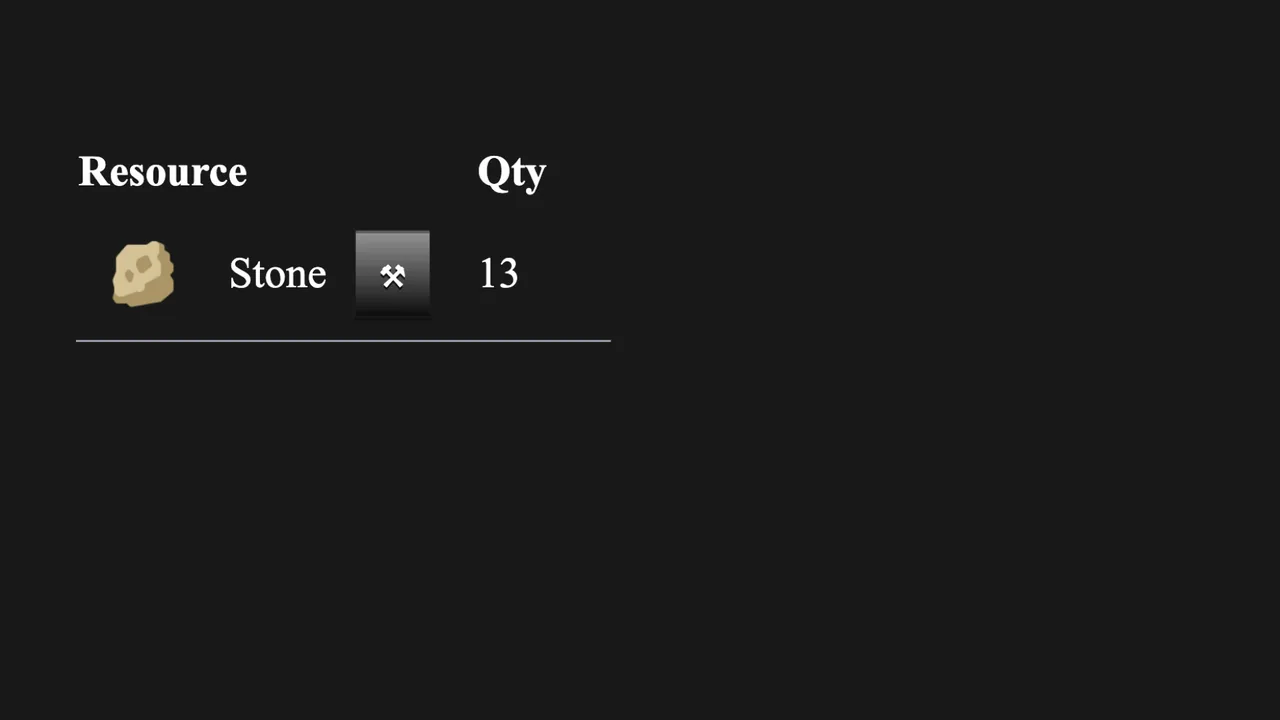
Factorio spawned a whole subgenre of games chasing its specific brand of satisfaction — designing a production chain, watching it hum, spotting the bottleneck, fixing it — without necessarily wanting Factorio's full commitment of personally hauling belts and running from node to node. Incremental Factory, from solo developer Significant Steak, takes that appeal and strips out the legwork entirely: parcels move automatically between the nodes a player designs, and the actual gameplay is the optimisation puzzle rather than its physical execution. More than one reviewer sums it up the same way: "Factorio in a spreadsheet." That's not faint praise for the right audience, and it's kept the game in active development for two and a half years of Early Access.
The hook that keeps people coming back
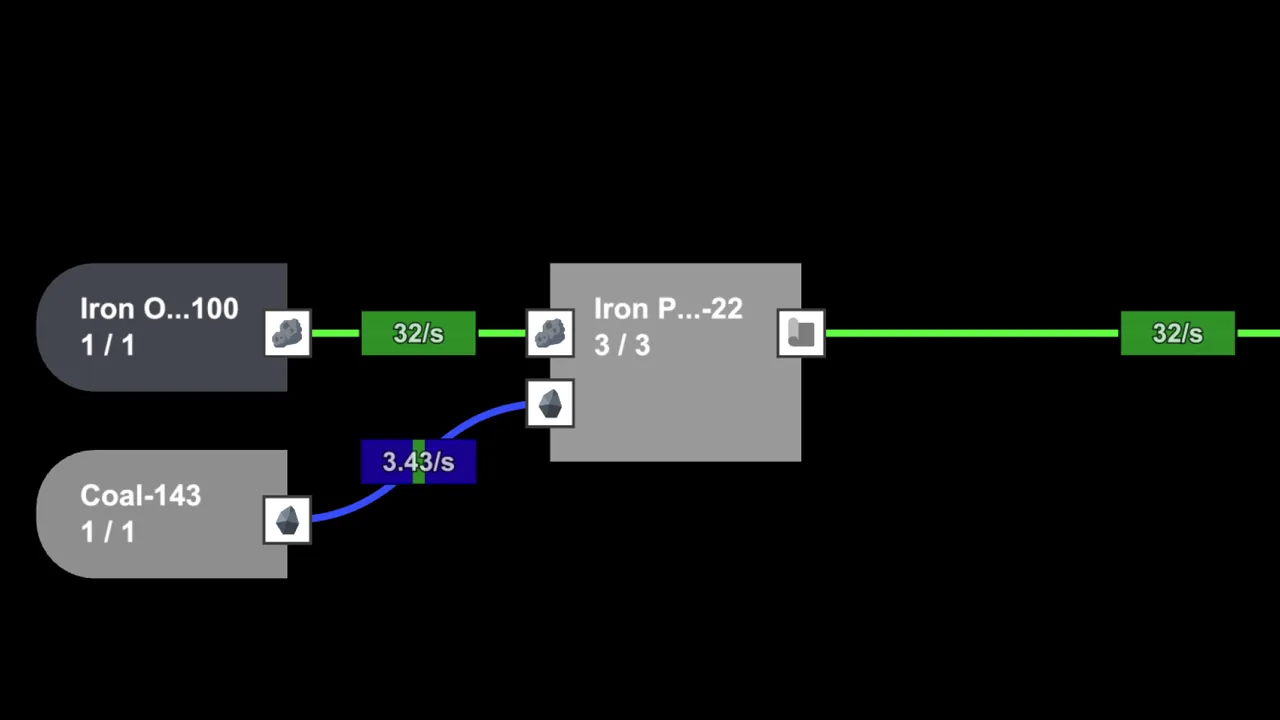
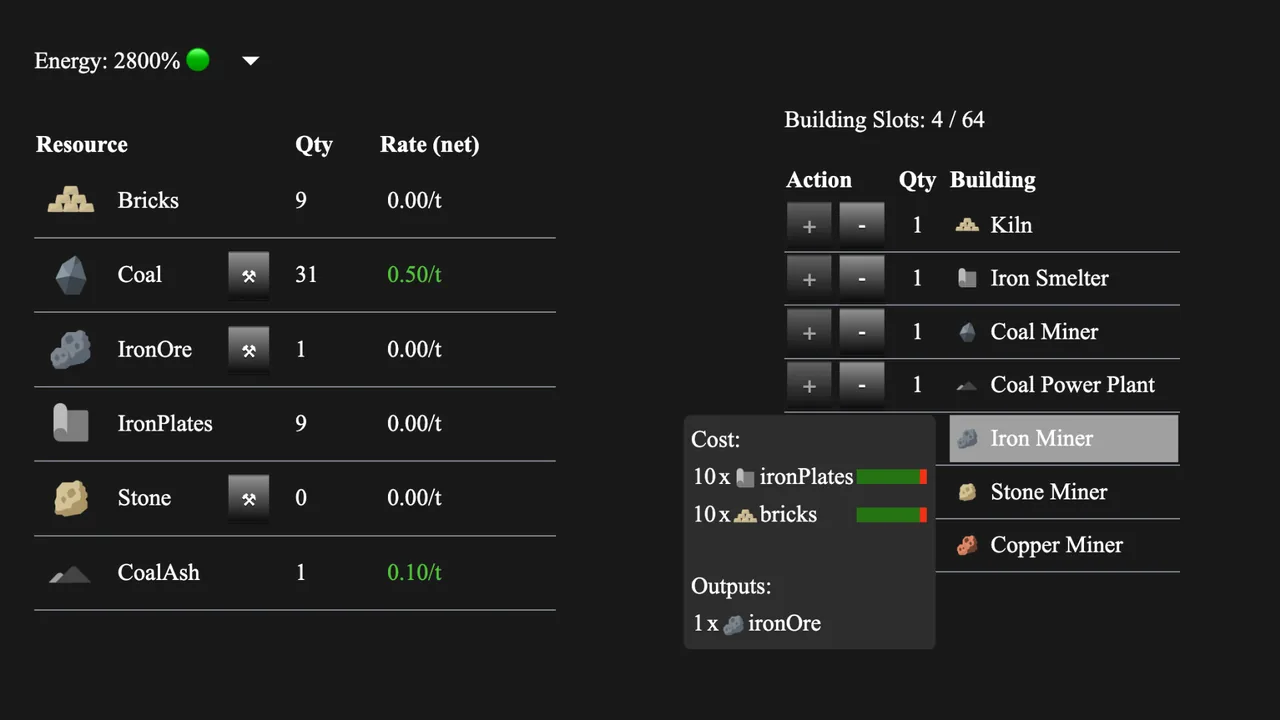
The core design decision — automate the moving, keep the planning — is what separates Incremental Factory from being just a simpler Factorio clone. Players build out networks of production nodes, and the challenge lives entirely in the logistics: routing resources efficiently, identifying where a chain is bottlenecked, and scaling production without wasting capacity. It's a genuinely distinctive take, and reviewers who click with it describe the resulting loop as addictive and satisfying precisely because it strips automation-game appeal down to its purest form — no flashy graphics, no combat distractions in its better moments, just the puzzle.
Where the current build struggles
The trouble is that "current build" is doing real work in that sentence, because Incremental Factory in August 2026 is still very much an Early Access game with Early Access problems. Performance draws the most alarming specific complaints: one reviewer reports the game lagging badly enough to throttle a CPU rated at six times the store page's stated requirements, for a game whose visual footprint is close to a spreadsheet. That's not a minor optimisation gap; it's the kind of report that should worry a prospective buyer more than vaguer "runs a bit slow" complaints usually would.
There's also a genre-familiar irony worth naming directly, because it's shown up in more than one review covered this session already: despite calling itself an incremental — a genre defined partly by continuing to progress while the player is away — several Incremental Factory reviewers report the game simply does not run in the background or while minimised. One puts it bluntly: "Still not Idle. When you play it and go to another tab or stop playing, it still not increment and stop where it before." For a game whose entire name promises otherwise, that's a real mismatch between branding and behaviour, not a nitpick.
A specific piece of added content draws unusually pointed criticism: an "excavation" mode, which multiple reviewers describe as poorly designed, with at least one player calling it "a permanent blocker" preventing further progress rather than an optional side activity. Bugs round out the technical picture — a reported white-screen rendering issue after an update, and a resource- double-counting bug specific enough that the developer's own July 2026 patch notes explicitly call out fixing it ("The Oil Refinery consumes what its recipe says. It was quietly eating double."). The interface and onboarding also draw consistent, if less severe, criticism: several players describe production rates and node logistics as unintuitive and under-explained by the game's own tutorial.
A developer who's still listening
What keeps this from reading as a simple pass is the pattern of the developer's response. The July 2026 "Progression Wall Comes Down" update is a genuinely substantial rebalance: it removes a hidden cap that was silently limiting every resource Source to 1250 per second regardless of research, fixes multiple factories feeding one warehouse from undercounting deliveries, and restructures how upgrade costs scale — all changes that read as direct responses to exactly the kind of progression-wall complaints that show up in the negative review sample. That's a solo developer two and a half years into Early Access still finding and fixing real, specific, player-reported problems, which is a meaningfully different picture from a project that's stalled or coasting.
Where this leaves a buyer
At NZ$13.25, Incremental Factory is priced fairly for what it currently is: a distinctive, promising automation game with a genuinely good central idea, held back by performance problems, a disliked combat-adjacent mode, and a rocky relationship with its own genre framing. Players who specifically want the Factorio puzzle without Factorio's execution overhead, and who are willing to tolerate real rough edges in exchange for watching an actively improving Early Access game develop, will likely get real value here. Players expecting either a polished release or a truly hands-off idle experience should wait — on the evidence of this year's patch notes, waiting may well be rewarded, but the game as it stands today asks for real patience up front.
Pros and cons
Pros
- The node-based automation loop is a distinctive, well-liked variation on Factorio's core appeal — designing an efficient production chain without personally hauling every resource
- A solo developer has kept shipping substantive content and rebalance patches for two and a half years, including a July 2026 update that specifically removed several long-complained- about progression walls
- Minimalist presentation keeps the focus on the actual optimisation puzzle, and more than one reviewer specifically praises not needing flashy graphics to make a satisfying automation game
- Cheap enough that even players who bounce off it in its current rough state describe the purchase as a reasonable bet on a game still being actively improved
Cons
- Multiple reviewers report the game does not run in the background or increment while minimised despite the "Incremental" and idle-adjacent framing, a mismatch between name and actual behaviour that's shown up repeatedly across the review history
- Performance complaints are specific and alarming for a game this visually simple — one review describes CPU throttling on hardware many times more powerful than the store page's stated requirements
- An "excavation" mode added to the game is described by multiple reviewers as poorly designed and, for at least one player, a hard progress blocker rather than an optional diversion
- Real bugs have shipped in updates, including a reported white-screen rendering issue and double-counted resource consumption that a subsequent patch specifically had to fix
- The interface and tutorial are repeatedly described as unintuitive, with production rates and node logistics that several players say aren't well explained by the game itself
Screenshots
-
Incremental FactoryImage: Significant Steak via Steam -
Incremental FactoryImage: Significant Steak via Steam -
Incremental FactoryImage: Significant Steak via Steam -
How the review scores each part of the gameWanderer Editorial -
The short versionWanderer Editorial