Game review
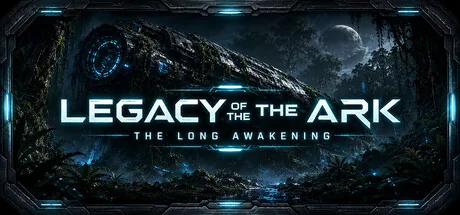
Legacy of the Ark: The Long Awakening
5 / 10
- Developer
- Broken Ark Studios
- Publisher
- Broken Ark Studios
- Released
- 7 July 2026
- Platforms
- Windows
- Genre
- Idle Simulation
- Monetisation
- Free to play with in-app purchases; reviewers describe optional bundles priced above NZ$50, though this review could not independently verify exact tiers through Steam's own listing
- Players
- Single-player only
The short version
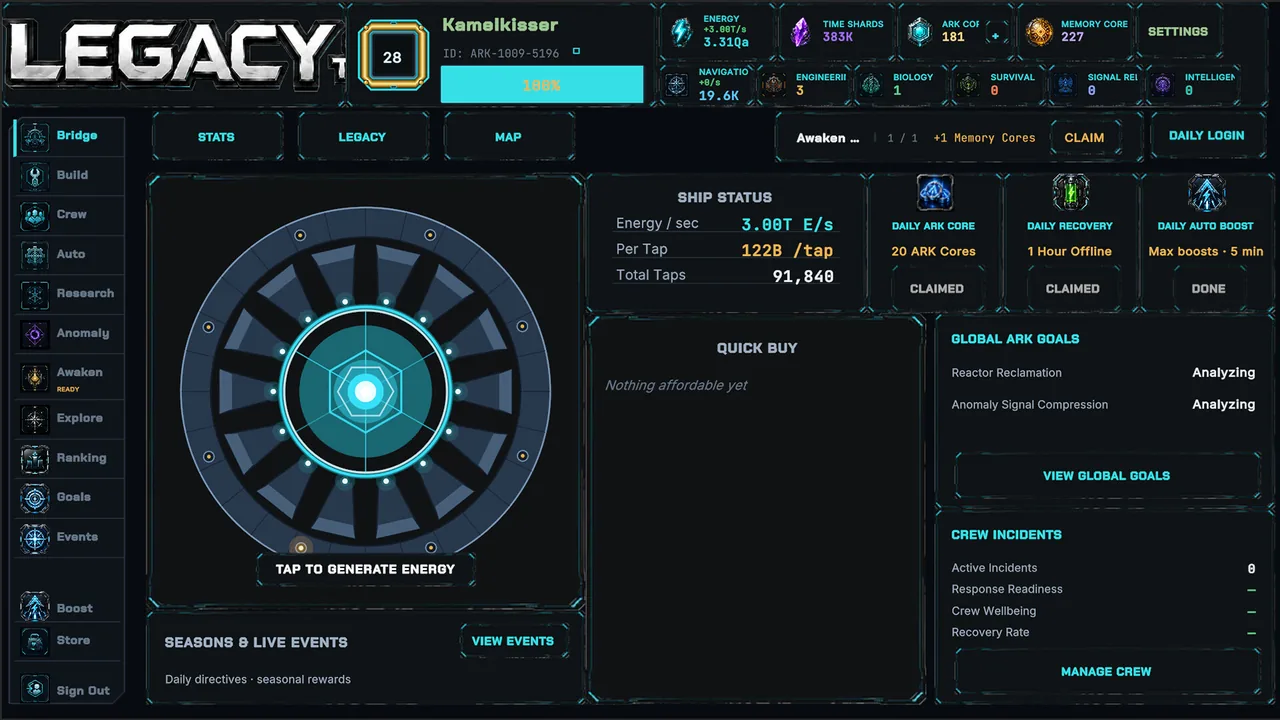
Legacy of the Ark: The Long Awakening puts players aboard a crashed colony ship, rebuilding systems, automating production and uncovering a mystery buried in the vessel's damaged memory banks through an idle-progression loop. It released 7 July 2026, and a month later sits almost exactly split down the middle — 15 positive, 15 negative among its full review sample.
The dominant word in this review's negative sample, appearing across the three most-upvoted reviews and several others, is "AI" — specifically the accusation that the game is AI-generated or "AI slop." This review checked that claim against the store's own AI Generated Content Disclosure rather than treating it as an unverified allegation either way: it states plainly that AI tools were used for concept art direction, store artwork, written content and UI text refinement, with the developer reviewing and implementing everything final. That's a genuine, broad admission — not a denial, and not the vague "some assets" language this library has seen elsewhere — and it substantially corroborates rather than merely echoes what reviewers are describing.
Biggest strengths
- Reviewers who stuck with it describe real depth and narrative ambition beyond the usual incremental loop, with one detailed review specifically praising the sense of "a whole world" unfolding gradually
- Several reviewers explicitly confirm the game is not pay-to-win despite its monetisation — currency and boosts can be purchased, but progression doesn't require it, and the game isn't competitive in a way spending would matter for
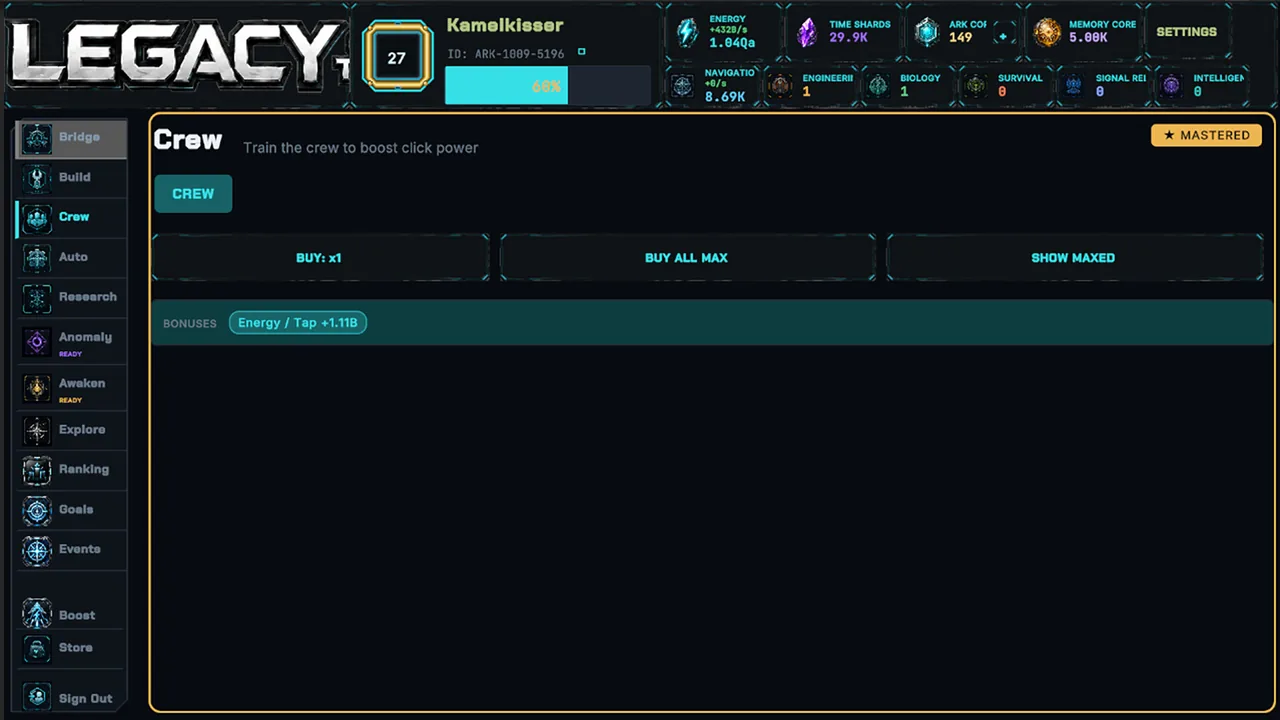
- Cross-progression is supported, letting players continue on phone, tablet or PC, which one reviewer specifically credits as a rare and welcome feature for a free idle release
Biggest weaknesses
- The store's own AI Generated Content Disclosure confirms AI tools were used for concept art, store artwork, written content and UI text — a genuinely broad admission that directly corroborates this sample's single most repeated complaint rather than leaving it as an unverified claim
- Several reviewers describe the monetisation as heavy despite not being strictly pay-to-win, citing bundle prices well above NZ$50; this review could not independently verify exact pricing tiers through Steam's own storefront listing and reports the claim as reviewer testimony rather than a confirmed figure
- A Google account sign-in requirement is flagged by more than one reviewer as an unexpected and unwelcome friction point for a game downloaded through Steam
Who it's for: Idle-genre players curious about a free sci-fi entry with real narrative ambition, who are comfortable with a game whose art, writing and interface were substantially AI-assisted during development. Less suited to anyone for whom that disclosure is a dealbreaker regardless of how the final product plays.
Our recommendation: Worth trying since it's free, but go in aware of two specific, verifiable things before spending any money: the store's own AI content disclosure, and a Google account requirement several reviewers flag as an unwelcome surprise for what's marketed as a standalone Steam release.
5 / 10
Introduction
Legacy of the Ark: The Long Awakening puts players in charge of salvaging a colony ship after a catastrophic crash, rebuilding systems, automating resource production and slowly uncovering a buried mystery through the ship's damaged memory banks. It released 7 July 2026, free to play from Broken Ark Studios, and a month later its review record sits at almost exactly 50/50 — a genuinely divided reception rather than a game leaning clearly one way. This review reads the complete English sample, eighteen reviews, to understand what that split is actually about.
A word that keeps recurring, and what checking it turned up
The single most consistent thread running through this sample's negative reviews isn't about the gameplay loop directly — it's about how the game itself was made. The three most-upvoted negative reviews all lead with the same accusation, independently: "P2W AI generated idle game," "Very clearly overreliant on AI, there are many places where you see a lack of care," and "Deeply monetized AI-slop." That's not one loud voice; it's the dominant framing of this review's entire negative sample.
This review checked that claim against the one place it can actually be verified rather than taking either side's word for it: the store page's own AI Generated Content Disclosure. It states, in the developer's words, that "AI tools were used to assist with concept art direction, store artwork iteration, written content, UI text refinement, and creative planning," while noting all final content was "reviewed, edited, and implemented by the developer." That's a considerably broader admission than the narrower "some placeholder art" or "translation assistance" disclosures this library has seen on other games — it spans visual art, writing and interface text together — and it means the "AI slop" framing in this sample's negative reviews isn't an unverified pile-on. It's substantially corroborated by the developer's own account of how the game was built.
What's worth noting fairly is that even reviewers who acknowledge this and still recommend the game exist in real numbers. "I know a lot of people complain about the ai, but at least the dev fixes problems and helps out," wrote one positive reviewer, and another: "obviously has some AI Generated aspects, but still a good Idle game." The disagreement in this sample isn't really about whether AI was used — that's now a confirmed fact rather than a live question — it's about how much that fact should weigh against everything else the game does.
Monetisation: contested, and one claim this review couldn't confirm
A second recurring thread concerns money. Several reviewers describe the game as heavily monetised, with one specifically noting "$30+ microtransactions" attached to what they consider "basically an AI slopped idle clicker." This review attempted to verify specific pricing tiers through Steam's own storefront listing and could not find a confirmed figure there — the game's in-app purchases appear to run through its own store rather than Steam DLC listings, meaning this review can report the reviewer's claim honestly as testimony rather than a number it independently confirmed. What's worth setting against that complaint: multiple separate reviewers explicitly state the game is not pay-to-win in practice. "It's not P2W like the other reviews have said, you don't need to pay in the slightest," wrote one, and another: "the pay to win doesnt seem terrible." Both readings can be true at once — a monetisation structure can offer real, priced conveniences while still not gating progression behind them, and this sample contains genuine, specific testimony on both sides of that distinction.
What's actually being built underneath
Set the AI and monetisation questions aside, and this sample describes a genuinely more ambitious idle game than the genre's baseline. One detailed review called it "an ambitious blend of idle progression, resource management, and science fiction storytelling that aims to deliver more than the usual incremental experience," and another praised the sense that "there is a whole world here" even after a short session. Cross-progression across phone, tablet and PC draws specific praise as a rare feature for a free idle release, and the absence of forced advertisements is noted favourably against genre norms. Development pace backs up the positive sample's claims about responsiveness directly — Steam's own update history shows named patches and hotfixes landing roughly every one to two days through the back half of July, a genuinely active cadence for a month-old release.
Final Verdict
Legacy of the Ark: The Long Awakening earns its exactly-split reception honestly, because both halves of this review's sample are describing real, verifiable things rather than talking past each other. The AI content disclosure is broad and confirmed, not a rumour — reviewers calling this "AI slop" have real grounds for that read, even if this review's own assessment is that "substantially AI-assisted" and "slop" aren't automatically the same judgment. The monetisation concern is real but contested, with credible testimony on both sides about whether it crosses into pay-to-win. And underneath both arguments sits a genuinely more ambitious idle game than most free entries in this genre attempt, built by a developer patching at a pace that suggests real ongoing investment. It's free, so the only real cost of finding out where you land is your own time — go in with the AI disclosure read and understood, rather than discovering it the way several of this sample's reviewers apparently did.
Pros and cons
Pros
- Reviewers who stuck with it describe real depth and narrative ambition beyond the usual incremental loop, with one detailed review specifically praising the sense of "a whole world" unfolding gradually
- Several reviewers explicitly confirm the game is not pay-to-win despite its monetisation — currency and boosts can be purchased, but progression doesn't require it, and the game isn't competitive in a way spending would matter for
- Cross-progression is supported, letting players continue on phone, tablet or PC, which one reviewer specifically credits as a rare and welcome feature for a free idle release
- Extraordinarily active post-launch support: named updates and hotfixes landed roughly every one to two days through the second half of July, and multiple reviewers independently credit the developer with fixing reported problems quickly
- No forced advertisements interrupting play, which one reviewer specifically contrasts with the genre's more aggressive free-to-play norms
Cons
- The store's own AI Generated Content Disclosure confirms AI tools were used for concept art, store artwork, written content and UI text — a genuinely broad admission that directly corroborates this sample's single most repeated complaint rather than leaving it as an unverified claim
- Several reviewers describe the monetisation as heavy despite not being strictly pay-to-win, citing bundle prices well above NZ$50; this review could not independently verify exact pricing tiers through Steam's own storefront listing and reports the claim as reviewer testimony rather than a confirmed figure
- A Google account sign-in requirement is flagged by more than one reviewer as an unexpected and unwelcome friction point for a game downloaded through Steam
- At least one reviewer describes the core loop as a repetitive "tap tap game" that becomes boring after the opening stretch, with UI complaints layered on top
- This review's English sample is modest — 18 reviews — closely split, and worth reading as an early, genuinely divided signal rather than a settled verdict
Screenshots
-
Legacy of the Ark: The Long AwakeningImage: Broken Ark Studios via Steam -
Legacy of the Ark: The Long AwakeningImage: Broken Ark Studios via Steam -
Legacy of the Ark: The Long AwakeningImage: Broken Ark Studios via Steam -
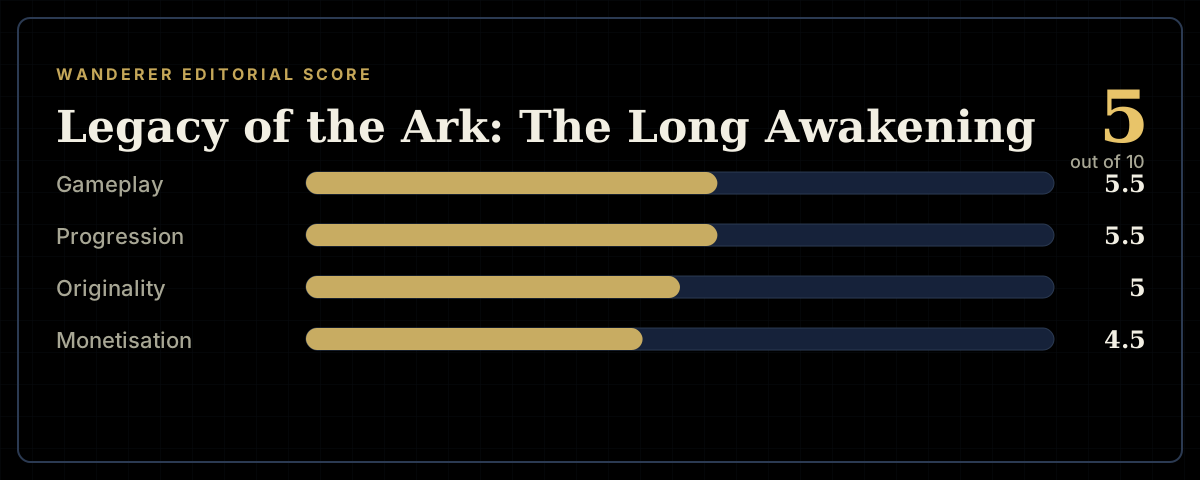
How the review scores each part of the gameWanderer Editorial -
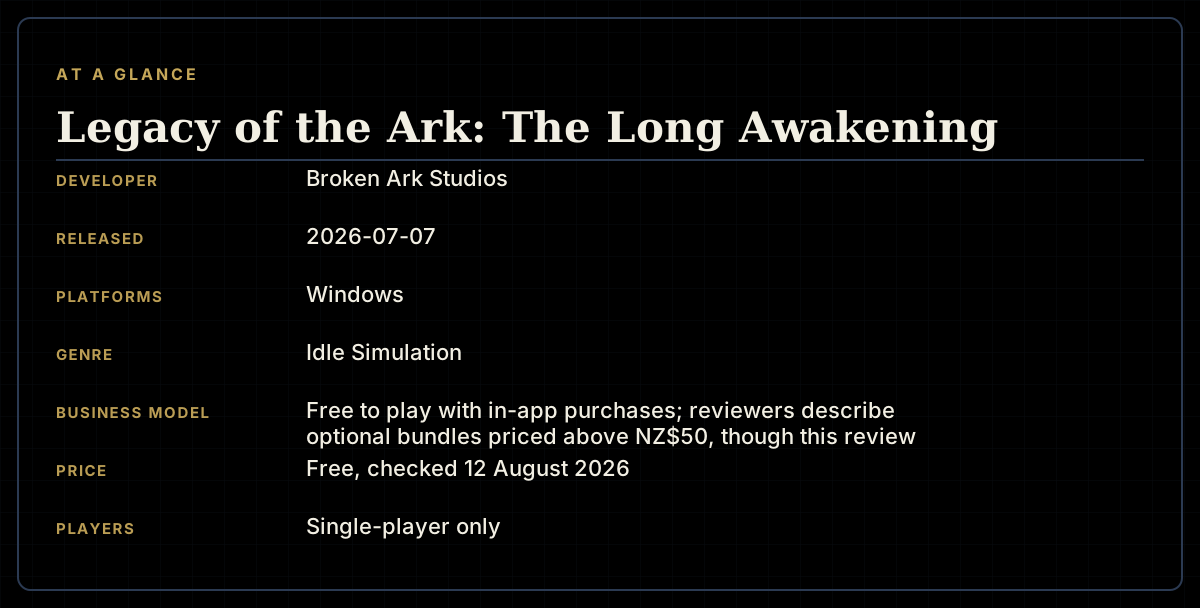
The essentials at a glanceWanderer Editorial -
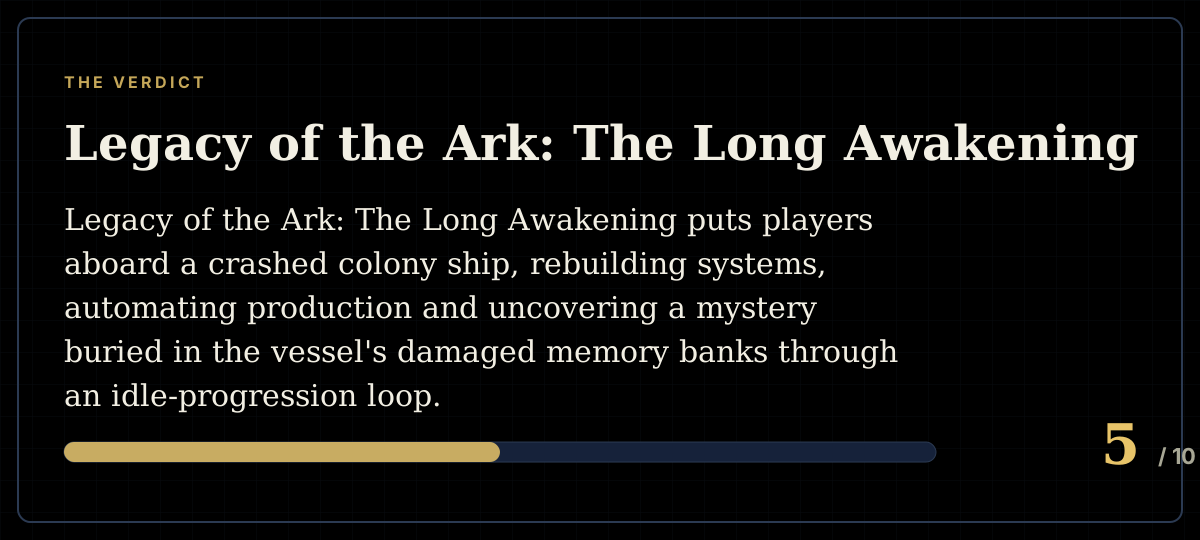
The short versionWanderer Editorial