Game review
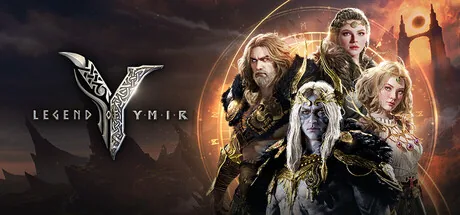
Legend of YMIR
4.5 / 10
- Developer
- Wemade XR
- Publisher
- Wemade
- Released
- 4 April 2026
- Platforms
- Windows, Android, iOS
- Genre
- Action MMORPG
- Monetisation
- Free to play, built around Wemade's WEMIX blockchain ecosystem. Equipment, characters and crafting materials can be minted and traded as NFTs, and a synthetic in-game currency (G-WEMIX) converts to the WEMIX token at a fixed rate. Steam's build keeps the free download but strips out some of the token-trading features found on the WEMIX PLAY client.
- Players
- Persistent-world MMO with clan-based server wars, cross-server monster hunts and contested battlegrounds; five launch classes plus a sixth, the Rune Fighter, added for the Steam release
The short version
Legend of YMIR looks like a triple-A Norse epic and plays like a live-service treadmill wearing one. The Unreal Engine 5 presentation is genuinely strong, and the idea of clan-scale server wars fought over a Norse map is a good one on paper. But the game's entire structure exists to feed a WEMIX token economy, and once the marketing gloss wears off, "skill-based combat" mostly means mashing a basic attack until a boss forces you to pay attention. Free players can technically reach everything paying players can — Wemade is at least honest about that much — but the road is long, the destination keeps moving, and the Steam player base has already voted with its wallets.
Biggest strengths
- Unreal Engine 5 delivers some of the most detailed environment and cutscene art currently running on a free-to-play MMO
- Free-to-play players can reach almost every system paying players can, given enough grind time
- Clan-based server wars and cross-server monster hunts give large groups a genuine reason to log in together
Biggest weaknesses
- Manual combat mostly means holding down the basic attack while abilities come off cooldown, with real decision-making reserved for boss fights
- Progression is paced for a character left running unattended for hours at a time, which turns "active" play into a chore rather than a choice
- Cosmetic-tier purchases carry real stat advantages, so "cosmetic" is a misleading label for exactly the purchases that matter competitively
Who it's for: Players curious about blockchain-backed MMOs, or fans of Wemade's earlier MIR titles who want to see the formula rebuilt in Unreal Engine 5. Best approached as a free download to look at, not a game to commit real money to.
Our recommendation: Play it free, ignore the NFT marketplace and the packaged currency bundles entirely, and treat any character you build as disposable rather than an investment. If the AFK-heavy progression and thin manual combat haven't grabbed you within the first few clan events, nothing later in the loop changes that calculation.
4.5 / 10
Wemade has spent years trying to convince PC players that a blockchain economy can sit inside a proper MMORPG without turning the whole thing into a casino lobby. Legend of YMIR is the company's most polished attempt yet, and it's also the clearest demonstration of why that argument keeps losing. The game genuinely looks the part — Unreal Engine 5 renders its Norse world with a level of environmental detail that most free-to-play MMOs can't touch — and its pitch of clan-scale server wars fought over frozen mountains and burning halls is exactly the kind of large-scale multiplayer spectacle this genre is supposed to deliver. Then you open the shop, the marketplace and the wallet connection screen, and the game underneath the spectacle reveals itself.
A Norse epic wearing Wemade's usual clothes
Legend of YMIR isn't a new idea from Wemade so much as a familiar one in a new engine. The studio built its reputation on the MIR series and its various P2E spin-offs, and YMIR reads as the company's attempt to fuse that formula with the presentation quality Unreal Engine 5 makes possible. The Korean version launched first, in February 2025, as a conventional Web2 game; the global version that followed in October 2025 folded in Wemade's WEMIX blockchain layer from day one, and the Steam release that arrived in April 2026 — with a new Rune Fighter class as its headline addition — is the version most Western players will actually encounter.
That release history matters, because it means the game arrived on Steam already several patches and one full economic system removed from its original shape. Steam's build keeps the free-to-play download and the six playable classes — Berserker, Warlord, Skald, Völva, Archer and the newly added Rune Fighter — but trims some of the token-trading infrastructure that exists on Wemade's own WEMIX PLAY client, largely because Valve's platform policies don't leave much room for open crypto marketplaces. The result is a slightly awkward middle ground: still visibly built around a blockchain economy, but with parts of that economy fenced off depending on where you're playing it.
Combat that sells itself on skill and mostly asks for patience
The pitch is "skill-based combat" with real timing and positioning, and the five original classes do give a decent first impression of that: distinct weapon rhythms, a mix of ranged and melee playstyles, and enough visual clarity in enemy tells that dodging and blocking read as real options rather than decoration. Where it falls apart is in the difference between what a boss fight demands and what everything else does. Regular monster-hunting content, the bread-and-butter activity the game's economy runs on, rewards holding the basic attack button and firing off abilities on cooldown far more than it rewards careful play. It's only once a named boss shows up, with attack patterns actually built to punish careless positioning, that the combat system's better ideas get to do anything. A combat system that only turns on for scripted set-pieces isn't a bad combat system — but it is a much smaller one than the marketing implies, and most of the hours a character spends in this world happen outside those set-pieces.
Progression built for a character that isn't at the keyboard
The uncomfortable truth about Legend of YMIR's pacing is that it's tuned around characters left running with minimal supervision for long stretches, not around a player actively choosing what to do next. Skill books, level gates and gear thresholds ratchet up slowly enough that meaningful manual play barely outpaces what idle progression delivers on its own, which flattens the incentive to actually sit down and play the game rather than check in periodically. That's not automatically a flaw — plenty of successful live-service RPGs lean into low-effort background progression on purpose — but it sits oddly next to a marketing pitch built around "master skill-based combat." Wanderer's own audience knows this territory well: offline progression works when it respects a player's time without making active play pointless. YMIR leans so far toward the former that active play starts to feel optional rather than rewarded, and the grind that's left over feels like a job rather than a hook.
Clan wars: the game's best idea, thinned out by population decline
Server-scale clan warfare is genuinely the strongest structural idea here. Guilds contest territory and gold-bearing objectives across shared servers, cross-server monster hunts pull large groups into competing for the same rewards, and the production values hold up at scale in a way a lot of lower-budget MMOs can't manage. The problem is timing rather than design: public tracking of Steam's concurrent player counts shows a sharp decline from the game's April 2026 launch peak, and a server war built around dozens of active clan members per side gets noticeably less compelling once the population thins out and matches start feeling lopsided or empty. A system built for a crowded launch week doesn't automatically stay fun once the crowd has moved on, and that's the position YMIR's multiplayer content is increasingly in on Steam specifically, even if the picture looks healthier on Wemade's mobile audience.
The WEMIX problem
This is where the review has to spend most of its time, because it's where most of the game's actual player experience gets decided. Legend of YMIR's economy runs through Wemade's WEMIX ecosystem: a synthetic in-game currency called G-WEMIX converts to the WEMIX token at a fixed rate, equipment and characters can be minted as tradeable NFTs, and additional tokens (YMT, YMC) layer further currencies and gift-card-style purchases on top. Wemade's genuine achievement here is that the marketplace functions — free-to-play players really can access most of what paying players have by working the in-game economy and trading on the open market, rather than hitting a hard content wall. That's more than a lot of blockchain games have managed.
What it doesn't fix is the pressure underneath it. Higher-tier cosmetic purchases carry real stat advantages, which makes "cosmetic" a misleading label for exactly the purchases that decide who wins a contested fight. The free path to competitiveness exists, but it's long, and it gets relatively more expensive in time as better gear increasingly comes from crafting materials, rare drops and market activity that reward players who are already ahead. Steam's version adds a further wrinkle: the WEMIX Region Trade Station that mobile and native-client players use isn't available there, so Steam players are funnelled toward a separate regional trading system instead — one more reminder that the PC release is a slightly cut-down version of a game built primarily for Wemade's own crypto-linked client. None of this makes YMIR uniquely predatory by blockchain-game standards. It does make its free-to-play claim technically true and practically exhausting, which is a distinction players notice quickly and rarely forgive.
Reception, stability and the anti-cheat problem
Steam's user reviews for Legend of YMIR sit at Mostly Negative, with roughly one in four all-time reviews positive out of just over a thousand at the time of writing. The recurring complaints line up with everything above — the monetisation pressure, control responsiveness that feels worse than the production values suggest it should — plus a specific, ongoing problem with account bans. Steam Community threads and Wemade's own forum notices document a steady stream of players reporting sudden anti-cheat bans, some contesting them as false positives triggered by remote-access tools, game boosters or cloud-gaming setups rather than actual cheating. Wemade says it investigates reports and continues refining detection, which is the standard response to this kind of complaint, but the volume and specificity of the reports on a fairly young Steam release is a genuine red flag for anyone weighing whether to invest real time in a character here.
Presentation carries the game further than the systems do
None of the above changes the fact that Legend of YMIR is a good-looking game. Environment art, lighting and the cutscene work that frames its Norse mythology are consistently a level above what free-to-play MMORPGs usually deliver, and it's easy to see why Wemade leans on screenshots and trailers rather than systems explanations in its marketing. The presentation is the game's most honest selling point. Everything else asks for more trust than the current version has earned.
Verdict
Legend of YMIR is two different games layered on top of each other: an ambitious, good-looking Norse MMORPG with real ideas about large-scale clan warfare, and a blockchain economy that exists to extract value from exactly the players that first game attracts. The production values are real. The combat is shallower than its marketing claims once you're outside a boss fight. The progression is built for a character left running in the background, not a player at the controls. And the monetisation, while technically not a hard paywall, leans hard enough on stat-bearing "cosmetics" and a crypto-linked marketplace that calling it free-to-play undersells how much of a project staying competitive actually is. A Mostly Negative Steam rating and a steep post-launch drop in concurrent players aren't a coincidence — they're the community's answer to the same question this review is asking.
It's worth a free look for the production values and the novelty of watching a blockchain economy try to behave like a normal MMO one. It's hard to recommend spending real money, or real time, on staying competitive inside it.
Facts, pricing and monetisation checked 31 July 2026.
Players who want persistent progression and gear that actually belongs to them, without a token economy standing between effort and reward, may want to give Wanderer a look instead.
Pros and cons
Pros
- Unreal Engine 5 delivers some of the most detailed environment and cutscene art currently running on a free-to-play MMO
- Free-to-play players can reach almost every system paying players can, given enough grind time
- Clan-based server wars and cross-server monster hunts give large groups a genuine reason to log in together
- Six playable classes, after the Steam-exclusive Rune Fighter, offer real variety in how a character actually plays
Cons
- Manual combat mostly means holding down the basic attack while abilities come off cooldown, with real decision-making reserved for boss fights
- Progression is paced for a character left running unattended for hours at a time, which turns "active" play into a chore rather than a choice
- Cosmetic-tier purchases carry real stat advantages, so "cosmetic" is a misleading label for exactly the purchases that matter competitively
- The WEMIX token layer, NFT trading and region-locked marketplaces add friction and confusion that a straightforward gear-and-gold MMO simply doesn't have
- Steam's user base has turned sharply negative over anti-cheat bans, control responsiveness and the feeling that PC players got a second-class version of the game
Screenshots
-
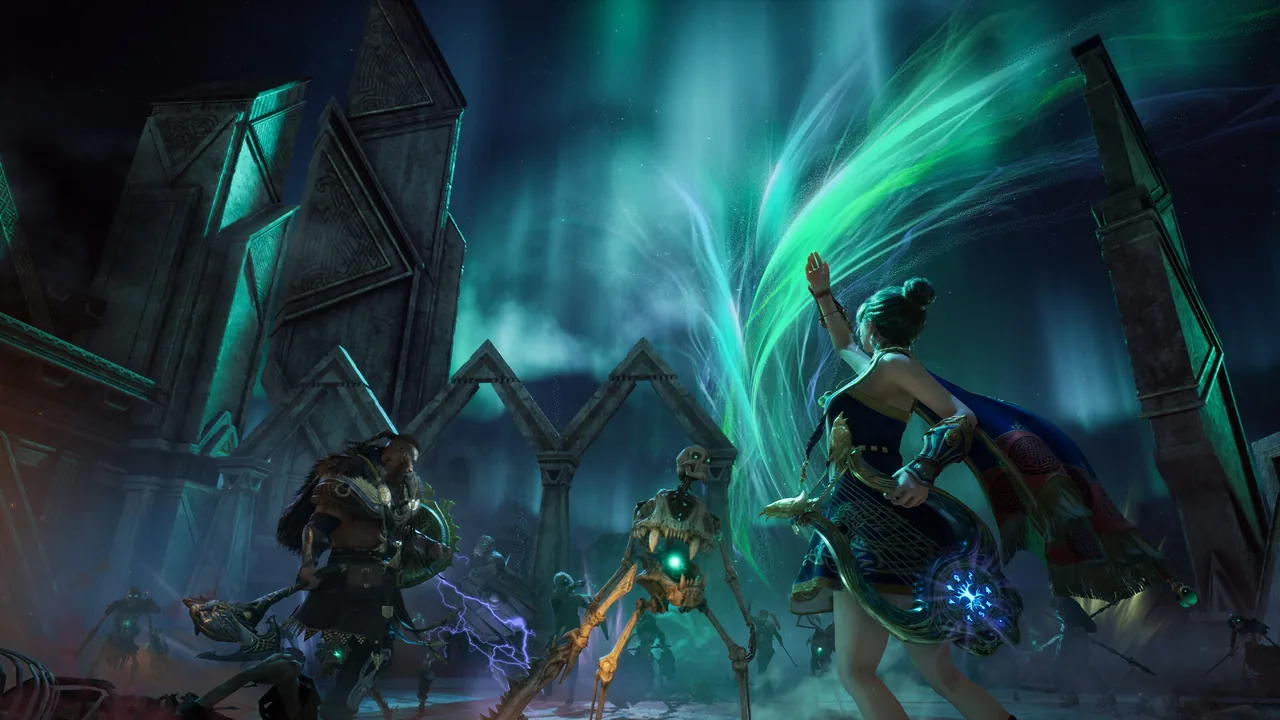
Legend of YMIRImage: Wemade via Steam -
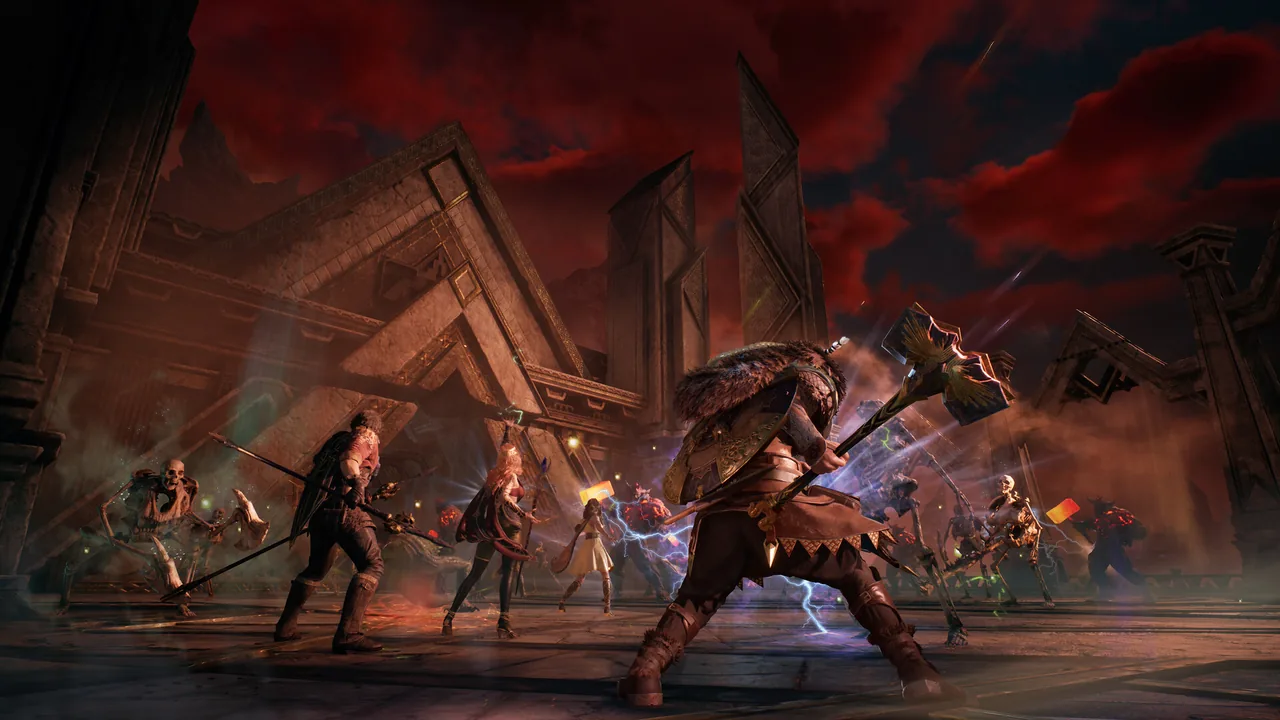
Legend of YMIRImage: Wemade via Steam -
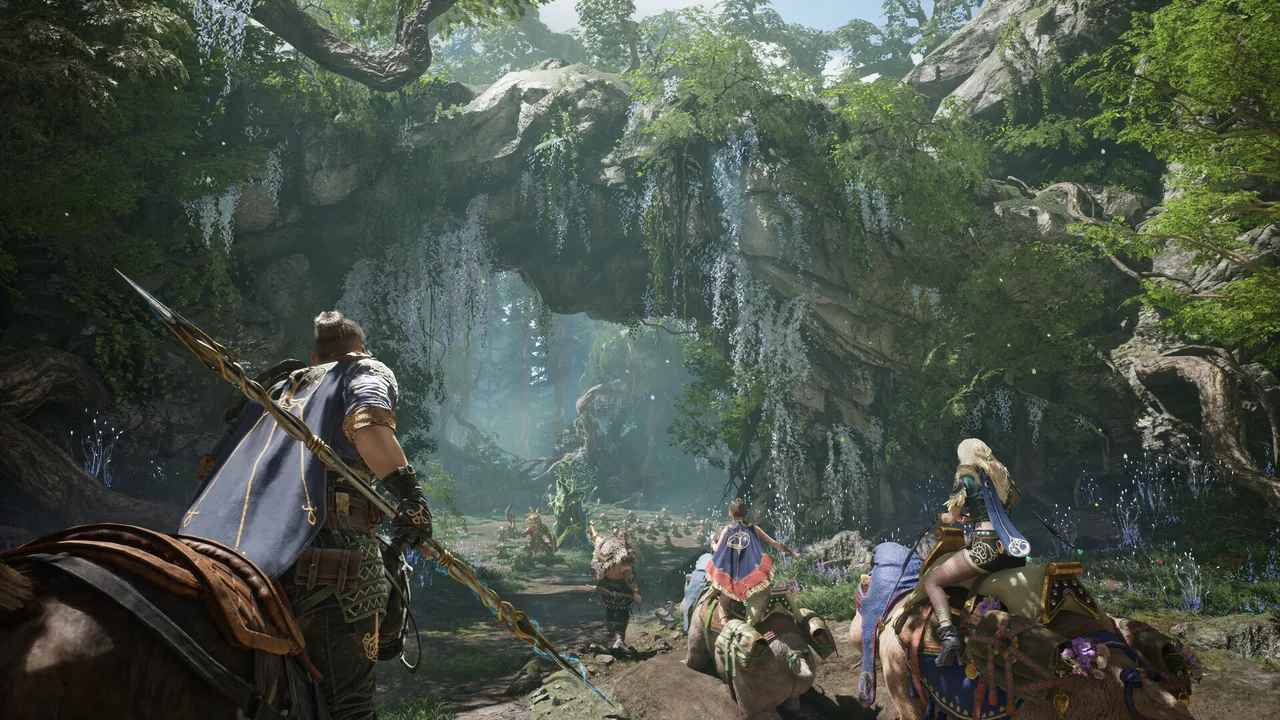
Legend of YMIRImage: Wemade via Steam -
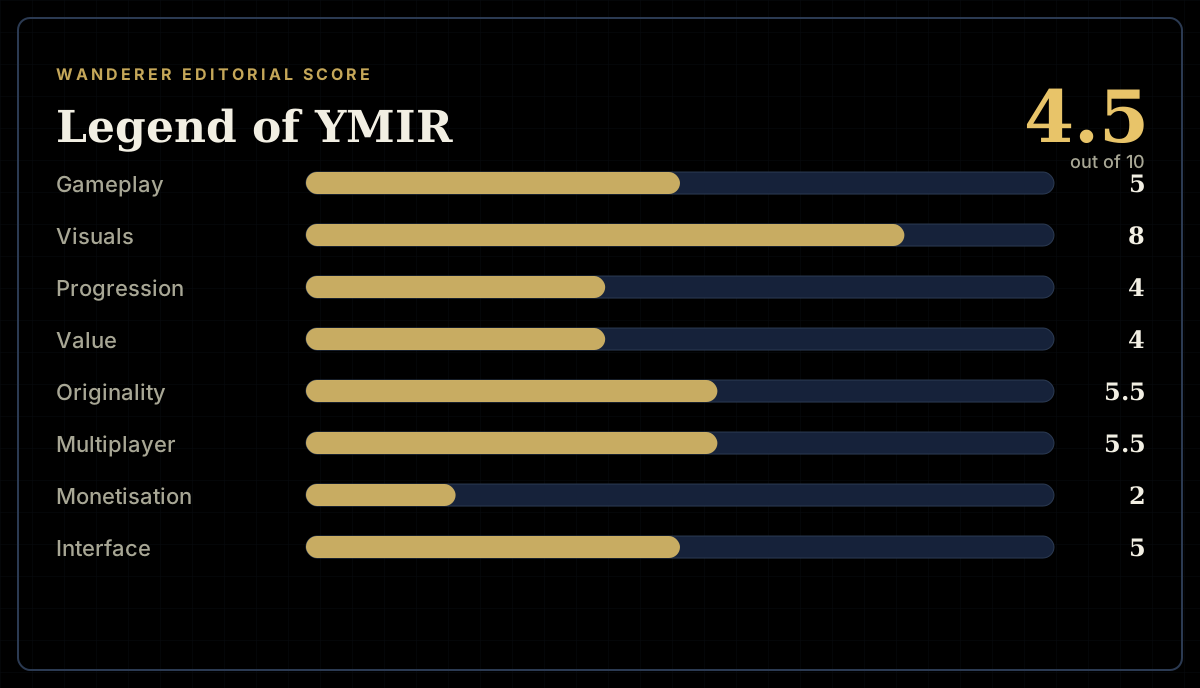
How the review scores each part of the gameWanderer Editorial -
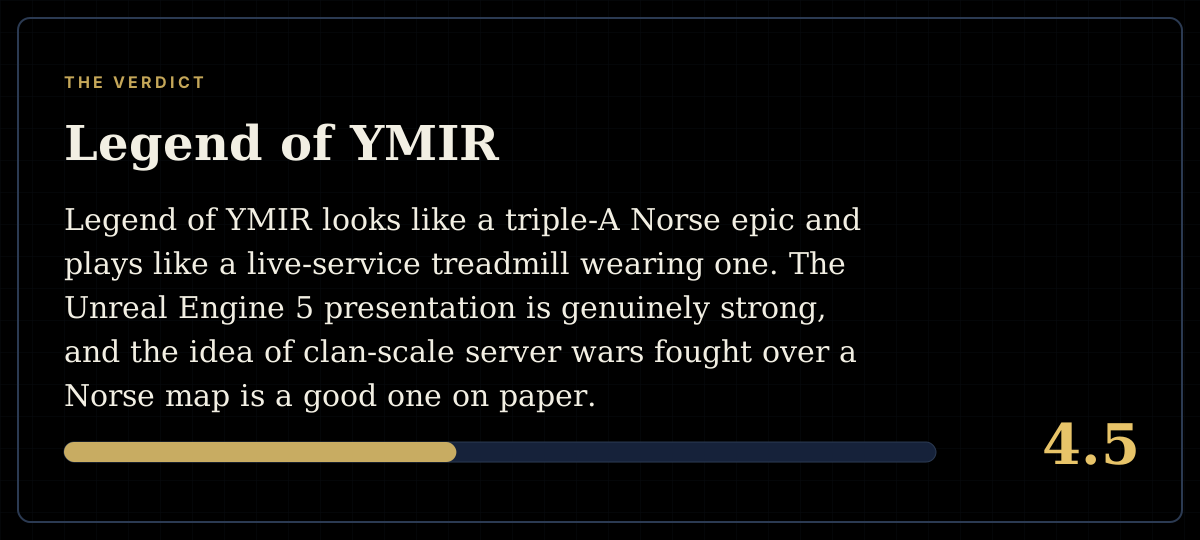
The short versionWanderer Editorial