Game review
Knights and Dungeons
4.5 / 10
- Developer
- Pixelabor
- Publisher
- Pixelabor
- Released
- 12 July 2020
- Platforms
- Windows
- Genre
- Idle Clicker RPG
- Monetisation
- Premium one-time purchase; a paid DLC pack was later added, and the base game's price has changed over time according to reviewers, including a reported period as free
- Players
- Single-player only
The short version
Knights and Dungeons is a small, hand-drawn Clicker Heroes homage from a solo developer whose wider catalogue — dozens of similarly-scoped idle games released in quick succession — is itself part of what this review's own audience keeps discussing. The soundtrack and art style earn real, specific fondness from a genuine slice of players, but a large, detailed and independently corroborated body of reviews describes barely-explained systems, severe pacing problems, and content thin enough that the entire story can be finished in under a minute.
Biggest strengths
- The hand-drawn art style earns specific, genuine fondness from a real slice of the review sample, several of whom call it the game's most distinctive feature
- The soundtrack draws consistent praise as a highlight independent of the game's other shortcomings, with more than one reviewer specifically crediting it with making repeated grinding sessions bearable
- The core Clicker Heroes-inspired loop of fighting through a dungeon, unlocking equipment and ascending for permanent bonuses is functional and recognizable to genre fans, even where its execution draws criticism
Biggest weaknesses
- A large, detailed and independently corroborated body of reviews describes the game as extremely thin on content, with the entire main story reportedly completable in under a minute and no real objective once initial quests are finished
- Core stat systems are reported as barely explained or seemingly nonfunctional, with multiple reviewers specifically naming Dexterity and Mana as attributes the game never clearly uses
- The Ascension mechanic is repeatedly described as breaking the game's own pacing, trivializing skills, equipment and other investment systems almost immediately after being unlocked, alongside a separate complaint of long, empty idle stretches with nothing to do in between milestones
Who it's for: Achievement hunters and idle-genre completionists specifically looking for a very short, very cheap Clicker Heroes-style diversion, more than players wanting depth, explanation, or a polished presentation to match the price of a modern indie release.
Our recommendation: Only worth it at its current low price and only if you specifically enjoy achievement-hunting through short, rough idle games; look elsewhere if you want the genre's more developed systems or any real narrative content.
4.5 / 10
Knights and Dungeons wears its genre inspiration openly and without much disguise: fight through waves of dungeon enemies, unlock better gear, and eventually "Ascend" for a permanent power boost, in the Clicker Heroes mold that shaped an entire generation of idle games. What sets this one apart from the crowded genre isn't a twist on that formula — it's a solo developer's rapid-fire catalogue of very similar games, which shows up in the reviews here almost as often as the game itself does.
A charming surface, genuinely liked by a real, if narrow, slice of players
Credit where it's due: the hand-drawn art style draws specific, repeated fondness, and the soundtrack earns consistent praise as a highlight independent of everything else, with more than one reviewer crediting the music directly with making repetitive sessions more bearable. A genuine minority of the review sample describes real affection for the game — its charm, its low stakes, its worth as a short achievement-hunting diversion — and that affection isn't performative; several of these reviewers have logged real hours and speak specifically about what they enjoyed rather than offering vague praise.
Content genuinely thinner than even a cheap idle game typically offers
The dominant complaint, though, is substance. A large, detailed body of reviews describes the game's actual content as extremely sparse: the main story is reported completable in under a minute, quests run out almost immediately, and core stat systems like Dexterity and Mana are described by multiple independent reviewers as barely explained or seemingly unused by anything in the game. That's a specific, checkable-sounding complaint repeated closely enough across unrelated reviewers to treat as an accurate account of the game's actual scope rather than isolated frustration.
Pacing draws its own sharply corroborated criticism. Several reviewers describe long, genuinely empty stretches of idle waiting with nothing new to engage with, followed by an Ascension mechanic that then trivializes skills, equipment and other investment systems almost as soon as it unlocks — the exact tension between "too slow" and "too fast" that a well-tuned idle game is supposed to resolve, described here as unresolved in both directions at once.
A developer whose much broader catalogue is genuinely part of the story here
What makes this review sample unusual is how often reviewers bring up context beyond the game itself. Pixelabor's public history shows a genuinely large catalogue of similarly-scoped idle games released in rapid succession — Knight's Pride, Greed Knights, several different "IDLE" titles, and more — frequently bundled into shared, simultaneous discounts across the whole catalogue. Multiple reviewers who say they've played several of these games independently describe a consistent pattern: functional but shallow design repeated across releases rather than depth concentrated into any one of them. This review can't verify motive or judge that broader pattern as a whole, but it's directly relevant, reviewer-cited context for anyone deciding whether Knights and Dungeons specifically represents a one-off rough launch or one entry in a much larger, thinner body of work. Separately, at least one reviewer describes a "This game is being retired!" announcement they characterize as misleading marketing aimed at collectors of delisted games; this review can confirm a retirement announcement of that name does exist in the developer's own posted history, but cannot verify the reviewer's specific characterization of its intent.
A small, honest achievement list that reflects a genuinely small game
Global achievement data is a useful, if blunt, confirmation of the game's modest scope: there are only eleven achievements in total, and even the deepest progression goal clears over 11% of owners, a relatively gentle curve compared to most games this lane has covered. That's not necessarily a criticism on its own — a short game with a short achievement list is internally consistent — but it does support reviewers' accounts that there simply isn't much game here to measure, rather than a large, difficult experience most players fail to finish.
A specific progress-loss bug and a specific pricing complaint worth naming directly
Two narrower, more concrete issues deserve direct mention. At least one reviewer reports losing all progress after accidentally pressing "New Game" with no confirmation prompt to prevent it — a basic safeguard missing from a genre where losing hours of idle progress is a real cost. Separately, multiple reviewers reference the game's price changing over time, with at least one describing it as having been free when they originally acquired it and later becoming a paid title, prompting them to revise their own review specifically because of that change rather than anything about the game itself. This review can't verify the full pricing history independently, but the complaint recurs specifically enough to flag directly: check the current price against your own expectations rather than assuming it matches whatever a given review describes.
Verdict
Knights and Dungeons has real, if narrow, appeal — a hand-drawn art style and soundtrack a genuine slice of players specifically enjoy, wrapped around a recognizable idle-RPG loop. What holds it to a low score is content thin even by the modest standards of a cheap idle game, barely-explained systems, and pacing that swings between empty idle stretches and a mechanic that trivializes everything else almost immediately. Worth its very low price only for genre completionists specifically hunting achievements; everyone else will very likely find considerably more depth and polish elsewhere in this same crowded genre for a comparable or even lower price.
Pros and cons
Pros
- The hand-drawn art style earns specific, genuine fondness from a real slice of the review sample, several of whom call it the game's most distinctive feature
- The soundtrack draws consistent praise as a highlight independent of the game's other shortcomings, with more than one reviewer specifically crediting it with making repeated grinding sessions bearable
- The core Clicker Heroes-inspired loop of fighting through a dungeon, unlocking equipment and ascending for permanent bonuses is functional and recognizable to genre fans, even where its execution draws criticism
- The price is very low even by idle-genre standards, and several reviewers frame it as a reasonable, low-risk way to support a solo developer's early work rather than a serious purchase decision
- The developer was directly and rapidly responsive to bug reports in the weeks after launch, shipping dozens of small, specifically-named fixes in quick succession
Cons
- A large, detailed and independently corroborated body of reviews describes the game as extremely thin on content, with the entire main story reportedly completable in under a minute and no real objective once initial quests are finished
- Core stat systems are reported as barely explained or seemingly nonfunctional, with multiple reviewers specifically naming Dexterity and Mana as attributes the game never clearly uses
- The Ascension mechanic is repeatedly described as breaking the game's own pacing, trivializing skills, equipment and other investment systems almost immediately after being unlocked, alongside a separate complaint of long, empty idle stretches with nothing to do in between milestones
- Interface and presentation draw sustained criticism beyond simple rough edges, including reported spelling errors in core UI text and a general lack of polish reviewers say falls short even for the price
- The developer's broader catalogue — dozens of similarly-scoped idle games released in rapid succession, frequently bundled into shared storewide discounts — is directly referenced by multiple reviewers as part of their overall impression, several describing a pattern of competent but shallow, quickly-produced games rather than one deeply developed project
Screenshots
-
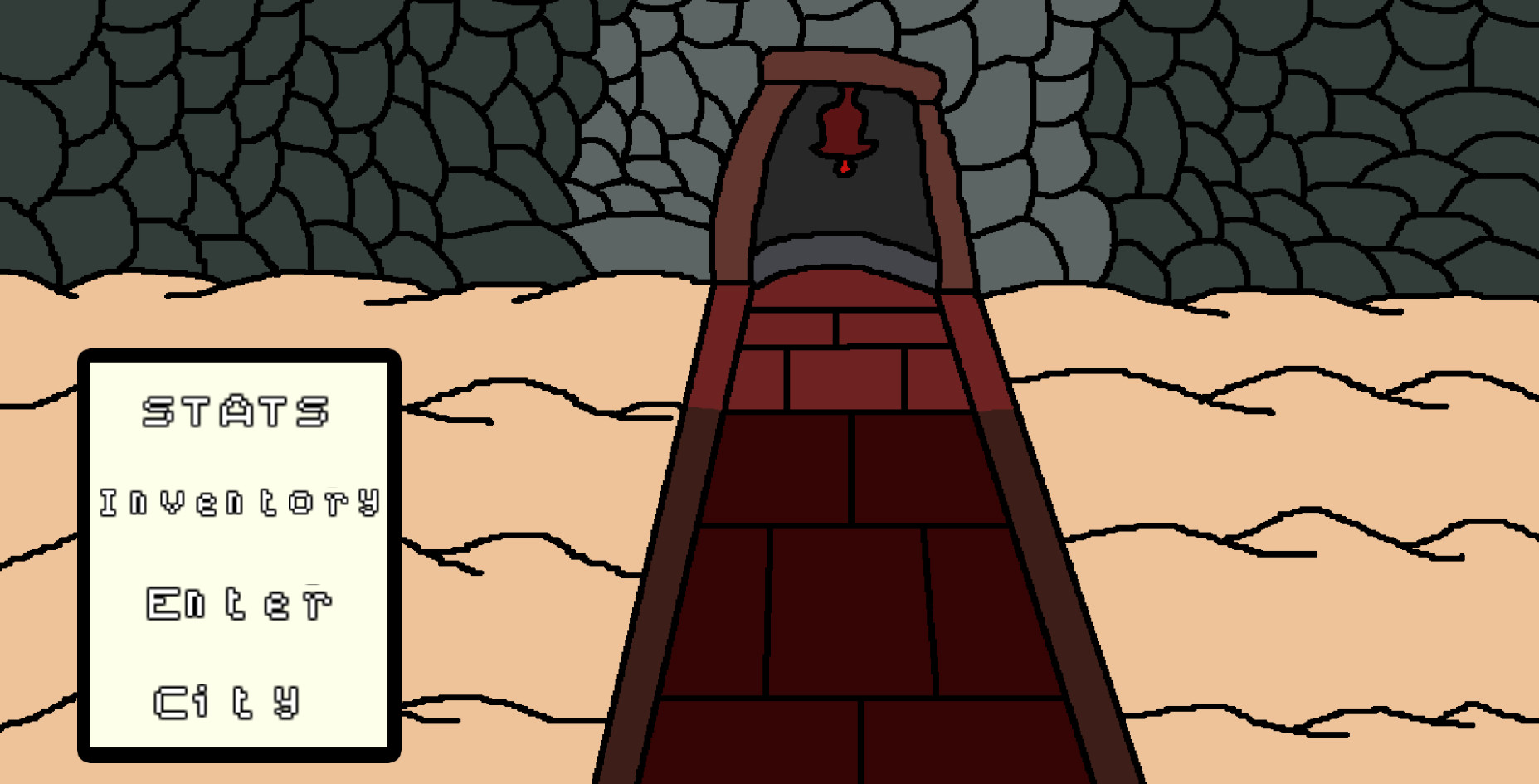
Knights and DungeonsImage: Pixelabor via Steam -
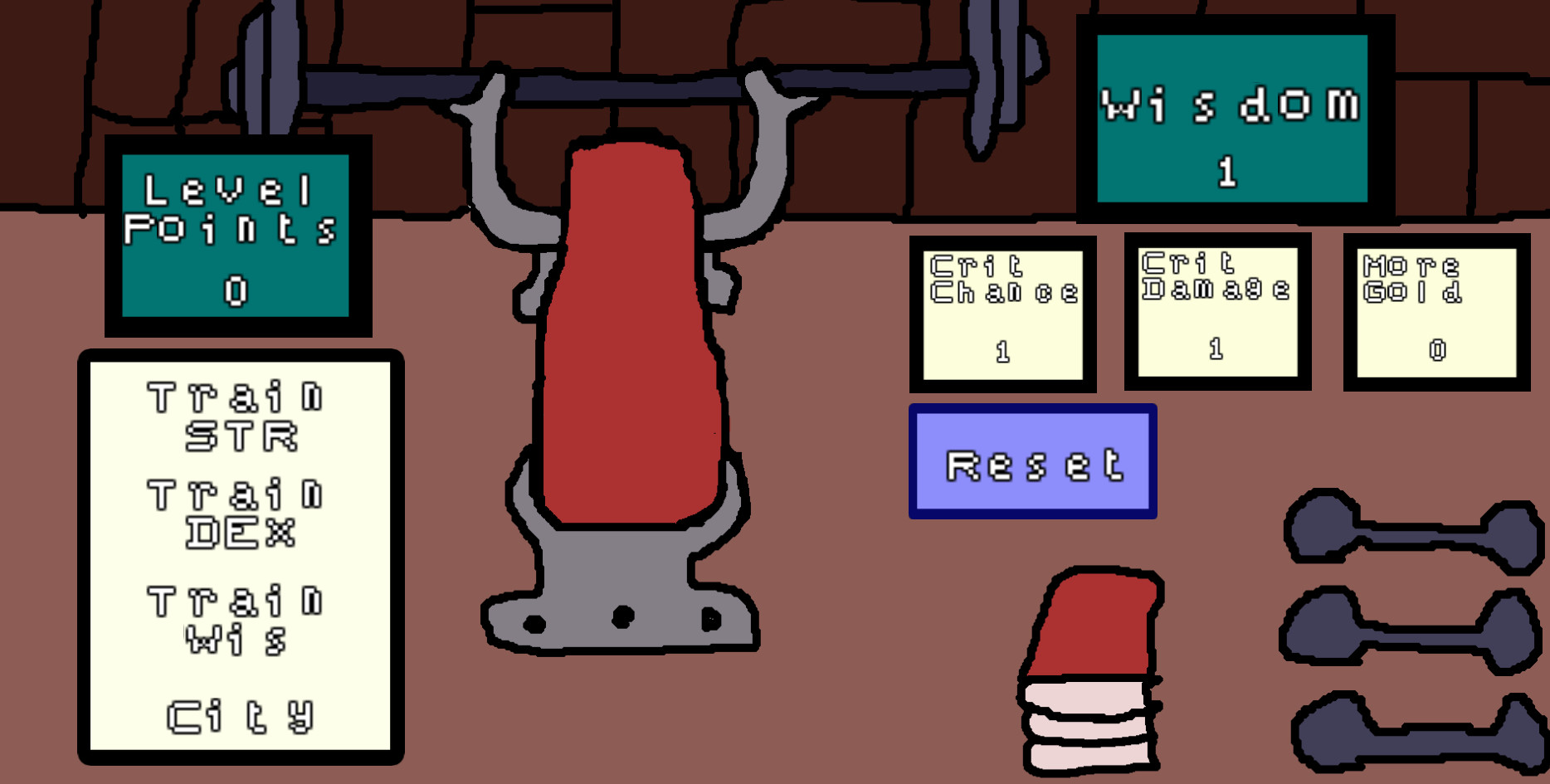
Knights and DungeonsImage: Pixelabor via Steam -
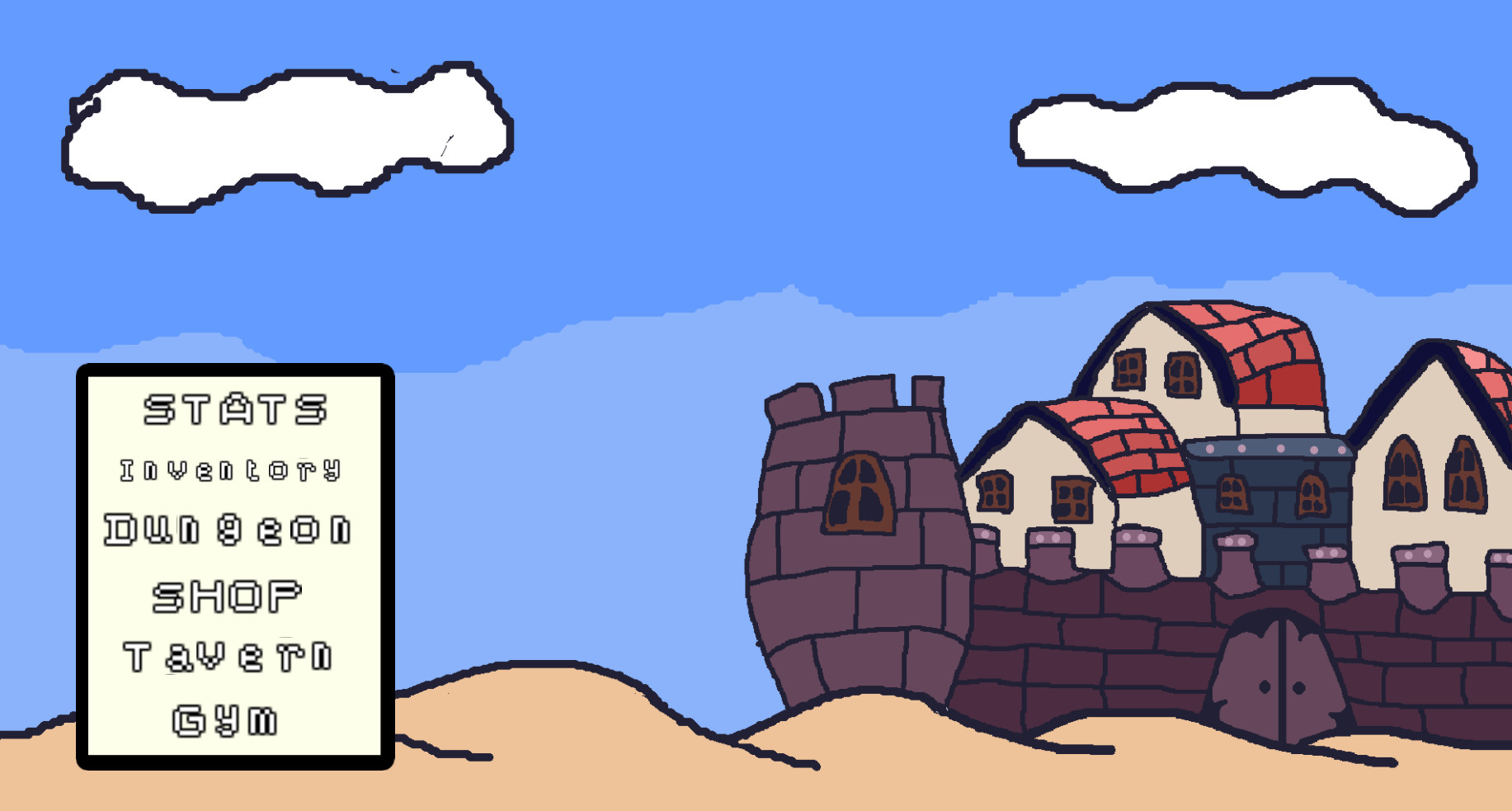
Knights and DungeonsImage: Pixelabor via Steam -
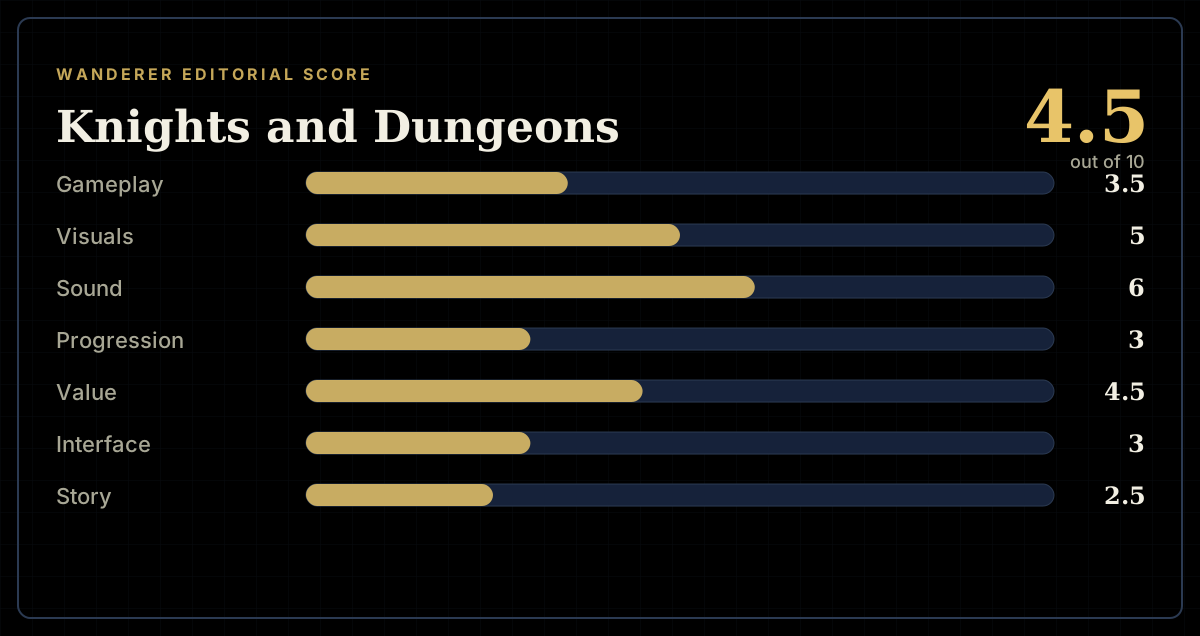
How the review scores each part of the gameWanderer Editorial -
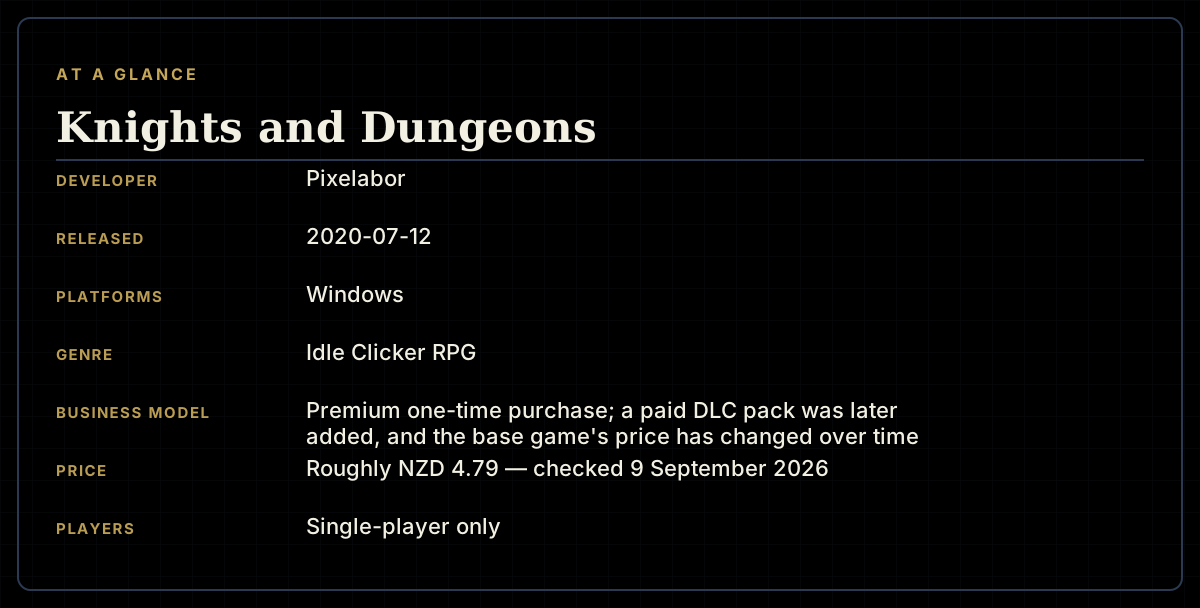
At a glanceWanderer Editorial -
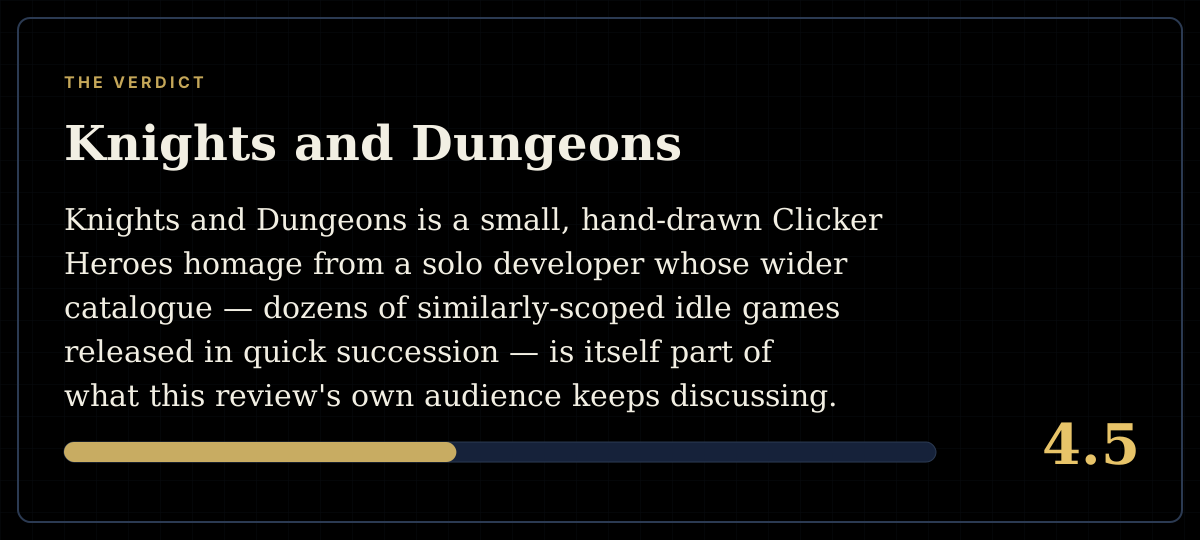
The short versionWanderer Editorial