Game review
John Carpenter's Toxic Commando
5.4 / 10
- Developer
- Saber Interactive
- Publisher
- Focus Entertainment
- Released
- 12 March 2026
- Platforms
- [Windows]
- Genre
- Action
- Monetisation
- Paid, with a post-launch season pass
- Players
- 4-player online co-op, cross-platform, always-online (including solo)
The short version
The shooting is genuinely satisfying and the horror-legend pedigree shows up in the score if nowhere else, but Toxic Commando ships with a weekend's worth of missions at a premium price, then spends its post-launch seasons vaulting content it promised wouldn't disappear. Fun with three friends for a single playthrough; hard to justify beyond that.
Biggest strengths
- Tight, impactful gunplay with genuinely satisfying zombie gore and physics
- John Carpenter's score sets a strong tone across every mission
- Vehicle traversal segments add welcome variety to the horde-shooter formula
Biggest weaknesses
- Only eight to nine missions at launch, completable in a single weekend
- Post-launch seasons have vaulted previous content despite dev assurances there'd be no FOMO
- Always-online requirement applies even to solo play with bots, and idle players get kicked
Who it's for: Co-op shooter fans looking for a short, gory weekend session with friends, and Left 4 Dead or World War Z veterans curious about the genre's next attempt — tempered expectations required for anyone hoping for lasting content.
Our recommendation: Conditional Recommend
5.4 / 10
Familiar Ground, Sharp Shooting
Toxic Commando wears its influences on its sleeve. Four players pick from a roster of classes, drop into overrun, post-apocalyptic environments, and fight through waves of infected toward a series of defend-and-extract objectives. The comparisons to Left 4 Dead, Back 4 Blood, and Saber Interactive's own World War Z are unavoidable, and the developer doesn't seem interested in hiding them — this is a horde shooter built on a formula the studio already knows well, filtered through John Carpenter's name and a pulpy B-movie sense of style.
What it gets right immediately is the shooting. Reviewers across the sample are consistent on this point: the gunplay is tight, weapons behave predictably rather than spraying randomly, and the moment-to-moment feel of mowing down a horde is satisfying in a way some genre peers never quite nail. The gore is a visible part of that satisfaction — enemies react to hits with real physicality, limbs come apart, and the Swarm Engine (also used in World War Z) renders genuinely huge numbers of infected on screen without the game buckling. Layered over the top is a score from John Carpenter himself, and it's one of the few places the licensed name pays off unambiguously — several players single out the music as elevating scenes that would otherwise be fairly straightforward horde-clearing.
The class system gives that shooting some shape. The Strike specializes in area-denial fire that's genuinely fun against large groups, the Operator brings a drone for crowd control and utility, while the Defender and Medic lean into support roles that become close to essential on higher difficulties — a competent medic keeping a team topped up can be the difference between a clean extraction and a wipe. Characters aren't tied to specific classes, so any of the roster can run any role, which keeps squad composition flexible without forcing players into a character they don't like. It's a familiar structure, but a functional one, and it's the game's clearest strength alongside the gunplay itself.
Between missions, players return to a hub area that several reviewers compare unfavourably to Killing Floor 3's — a space to idle and take target practice, but one that mostly exists as a menu wrapper rather than somewhere worth spending time. Difficulty scaling fares better: multiple players who initially bounced off the game on Normal came back after pushing into Hard and Very Hard, describing the higher tiers as where the class system and terrain-based driving actually start to matter, with coordinated convoy runs and fully-leveled medic abilities becoming genuinely impactful rather than incidental. It's a common enough arc in the sample — a lukewarm first impression followed by a real turnaround once a squad commits to the harder settings — that it's worth treating the early hours as a rough on-ramp rather than the game's ceiling.
Vehicles are the one genuinely fresh idea in the mix. Maps are semi-open, and getting between objectives usually means finding, fuelling, and driving something — trucks, buggies, and other post-apocalyptic transport, each with its own special ability and a grappling hook on the front that helps yank you out of mud and steep terrain. One player can drive while others man a mounted weapon or shoot from the windows and roof, and the terrain genuinely matters to how a convoy run plays out. It's a small addition against a large, familiar template, but it's the part of the design that feels least like it was copied from another zombie shooter, and reviewers who stuck around consistently called it out as the game's most distinctive contribution.
Eight Missions and a Weekend
The problem is what surrounds all of that competent shooting: there isn't much of it. The campaign runs eight to nine missions, and a full first playthrough on a standard difficulty clocks in somewhere around six hours for most players. Several reviewers describe finishing everything the game has to offer — including higher-difficulty replays needed to max out classes and weapons — inside a single weekend, and more than one explicitly frames it as a game you play once with friends, laugh through, and then set aside rather than return to regularly. At NZ$63.99, that's a steep price for what amounts to a handful of hours of new content stretched across replay-driven difficulty tiers rather than genuinely new missions or modes.
Exploration is meant to pad that runtime, but it doesn't hold up well under repetition. Maps hide caches of resources, coins needed to power turrets and traps during defense sequences, and points of interest scattered across open terrain — but the layouts, assets, and encounter types repeat closely enough between missions that the search stops feeling like discovery after the first few hours and starts feeling like a chore. Several players noted unique-looking hidden areas on the maps that appear to have been built for content that was never actually implemented — collectibles or events that simply aren't there, which reads less like intentional restraint and more like a feature that got cut before launch. There's no persistent checkpoint within a mission either: a failed extraction sends the whole squad back to the start of the map, resources and all, which makes an already-repetitive resource loop even more punishing to redo.
The enemies contribute to the sense of sameness. Beyond the standard horde, Toxic Commando includes the expected roster of special infected — variants that will feel instantly familiar to anyone who's played this genre before — but several reviewers specifically criticize how bullet-spongy the tougher variants are, describing fights that come down to unloading ammunition in a general direction rather than reading attack patterns or coordinating with teammates. A wishlist that recurs across the sample calls for enemies that demand actual tactical play — flanking, targeting specific weak points, coordinated crowd control — rather than sheer sustained damage output, and for a wave-based survival mode that would let the game's strongest moments (the horde-defense sequences at the end of each mission) run on their own rather than being bookended by repetitive exploration. That request for a standalone wave mode shows up often enough, months after launch, that it reads as the community's clearest idea for where the game's limited content could actually go next — a way to keep the horde-clearing loop that already works without needing to build entirely new open maps to support it.
Prestige, Cosmetics, and a Grind That Doesn't Reward You
Weapon progression follows a familiar tiered structure — green, blue, purple, and gold upgrade levels are visible in the interface — but at launch, players could only progress as far as purple, with the top tier apparently reserved for content that hadn't arrived yet. Sitting alongside that is a prestige system: resetting a weapon back to its base level in exchange for unlocking one of three cosmetic skins. The skins themselves are widely described as unimpressive recolours rather than meaningful visual changes, and the process of prestiging requires re-purchasing attachments a player had already unlocked on that weapon — a design choice several reviewers single out as needlessly punishing rather than rewarding. Character customisation fares similarly thin: two head accessories and six palette-swapped skins per character was the state of things at launch, which several reviewers describe as feeling more like a minimum viable product than a shipped feature.
None of this would sting quite as much if the game felt finished around it, but the throughline in a lot of the critical feedback is that Toxic Commando plays like an early access build that got a full-price, full-release label. The linear, mostly cosmetic skill trees, the caches with nothing in them, the single sniper rifle standing in for an entire weapon category — all of it reads as scaffolding for a bigger game that didn't fully arrive, rather than deliberate minimalism.
The Season Pass Problem
The most damaging thread running through the more recent reviews isn't about the base game at all — it's about what's happened to it since launch. Toxic Commando shipped with assurances from the developers that its post-launch content wouldn't involve FOMO mechanics. Several months on, that promise has visibly cracked: a second season reportedly removed access to the previous season's content, including titles and cosmetic items that had no expiration timer attached when they were first offered. Reviewers who came back to check in on updates describe the reversal as a direct contradiction of what they were told at launch, and it shows up clearly in the numbers — the game's overall reception sits at a Mostly Positive 76% across its full lifetime, but reviews from just the last 30 days had dropped to a Mixed 56% by the time of writing, a gap large enough to suggest the season-pass backlash is actively reshaping how the game is remembered.
It's a frustrating turn specifically because it undercuts a game that already had a credibility problem around its content volume. Adding a rotating, disappearing cosmetic economy on top of a campaign that's already criticized for being thin gives returning players very little reason to come back, and gives new players a clear signal to wait rather than buy in at full price. Saber Interactive has a reasonable post-launch track record with other live-service-adjacent titles, and it's plausible this settles down over time, but as it stands, it's the single most consistent complaint in the current review sample — more so even than the content gap itself.
That value calculation shifts considerably depending on how a player actually arrives at the game. A meaningful share of the sample mentions picking Toxic Commando up as part of a bundle alongside other Saber Interactive or Focus Entertainment titles, and several reviewers who paid full separate price advise waiting for a substantial discount or checking whether it's available through a subscription service rather than buying outright — a reasonable hedge for a game whose main draw is a single strong weekend rather than a long tail of content to grow into.
A handful of other rough edges round things out: the game requires a constant online connection even when playing solo with AI teammates, and idling for too long — including simply needing a moment away from the keyboard mid-mission — can get a player kicked outright. There's no toggle option for aiming down sights, which several players found simply inconvenient rather than game-breaking, and the story and cast, despite Carpenter's name on the box, are broadly described as functional rather than memorable — serviceable voice acting wrapped around characters that don't get enough space to become distinct personalities. None of these are severe individually, but they stack on top of a game that was already being asked to justify a premium price with limited content.
Verdict
Toxic Commando's shooting is good enough that it's easy to see why the game landed at a Mostly Positive reception overall — the gunplay is tight, the horde moments are genuinely satisfying, and the vehicle segments give the formula a bit of its own identity. But eight missions and a weekend's worth of campaign content is a hard sell at full price, and the decision to walk back a no-FOMO promise with a season pass that vaults previous content has visibly soured the game's more recent audience. Worth grabbing with three friends for a single, focused playthrough, especially at a discount; much harder to recommend as an ongoing game to keep coming back to.
Pros and cons
Pros
- Tight, impactful gunplay with genuinely satisfying zombie gore and physics
- John Carpenter's score sets a strong tone across every mission
- Vehicle traversal segments add welcome variety to the horde-shooter formula
- Clear class-based co-op design with roles that visibly matter in a fight
Cons
- Only eight to nine missions at launch, completable in a single weekend
- Post-launch seasons have vaulted previous content despite dev assurances there'd be no FOMO
- Always-online requirement applies even to solo play with bots, and idle players get kicked
- Weapon prestige system requires re-purchasing already-unlocked attachments
- Story and characters lean generic despite the Carpenter name attached
Screenshots
-
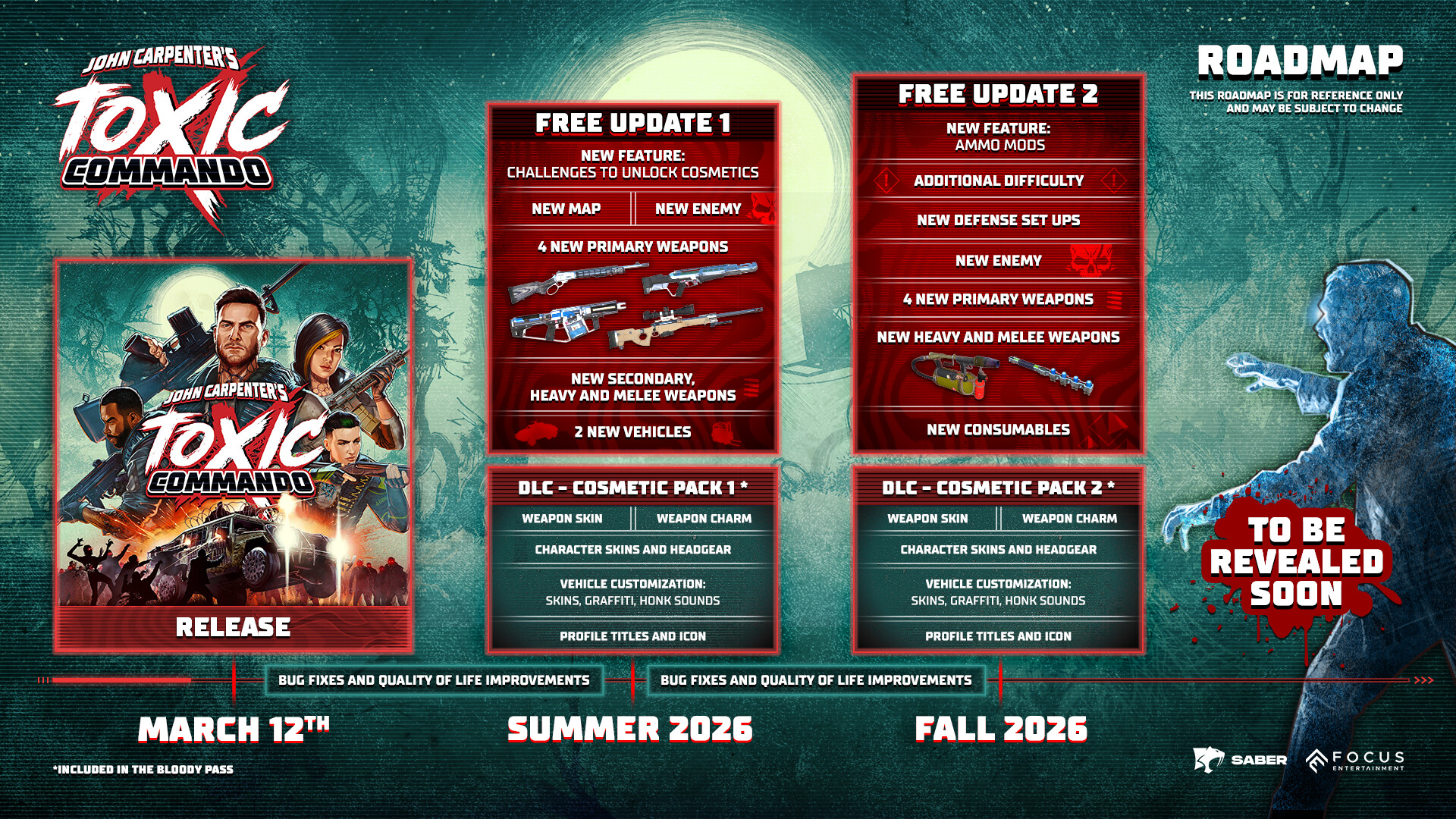
The publisher's own post-launch roadmap, promising weapons and maps through free updates — the season-pass cosmetic packs are where the no-FOMO backlash beganFocus Entertainment -
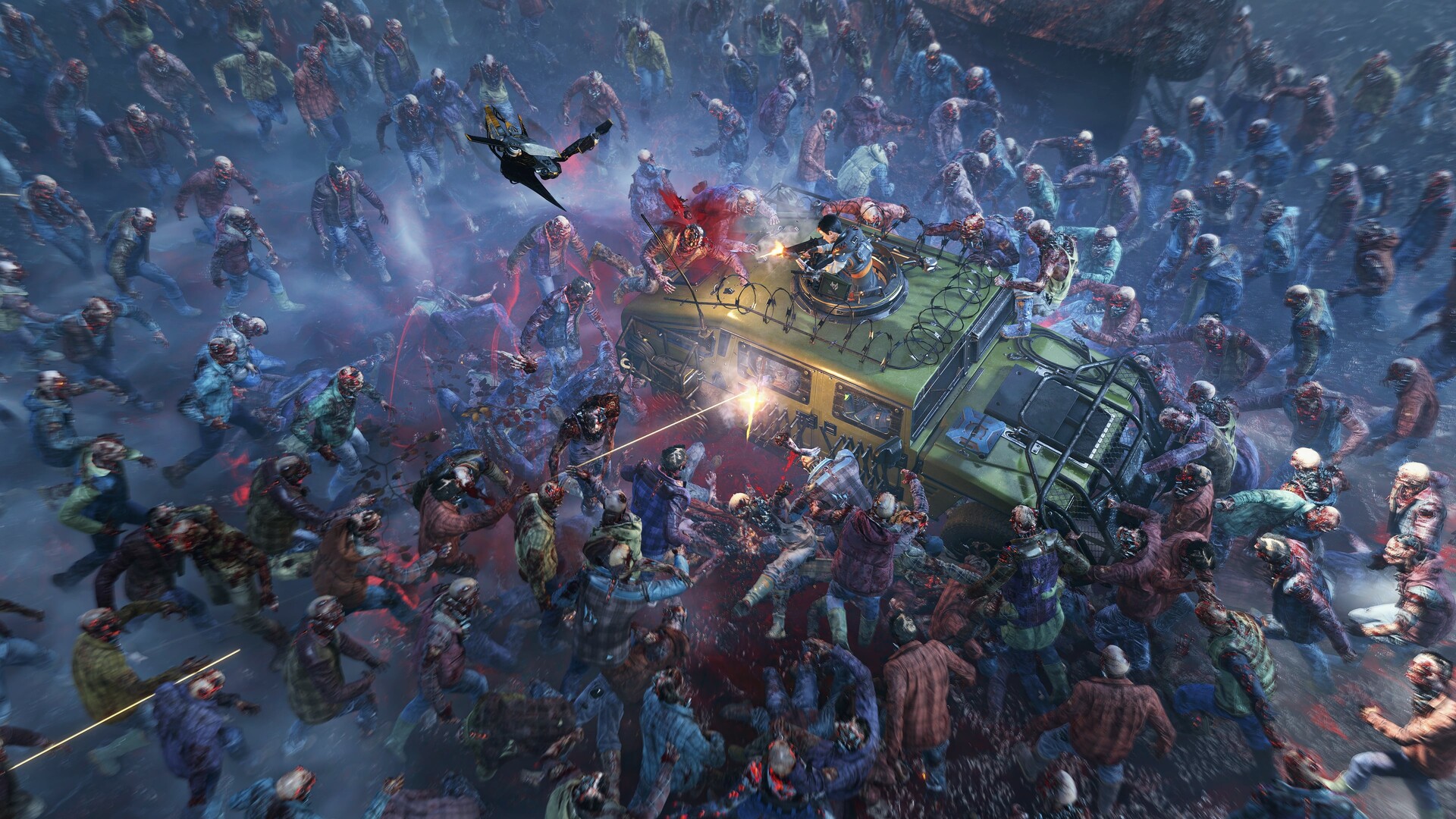
The horde-defense moments, backed by an armoured vehicle and a mounted gun, are where the game's Swarm Engine crowd rendering shows offFocus Entertainment -
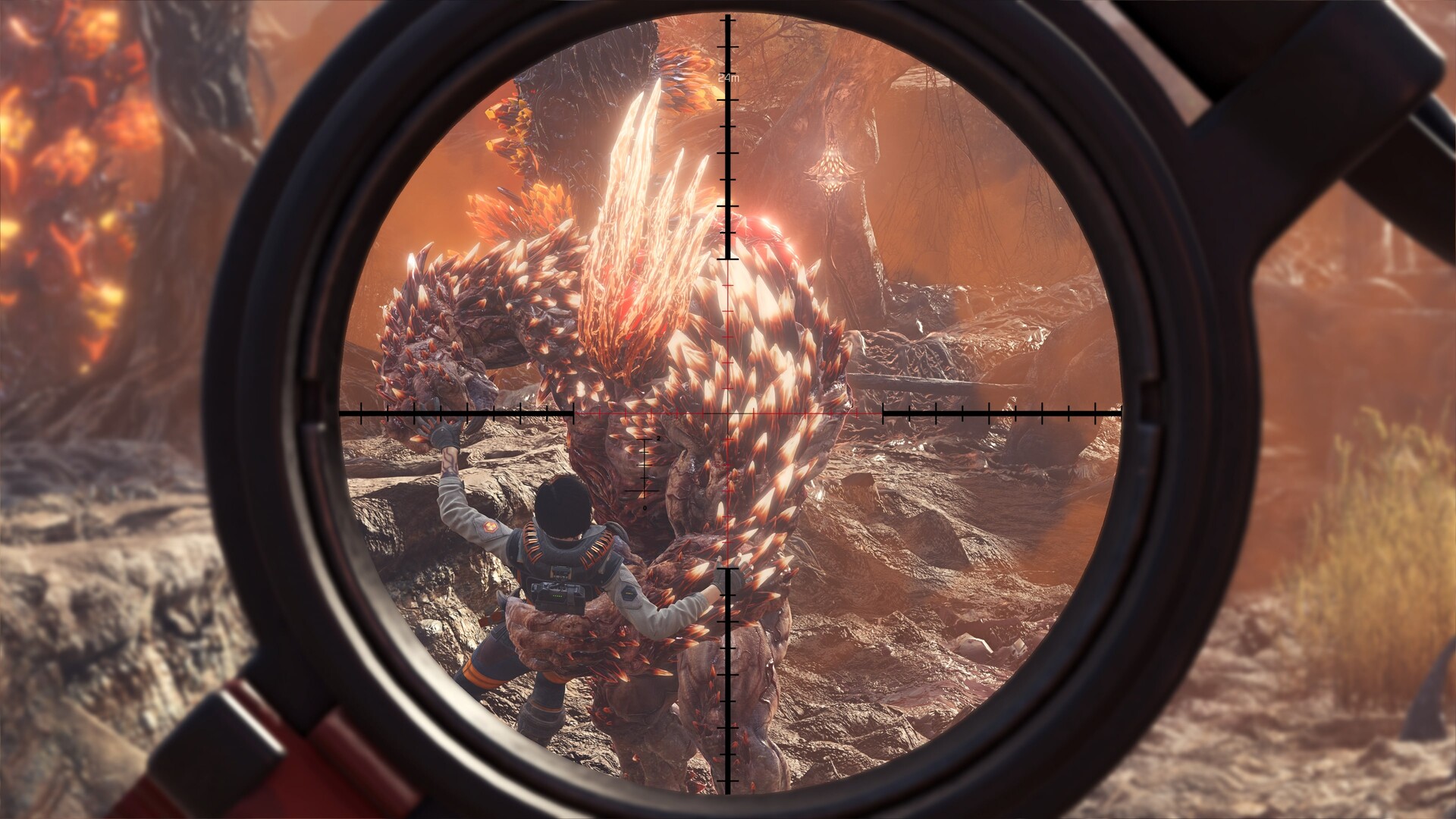
Tougher special infected soak up a lot of ammunition, a point several reviewers raised about the game's bullet-sponge enemy designFocus Entertainment -
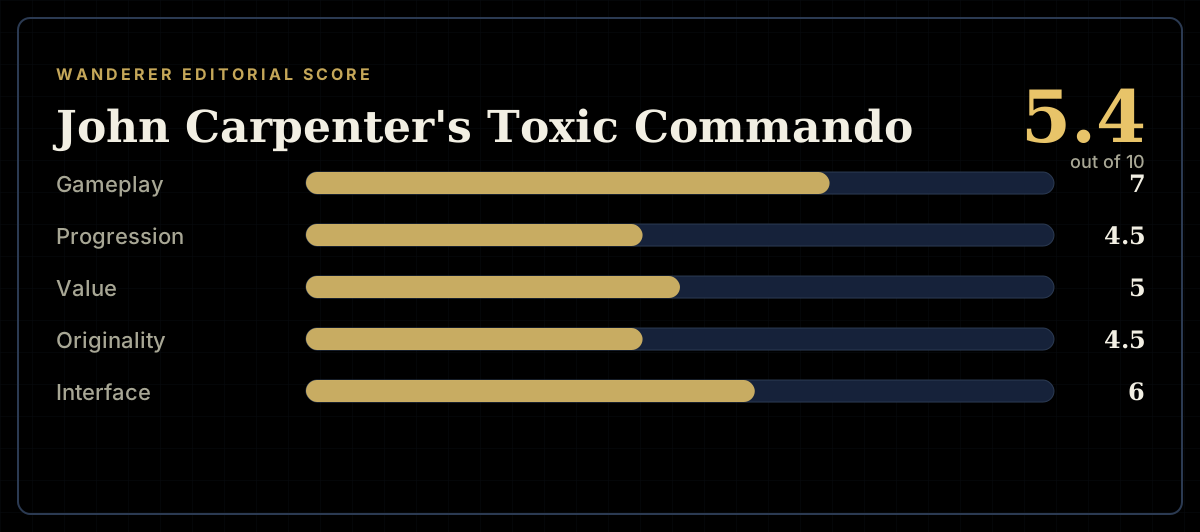
How the review scores each part of the gameWanderer Editorial -
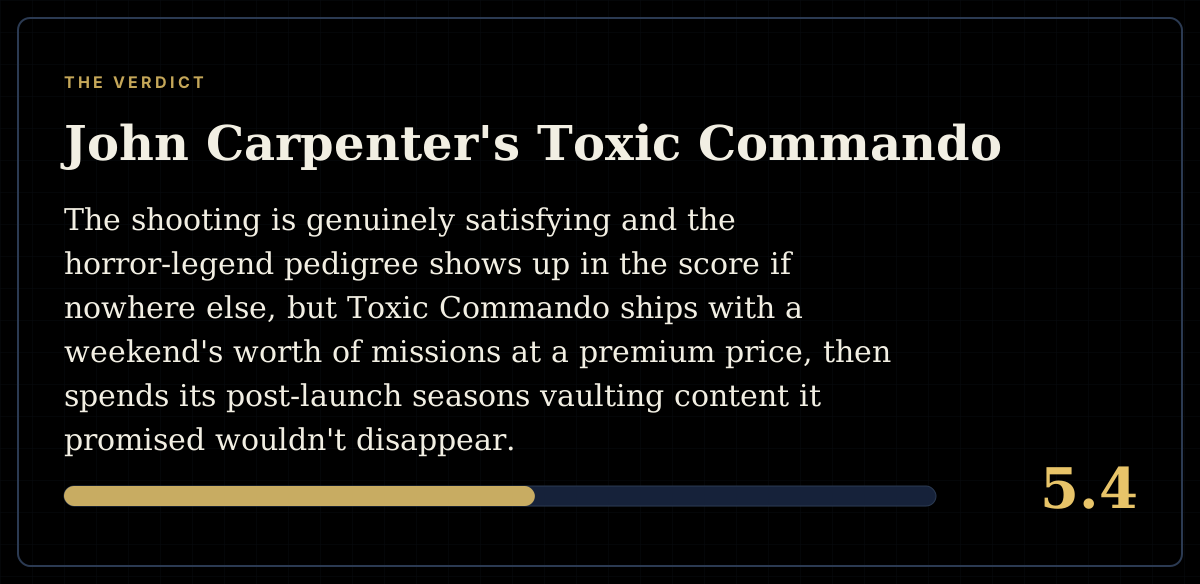
The short versionWanderer Editorial