Game review
In Stars And Time
8.5 / 10
- Developer
- insertdisc5
- Publisher
- Armor Games Studios
- Released
- 20 November 2023
- Platforms
- Windows
- Genre
- Time-Loop RPG
- Monetisation
- One-time purchase. No in-app purchases, ads or premium currency.
- Players
- Single-player only
The short version
In Stars And Time follows Siffrin, an adventurer who discovers they're trapped reliving the final days before their party confronts a tyrant king, and turns that time-loop premise into a character study about grief, self-image and the exhausting work of trying again. Steam has it Overwhelmingly Positive, 7,447 of 7,667 reviews (97.1%), and among English reviews specifically, 6,755 of 6,926 (97.5%) -- among the highest, most consistent scores this review series has covered.
What makes the small remainder worth taking seriously is how articulate and self-aware it is. A meaningful number of the negative reviews sampled for this piece explicitly say they are the intended audience -- queer, turn-based-RPG fans, drawn in by the premise and the writing -- and still bounced off the game's core mechanic: forced, repeated backtracking through the same spaces as a deliberate narrative device. Several quote the game's own defense of that choice ("it's the point") and say plainly that intentional tedium is still tedium. A separate, smaller cluster is disappointed specifically by the final act.
Biggest strengths
- Writing and characters draw exceptional, specific praise -- reviewers describe feeling genuinely "seen," crying, and thinking about the cast for months afterward, at a volume and intensity uncommon even among well-reviewed narrative games
- A structurally inventive use of the time-loop premise that several reviewers say shifts what kind of game it is partway through, in ways spoilers would ruin
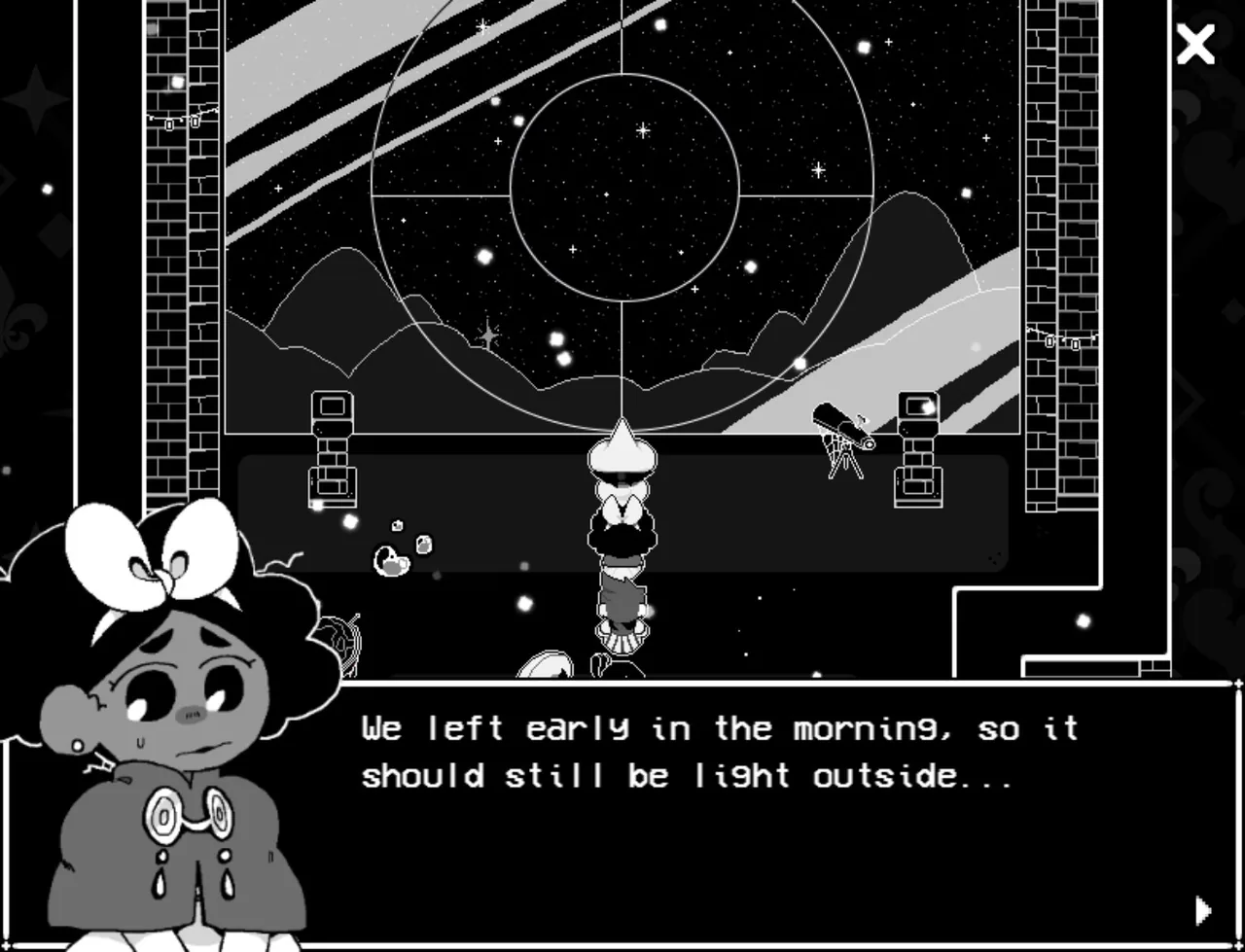
- Charming, expressive pixel art and character portraits that draw consistent praise even from reviewers who otherwise didn't enjoy the game
Biggest weaknesses
- The core loop mechanic -- deliberately repeating the same town and dungeon content many times over as a narrative device -- is the single most consistent complaint in the negative sample, raised by reviewers who explicitly identify as the intended audience and say the "it's the point" defense doesn't make the repetition less tiring to actually play
- Combat is simple and described by many reviewers, including happy ones, as becoming trivial and repetitive well before the story concludes
- A distinct cluster of reviews single out the final act as underdelivering relative to the mysteries the earlier acts set up, even among players who otherwise loved the journey
Who it's for: Fans of narrative-driven RPGs, time-loop stories and character-focused indie writing, especially readers who want queer representation handled with real craft rather than as a checkbox. A poor fit for anyone who needs mechanically engaging combat or low tolerance for deliberate repetition, however thematically justified.
Our recommendation: One of the strongest-reviewed RPGs of 2023 for good reason, and worth going in mostly blind if the premise appeals. If the demo doesn't grab you within its first hour or two, trust that reaction -- several reviewers who bounced off the full game say the demo told them clearly, and they bought it anyway on the strength of the hype.
8.5 / 10
A time loop built as a character study
In Stars And Time opens like a classic turn-based RPG: a small adventuring party approaches the climactic fight against a tyrant king. Then the fight ends, and the world resets, and only Siffrin — the party's dagger-wielding, self-deprecating protagonist — remembers. What follows is less a puzzle-box time-loop story in the Groundhog Day tradition than a slow character study, using the loop mechanically to put the player inside Siffrin's fraying, increasingly exhausted headspace as the same days repeat. Reviewers are close to unanimous that the writing is the game's real achievement: "this game has haunted my thoughts for months," reads one; "I've never cried while playing a video game before. This game had me sobbing," reads another; several describe recognising themselves specifically in Siffrin's anxiety and self-image struggles in a way they say few games manage. That intensity of response — not just "I liked it" but "it changed how I think about myself" — recurs often enough across the review sample to be a real, distinguishing quality rather than review-hype.
The cast around Siffrin draws similar praise: each companion is written with enough interiority that reviewers describe them as feeling like real people rather than quest-givers, and the game's handling of queer identity and mental health themes is repeatedly singled out as thoughtful rather than performative — several reviewers who say they're normally wary of games leaning on representation as a selling point specifically credit this one with earning it. The pixel art and character portraits get consistent, low-key praise across nearly every review regardless of overall verdict, giving the whole thing a warm, expressive visual identity that suits the writing's mix of humour and genuine sadness.
The complaint that comes from the target audience, not around it
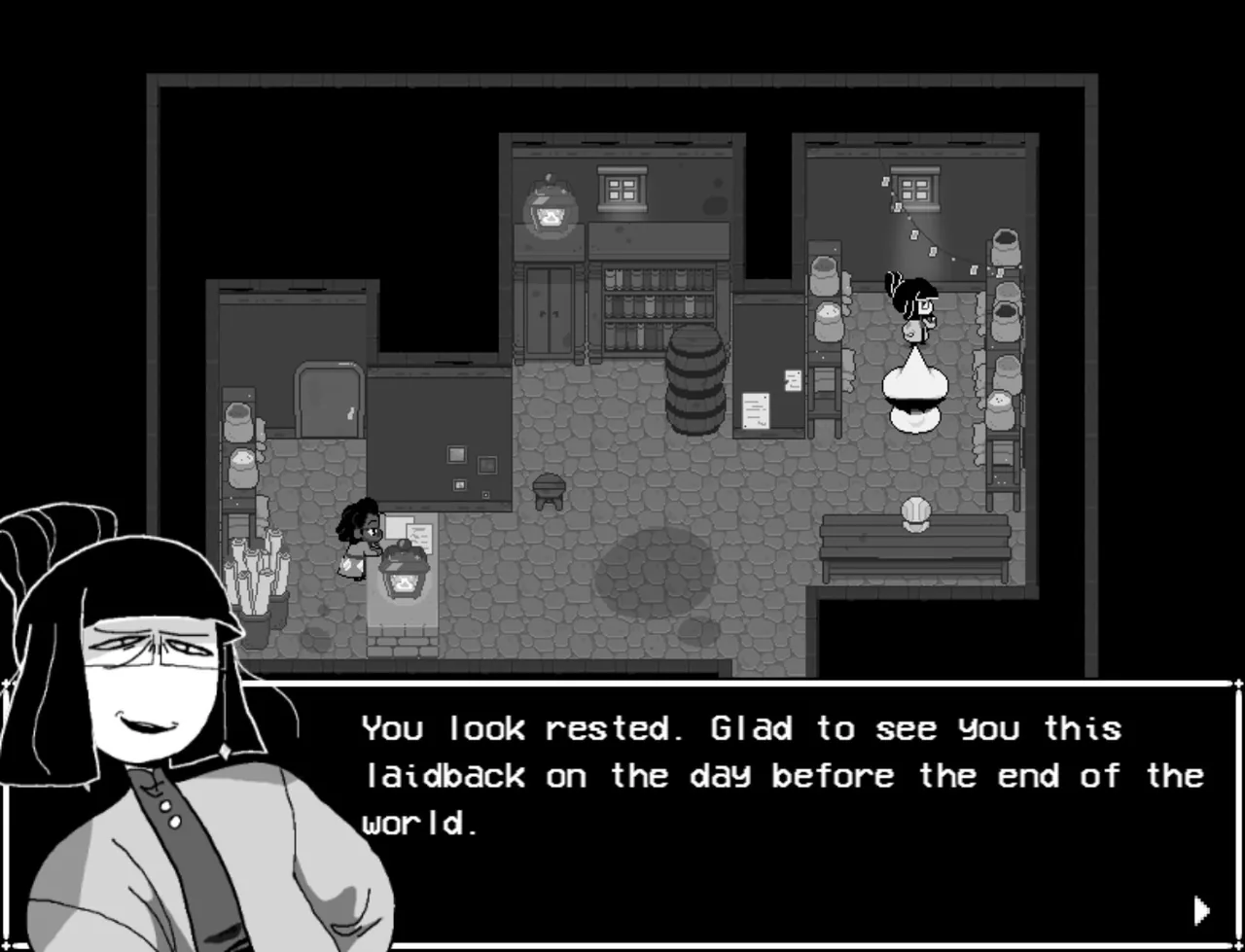
What makes In Stars And Time's small negative-review minority worth real attention, rather than the usual background noise of any 97%-positive game, is who's writing them. This isn't a case of the wrong audience wandering in — a striking number of the negative reviews sampled for this piece open by establishing that the reviewer is exactly who the game is for. "I like time loops, turn-based RPGs, queer rep, characterful writing, emotional stories, and cute art. In Stars and Time has all these things — and it's a shame there's no neutral review option," reads one. "Despite being part of the intended audience... I just can't recommend it," reads another. What they consistently describe is the same specific problem: the game deliberately makes you re-walk the same rooms, re-trigger the same conversations and re-fight familiar enemies dozens of times as Siffrin's loops accumulate, and it does this as an intentional design choice meant to put the player inside the character's exhaustion. Several reviewers quote the game's own text defending this directly — "it's the point" — and respond that knowing the tedium is deliberate doesn't make it less tedious to sit through as an interactive experience rather than read about. "The time loop mechanic means you are going to be exploring the same town and dungeon again... and again... and again. It's incredibly [frustrating]," reads one representative complaint; another, more bluntly: "this game is offensively boring, and I just read that the dev made it intentionally so. Well done, I guess."
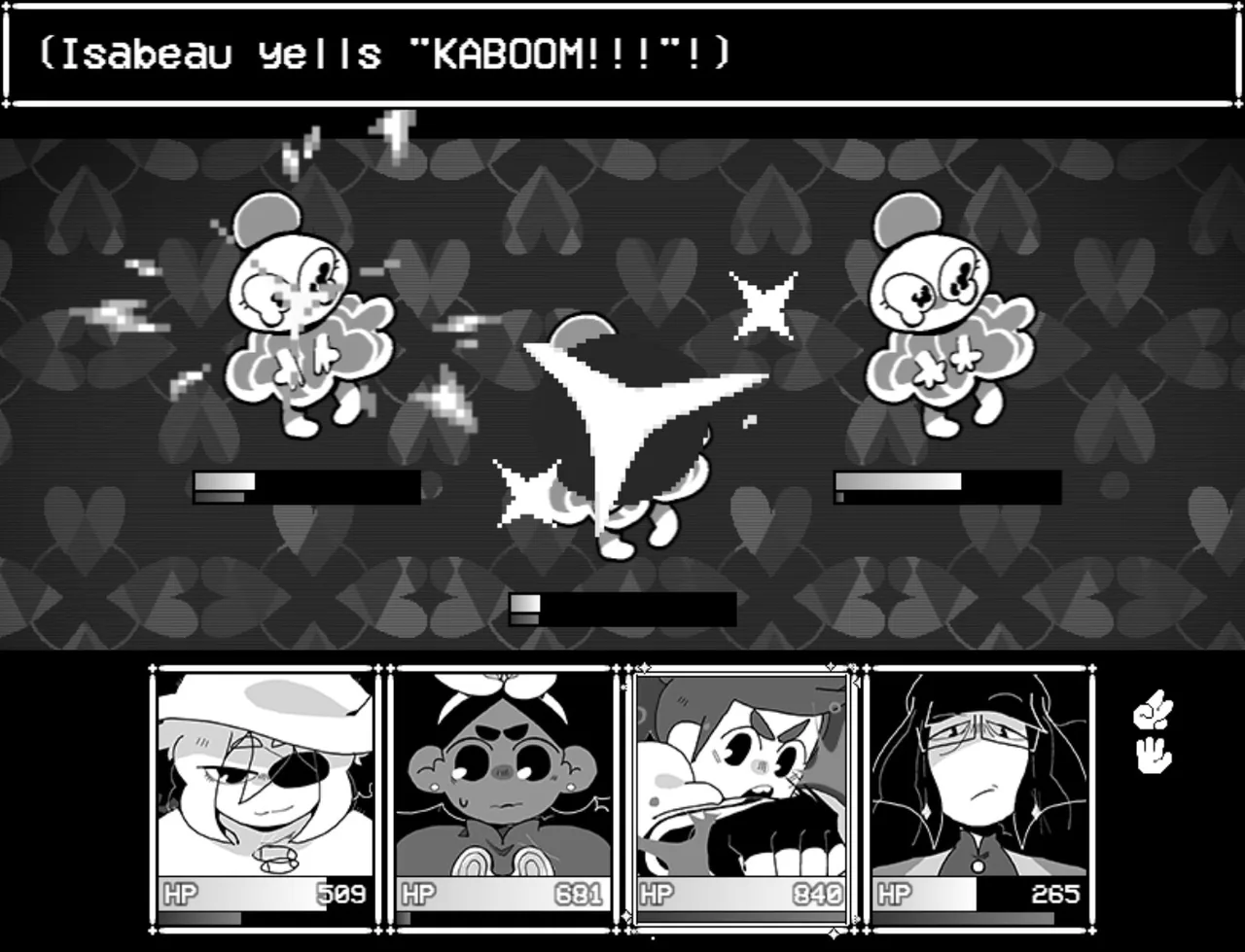
This is a genuinely different kind of criticism than "not my genre," and it's worth taking at face value: a design choice can be thematically justified and still not work as an experience for a meaningful share of players, including ones who love everything else about the game. Combat comes in for a related but separate complaint — several reviewers, including many positive ones, describe the turn-based battles as simple enough to become a rote formality well before the credits, with the mechanical depth never quite catching up to how much of the runtime is spent in it.
The ending, discussed carefully
Without spoiling specifics — this is a story built around discovery, and even critical reviewers are careful about that — a distinct cluster of reviews single out the game's final act as its weakest, disappointing after the earlier acts' buildup. Complaints center on plot threads some reviewers feel go unresolved and an ending several describe as narratively unsatisfying relative to the mysteries established earlier, with at least one reviewer noting the developer has publicly said they're done answering fan questions about it. This isn't the majority view — most reviewers, including several who acknowledge rough patches elsewhere, describe the ending as landing the emotional weight the rest of the game built toward — but it's frequent enough, and specific enough, to flag for anyone going in on the strength of the game's reputation for its writing.
Verdict
In Stars And Time earns its place among the best-reviewed RPGs of 2023 through genuinely exceptional writing, a cast reviewers describe with real affection months later, and a structural use of its time-loop premise that few other games attempt with this much care. It's held back from a perfect score by a real, well-documented tension at its core: the same repetition that makes the narrative work is, for a meaningful and often self-aware slice of its own target audience, simply not enjoyable to sit through as a game. If the premise and the writing style appeal, that's worth knowing going in rather than discovering forty hours deep — but for the large majority of players this clearly reaches, it's a rare, memorable piece of work.
Pros and cons
Pros
- Writing and characters draw exceptional, specific praise -- reviewers describe feeling genuinely "seen," crying, and thinking about the cast for months afterward, at a volume and intensity uncommon even among well-reviewed narrative games
- A structurally inventive use of the time-loop premise that several reviewers say shifts what kind of game it is partway through, in ways spoilers would ruin
- Charming, expressive pixel art and character portraits that draw consistent praise even from reviewers who otherwise didn't enjoy the game
- Achievement data shows healthy engagement through the story's first three acts (44.4% of players reach Act 3), suggesting the narrative hook holds even through the repetitive stretches
Cons
- The core loop mechanic -- deliberately repeating the same town and dungeon content many times over as a narrative device -- is the single most consistent complaint in the negative sample, raised by reviewers who explicitly identify as the intended audience and say the "it's the point" defense doesn't make the repetition less tiring to actually play
- Combat is simple and described by many reviewers, including happy ones, as becoming trivial and repetitive well before the story concludes
- A distinct cluster of reviews single out the final act as underdelivering relative to the mysteries the earlier acts set up, even among players who otherwise loved the journey
- The writing's tone -- online-culture-fluent humor and dialogue several reviewers describe as "tumblr-y" -- is a genuine point of friction for players outside that specific cultural register, independent of the story's quality
- Backtracking to re-trigger specific dialogue or progress is reported as more tedious than strictly necessary by several reviewers, distinct from the loop structure itself
Screenshots
-
In Stars And TimeImage: Armor Games Studios via Steam -
In Stars And TimeImage: Armor Games Studios via Steam -
In Stars And TimeImage: Armor Games Studios via Steam -
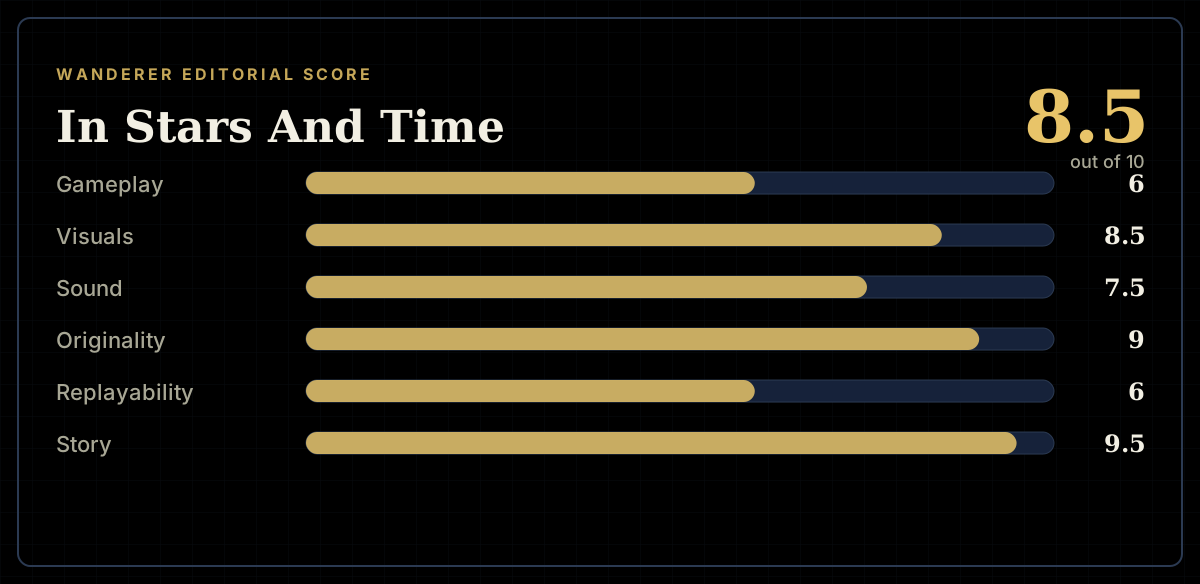
How the review scores each part of the gameWanderer Editorial -
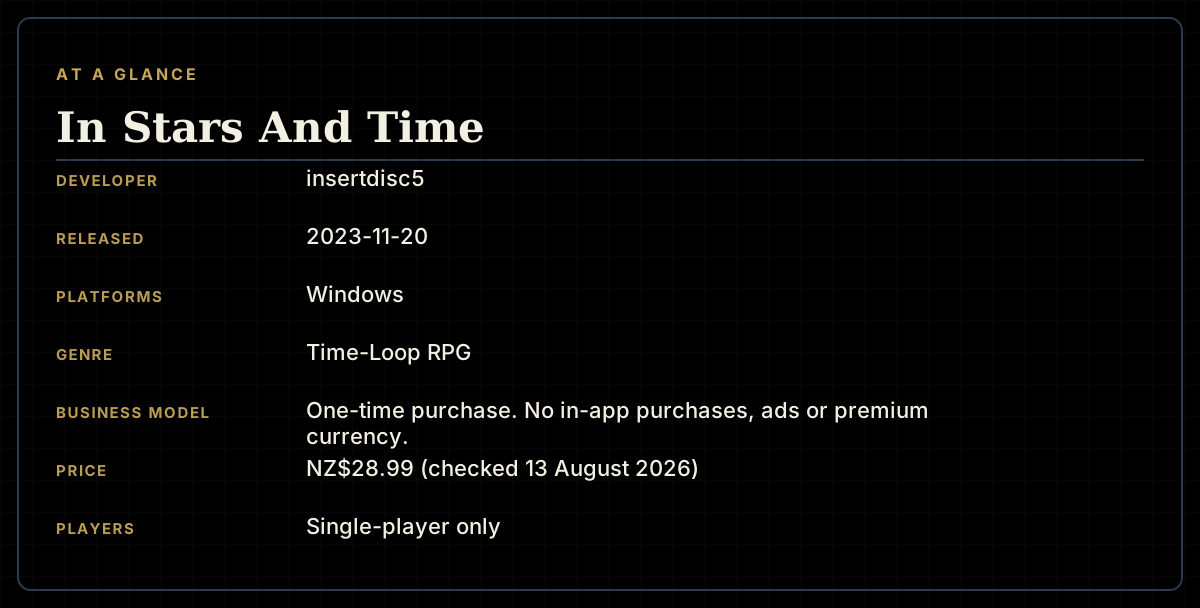
The essentials at a glanceWanderer Editorial -
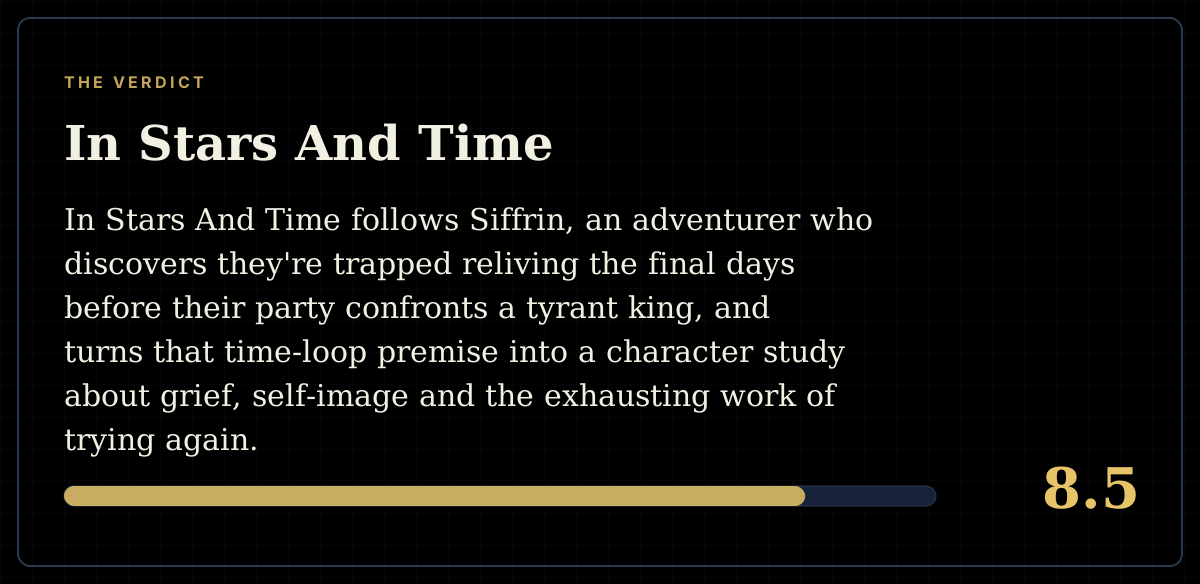
The final verdictWanderer Editorial