Game review
Horsey Game
7 / 10
- Developer
- Captain Games
- Publisher
- Captain Games
- Released
- 18 February 2026
- Platforms
- Windows
- Genre
- Simulation
- Monetisation
- One-time purchase
- Players
- Single-player
The short version
Horsey Game, released 18 February 2026, presents itself as a scrappy little horse-racing and betting game, then quietly reveals a startlingly deep genetics sandbox where nearly anything on its island, horses, humans, cars, wildlife, can be bred, cloned, or mutated together. Its huge Overwhelmingly Positive review sample is full of players delighted by the emergent, absurd creativity this unlocks, but a substantial minority report the main progression finishing in two to five hours, race mechanics that become trivial once an optimal breeding strategy is found, and a real pattern of crashes, visual glitches, and in a few cases lost save progress.
Biggest strengths
- The DNA and CRISPR-lab breeding system is repeatedly described as shockingly deep once players dig past the game's deliberately crude, cartoonish presentation, letting players combine, clone, and mutate horses, humans, cars, and wildlife into absurd creations
- A living background ecosystem simulation, where wild creature populations breed, mutate, and can even go extinct without player involvement, draws specific praise from more experienced players for adding real long-term depth beyond the initial racing hook
- The game's tone, generated almost entirely by what players do with its systems rather than scripted content, produces consistently funny, shareable moments that reviewers cite as the main reason word of mouth (including several high-profile streamers) drove it to prominence
Biggest weaknesses
- A recurring complaint, including from otherwise positive reviewers, is that the main progression can be finished in two to five hours, after which cloning a single unbeatable horse trivialises the racing loop and removes most of the incentive to keep breeding
- Numerous reviewers report crashes, screen corruption, freezing, and in a handful of specific cases save data resetting after dozens of hours of progress, serious enough that several otherwise enthusiastic players say they can no longer recommend the game
- The absence of an in-game map, horse sorting or naming tools, and clear post-race performance data draws consistent frustration, with several reviewers describing basic navigation and horse management as unnecessarily clunky
Who it's for: Players drawn to sandbox systems games like Spore or Wobbledogs who enjoy discovering emergent absurdity through experimentation, and anyone who wants a cheap, silly, screenshot- friendly game to dip into casually rather than grind for dozens of hours.
Our recommendation: A genuinely inventive, very cheap sandbox that rewards curiosity generously, but temper expectations about how long the core loop stays engaging, and be aware of a real, if inconsistent, pattern of bugs and crash reports before committing serious playtime.
7 / 10
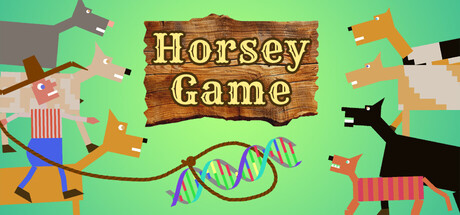
Horsey Game arrives looking like a joke: crude, geometric low-poly creatures, a premise about betting on horse races to pay for a sick relative's medicine, and a price under fifteen dollars. Released 18 February 2026 by the small team Captain Games, it has become an Overwhelmingly Positive breakout success, propelled in large part by streamers and clips of players breeding increasingly deranged creatures. Reading a substantial cross-section of its review sample confirms that reputation is earned, but also surfaces a real, specific set of complaints from players who bounced off exactly what everyone else loves, or ran into bugs serious enough to reverse an otherwise glowing opinion.
A racing game that's secretly a genetics sandbox
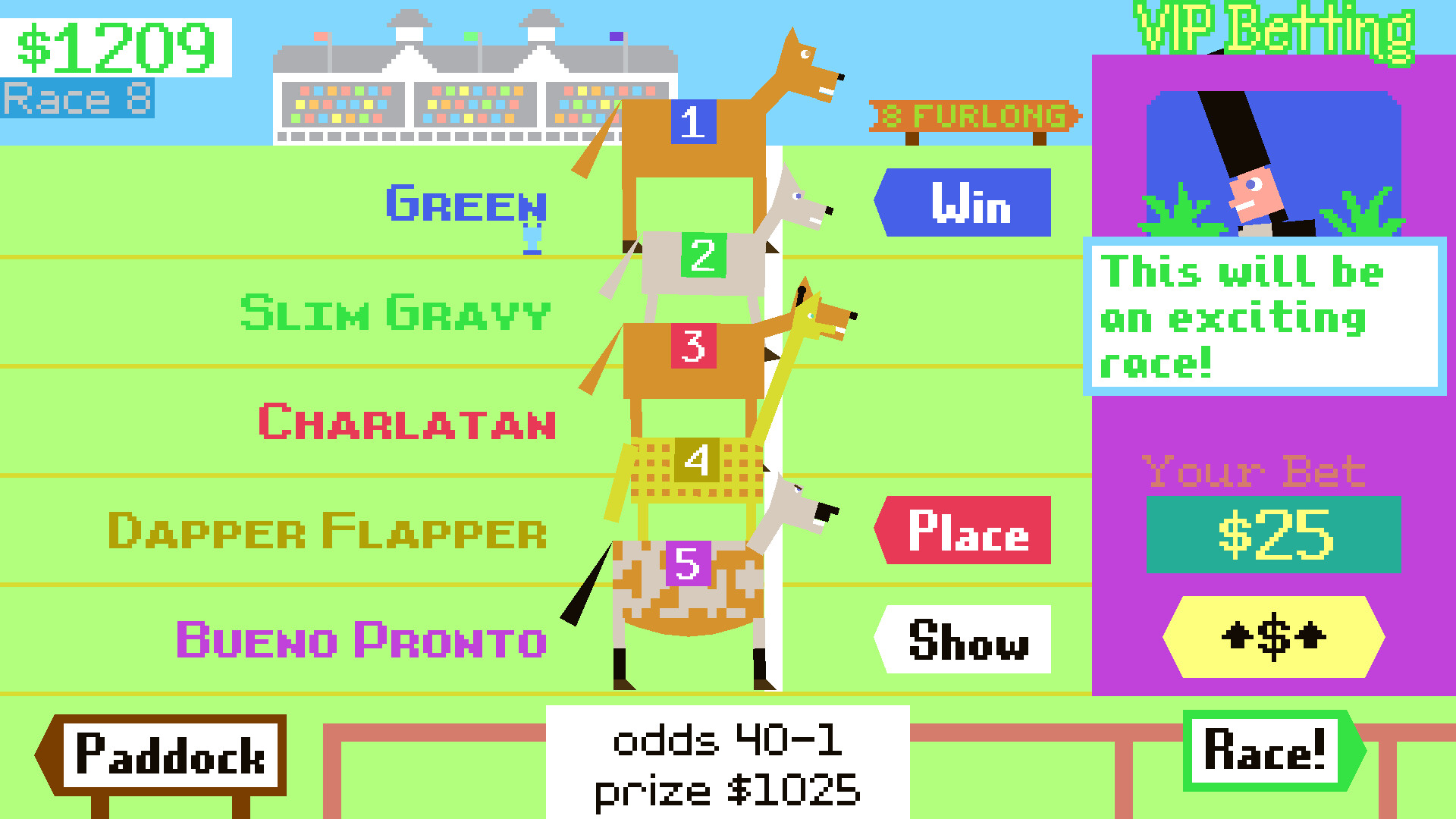
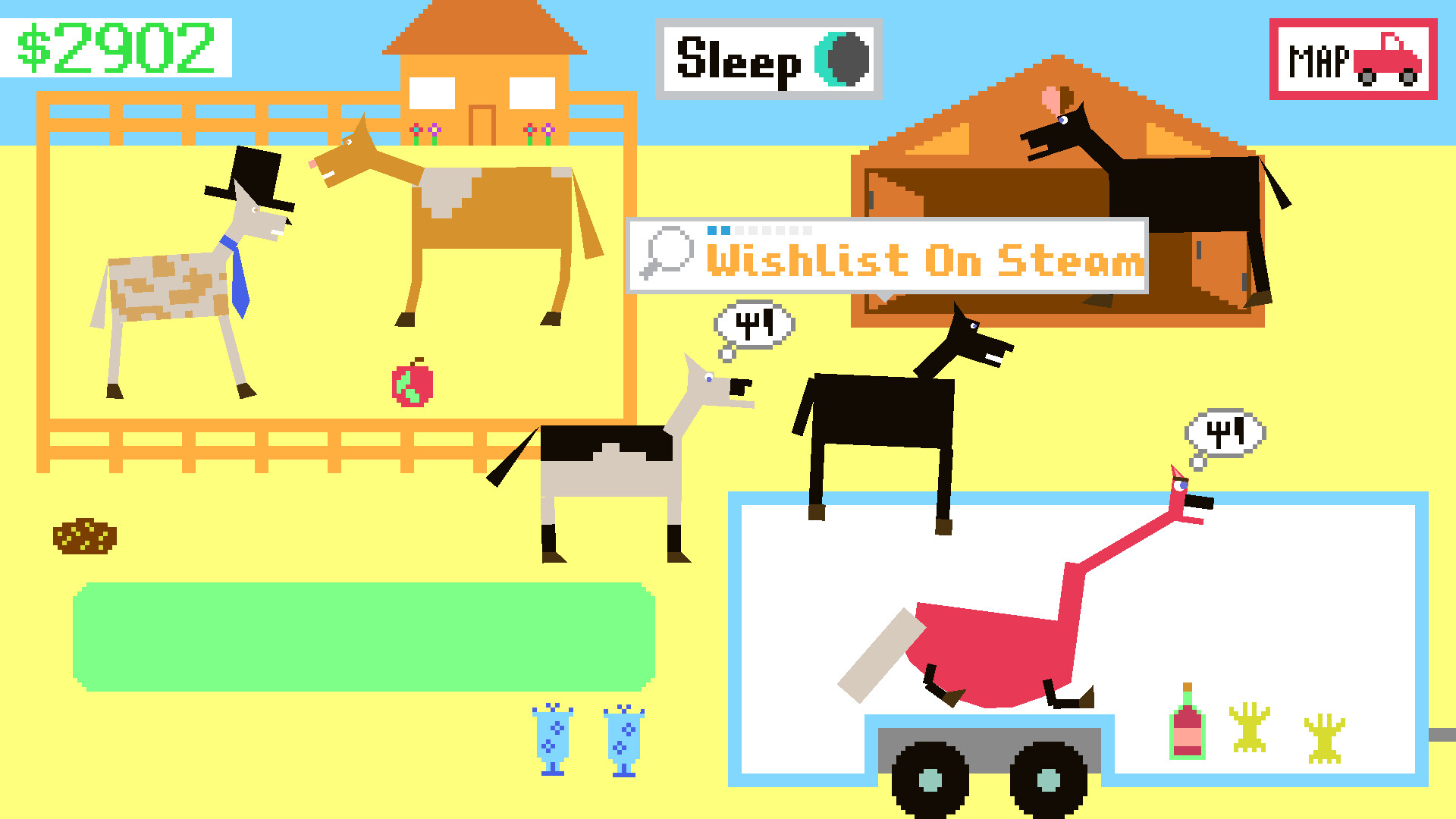
The single most consistent theme across the positive side of this sample is delighted surprise at how much depth is hidden behind Horsey Game's crude presentation. What starts as betting on wild-caught horses opens, within an hour or two, into a full DNA-editing and CRISPR-lab system that lets players extract, combine, and mutate the genetic material of essentially anything on the island: horses, humans, cars, ducks, extinct fossil species, even the power plant's plutonium supply. Reviewers describe breeding results ranging from faster, more competitive racehorses to gleefully absurd hybrids, a "horse" that's actually a legless plutonium-mutated abomination, a car crossed with a human, a bred-back mammoth. This isn't scripted content; it's emergent, and the review sample's overwhelming tone of "I can't believe I did this and it worked" is corroborated across dozens of independent reviews describing wildly different specific creations, a strong signal the systems genuinely support that creativity rather than funnelling everyone toward the same outcome. Several more experienced reviewers go further, describing a background ecosystem simulation running whether or not the player is nearby, with wild populations breeding, mutating, and in some cases going extinct, adding a layer of systemic depth well beyond the initial racing hook.
A short main loop, and an exploit that ends it early
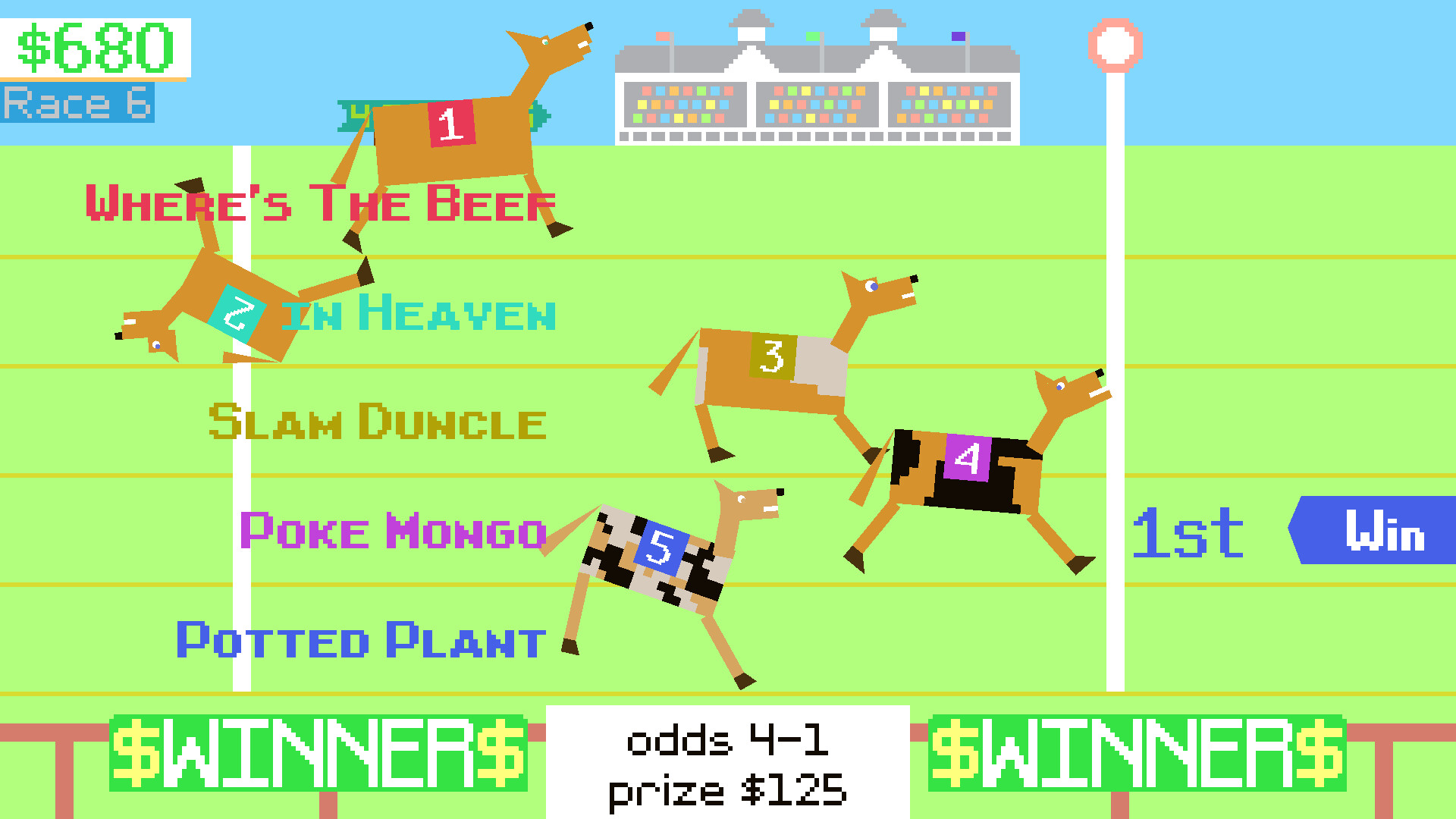
Set against that praise is a specific and well-corroborated criticism: the main progression, built around earning enough money to cure a sick family member, is short. Multiple reviewers report finishing it in two to five hours, and several describe the racing loop collapsing once they discover that cloning a single fast horse (or other creature) repeatedly produces an unbeatable, low-effort income stream. This isn't a fringe complaint; it recurs across a meaningful share of the negative reviews and is echoed even by some positive ones as a design flaw the developer should address, since it undercuts the exact genetic depth the game is otherwise praised for by making the "optimal" strategy trivial rather than interesting. Several reviewers frame the core races themselves as thin once you look past the DNA system, describing a lack of feedback on race performance, no map to navigate the island, and no sorting or naming tools to manage a growing horse population, all quality-of-life gaps that compound the sense of a game whose central systems outpace its surrounding structure.
A real pattern of bugs and crashes
Beyond design complaints, a genuine cluster of technical reports runs through the negative side of this sample: crashes, screen corruption described as looking like an old analog TV signal, freezing that requires a full reinstall, and menus that stop responding to input. More seriously, at least two detailed reviews describe losing dozens of hours of save progress to a reset bug, in one case reversing an otherwise enthusiastic recommendation entirely. These reports aren't universal, and several positive reviewers explicitly note the developer is actively patching issues, but the pattern appears often enough, and specifically enough, across independent reviewers that it should factor into any purchase decision, particularly for anyone planning to invest the dozens of hours the deeper genetics systems reward.
A rough but charming presentation
The game's low-poly, deliberately childish art style is a recurring talking point in itself. Several reviewers say they almost skipped the game because of it, and admit it took a streamer clip or a friend's recommendation to convince them to look past the screenshots. Once inside, though, a good number of reviewers argue the crude aesthetic is doing real work: it keeps the tone light and playful even as players engineer genuinely disturbing creatures, and one detailed review specifically credits the simple presentation with making the game possible at all, arguing the same systems rendered with realistic graphics would feel far more uncomfortable than funny. The soundtrack and small per-building sound effects also draw specific praise for reinforcing that same charm. It's a rare case in this sample where a visual style repeatedly described as "crappy" or "looks like it was made in an afternoon" is treated by the same reviewers as a genuine asset rather than a limitation to forgive.
Final Verdict
Horsey Game's reputation as a hidden gem is well earned: underneath a deliberately silly, low-budget presentation is a genuinely inventive breeding and genetics sandbox that consistently produces the kind of emergent, personal, shareable moments most scripted games can't manufacture. But it's not without real problems. The core progression is short enough that a meaningful share of players call it a two-to-five-hour experience once the optimal breeding exploit is found, quality-of-life tools like a map or horse sorting are missing, and a genuine cluster of crash and save-corruption reports should give cautious buyers pause. At its low price, it's an easy recommendation for players who want to experiment and laugh at what they create, less so for anyone hoping for a long, structured simulation.
Pros and cons
Pros
- The DNA and CRISPR-lab breeding system is repeatedly described as shockingly deep once players dig past the game's deliberately crude, cartoonish presentation, letting players combine, clone, and mutate horses, humans, cars, and wildlife into absurd creations
- A living background ecosystem simulation, where wild creature populations breed, mutate, and can even go extinct without player involvement, draws specific praise from more experienced players for adding real long-term depth beyond the initial racing hook
- The game's tone, generated almost entirely by what players do with its systems rather than scripted content, produces consistently funny, shareable moments that reviewers cite as the main reason word of mouth (including several high-profile streamers) drove it to prominence
Cons
- A recurring complaint, including from otherwise positive reviewers, is that the main progression can be finished in two to five hours, after which cloning a single unbeatable horse trivialises the racing loop and removes most of the incentive to keep breeding
- Numerous reviewers report crashes, screen corruption, freezing, and in a handful of specific cases save data resetting after dozens of hours of progress, serious enough that several otherwise enthusiastic players say they can no longer recommend the game
- The absence of an in-game map, horse sorting or naming tools, and clear post-race performance data draws consistent frustration, with several reviewers describing basic navigation and horse management as unnecessarily clunky
- The genetics and DNA-modification systems are introduced with very little explanation, and multiple reviewers describe resorting to external guides or pure trial and error just to understand what the core mechanic is doing
Screenshots
-
Horsey GameImage: Captain Games via Steam -
Horsey GameImage: Captain Games via Steam -
Horsey GameImage: Captain Games via Steam