Game review
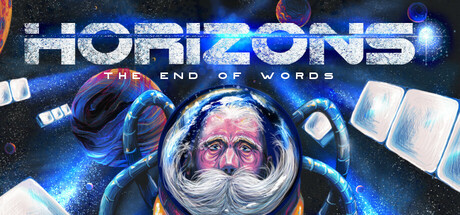
Horizons: The End Of Words
6.5 / 10
- Developer
- PUNKCAKE Delicieux
- Publisher
- PUNKCAKE Delicieux
- Released
- 23 January 2025
- Platforms
- Windows
- Genre
- Casual, Indie
- Players
- Single-player
The short version
Biggest strengths
- A genuinely fresh twist on the Scrabble-style tile-laying format — spelling words costs oxygen rather than scoring points based on letter value — that reviewers say makes the game feel meaningfully distinct from its genre ancestors rather than a clone
- A well-liked Journey mode that expands the core word-puzzle into a light roguelite structure of exploring space stations and collecting upgrades
- A wide, 40-achievement completion spread (75.0% down to 1.9%) confirms real structural depth for players willing to push further than the core loop's surface
Biggest weaknesses
- Clunky, imprecise controls for placing tiles on the board, which multiple reviewers single out as needing more polish
- Several in-game buildings and upgrades, specifically a casino feature, are reported as non-functional or unexplained, with no clear indication of their intended purpose
- Blurry, small on-screen text that at least one reviewer says caused genuine eye strain during play
6.5 / 10
Scrabble, but the words cost you air
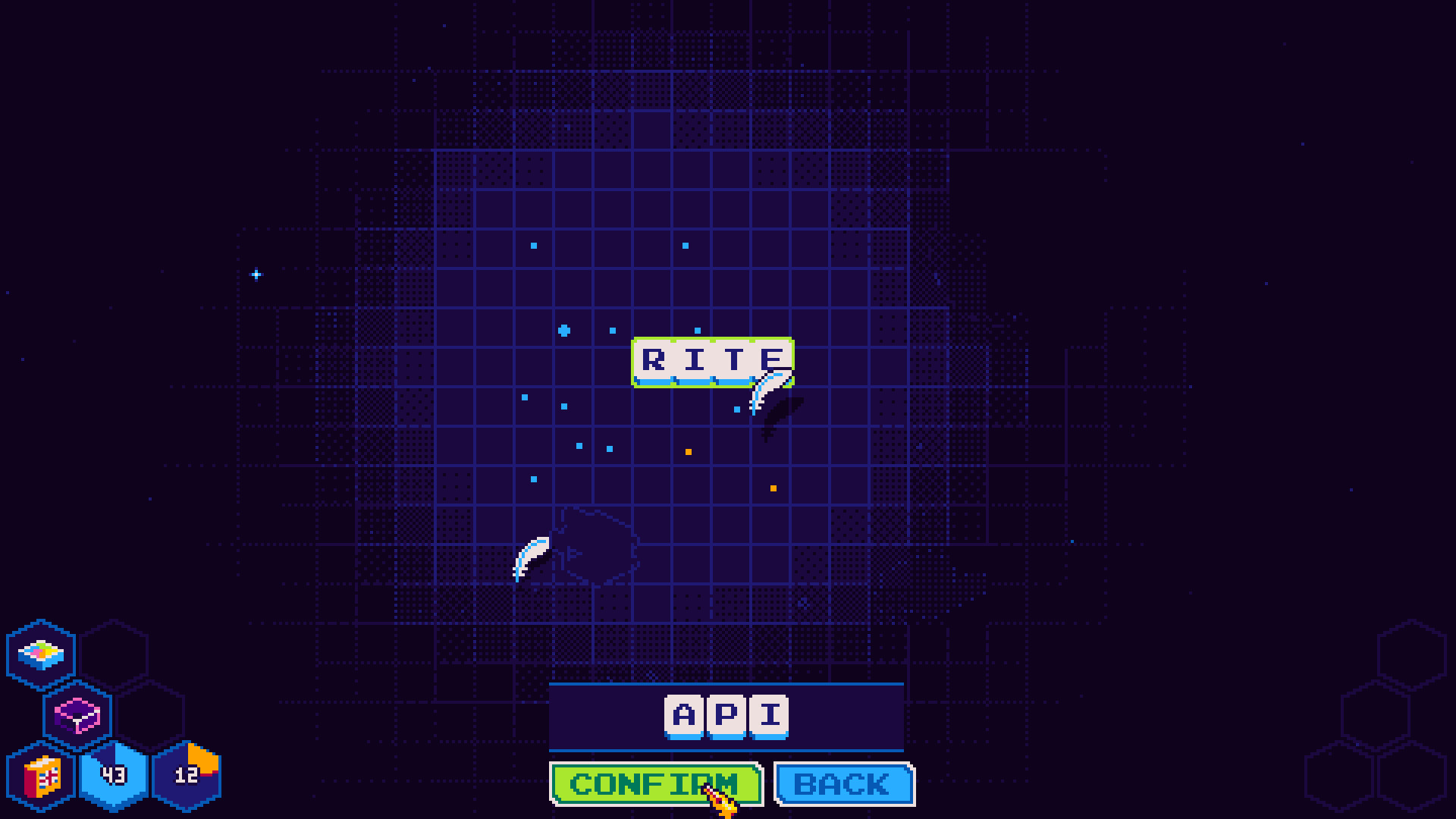
Horizons: The End Of Words takes the familiar tile-laying, word-forming format of Scrabble and rebuilds its core incentive structure around a single, clever inversion: rather than scoring points based on letter values, every word you spell costs you oxygen, with longer, more elaborate words costing more than short, efficient ones. That's a genuinely meaningful design change rather than a cosmetic reskin, and reviewers who've spent real time with traditional word games describe it as forcing a real adjustment in strategy. "You have to un-learn the rules of other word games you're used to because here none of the words or letters have values. The bigger the word, the more oxygen it costs," one reviewer explains, framing the relearning process as a positive rather than a barrier: "I thought it was fantastic for the price tag" once the adjustment clicked.
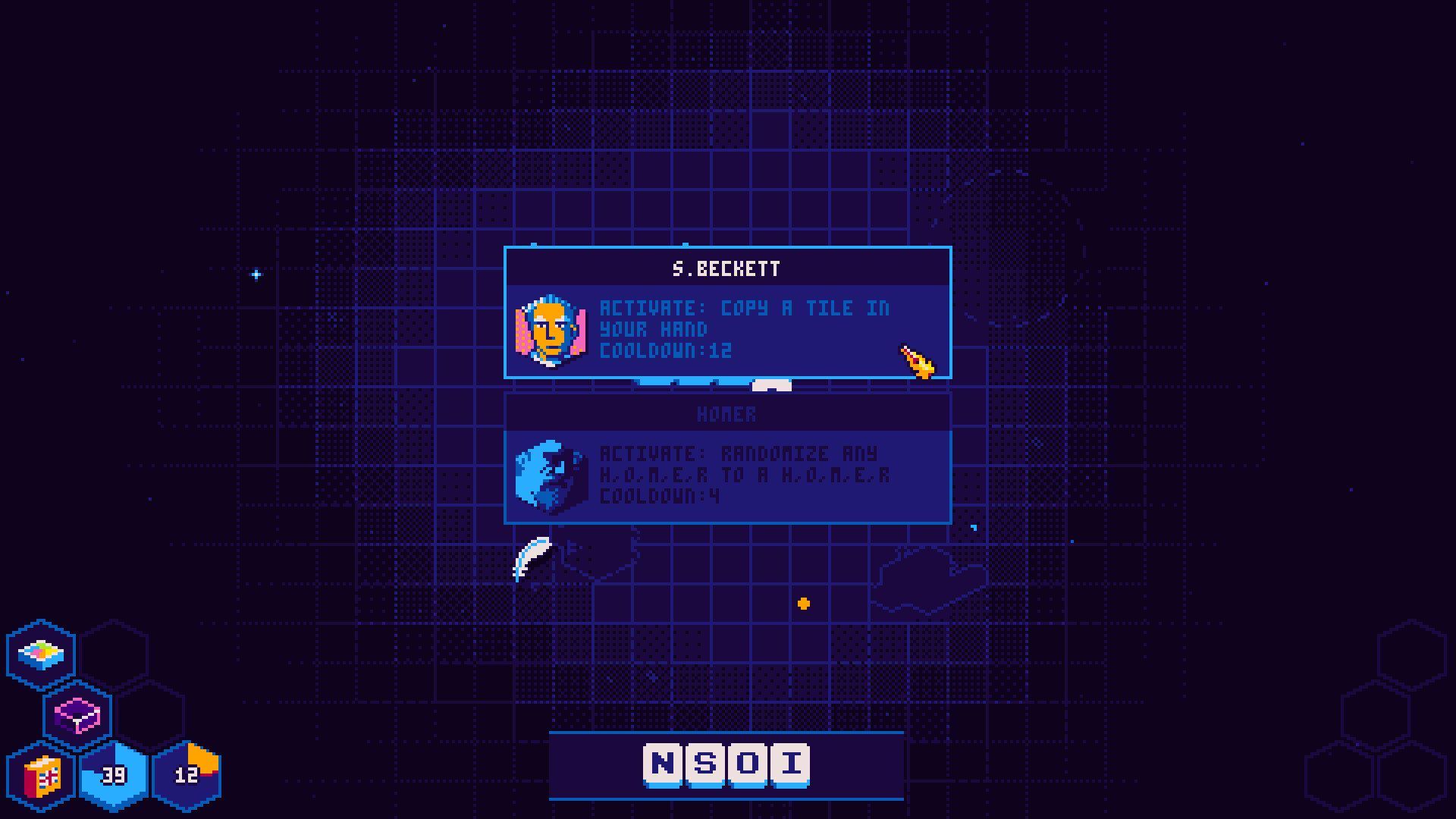
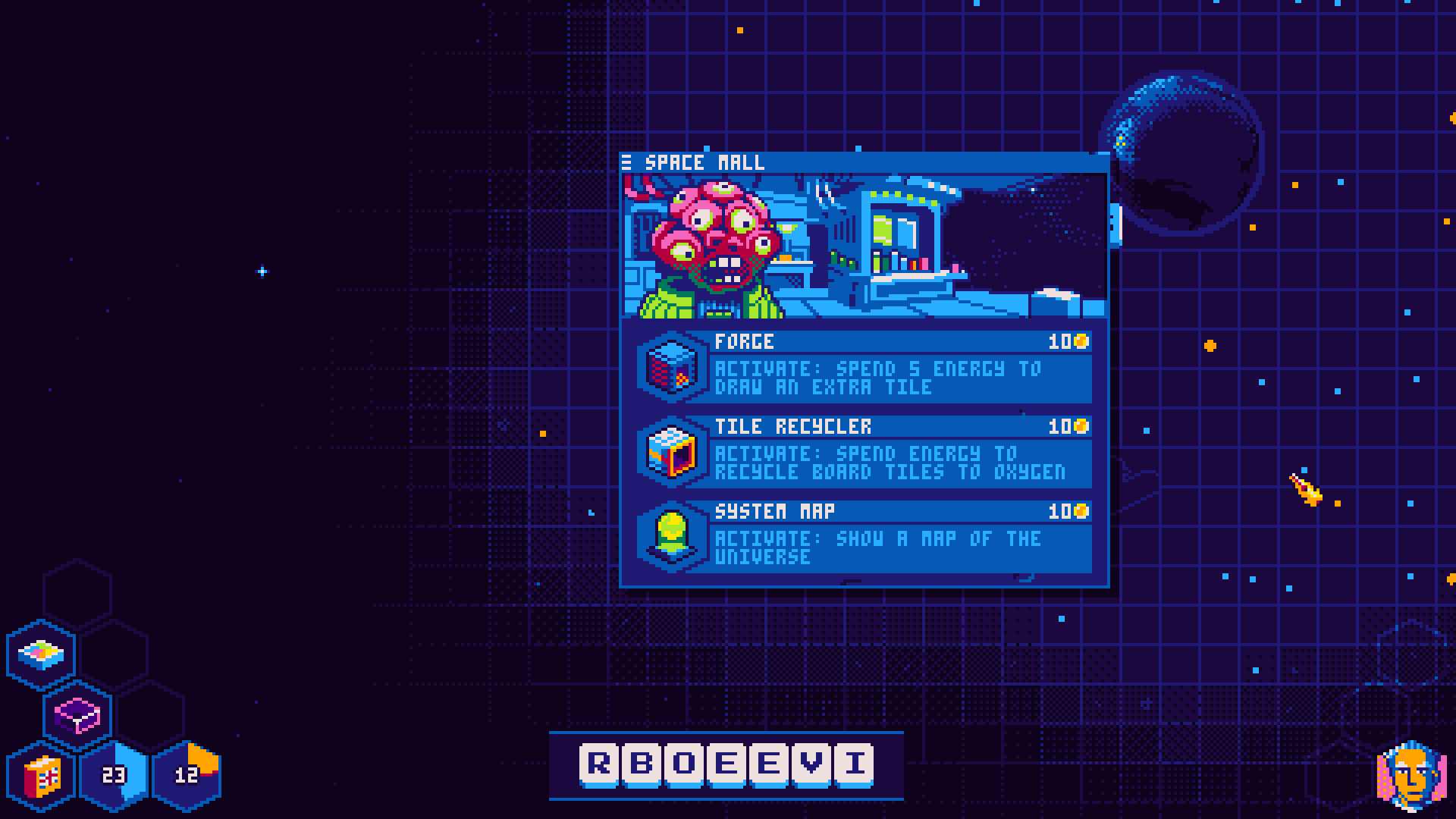
The game builds two distinct modes on top of that core mechanic. Mission mode offers a fixed, self-selected difficulty built around 28 different modifiers, while Journey mode layers in light roguelite structure, sending players between space stations to collect and upgrade items that support an ever-expanding "web of words." One reviewer who tracked the game from its earlier game jam origins through to this commercial release specifically credits Journey mode as the standout addition, drawing a precise genre comparison: "it does to tile-laying crossword games, like Scrabble, what Dorfromantik did to tile-laying region-matching games, like Carcassonne. There's even resources to track, ability cooldowns, consumables, shops, upgrades, and minigames" — high praise for a specific structural mode within an otherwise small, cheap indie release.
Rough edges in the presentation and interface
Set against the strength of the core concept, reviewers consistently flag a cluster of interface and polish problems. Tile placement itself draws specific, repeated criticism: "the controls for putting tiles on the board are clunky and annoying," one reviewer states plainly, describing exactly the kind of friction that matters most in a word game, where precise, confident placement is the entire interaction. A separate reviewer raises a related but distinct visual complaint: "the graphics is so blurred and the letters are so small that it hurts my eyesight," a genuinely concrete accessibility concern for a game whose entire premise depends on reading small text clearly and quickly.
A specific, unexplained content gap draws its own complaint: "a number of buildings such as the casino don't seem to work and don't explain what they are for," one reviewer notes, describing systems that appear present in the game's structure but non-functional or entirely unexplained in practice — the kind of loose end that suggests either unfinished content or a documentation gap the developer hasn't yet addressed. Compounding all of this, multiple reviewers note the complete absence of a tutorial, which is a particularly costly omission given how much the game's central hook depends on players actively unlearning intuitions from more familiar word games before anything makes sense. "There is no tutorial but we have two play modes" is offered almost as a non sequitur by one confused reviewer, capturing the disorientation of being dropped into an unfamiliar scoring system with no in-game guidance to bridge the gap.
A design idea strong enough to survive its rough execution
Despite those specific complaints, the underlying concept retains real, demonstrated appeal for the audience that pushes past the initial confusion. "It's fun enough for a scrabble game," one otherwise critical reviewer concedes even while listing the game's rough spots, and a separate reviewer frames the whole experience in more straightforwardly positive terms: "it's fun, chill, single-player Scrabbleish thing... drawing tiles takes oxygen, you have to explore around to find power-ups to help you out." One reviewer specifically recommends it as a way to sharpen short-word vocabulary skills for genre fans, noting the current content — "only a few missions, and a few different types of locations" — is modest but reasonable for the price, while hoping for future expansion.
The achievement data supports that reading of a genuinely structured, if currently compact, game. The curve runs from 75.0% for an early "writers" milestone down through a series of exploration and challenge-based achievements into the low single digits for the hardest late-game goals — "writers III" and "explorer V" both sit under 2% — spread across 40 total achievements. That's a wide enough spread to argue for real, deliberate difficulty escalation rather than a shallow completionist checklist, even for a game whose review base remains small.
Literary company along the way
One small, distinctive touch draws genuine delight from at least one reviewer, worth including because it captures a piece of the game's specific charm that a mechanical breakdown alone wouldn't convey: Journey mode populates its space stations with recognisable literary figures as companions. "It's also the only game I can think of where I can travel through space with my buds Jane Austen, Haruki Murakami, and Fyodor Dostoevsky," one reviewer writes, framing the detail as a genuinely memorable, unexpected pleasure layered on top of the core word-puzzle mechanics. It's a small thing, but it's the kind of specific creative flourish that separates a functional genre exercise from something with real personality, and it's consistent with the broader impression that this is a game whose ideas, in both mechanics and presentation, are more ambitious than its current polish level fully supports.
Where this leaves it
Horizons: The End Of Words has identified a genuinely clever twist on a well-worn format, and the reviewers who push past its rough onboarding consistently describe real, sustained enjoyment from the resulting puzzle. What holds it back from an easier recommendation is a cluster of specific, fixable interface problems — clunky tile placement, blurry small text, unexplained non-functional systems, and no tutorial for a mechanic that specifically requires new players to unlearn old habits. Worth trying for word-game fans looking for something genuinely different from Scrabble's usual scoring logic, with the expectation that the first session will involve some frustrated trial and error before the twist clicks into place.
Pros and cons
Pros
- A genuinely fresh twist on the Scrabble-style tile-laying format — spelling words costs oxygen rather than scoring points based on letter value — that reviewers say makes the game feel meaningfully distinct from its genre ancestors rather than a clone
- A well-liked Journey mode that expands the core word-puzzle into a light roguelite structure of exploring space stations and collecting upgrades
- A wide, 40-achievement completion spread (75.0% down to 1.9%) confirms real structural depth for players willing to push further than the core loop's surface
- Consistently praised presentation and music that reviewers say suit the space-exploration framing well
Cons
- Clunky, imprecise controls for placing tiles on the board, which multiple reviewers single out as needing more polish
- Several in-game buildings and upgrades, specifically a casino feature, are reported as non-functional or unexplained, with no clear indication of their intended purpose
- Blurry, small on-screen text that at least one reviewer says caused genuine eye strain during play
- No tutorial exists to explain the game's central mechanical twist, despite that twist specifically requiring players to unlearn standard word-game habits before the game makes sense
Screenshots
-
Horizons: The End Of WordsImage: PUNKCAKE Delicieux via Steam -
Horizons: The End Of WordsImage: PUNKCAKE Delicieux via Steam -
Horizons: The End Of WordsImage: PUNKCAKE Delicieux via Steam -
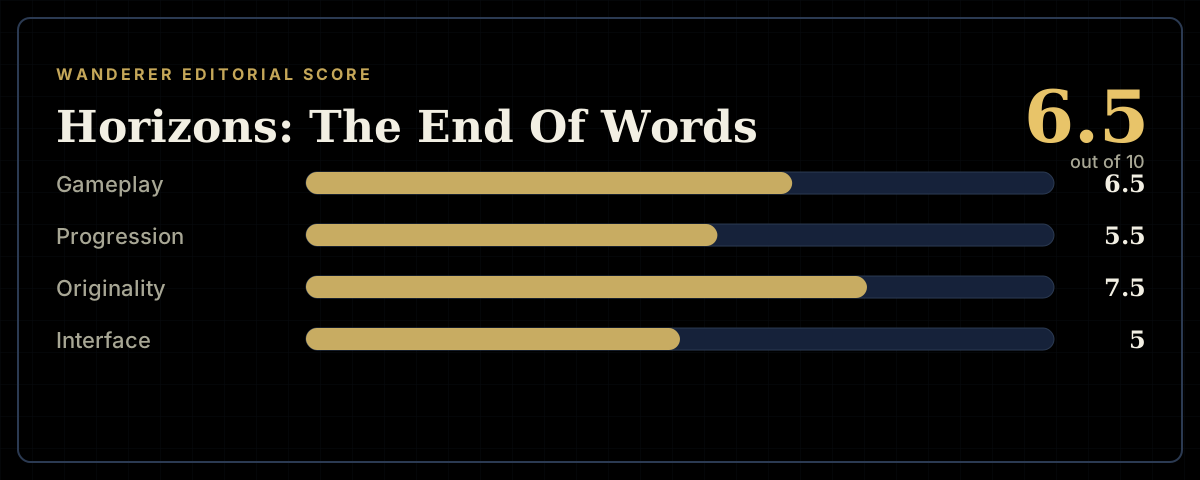
How the review scores each part of the gameWanderer Editorial -
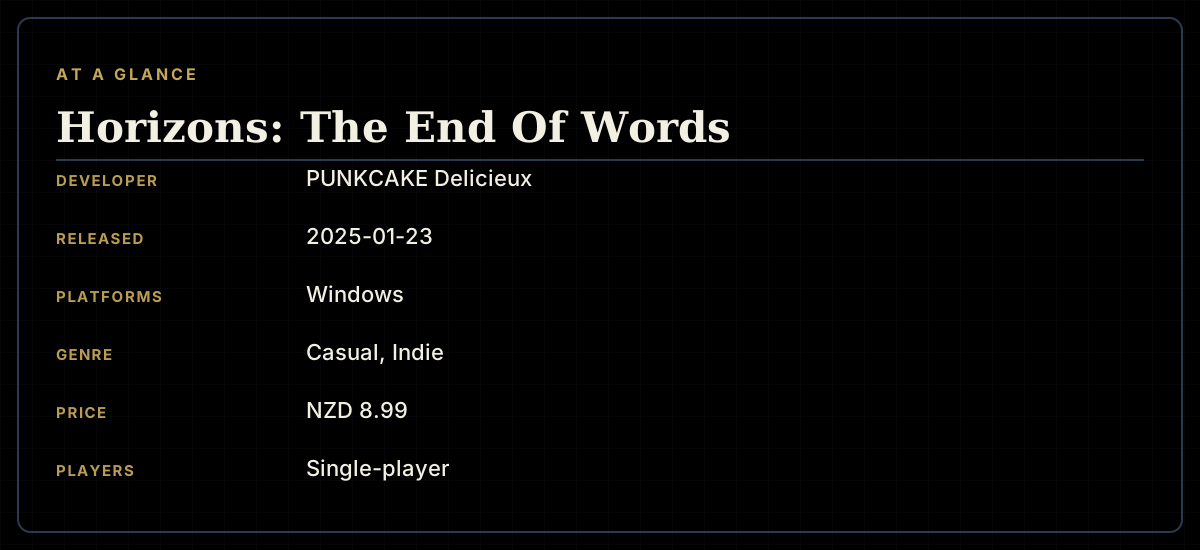
At a glanceWanderer Editorial -
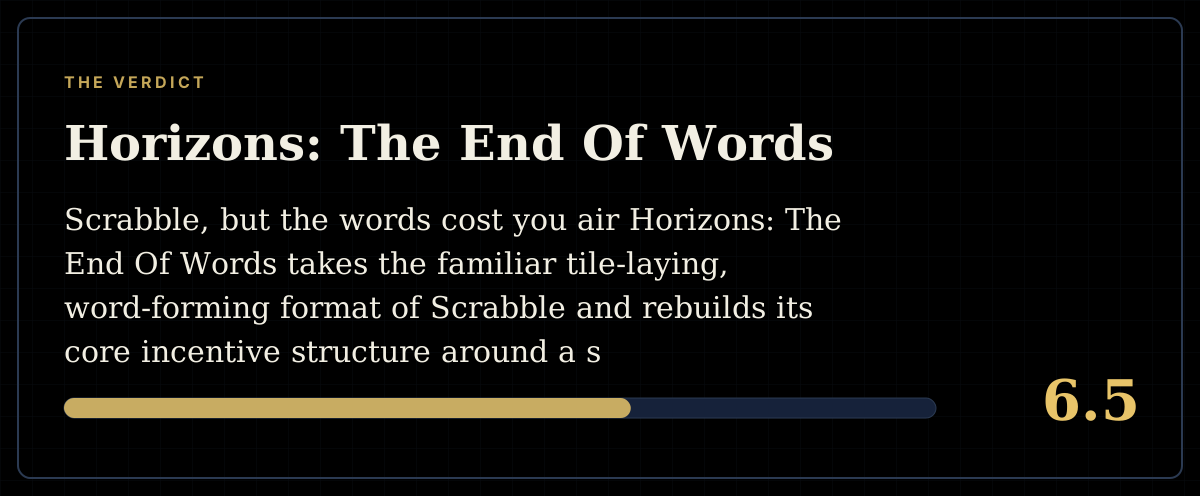
The short versionWanderer Editorial