Game review
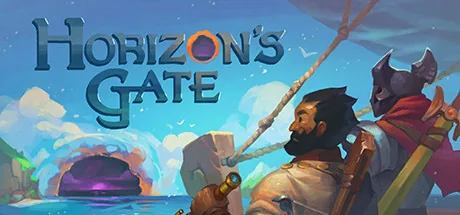
Horizon's Gate
7 / 10
- Developer
- Rad Codex
- Publisher
- Rad Codex
- Released
- 9 March 2020
- Platforms
- Windows
- Genre
- Tactical RPG
- Monetisation
- One-time purchase, no in-game store
- Players
- Single-player only
The short version
Horizon's Gate is an open-world tactical RPG from solo-team developer Rad Codex, pitching itself as a spiritual successor to two very different genre touchstones at once — Final Fantasy Tactics-style grid combat and Uncharted Waters-style naval exploration and trading. Released 9 March 2020, it has built an unusually devoted following: 1,093 English-language Steam reviews at Very Positive, roughly 95%. This review's read of both sides of that sample finds reviewers with extraordinary time invested — several with well over a thousand hours logged — praising a class system built around mixing primary and secondary specialisations with real tactical depth, and a combat design distinctive enough that reviewers compare it favourably to genre classics like Fell Seal: Arbiters' Mark and Tactics Ogre. Set against that, a comparable share of the same deeply invested reviewers argue the open world built to hold that combat is too vast and too empty, with slow, repetitive naval travel eating into time that could otherwise go to the tactical encounters they actually came for.
Biggest strengths
- The primary/secondary class-mixing system draws extensive, specific praise for genuine tactical depth, letting players combine skills and passive abilities across classes in ways reviewers describe as "extremely rich and complex"
- Combat design earns favourable comparisons to respected genre touchstones, with abilities and even weapon attacks usable outside combat to solve puzzles or set up surprise encounters
- Naval and land combat both drawing dedicated design attention rather than one being an afterthought is credited as a genuinely uncommon structural achievement
Biggest weaknesses
- A comparable, well-invested share of the negative sample argues the open world feels "bare bones," citing repetitive dungeon layouts and long stretches of empty ocean between points of interest
- Sailing and overworld travel draw specific, detailed complaints about pace — one reviewer estimated ship movement alone accounts for 70-80% of playtime, calling it monotonous
- Story and character depth are widely described as minimal, with an abrupt ending that leaves several long-time players unsatisfied after dozens of hours invested
Who it's for: Tactics RPG fans drawn to a genuinely deep, flexible class system and open-world freedom, who can tolerate slow travel and a thin main story; less suited to players who want a tightly paced campaign without exploration downtime.
Our recommendation: A tactically rich, genuinely ambitious hybrid let down by pacing in its exploration layer — worth playing for the combat and class system alone, with realistic expectations about how much of the game is spent sailing rather than fighting.
7 / 10
Introduction
Horizon's Gate makes an ambitious pitch few tactics games attempt: be a genuine spiritual successor to two different genres at once. Grid-based tactical combat in the tradition of Final Fantasy Tactics sits alongside open-world naval exploration and trading in the tradition of Uncharted Waters, with players free to sail the world of Eral as an explorer, trader or privateer between fights. Developed and self-published by Rad Codex, it released 9 March 2020 for NZ$28.99 and has since built an unusually devoted following — 1,093 English-language Steam reviews at Very Positive, roughly 95%. This review reads a substantial share of both the negative and positive samples, and finds reviewers with genuinely extraordinary playtime on both sides of the discussion, which lends real weight to what they agree and disagree about.
A class system reviewers describe as genuinely rich
The clearest, most consistently praised system in this review's sample is character progression. Players build each of five active party members around a primary and secondary class, unlocking skills tied to class-specific experience and combining passive abilities across that pairing — one reviewer described the resulting system as "extremely rich and complex," having combined classes and abilities across an enormous personal playtime investment. Another explained the practical range this produces: "skills can range from powerful spells and area attacks to pushes and repositioning, so your strategies will vary wildly depending on your party composition." That's a meaningfully deeper build space than the genre's usual fixed-class structure, and reviewers repeatedly credit it as the thing that kept them engaged well past a typical campaign's length.
Combat that earns its genre comparisons
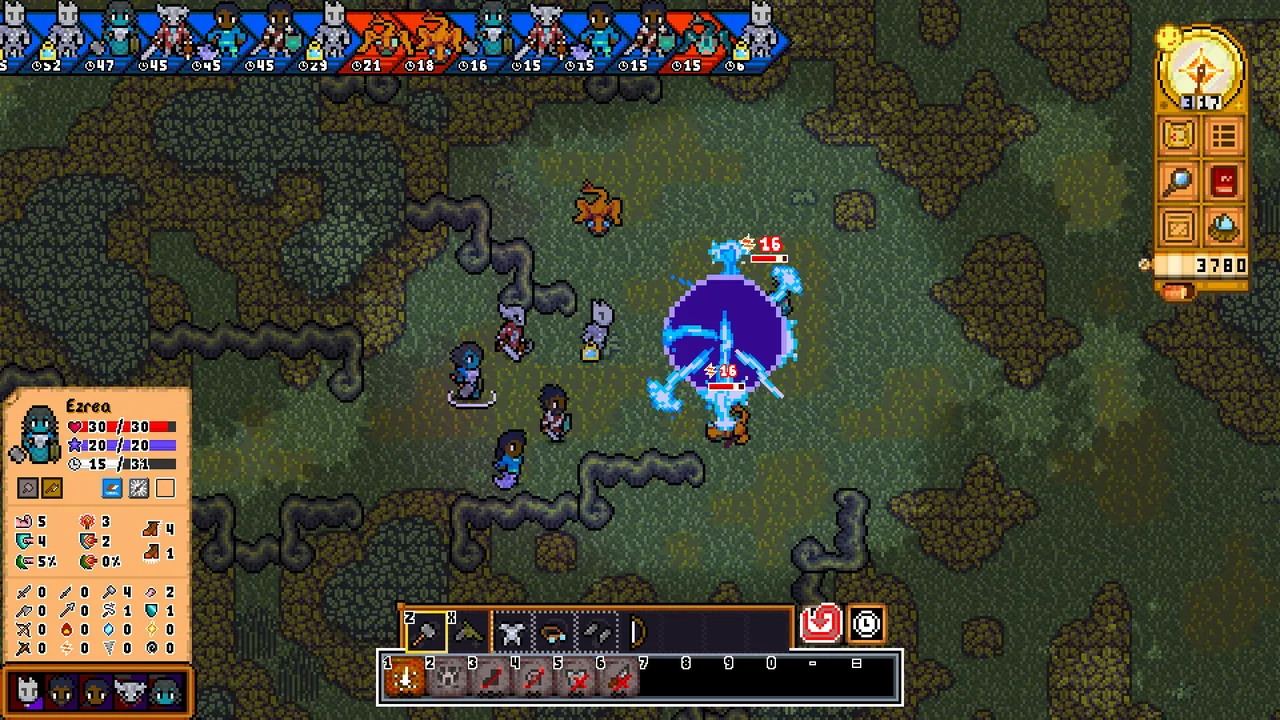
Beyond the class system, the tactical combat itself draws real, specific praise, with reviewers directly comparing it to respected genre touchstones like Fell Seal: Arbiter's Mark and Tactics Ogre — comparisons that carry weight precisely because they're specific rather than generic "good combat" praise. One distinctive design detail draws particular credit: abilities and even weapon attacks can be used outside of combat, letting players solve environmental puzzles or set up a surprise first strike on an encounter rather than treating exploration and combat as fully separate modes. Naval combat receiving genuine design attention alongside land combat — rather than functioning as a simplified afterthought bolted onto the "real" tactics game — is credited by several reviewers as a genuinely uncommon achievement for a game attempting this particular hybrid.
An ocean that tests even devoted fans' patience
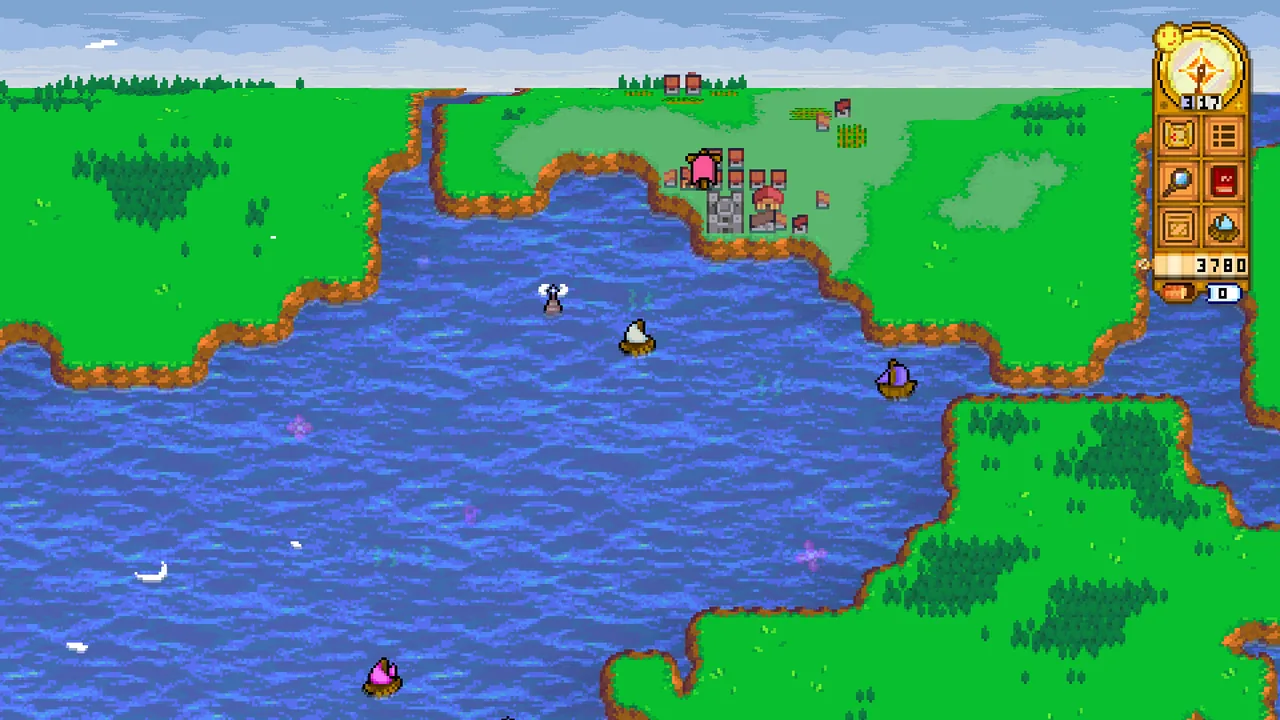
Here's where this review's sample gets most interesting: the same kind of deeply invested reviewers praising the combat and class systems are also the source of the sample's most detailed complaints about pacing, which lends those complaints real credibility rather than reading as casual impatience. One reviewer put a specific number on it, estimating that slow ship movement alone accounts for roughly 70-80% of total playtime, calling the sailing "very monotonous and boring." Another, with over 400 hours logged, reported spending the vast majority of their time "looking for another on foot encounter" rather than actually fighting, and specifically said they eventually quit to find a different tactical RPG — a genuinely serious outcome from a reviewer who clearly wanted to like the game. A further complaint sharpens the critique: one reviewer asked pointedly why a game built around ships offers more character classes than ship hull variety, arguing naval combat and trading ultimately received less structural depth than the land-based tactics layer, despite both being central to the game's pitch.
A thin story and an ending several didn't see coming
Story and narrative depth draw consistent complaints as minimal across this review's sample, and one detail stands out specifically: a reviewer with an extraordinarily large amount of time invested described genuinely enjoying the game "despite the problems," only for the story to end and roll credits in a way that left them "very unsatisfied" — a specific, poignant example of a player who built real attachment to the systems only to feel the narrative wrapping didn't match that investment. Combat balance draws a smaller but real complaint too, with several reviewers noting enemies consistently acting first in encounters and difficulty spikes that read as uneven rather than a deliberately tuned curve.
Final Verdict
Horizon's Gate succeeds at the hardest part of its ambitious pitch: the tactical combat and class system are genuinely deep enough to earn comparisons to respected genre classics, and the choice to give naval combat real design attention rather than treating it as a gimmick is a real structural achievement. Where this review's sample finds honest, credible pushback — from reviewers who clearly love the game overall — is in the pacing of the open world built around that combat: slow travel, repetitive locations, and a story that several long-time players felt ended without matching the investment they'd put in. For tactics fans specifically drawn to a deep, flexible class system and willing to accept real exploration downtime as part of the package, this is a strong recommendation; for players who want combat encounters back-to-back without much sailing between them, go in with realistic expectations about the ratio.
Pros and cons
Pros
- The primary/secondary class-mixing system draws extensive, specific praise for genuine tactical depth, letting players combine skills and passive abilities across classes in ways reviewers describe as "extremely rich and complex"
- Combat design earns favourable comparisons to respected genre touchstones, with abilities and even weapon attacks usable outside combat to solve puzzles or set up surprise encounters
- Naval and land combat both drawing dedicated design attention rather than one being an afterthought is credited as a genuinely uncommon structural achievement
- An active modding community and Workshop support extend the game's content well past its base campaign, according to reviewers who specifically credit mods for addressing content gaps
Cons
- A comparable, well-invested share of the negative sample argues the open world feels "bare bones," citing repetitive dungeon layouts and long stretches of empty ocean between points of interest
- Sailing and overworld travel draw specific, detailed complaints about pace — one reviewer estimated ship movement alone accounts for 70-80% of playtime, calling it monotonous
- Story and character depth are widely described as minimal, with an abrupt ending that leaves several long-time players unsatisfied after dozens of hours invested
- Combat balance draws recurring complaints about enemies acting first and difficulty spikes that feel uneven rather than a deliberately escalating curve
Screenshots
-
Horizon's GateImage: Rad Codex via Steam -
Horizon's GateImage: Rad Codex via Steam -
Horizon's GateImage: Rad Codex via Steam -
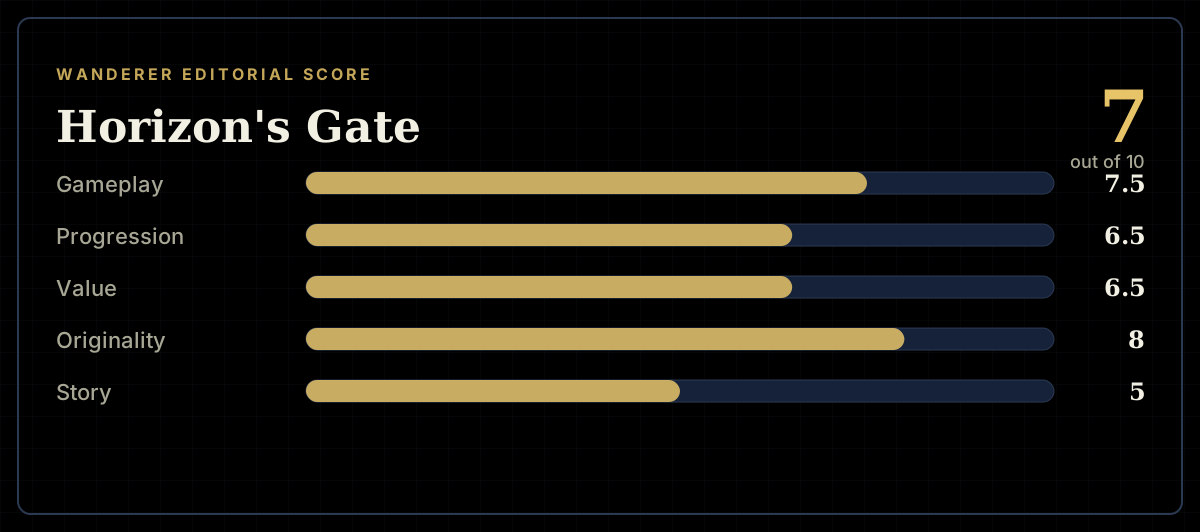
How the review scores each part of the gameWanderer Editorial -
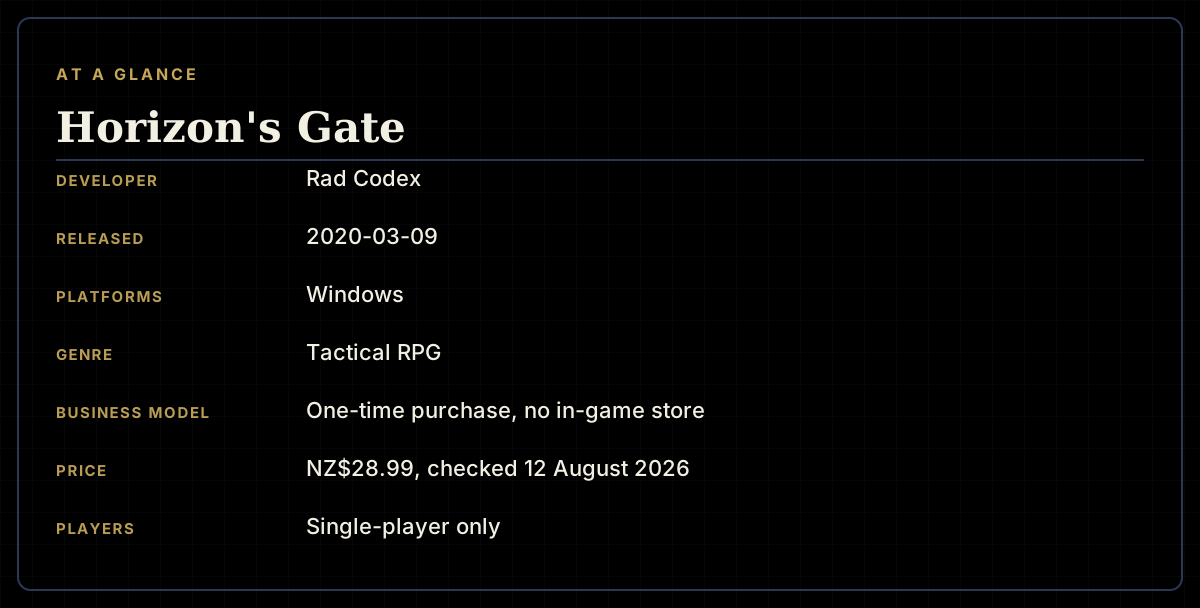
The essentials at a glanceWanderer Editorial -
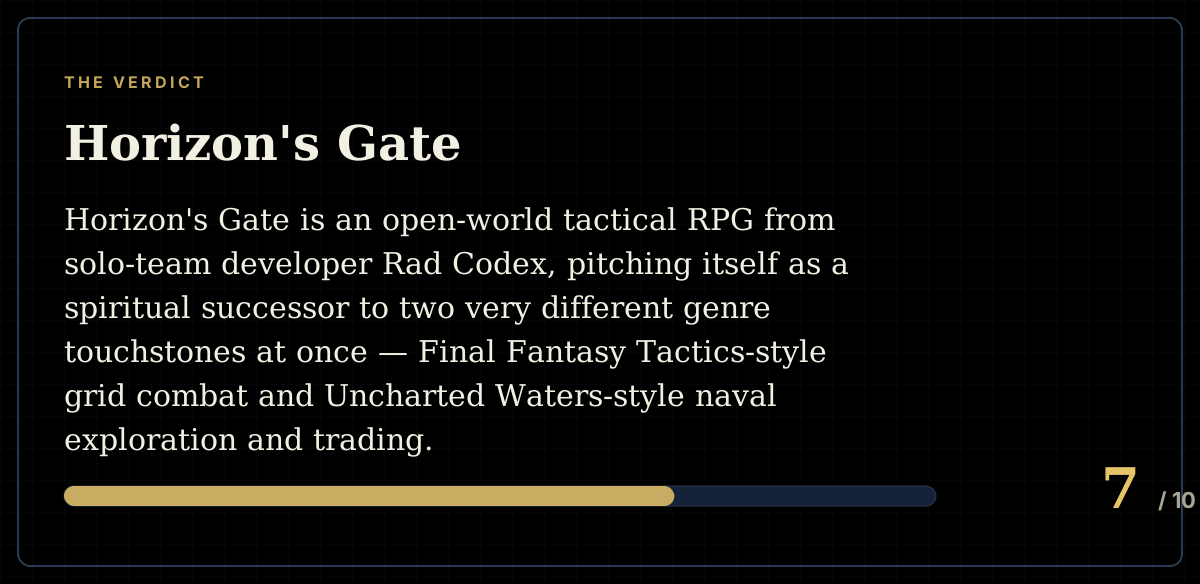
The short versionWanderer Editorial