Game review
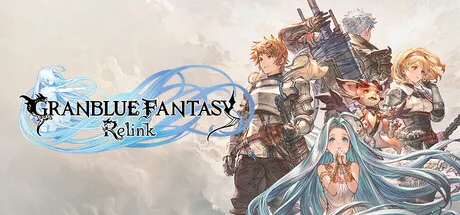
Granblue Fantasy: Relink
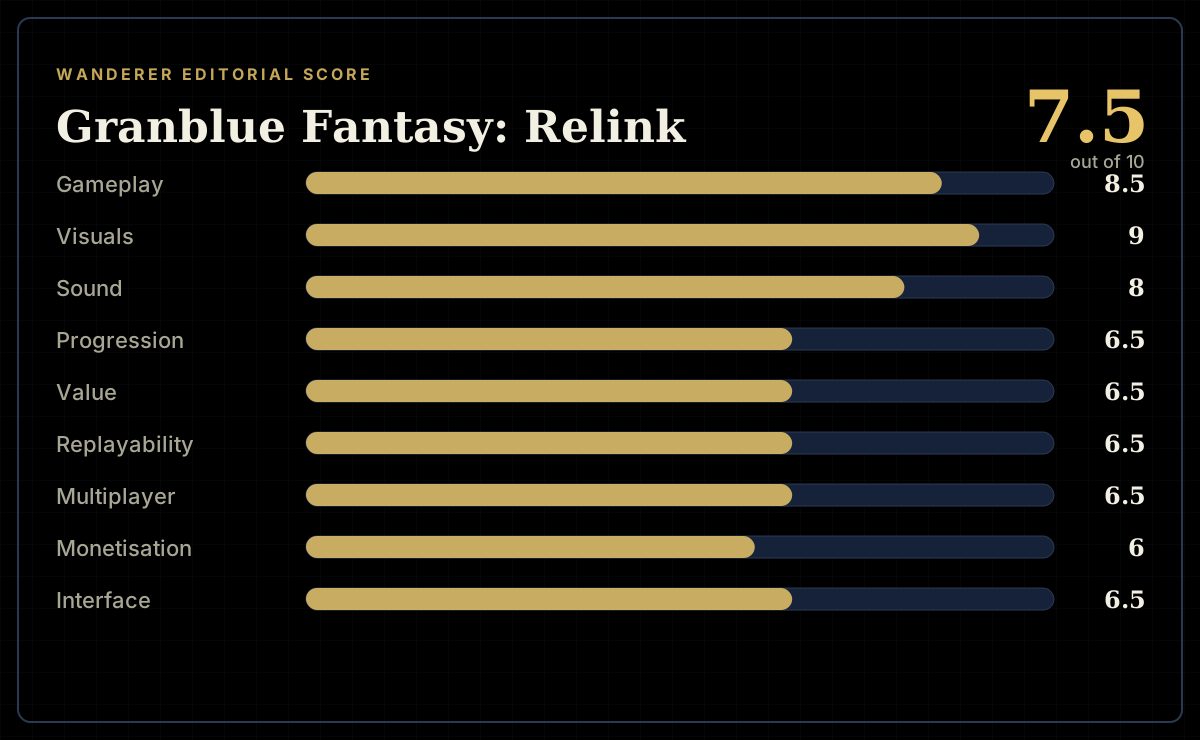
7.5 / 10
- Developer
- Cygames, Inc.
- Publisher
- Cygames, Inc.
- Released
- 1 February 2024
- Platforms
- Windows, PlayStation 4, PlayStation 5, Nintendo Switch 2
- Genre
- Action RPG
- Monetisation
- Premium, one-off purchase. No gacha, loot boxes or premium currency anywhere in the game, despite the license's mobile roots — but the Steam storefront carries over two dozen optional paid add-ons, including individually priced new playable characters, cosmetic colour and emote packs, and small packs that sell the same crafting materials the game also asks players to farm. The Endless Ragnarok story expansion is the one substantial paid content drop.
- Players
- Up to four-player online co-op for side quests and the postgame quest board once the story is finished; the story campaign itself is solo-only, backed by three AI-controlled crew members rather than human players.
The short version
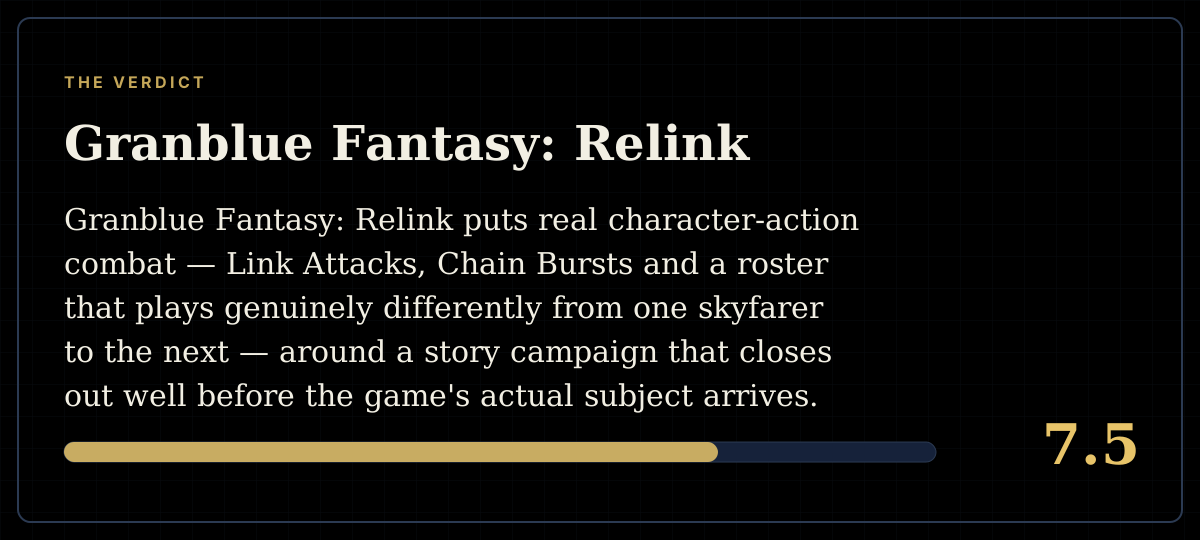
Granblue Fantasy: Relink puts real character-action combat — Link Attacks, Chain Bursts and a roster that plays genuinely differently from one skyfarer to the next — around a story campaign that closes out well before the game's actual subject arrives. What's left afterward is a Proud Quest ladder built on sigil drops and weapon transmutation, a loot economy that rewards patient optimisation but leans on reused boss patterns to pad its length. It is not the gacha game that shares its name — there's no pull mechanic anywhere in it — but its DLC storefront sells the same crafting shortcuts the grind is designed around, which blunts some of the goodwill that clean monetisation should have earned it.
Biggest strengths
- Link Attacks and Chain Bursts turn a four-person party into genuine team combat instead of four separate damage meters running in parallel
- The roster spans melee bruisers, elemental casters and support-focused skyfarers with distinct movesets, not palette-swapped versions of the same combo string
- Full Assist mode automates combat inputs for players who want the story and spectacle without the timing demands, a genuinely useful accessibility option
Biggest weaknesses
- The story campaign can only be played solo with AI companions, so the headline four-player co-op only becomes available once the main event is already over
- High-difficulty side quests often demand a recommended power well above what clearing them at a lower rank actually grants, turning the climb to S++ rewards into its own grind before the real grind starts
- Proud Quest bosses frequently reuse the same attack patterns and models with a new element and bigger numbers attached, a pattern that becomes obvious within the first handful of endgame clears
Who it's for: Action RPG players who want tight, technical combat with a real support cast rather than a lone protagonist, and who are willing to treat the postgame quest board as the actual game rather than optional extra content. A tougher sell for anyone allergic to hunting-game repetition, or expecting the story campaign to be the main event.
Our recommendation: Worth buying at full price for the combat system alone if character-action games are already your genre; everyone else should wait for a sale given how quickly the endgame reveals its ceiling. Skip the character and material DLC packs unless a specific build already has you farming for exactly what they sell.
7.5 / 10
Granblue Fantasy: Relink spends its opening hours doing something most character-action games don't bother with: making the other three people in your party feel like they're actually fighting alongside you rather than standing near you. Link Attacks trigger when two skyfarers land hits in close proximity, and Chain Bursts let the whole party detonate a shared special move at once. It's a small design choice that changes how combat reads moment to moment, and it's the best reason to play this game. The other reason people bring it up — the hunting-game structure waiting on the other side of the story — is where the real conversation about Relink actually happens, and it's a messier one than the combat alone would suggest.
Not the gacha game with the same name
Worth clearing up first, because the confusion is common and understandable: this is not Granblue Fantasy, the long-running browser and mobile gacha, and it isn't Granblue Fantasy Versus, the fighting game either. Relink is a stand-alone, single-purchase action RPG built in the same setting with the same cast. There is no pull mechanic, no premium currency and no randomised loot box anywhere in it — a genuinely clean break from the license's mobile roots, and one worth stating plainly rather than assuming. What it does carry over from a decade of live-service Granblue is a large, over-two-dozen-item Steam DLC storefront, which turns out to matter more to this review's verdict than the absence of gacha pulls does. More on that below.
A roster that actually plays differently
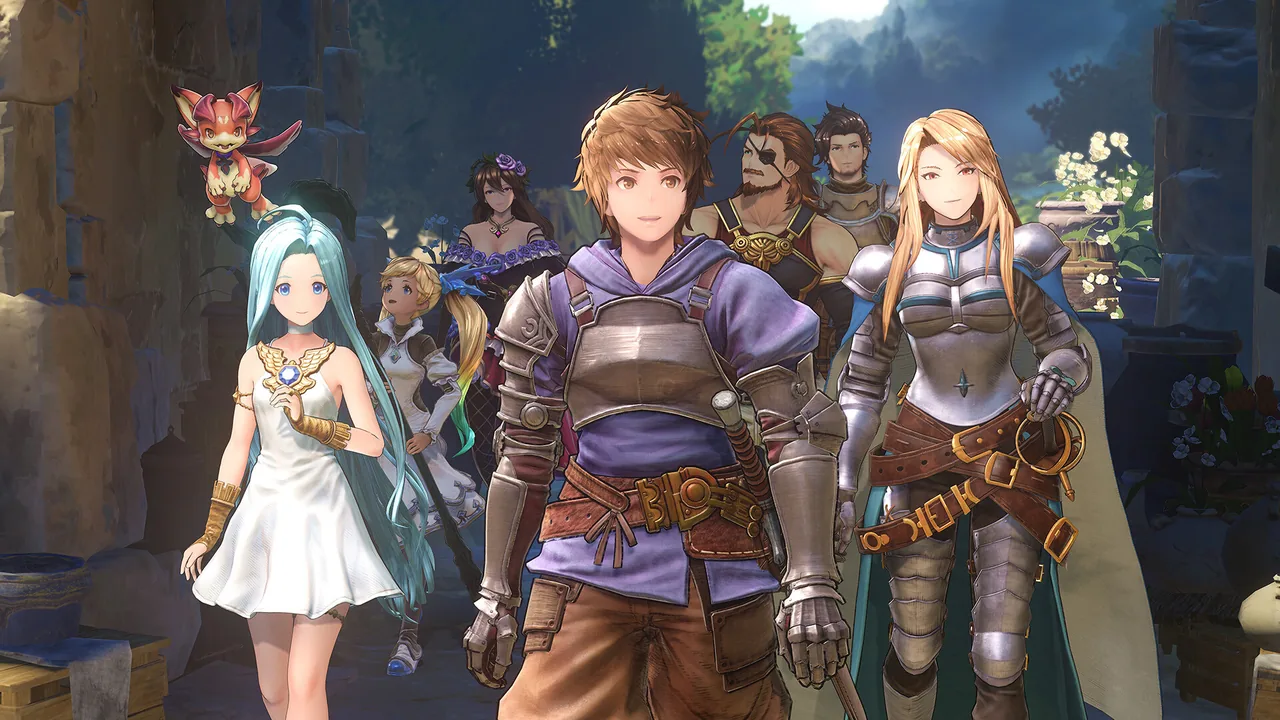
The character roster is the game's clearest strength. Skyfarers range from straightforward melee bruisers through elemental spellcasters to support-leaning characters built around buffing the rest of the party rather than racking up their own damage, and the differences aren't cosmetic — each carries a distinct moveset, resource system and skill loadout that changes how a fight against the same boss actually plays out. Party formation matters too: the game explicitly builds around covering elemental and role weaknesses as a group rather than four players each optimising their own numbers in isolation, and Link Attacks and Chain Bursts exist specifically to reward players paying attention to what their teammates — human or AI — are doing. Full Assist mode, which automates combat inputs entirely, is a genuinely useful accessibility option that lets players who don't want to engage with the timing demands still see the story and the postgame content, without walling anyone out.
A short story, then the actual game
The campaign follows a fairly conventional skyfaring-adventure structure — a crew, a mysterious girl with powers, a secretive organisation, a fabled island at the edge of the map — told across a fixed sequence of story quests with side content and character-specific Fate Episodes filling in crew backstories along the way. It's pleasant, competently paced JRPG plotting rather than anything ambitious, and it closes out well before the postgame quest board opens up. That's not a flaw by itself — plenty of action RPGs treat the campaign as a long tutorial — but it means the honest review of this game is a review of what happens after the credits, not during them, and that's exactly where Relink gets more complicated to recommend. Once the story ends, the loop becomes selecting quests from a hub, several tiers deep across difficulty and elemental variants, grinding sigils and materials, and repeating that against progressively harder versions of bosses already fought during the campaign.
Sigils: the loot economy underneath everything
Sigils are Relink's answer to gear affixes — items socketed into a character's build that modify stats, unlock passive effects or raise damage caps, dropped from quest rewards and stronger enemies with randomised trait values attached. Getting a specific sigil isn't the hard part; getting one with the roll you actually want is, and the transmutation system exists precisely to manage that randomness — combining sigils of the same type to push toward a stronger, more reliably useful version rather than leaving a build entirely to the drop table. It's a real system with a real answer to RNG frustration, which puts it ahead of loot games that offer no reroll path at all. It's also, structurally, a grind economy: chasing a fully optimised loadout for a specific character means running the same quests repeatedly for a chance at the traits that matter, and the game's own storefront sells Sigil Upgrade Items Packs and Weapon Upgrade Items Packs stocked with the exact crafting materials that grind produces. None of it is required to finish the game or even to clear its hardest content eventually — but selling a paid shortcut through a system the base game asks you to farm is a harder thing to defend than "no gacha" alone covers, and it's the kind of detail that separates a clean monetisation model from a genuinely player-respecting one.
Solo story, forced-group endgame
The four-player co-op that headlines Relink's marketing is real and it's good — but it only applies to quests outside the main story. The campaign itself has to be played solo, propped up by three AI-controlled crew members who are perfectly serviceable through most of it and noticeably less so once postgame difficulty spikes hit. Player feedback on the toughest Proud Quest bosses is consistent on this point: fights tuned for four coordinated players routinely overwhelm the AI's decision-making, which pushes committed players toward online co-op not as an option but as the practical way to clear the content the game is gating its best rewards behind. That's a reasonable design choice for a hunting game built around Monster Hunter's four-hunter template, and it's honestly comparable to how Monster Hunter: World and Monster Hunter Wilds both lean on parties for their toughest content too — but Relink never quite earns the comparison the way its marketing invites. One recurring criticism in Relink's own Steam reviews puts it sharply: the game borrows the grindiest part of the Monster Hunter formula — repeated hunts against reused monster kits for material drops — without the systemic depth Capcom built to make that repetition feel like mastery rather than padding. Bosses in the endgame reuse attack patterns and models with a new element and bigger numbers stapled on far more often than World or Wilds ask players to accept, and that's the specific place the comparison breaks down.
Presentation that earns its keep mechanically
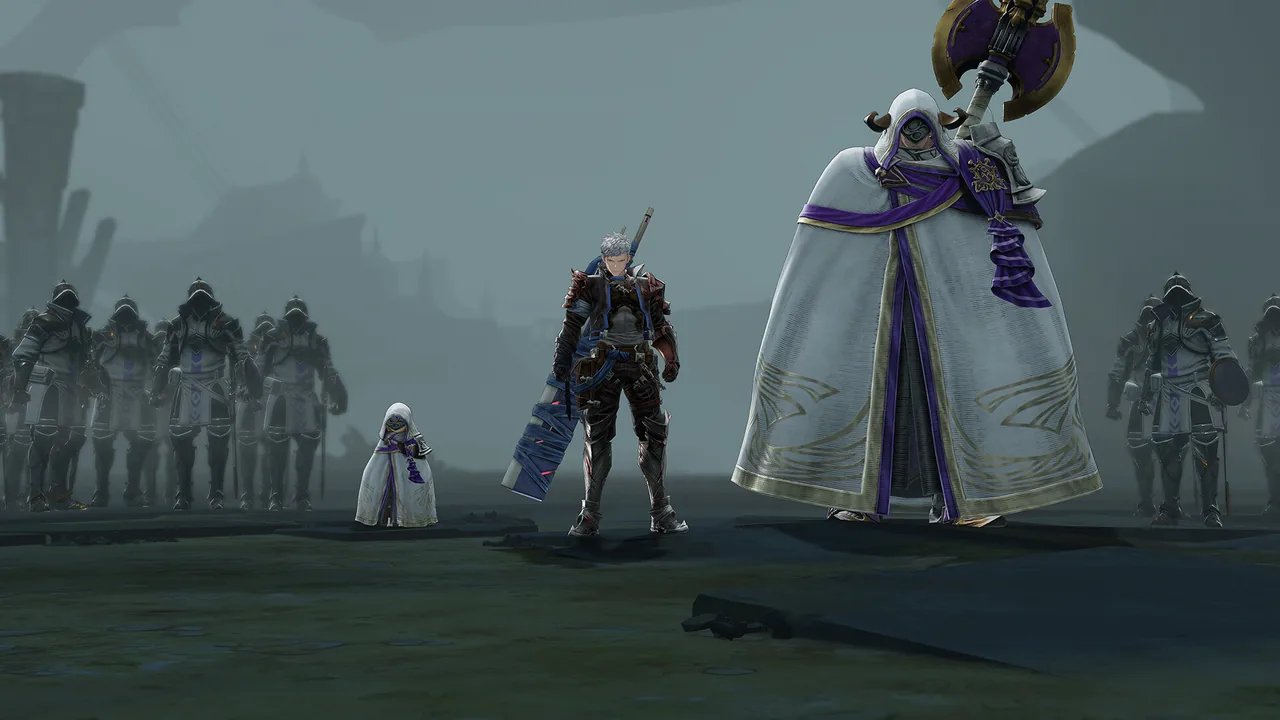
Cygames' production values are the reason a lot of people picked this game up in the first place, and they hold up under scrutiny for reasons beyond looking expensive. Boss encounters are staged with real cinematic staging — camera work, scale and choreography that track the fight rather than interrupting it — which matters because Relink's combat depends on reading enemy tells clearly in real time. A gorgeous boss that obscures its windup animation would actively hurt the moment-to- moment game; Relink's doesn't, and that discipline is what turns the spectacle from decoration into something that actively supports play. It's the same lesson Final Fantasy VII Rebirth leans on with its own set-piece encounters — a AAA budget only pays off in an action game when the presentation stays legible under pressure, and Relink mostly gets that right.
What owning a build actually costs
Relink's DLC slate deserves a straight accounting rather than a single verdict, because it isn't one thing. Colour packs and emote sets are purely cosmetic and easy to ignore. New playable characters — Sandalphon, Tweyen, Seofon, and Endless Ragnarok additions Fediel and Fraux — are sold individually at a low price each rather than folded into free updates, which is a real cost for anyone who wants the full roster rather than the launch cast. Then there are the material packs: Self-Improvement Packs, Weapon Uncap Items Packs, Weapon Upgrade Items Packs and Sigil Upgrade Items Packs, each stocked with crafting resources that are otherwise earned by playing. None of this is a loot box, a premium currency or a randomised pull — every SKU is a fixed, named, priced item, which is a genuinely better structure than the license's gacha history might suggest. But a storefront that sells shortcuts through its own grind, quest by quest, is still asking players to pay twice for the same content in a way "no gacha" doesn't fully excuse.
Two and a half years of support, and Endless Ragnarok
Whatever else is true about the monetisation, Cygames didn't abandon this game. Version updates continued well past launch, and July 2026 brought Endless Ragnarok, a substantial paid story expansion arriving alongside a Nintendo Switch 2 port more than two years after the original release — the kind of long-tail support that's genuinely rare for a premium single-player-leaning action RPG once its first-year sales curve flattens. The game had shipped more than two million copies as of mid-2025, which likely explains why Cygames kept investing in it rather than moving on to something else. That commitment is worth crediting even while the expansion's own pricing — NZ$49.99 to NZ$94.99 depending on edition — adds another line item to an already fragmented add-on list.
Final verdict
Granblue Fantasy: Relink earns real praise for its combat: Link Attacks, Chain Bursts and a roster that changes how a fight plays rather than just how it looks are genuinely strong character-action design, and the presentation budget consistently supports rather than distracts from that combat. Where it loses ground is exactly where this review said it would from the start — the postgame, not the campaign, is the actual product, and that postgame asks for real patience against reused boss patterns and sigil RNG, then sells shortcuts through both in its DLC store. A 7.5 reflects genuinely excellent combat systems pulled down by an endgame that reveals its ceiling faster than it should and a monetisation structure that undercuts its own "no gacha" credibility. Buy it at full price if character-action combat with a real support cast is already your genre. Everyone else should wait for a sale and go in expecting the story to be the shortest part of the experience.
Players who'd rather their progression accrue steadily in the background than get walled behind a Proud Quest ladder and a DLC storefront might also want to see what Wanderer does instead.
Pricing and Steam review data checked 2 August 2026.
Pros and cons
Pros
- Link Attacks and Chain Bursts turn a four-person party into genuine team combat instead of four separate damage meters running in parallel
- The roster spans melee bruisers, elemental casters and support-focused skyfarers with distinct movesets, not palette-swapped versions of the same combo string
- Full Assist mode automates combat inputs for players who want the story and spectacle without the timing demands, a genuinely useful accessibility option
- Every paid add-on is a fixed, individually priced item rather than a loot box or randomised pull, a clean break from the mobile game that shares the license
- Cygames kept the game patched and balanced for well over two years, capping that support with a substantial paid expansion instead of walking away after launch
- Boss encounters are staged like cinematic set pieces without breaking the combat's pace, the clearest place the production budget pays off mechanically
Cons
- The story campaign can only be played solo with AI companions, so the headline four-player co-op only becomes available once the main event is already over
- High-difficulty side quests often demand a recommended power well above what clearing them at a lower rank actually grants, turning the climb to S++ rewards into its own grind before the real grind starts
- Proud Quest bosses frequently reuse the same attack patterns and models with a new element and bigger numbers attached, a pattern that becomes obvious within the first handful of endgame clears
- Optional DLC sells the exact sigil and weapon-upgrade materials the endgame is built around farming, alongside individually priced new characters, undercutting some of the credit "no gacha" should earn it
- Balance patches have retuned specific characters' signature skills enough to upset builds players had already invested materials into
- At full price the base roster's boss variety is a harder sell than the combat system deserves; the value case gets much stronger on sale
Screenshots
-

Granblue Fantasy: RelinkImage: Cygames, Inc. via Steam -
Granblue Fantasy: RelinkImage: Cygames, Inc. via Steam -
Granblue Fantasy: RelinkImage: Cygames, Inc. via Steam -
How the review scores each part of the gameWanderer Editorial -
The short versionWanderer Editorial