
Game review
Ghostlore
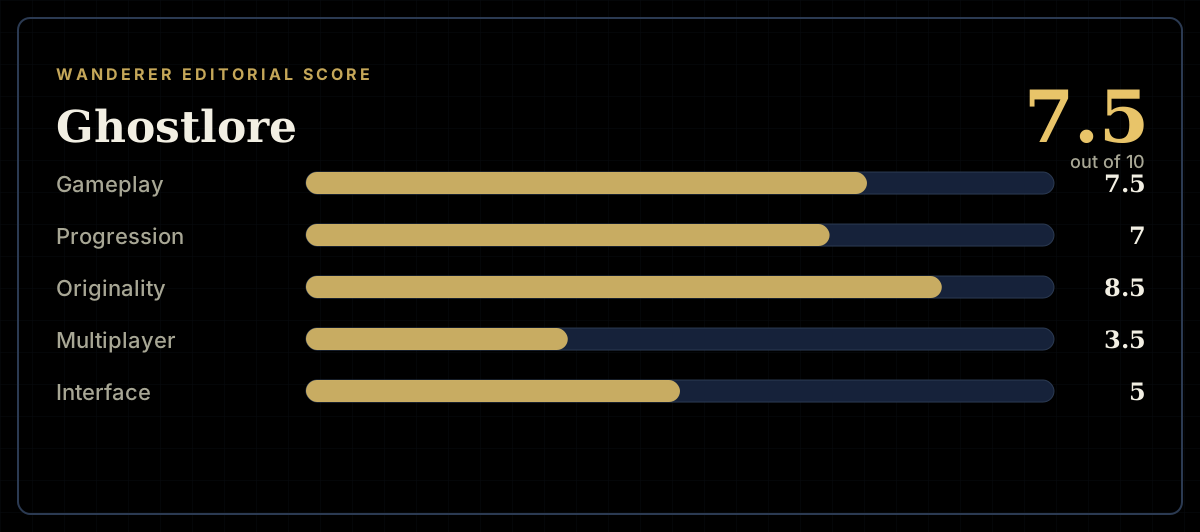
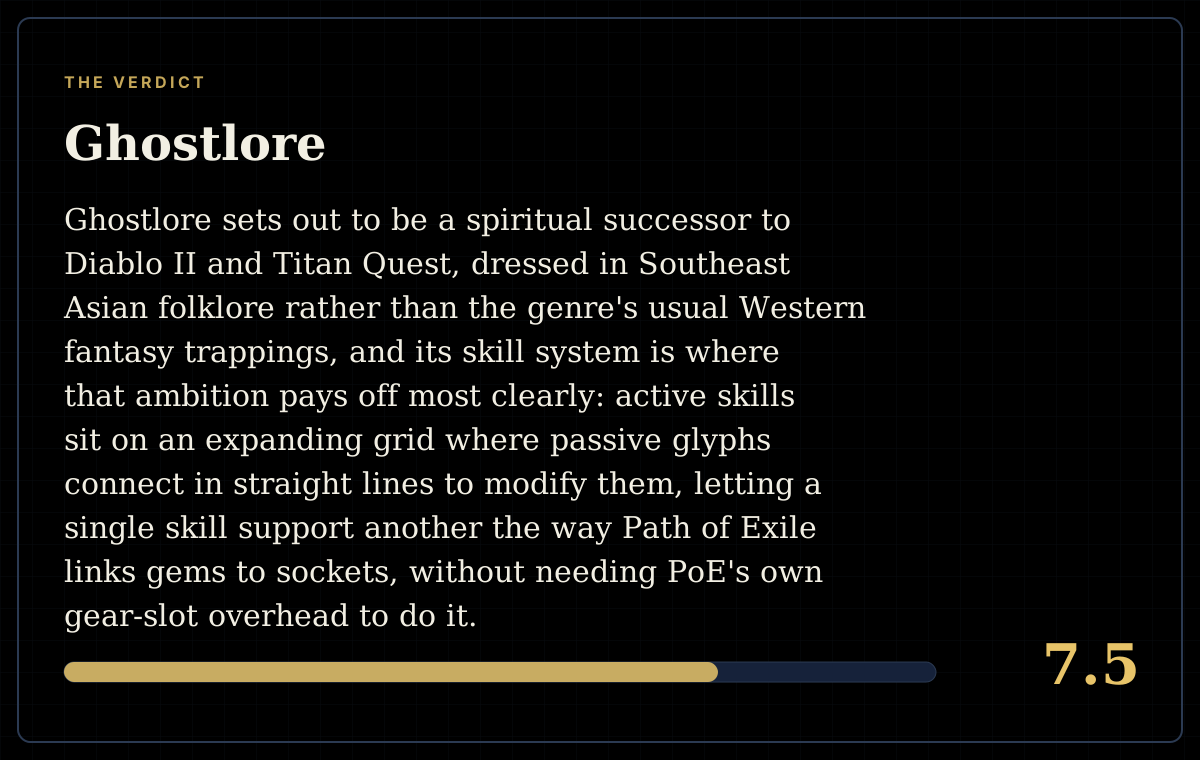
7.5 / 10
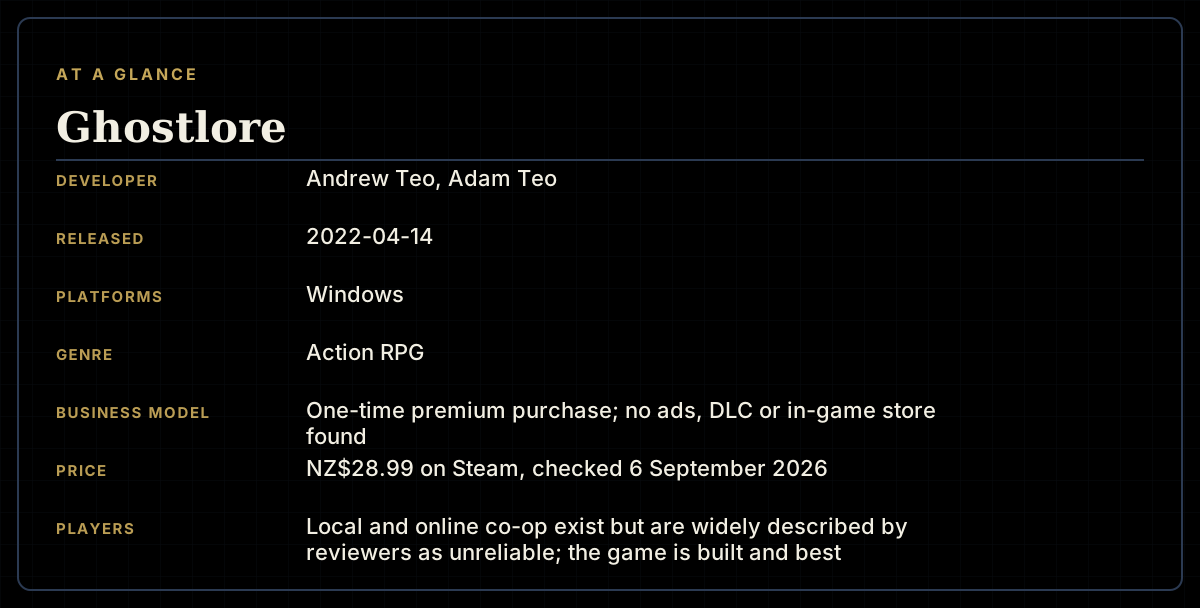
- Developer
- Andrew Teo, Adam Teo
- Publisher
- AT-AT Games
- Released
- 14 April 2022
- Platforms
- Windows
- Genre
- Action RPG
- Monetisation
- One-time premium purchase; no ads, DLC or in-game store found
- Players
- Local and online co-op exist but are widely described by reviewers as unreliable; the game is built and best experienced solo
The short version
Ghostlore sets out to be a spiritual successor to Diablo II and Titan Quest, dressed in Southeast Asian folklore rather than the genre's usual Western fantasy trappings, and its skill system is where that ambition pays off most clearly: active skills sit on an expanding grid where passive glyphs connect in straight lines to modify them, letting a single skill support another the way Path of Exile links gems to sockets, without needing PoE's own gear-slot overhead to do it. Reviewers across genre veterans and newcomers alike single this system out as genuinely inventive, and more than one calls the whole game criminally underrated as a result.
Set against that ambition are two specific, widely-corroborated practical problems: movement and melee attacks that a large share of reviewers describe as clunky, with the character frequently unable to move and attack in the same motion, and inventory management strained by far more item types than the storage space comfortably holds. Co-op, while present, is described by detailed reviews as badly implemented enough to actively avoid. None of this touches what the build system does well, but all of it is real, specific friction between a player and that system.
Biggest strengths
- A genuinely inventive skill-and-glyph system, comparable to Path of Exile's support-gem linking but built around a simpler grid-connection mechanic, that reviewers repeatedly single out as some of the deepest build-crafting in the genre
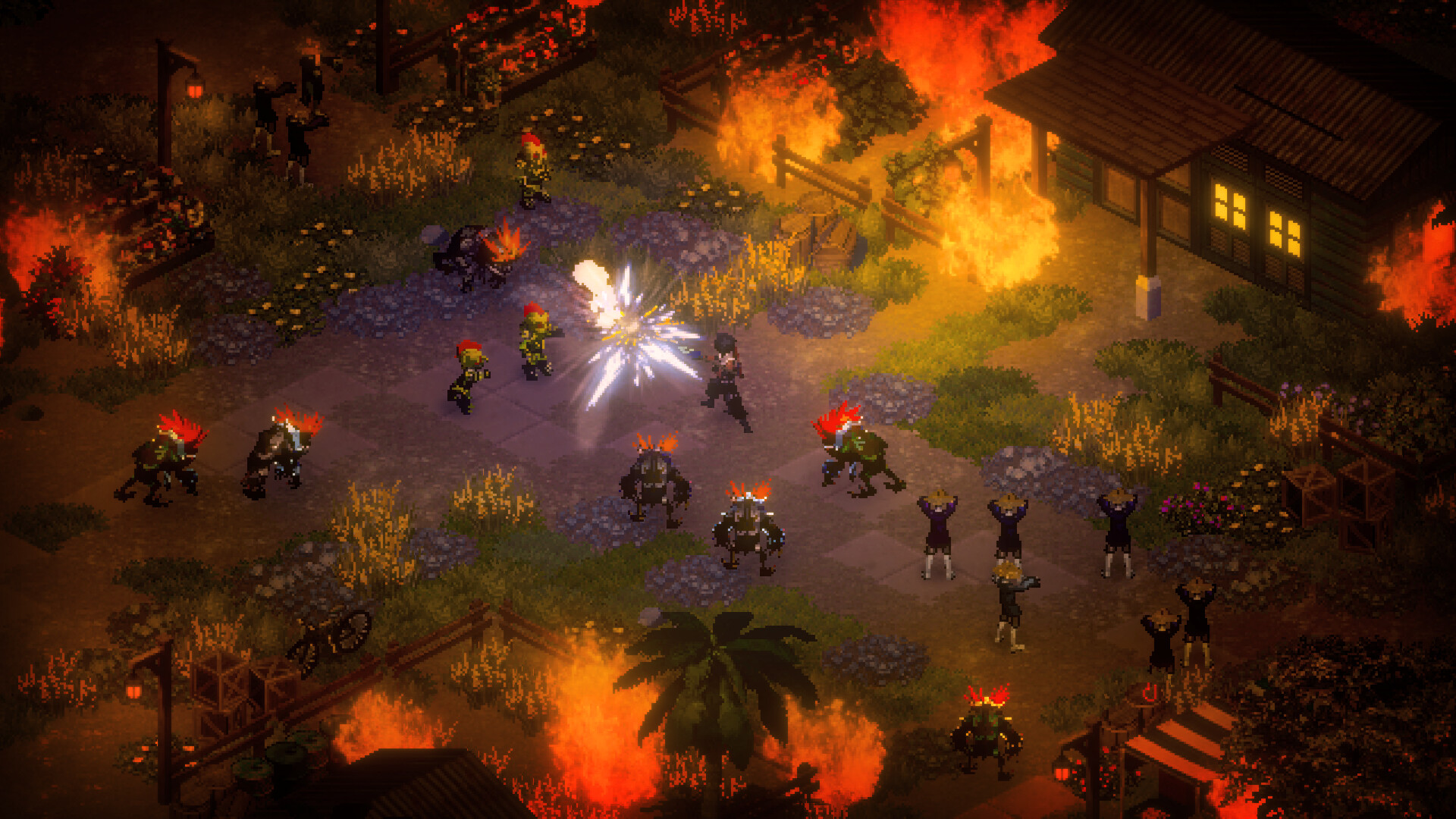
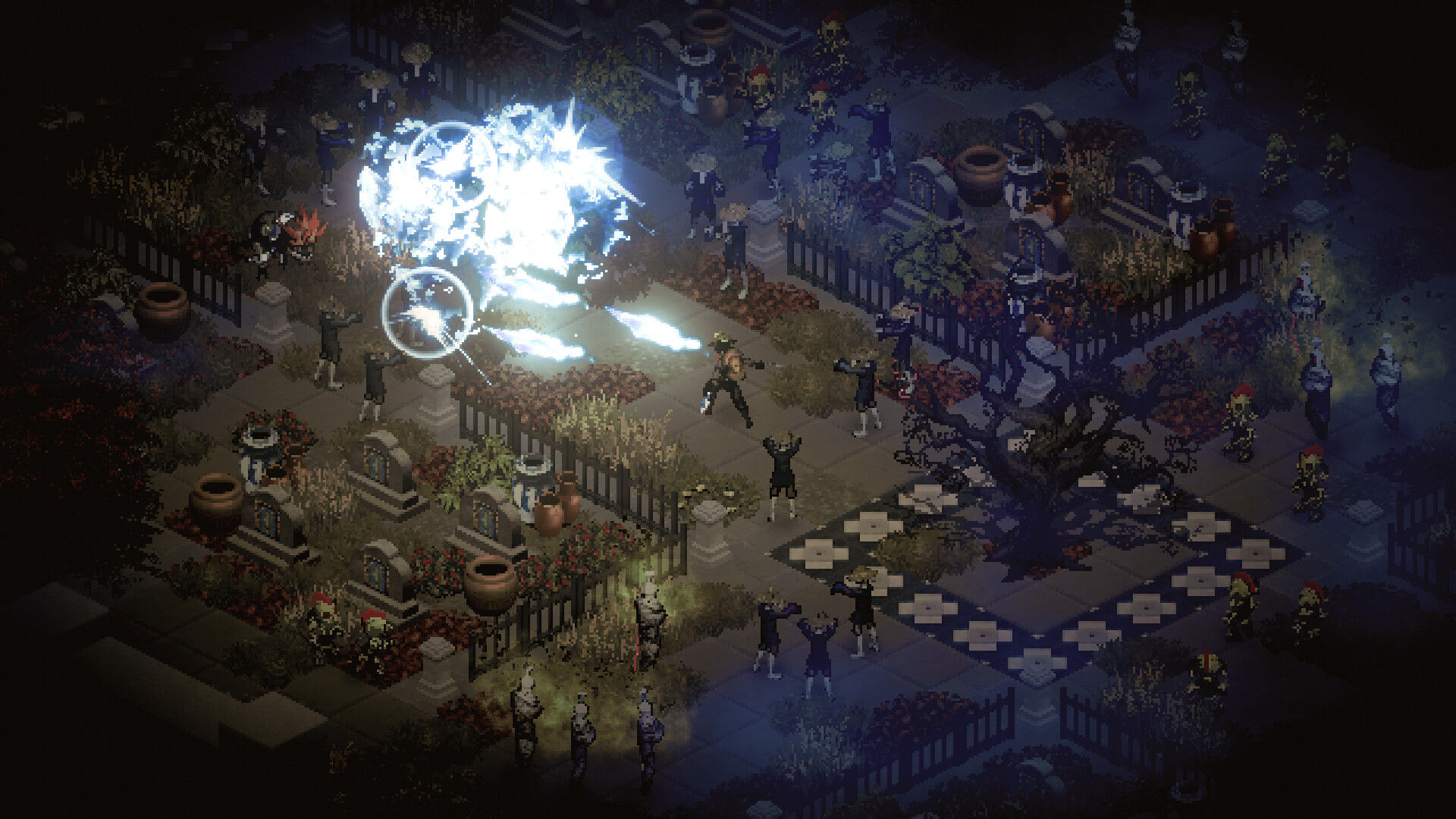
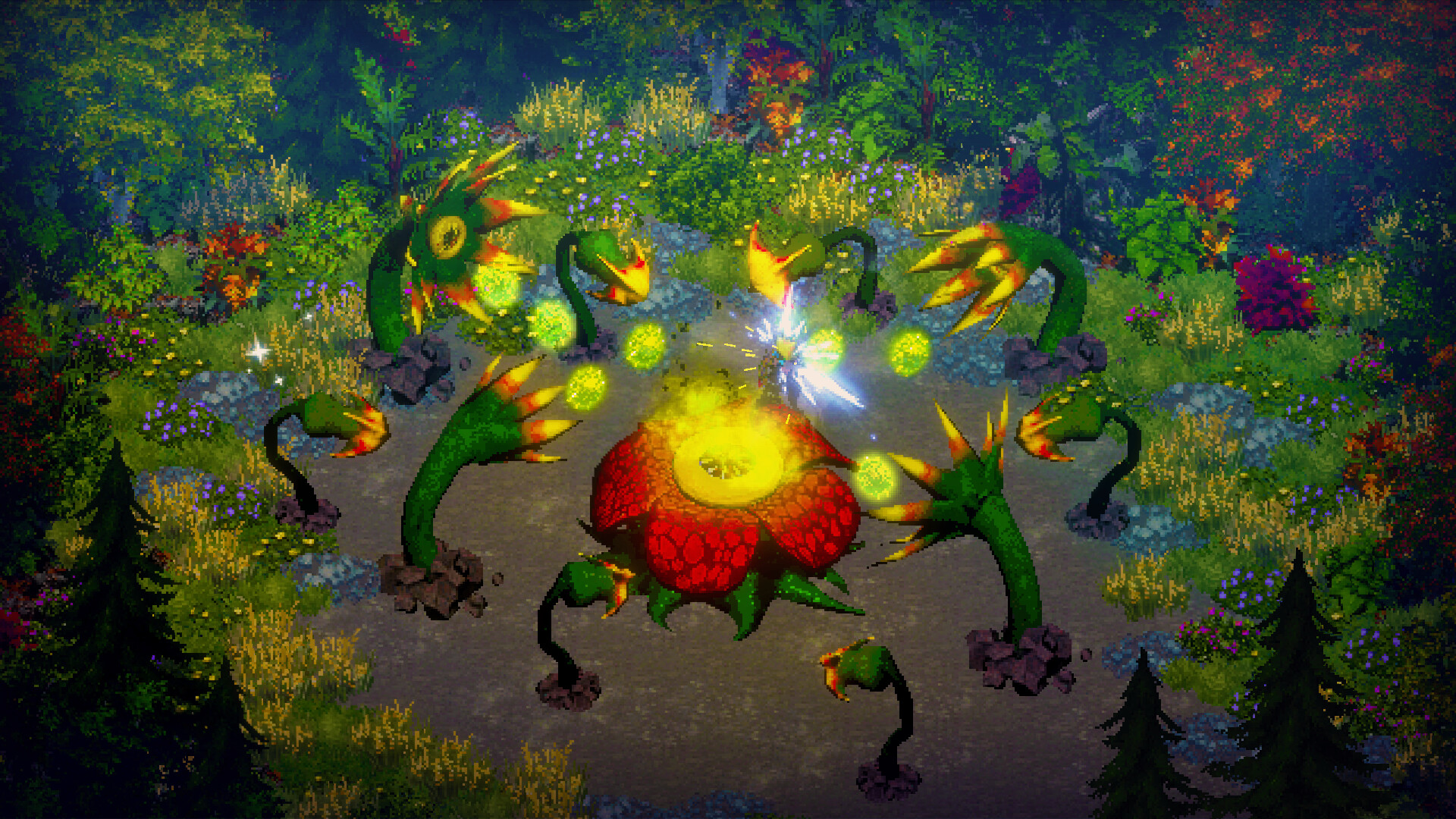
- A distinctive Southeast Asian folklore setting that gives the game real visual and thematic identity rather than another reskin of Western high fantasy
- A genuinely sustained, nearly four-year development and support record from a two-person team, including a full post-game hub with proceduralized mission maps added ahead of 1.0 and continued updates as recently as early 2026
Biggest weaknesses
- Movement and melee attacks are widely described as clunky, with the character frequently unable to move and attack in the same motion, an issue reviewers say directly undercuts combat feel regardless of how deep the build system underneath it is
- Inventory space is repeatedly described as too small for how many distinct item types the game generates, forcing frequent town-portal trips to manage storage rather than optimizing builds
- Controller support is specifically called half-baked, with reported issues including unintended rapid-fire skill activation, summons spawning away from intended targets, and inconsistent ranged-attack targeting
Who it's for: ARPG veterans specifically drawn to deep, unconventional build-crafting who can tolerate real jank in core movement feel and inventory management. Less suited to anyone hoping to play primarily in co-op, or anyone who needs tight, responsive combat controls above all else.
Our recommendation: A strong recommendation for genre fans chasing genuinely novel build systems, with a clear caveat that the moment-to-moment feel of moving and attacking is rougher than the ambition around it deserves — play solo, and expect some real friction early on.
7.5 / 10
Every so often an ARPG shows up with a build-crafting system genuinely worth the genre's attention, and Ghostlore has one. Built by a two-person team explicitly chasing a spiritual successor to Diablo II and Titan Quest, it sets its ambitions in Southeast Asian folklore rather than the genre's usual well-worn fantasy iconography, and backs that identity with a skill system reviewers across the spectrum — genre veterans and curious newcomers alike — describe as genuinely inventive. What keeps that system from translating into an unreserved recommendation is a set of specific, widely corroborated practical problems standing between the player and it.
A skill system worth the comparisons to Path of Exile
Ghostlore's active skills live on an expanding grid that unlocks more slots as a character levels, and passive "glyphs" connect to those skills in straight lines to modify how they work — one glyph might support multiple active skills at once, and multiple glyphs can stack onto a single skill for compounding effects. Reviewers repeatedly compare this directly to Path of Exile's support-gem system, while noting it strips away PoE's gear-slot requirement in favor of simply connecting nodes on a board. Combined with a triple-class system letting a character pull skills from three different class trees, the result is a build space reviewers describe as deep enough that "reorganizing your skills and passives after a level-up becomes a game in itself." The system is also deliberately permissive rather than tightly balanced — reviewers describe stacking absurd, self-created power spikes (dozens of casts per second, summons that summon their own summons) as part of the intended fun rather than an exploit to patch out, a design philosophy one reviewer frames succinctly: "the mechanics in this game are begging to be broken, and it gives you all kinds of tools to do that."
Where the ambition runs into friction
Set against that system are two specific, consistently repeated practical complaints. The first is movement and melee combat feel: a large share of reviewers describe the character as frequently unable to move and attack in the same motion, producing missed inputs and a stop-start rhythm that several reviewers call clunky regardless of how satisfying the underlying build system is to play with. The second is inventory management — reviewers describe far more distinct item types than the available storage comfortably holds, forcing repeated trips back to town to sort and deposit loot rather than spending that time experimenting with builds. Neither complaint touches what the skill system does well, but both are real, specific friction points a player has to push through to get there, and reviewers who bounced off the game most often cite one or both of these rather than any dissatisfaction with the build-crafting itself.
Controller support draws a further, more technical set of complaints: reviewers report skills unintentionally rapid-firing when a button isn't released quickly enough, summoned creatures spawning away from where they'd be useful, and inconsistent target-locking at range. Co-op, offered both locally and online, comes in for the sharpest specific criticism of all — one detailed review calls it "offensively terrible," describing specific, reproducible problems rather than a vague complaint, despite online multiplayer being one of the most consistently requested features from the game's own community.
A genuinely sustained small-team effort
Ghostlore's own development history is worth stating plainly: continuous, dense updates from its 14 April 2022 Early Access launch through its 18 May 2023 full release, followed by continued support including a major 1.1 update adding new Mythic-tier items in 2024 and further patches into
- Ahead of full release, the developers added an entire post-game hub — the Institute of
Paranormal Studies — offering proceduralized mission maps with randomized modifiers, directly answering complaints about a short, thin campaign by giving committed players a genuine endgame loop to chase. A February 2026 developer post confirms the game has sold over 50,000 copies and lays out, in detail, why online multiplayer specifically was never fully realized: the team judged the implementation cost too high relative to how essential "online" actually is to today's ARPG audience compared to Diablo II's era. That's an unusually transparent piece of reasoning from a two-person studio still actively communicating with its community nearly four years after this game's Early Access debut.
A divided read on depth versus complexity
Not every reviewer who bounces off Ghostlore does so over movement or inventory friction alone — a separate, more thoughtful critical thread questions whether the glyph system's apparent depth actually translates into meaningful decisions once the endgame arrives. More than one reviewer describes the system as visually and conceptually impressive on paper but functionally closer to a grid-packing puzzle than a genuine strategic choice, with unexplained stats and overtuned or undertuned options muddying which combinations actually matter. That's a fair counterpoint to the system's most enthusiastic praise, and worth holding alongside it: Ghostlore's build-crafting is undeniably distinctive, but "distinctive" and "deep in practice" aren't automatically the same claim, and reasonable, engaged players in this review's research land on both sides of that distinction.
Where it lands
Ghostlore earns the "criminally underrated" label its own fans keep reaching for on the strength of a skill and glyph system that stands genuinely apart from most of its genre, wrapped around a distinctive setting and backed by remarkably sustained small-team support. The clunky movement and attack feel, strained inventory space, and broken co-op are real, specific, and consistently reported problems that keep it from an easy top score — but none of them undo what the build system does, and for a player willing to push past that friction, this remains one of the more genuinely original ARPGs of its era.
Pros and cons
Pros
- A genuinely inventive skill-and-glyph system, comparable to Path of Exile's support-gem linking but built around a simpler grid-connection mechanic, that reviewers repeatedly single out as some of the deepest build-crafting in the genre
- A distinctive Southeast Asian folklore setting that gives the game real visual and thematic identity rather than another reskin of Western high fantasy
- A genuinely sustained, nearly four-year development and support record from a two-person team, including a full post-game hub with proceduralized mission maps added ahead of 1.0 and continued updates as recently as early 2026
- Deliberately breakable, high-ceiling builds that reward experimentation, letting players chase absurd, self-created power fantasies rather than a single optimal path
- Full mod support that a number of reviewers hope will extend the game's life well beyond its base content
Cons
- Movement and melee attacks are widely described as clunky, with the character frequently unable to move and attack in the same motion, an issue reviewers say directly undercuts combat feel regardless of how deep the build system underneath it is
- Inventory space is repeatedly described as too small for how many distinct item types the game generates, forcing frequent town-portal trips to manage storage rather than optimizing builds
- Controller support is specifically called half-baked, with reported issues including unintended rapid-fire skill activation, summons spawning away from intended targets, and inconsistent ranged-attack targeting
- Co-op, while technically present both locally and online, is described by detailed reviews as badly broken enough to avoid entirely, despite being one of the features most requested by the game's own community
- The main story campaign is short and thin by multiple accounts, leaning entirely on the endgame's post-launch Institute of Paranormal Studies hub to provide lasting content
Screenshots
-
GhostloreImage: AT-AT Games via Steam -
GhostloreImage: AT-AT Games via Steam -
GhostloreImage: AT-AT Games via Steam -
How the review scores each part of the gameWanderer Editorial -
The specsWanderer Editorial -
The short versionWanderer Editorial