
Game review
GeneWorld Review
6 / 10
- Developer
- GeneWorld Studios
- Publisher
- GeneWorld Studios
- Released
- 10 September 2026
- Platforms
- ["Windows"]
- Genre
- RPG
A Twenty-Ninth Consecutive Launch Without a Single Review
GeneWorld released on Steam on 10 September 2026 and has zero user reviews at the time of writing, extending this stretch's run of unreviewed launches to twenty-nine. A cooperative procedural-world action RPG with LAN and Steam Lobby support, a classless build system, and nine hand-designed biomes is a genuinely ambitious pitch for a solo-attributed indie release, which makes the silence a real surprise rather than an expected one. This review is built entirely from the developer's own store page description, not from verified play.
No Classes, Just Weapons and Points
GeneWorld's core identity decision is refusing a class system entirely: every level grants ten free points to distribute across six attributes, and character identity instead comes from which of three weapon kits — sword, bow, or staff magic — a player commits to, each with five of its own skills and twelve equipment materials to work through. That's a meaningfully more flexible structure than the genre's usual class-locked progression, letting a single character shift combat identity mid-run simply by picking up a different weapon rather than requiring a fresh save file to try a new playstyle. The tradeoff with any classless, points-anywhere system is a genuine risk of build homogenization — if a handful of attribute-and-weapon combinations clearly outperform the rest, the promised freedom collapses into a small set of "optimal" builds regardless of how open the system looks on paper, and that's a balance question only extended play across many builds could actually answer.
Nine Biomes, and Worlds Inside Worlds
The world structure layers procedural biome generation with hand-built structural variety: nine biomes with no fixed map, portals opening into a DarkWorld, hidden "SideWorlds" nested inside other worlds, and an endgame Infinity Portal reachable by gathering nine gems, explicitly described as not ending the game once reached. That's a genuinely more structured take on procedural generation than a simple biome-and-loot-table shuffle — nesting distinct sub-worlds inside the main world space, and gating a portal behind a gem-collection quest rather than a difficulty gate, gives the exploration loop concrete landmarks to aim for rather than an undifferentiated stream of randomly generated rooms. A day/night clock and weather system (rain, snow, wind, meteors, fog) affecting combat conditions is a small but meaningful layer of environmental variety on top of the biome structure itself. Travel points explicitly costing mana, and chests requiring a matching biome-specific key rather than opening freely, are the kind of resource-friction details that keep exploration from becoming a frictionless loot-grab — a party has to weigh whether a detour into a SideWorld is worth the mana spent reaching it, rather than treating every discovered chest as automatically worth collecting.
NPCs That Talk Back
A recurring claim throughout the store page is that NPCs — wandering merchants and travelers alike — offer "dynamic conversation" and "react to what happens around them," rather than functioning as static shopkeepers or quest-dispensers. That's a notable ambition for a procedurally generated cooperative RPG, where NPC writing is usually the first thing cut in favour of systemic depth, since reactive dialogue requires either a genuinely reactive dialogue system or a large amount of hand-authored branching content layered onto a randomly generated world. Whether that reactivity amounts to meaningfully different conversations run to run, or a smaller set of contextual barks dressed up as reactivity, is impossible to judge from a store page description alone, and is exactly the kind of claim that would benefit from direct player testimony — testimony this particular launch doesn't yet have, given the absence of any reviews at all.
A Co-op Loop That Also Works Alone
GeneWorld supports Steam online lobbies and local LAN co-op with shared progression, but also lists single-player as a supported mode, meaning the classless build system and biome exploration are available to solo players rather than gated behind a full party. That's a sensible design choice for a launch title without an established multiplayer community yet — a cooperative game that only works with a full lobby risks an empty-server problem exactly when reviews and word-of-mouth would otherwise be building. Full and DualSense/DualShock controller support alongside ten supported languages suggests a genuinely finished, broadly localized release rather than a rushed early build — a scope of platform and language support more typical of a larger studio release than a small indie launch, and one of the stronger signals here that the underlying game is more complete than its zero-review status would suggest. At NZ$9.59 with no discount at the time of writing, and no in-app-purchase category listed on the store page, the entire attribute-and-equipment progression appears to run on in-game currency and drops only.
Verdict
GeneWorld pairs a flexible, classless weapon-and-attribute build system with a genuinely structured take on procedural generation — nested SideWorlds, a DarkWorld, weather and day/night variety, and a concrete gem-gated endgame portal — on top of an ambitious promise of reactive, talking NPCs. Its biggest open questions are whether that many systems (procedural biomes, classless builds, reactive dialogue, co-op-with-solo-support) hold together without any one of them feeling thin in practice, and whether the classless build freedom stays meaningfully varied once players find the strongest weapon-and-attribute combinations. Twenty-nine launches without a single review is a long stretch for this pitch specifically, given how much cooperative RPGs usually rely on early reviews to build a multiplayer audience, and this assessment rests entirely on the developer's own description rather than anyone's actual playthrough.
Screenshots
-
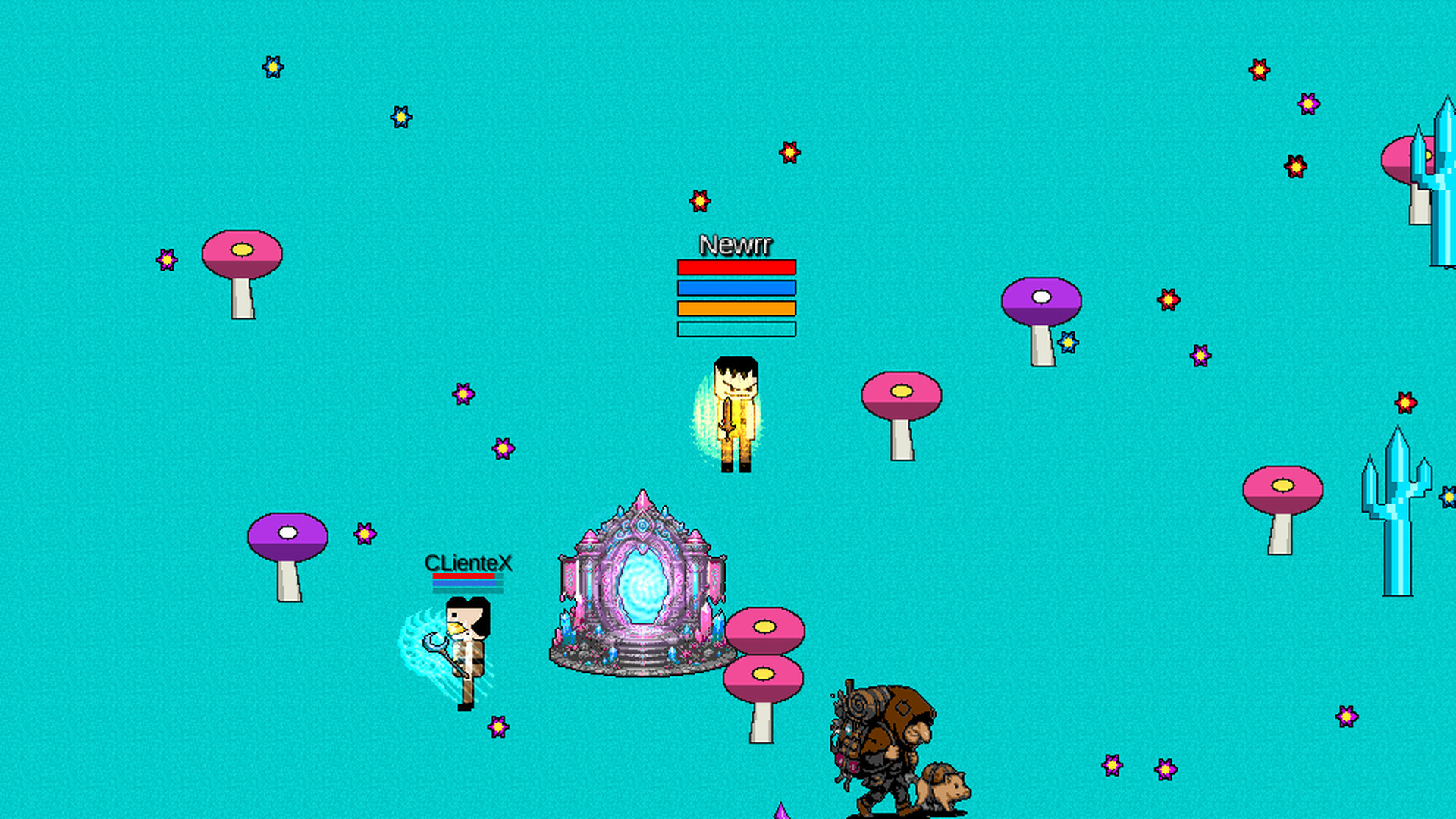
A pair of players exploring a mushroom-and-crystal biome near one of the game's portalsImage: GeneWorld Studios via Steam -
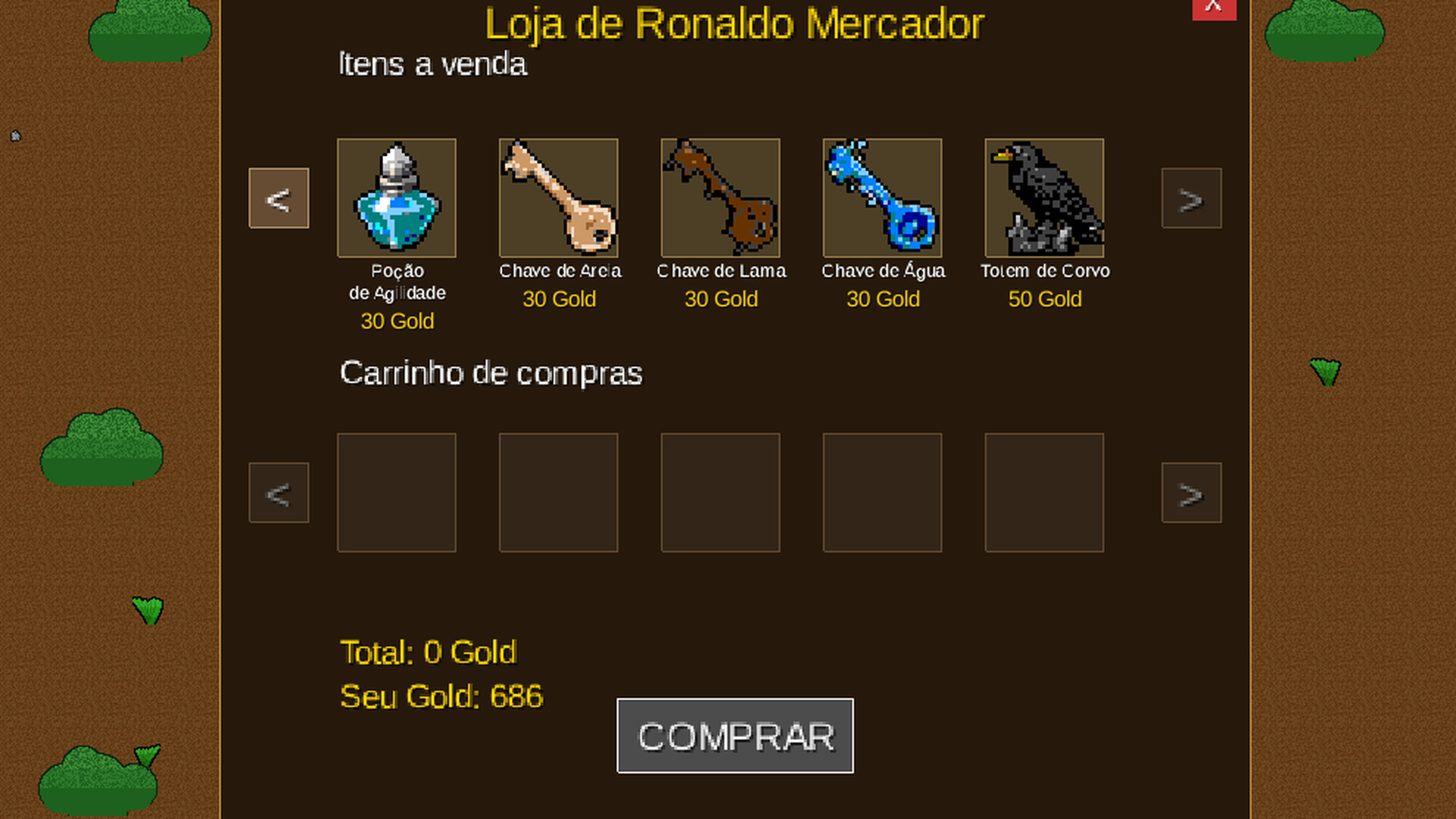
A wandering merchant's shop, selling biome-specific keys and a potion for goldImage: GeneWorld Studios via Steam -
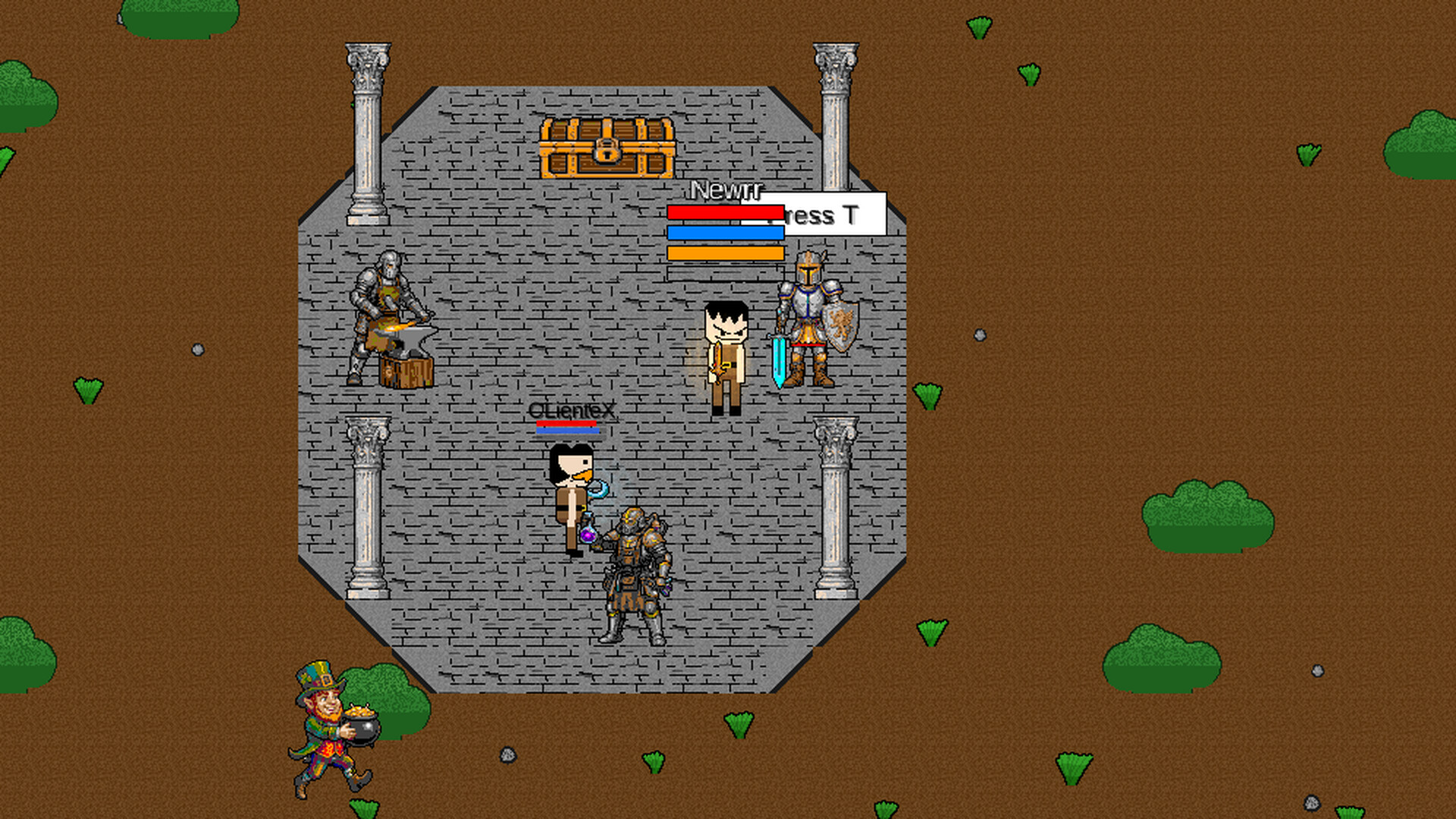
A party gathered around a locked chest and an anvil on a stone platform, flanked by armored NPCsImage: GeneWorld Studios via Steam