
Game review
Cotimero Review
5.5 / 10
- Developer
- Without Embroiling
- Publisher
- 北谊永道
- Released
- 31 July 2026
- Platforms
- ["Windows"]
- Genre
- RPG
A Thirtieth Consecutive Launch Without a Single Review
Cotimero released on Steam on 31 July 2026 and has zero user reviews at the time of writing, extending this stretch's run of unreviewed launches to a full thirty. Nearly two months of silence for a desktop idle RPG priced at NZ$1.59 isn't especially surprising — cheap idle titles in a crowded niche rarely draw the vocal early-review crowds that more expensive, systems-heavy releases do — but a title this inexpensive can also afford to build an audience slowly, so the total absence of reviews is still worth noting rather than dismissing outright. This review is built entirely from the developer's own store page description, not from verified play.
An Idle Game Built Around Typing
Cotimero's core hook, per its own framing, is that "every keystroke shapes the world" — an idle-adventure loop explicitly designed to run in the background of whatever else a player is doing at their desk, whether that's working, gaming, or simply passing time. That's a distinct pitch within the idle genre: rather than the usual click-and-wait or fully passive number-generation loop, tying progress to actual keyboard activity ties the game's pacing directly to how much a player is already typing elsewhere, turning idle accrual into a background reward for normal computer use rather than a separate activity competing for attention. Whether that keystroke-driven system feels meaningfully different from a standard idle timer once a player is actually watching numbers climb, or whether it's mostly a marketing hook layered over a conventional passive-progress engine, isn't something the store page's brief description can settle on its own. The available screenshots do confirm the literal shape of that pitch, though: the game renders as a slim strip of marching pixel-art characters along the very bottom edge of the screen, visible while an entirely different application — a spreadsheet, a document, the Steam client itself — occupies the rest of the display above it, which is about as direct a "runs alongside your real work" design as an idle game can commit to.
Dungeons, Deserts, and Four Hundred Drops
The adventuring side of the loop sends a chosen hero through dungeons, cities, deserts, and grasslands in pursuit of bosses, with the store page citing more than 400 available drop items spanning melee weapons, ranged weapons, and magic gear. That's a genuinely large item pool for a game priced this low, and if the variety holds up rather than being padded with reskinned stat blocks, it gives the loot-chasing side of an idle RPG real longevity — item hunting is usually the thing that keeps players engaged in this genre well past the point where raw number growth stops feeling exciting on its own. The five stated environment types (dungeon, city, desert, grassland, and one more left unnamed) suggest a reasonably varied backdrop for that hunt, though the store page offers no detail on how these areas differ mechanically beyond their setting. That's a real gap for an idle RPG specifically — the genre lives or dies on whether later zones offer a genuine reason to keep pushing forward (tougher bosses with distinct drop tables, scaling difficulty curves, area-specific mechanics) rather than simply reskinning the same numbers-go-up loop against a different background image, and nothing in the store description confirms which of those two this actually is.
Friends as Stat Boosts
An online co-op layer lets friends contribute directly to a player's progress by providing stat boosts, framed as a way to "rally your family and friends" rather than requiring simultaneous active play from everyone involved. That's a sensible fit for an idle game specifically — asynchronous, low-commitment social features suit a genre built around checking in periodically far better than a system demanding coordinated multiplayer sessions would, and it gives solo players a reason to invite friends without needing those friends to be actively online at the same time. The store page also mentions an open invitation for players to suggest character designs that may be added to the game in a future full version — a small but genuine community-facing gesture for a budget release, though one that also underscores how much of the game's eventual identity is still being decided after launch rather than fully locked in.
A Trial Framed as the Full Release
One detail worth flagging plainly: the store page's own about-the-game text explicitly references a "trial version" that players may currently be experiencing, promising extra drops "in the full version" as a reward to anyone who played during this earlier trial period, timed to a Dragon Boat Festival promotion. Steam's own listing carries no Early Access tag and shows the game as fully released, so this appears to be leftover language from an earlier free trial build rather than a sign the current NZ$1.59 release is itself unfinished — but the ambiguity is the developer's own wording, not an inference made here, and it's the kind of loose end that would ordinarily be cleaned up before a paid launch. One official screenshot even shows the Steam client's own library page labelling the product "Cotimero Demo," reinforcing that this trial/full-version distinction isn't a one-off typo but a genuinely unresolved thread in how the release has been packaged and marketed. At NZ$1.59 with no discount and no in-app-purchase category listed on the store page, the entire loot-and-stat-boost economy appears to run without a real-money layer beyond the initial purchase price.
Verdict
Cotimero is a low-cost, keystroke-driven idle RPG with a genuinely large stated item pool and a sensible asynchronous co-op hook, but its own store page description is thin enough — a handful of short paragraphs, no named boss encounters, no described stat or class systems — that most of its actual depth is simply unknown from the outside. The leftover "trial version" language on an otherwise fully released Steam listing is a minor but real red flag about how carefully the launch was prepared, even if it likely reflects sloppy copy rather than a genuinely incomplete game. At this price point the bar for value is low, and a thirty-launch review drought says less about this specific title than about how little attention cheap idle games in this niche tend to draw regardless of quality, but this assessment rests entirely on the developer's own description rather than anyone's actual playthrough.
Screenshots
-
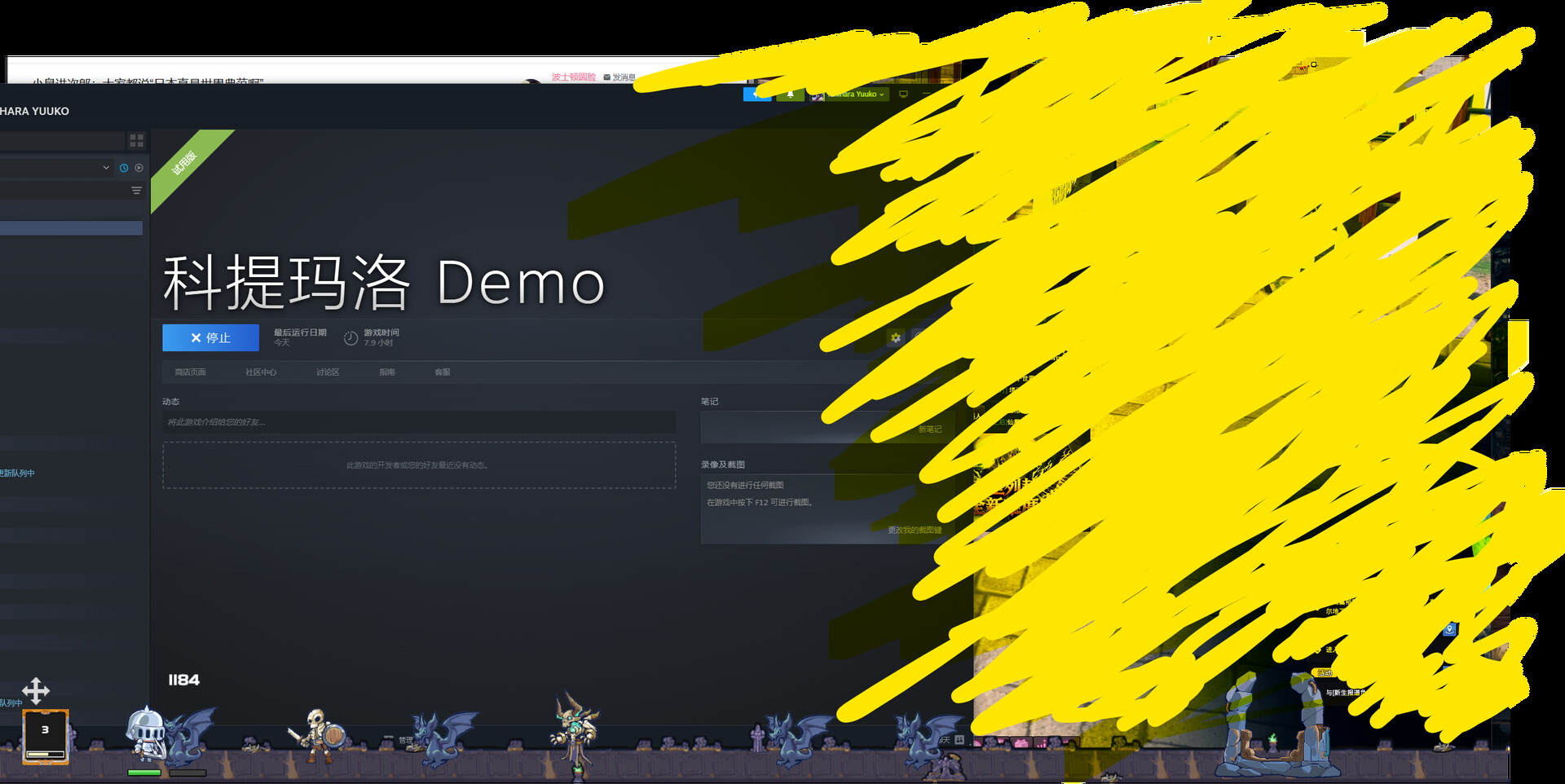
The game rendered as a slim marching-character strip along the screen's bottom edge, visible underneath the Steam client's own \"Cotimero Demo\" library pageImage: Without Embroiling via Steam -

The marching-character strip running along the bottom of the screen underneath an open document windowImage: Without Embroiling via Steam -
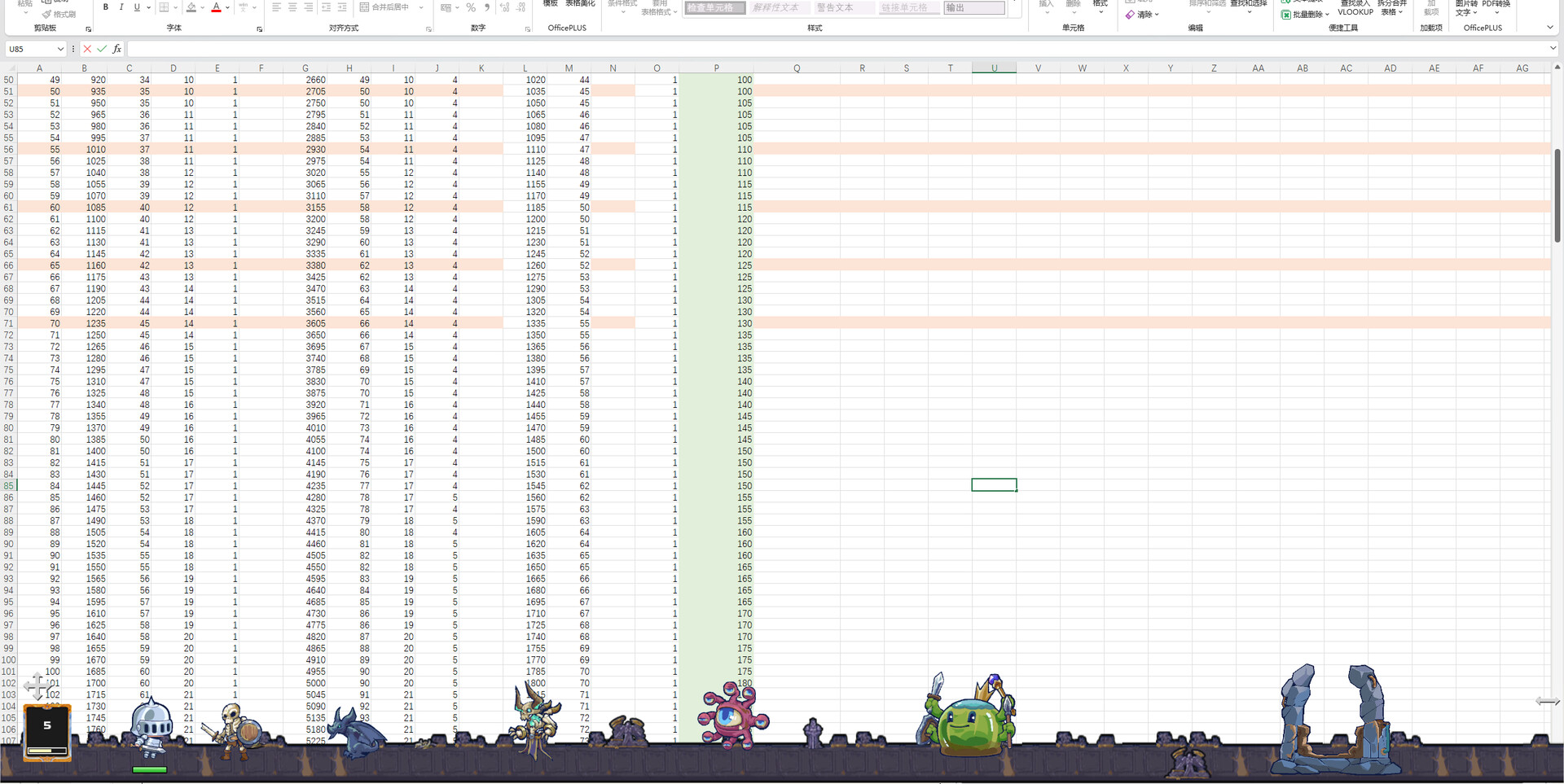
The same background character strip running underneath an open spreadsheet, underscoring the game's always-on desktop-companion designImage: Without Embroiling via Steam