Game review
Expeditions: Samurai
6 / 10
- Developer
- Campfire Cabal
- Publisher
- THQ Nordic
- Released
- 7 August 2026
- Platforms
- Windows
- Genre
- Tactical RPG
- Monetisation
- One-time purchase, no in-game store
- Players
- Single-player campaign; online co-op listed on the store page
The short version
Expeditions: Samurai is a party-based tactical RPG developed by Campfire Cabal and published by THQ Nordic, released into Early Access on 7 August 2026 with a full 1.0 launch targeted for early 2027. It drops a crew of Dutch privateers into the political chaos surrounding the end of the Sengoku period, tasking players with picking sides between stealth, diplomacy and violence across a turn-based tactics layer carried over from the earlier Expeditions games. The turn-based combat itself lands well and reviewers who came for the tactics are largely satisfied with it. What has split the audience is everything wrapped around that combat: a character-art overhaul away from Rome's hand-painted portraits toward more stylised, cartoonish models, keyboard-and-mouse controls that clearly started life on a controller, and roughly five to six hours of content at launch — thin even by Early Access standards. At 136 English-language reviews it sits at Mixed, and this review's read of the full negative sample lines up closely with that split: a strong tactical core surrounded by presentation and interface choices a meaningful share of returning players actively dislike.
Biggest strengths
- Turn-based tactical combat inherited from Expeditions: Rome remains sharp, with returning reviewers specifically praising it as the game's strongest carried-over system
- Voice acting is consistently singled out as a highlight, with reviewers calling performances "beautifully voice acted" even in otherwise critical reviews
- Dialogue choices carry real weight, with several reviewers noting decisions produce visible, lasting consequences rather than cosmetic branching
Biggest weaknesses
- The shift from Rome's hand-painted portraits to more stylised, cartoonish character models is this review's single most common negative-review theme by a wide margin
- Keyboard-and-mouse controls carry visible signs of a controller-first design — right-click movement and hold-to-confirm prompts that reviewers on mouse and keyboard specifically flag as unrebindable friction
- Real-time stealth segments sit awkwardly against the turn-based combat layer and multiple reviewers describe them as unreliable rather than simply difficult
Who it's for: Series veterans curious where the tactics have gone should find plenty to like in combat alone; anyone attached to Rome's visual identity, or unwilling to accept a five-hour Early Access slice at full price, should wait for a patch pass or the 1.0 release.
Our recommendation: A structurally sound tactical RPG wearing a presentation the existing fanbase has not accepted — worth playing now for the combat if the price and the art don't bother you, otherwise one to watch through Early Access rather than buy today.
6 / 10
Introduction
Expeditions: Samurai lands its crew of Dutch privateers on the shores of Sengoku-era Japan in 1600, right as the political order that will define the next 250 years is still being decided by force. Developed by Campfire Cabal and published by THQ Nordic, it is the third historical entry in the Expeditions series after Conquistador and Rome, and it carries forward that series' defining pitch: command a small party through a real historical flashpoint, using stealth, diplomacy or open violence as the situation demands, with a turn-based tactics layer underneath every fight. It entered Early Access on 7 August 2026 at NZ$30.68 (34% off its NZ$46.49 list price), with a full 1.0 release targeted for Q1 2027. At 136 English-language Steam reviews it currently sits at Mixed, 86 positive against 50 negative — a corpus small enough, and fresh enough, that this review reads essentially the whole negative sample alongside the 100 most recent English reviews.
The combat still works
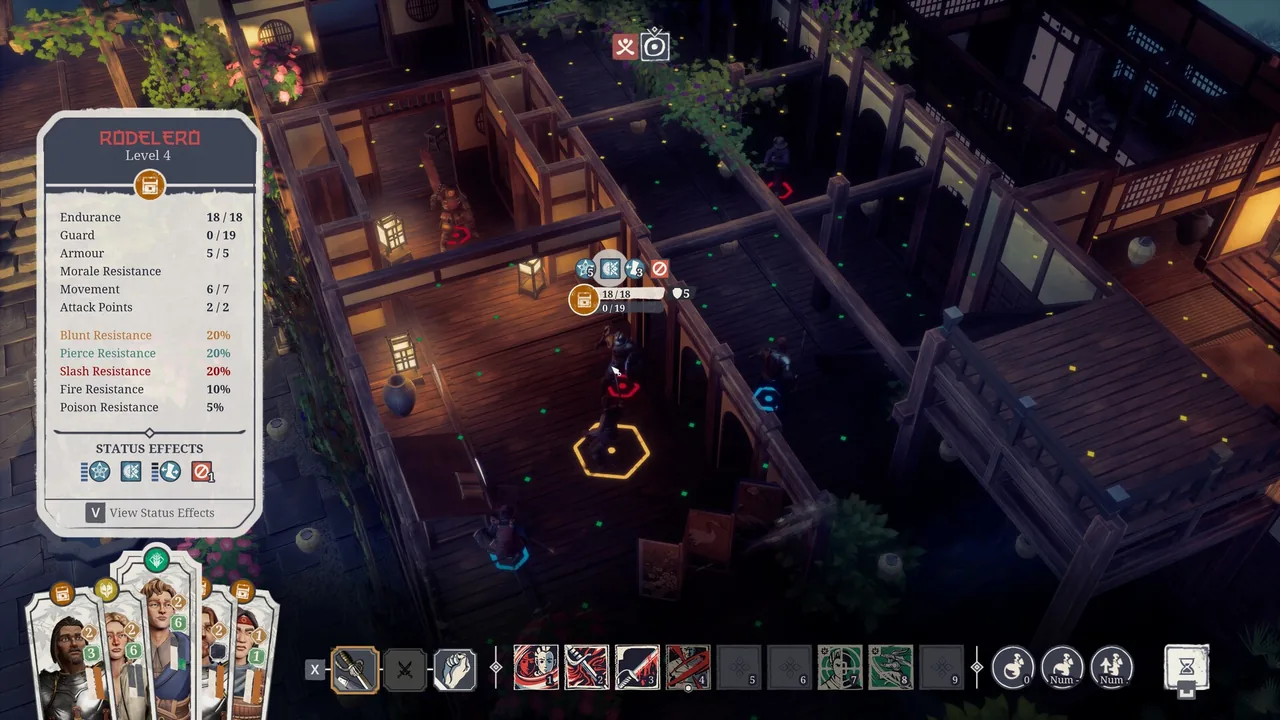
Whatever else has changed, the thing Expeditions veterans came back for is intact. The turn-based tactical combat is carried forward largely unchanged from Rome, and it is the one system this review found near-universal agreement on: reviewers who bounce off almost everything else in this release still credit the fights themselves as solid, tactical and satisfying. One returning player four hours in on Hard difficulty noted they hadn't yet been seriously challenged — a fair early concern about pacing, but a very different complaint from "the combat doesn't work." Positioning, terrain and the underlying systems that made Rome's tactics layer respected are present and doing their job here too. For a series whose combat has always been its structural spine, that continuity matters more than any single new feature could.
An art and interface overhaul the fanbase didn't ask for
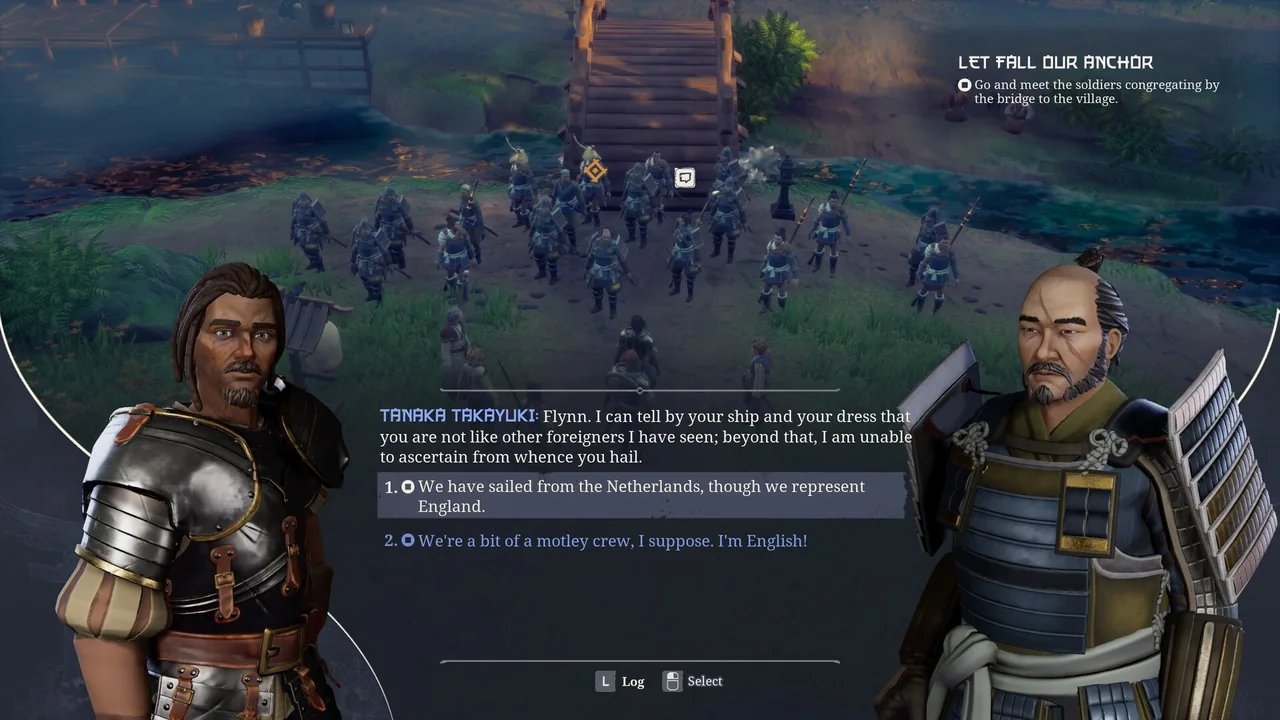
Set against that, the loudest and most consistent complaint in this review's negative sample has nothing to do with tactics. Rome's hand-painted character portraits are gone, replaced with more stylised, rounder character models that a large share of reviewers describe as a downgrade — comparisons to "cartoony" designs and complaints that faces across the cast look too similar to tell apart recur constantly. This is not a minor aesthetic quibble in a game whose earlier entries built real audience loyalty partly on their painterly presentation; it reads, in the review sample, as reviewers feeling like the thing they specifically valued was traded away.
The interface tells a related story. Multiple reviewers flag controls that clearly started life on a controller and were adapted to keyboard and mouse rather than designed for it from the start — right-click-to-move-and-attack schemes and hold-to-confirm prompts that cannot be rebound, both called out repeatedly as friction rather than challenge. Real-time stealth segments layered on top of the turn-based combat draw a similar reaction: reviewers describe them as clunky and unreliable rather than simply demanding, which is the complaint that should worry a developer most, since it points at execution rather than difficulty tuning.
A thin Early Access slice
Content volume is the third recurring theme, and it compounds rather than stands apart from the other two. Reviewers put current playtime at roughly five to six hours before the Early Access content runs out, and party size has been reduced from six companions in Rome to four here — a structural cut, not a pacing choice, and one several reviewers connect directly to feeling like they're playing a demo rather than an early slice of a full game. None of this is unusual for Early Access on its own, and the developer's own roadmap is explicit about targeting a Q1 2027 full release rather than pretending this is a finished product. But paired with a full-price-adjacent launch cost, a five-hour ceiling reads differently than it would in a title with a lower asking price or a more established pattern of rapid content drops.
Writing has drawn a smaller but real complaint alongside these: some reviewers describe the character banter as lighter and more sarcastic than Rome's more serious historical tone, a shift some find jarring rather than charming. A minority of reviews also raise concerns about the historical plausibility of specific character casting within the 1600s setting — a genuinely present theme in the review sample, though a considerably smaller share of it than the art, UI and content-length complaints above.
What's actually landing well
It would be inaccurate to read this launch as purely negative — the positive half of a Mixed score still represents nearly two-thirds of reviewers, and their specific praise is consistent rather than vague. Voice acting draws repeated, specific compliments, with more than one reviewer calling it "beautifully voice acted" even inside otherwise critical write-ups — a notable thing to see survive a mixed review intact. Dialogue choices are credited with producing real, visible consequences rather than the cosmetic branching common in the genre, which matters for a series whose whole premise rests on player decisions mattering inside a real historical moment. And a meaningful slice of the review sample expresses confidence specifically because this is Early Access — trust, earned from Rome, that Campfire Cabal will use the next several months to address exactly the complaints above rather than abandon the release.
Final Verdict
Expeditions: Samurai's Early Access launch is a genuine split rather than a clear failure: the tactical combat that made Rome worth playing is present and working, but the art direction, interface and content volume around it have not landed with a meaningful share of the audience that showed up expecting more of the same. Whether that matters to a given player depends heavily on what drew them to the series in the first place — reviewers here for the tactics are largely satisfied, reviewers attached to Rome's visual identity are not. With a Q1 2027 full release still ahead and a developer with a credible track record on this exact format, there's real reason to expect the rougher edges to soften. Today, though, this is a five-to-six-hour slice of a promising tactical RPG sold at a price that assumes more patience than every buyer will have.
Pros and cons
Pros
- Turn-based tactical combat inherited from Expeditions: Rome remains sharp, with returning reviewers specifically praising it as the game's strongest carried-over system
- Voice acting is consistently singled out as a highlight, with reviewers calling performances "beautifully voice acted" even in otherwise critical reviews
- Dialogue choices carry real weight, with several reviewers noting decisions produce visible, lasting consequences rather than cosmetic branching
- Full controller support with DualSense-specific features, unusual thoroughness for a genre that is normally keyboard-and-mouse-first on PC
Cons
- The shift from Rome's hand-painted portraits to more stylised, cartoonish character models is this review's single most common negative-review theme by a wide margin
- Keyboard-and-mouse controls carry visible signs of a controller-first design — right-click movement and hold-to-confirm prompts that reviewers on mouse and keyboard specifically flag as unrebindable friction
- Real-time stealth segments sit awkwardly against the turn-based combat layer and multiple reviewers describe them as unreliable rather than simply difficult
- Roughly five to six hours of content at Early Access launch, with party size also reduced from six companions in Rome to four here, leaves a thin slice for the asking price
Screenshots
-
Expeditions: SamuraiImage: THQ Nordic via Steam -
Expeditions: SamuraiImage: THQ Nordic via Steam -
Expeditions: SamuraiImage: THQ Nordic via Steam -
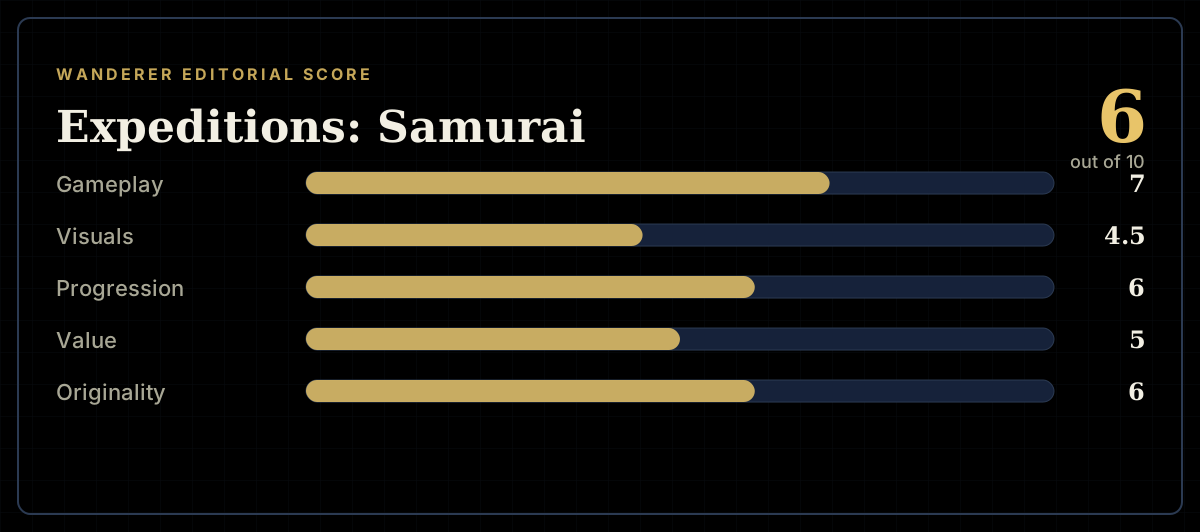
How the review scores each part of the gameWanderer Editorial -
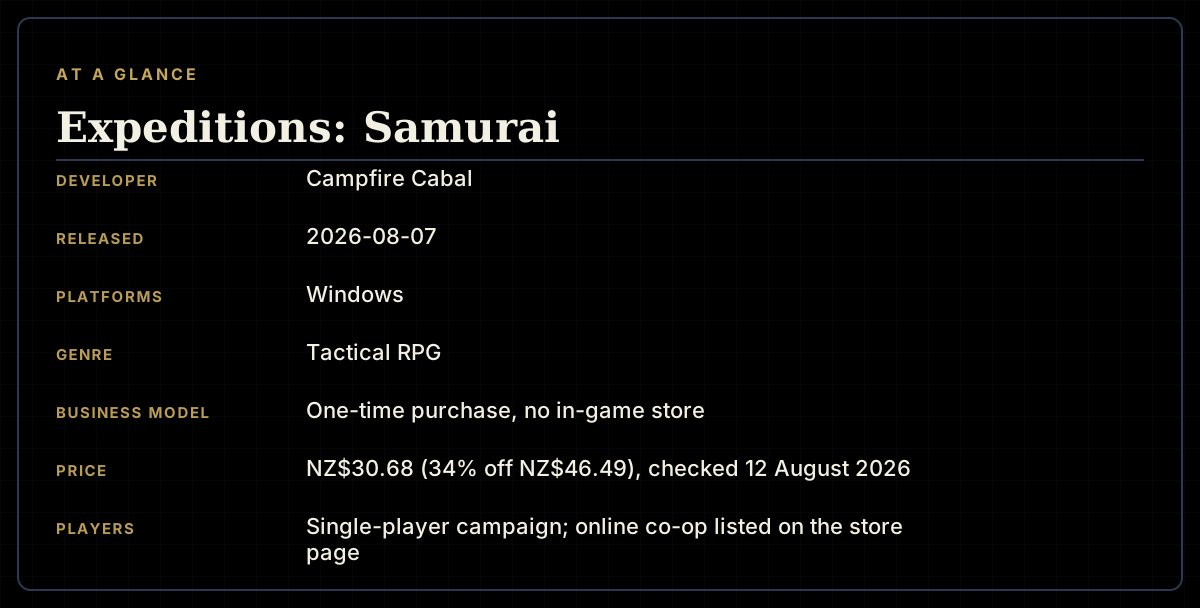
The essentials at a glanceWanderer Editorial -
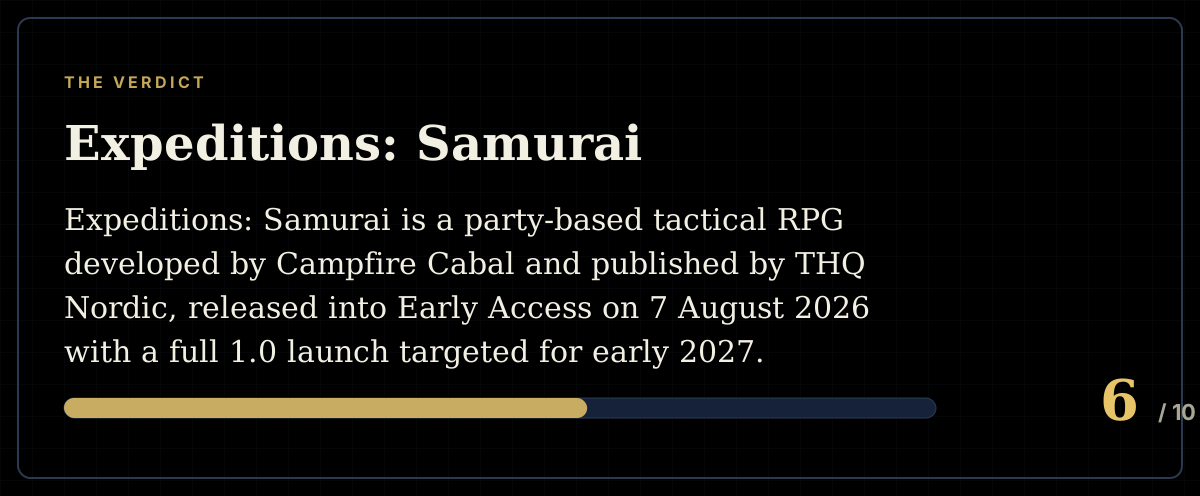
The short versionWanderer Editorial