Game review
BATTLETECH
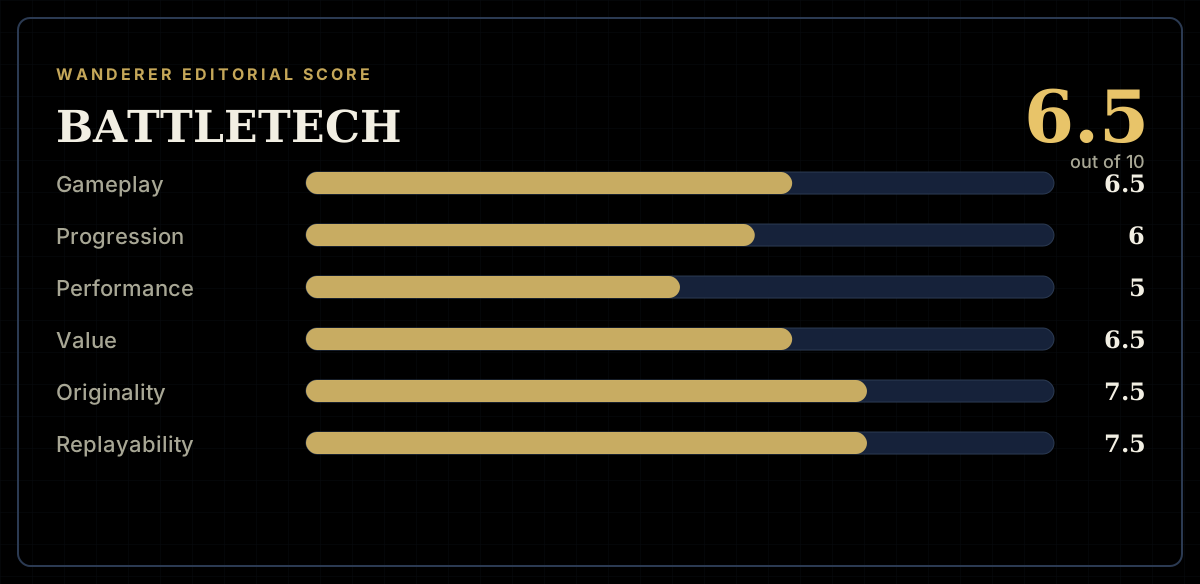
6.5 / 10
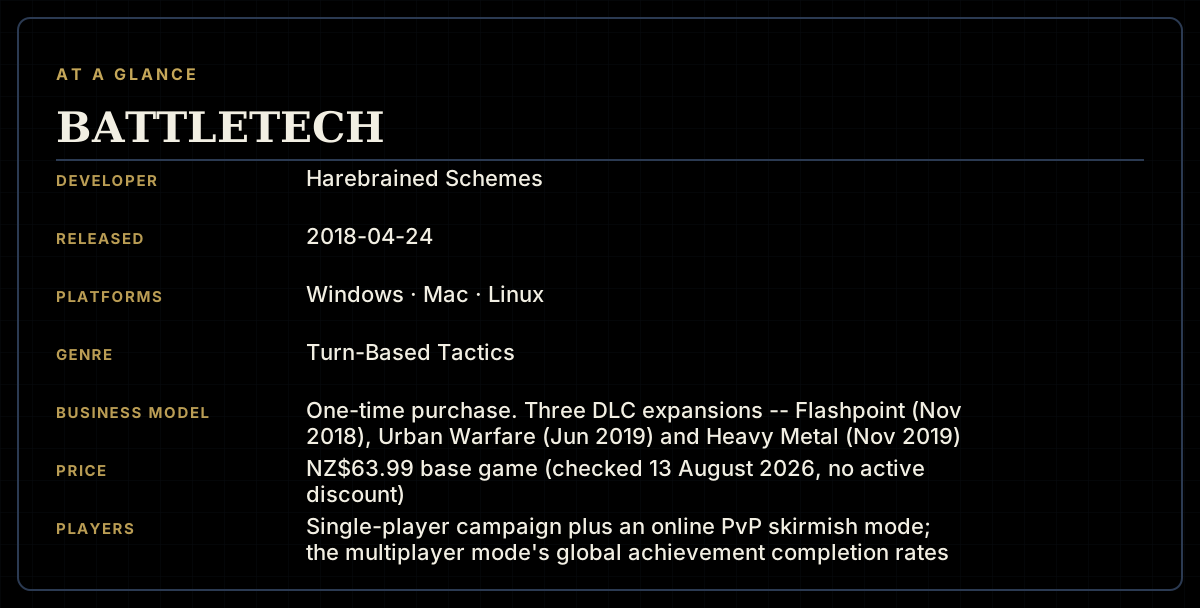
- Developer
- Harebrained Schemes
- Publisher
- Paradox Interactive
- Released
- 24 April 2018
- Platforms
- Windows, Mac, Linux
- Genre
- Turn-Based Tactics
- Monetisation
- One-time purchase. Three DLC expansions -- Flashpoint (Nov 2018), Urban Warfare (Jun 2019) and Heavy Metal (Nov 2019) -- with no further paid or free content since. No in-game purchases.
- Players
- Single-player campaign plus an online PvP skirmish mode; the multiplayer mode's global achievement completion rates sit at 0.2%, indicating a very small remaining player base
The short version
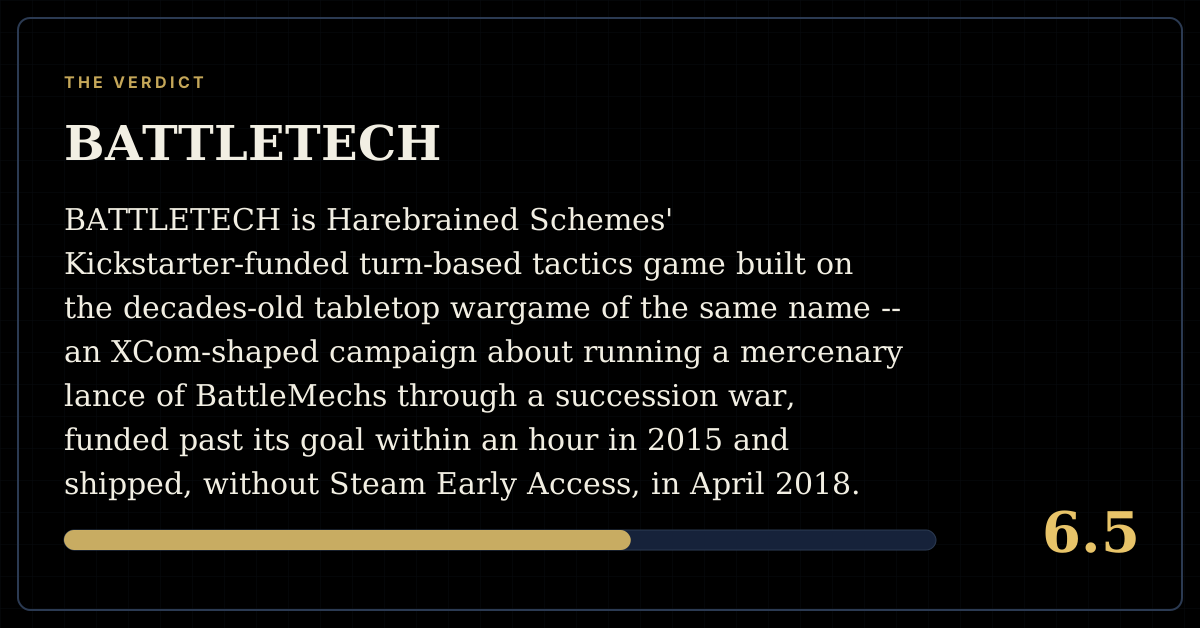
BATTLETECH is Harebrained Schemes' Kickstarter-funded turn-based tactics game built on the decades-old tabletop wargame of the same name -- an XCom-shaped campaign about running a mercenary lance of BattleMechs through a succession war, funded past its goal within an hour in 2015 and shipped, without Steam Early Access, in April 2018. It sits at Very Positive on Steam, 84% of 33,077 reviews, and 80/100 on Metacritic.
Reading a large, recent sample of negative reviews shows those numbers understating a genuine split. The tactical core -- lance composition, pilot skills, mech customisation -- gets consistent praise even from critical reviewers, several of them decades-long BattleTech or MechWarrior fans calling it the best digital adaptation the property has had. Set against that is a specific, repeated set of complaints: a punishing economic loop reviewers nickname "Debt Simulator," missions that routinely outnumber your four-mech lance two or three to one, RNG that a large number of reviewers describe as unreasonably hostile to high-percentage shots, and technical problems -- crashes, freezes, missing UI scaling -- that Paradox stopped patching after 2019 and that several reviewers report still hitting this year.
Biggest strengths
- A tactical core -- lance composition, pilot skill trees, mech and weapon customisation -- that even critical reviewers consistently praise, with several longtime BattleTech and MechWarrior fans calling it the best the franchise has played
- A genuinely large, still-active modding scene built on official mod support, with overhaul projects like BTA3062 and RogueTech extending playtime for the game's most dedicated players well past the base campaign
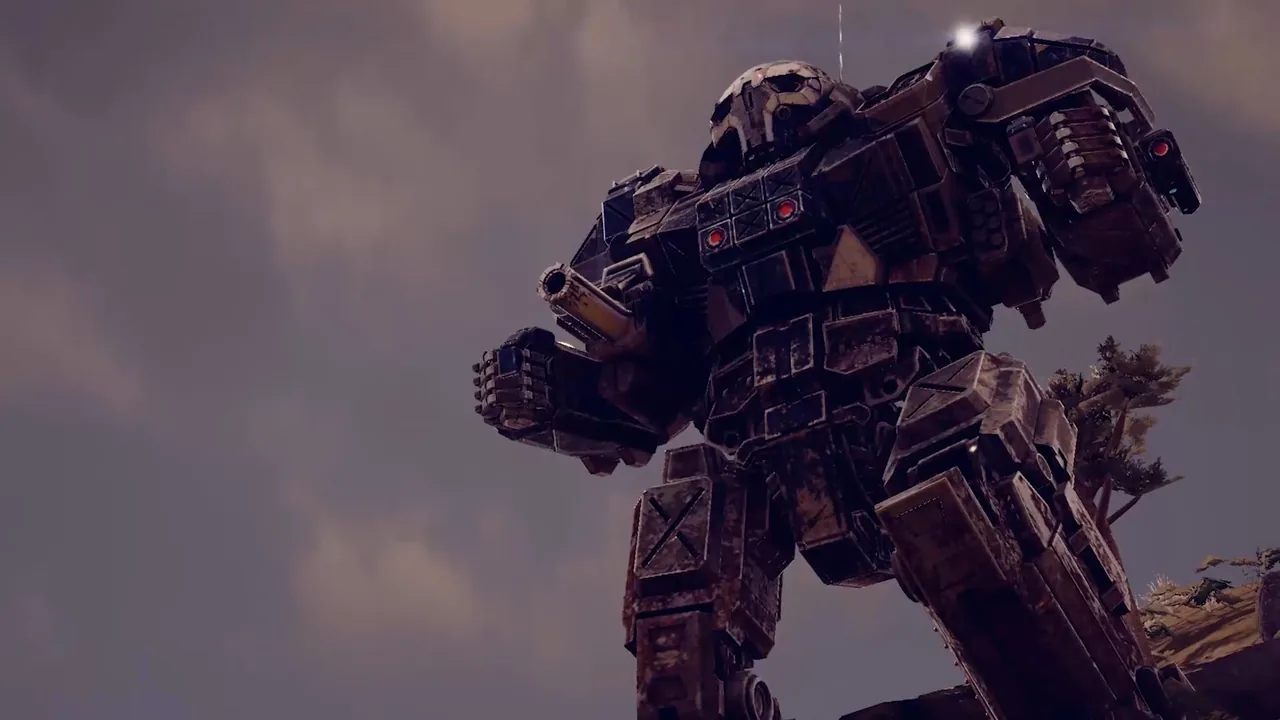
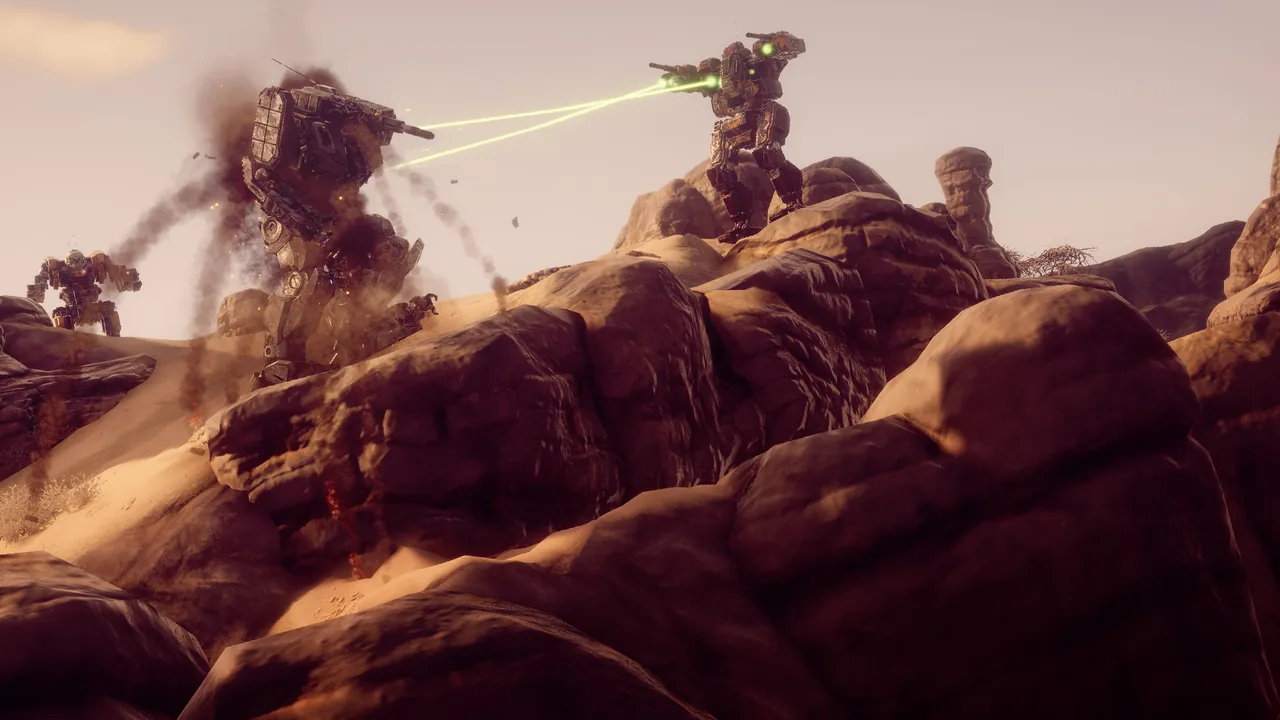
- Distinctive tabletop-faithful presentation -- procedural damage, called shots, the noble-house political setting -- that reviewers say captures the source material better than the MechWarrior series has
Biggest weaknesses
- A widely criticised economic loop -- low mission payouts, high repair and upkeep costs -- that a large share of reviewers describe as tedious bookkeeping rather than tense resource management, nicknamed "Debt Simulator" in more than one review
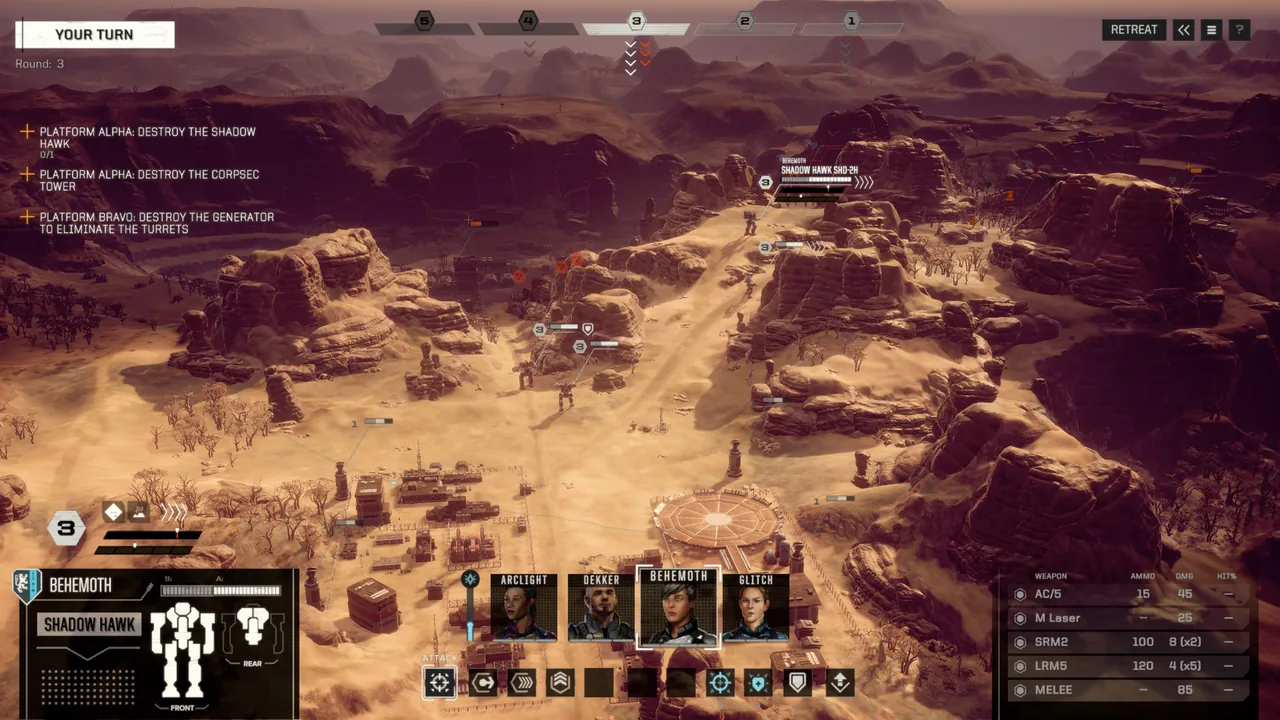
- Missions that frequently pit a four-mech lance against significantly larger enemy forces, which many reviewers call unbalanced rather than appropriately hard
- A recurring, specific complaint about the hit-chance system delivering repeated misses on high-percentage shots, described by a large number of reviewers as feeling rigged rather than merely unlucky
Who it's for: Turn-based tactics fans, especially existing BattleTech, MechWarrior or XCom players who want deep mech and pilot customisation and don't mind a steep, sometimes unforgiving difficulty curve. Less good for anyone who wants a polished, actively patched experience out of the box, or who bounces hard off punishing economic-management loops.
Our recommendation: Worth it for tactics fans willing to buy on sale and lean on the community's own fixes -- both the free mod support Harebrained added and, for veterans wanting much more, large overhaul mods like BTA3062 and RogueTech that a meaningful share of the game's longest-playing reviewers now treat as the definitive way to play. Go in expecting the base campaign's economy and mission balance to fight you, because reviewers across eight years agree that's by design as much as by bug.
6.5 / 10
BATTLETECH is Harebrained Schemes' adaptation of the decades-old tabletop wargame of the same name, funded past its $250,000 Kickstarter goal within an hour in 2015 and shipped as a full, non-Early-Access release on 24 April 2018. The pitch is close kin to XCom: command a mercenary lance of four BattleMechs through turn-based combat, manage pilots and equipment between missions, and follow a campaign built around restoring an exiled noble house to power in the game's Aurigan Reach setting. Eight years on it sits at Very Positive on Steam — 84% of over 33,000 reviews — and 80/100 on Metacritic. Reading a large, recent sample of that review history tells a more layered story than the headline number: a tactical core that even the game's harshest reviewers call excellent, wrapped in an economic and balance design that generates the single most consistent complaint in the whole sample, and a technical state that Paradox appears to have stopped actively fixing years ago.
The tactical core almost everyone agrees on
Set aside the complaints for a moment, because there's real consensus underneath them. Lance composition, pilot skill progression across four specialisations, and mech customisation down to individual weapon hardpoints and armour loadouts draw consistent praise across the entire review sample, including from reviewers giving the game a thumbs-down overall. Several identify themselves as long-time BattleTech tabletop players or MechWarrior series veterans and say, specifically, that this is the best the franchise has ever played on a screen — one recent review calls Jordan Weisman, the tabletop's original designer and the studio's founder, "the GOAT" in the same paragraph it otherwise criticises the game's technical state. That combination — a mechanically excellent turn-based core, undermined by everything wrapped around it — is the throughline of nearly the entire negative sample, which makes this a genuinely different kind of "worst parts" review than most: the complaints aren't about the fights themselves so much as everything the game asks you to survive between them.
"Debt Simulator": the economy fans keep naming
The most frequently repeated specific complaint in the sample concerns the campaign's economic loop. Mission payouts are widely described as too low relative to repair costs, mech and pilot upkeep, and the slow pace of acquiring new equipment, and more than one reviewer independently lands on almost the same joke to describe it — "Debt Simulator," one calls it; another describes the experience as "a part-time job as a bankruptcy administrator." It's a specific enough complaint, repeated in close-to-identical language by reviewers who clearly haven't read each other's reviews, that it reads as a real, consistent player experience rather than a scattered handful of people bouncing off resource management in general. The frustration compounds with a second, related complaint about mission variety: several reviewers describe being promised higher-difficulty, higher-reward "skull" contracts that then fail to appear reliably, leaving the economic grind without the payoff that would justify it.
Outnumbered by design
Layered on top of the economy is a mission-balance complaint that shows up almost as often: your lance is capped at four mechs for a large portion of the campaign, while missions routinely field enemy forces two, three or more times that size. Reviewers are split on whether this is a legitimate tactical puzzle — several describe learning to use terrain, called shots and careful positioning to offset the numbers as core to what makes the game satisfying once it clicks — or simply bad balance dressed up as difficulty. What isn't in dispute is that the ramp is steep and not well telegraphed: multiple reviewers describe a competent tutorial giving way to missions that "stomp" new players almost immediately, with little clear signal about what changed. A specific, related complaint concerns the hit-chance system itself: a large number of reviewers report sequences of missed high-percentage shots — 80%, 85%, even 90% to-hit rolls failing repeatedly — described in terms that go beyond ordinary bad-RNG grumbling into a sense that the odds feel rigged against the player specifically. Whether or not the underlying random-number generation is actually biased, the frequency and specificity of this complaint across otherwise unconnected reviewers is notable on its own.
Eight years without a patch
The clearest sign BATTLETECH is a game Paradox has stopped actively maintaining is how consistent the technical complaints are across time. Harebrained Schemes shipped three DLC expansions through November 2019 — Flashpoint, Urban Warfare and Heavy Metal — and free mod-support updates alongside them, but nothing substantial since. Reviewers from this year report the same crashes, freezes, launch failures and missing basics — no text-size scaling for the UI, no borderless windowed mode — that reviewers were reporting years earlier, and one recent review states plainly that the game still has "mission-breaking bugs" six-plus years after launch with no sign Paradox intends to address them. A separate cluster of complaints ties specifically to modern hardware: reviewers report poor optimisation and frame drops on current mid-to-high-end GPUs that shouldn't struggle with a 2018 turn-based game, the kind of aging-engine friction that accumulates on any title left unpatched long enough for the PC landscape to move past it.
A quiet multiplayer, a loud mod scene
BATTLETECH shipped with an online PvP skirmish mode, and it's effectively dead: global achievement data puts completion on every multiplayer-tied achievement at 0.2%, among the lowest figures this site has seen cited for a game with a still-active single-player base. What's replaced it, for the game's most dedicated remaining players, is modding. Harebrained's official mod support enabled a genuinely large community scene, and two overhaul projects in particular — BTA3062 and RogueTech — come up repeatedly among the review sample's most extreme playtime figures, several logging well over a thousand hours specifically through one of those mods rather than the base campaign. That's a familiar pattern for strategy games with a passionate niche fanbase, but it's also a tacit admission from the game's own most loyal players: the base campaign, exactly as Harebrained shipped it, is the part most of them eventually moved on from.
Verdict
6.5 out of 10. BATTLETECH's tactical core is genuinely excellent, faithful to its tabletop source in a way MechWarrior games rarely managed, and its Very Positive Steam standing eight years on is earned rather than inflated by nostalgia. But its own review history is remarkably consistent about where it falls short: an economy reviewers nickname after bankruptcy paperwork, mission balance that regularly outnumbers the player without always making that feel fair, and technical problems Paradox appears to have walked away from years before this review was written. Buy it on sale, go in ready for the grind the reviews describe, and know that a large share of the players getting the most out of it today are doing so through a community mod rather than the campaign as shipped.
Pros and cons
Pros
- A tactical core -- lance composition, pilot skill trees, mech and weapon customisation -- that even critical reviewers consistently praise, with several longtime BattleTech and MechWarrior fans calling it the best the franchise has played
- A genuinely large, still-active modding scene built on official mod support, with overhaul projects like BTA3062 and RogueTech extending playtime for the game's most dedicated players well past the base campaign
- Distinctive tabletop-faithful presentation -- procedural damage, called shots, the noble-house political setting -- that reviewers say captures the source material better than the MechWarrior series has
- Three DLC expansions add real additional content (new mission types, destructible environments, new mechs) rather than cosmetics
Cons
- A widely criticised economic loop -- low mission payouts, high repair and upkeep costs -- that a large share of reviewers describe as tedious bookkeeping rather than tense resource management, nicknamed "Debt Simulator" in more than one review
- Missions that frequently pit a four-mech lance against significantly larger enemy forces, which many reviewers call unbalanced rather than appropriately hard
- A recurring, specific complaint about the hit-chance system delivering repeated misses on high-percentage shots, described by a large number of reviewers as feeling rigged rather than merely unlucky
- Persistent technical problems -- crashes, freezes, load times, and missing quality-of-life options like UI text scaling or borderless windowed mode -- that Paradox has not patched since 2019, with several reviewers reporting the same issues as recently as this year
Screenshots
-
BATTLETECHImage: Paradox Interactive via Steam -
BATTLETECHImage: Paradox Interactive via Steam -
BATTLETECHImage: Paradox Interactive via Steam -
How the review scores each part of the gameWanderer Editorial -
The essentialsWanderer Editorial -
The short versionWanderer Editorial