Game review
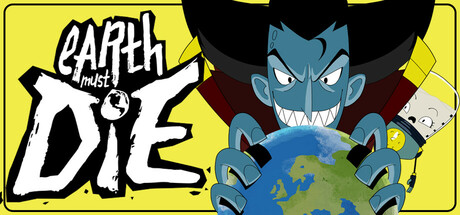
Earth Must Die
5 / 10
- Developer
- Size Five Games
- Publisher
- No More Robots
- Released
- 27 January 2026
- Platforms
- Windows
- Genre
- Adventure, RPG
- Monetisation
- One-time purchase, no in-game purchases listed
- Players
- Single-player
The short version
Earth Must Die, released 27 January 2026 by Size Five Games and published by No More Robots, is a crude, voice-acted British-comedy point-and-click adventure casting players as a self-obsessed kingdom ruler defending his realm against an alien invasion. It sits Very Positive with a sample of 237 reviews, and reading widely through both sides reveals a reception shaped heavily by prior familiarity with its specific comedic lineage. Reviewers who identify as existing fans of the developer's earlier work or the specific British comedians voicing the game describe the writing as genuinely hilarious, drawing comparisons to Douglas Adams, Red Dwarf and Grim Fandango, and praising a deliberately unlikeable protagonist as a distinctive, well-executed choice. Set against that enthusiasm, a substantial minority of reviewers, including some who came in wanting to like it, report the humor simply doesn't land, describing it as crude and puerile rather than cleverly irreverent, with weak, overly simple or frustratingly fiddly timing-based puzzles. Notably, reviewers on both sides of this divide converge on one specific shared complaint: an ending multiple reviewers, including committed fans, describe as rushed and unsatisfying enough to undermine the story that came before it. Separately, this review found reports of a specific game-breaking bug, missing ultrawide monitor support, and interface elements that don't scale correctly to non-standard resolutions.
Biggest strengths
- The writing and humor draw genuinely enthusiastic, detailed praise from reviewers already familiar with the specific British comedic lineage it draws from, with multiple reviewers comparing it favourably to Douglas Adams, Red Dwarf and the developer's own earlier acclaimed work
- Voice acting draws consistent praise across nearly every review in this sample regardless of overall verdict, with reviewers on both sides of the humor divide agreeing the cast performs the material well even when they disagree about whether the material itself is funny
- The deliberately unlikeable, self-obsessed protagonist draws specific praise as a distinctive, well-executed choice for an adventure game lead, with reviewers describing genuine enjoyment in playing a character built to be disliked rather than rooted for
Biggest weaknesses
- A substantial minority of reviewers report the humor simply doesn't land for them, describing it as crude and puerile rather than cleverly irreverent, with some reviewers who came in as fans of the voice cast or genre still concluding the writing failed to connect
- Puzzle design draws sustained, specific criticism, with reviewers describing solutions as either too simple to be engaging or, in the case of specific timing-based sequences, frustratingly fiddly given how clumsily the underlying controls handle precise input
- Reviewers on both sides of the broader reception divide converge on one shared complaint: the ending is widely described as rushed and unsatisfying, with multiple committed fans stating it actively undermines the story that preceded it
Who it's for: Existing fans of British sketch and sitcom comedy, particularly Douglas Adams, Red Dwarf and the developer's own prior games, looking for a voice-heavy, crude comedic point-and-click adventure, rather than newcomers hoping the humor will land regardless of taste.
Our recommendation: Worth it specifically if you already enjoy this exact strain of British comedy and the voice cast attached to it; more general adventure-game fans should sample reviews or a demo first given how sharply this specific game's humor divides opinion even within its own fanbase.
5 / 10
Introduction
Earth Must Die, released 27 January 2026 by Size Five Games and published by No More Robots, is a voice-heavy, crude British-comedy point-and-click adventure casting players as a self-obsessed kingdom ruler defending his realm from an alien invasion he's determined to blame on everyone but himself. It sits Very Positive with a sample of 237 reviews, and reading widely through both sides of that reception reveals a game whose critical fortune tracks unusually closely with how much a given player already likes its specific strain of comedy going in.
Genuinely beloved by its existing fanbase
The clearest, most detailed praise across this sample comes from reviewers who identify themselves as already familiar with the developer's prior work or the specific comedians providing the voice cast. These reviewers describe the writing as genuinely hilarious, drawing repeated comparisons to Douglas Adams' hand-wavy science-comedy, Red Dwarf's comic timing, and the developer's own earlier acclaimed adventure games. The deliberately unlikeable, self-obsessed protagonist draws specific praise as a distinctive choice for the genre, with reviewers describing real enjoyment playing a character built to be disliked rather than rooted for. Voice acting draws consistent praise across nearly this entire sample regardless of a reviewer's overall verdict — even critics of the writing generally agree the cast performs the material well.
A substantial minority who just don't find it funny
Set against that enthusiasm, a genuinely substantial share of this sample reports the humor simply doesn't land, and this isn't confined to reviewers with no prior interest in the genre or cast. Multiple reviewers who explicitly came in as fans of the voice actors or the point-and-click genre still conclude the writing failed to connect, describing it as crude and puerile rather than cleverly irreverent, with more than one specifically citing an excess of sex-based jokes that wear thin quickly. This review reads the divide as genuinely taste-driven rather than a simple quality dispute — reviewers on both sides are responding to the same specific material and reaching opposite conclusions about whether it's actually funny.
An ending both camps agree undermines the story
The most notable, cross-cutting complaint in this sample is one that appears on both sides of the broader humor divide. Multiple reviewers, including several who otherwise praise the writing enthusiastically as committed fans, specifically describe the ending as rushed and unsatisfying enough to actively undermine the story that preceded it. One reviewer frames this in especially pointed terms, invoking a notoriously divisive prior adventure-game ending as a comparison point that this game's conclusion somehow manages to fall short of. This convergence across otherwise opposed camps gives the complaint real weight independent of where a given reviewer lands on the humor overall.
Puzzle design and specific technical complaints
Beyond writing and story, this review found sustained, specific criticism of the underlying puzzle design. Reviewers describe solutions as either too simple to be engaging — reduced to interacting with the only available object in a given scene — or, in the case of specific timing-based sequences, frustratingly fiddly given how clumsily the controls handle precise input. Separately, this review found reports of a specific game-breaking bug in which not all available dialogue options display correctly during one particular story sequence, alongside cursor flickering and other visual glitches. Multiple reviewers report the interface doesn't support ultrawide monitors correctly, with options menus cut off, and separately note unskippable intro sequences and slow, unskippable credits at the game's conclusion.
A game that reads as commentary, for some reviewers
One further, more specific thread deserves direct mention. At least one detailed reviewer frames the entire experience as a playable critique of contemporary politics, describing it as engaging with post-Brexit Britain, democratic backsliding and media-driven manipulation woven directly into the plot and setting rather than existing as background flavour. This review reports this as a genuinely held reading by at least one reviewer rather than a universal interpretation — most reviewers in this sample engage with the game purely as a comedy adventure without raising this dimension at all — but it's worth naming as evidence of how differently invested reviewers can read the same underlying material, adding another axis along which this game's reception splits beyond simple humor preference.
Weighing niche appeal against broad accessibility
This review's final position tries to take seriously something that's easy to flatten into a single score: Earth Must Die isn't failing to be broadly funny by accident, it's succeeding at being very specifically funny to a defined audience while making little effort to widen that appeal. That's a legitimate creative choice, and the depth and specificity of praise from reviewers already in that target audience is real and substantial rather than a small, easily-dismissed niche. But a general review has to weigh that specific success against how the game lands for readers without that exact prior context, and this review's research found a genuinely large, thoughtful body of reviewers, including some who wanted to be that target audience, reporting the material simply didn't work for them. Both facts are true simultaneously, and this review's score reflects an attempt to honour both rather than defaulting entirely to either the enthusiastic core fanbase or the more general critical reception.
Final Verdict
Earth Must Die succeeds specifically and enthusiastically for players already primed for its exact comedic lineage, drawing genuine, detailed praise from fans of British sketch comedy and the developer's earlier work, with consistently well-regarded voice acting throughout. What holds this score down is a substantial minority, including some of the game's own target audience, reporting the humor simply doesn't land, compounded by puzzle design several reviewers find either too thin or too fiddly, a specific game-breaking bug, and an ending that reviewers on both sides of the broader divide agree undermines the story. Worth it specifically if this exact brand of crude British comedy is already your taste; sample reviews or a demo first if you're unsure, since this review's research found the humor genuinely doesn't translate for a meaningful share of players who wanted to like it.
Pros and cons
Pros
- The writing and humor draw genuinely enthusiastic, detailed praise from reviewers already familiar with the specific British comedic lineage it draws from, with multiple reviewers comparing it favourably to Douglas Adams, Red Dwarf and the developer's own earlier acclaimed work
- Voice acting draws consistent praise across nearly every review in this sample regardless of overall verdict, with reviewers on both sides of the humor divide agreeing the cast performs the material well even when they disagree about whether the material itself is funny
- The deliberately unlikeable, self-obsessed protagonist draws specific praise as a distinctive, well-executed choice for an adventure game lead, with reviewers describing genuine enjoyment in playing a character built to be disliked rather than rooted for
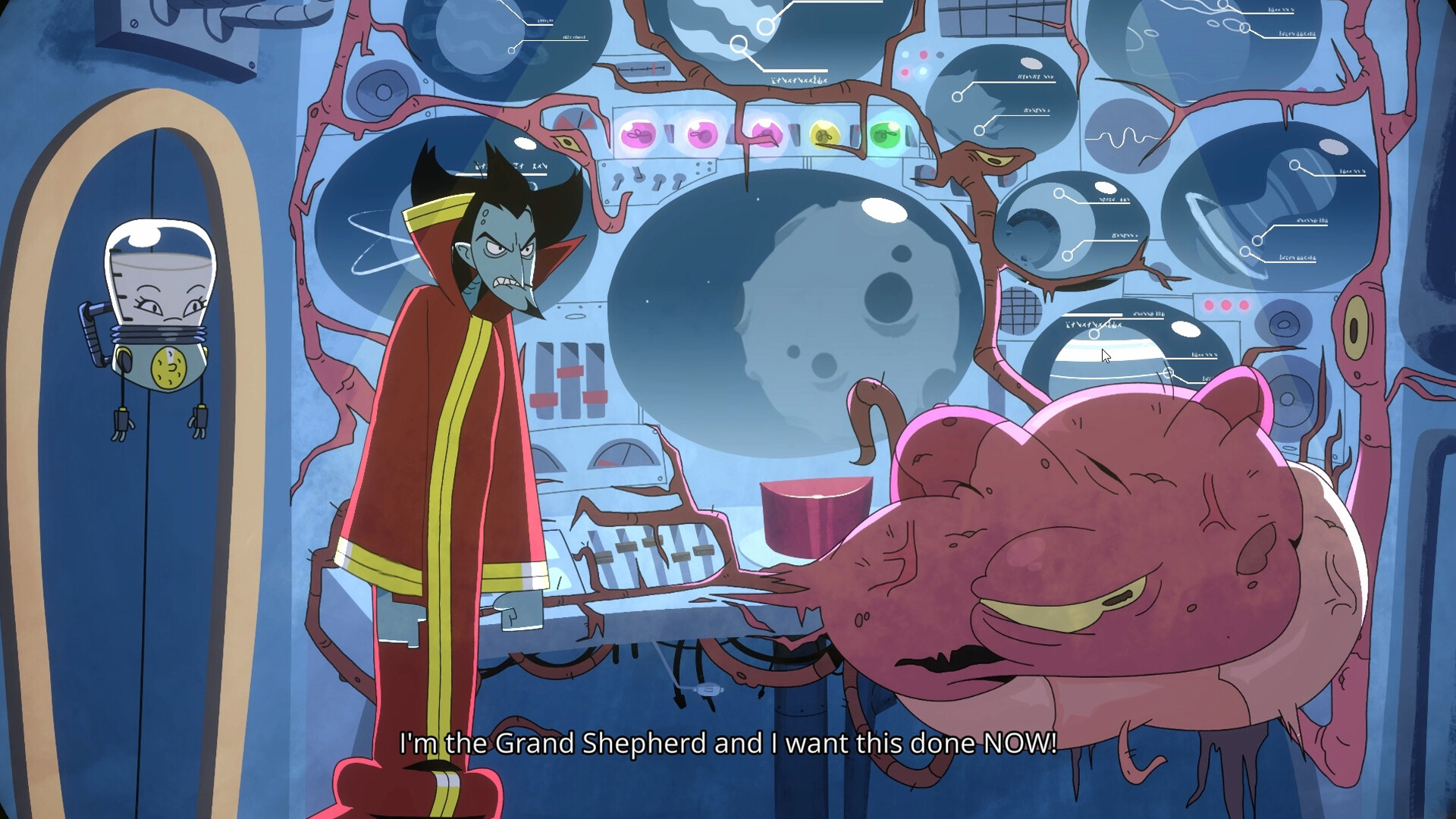
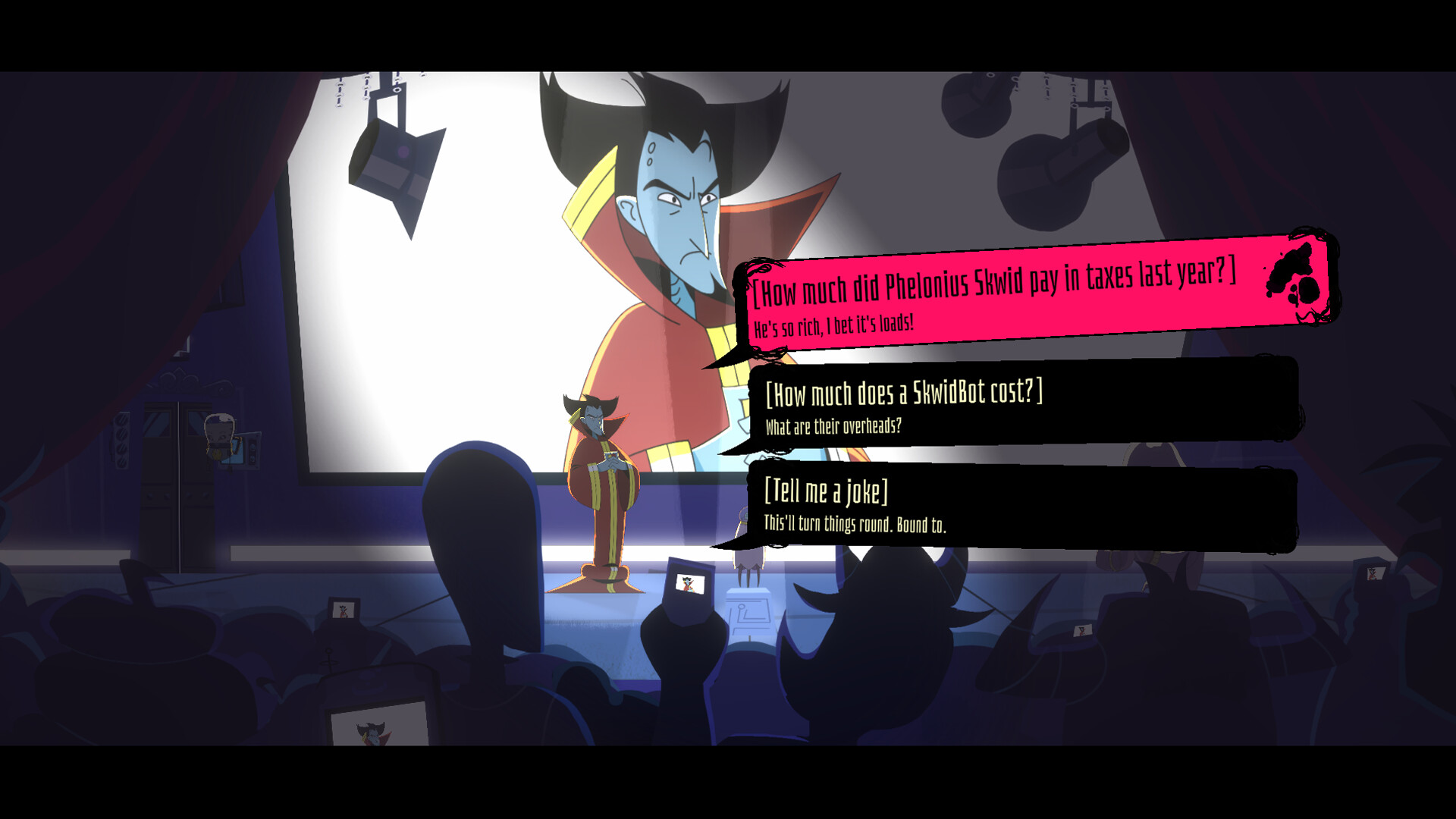
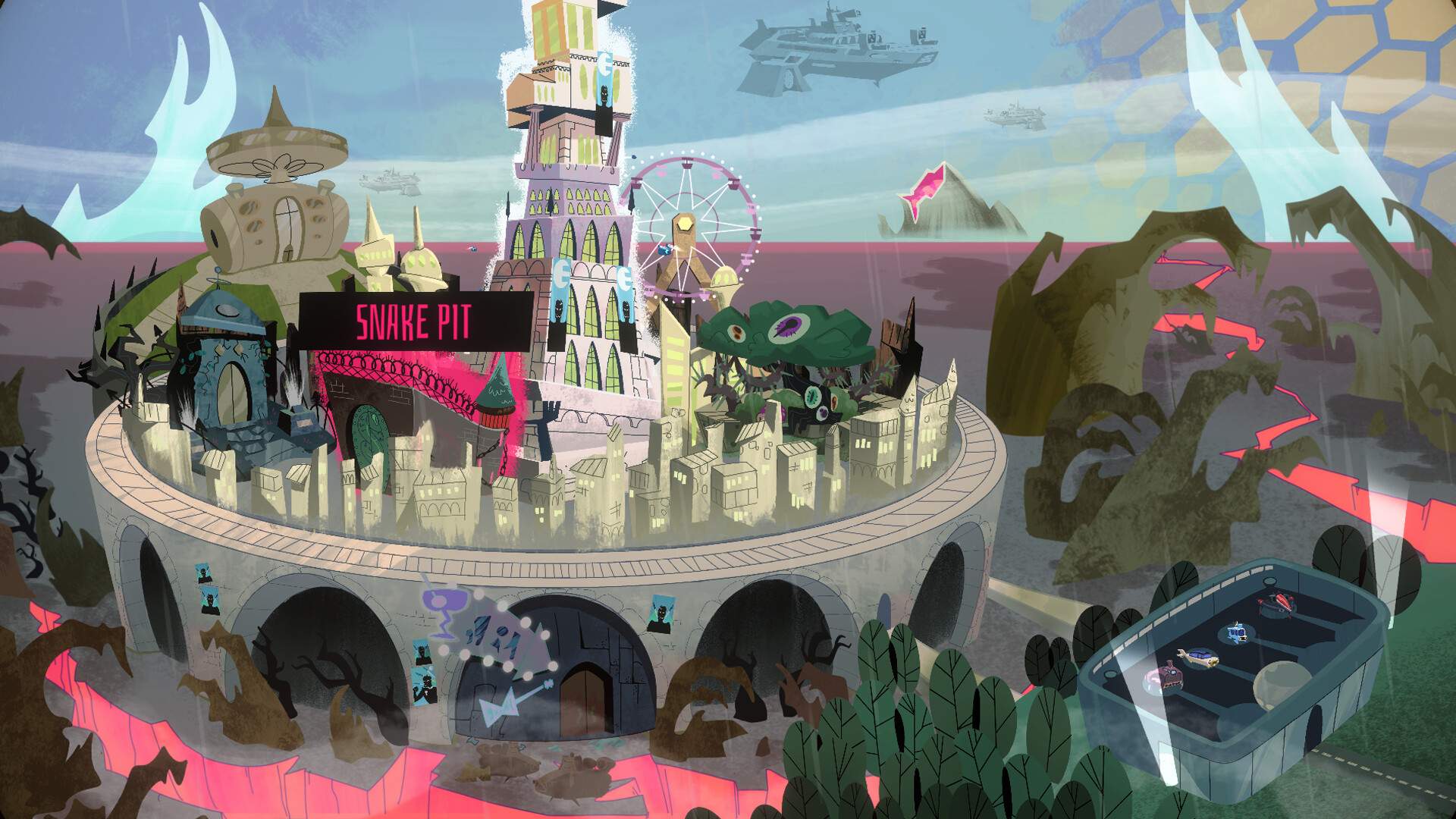
- Art style and overall presentation draw consistent praise even from reviewers otherwise critical of the writing or gameplay, with more than one describing the visuals as a genuine strength independent of their other complaints
Cons
- A substantial minority of reviewers report the humor simply doesn't land for them, describing it as crude and puerile rather than cleverly irreverent, with some reviewers who came in as fans of the voice cast or genre still concluding the writing failed to connect
- Puzzle design draws sustained, specific criticism, with reviewers describing solutions as either too simple to be engaging or, in the case of specific timing-based sequences, frustratingly fiddly given how clumsily the underlying controls handle precise input
- Reviewers on both sides of the broader reception divide converge on one shared complaint: the ending is widely described as rushed and unsatisfying, with multiple committed fans stating it actively undermines the story that preceded it
- This review found reports of a specific game-breaking bug in which not all available dialogue options display correctly during one particular sequence, alongside separate reports of cursor flickering and other visual glitches
- Multiple reviewers report the interface doesn't support ultrawide monitors correctly, with options menus and other UI elements cut off, and separately report unskippable intro sequences and slow, unskippable credits at the game's conclusion
Screenshots
-
Earth Must DieImage: No More Robots via Steam -
Earth Must DieImage: No More Robots via Steam -
Earth Must DieImage: No More Robots via Steam -
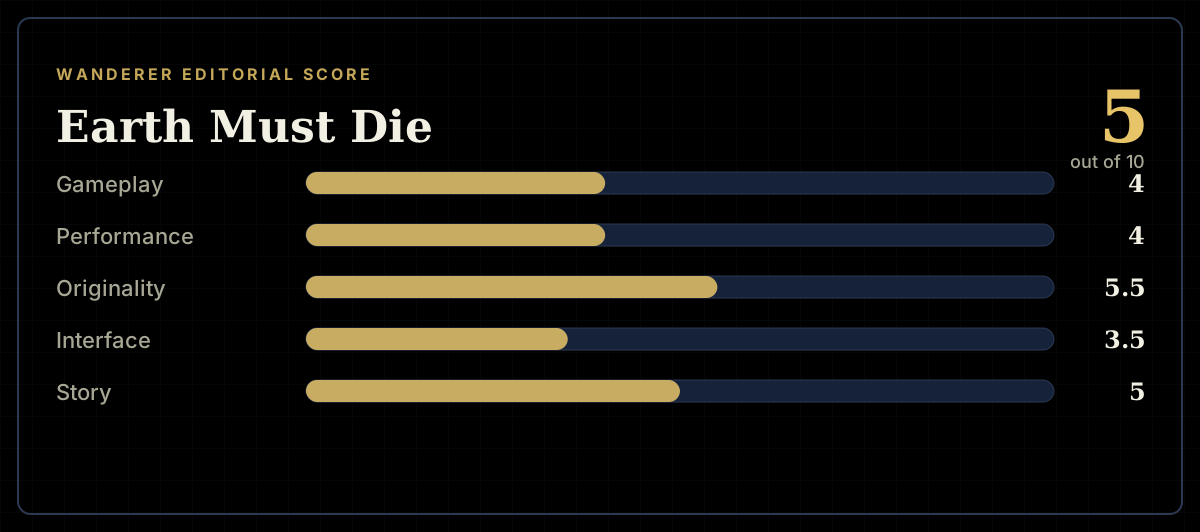
How the review scores each part of the gameWanderer Editorial -
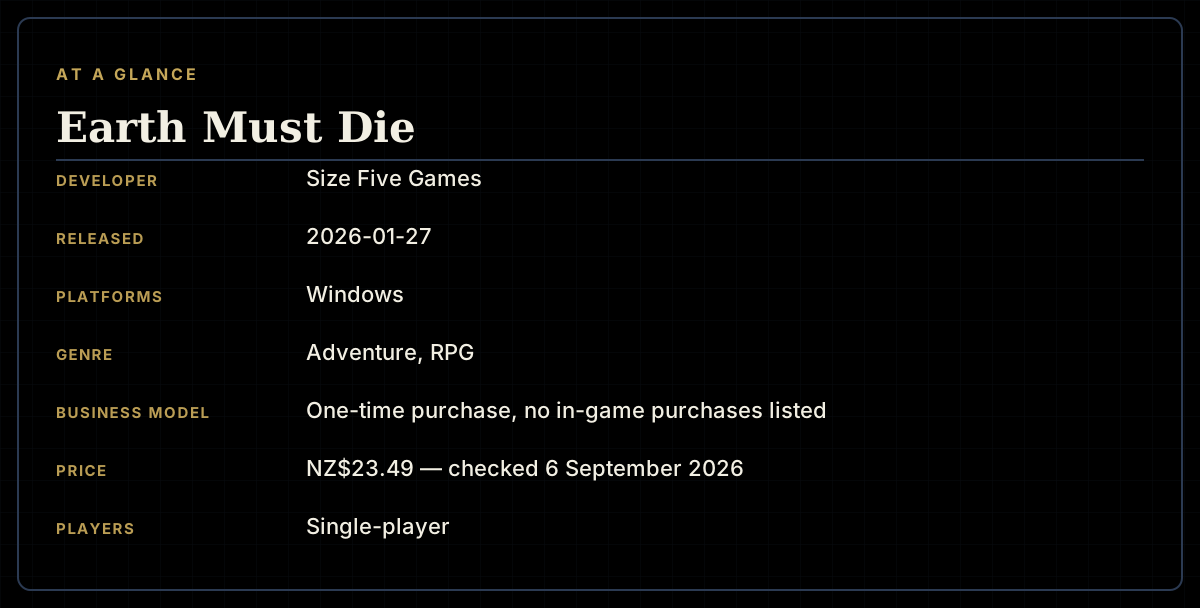
The essentials at a glanceWanderer Editorial -
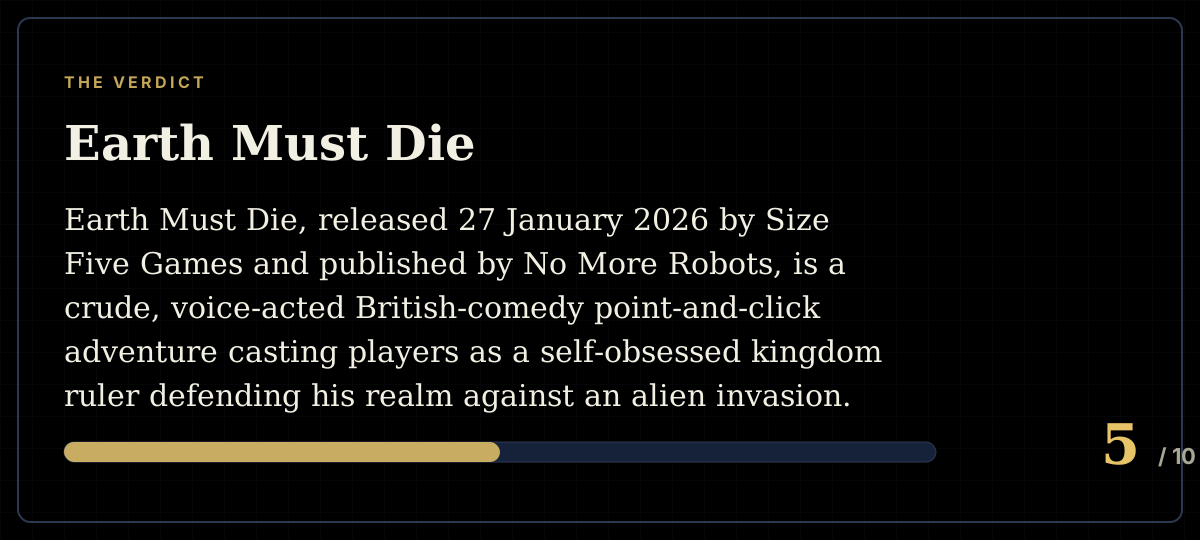
The short versionWanderer Editorial