Game review
Shadows Over Loathing
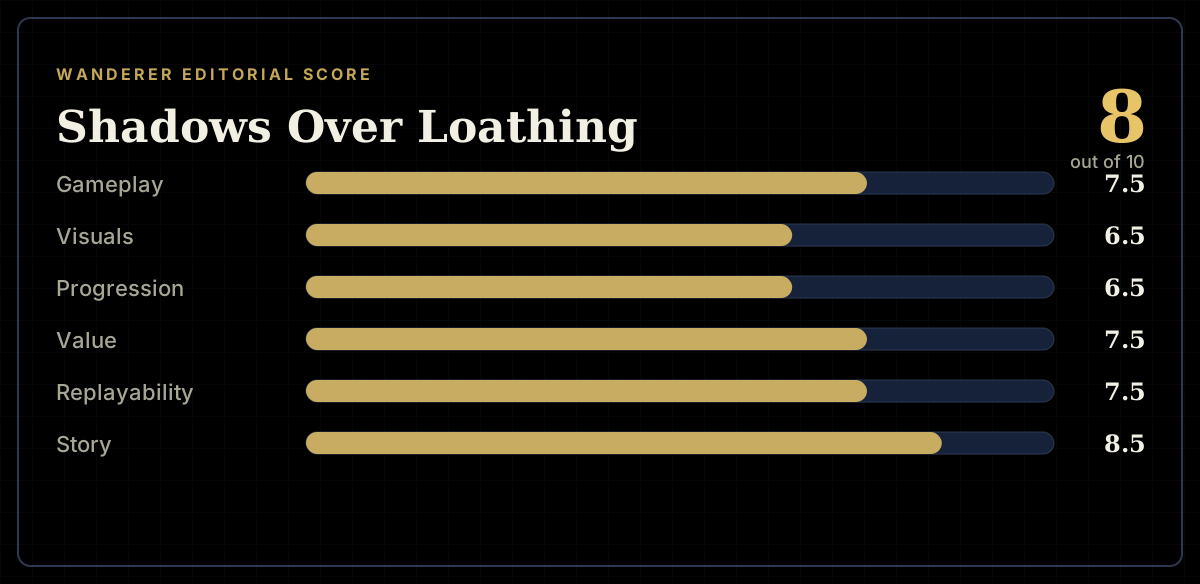
8 / 10
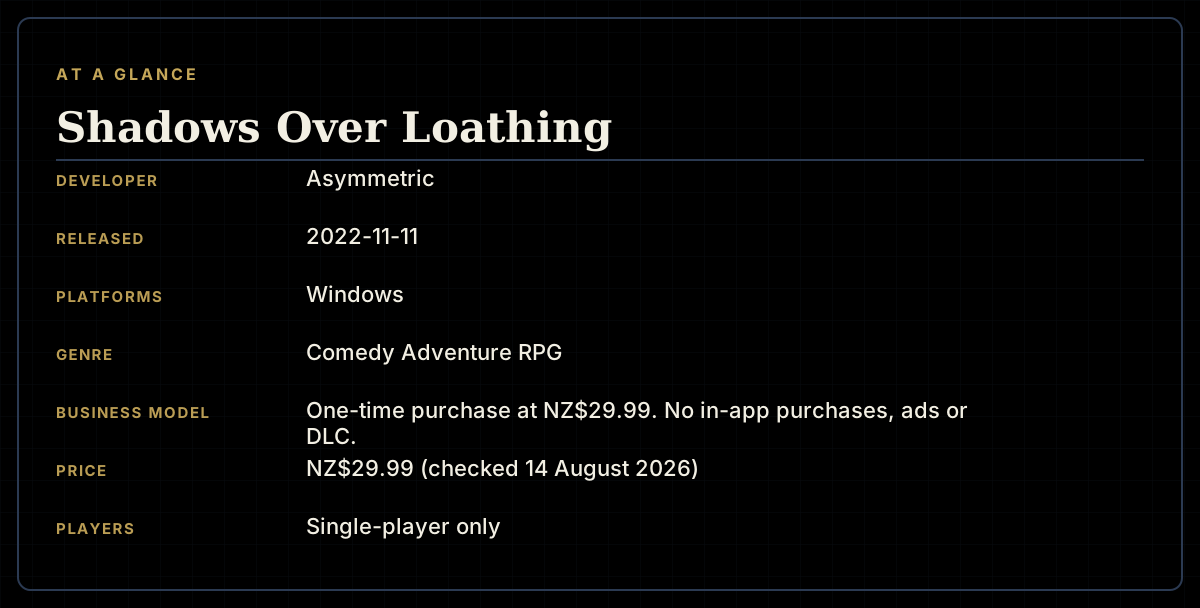
- Developer
- Asymmetric
- Publisher
- Asymmetric
- Released
- 11 November 2022
- Platforms
- Windows
- Genre
- Comedy Adventure RPG
- Monetisation
- One-time purchase at NZ$29.99. No in-app purchases, ads or DLC.
- Players
- Single-player only
The short version
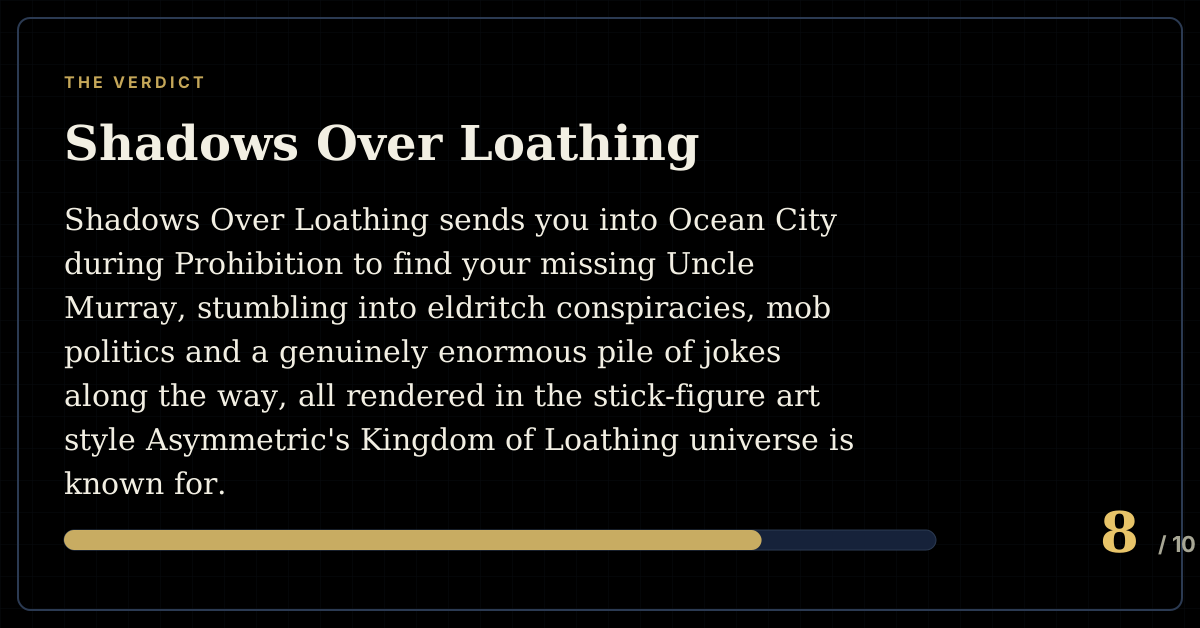
Shadows Over Loathing sends you into Ocean City during Prohibition to find your missing Uncle Murray, stumbling into eldritch conspiracies, mob politics and a genuinely enormous pile of jokes along the way, all rendered in the stick-figure art style Asymmetric's Kingdom of Loathing universe is known for. It's a confident, funny, well-written turn-based RPG in its own right, and it sits at Overwhelmingly Positive, 95.9% of 3,108 reviews.
What makes this review worth reading past the headline score is how the small negative slice -- just 4.1% of the total -- almost unanimously frames its complaints the same way: not that Shadows Over Loathing is bad, but that it's a step down from West of Loathing, its 2017 predecessor and one of this library's own highest-rated adventure RPGs. Longer, grindier, more linear, and built around puzzles several reviewers say require a walkthrough -- the negative sample reads less like a list of flaws and more like a specific, consistent case of sequel-itis.
Biggest strengths
- Genuinely funny, dense writing -- "thousands and thousands of jokes, gags and goofs" per the store page, and reviewers across both recommend states back that claim up
- A clever subversion of Lovecraftian horror tropes that keeps the cosmic-horror atmosphere while dropping the genre's baked-in racism, something more than one reviewer calls out by name
- Three distinct playable classes -- Pig Skinner, Cheese Wizard, Jazz Agent -- with real mechanical variety and genuine replay incentive
Biggest weaknesses
- The single most repeated complaint in the negative sample, by a wide margin, is a direct unfavourable comparison to West of Loathing on pacing, length and grind
- Several reviewers describe puzzles and questlines as convoluted enough to require external walkthroughs, a sharper difficulty spike than the more forgiving predecessor
- A stark white-dominant visual palette causes genuine eye strain for at least a handful of reviewers, one of whom says it kept them from finishing the game
Who it's for: Comedy RPG fans generally, and Kingdom of Loathing devotees especially. Newcomers who never played West of Loathing may find this the stronger entry point precisely because they have no predecessor to compare it against; existing fans of the original should adjust expectations rather than assuming an automatic upgrade.
Our recommendation: A genuinely funny, well-crafted comedy RPG worth its price on its own merits -- just go in aware that a real, consistent minority of its own audience considers it West of Loathing's lesser sibling rather than its equal, for reasons specific enough to be worth taking seriously.
8 / 10
Reading through Shadows Over Loathing's small pile of negative Steam reviews feels almost unnervingly consistent. Nearly every single one, regardless of the specific complaint, arrives at the same reference point: West of Loathing, Asymmetric's 2017 predecessor and one of the more beloved comedy RPGs of its decade. "If you loved West of Loathing, you are taking a massive gamble playing this in its stead," reads one representative review. Another, blunter: "Does everything West of Loathing does but worse." That's an unusual thing to see repeated with such uniformity across a review sample spanning years -- and it's worth taking seriously, because it says more about this specific game's reputation than any individual complaint could on its own.
A genuinely funny, well-made game on its own terms
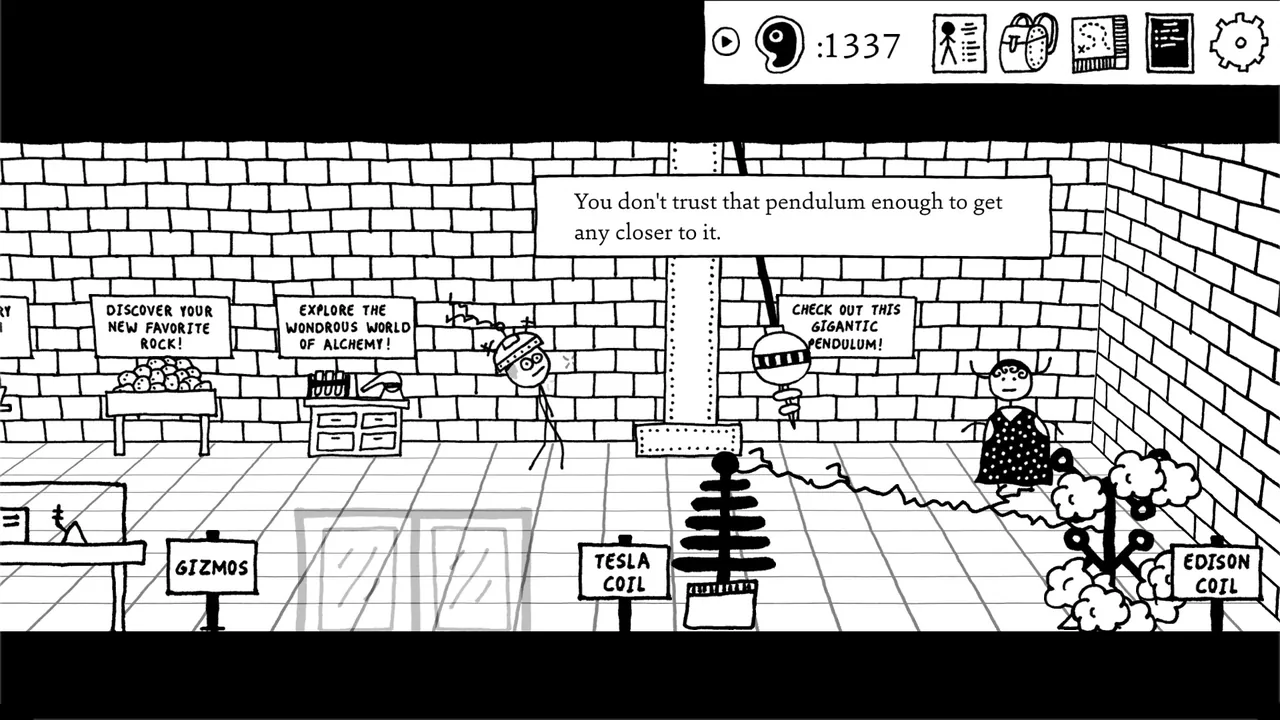
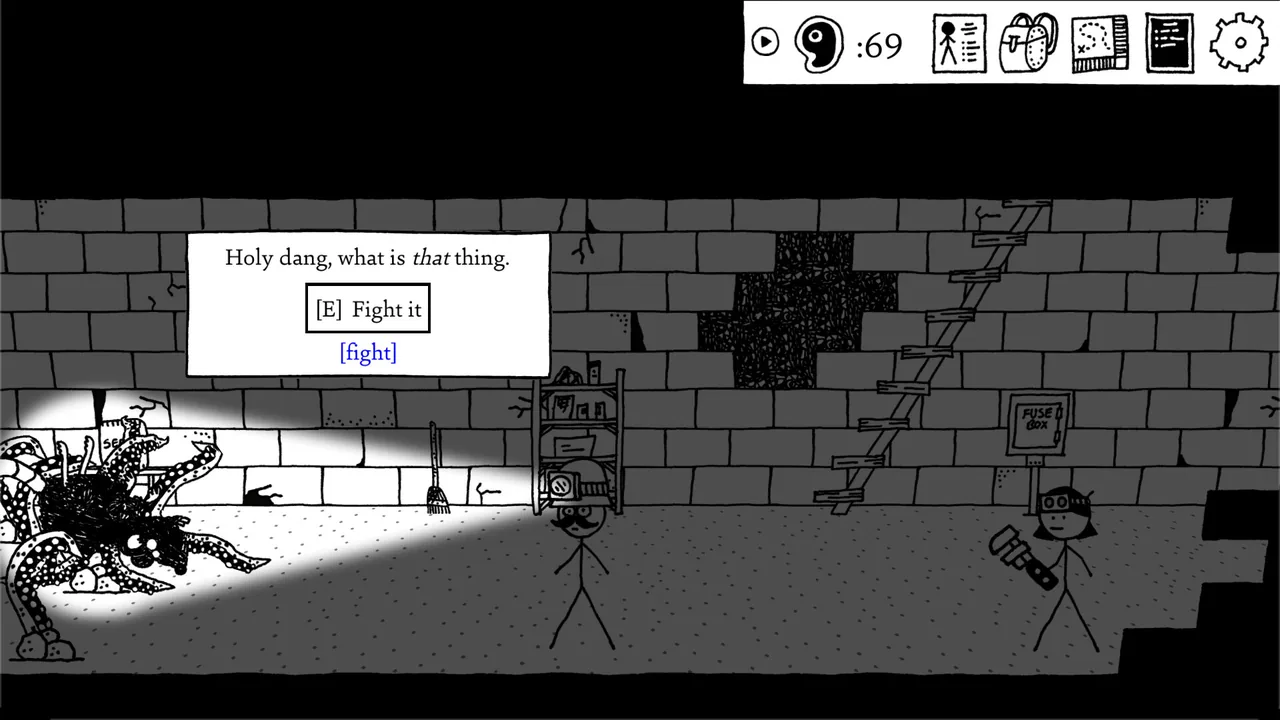
Set that comparison aside for a moment, because Shadows Over Loathing earns its Overwhelmingly Positive score honestly. You're investigating your missing Uncle Murray's antique shop in Prohibition-era Ocean City, and the trail leads into mob intrigue, eldritch conspiracies and a genuinely enormous quantity of jokes -- the store page's claim of "thousands and thousands" isn't much of an exaggeration, and reviewers across both recommend states consistently praise the density and quality of the writing. One especially sharp piece of praise sums up the game's take on its own genre well: "Lovecraftian horror without the racism," a compact way of describing how the game leans into cosmic-horror atmosphere and tentacled dread while pointedly dropping the xenophobic baggage that clings to a lot of Lovecraft-inspired media. Three playable classes -- the combat-focused Pig Skinner, the reality-bending Cheese Wizard and the enigmatic Jazz Agent -- give runs genuinely different mechanical shapes, and the original soundtrack draws specific, enthusiastic praise even from reviewers who are otherwise lukewarm on the rest of the game.
The comparison that dominates everything
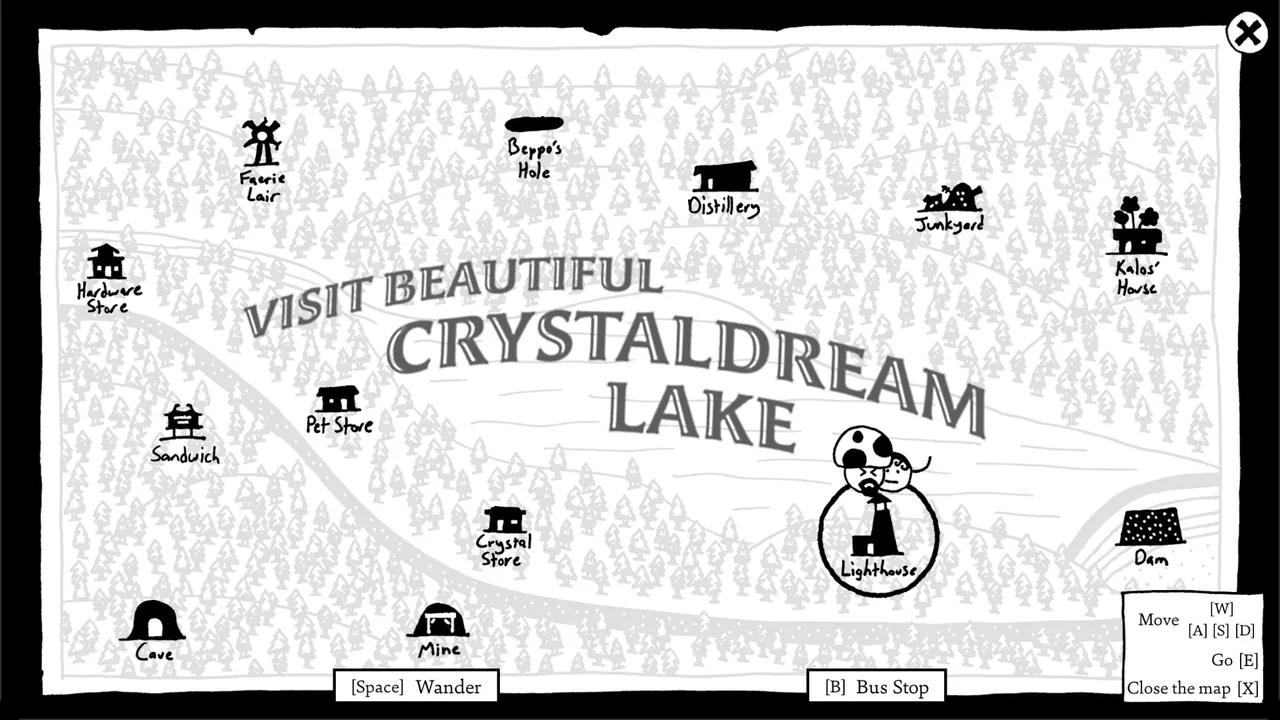
But the comparison is unavoidable because the game itself invites it -- same universe, same studio, same stick-figure art style, five years after a predecessor a lot of this audience holds in genuinely high regard. And the specific complaints, once you look past the "worse than the first one" framing, are concrete rather than vague. Length and pacing come up constantly: "This game is about 3 times the length of West of Loathing," reads one review from a player who finished every side quest, and several others describe the middle stretch specifically as repetitive or grindy in a way the tighter original never was. Puzzle and quest design draws similarly specific criticism -- "way too complex, you need to keep track of everything and you still need 17 walkthroughs to do anything," reads one, and another describes hitting "arbitrary events that have to transpire" before quests would progress, without the game clearly signposting what those events were. A separate, recurring thread argues the world itself is more linear than West of Loathing's open map, trading exploration freedom for a more directed, story-driven structure -- a legitimate design choice, but one a meaningful slice of the returning fanbase experiences as a loss rather than a refinement.
Two more specific complaints round out the pattern. The game's dominant white-toned visual palette causes real discomfort for at least a handful of reviewers -- "the visual design is BLINDINGLY WHITE ALL OVER. My eyes hurt after half an hour playing it," reads one, describing it as the specific reason they couldn't finish a game they otherwise praised for its writing. And achievement completion backs up a separate complaint about difficulty and obscurity: several of the deepest unlocks sit below 3.5% completion, and multiple reviewers independently describe the game's "good ending" specifically as requiring far more completionist effort, with far less guidance toward it, than they expected going in.
One reviewer, briefly and without elaboration, mentions being put off by "political commentary" and "the writers' opinions" woven into the game -- a genuine reaction worth noting for completeness, though it's an isolated complaint in the sample rather than a pattern, and this review isn't in a position to characterise the specific content being referenced.
A useful split: newcomers versus returning fans
The most interesting thing this review sample reveals, read as a whole, is that the "worse than the original" framing is really a returning-fan phenomenon rather than a verdict on the game itself. Reviewers who mention playing West of Loathing first are dramatically more likely to be critical; several who came to Shadows Over Loathing without that history, or who explicitly recommend playing the games in release order for exactly this reason, describe a genuinely great time without the shadow of comparison hanging over it. "This just takes that game's framework, refines a few mechanics, and writes an entire new story and hours of comedy around it. 10/10, no complaints," reads one such review. That split matters for anyone deciding whether to trust this game's overwhelming Steam score at face value -- it's earned, but it's earned differently depending on what you're comparing it to.
Reconciling the higher score with the lower reputation
It's worth addressing directly why this review lands on 8.0 -- higher than this library's own 7.5 for West of Loathing -- despite spending so much of its length on a chorus of reviewers insisting the newer game is the weaker one. The two things aren't actually in conflict. West of Loathing's 7.5 reflected a shorter, tighter game whose greatest strength was originality -- scored a 9 in that category here -- doing something genuinely novel for the genre; its downsides were real but modest. Shadows Over Loathing trades some of that fresh-discovery feeling for a longer, more ambitious game with denser writing, deeper class-based systems and a score on Steam that reflects an audience nearly as large finding just as much, if not more, to love overall. A "worse sequel" and a "better game by most objective measures" can both be true at once: West of Loathing benefits from being first, from novelty a sequel structurally cannot repeat, while Shadows Over Loathing is doing more, at greater length, with a broader toolkit -- even if a specific, vocal slice of the original's biggest fans experience that ambition as bloat rather than growth. Both readings are legitimate; they're just measuring different things.
Final verdict
Shadows Over Loathing is a genuinely well-written, funny, mechanically sound comedy RPG that happens to live in the shadow of one of its own developer's earlier, much-loved games. Judged on its own terms, it's an easy recommendation: dense, clever writing, real class variety, a great soundtrack, and a thoughtful spin on Lovecraftian horror that keeps the atmosphere while discarding the genre's ugliest baggage. Judged against West of Loathing specifically -- which a meaningful slice of its own audience can't help but do -- it's longer, grindier, more linear and harder to navigate without outside help, and that comparison is fair enough, and repeated often enough, to be worth factoring into the score.
8.0 out of 10. Strongly recommended, especially for players discovering the Loathing universe for the first time here rather than arriving with West of Loathing already set as the bar. Existing fans of the original should still play it -- just go in expecting a good sequel rather than assuming an automatic improvement.
Pros and cons
Pros
- Genuinely funny, dense writing -- "thousands and thousands of jokes, gags and goofs" per the store page, and reviewers across both recommend states back that claim up
- A clever subversion of Lovecraftian horror tropes that keeps the cosmic-horror atmosphere while dropping the genre's baked-in racism, something more than one reviewer calls out by name
- Three distinct playable classes -- Pig Skinner, Cheese Wizard, Jazz Agent -- with real mechanical variety and genuine replay incentive
- An excellent, widely-praised original soundtrack that multiple reviewers single out even when critical of other elements
Cons
- The single most repeated complaint in the negative sample, by a wide margin, is a direct unfavourable comparison to West of Loathing on pacing, length and grind
- Several reviewers describe puzzles and questlines as convoluted enough to require external walkthroughs, a sharper difficulty spike than the more forgiving predecessor
- A stark white-dominant visual palette causes genuine eye strain for at least a handful of reviewers, one of whom says it kept them from finishing the game
- A more linear world structure than West of Loathing's open map, which several longtime fans of the series describe as a meaningful downgrade in exploration freedom
Screenshots
-
Shadows Over LoathingImage: Asymmetric via Steam -
Shadows Over LoathingImage: Asymmetric via Steam -
Shadows Over LoathingImage: Asymmetric via Steam -
How the review scores each part of the gameWanderer Editorial -
The essentialsWanderer Editorial -
The final verdictWanderer Editorial