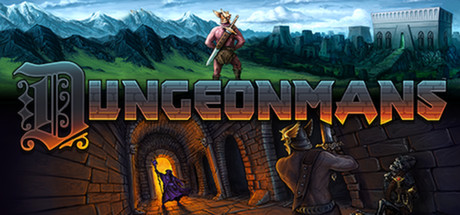
Game review
Dungeonmans
7 / 10
- Developer
- Adventurepro Games LLC
- Publisher
- Adventurepro Games LLC
- Released
- 9 December 2014
- Platforms
- Windows, macOS, Linux
- Genre
- Roguelike RPG
- Monetisation
- One-time premium purchase; no DLC, no in-app purchases
- Players
- Single-player only; no online, co-op or PvP modes
The short version
Dungeonmans wraps a genuinely deep, systems-heavy roguelike in relentless, self-aware absurdist comedy — you're training at an academy for professional dungeon-delvers, and reviewers consistently praise the persistent academy meta-progression, varied classes, and skill trees as real substance behind the jokes. A decade after launch, the developer is still shipping substantial content updates, including a major expansion as recently as mid-2025.
A specific, detailed reviewer complaint deserves direct attention: the developer responded to players repeatedly farming a gambling minigame not by capping it, but by spawning an overwhelming enemy that, on a kill, permanently erases the character along with their gear, pets, and legacy items — described by multiple reviewers as a punitive overreaction to a minor exploit. Combined with real, recurring complaints about tiny, non-scalable UI text, these are concrete flaws worth weighing against the genuine depth and humor most reviewers praise.
Biggest strengths
- Genuine mechanical depth beneath the comedy: varied classes and skill trees, a persistent academy meta-progression system, and enemies with real tactical variety that reviewers say holds up as a legitimate roguelike rather than a joke wearing the genre's clothes
- Consistently praised absurdist, self-aware humor that reviewers describe as landing throughout rather than wearing thin
- A real legacy/persistence system letting later characters inherit gear, identification potions and scrolls from previous runs, praised specifically by reviewers who value that kind of long-term investment in roguelikes
Biggest weaknesses
- A specific, detailed and repeated complaint: rather than capping or rebalancing a gambling minigame players were farming, the developer made it spawn an overwhelming enemy that permanently erases a character's gear, pets and legacy items on death — described by multiple reviewers as a punitive overreaction rather than a proportionate fix
- Recurring, specific accessibility complaints about UI text size, with multiple reviewers independently describing 1080p text as barely readable and the interface as lacking any scaling option
- At least one detailed account describes a genuinely game-breaking navigation bug — a starting area completely walled off with no way through — reported as a known, unresolved issue at the time of that review
Who it's for: Roguelike fans who want real, persistent meta-progression and don't mind irreverent, constant humor. Less suited to players with vision accessibility needs the game doesn't currently accommodate, or anyone who wants exploit responses handled as balance patches rather than punitive traps.
Our recommendation: A genuinely rewarding roguelike for fans of the genre's more systems-heavy end, still actively supported after a decade — just know about the specific anti-exploit design choice and the UI accessibility complaints before buying.
7 / 10
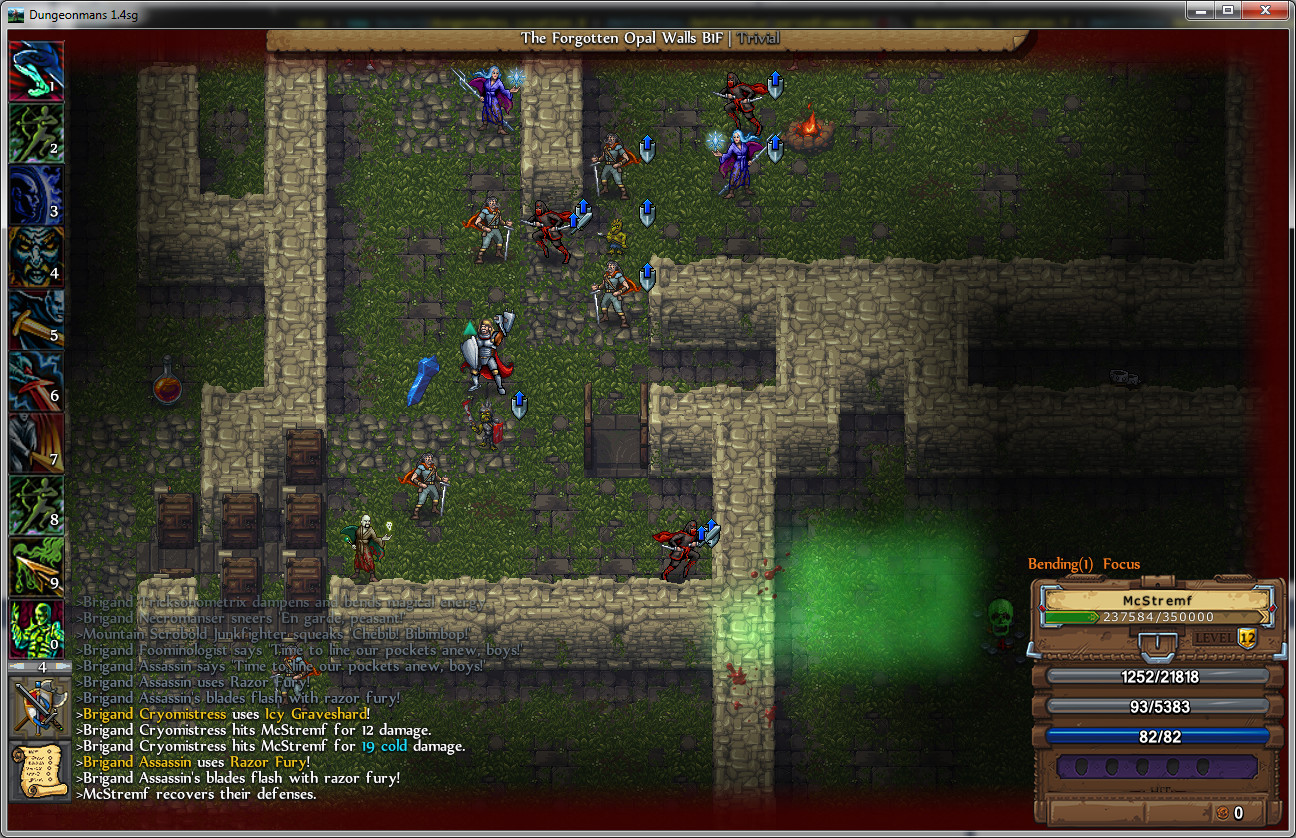
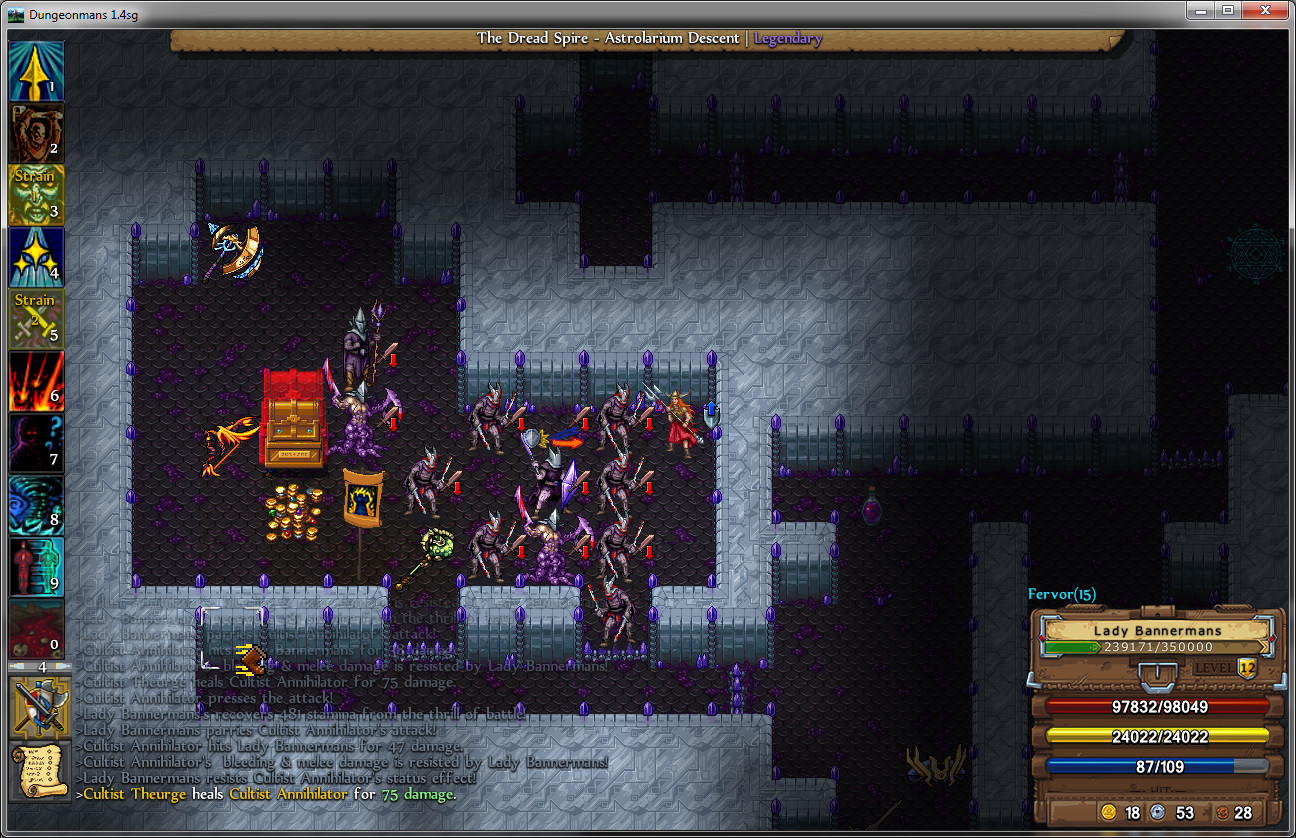
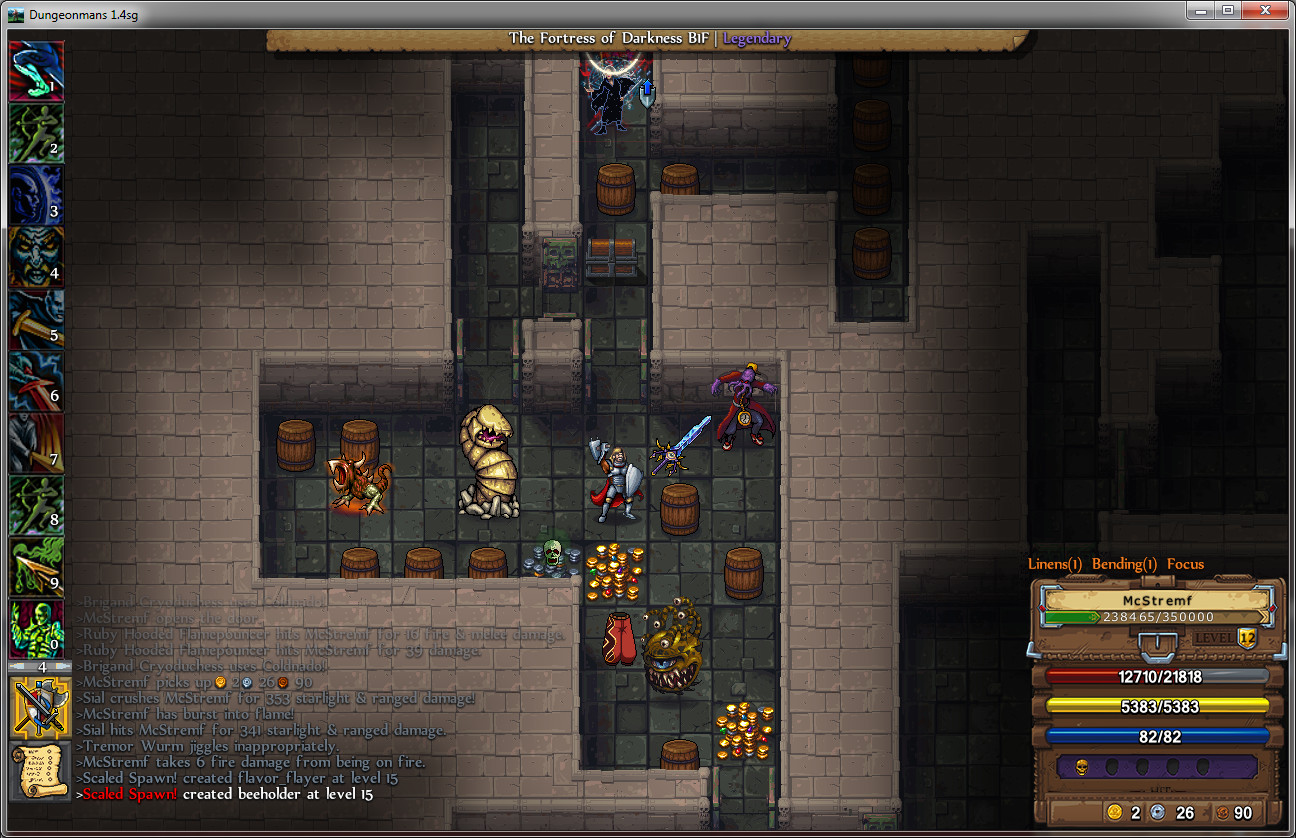
Dungeonmans commits fully to its bit from the title onward: you're a student at an academy that trains professional dungeon-delvers, referred to exclusively — narrator, NPCs, and the game's own achievement names included — as "dungeonmans." It's relentless, and it works, because underneath the joke is a genuinely deep roguelike: varied classes and skill trees, a persistent academy meta-progression system that lets later characters inherit gear and knowledge from earlier ones, and enemies with real tactical variety. A decade after its original 2014 release, the developer is still actively expanding it — a substantial content update, "Slayer's Summer," shipped as recently as mid-2025.
Real depth behind the constant jokes
Reviewers who dig past the humor consistently confirm there's substance underneath it. One detailed review lays it out plainly: "there is a wide variety of skill trees and character types, the humor is spot on, and the academy building between-characters metagame is well implemented and feels rewarding." A separate reviewer makes a stronger claim, arguing this is "a REAL roguelike" specifically because of its permadeath-with-persistence structure, contrasting it against games that borrow roguelike terminology loosely. That claim isn't universal — a differently detailed review argues the opposite, calling it "not a well-designed rogue-lite" — but the disagreement itself confirms this is a game reviewers take seriously enough to argue genre classification over, rather than dismiss as a shallow joke.
A punitive fix worth naming directly
One specific, detailed and independently repeated complaint deserves centering rather than a passing mention. Multiple reviewers describe the same incident: rather than capping or rebalancing a gold-statue gambling minigame players were repeatedly farming, the developer's response was to make repeated use spawn an overwhelming enemy that, if it kills the player, permanently erases that character — including renowned gear, legacy items, and even equipped pets, with no way to recover any of it. One reviewer frames it with dry sarcasm: "Who knew, gambling over and over in a game is an 'exploit.'" This is a specific, concrete design choice reviewers can point to precisely, not a vague balance complaint, and it's fair to weigh it as a real mark against how the developer chose to handle player behavior it didn't like.
Accessibility and technical friction
A second, separately recurring complaint concerns the interface directly: multiple reviewers, independently and without prompting, describe UI text as too small to comfortably read at 1080p, with no scaling option offered to address it — "Come on devs, we're living in 2020's. Make bigger fonts and scalable UI already," one puts it bluntly. Separately, one detailed account describes a genuinely game-breaking bug: a starting area completely walled off with no way through, reported as a known issue at the time rather than a one-off glitch. Neither complaint undoes the game's real strengths, but both are concrete, actionable problems worth knowing about rather than dismissing as old-game jank.
A value complaint time has mostly answered
Some of the earliest reviews describe the content as thin for its price, growing repetitive within a handful of runs — a fair reflection of the game at launch. What's changed since is real: a decade of continued development culminated in a substantial 2025 expansion explicitly framed around broadening the game's appeal ("Adventure for Everybody"), and the developer was still promoting the game at a gaming convention as recently as January 2026. A launch-era value complaint is worth noting honestly, but it describes a much earlier version of the game than what's actually available to buy today.
What the achievement curve shows
Steam's achievement data offers a useful independent check on how the difficulty and content depth actually play out for the wider playerbase. Early-to-mid milestones sit healthily between roughly a quarter and two-thirds of tracked players, but the curve narrows sharply for the game's hardest challenge-run goals — an "Ironmans" achievement (likely a full hardcore-mode clear) sits at just 1.8%, and the deepest tracked goal falls under 1.5%. That's consistent with a game that genuinely rewards long-term mastery rather than gating basic progress behind an early wall, which lines up with reviewers' broader account of a fair, if demanding, difficulty curve once a player gets past the early hours.
A personal testimonial worth acknowledging
Among the more unusual entries in this review sample is a heartfelt, non-critical account from a player describing the game as genuinely meaningful during a difficult period in their life, crediting it with helping them reconnect with something they'd lost during a stretch of pandemic- era isolation and overwork. This review doesn't treat that kind of testimonial as evidence of quality in the conventional sense, but it's worth acknowledging as one more data point on the kind of sustained, personal attachment this specific game generates in at least some of its players — distinct from, and more specific than, ordinary "I really enjoyed this" praise.
Where it lands
Taken together, this review sample describes a game whose strengths and weaknesses are both specific rather than vague: real, demonstrable systemic depth and consistently funny writing on one side, a citable punitive design decision and a genuinely unaddressed accessibility gap on the other. That specificity, on both sides of the ledger, is what makes this game worth engaging with seriously rather than treating the aggregate score as the whole story. Dungeonmans earns its Very Positive reputation on real, substantive roguelike systems dressed in consistently funny writing, and its continued decade-long development is a genuine point in its favor. But the specific, punitive response to a minor economic exploit and the recurring, unaddressed UI accessibility complaints are concrete enough to weigh seriously — this is a genuinely deep, well-loved game with a couple of sharp, avoidable edges its developer hasn't yet filed down.
Pros and cons
Pros
- Genuine mechanical depth beneath the comedy: varied classes and skill trees, a persistent academy meta-progression system, and enemies with real tactical variety that reviewers say holds up as a legitimate roguelike rather than a joke wearing the genre's clothes
- Consistently praised absurdist, self-aware humor that reviewers describe as landing throughout rather than wearing thin
- A real legacy/persistence system letting later characters inherit gear, identification potions and scrolls from previous runs, praised specifically by reviewers who value that kind of long-term investment in roguelikes
- Still actively developed a decade after release, including a substantial content expansion, "Slayer's Summer: Update 1.4 with Adventure for Everybody," shipped in mid-2025
- Achievement data shows a real, gradual difficulty curve rather than an artificial wall, with healthy early-to-mid completion rates before the game's hardest challenge-run goals narrow sharply
Cons
- A specific, detailed and repeated complaint: rather than capping or rebalancing a gambling minigame players were farming, the developer made it spawn an overwhelming enemy that permanently erases a character's gear, pets and legacy items on death — described by multiple reviewers as a punitive overreaction rather than a proportionate fix
- Recurring, specific accessibility complaints about UI text size, with multiple reviewers independently describing 1080p text as barely readable and the interface as lacking any scaling option
- At least one detailed account describes a genuinely game-breaking navigation bug — a starting area completely walled off with no way through — reported as a known, unresolved issue at the time of that review
- Early reviews from launch describe the content as thin for its price and prone to feeling repetitive within a handful of runs, though this predates several years of substantial post-launch content expansion
- A live genre-identity debate exists among reviewers over whether this counts as a "real" roguelike versus a looser roguelite, with both camps arguing their case in detail rather than a clear consensus either way
Screenshots
-
DungeonmansImage: Adventurepro Games LLC via Steam -
DungeonmansImage: Adventurepro Games LLC via Steam -
DungeonmansImage: Adventurepro Games LLC via Steam -
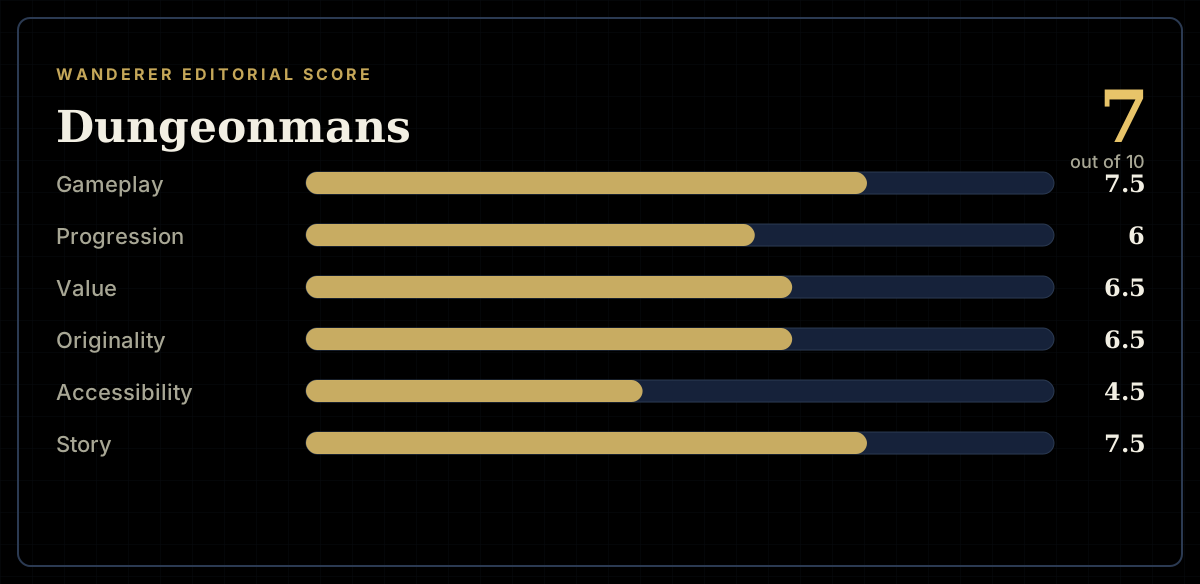
How the review scores each part of the gameWanderer Editorial -
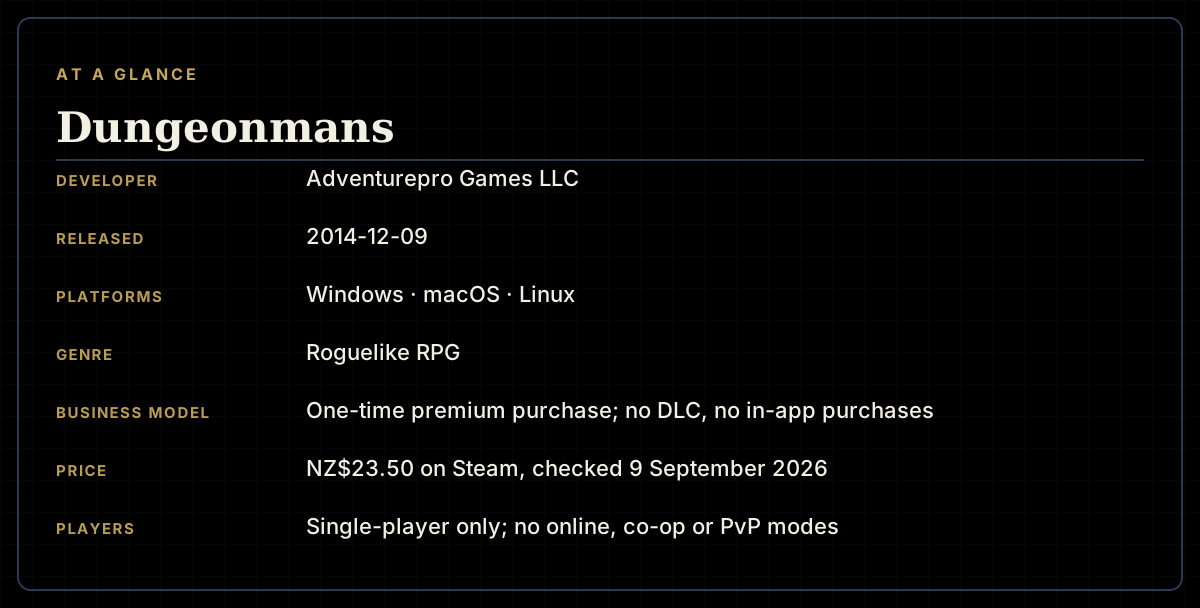
The specsWanderer Editorial -
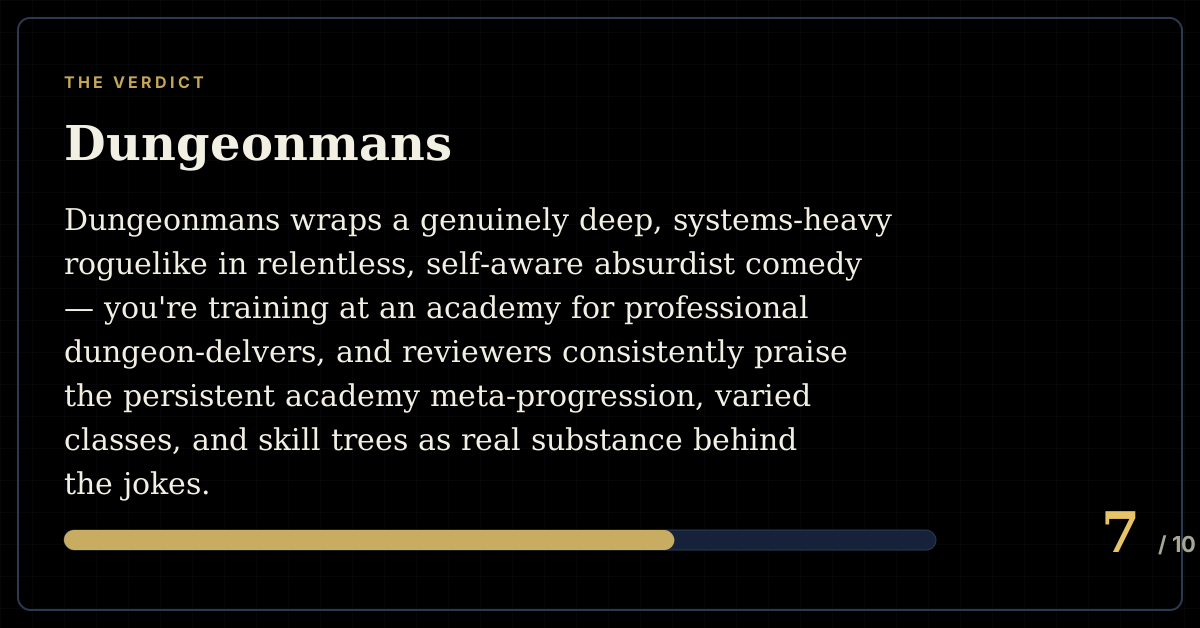
The short versionWanderer Editorial