Game review
CastleOn
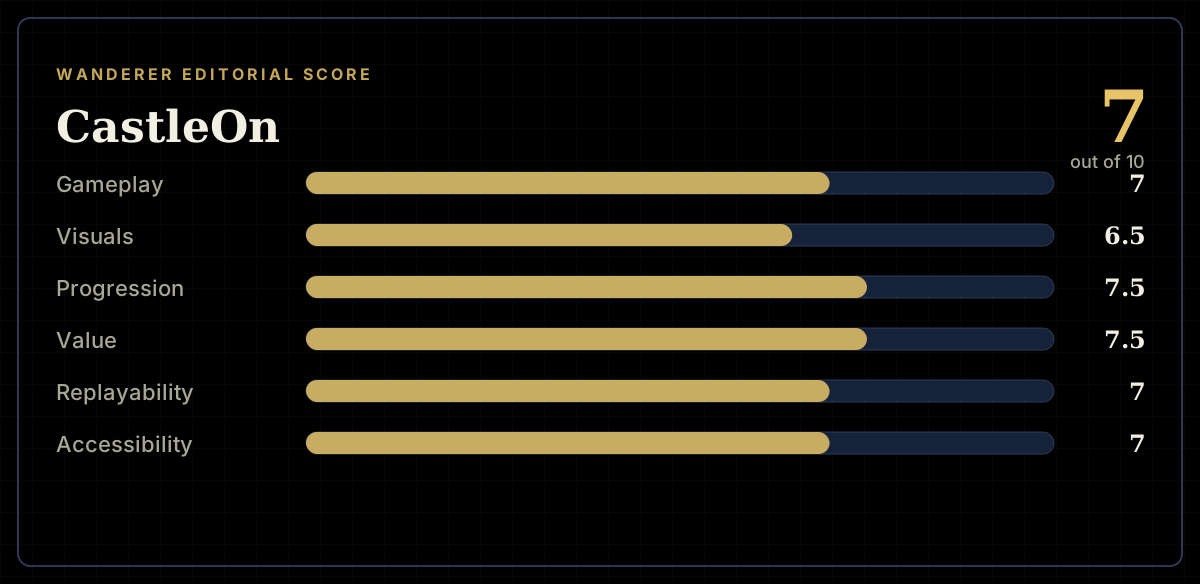
7 / 10
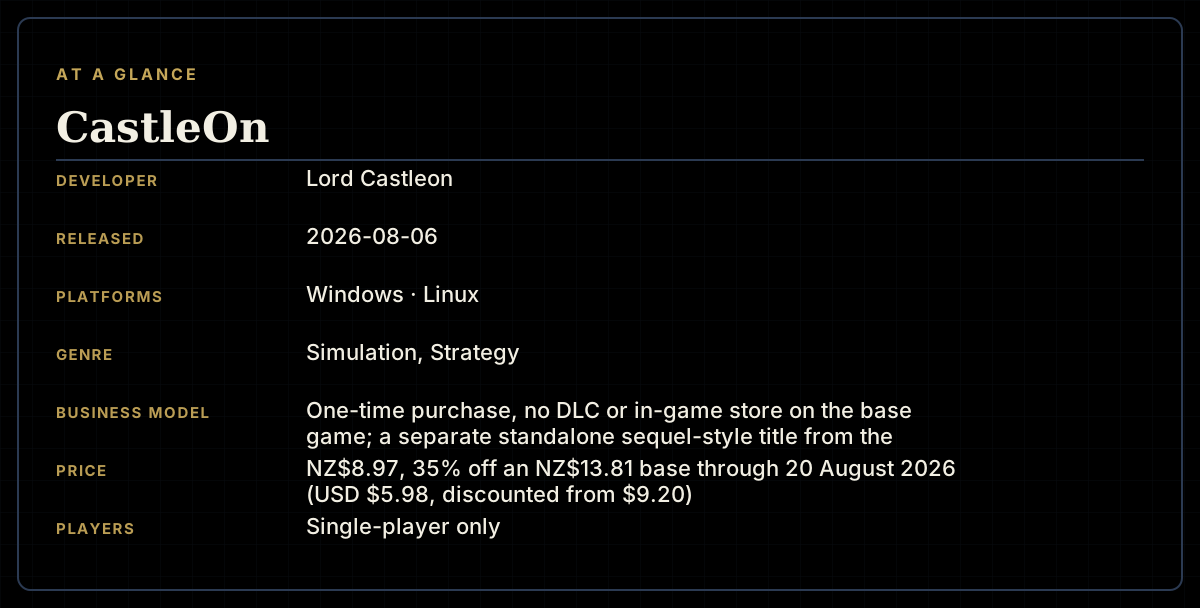
- Developer
- Lord Castleon
- Publisher
- Lord Castleon
- Released
- 6 August 2026
- Platforms
- Windows, Linux
- Genre
- Simulation, Strategy
- Monetisation
- One-time purchase, no DLC or in-game store on the base game; a separate standalone sequel-style title from the same developer, CastleOn Scriptum, is planned for 2027
- Players
- Single-player only
The short version
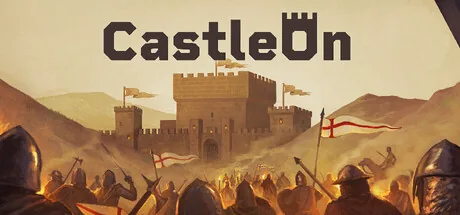
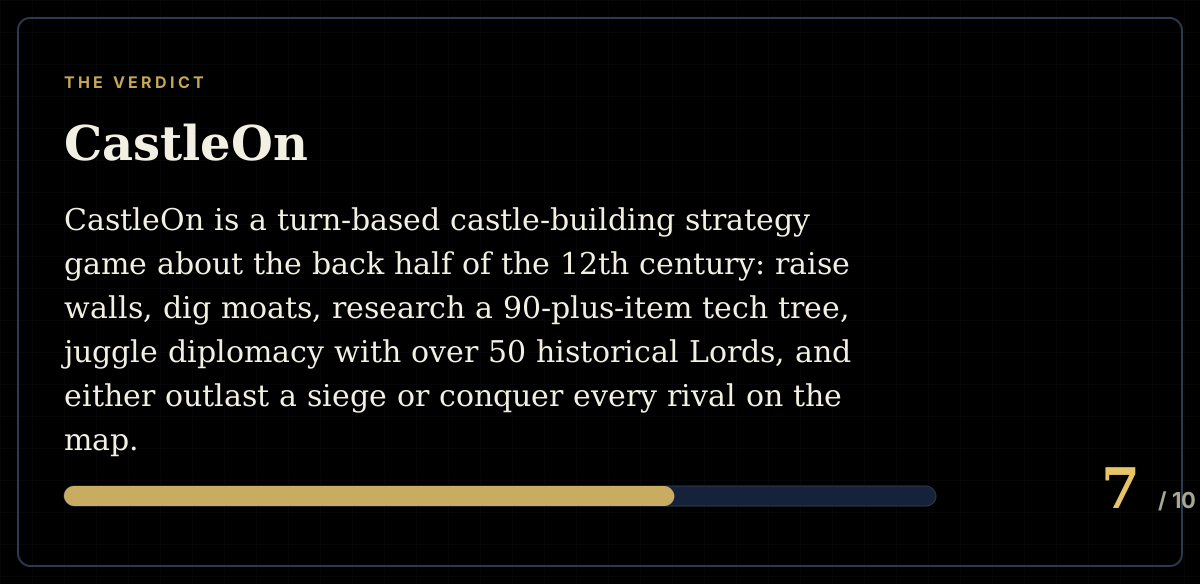
CastleOn is a turn-based castle-building strategy game about the back half of the 12th century: raise walls, dig moats, research a 90-plus-item tech tree, juggle diplomacy with over 50 historical Lords, and either outlast a siege or conquer every rival on the map. It's a one-person project, built and self-published by a developer going by Lord Castleon, and its 1.0 launch on 6 August 2026 wasn't a surprise — a free demo has been sitting on the store page since July 2025, long enough to gather a small dedicated testing community before the paid release ever went live.
That history matters more than usual here, because the launch-day evidence base is almost nothing: one Steam review, positive, from a player 28 minutes in, comparing it — favourably — to Crusader Kings. Everything else in this review comes from the store page's own feature list, its screenshots, and achievement data too thin to trust as anything more than a hint. There's no idle or offline layer of any kind: this is a fully turn-based, sit-down strategy game, closer in spirit to Wanderer's readers who enjoy a deep tech tree and a long campaign than to anyone chasing an incremental number going up while the tab is closed.
Biggest strengths
- A public demo ran for more than a year before 1.0, which is real evidence against a rushed launch even though barely anyone has reviewed the finished game yet
- The feature list is large for a one-person project — 70-plus buildings and defensive structures, over 90 technologies, 50-plus historical Lords for diplomacy, five optional religions and 16 criminal abilities for morally grey play
- A genuinely generous accessibility set on the store page: adjustable difficulty across six levels, adjustable text size, a mouse-only control option, no timed inputs and save-anytime
Biggest weaknesses
- Released with a single Steam review and no outside coverage this piece could find, so almost none of the game's biggest claims — tech-tree pacing, siege AI, diplomacy depth — have been checked by anyone outside the developer's own demo testers
- Achievement unlock data exists but the player pool behind it is so small that the numbers move by increments of roughly a sixth with every new unlock, which makes them close to meaningless as evidence this early
- No multiplayer of any kind, competitive or co-op, in a genre where trading castle designs or besieging a friend is an obvious draw the game doesn't attempt
Who it's for: Turn-based strategy and city-builder players who want a dense, single-player tech tree and siege-defence loop at a budget price, and who don't mind being early on a game whose Steam review count you can currently write on one hand.
Our recommendation: At under six US dollars in its launch-week discount, the financial bar is low and the feature list — 70-plus buildings, 90-plus technologies, 50-plus Lords, a level editor and Workshop support — is unusually generous for a solo project. The open question is whether a year of demo feedback actually shook out the balance across a system this large, and with one review on record, nobody outside the developer's own testing circle has answered that yet.
7 / 10
CastleOn's launch-day evidence fits in a single paragraph: one Steam review, 28 minutes of playtime, thumbs up, comparing it to Crusader Kings and noting there's no formal tutorial beyond the campaign teaching you as you go. That's the entire public record for a game that ships with over 70 buildings, more than 90 technologies and 50-plus historical Lords to negotiate with. The gap between the size of the pitch and the size of the evidence is the whole story of reviewing CastleOn on day two — and unlike a lot of thin-corpus launches this library covers, there's a genuinely reassuring detail sitting behind it: a free demo for this exact game has been live on Steam since July 2025, well over a year before the paid release. Whatever else is true about CastleOn, it wasn't built and shipped in a hurry.
A one-person Crusades strategy game
The pitch, per the store page, is straightforward: build a fortification, expand an economy, recruit troops drawn from European and Middle Eastern regions of the late 12th century, and either survive a set number of turns or conquer every rival Lord on the map. It's turn-based throughout, with siege defence built around the genre's usual toolkit — walls and towers of wood and stone, moats, traps and snares, arrows, boiling oil, fire — layered under systems that go considerably further than a typical solo-dev castle-builder attempts. Five religions offer optional passive bonuses; 16 "criminal abilities" trade morality for advantage; diplomacy runs through more than 50 named historical Lords, from Richard the Lionheart and Saladin down to regional rulers most strategy games never bother naming individually. Six difficulty levels and randomised lord relations are pitched to keep matches from repeating, and the whole thing is built and self-published by one developer working under the name Lord Castleon.
That's an unusually large scope for a single person to carry, and it's exactly the kind of scope that lives or dies on balance — whether the 90-plus technologies actually diverge in a way that changes how you play, or whether diplomacy with 50 Lords collapses into a handful of functionally identical relationships once you've played a few matches. Nothing in this review can answer that. One 28-minute session isn't long enough for anyone, including its author, to have found out yet.
A year of testing before anyone paid for it
The detail worth leaning on here is the demo's timeline. CastleOn Demo has been a free, separate listing on Steam since 31 July 2025 — more than a year of public availability before the 1.0 release on 6 August 2026 — and a dedicated Steam group called CastleTesters exists alongside it. That's a materially different starting position from a game that appears overnight with no prior footprint: whatever balance problems a public demo surfaces over a year of feedback, at least some of them presumably got fixed before launch. It doesn't substitute for a real review corpus on the finished game, and it isn't proof the full 90-technology, 50-Lord version holds together any better than the demo did. But a developer who kept a free build up for over a year rather than rushing to a paid release is a genuinely different signal than most day-one launches this library covers, and it's worth reading the achievement gaps below in that light rather than as a fresh, untested build.
Those achievement numbers are worth naming and then setting aside. CastleOn's global achievement percentages move in steps of roughly a sixth — 16.6%, 33.3%, 50%, 100% — which is the signature of a playerbase you could count on two hands. One of the highest completion figures belongs to an achievement that reads like an end-game reward, which is the kind of thing that happens when the sample is a handful of dedicated testers rather than a representative launch audience. There's no honest conclusion to draw from that data yet beyond "very few people have played this," so this review draws none.
Scope, price and where it doesn't reach
The accessibility list on CastleOn's store page is more thorough than most games at this price point bother with: adjustable difficulty across six levels, adjustable text size, a mouse-only control scheme, no timed inputs anywhere, and the ability to save at any point. For a turn-based strategy game with no reflex requirement in its own description, that's a sensible and welcome set of options rather than a checkbox exercise. Steam Workshop support and an included level editor sit alongside 50-plus built-in skirmish maps and historical campaigns, which gives a small strategy game genuine long-tail potential if a community forms around it — a level editor on a one-person project is a real commitment, not a marketing bullet.
Set against that: there's no multiplayer of any kind. A castle-building strategy game with a level editor and Workshop support is exactly the kind of thing players want to besiege each other's designs in, and CastleOn doesn't offer it, competitively or cooperatively. It's also worth being plain about what CastleOn is not, since it's being reviewed for an idle-RPG audience: there's no automation, no offline progression, no incremental system running while you're away from the game. Turns only pass when a player advances them. Readers coming from Wanderer's own genre should go in expecting a fully active, sit-down strategy game rather than anything that keeps ticking in the background — CastleOn earns its place here on the strength of its progression systems and its budget price, not on any shared mechanical ground with idle play.
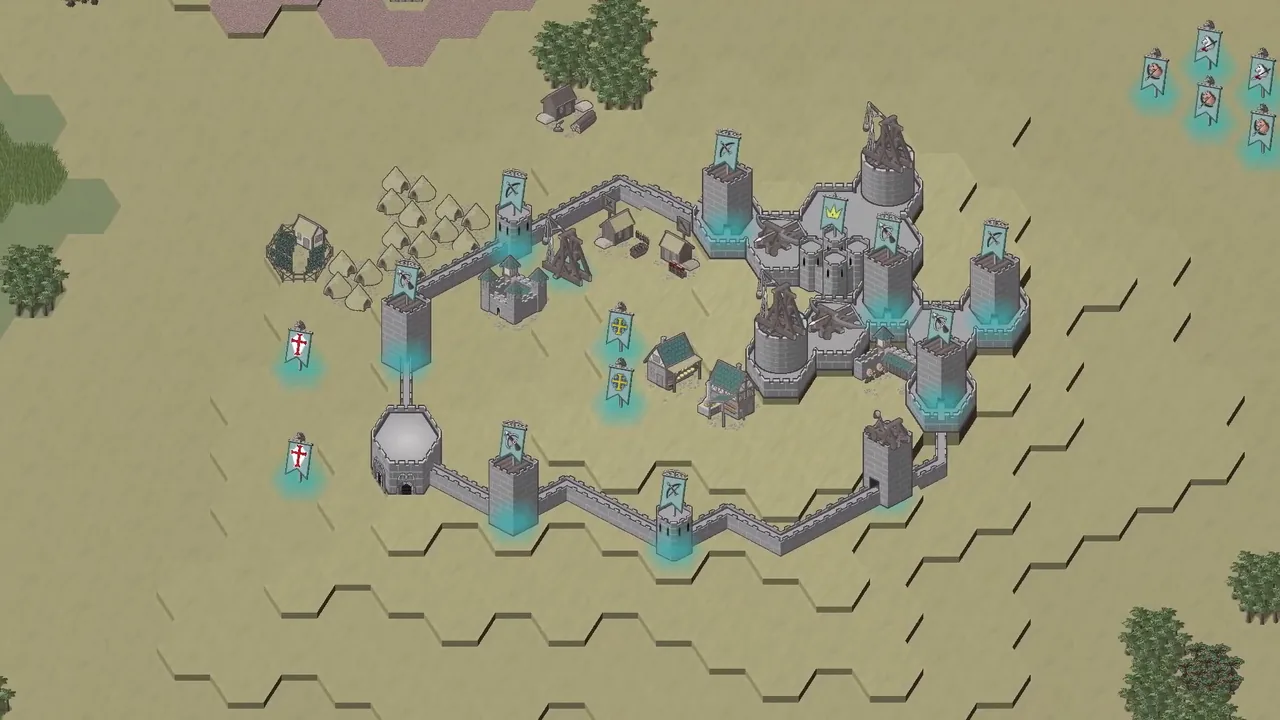
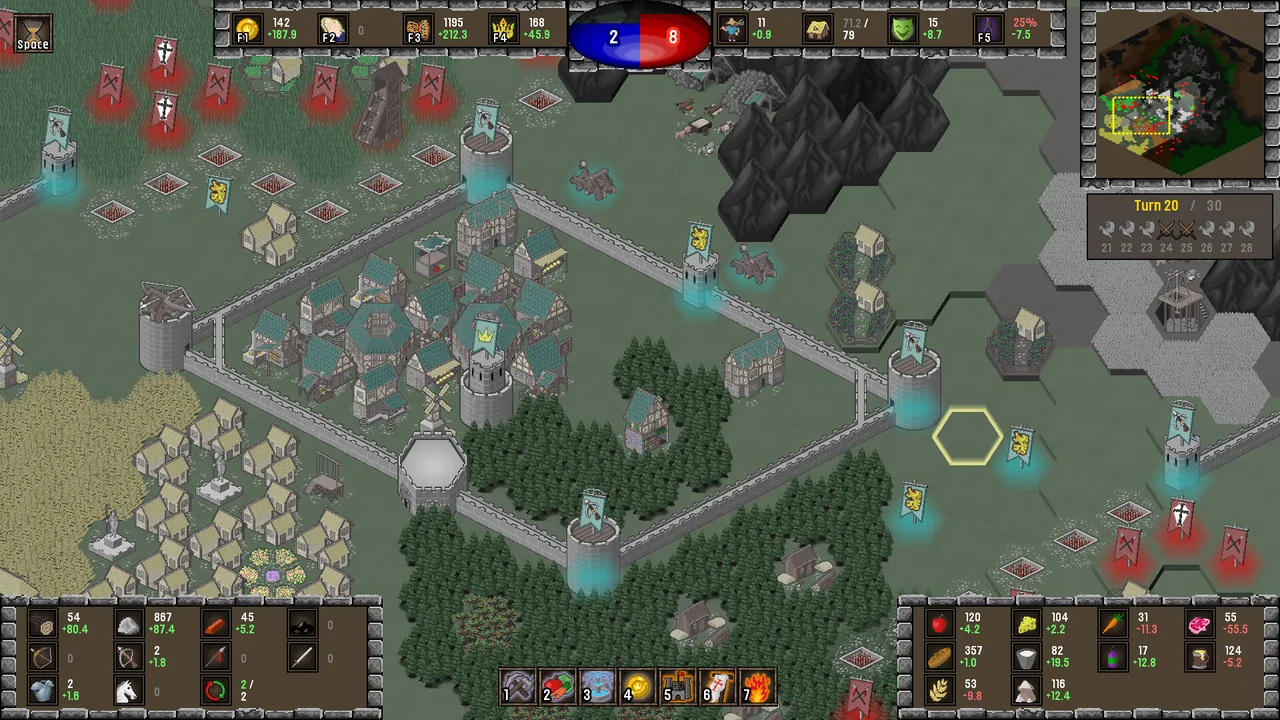
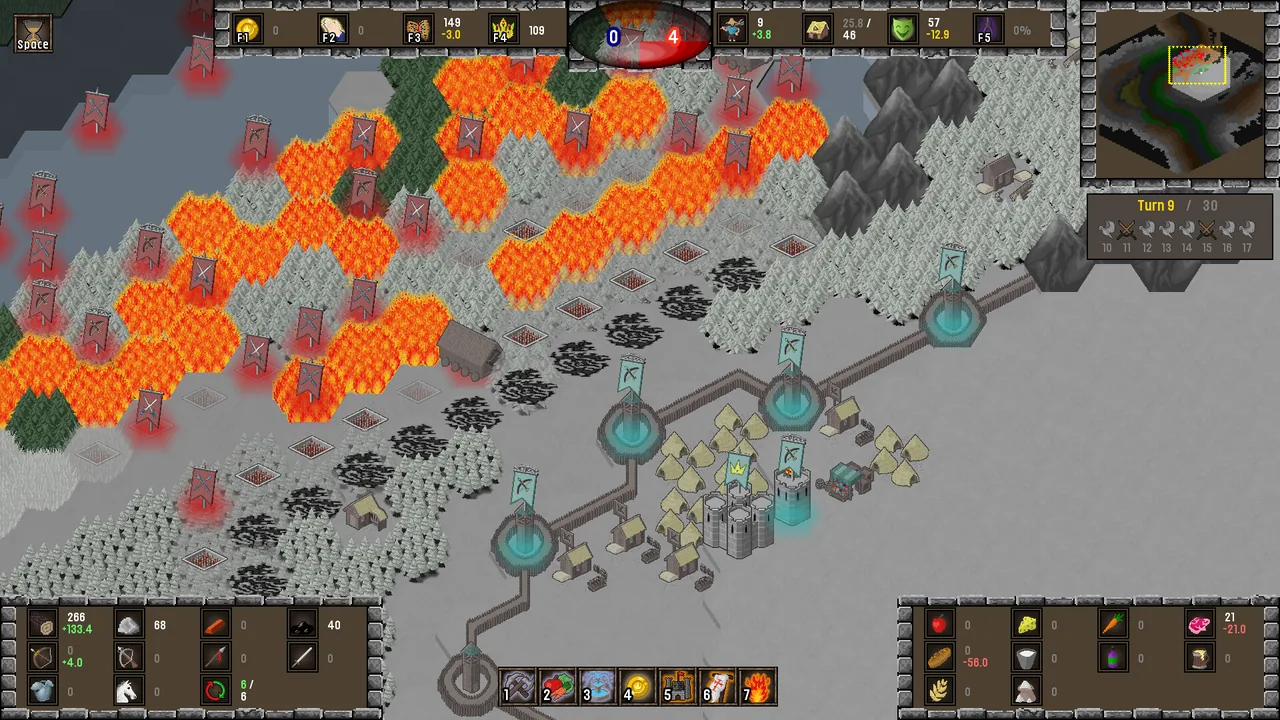
The screenshots on the store page show a functional, readable strategy-game presentation — clear top-down castle layouts, legible unit and building icons, a conventional UI — without anything that reads as a standout visual hook next to better-funded castle-builders and city managers it will share shelf space with. For a solo developer that's a reasonable trade to make, prioritising system depth over production values, but it does mean the pitch has to be carried by the tech tree and the diplomacy rather than the screenshots.
Final verdict
CastleOn is a genuinely ambitious solo project — a turn-based Crusades strategy game with more systems than most one-person releases attempt, sold cheaply, backed by accessibility options that punch above the price, and proven out over more than a year of public demo testing before its paid launch. None of that comes with player confirmation yet: one review, a handful of testers' worth of achievement data, and a store page are the entire record two days after release. The demo history is a real and unusually reassuring signal for a launch this quiet, and it's the reason this review lands above a bare pass rather than sitting at the "wait and see" score a zero-history launch would earn.
Seven out of ten reflects a well-scoped, clearly-tested budget strategy game held back from a stronger number by the simple fact that almost nobody has weighed in on whether its biggest systems — a 90-plus technology tree and diplomacy across 50-plus Lords — actually pay off across a full campaign rather than a 28-minute opening. Worth a look for turn-based strategy fans who want deep systems at a low price and don't mind being early; worth waiting a few weeks for anyone who'd rather see the review count climb past one first.
Readers who want that same appetite for deep, systems-heavy progression without needing a demo year to trust it, in a persistent world built to keep expanding rather than end at a Lord's surrender, may also want to look at Wanderer.
Pros and cons
Pros
- A public demo ran for more than a year before 1.0, which is real evidence against a rushed launch even though barely anyone has reviewed the finished game yet
- The feature list is large for a one-person project — 70-plus buildings and defensive structures, over 90 technologies, 50-plus historical Lords for diplomacy, five optional religions and 16 criminal abilities for morally grey play
- A genuinely generous accessibility set on the store page: adjustable difficulty across six levels, adjustable text size, a mouse-only control option, no timed inputs and save-anytime
- Steam Workshop support plus an included level editor give a small strategy game real reasons to outlast its 50-plus built-in skirmish maps and historical scenarios
- Launch pricing under six US dollars is low for the amount of system on offer, even before weighing how the balance across it all actually holds up
Cons
- Released with a single Steam review and no outside coverage this piece could find, so almost none of the game's biggest claims — tech-tree pacing, siege AI, diplomacy depth — have been checked by anyone outside the developer's own demo testers
- Achievement unlock data exists but the player pool behind it is so small that the numbers move by increments of roughly a sixth with every new unlock, which makes them close to meaningless as evidence this early
- No multiplayer of any kind, competitive or co-op, in a genre where trading castle designs or besieging a friend is an obvious draw the game doesn't attempt
- Screenshots suggest a functional but unremarkable presentation next to bigger-budget castle-builders and city-builders it will inevitably be compared against on price and scope
- No idle, automation or offline-progression layer of any kind — turns only advance while someone is actively playing them, so anyone coming from that side of the strategy genre should expect a fully active, sit-down game
Screenshots
-
CastleOnImage: Lord Castleon via Steam -
CastleOnImage: Lord Castleon via Steam -
CastleOnImage: Lord Castleon via Steam -
How the review scores each part of the gameWanderer Editorial -
The game at a glanceWanderer Editorial -
The short versionWanderer Editorial