Game review
Beyond Blue
5.5 / 10
- Developer
- E-Line Media
- Publisher
- E-Line Media
- Released
- 11 June 2020
- Platforms
- Windows, macOS
- Genre
- Narrative Underwater Exploration
- Monetisation
- Premium one-time purchase; no DLC or in-game purchases
- Players
- Single-player only
The short version
Beyond Blue swims closest to what it actually is when read as an interactive companion piece to Blue Planet II rather than a game in the usual sense — a beautiful, calm, scientifically grounded dive through real ocean ecosystems that multiple marine biologists in the review sample specifically vouch for. Its persistent problem is a marketing and scope mismatch: a large share of reviewers arrived expecting something closer to Subnautica or Endless Ocean's open, self-directed exploration and instead found a short, linear, marker-guided experience across a handful of small maps.
Biggest strengths
- Marine biologists and ocean scientists in the review sample specifically vouch for the game's scientific grounding, crediting its Blue Planet II inspiration and narrated insights with real educational value
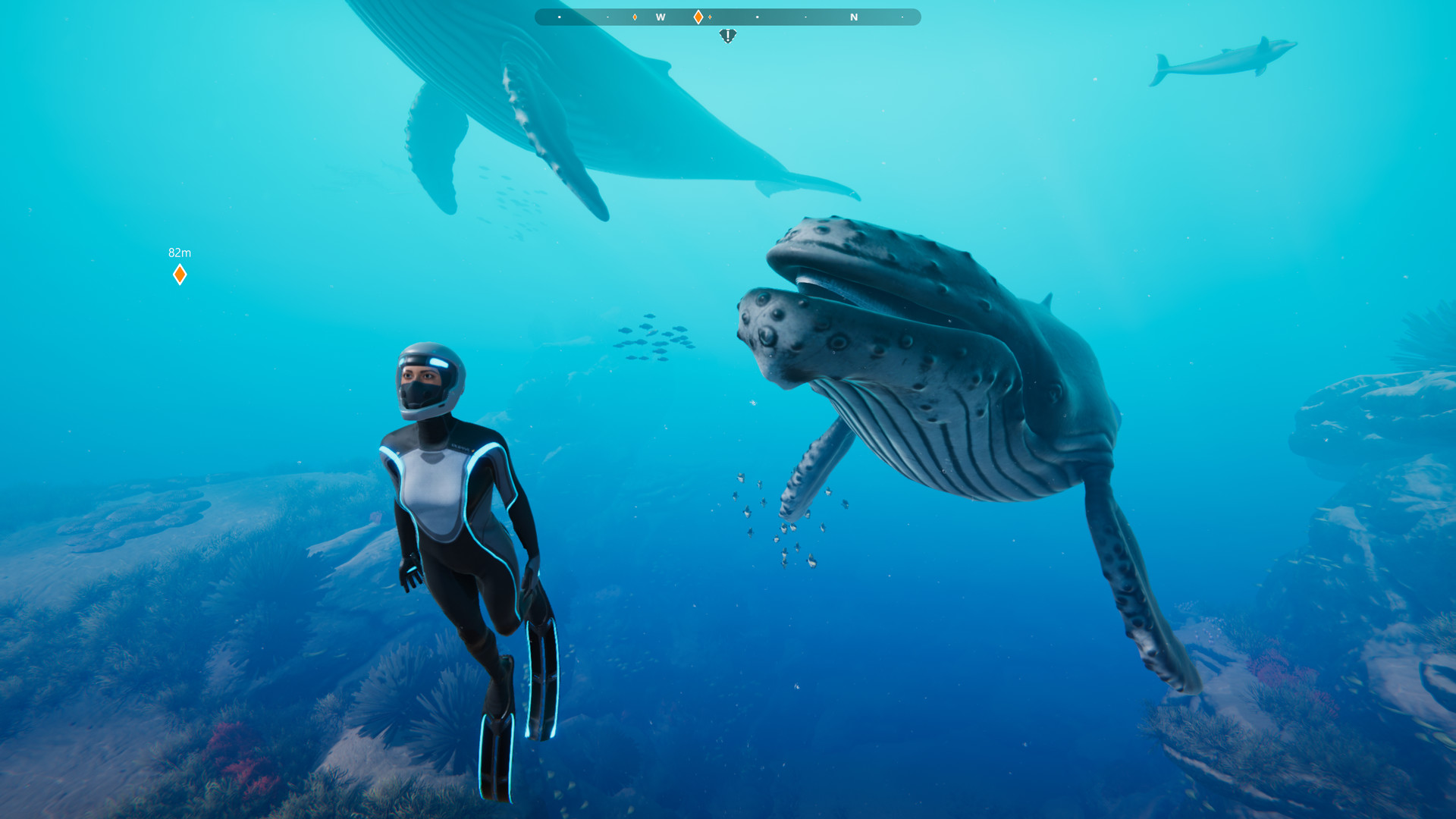
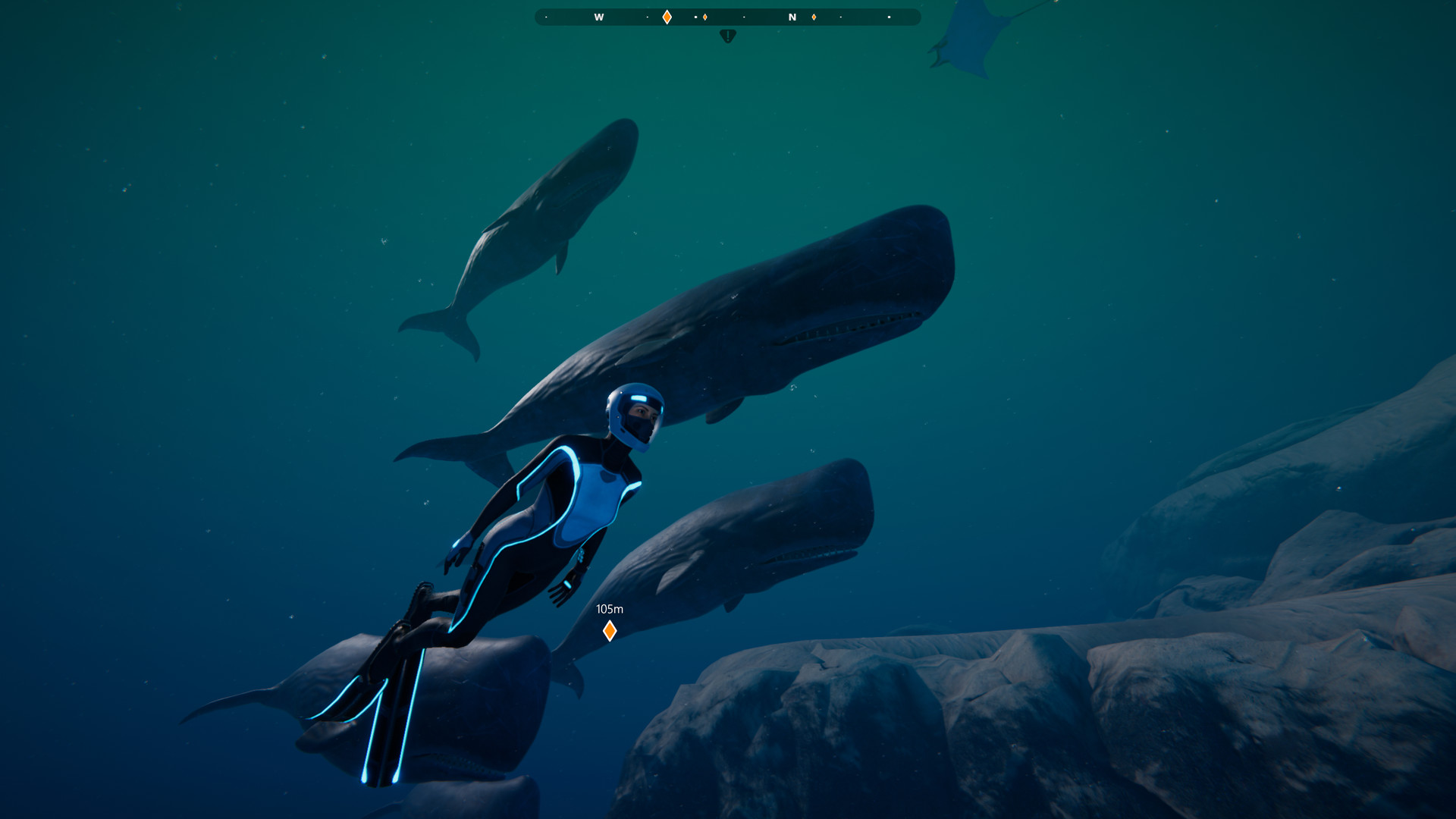
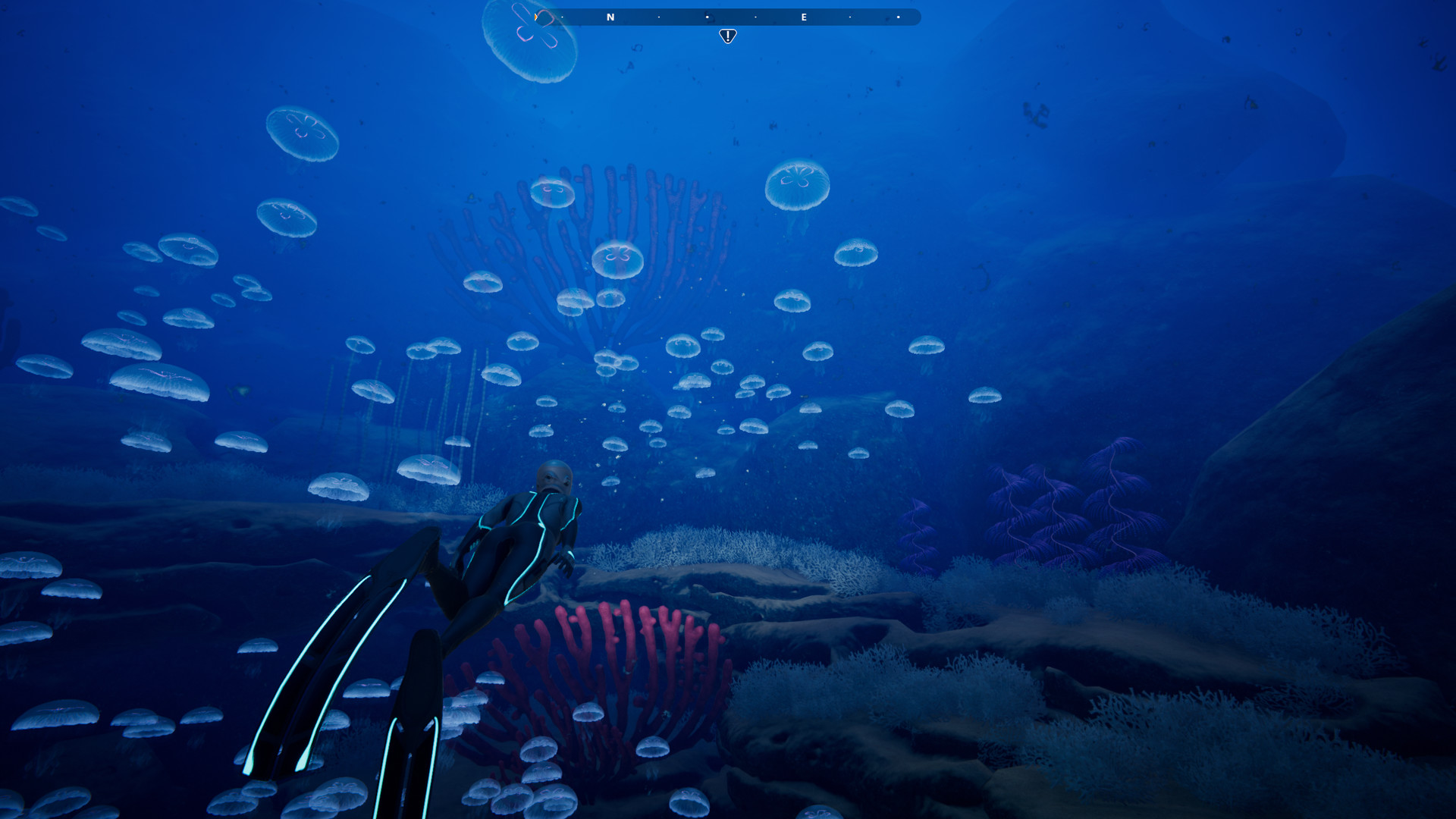
- Visuals and underwater atmosphere draw consistent praise as some of the most calming, beautiful presentation in this genre, holding up even in reviews that are otherwise critical
- The soundtrack is repeatedly singled out as a highlight, reinforcing the calm, documentary-like tone the game is clearly aiming for
Biggest weaknesses
- A large, consistent share of reviewers report expecting something closer to Subnautica or the Endless Ocean series and instead found a much smaller, more linear, marker-directed experience across a handful of small maps
- Multiple reviewers describe the game as lacking genuine self-directed exploration, with objectives pointing players toward specific markers rather than encouraging free discovery of the underwater environment
- Length draws sustained complaints, with the main story reported as two to five hours depending on the reviewer, and at least one detailed review specifically noting the runtime lands close enough to Steam's two-hour refund window to feel deliberate
Who it's for: Players specifically drawn to a calm, educational ocean documentary experience with light interactivity, more than anyone expecting a survival game, a large open world, or deep systems to master.
Our recommendation: Worth it on a sale for the atmosphere and genuine marine science content if you go in with accurate expectations; skip it if the comparison that sold you was Subnautica or Endless Ocean, since multiple reviewers specifically warn that comparison sets up the wrong experience entirely.
5.5 / 10
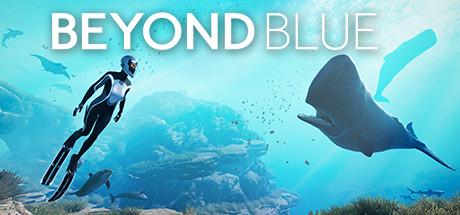
Beyond Blue asks players to become a diver on a small ocean research team, tracking whales and scanning marine life across a handful of real-world-inspired underwater environments, all set to narrated insights drawn directly from the BBC's Blue Planet II documentary series. E-Line Media, the studio behind the well-regarded Never Alone, built something closer to an interactive nature documentary than a conventional game — and the review sample's central tension is almost entirely about whether a given player understood that going in.
A documentary that earns its science
Where Beyond Blue succeeds, it succeeds specifically and credibly. Multiple reviewers who identify themselves as marine biologists or ocean scientists vouch directly for the accuracy and value of the game's educational content, crediting its Blue Planet II lineage with real scientific grounding rather than a superficial nature-themed skin. Visuals and atmosphere draw consistent praise as genuinely calming and beautiful, and the soundtrack is repeatedly singled out as reinforcing that tone effectively. For reviewers who approached the game as an educational, documentary-style experience rather than a traditional game, the reception is warm and specific rather than merely polite.
The comparison that keeps setting up disappointment
The dominant complaint in the review sample isn't about execution so much as expectation. A large, consistent share of reviewers describe arriving with Subnautica or the Endless Ocean series in mind — genre touchstones the game's own marketing and trailers evoke — and instead finding a much smaller, more linear experience: a handful of small maps, objectives that direct players toward specific markers rather than encouraging free discovery, and little of the open-ended exploration those comparison points promise. Several reviewers explicitly warn future buyers away from making that same comparison, treating it as the single most useful piece of advice they can offer.
Length compounds the mismatch. Multiple reviewers report finishing the main story in two to five hours, and at least one detailed review notes the runtime lands close enough to Steam's standard two-hour refund window to feel almost deliberately calibrated — a pointed, specific observation about value rather than a vague "it's short" complaint. A free-diving mode unlocked after the story does extend the experience for players who want to revisit the same maps without narrative direction, though it doesn't add new content so much as remove the guardrails from what's already there.
Two smaller, more concrete gaps
Beyond the scope mismatch, two narrower complaints are worth naming directly. Controls are fixed to WASD with no rebinding option, a real accessibility gap for left-handed players or anyone who prefers a different scheme. And while some reviewers describe the environmental messaging as heavy-handed, a direct rebuttal exists in the same review sample arguing that framing is simply a faithful continuation of the source documentary's own perspective rather than an agenda layered on top — a dispute this review reports without resolving, since reasonable readers of the same content clearly land differently on how didactic is too didactic.
What the completion data shows about lasting appeal
Global achievement data reflects the same shape reviewers describe in their own words. The Prologue milestone clears the overwhelming majority of owners, and early story achievements stay comfortably above half, consistent with a short main campaign most players who start do finish. Completion drops off sharply for the scanning-focused achievements tied to fully cataloguing marine life across each individual environment, each clearing under 10% of owners — the collectible, completionist layer clearly appeals to a smaller subset of players than the core story does, reinforcing that the free-diving and scanning systems function as optional depth for an already-engaged audience rather than a driver of the core experience.
A studio with real credibility in this specific space
It's worth noting E-Line Media's track record going into this release: the studio previously made Never Alone, a well-regarded narrative game built in direct collaboration with Alaska Native storytellers, and carried a similar collaborative, research-grounded approach into Beyond Blue by partnering directly with ocean scientists and the Blue Planet II production team rather than treating marine biology as decorative theming. That history is relevant context for the "preachy" criticism discussed above — this is a studio whose entire identity is built around faithfully representing specialist knowledge through games, which makes the environmental framing read as continuity with their mission rather than an opportunistic addition.
Weighing accurate expectations against the price tag
None of this means the value complaint is unreasonable once expectations are corrected. Even a player who fully understands going in that Beyond Blue is a short, guided, documentary-style experience is still paying a price closer to a mid-length narrative game for two to five hours of content with limited replay incentive beyond the free-diving mode. The fairest framing, echoed by several reviewers who otherwise enjoyed their time with it, is to treat it as worth a sale price specifically, the same advice this list has given several other short, atmosphere- first 2020 releases — the content on offer is real and well-made, just not proportioned to a full asking price for most buyers' tastes.
Verdict
Beyond Blue is a well-crafted, scientifically credible underwater documentary experience that a specific audience will genuinely value, and it's worth judging on those terms rather than the terms its marketing invites. The core problem holding it back from a stronger score isn't a craft failure so much as a expectation failure baked into how it was sold: a large share of buyers went in expecting Subnautica's scale or Endless Ocean's freedom and found neither, turning what could have been a pleasant surprise into a consistent, avoidable letdown.
Pros and cons
Pros
- Marine biologists and ocean scientists in the review sample specifically vouch for the game's scientific grounding, crediting its Blue Planet II inspiration and narrated insights with real educational value
- Visuals and underwater atmosphere draw consistent praise as some of the most calming, beautiful presentation in this genre, holding up even in reviews that are otherwise critical
- The soundtrack is repeatedly singled out as a highlight, reinforcing the calm, documentary-like tone the game is clearly aiming for
- A free-diving mode unlocked after finishing the main story gives players a way to revisit the game's maps without narrative direction, extending its use beyond the short main campaign
- Reviewers who came in with accurate expectations, treating it as an educational experience rather than a traditional game, consistently report a genuinely positive, relaxing time with it
Cons
- A large, consistent share of reviewers report expecting something closer to Subnautica or the Endless Ocean series and instead found a much smaller, more linear, marker-directed experience across a handful of small maps
- Multiple reviewers describe the game as lacking genuine self-directed exploration, with objectives pointing players toward specific markers rather than encouraging free discovery of the underwater environment
- Length draws sustained complaints, with the main story reported as two to five hours depending on the reviewer, and at least one detailed review specifically noting the runtime lands close enough to Steam's two-hour refund window to feel deliberate
- Controls are reported as fixed to WASD with no rebinding option, a specific accessibility gap for left-handed players and anyone preferring alternate control schemes
- Some reviewers find the environmental and conservation messaging heavy-handed, though this review notes a direct rebuttal exists in the same sample arguing that framing is a faithful extension of the Blue Planet II documentary the game is explicitly built around rather than an added agenda
Screenshots
-
Beyond BlueImage: E-Line Media via Steam -
Beyond BlueImage: E-Line Media via Steam -
Beyond BlueImage: E-Line Media via Steam -
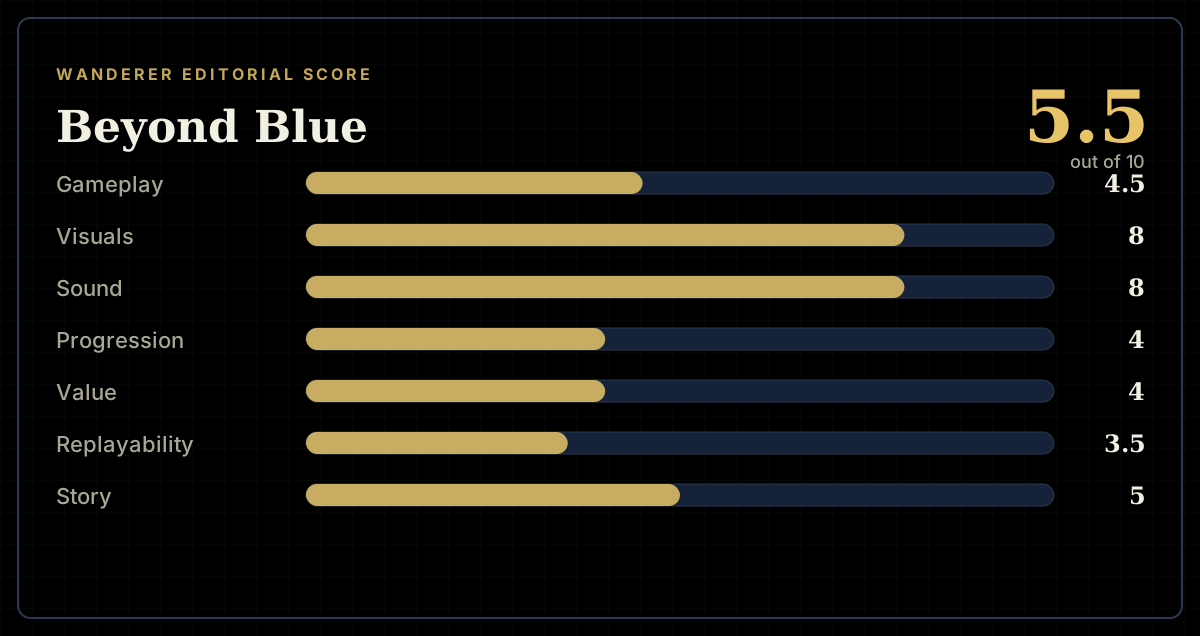
How the review scores each part of the gameWanderer Editorial -
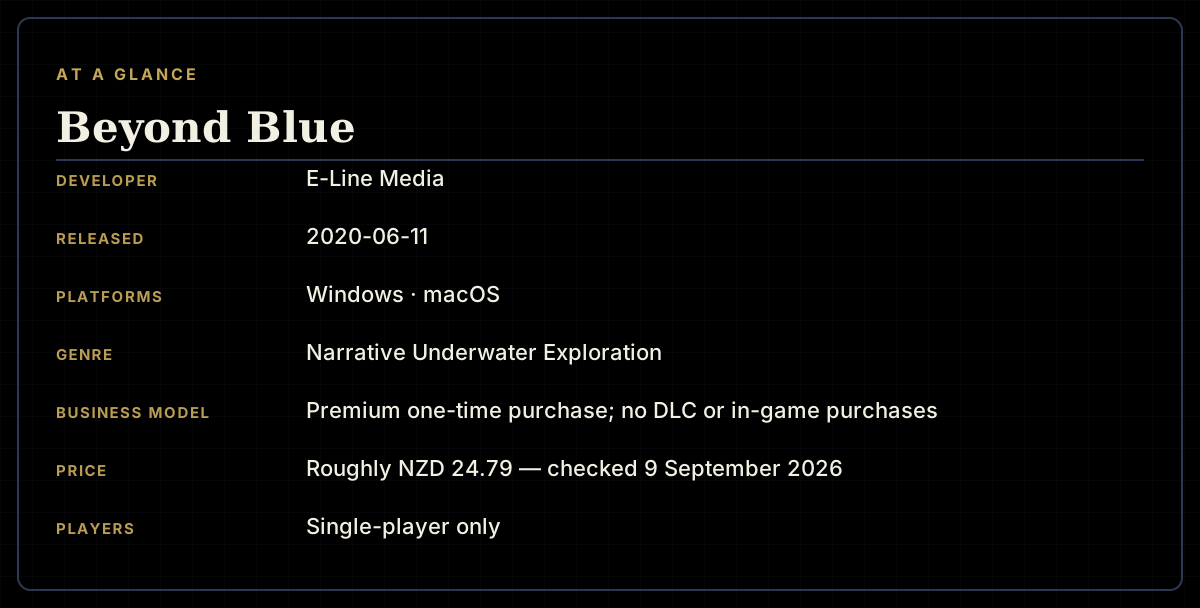
At a glanceWanderer Editorial -
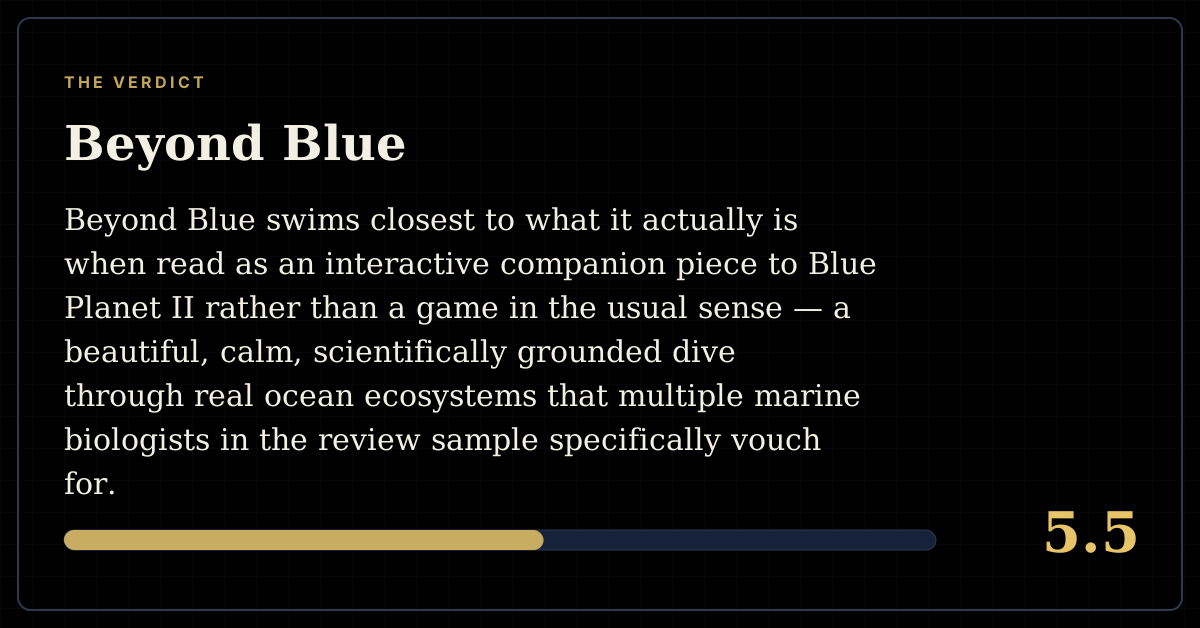
The short versionWanderer Editorial