
Game review
theHunter: Call of the Wild
7 / 10
- Developer
- Expansive Worlds
- Publisher
- Avalanche Studios
- Released
- 16 February 2017
- Platforms
- Windows, PlayStation 5, Xbox Series X|S
- Genre
- Hunting Simulation
- Monetisation
- One-time purchase with an extensive DLC catalogue — 60 entries covering reserves, weapon packs, equipment and hunting dogs.
- Players
- Single-player and online co-op for up to eight hunters
The short version
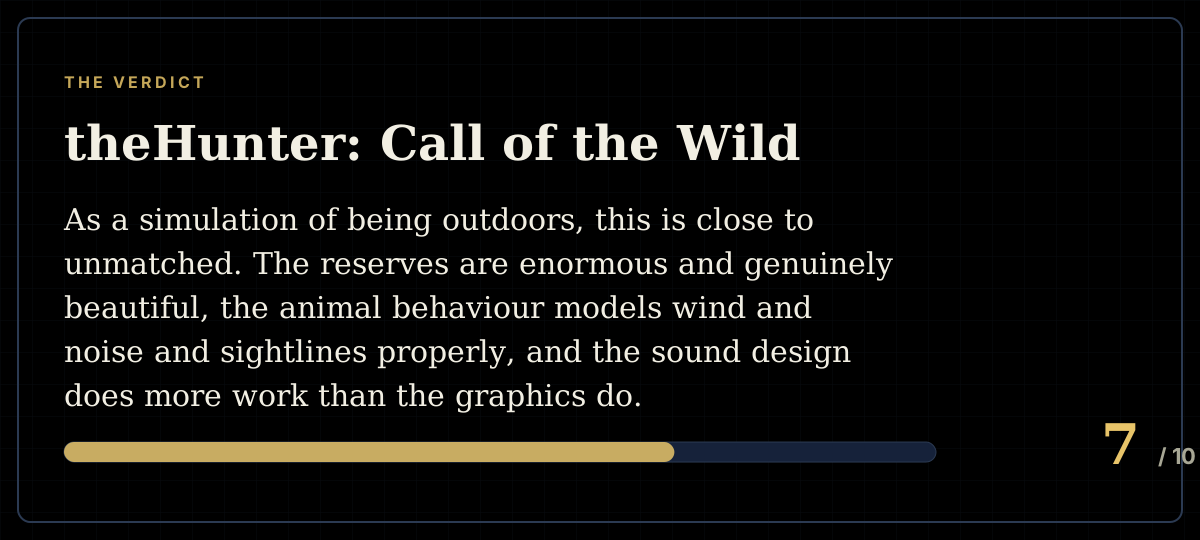
As a simulation of being outdoors, this is close to unmatched. The reserves are enormous and genuinely beautiful, the animal behaviour models wind and noise and sightlines properly, and the sound design does more work than the graphics do. It scores 89.8% positive across 74,837 English reviews for good reason, and the base game currently costs NZ$5.79.
The catch is the other NZ$200-plus. Sixty DLC entries sit on top, and unlike other heavily-monetised giants this one's players genuinely do object — DLC appears in 63 of the hundred most-helpful negative reviews. The difference is what's being sold: not optional extras, but the equipment that makes hunting practical, including, for years, the only vehicle in a game with maps miles across and a top speed of a jog.
Biggest strengths
- Outstanding sound design and animal behaviour — tracking really does feel like tracking
- Huge, beautiful reserves that reward slow, patient exploration
- Genuinely relaxing in a way very few games manage, with real tension at the moment of the shot
Biggest weaknesses
- 60 DLC entries, with essential-feeling equipment and traversal historically behind them
- Bugs are cited in half the critical reviews, and long-term players say fixes lag behind new DLC
- Reviewers estimate the full catalogue at well over NZ$200 on top of the base game
Who it's for: Anyone who wants a slow, quiet, genuinely absorbing outdoors simulation and is content to work with the base game's kit. Completionists should price the DLC catalogue before starting.
Our recommendation: Buy the base game while it's a few dollars — it's an extraordinary amount of atmosphere for the money. Then add reserves one at a time if you're enjoying it, and treat the full catalogue as something to accumulate over years, not a purchase.
7 / 10
Earlier today I reviewed Dead by Daylight, which has 38 DLC packs and a store full of licensed horror icons — and found that DLC appeared in only nine of its hundred most-helpful negative reviews. Players had made their peace with it.
theHunter: Call of the Wild has 60 DLC entries. DLC appears in 63 of its hundred negatives. Same surface, opposite reaction, and the difference is instructive.
Horizontal versus vertical
Dead by Daylight's DLC sells you more: another killer, another survivor, another map. Skip it all and you still have the complete game.
theHunter's DLC sells you better, and for a long stretch it sold you necessary. The complaint with 1,271 votes puts the sharpest case: it's "scummy… to lock the only vehicle in the entire game behind a paying dlc when the maps are literally miles wide and the max speed you can go is a light jog." Another, at 739 votes and 81 hours: "you have to buy nearly every piece of equipment that's worth using with real money. $230 dollars of dlc is criminal." A third, at 615 votes, estimates "more than 85% of the content is hidden behind a pay wall."
That's the distinction worth carrying into any DLC-heavy game: horizontal DLC adds content alongside the base game; vertical DLC improves or gates what the base game already asks you to do. Audiences tolerate the first and resent the second, and they're right to. Buying a new killer is a choice. Buying the ability to cross a map is a toll.
What you're buying it for
Now the reason this still scores 89.8% positive across nearly 75,000 English reviews.
theHunter is the best simulation of being outdoors that games have produced. The reserves are vast and quiet. Animals behave according to wind direction, noise and sightlines, so tracking is genuine detective work — reading prints, following blood, listening. The sound design carries the whole experience; more of your information arrives through your ears than your eyes, which is exactly right for the subject.
And it's unusually good at two moods at once. Most of a session is calm to the point of meditative, and then there's a moment of real tension when you have a shot. Even the top negative review opens: "this game is tons of fun. I really enjoy the thrill of getting a good shot off on your targeted game and the reports that judge you on how ethical your kill was."
That ethical-kill scoring is a nice touch — the game grades your shot placement, and a clean kill is worth more than a lucky one. It's a hunting simulator with a conscience about hunting.
Co-op for up to eight suits it, because nothing here is competitive. Nine years on, Expansive Worlds are still adding reserves: the Peru Hunting Reserve arrived in June 2026 with ten new species, followed by patch 9.2 and hotfixes.
The bugs
The second complaint, at 50 of 100, is bugs — and the reviews explicitly connect it to the first. "Love this game," reads one with 956 votes. "Hate the (very, very frequent and game-breaking) bugs. Stop making DLCs and FIX YOUR GAME PLEASE."
That tension hasn't gone away. Among the most recent negative reviews is a 78-hour player who says "I love this game a lot. But as great as it is. It's also terrible in fixing bugs. This game has been unplayable for me for the past months." And there's a certain poetry in the fact that the developer's most recent announcement before this review was published was a patch fixing the German Shorthaired Pointer — a hunting dog sold as DLC.
A 4,653-hour player — the most invested critic in the sample — raises a third thread from May 2025: grind mechanics becoming "more and more prevalent with each new update," which is a familiar late-life pattern for games with a long DLC tail.
The numbers
89.8% positive in English, 89.1% across all languages, and 88 of the last 100 English reviews positive — remarkably stable for a nine-year-old game. Negative reviews spiked at launch in 2017 (27 of the sample) and have run at four to twelve a year since.
The median playtime among critics is 77 hours, which for a game about walking slowly through woods is a lot of walking. People who dislike the store still like the game.
The verdict
theHunter: Call of the Wild earns a 7. The simulation is an 8.5 or better and the atmosphere is genuinely special — at NZ$5.79 for the base game it may be the best value in this library on a pure hours-of-calm-per-dollar basis.
It sits at 7 because the product is not the base game. It's a sixty-item catalogue in which the things that make hunting practical have historically been the paid things, and because nine years of DLC has run visibly ahead of nine years of bug fixing, which its own most devoted players keep saying.
Buy the base game now, hunt in the reserves it gives you, and add DLC only when you know you're staying. And if what appeals is the quiet rather than the hunting, Valheim gives you a comparable stillness with everything included.
Pros and cons
Pros
- Outstanding sound design and animal behaviour — tracking really does feel like tracking
- Huge, beautiful reserves that reward slow, patient exploration
- Genuinely relaxing in a way very few games manage, with real tension at the moment of the shot
- Eight-player co-op that suits the pace, letting friends share a hunt without competing
- Still supported nine years on, with a new Peru reserve and patches through 2026
Cons
- 60 DLC entries, with essential-feeling equipment and traversal historically behind them
- Bugs are cited in half the critical reviews, and long-term players say fixes lag behind new DLC
- Reviewers estimate the full catalogue at well over NZ$200 on top of the base game
- Long-standing players report increasing grind mechanics in newer updates
- Multiplayer is functional rather than well-supported, and draws its own bug complaints
Screenshots
-
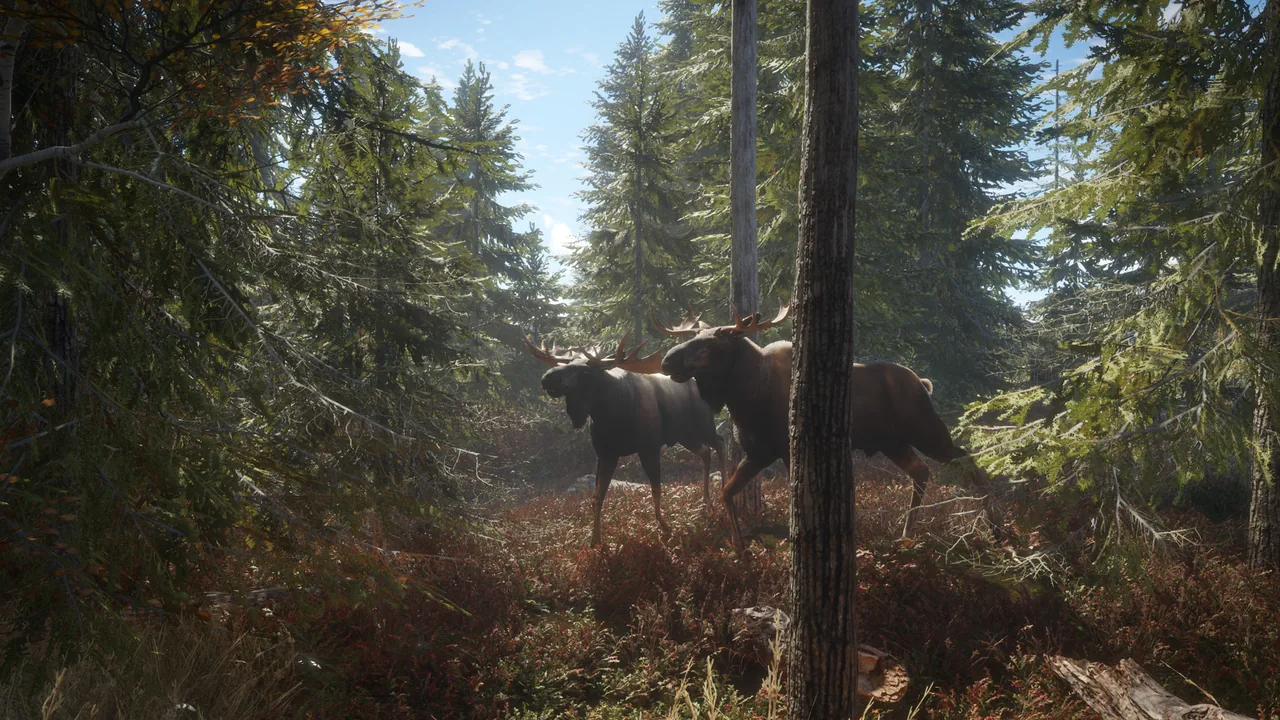
theHunter: Call of the Wild™Image: Avalanche Studios via Steam -
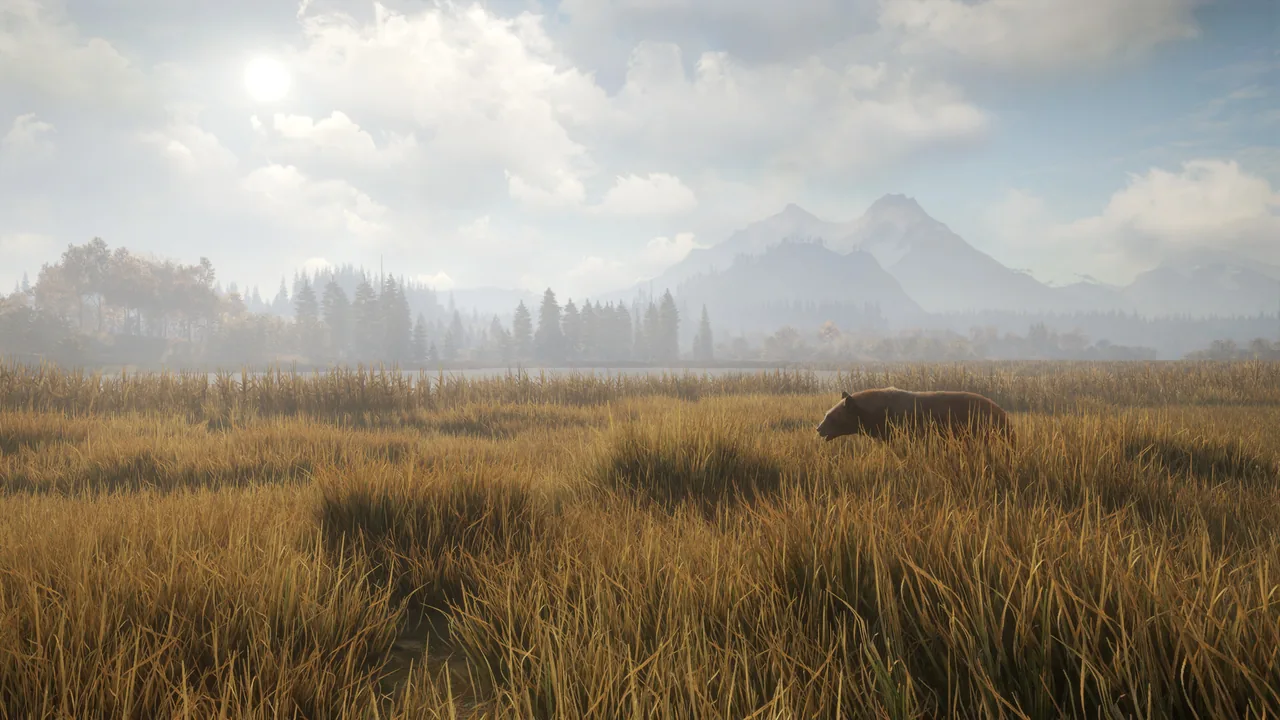
theHunter: Call of the Wild™Image: Avalanche Studios via Steam -
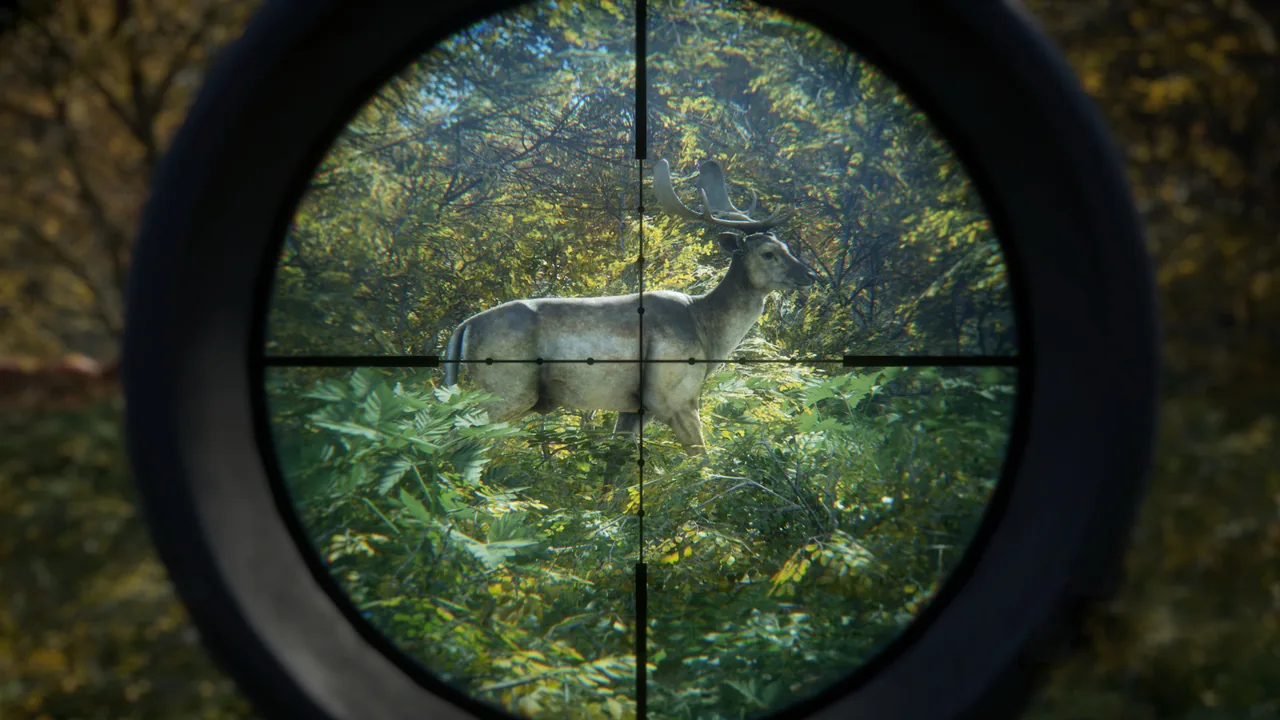
theHunter: Call of the Wild™Image: Avalanche Studios via Steam -
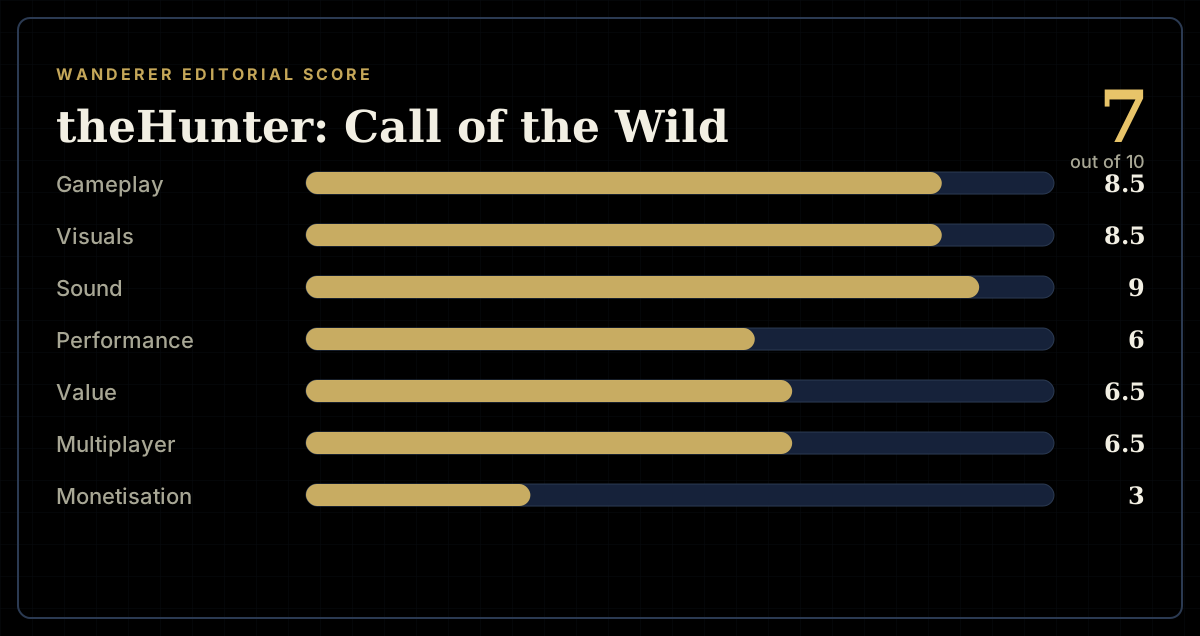
How the review scores each part of the gameWanderer Editorial -
The short versionWanderer Editorial