Game review
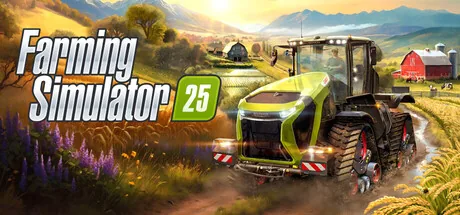
Farming Simulator 25
7 / 10
- Developer
- GIANTS Software
- Publisher
- GIANTS Software
- Released
- 12 November 2024
- Platforms
- Windows, macOS
- Genre
- Simulation
- Monetisation
- One-time purchase, NZ$59.90. Two paid season passes (Year 1 and Year 2) plus roughly a dozen standalone, often brand-licensed equipment DLC packs are sold on top of the base game.
- Players
- Online co-op for shared farm management, plus single-player. Hosting a dedicated multiplayer server requires a second copy of the game.
The short version
Farming Simulator 25 sits at Very Positive, 85.7% of 15,209 reviews — a real step down from Farming Simulator 22's 92.4%, and the gap is explained by a specific, recurring argument from the series' own long-term players rather than a vague drop in quality. Reviewers with hundreds or thousands of hours across FS15 through FS22 consistently praise the new engine's ground deformation, lighting and especially its overhauled vehicle sound, then just as consistently note that familiar equipment was removed relative to FS22, that hired-worker AI still struggles to path fields cleanly, and that on-foot and vehicle physics feel unfinished rather than refined.
The negative sample skews toward launch: 18 of the 100 most-helpful negative reviews are from 2024 against 7 so far in 2026, while a separate sample of the 100 most recent English reviews runs 94% positive — well above the lifetime figure — suggesting patches have closed a real gap between how the game launched and how it plays now.
Biggest strengths
- A genuinely improved engine: ground deformation, lighting and especially vehicle and ambient sound draw specific, repeated praise from players who've followed the series for a decade
- Three new regions and expanded production-chain and crop-cycle systems for players who want deeper farm-management complexity
- The core farm-management loop remains distinctive for the genre — reviewers report extremely long play sessions and multi-hundred-hour totals
Biggest weaknesses
- A specific, recurring veteran complaint: multiple vehicles and pieces of equipment present in FS22 were removed or not carried forward, rather than the roster simply growing
- Hired-worker field AI remains unreliable, a complaint that has followed the series across multiple releases without being resolved
- On-foot and vehicle physics are described by long-term players as janky or a step back, not a refinement, despite the newer engine
Who it's for: Farming-sim regulars comfortable with a slow, methodical management loop, and newcomers drawn in by the visual and audio upgrades. Long-term series veterans invested in FS22's vehicle and equipment roster should read what specifically got cut before assuming this is a strict upgrade.
Our recommendation: Buy it if you want the franchise's current, most visually and aurally polished entry and haven't already sunk hours into FS22's DLC roster. If you already own FS22 and are happy with it, the veteran consensus is that FS25 is a lateral move rather than an obvious upgrade — read a vehicle-roster comparison before switching. Either way, budget for DLC
7 / 10
Some sequels split their audience by changing too little. Farming Simulator 25 splits its audience by changing things its own veterans didn't want changed, while genuinely improving things they did want improved. Reading widely through its Steam reviews, that tension — real praise for the new engine sitting right next to real frustration about what got cut to make room for it — is the throughline of the entire release.
What actually got better
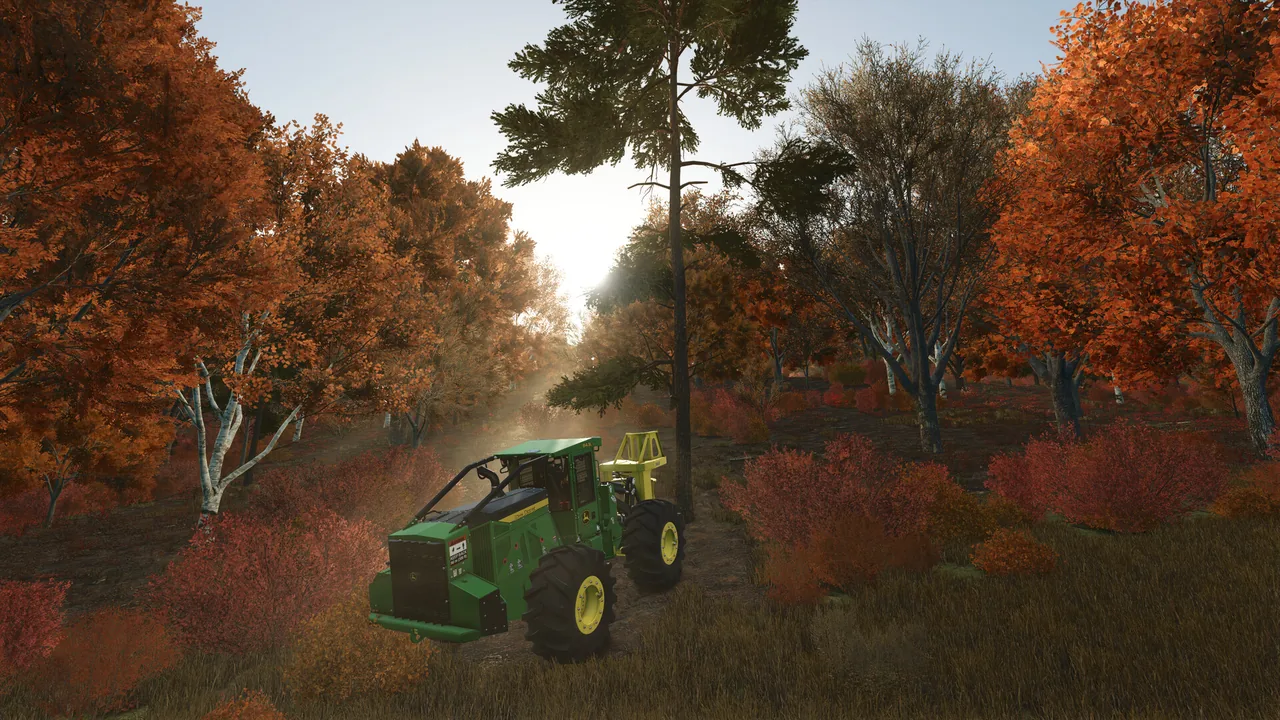
The praise is specific rather than generic, and it comes overwhelmingly from players with years of series history rather than newcomers with nothing to compare it to. Vehicle and ambient sound draws the most consistent single compliment — "much much MUCH better sound and vehicle physics," reads one representative review from a player also noting the game's new on-screen waypoint system as a genuine quality-of-life win. Ground deformation, the three new regions (introducing new biomes and crop types the series hadn't modelled before), and general lighting and presentation also come up repeatedly as real, felt improvements rather than marketing bullet points. None of this reads as disputed among reviewers; the disagreement starts elsewhere.
The complaint that follows this specific release
Set against that is a complaint that's distinctly about FS25 rather than the franchise in general: that equipment was removed rather than the roster simply growing. "Many vehicles removed from 22 -> 25," notes one player with hundreds of hours across both games, pairing it with "walking physics significantly worse" and hired-worker AI that "will not check for proper clearance." Another, tracking their own playtime back to FS13, writes that FS25 "has even less content compared to FS22... half stuff is put from FS22 marketplace as DLC." That last framing — content that used to ship in the base game reappearing later as paid DLC — recurs enough across the negative sample to read as a genuine pattern rather than one player's grievance, and it's the specific thing that separates this release's criticism from the generic "biennial games change too little" complaint that dogged FS22 and earlier entries. Hired-worker field AI, notably, is the one complaint that carries over unchanged from FS22 to FS25 — reviewers across both games describe it struggling with basic pathing on regular fields, a weakness the series still hasn't resolved across multiple major engine revisions.
A launch that's aged better than it arrived
The dating pattern here runs the normal direction, which is itself worth confirming rather than assuming. Of the 100 most-helpful negative reviews across the game's full history, 18 are from 2024 (launch year) against 12 in 2025 and only 7 so far in 2026, while a separate sample of the 100 most recent English reviews runs 94% positive — well above the lifetime 85.7% figure. Read together, that's consistent with a rough launch that patches have since smoothed over, rather than a problem that's getting worse with age. It doesn't erase the roster and physics complaints above, which are still showing up in 2026 reviews, but it does mean a buyer checking in now is likely to have a better first session than a buyer did in November 2024.
Two season passes and counting
The base game is NZ$59.90. On top of that, GIANTS has now shipped a Year 1 season pass (NZ$82.40) and a Year 2 season pass (NZ$69.90) — together costing more than the base game itself — plus around a dozen standalone equipment packs sold separately, several tied to real farm-equipment brands (JCB, Mercedes-Benz, NEXAT, MacDon, New Holland), ranging from NZ$1.90 for a single tractor to NZ$59.90 for a fishing-focused expansion. That's a genuinely heavy structure for what began as a one-time purchase, and it isn't just a subjective read: the season passes carry their own, independently worse Steam scores than the base game among the same buyer base. The Year 1 pass sits at Mixed, 82 of 143 reviews positive (57.3%); the Year 2 pass reads better at Mostly Positive, 17 of 24 (70.8%), though on a small enough sample to treat with caution. Both trail the base game's 85.7% by a wide margin, which corroborates rather than just illustrates the "you're expected to keep paying" complaints running through the negative review sample.
Reading the completion data
The achievement curve looks almost identical in shape to FS22's, which fits a series that changes its systems more than its structure: with 45 tracked achievements, core early milestones sit in the 47–65% range (first harvest 64.5%, first cultivation 53.7%, first sowing and fertilizing both 52.1%), showing most buyers comfortably clear the basic farming loop. The rarest unlocks — horse riding and horse jumps at 0.6%, specific delivery achievements for olives and grapes at 0.8%, and regional collectible sets at 1.0–1.2% — sit well below 2%, reflecting how much of the game's optional breadth (livestock activities, region-specific delivery chains, collectible hunting) most players never touch.
7 out of 10. Farming Simulator 25 is a genuine, audible and visible step forward for the franchise's engine, and the core farm-management loop that's made this series distinctive for over a decade is intact and still drawing enormous playtime from its regulars. What keeps it from matching FS22's score is a specific, credible complaint from that same regular audience — that equipment and content were trimmed rather than simply added to — layered on top of a monetisation structure that has grown to two season passes plus a long tail of standalone packs, both of which score measurably worse with buyers than the base game they're built on. If you're new to the series, the improvements are real and worth the price of entry. If you already own FS22, do the roster comparison before assuming this is the obvious upgrade.
Pros and cons
Pros
- A genuinely improved engine: ground deformation, lighting and especially vehicle and ambient sound draw specific, repeated praise from players who've followed the series for a decade
- Three new regions and expanded production-chain and crop-cycle systems for players who want deeper farm-management complexity
- The core farm-management loop remains distinctive for the genre — reviewers report extremely long play sessions and multi-hundred-hour totals
- Online co-op for managing a shared farm remains well supported
Cons
- A specific, recurring veteran complaint: multiple vehicles and pieces of equipment present in FS22 were removed or not carried forward, rather than the roster simply growing
- Hired-worker field AI remains unreliable, a complaint that has followed the series across multiple releases without being resolved
- On-foot and vehicle physics are described by long-term players as janky or a step back, not a refinement, despite the newer engine
- Monetisation has grown heavier: two season passes (Year 1 and Year 2) plus roughly a dozen standalone equipment packs, and both season passes score noticeably worse with the game's own buyers than the base game does
Screenshots
-
Farming Simulator 25Image: GIANTS Software via Steam -
Farming Simulator 25Image: GIANTS Software via Steam -
Farming Simulator 25Image: GIANTS Software via Steam -
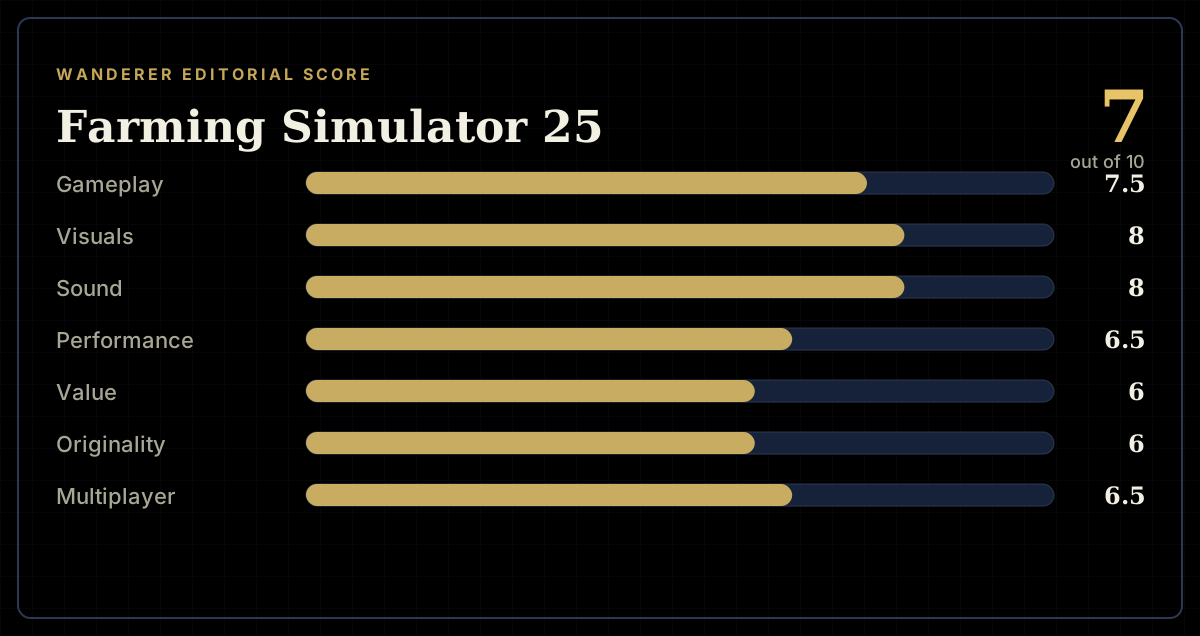
How the review scores each part of the gameWanderer Editorial -
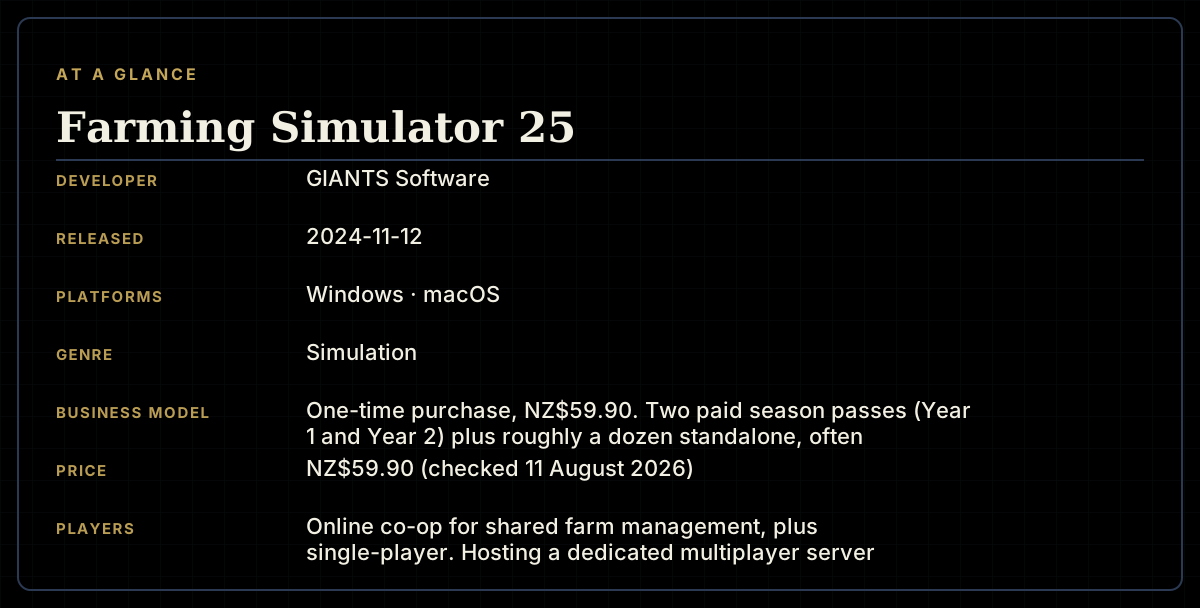
The essentials at a glanceWanderer Editorial -
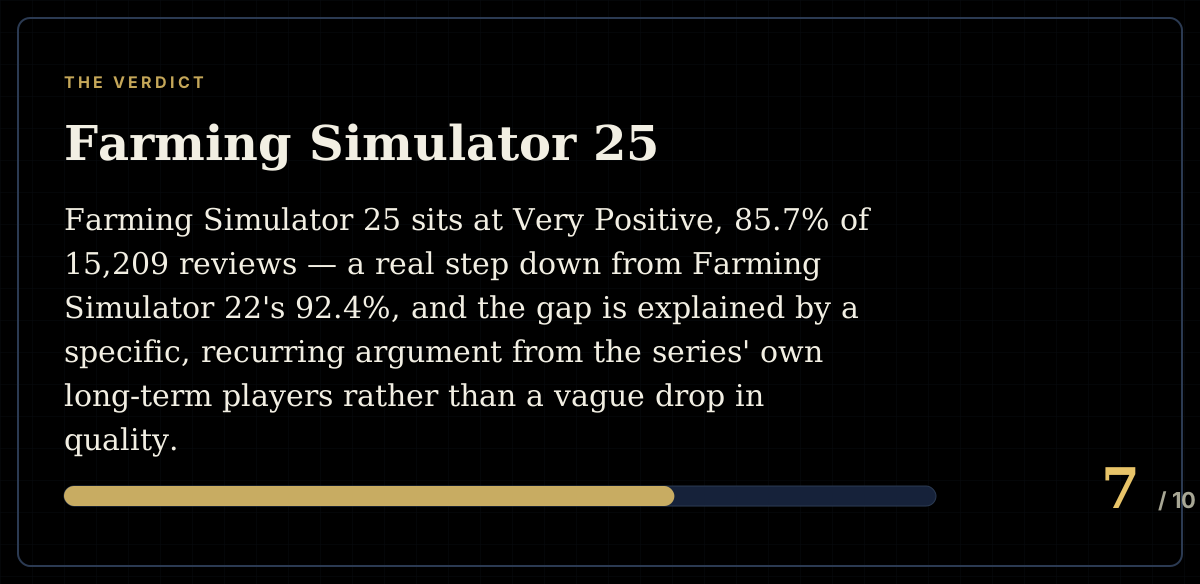
The short versionWanderer Editorial