Game review
Astor: Blade of the Monolith
6 / 10
- Developer
- C2 Game Studio
- Publisher
- Versus Evil, tinyBuild
- Released
- 30 May 2024
- Platforms
- Windows, PlayStation 5, Xbox Series X|S, Nintendo Switch
- Genre
- Action RPG
- Monetisation
- One-time purchase. No in-app purchases or DLC.
- Players
- Single-player only
The short version
Astor: Blade of the Monolith is the first console-scale release from C2 Game Studio, a developer whose previous work was entirely mobile games, and it shows in exactly the way you'd expect from a studio's first real swing at the genre: an appealing, colourful art style and a weapon-combo system that several players and critics single out as genuinely enjoyable, wrapped around a story and encounter design that neither group found especially memorable. Steam users land it at Mostly Positive across 152 reviews (71%), noticeably warmer than the professional critic response -- an OpenCritic aggregate of 28 reviews puts the top-critic average at 69/100 with only 29% of critics recommending it outright.
Both audiences converge on the same specific praise and the same specific complaint. The praise: attractive biome art and a runic-weapon combat system that critics say draws real, thoughtful inspiration from character-action and Zelda-style design rather than reskinning a template. The complaint: repetitive encounters and a story that critics repeatedly describe as underdeveloped, with more than one review predicting the game will be quickly forgotten despite being pleasant enough while it lasts.
Biggest strengths
- A genuinely appealing art style, with several distinct biomes that both Steam reviewers and professional critics single out by name as the game's strongest asset
- A runic-weapon combo system that opens up meaningfully once multiple weapon types are unlocked, praised specifically for how it layers rather than just adding numbers
- An accessible difficulty curve that makes it a reasonable entry point for less experienced action-RPG players, even if that same accessibility limits its appeal to genre veterans
Biggest weaknesses
- A story that both user reviews and the wider critic consensus describe as underdeveloped, with a protagonist one reviewer specifically calls short on charisma
- Encounter and enemy variety that thins out well before the campaign ends, producing the "monotony" critics repeatedly cite as the game's defining weakness
- A soundtrack described as unmemorable rather than actively bad -- present, functional, and rarely mentioned favourably
Who it's for: Action-RPG newcomers or younger players who want an accessible, colourful introduction to the genre without much difficulty or narrative weight. Not for players who want the deep, technical combat or the substantial story that the genre's best examples offer.
Our recommendation: A reasonable pick on sale for players curious about the studio's promise or wanting a short, pretty, undemanding action RPG; hard to recommend at full price against the amount of stronger competition in the genre, including several 2024 releases covered elsewhere in this library.
6 / 10
A mobile studio's first real swing
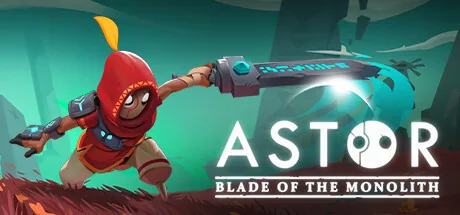
Astor: Blade of the Monolith puts you in control of Astor, a young warrior investigating the mysterious deaths of his creators on the alien planet Gliese, wielding an arsenal of runic weapons against the hostile forces left in their wake. It released in full on 30 May 2024, developed by C2 Game Studio and published by Versus Evil and tinyBuild, and it's worth stating plainly what it represents for its developer: this is C2's first release outside mobile games, a genuine step up in scope and ambition, and both the strengths and weaknesses that follow read clearly as the marks of a studio finding its feet at a new scale.
The reception splits along a fairly predictable line for a game like this. Steam's player base lands it at Mostly Positive -- 152 reviews, 71% positive -- while the professional critic response, aggregated by OpenCritic across 28 reviews, comes in noticeably cooler: a 69/100 top-critic average with just 29% of critics recommending it outright. That gap between a warmer player reception and a cooler critical one is itself worth noting rather than glossing over: it suggests a game whose charms -- a pleasant art style, an accessible difficulty curve, a short runtime that doesn't ask much of your patience -- land better with players who came in wanting exactly that experience than with critics evaluating it against the wider action-RPG field.
What both audiences actually agree on
Strip away the difference in overall scoring and the actual substance of the feedback converges tightly, which makes it unusually easy to state with confidence what this game is and isn't. On the positive side: the art direction. Critics single out "several unique biomes" as "incredibly pretty," and Steam reviewers echo the same point independently -- one, in French, specifically praises the game's art direction and its varied environments even while flagging the game's other shortcomings. The combat system draws similar convergent praise once it opens up: critics credit it with "an impressive sense of knowledge and understanding of not only Zelda-style exploration, but character action-style combat," and a Steam reviewer independently calls the weapon combo system "simple yet satisfying." One reviewer went further, describing Astor's iteration on familiar genre ideas as reflecting "one of the coolest aspects of video games as a medium" -- a genuinely strong compliment from a critic who, notably, still didn't recommend the game overall.
That last detail matters, because it points directly at where the consensus turns critical: almost every review, positive or negative, eventually lands on the same complaint. "The game's simplistic combat and repetitive foes take away from the overall excitement," reads one critic summary, and another sums the back half of the campaign up in a single word -- "monotony" -- despite crediting the same section's dungeons with being "somewhat stimulating" in isolation. The Steam sample makes the identical point in miniature: a 20-hour player who "thoroughly enjoyed the game art and the simple yet satisfying weapon combo system" still describes the overall experience as "rough around the edges," and a French reviewer's detailed 688-hour-account summary -- unusually long play time for a linear action RPG, suggesting a genuinely comfortable studio-hopping regular rather than a first-time buyer -- calls the combat "classic," the weapons "well thought out but without much originality," and the story "pleasant" but delivered by a hero who "lacks substance and charisma."
The story problem, specifically
Story is the area where criticism is most consistent and most specific. C2 Game Studio built a genuine sci-fantasy premise -- an alien planet, a dead creator civilization, a protagonist working out what happened -- but neither critics nor players report that premise paying off with real narrative weight. "The story is a bit devoid of substance," reads one representative critic line, matched by a Steam review that separately calls the same story merely "pleasant" rather than compelling. For a genre where the best recent entries (several of them covered elsewhere in this library) use their premise to carry players through repetitive combat encounters, a thin story removes exactly the ingredient that might have papered over Astor's more mechanical shortcomings.
What the achievement data adds
Steam's global achievement percentages back up the "accessible but shallow" read from a different angle. Early story-milestone achievements clear at healthy rates -- 81.8% for reaching an early temple, 67.5% for a subsequent area -- consistent with a short, linear, non-punishing campaign that most buyers who start it also finish. The completionist-tier achievements, by contrast, sit in the low single digits: only 2.3% of players earn the platinum-equivalent "Completionist" achievement, and only 3.0% collect every chest. That's a normal shape for a linear action RPG with light postgame content rather than a warning sign on its own, but it does confirm what the reviews already suggest -- this is a game people finish once and move on from, not one that generates the kind of extended, obsessive playtime this library sees from genre standouts.
Verdict
Astor: Blade of the Monolith is exactly what it looks like: a mobile studio's first genuine attempt at a console-scale action RPG, with real, specific things to be proud of -- its art direction and its weapon-combo system both draw independent, convergent praise from critics and players who otherwise disagree about almost everything else -- sitting alongside the equally specific and equally convergent complaint that the story and encounter variety don't carry the game's back half. At NZ$35.99 it's a reasonable curiosity for genre newcomers and hard to recommend over its stronger 2024 competition at full price; on a deep sale, the good parts are more than pleasant enough to justify the runtime.
Pros and cons
Pros
- A genuinely appealing art style, with several distinct biomes that both Steam reviewers and professional critics single out by name as the game's strongest asset
- A runic-weapon combo system that opens up meaningfully once multiple weapon types are unlocked, praised specifically for how it layers rather than just adding numbers
- An accessible difficulty curve that makes it a reasonable entry point for less experienced action-RPG players, even if that same accessibility limits its appeal to genre veterans
- A short, self-contained campaign that doesn't overstay its welcome, which several critics frame as the game's saving grace against its own repetition
Cons
- A story that both user reviews and the wider critic consensus describe as underdeveloped, with a protagonist one reviewer specifically calls short on charisma
- Encounter and enemy variety that thins out well before the campaign ends, producing the "monotony" critics repeatedly cite as the game's defining weakness
- A soundtrack described as unmemorable rather than actively bad -- present, functional, and rarely mentioned favourably
- A visible gap between a debut mobile studio's ambition and its execution, which OpenCritic's aggregate reviews summarise as competent but ultimately forgettable
Screenshots
-
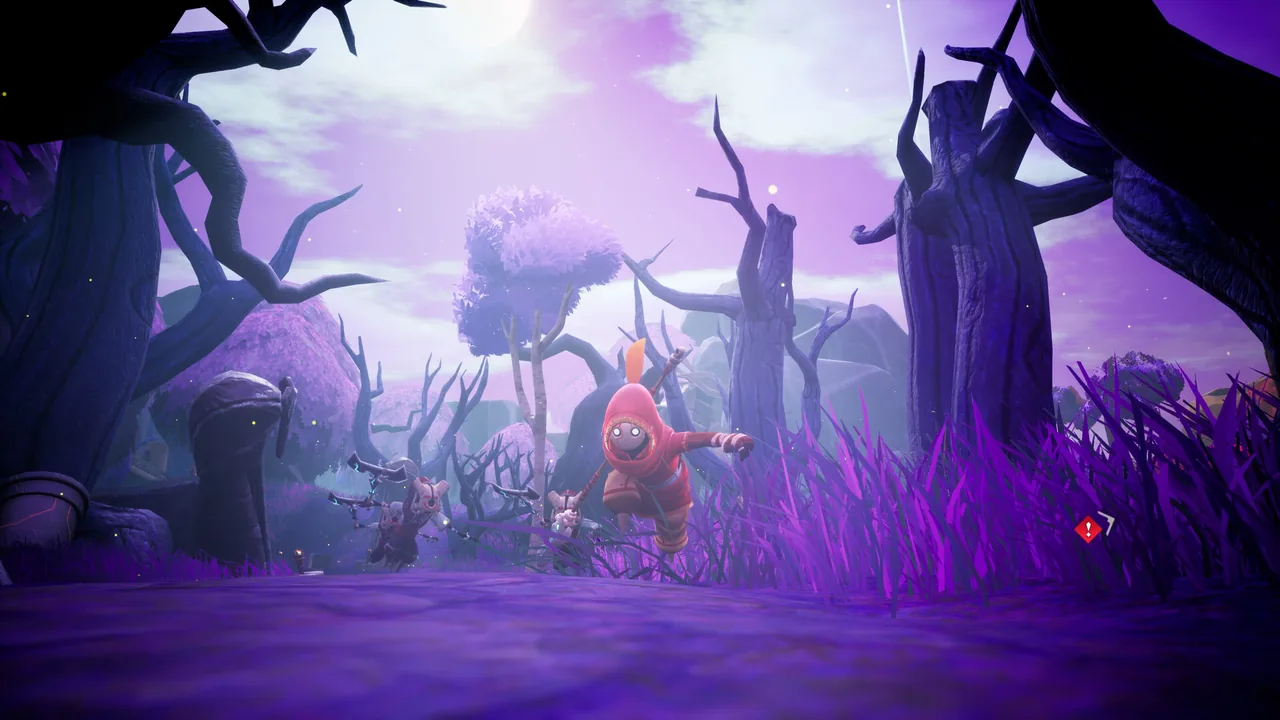
"One of the game's distinct biomes -- art direction both critics and Steam reviewers single out as the game's strongest asset"Image: Versus Evil via Steam -
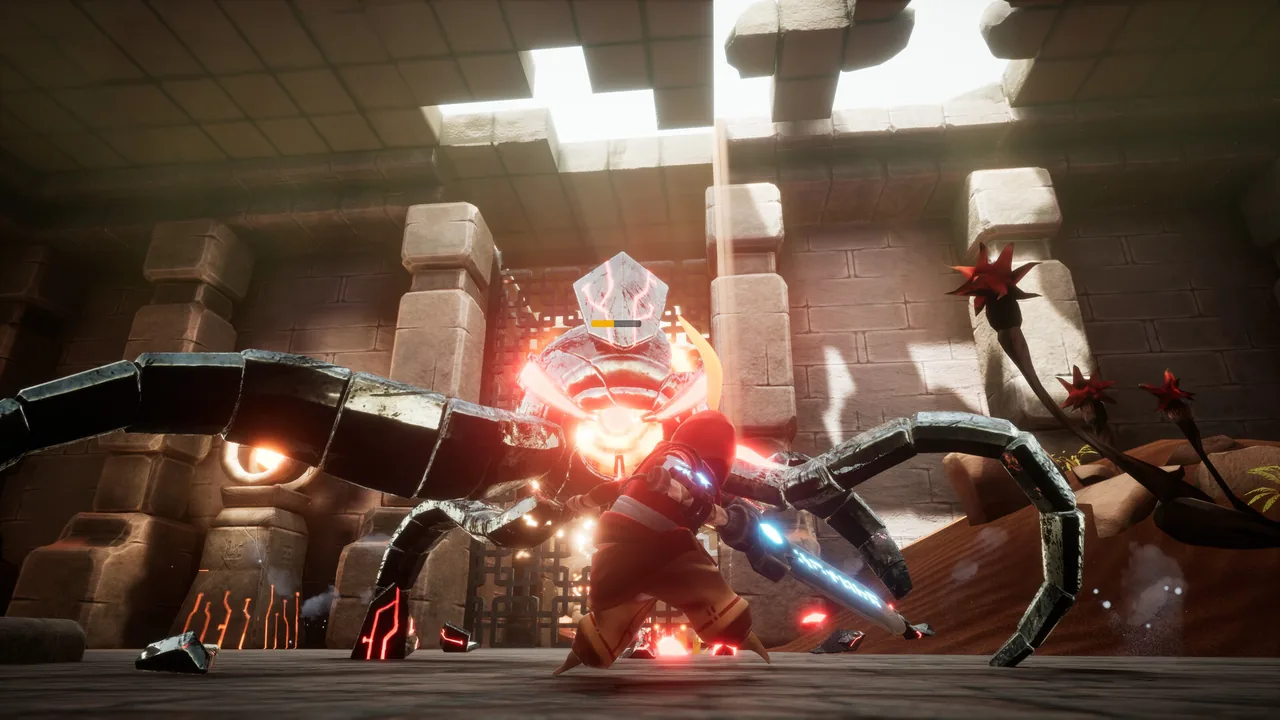
A boss encounter inside one of the game's temple dungeonsImage: Versus Evil via Steam -
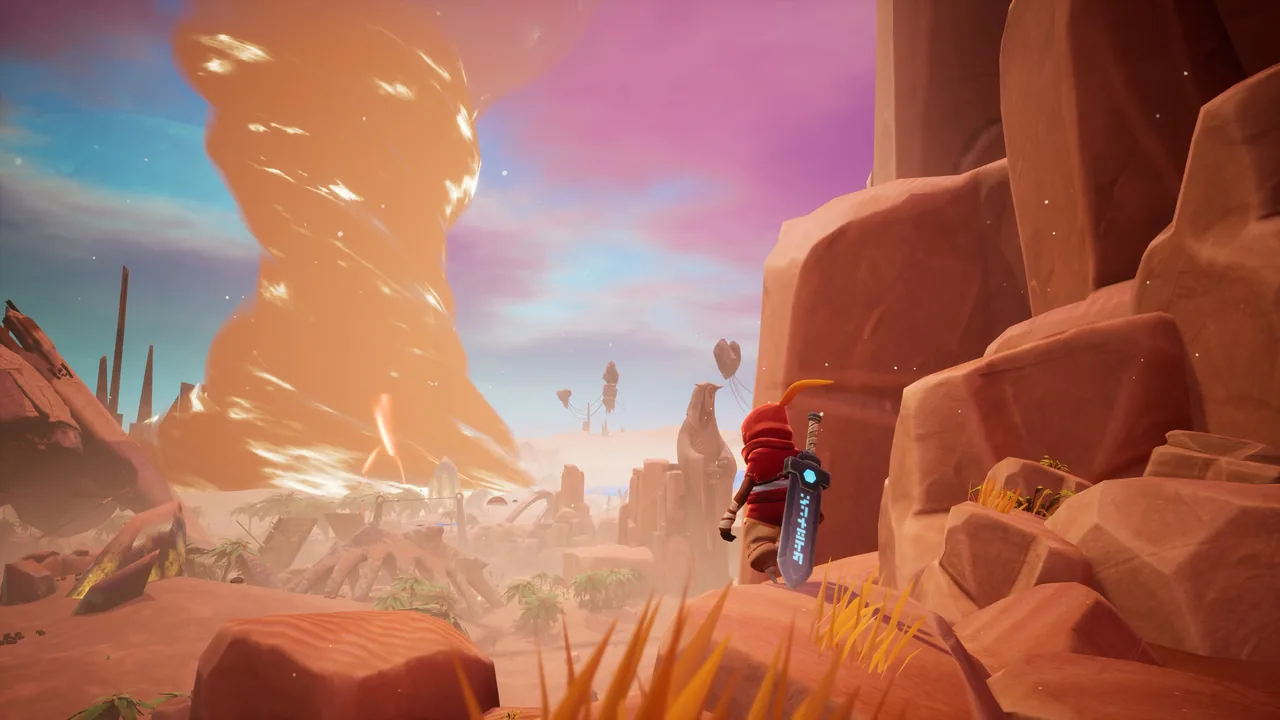
The desert region of Gliese, the alien planet the game is set onImage: Versus Evil via Steam -
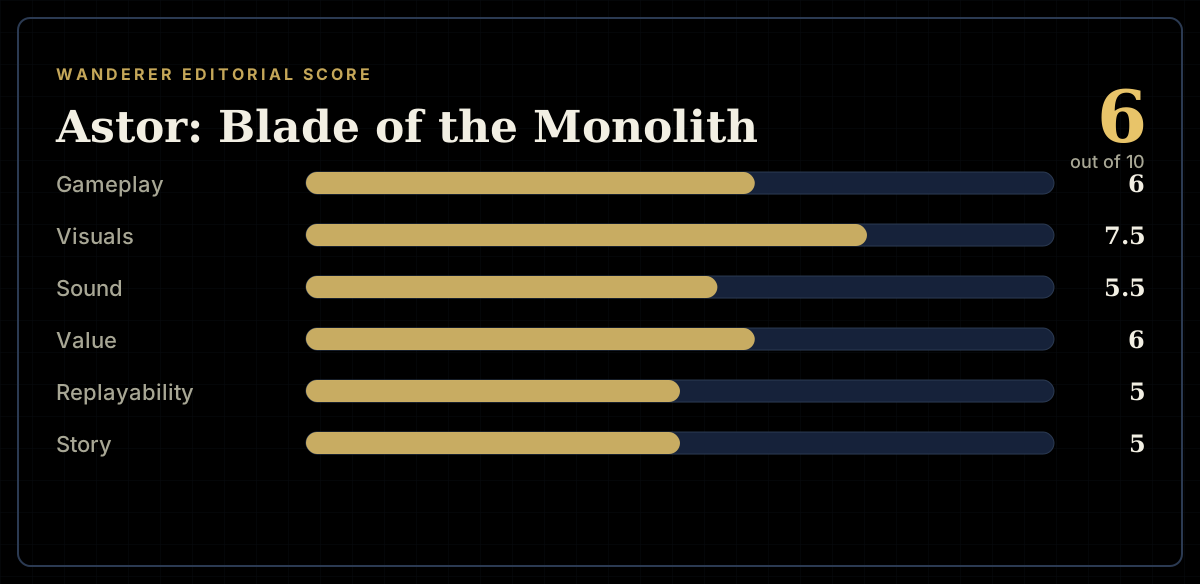
How the review scores each part of the gameWanderer Editorial -
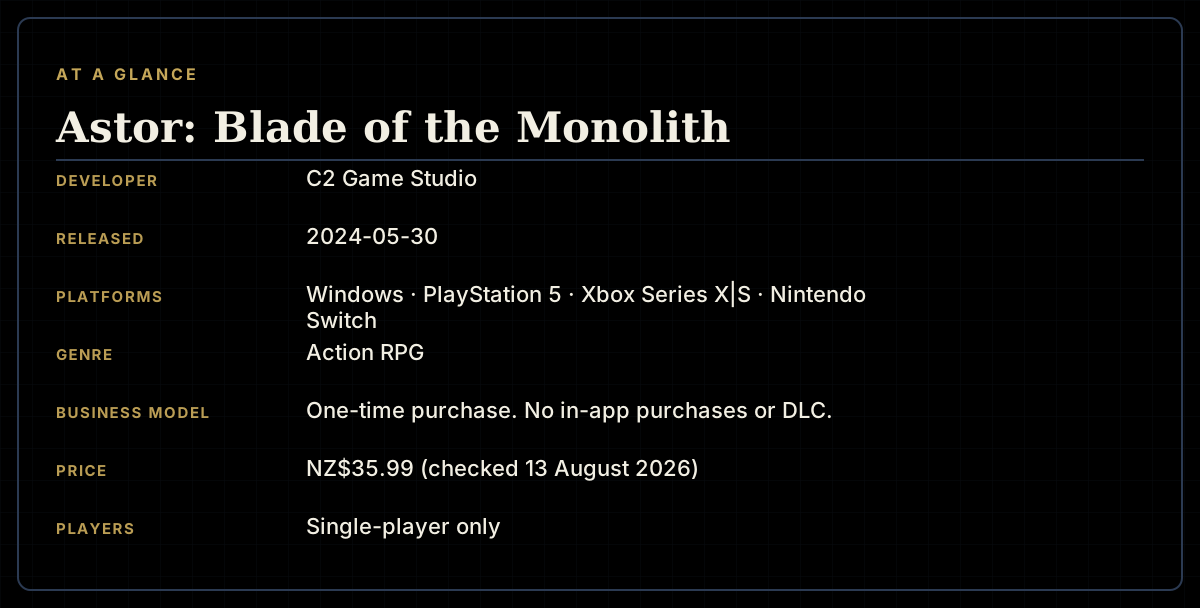
The game at a glanceWanderer Editorial -
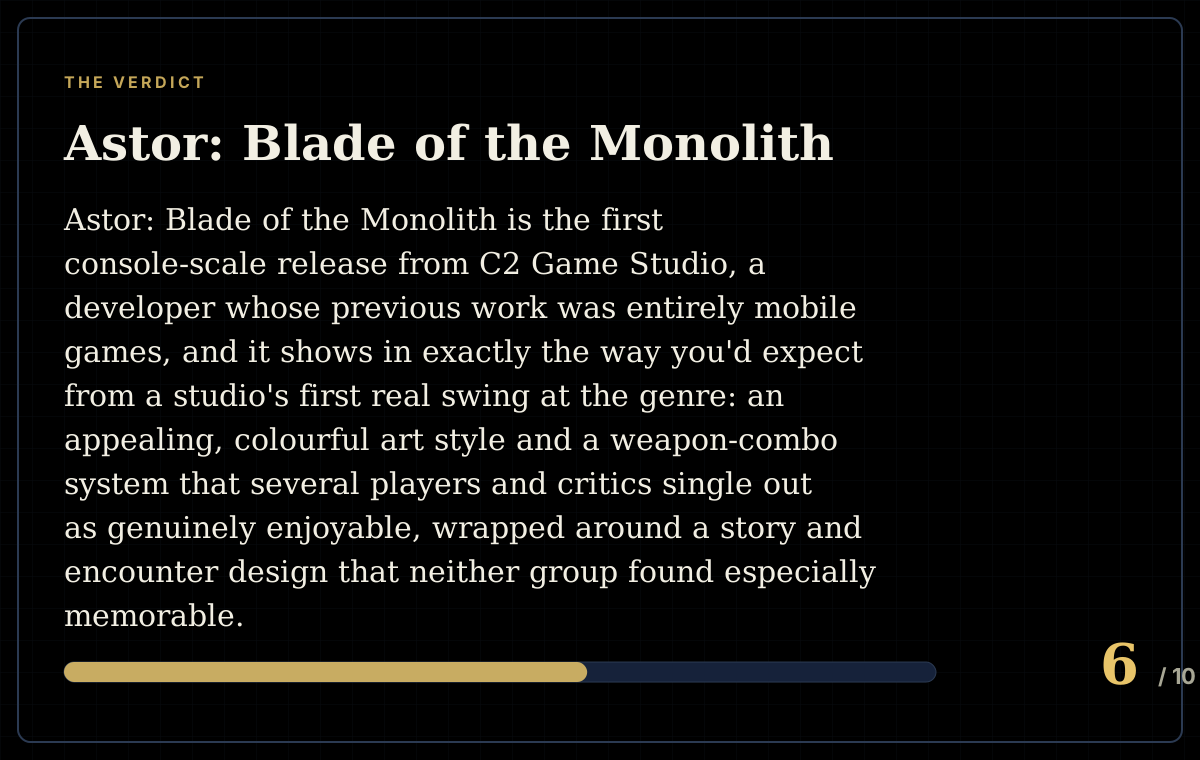
The short versionWanderer Editorial