Game review
Assembly Planter
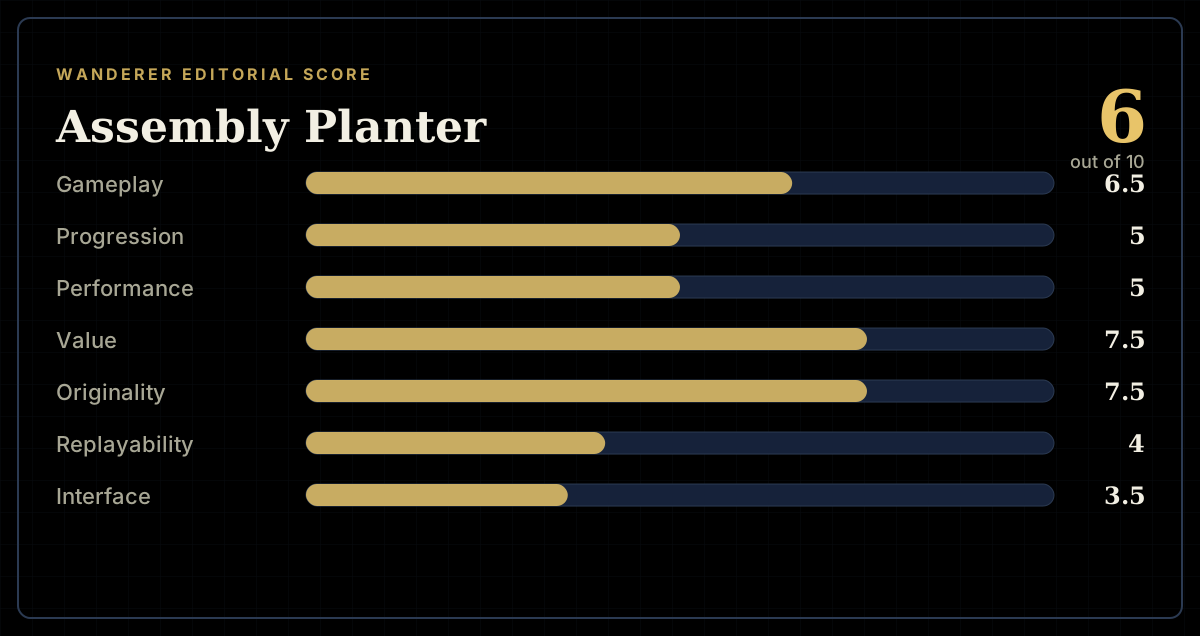
6 / 10
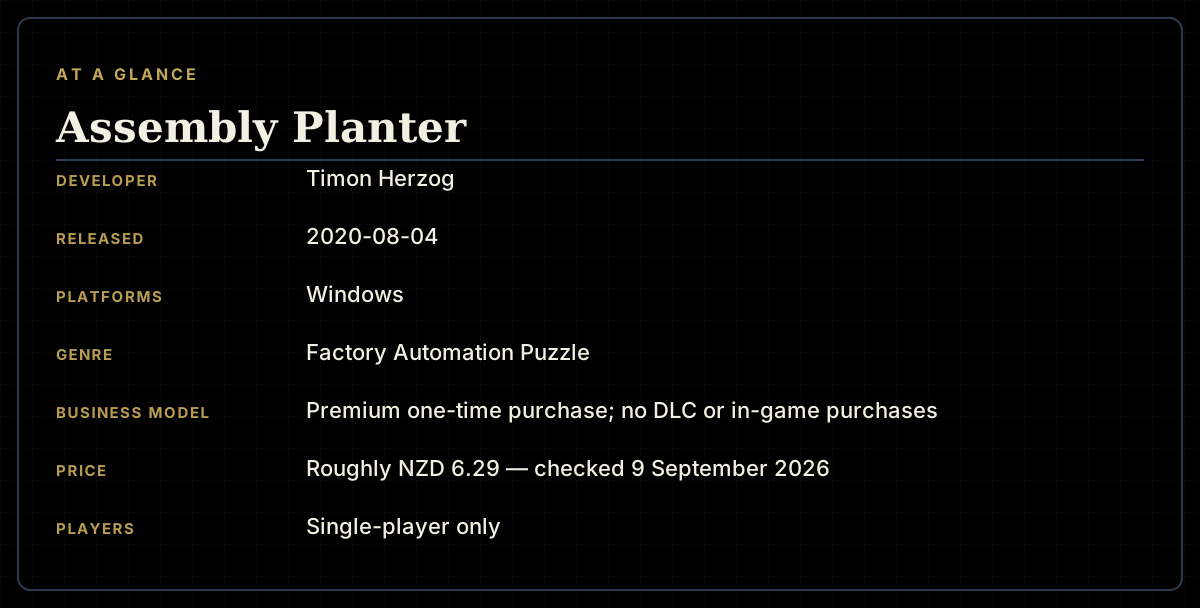
- Developer
- Timon Herzog
- Publisher
- Timon Herzog
- Released
- 4 August 2020
- Platforms
- Windows
- Genre
- Factory Automation Puzzle
- Monetisation
- Premium one-time purchase; no DLC or in-game purchases
- Players
- Single-player only
The short version
Assembly Planter's central idea is genuinely clever: build a small production line, then "shrink" the whole thing into a single reusable machine you can chain together with others, recursively building more complex systems out of solved sub-problems. Reviewers who stick with it consistently compare the concept favorably to shapez.io and casual Factorio. The problem is getting there at all — a tutorial multiple independent reviewers describe as broken or actively unhelpful, and an interface repeatedly called "atrocious," stand between new players and the loop that makes the price genuinely worth it.
Biggest strengths
- The recursive "Shrinker" mechanic, condensing a working factory sub-unit into one reusable, chainable block, is repeatedly praised as a genuinely original twist on the automation-puzzle formula
- Multiple reviewers favorably compare the core loop to shapez.io and describe entering a genuine flow state once the systems click, particularly across the game's first dozen or so levels
- The price is very low for the genre and the amount of content on offer, with one detailed reviewer reporting around 34 hours to fully complete the game for under NZD 10
Biggest weaknesses
- Multiple independent reviewers describe the tutorial as genuinely broken or unclear, including at least one report that the very first taught mechanic didn't function as the game's own instructions described it would
- The user interface draws sustained, sharply-worded criticism across the review sample, missing basic quality-of-life features like copy-paste for machine settings and requiring manual scrolling through item menus to select common values
- Several reviewers report the "Shrinker" mechanic itself, the game's central selling point, becomes buggy or unpredictable in more complex configurations, including at least one specific report of an unrecoverable "Loop Error" preventing a previously working setup from being reproduced
Who it's for: Factory-automation and optimization puzzle fans who can push through a rough onboarding experience to reach a genuinely original core mechanic, more than newcomers to the genre looking for a gentle introduction.
Our recommendation: Worth its very low price if you're already a fan of automation puzzle games and can tolerate real early friction; look up a community or video walkthrough of the first few levels rather than relying on the in-game tutorial, since that specific failure is what causes most refunds and uninstalls in the review sample.
6 / 10
Most factory-automation games simply ask you to keep building bigger, more sprawling production lines indefinitely. Assembly Planter asks a different question: what if, once a small production line works, you could fold the whole thing into a single reusable block and start chaining those blocks together instead? That recursive "Shrinker" mechanic is the entire pitch, and for players who reach it, the review sample treats it as a genuinely original idea worth the price of admission on its own.
A concept reviewers genuinely compare favorably to genre favorites
Once the systems click, Assembly Planter earns real, specific praise. Multiple reviewers directly compare the experience to shapez.io and casual Factorio, and several describe entering a genuine flow state as they design a small production chain, shrink it down, and reuse it as a building block for something more complex. The game asks for no combat readiness and no real-time danger, which several reviewers specifically credit with making it an ideal low-pressure "comfort game" to leave running in the background during other tasks. At a price under NZD 10, with one detailed reviewer reporting roughly 34 hours to fully complete every level, the value proposition for genre fans is straightforward when the game is working as intended.
A tutorial and interface reviewers say actively work directly against learning it
The trouble is reaching that point at all. A specific, repeated complaint describes the tutorial as genuinely broken rather than merely unpolished — at least one reviewer reports the very first taught mechanic simply didn't behave the way the in-game instructions said it would, leading to an immediate refund. Others describe the tutorial as technically functional but poorly paced, expecting players to intuit next steps the game never actually explains. Layered on top of that, the interface itself draws unusually sharp, consistent criticism throughout the review sample — missing copy-paste for machine configurations, manual scrolling through item menus for basic selections, and an overall design several reviewers call actively hostile to learning rather than simply rough around the edges.
Where the core mechanic itself eventually runs into trouble
Even among reviewers who get past onboarding, the Shrinker mechanic that makes the game distinctive draws its own specific complaints once configurations grow more complex. Multiple reviewers report bugs or unpredictable behavior, including one detailed account of an unrecoverable "Loop Error" that prevented reproducing a previously functional setup entirely. Separately, content past roughly the sixteenth of twenty levels is described by several reviewers as noticeably blander than the earlier game, reducing to waiting for resources to accumulate rather than presenting genuinely new optimization problems.
A specific technical detail worth flagging directly
One narrower observation deserves a direct, careful mention: at least one reviewer reports the game requests firewall access and administrator privileges on startup, calling this unusual and unexplained for a simple, offline, single-player automation game. This review has no way to verify why that request appears or what it's actually for, and reports it exactly as it appears in the review record — a specific, checkable claim worth knowing about before installing, not an accusation this review is in any position to confirm or dismiss.
What the achievement data suggests about who actually gets stuck
Global achievement data offers a useful, if imperfect, way to weigh the onboarding complaints against how many players actually get past them. The very first story achievement clears over 96% of owners, a figure that cuts somewhat against the "the tutorial is unplayable" framing some reviewers use, suggesting most players do eventually work past the initial confusion even if they find it genuinely frustrating in the moment. The curve drops more steadily after that, falling to around 17% for the game's most demanding late-game achievement — a shape consistent with reviewers' accounts of a real but gradual falloff in engagement as the late levels grow blander, rather than a hard wall stopping most players cold near the start.
A solo developer working within real constraints
It's worth weighing the onboarding and interface complaints against the reality of who made this game: one developer, working alone, shipping a genre entry at a fraction of the price most automation games charge. That context doesn't excuse a broken tutorial step, but it does help explain why quality-of-life polish that larger automation games budget dedicated UI designers for — copy-paste, cleaner menus, more forgiving onboarding — didn't make it into a solo developer's first release at this price point. Post-launch patches addressing bugs and progression pacing arrived steadily in the weeks after release, suggesting genuine, ongoing attention rather than a launch-and-abandon situation, even if the specific onboarding complaints raised here don't appear to have been fully resolved.
Verdict
Assembly Planter's central idea — recursively shrinking working systems into reusable building blocks — is inventive enough to earn real comparisons to genre favorites, and its price makes that idea an easy recommendation for automation fans in principle. What holds it back is everything standing between a new player and that idea: a tutorial multiple independent reviewers say is genuinely broken, an interface criticized in unusually sharp terms throughout the sample, and a core mechanic that gets less reliable exactly as it gets more interesting. Worth trying for genre fans willing to route around the onboarding with outside help and push through the interface's rough edges; a considerably rougher recommendation for anyone hoping the game will teach itself cleanly from the very first level onward.
Pros and cons
Pros
- The recursive "Shrinker" mechanic, condensing a working factory sub-unit into one reusable, chainable block, is repeatedly praised as a genuinely original twist on the automation-puzzle formula
- Multiple reviewers favorably compare the core loop to shapez.io and describe entering a genuine flow state once the systems click, particularly across the game's first dozen or so levels
- The price is very low for the genre and the amount of content on offer, with one detailed reviewer reporting around 34 hours to fully complete the game for under NZD 10
- The game works well as a low-stakes "comfort game" left running in the background, with no combat, danger, or real-time pressure to interrupt casual optimization sessions
- A solo developer has kept the price accessible and shipped a steady run of bug-fix and progression patches in the weeks immediately following launch
Cons
- Multiple independent reviewers describe the tutorial as genuinely broken or unclear, including at least one report that the very first taught mechanic didn't function as the game's own instructions described it would
- The user interface draws sustained, sharply-worded criticism across the review sample, missing basic quality-of-life features like copy-paste for machine settings and requiring manual scrolling through item menus to select common values
- Several reviewers report the "Shrinker" mechanic itself, the game's central selling point, becomes buggy or unpredictable in more complex configurations, including at least one specific report of an unrecoverable "Loop Error" preventing a previously working setup from being reproduced
- Late-game content past roughly level sixteen of twenty is described by multiple reviewers as bland, reducing to simply waiting for enough materials to accumulate rather than presenting new problems to solve
- At least one reviewer flags the game's request for firewall access and administrator privileges at startup as unusual and unexplained for a simple single-player game of this kind; this review cannot verify the reason and reports it only as a specific, checkable observation worth being aware of before installing
Screenshots
-
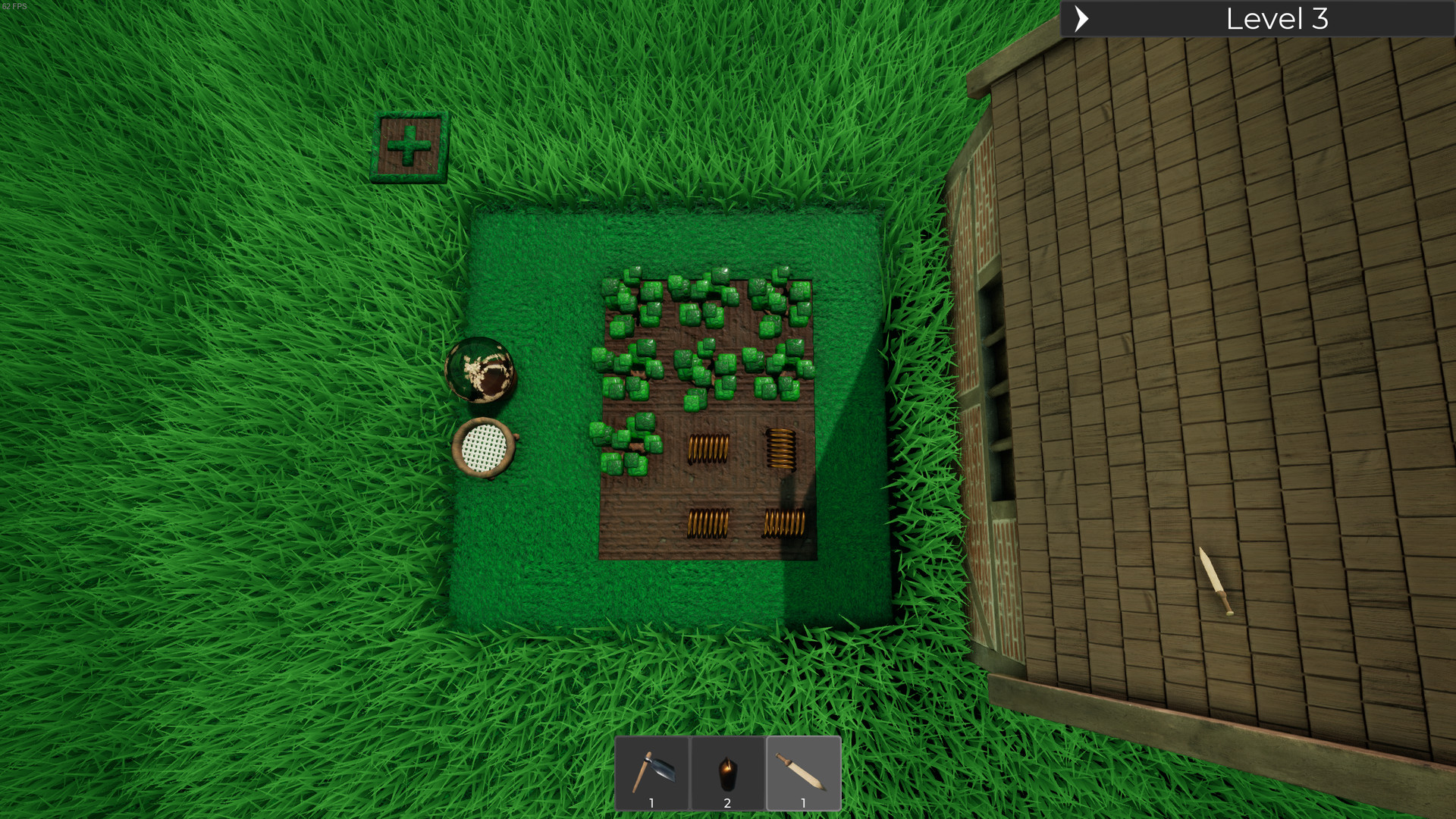
Assembly PlanterImage: Timon Herzog via Steam -
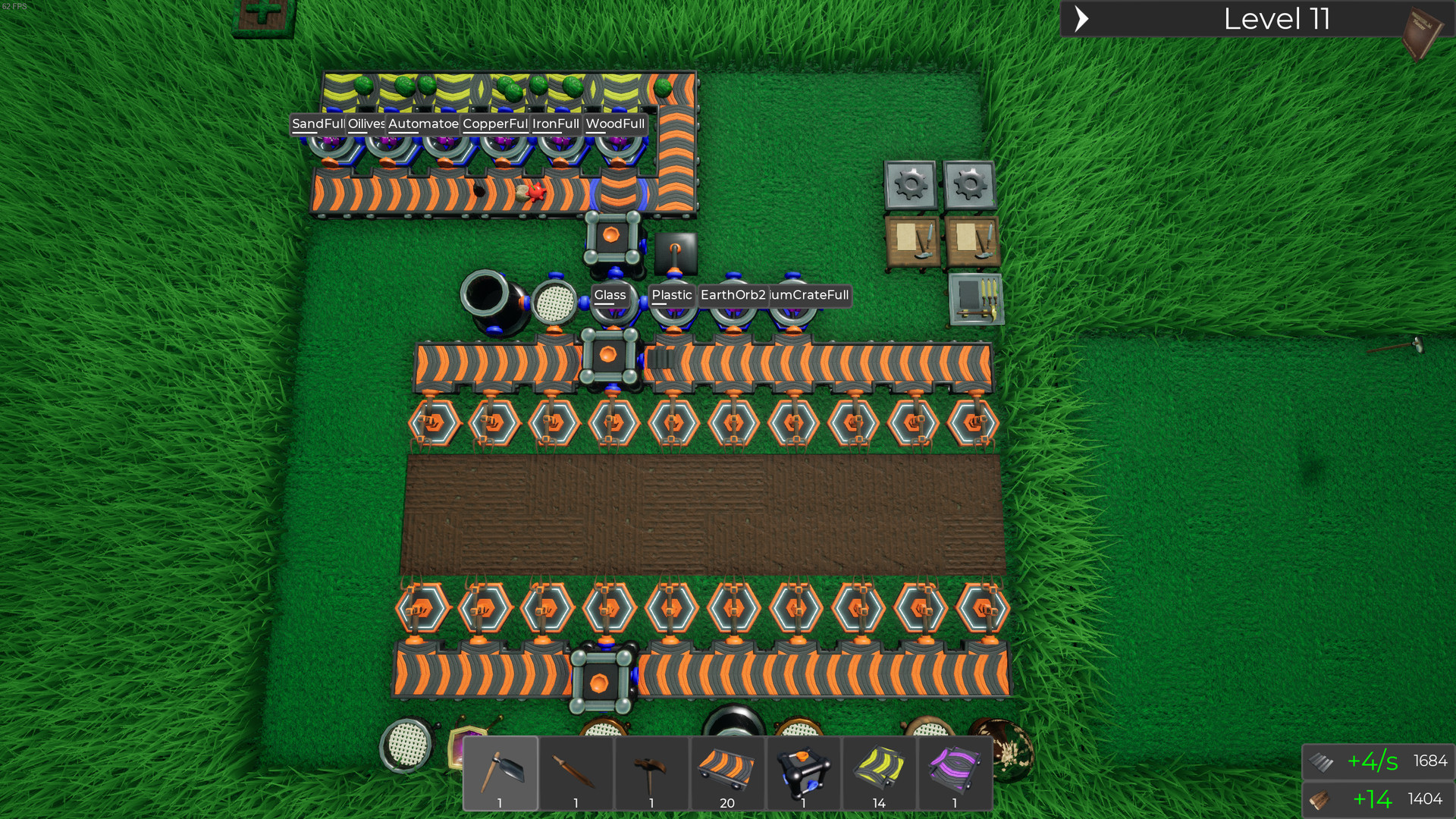
Assembly PlanterImage: Timon Herzog via Steam -
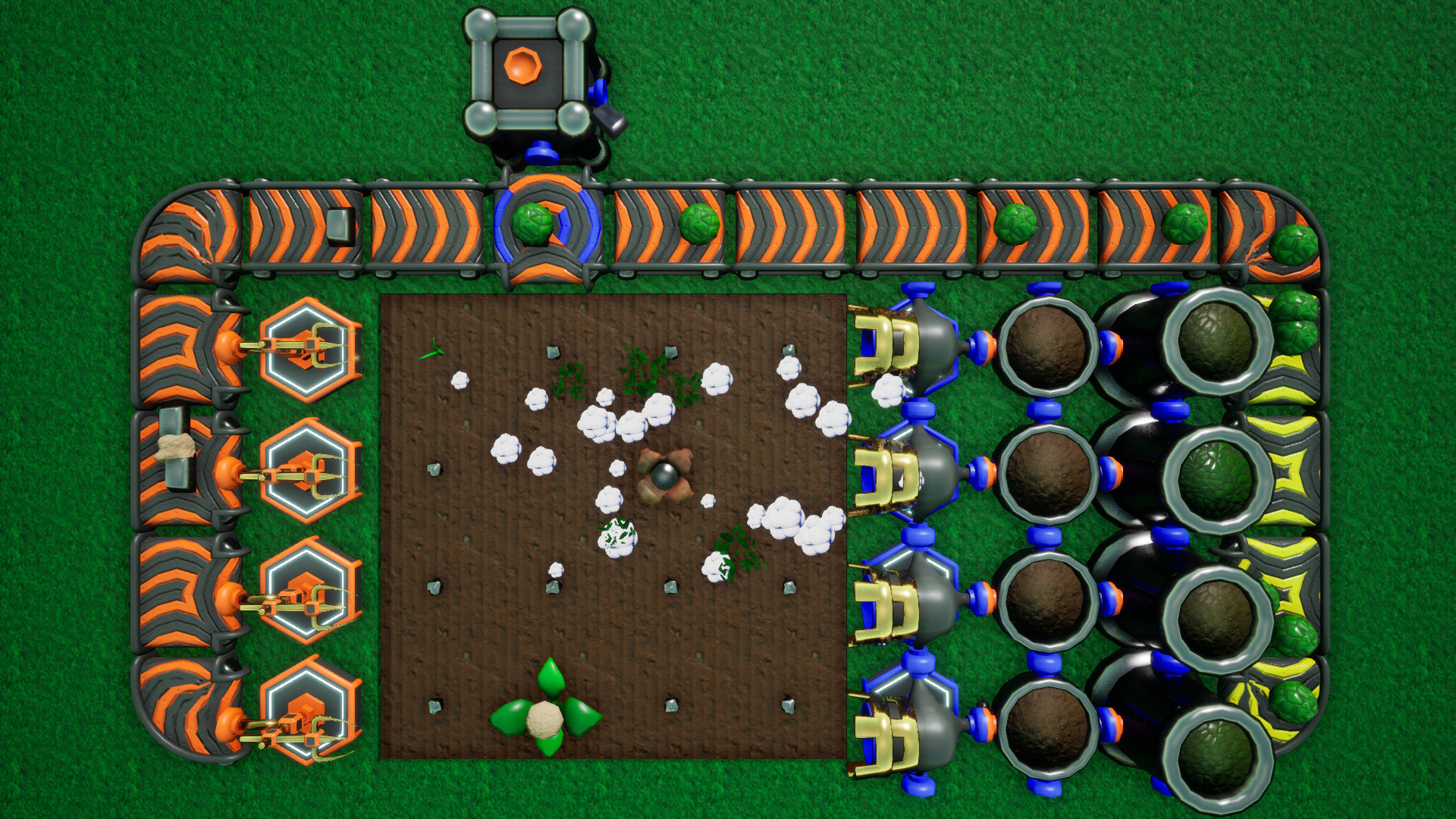
Assembly PlanterImage: Timon Herzog via Steam -
How the review scores each part of the gameWanderer Editorial -
At a glanceWanderer Editorial -
The short versionWanderer Editorial