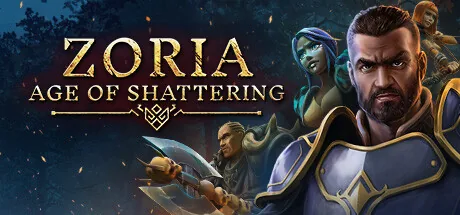
Game review
Zoria: Age of Shattering
5.5 / 10
- Developer
- Tiny Trinket Games
- Publisher
- Anshar Publishing, Surefire.Games
- Released
- 7 March 2024
- Platforms
- Windows
- Genre
- Tactical RPG, CRPG, Fantasy
- Monetisation
- One-time purchase; two paid DLC released after launch (a weapon pack and a new class) add optional content
- Players
- Single-player only
The short version
Zoria: Age of Shattering sends a four-hero party across a fantasy world, alternating turn-based squad combat with building up a home keep and recruiting followers. Made by the three-person studio Tiny Trinket Games and published by Anshar Publishing on 7 March 2024, it sits at Mostly Positive across its 399 English-language reviews, a score that this review's full read of all 80 negative reviews finds genuinely earned but also genuinely contested. A well-known Steam curator's widely-upvoted review frames the honest tension directly: made by three people, ambitious in scope, but without enough polish or distinctive ideas to make the trade-off pay off for a meaningful share of players.
Biggest strengths
- Base-building and follower-recruitment systems add real structural ambition beyond a standard combat-and-loot loop, and this review's most enthusiastic positive review — from a player with over 120 hours logged planning several hundred more — specifically credits this as the game's strongest hook
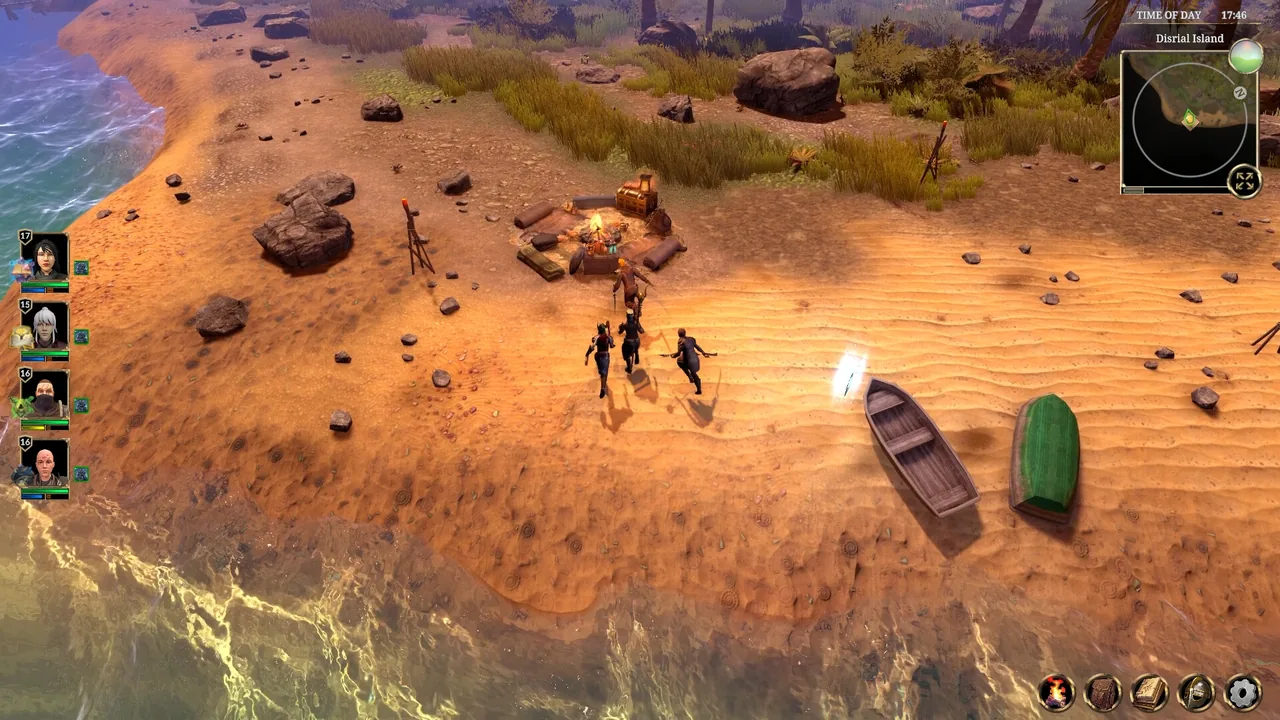
- Genuine breadth of content, including a full keep-management layer alongside traditional squad-based tactical combat across an open fantasy world
- The developer has continued supporting the game well past launch, with two paid DLC expansions, a controller-support update, and community translations added through 2025
Biggest weaknesses
- Multiple independent, detailed reviews describe the combat as shallow and repetitive once the initial classes and builds are learned, with one specifically noting that a dozen classes reduce to around five functional archetypes
- A specific tactical bug — the main character always occupying the front of the formation regardless of the player's setup, and random rather than deliberate attacks of opportunity — is reported by multiple reviewers, and one follow-up review specifically checked the developer's claim of continuous improvement against this exact issue and found it unresolved
- Several reviewers describe the story and dialogue as thin, with one saying the game fails to provide context or purpose for its frequent tactical battles beyond grinding for gear
Who it's for: Tactical RPG fans specifically drawn to base-building and army-management systems who can tolerate combat several detailed reviewers call repetitive; a poor fit for players who want deep tactical decision-making or a story-driven CRPG experience.
Our recommendation: A genuinely ambitious small-team RPG with real ideas in its keep-management systems, worth a look at a discount for players specifically drawn to that hook, but combat depth and story engagement are real, well-documented weak points rather than minority complaints.
5.5 / 10
Introduction
Zoria: Age of Shattering asks a small development team's biggest possible question: can three people build a full tactical RPG with squad combat, an open fantasy world, and a keep-management layer on top, all at once? Made by Tiny Trinket Games and published by Anshar Publishing on 7 March 2024, the answer this review's full reading of the negative sample and the top positives finds is a genuinely mixed one. The game sits at Mostly Positive across 399 English-language reviews, and that reception is real — but reading the specific, detailed criticism alongside it tells a story of ambition outrunning execution in ways a meaningful share of players noticed independently.
An honest framing, from a source worth naming
The single most-upvoted review in this game's history — 201 votes, from a recognised Steam curator — sets up the fairest way to read everything that follows. "Zoria: Age of Shattering is a CRPG made by three people," it opens. "That's going to color part of its story, part of its reaction, and undeniably part of the reaction to its reaction." The review goes on to argue that some of the most memorable indies succeed by trading polish for ambition, "but the problem with Zoria is that it doesn't make that trade" — leaving, in the reviewer's words, "something undeniably unpolished but without anything cool, or memorable, or interesting to latch on to." That's a harsh verdict, but it's a useful lens for the more specific complaints that follow, because most of them describe exactly that gap between ambitious systems and thin execution.
Where the ambition pays off
It would be unfair to let that framing stand alone, because a real, invested audience genuinely likes what Zoria offers. The most enthusiastic review in this sample comes from a player with over 120 hours already logged, expecting to put in "200-300 or more hours" on replays: "I didn't expect to have so much content from missions to upgrading a keep and making an army. I have really enjoyed the gameplay so far." That keep-building and follower-recruitment layer is the game's most distinctive idea, and for players specifically drawn to that combination of tactical combat and base management, it clearly delivers something the genre doesn't offer often.
Combat that several detailed critics call shallow
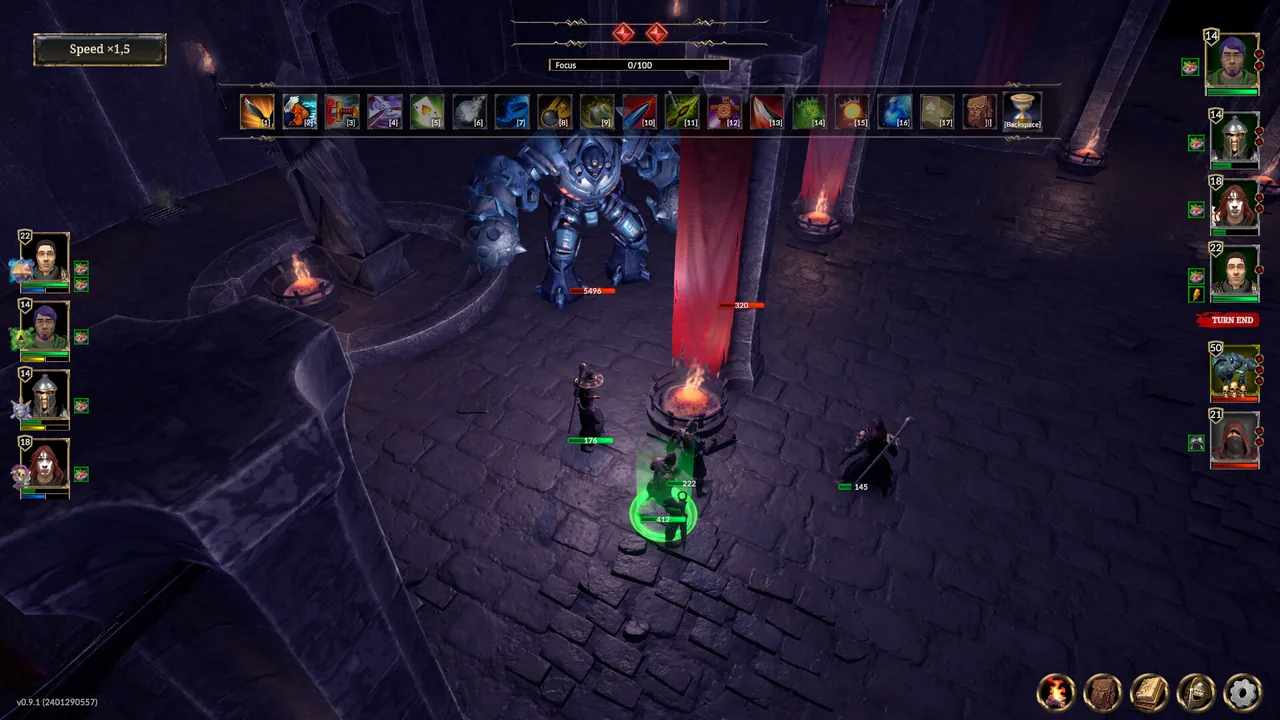
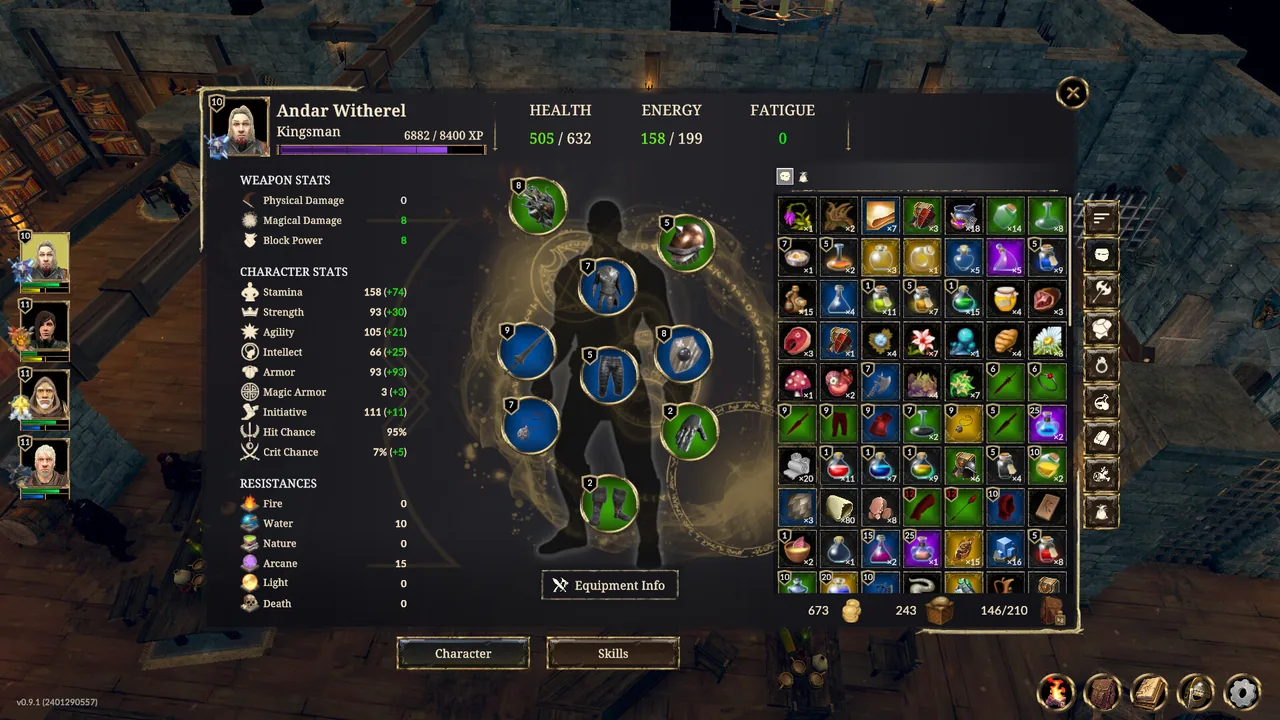
Set against that is a consistent, independently-reported complaint about the combat itself. One detailed review argues that Zoria's dozen-plus classes "boil down into around 5 archetypes" — tanky fighter, non-tanky fighter, magical ranged attacker, agility ranged attacker, and healer — with items amounting to little more than flat stat boosts rather than build-defining effects. A separate reviewer reports the combat becoming "repetitive almost immediately," arguing that "tactical decision making is very light" despite the presence of classes, builds and gear. A third, more measured critique makes a specific and checkable claim: the player's main character is always positioned at the front of the party formation on the world map regardless of how the squad is actually arranged, meaning squishier characters get targeted and killed quickly through no real fault of the player's tactical planning. That same reviewer separately notes attacks of opportunity trigger on apparently random conditions rather than clear tactical rules — a complaint echoed independently by at least one other detailed review.
One follow-up review goes further than most and is worth reading as its own small piece of evidence: after the developer publicly stated the team had "been continuously improving it based on community feedback," this reviewer specifically checked that claim against the exact issues raised above and reported the main character was "still locked in middle of the formation," attacks of opportunity were "still random," and enemies were "still running freely past melee without punishment." That's a rare, directly falsifiable test of a developer's own public statement, and this review can't independently verify the current state of the build, but it's worth reporting as a specific, dated data point rather than a general complaint.
A thin story, and one concrete technical problem
Several reviewers separately describe the narrative as underdeveloped relative to the amount of combat the game asks players to do. "Everything about this game seemed incredibly meh to me," one writes, while another more directly ties story thinness to pacing: after the first map and acquiring a home base, the game becomes "endless grinding and battles with extremely light story," engaging the player "in tactical battles every 3 minutes without any context, dialogues or purpose except in very few" cases. On the technical side, at least one detailed review reports the game crashing on every single launch attempt, requiring a full Steam file re-validation each time just to get it running — a specific, repeatable problem for that player rather than a one-off crash report.
Final Verdict
Zoria: Age of Shattering is a genuinely ambitious project from a very small team, and its keep-building and army-management systems give it a real hook that a dedicated audience credits with hundreds of hours of enjoyment. What holds it back from a stronger recommendation is that its combat — the system the player spends the most time actually engaging with — draws consistent, specific, independently-reported criticism for shallow tactical depth and repetitive structure, alongside a thin story and at least one confirmed, repeatable technical problem. At its full NZ$35.99 price, it's a harder sell than most of this session's smaller finds; at a discount, for players specifically drawn to its base-building ambitions rather than expecting deep tactics or a strong narrative, it's a more reasonable gamble.
Pros and cons
Pros
- Base-building and follower-recruitment systems add real structural ambition beyond a standard combat-and-loot loop, and this review's most enthusiastic positive review — from a player with over 120 hours logged planning several hundred more — specifically credits this as the game's strongest hook
- Genuine breadth of content, including a full keep-management layer alongside traditional squad-based tactical combat across an open fantasy world
- The developer has continued supporting the game well past launch, with two paid DLC expansions, a controller-support update, and community translations added through 2025
- A large, mostly positive review base for a small-studio release, suggesting the core idea genuinely works for a real segment of tactical RPG fans
Cons
- Multiple independent, detailed reviews describe the combat as shallow and repetitive once the initial classes and builds are learned, with one specifically noting that a dozen classes reduce to around five functional archetypes
- A specific tactical bug — the main character always occupying the front of the formation regardless of the player's setup, and random rather than deliberate attacks of opportunity — is reported by multiple reviewers, and one follow-up review specifically checked the developer's claim of continuous improvement against this exact issue and found it unresolved
- Several reviewers describe the story and dialogue as thin, with one saying the game fails to provide context or purpose for its frequent tactical battles beyond grinding for gear
- At least one detailed review reports the game crashing on every single launch, requiring a full Steam file re-validation each time to get it running — a real, repeatable technical problem rather than an isolated crash
Screenshots
-
Zoria: Age of ShatteringImage: Anshar Publishing via Steam -
Zoria: Age of ShatteringImage: Anshar Publishing via Steam -
Zoria: Age of ShatteringImage: Anshar Publishing via Steam -
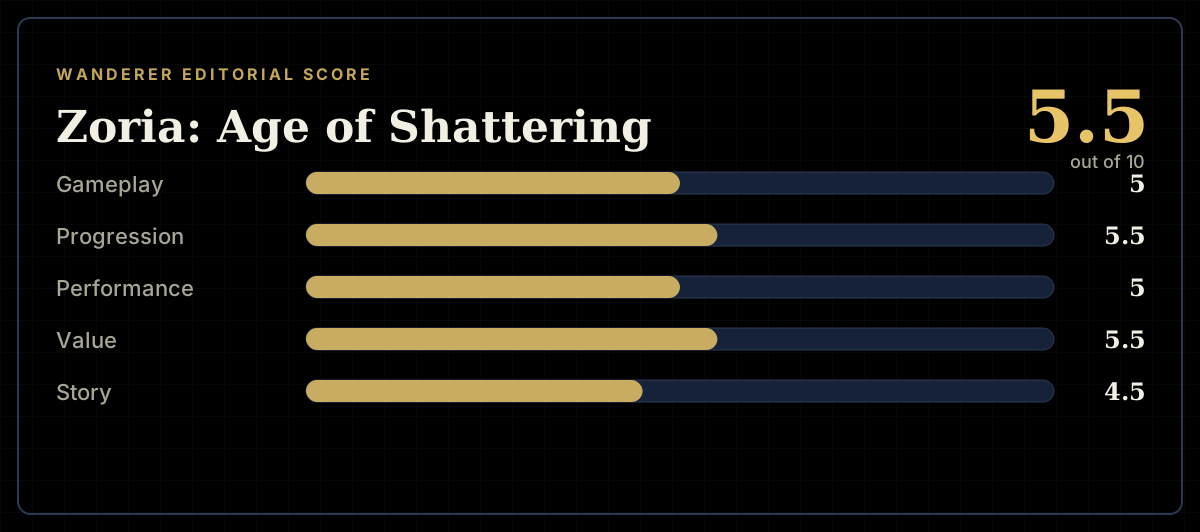
How the review scores each part of the gameWanderer Editorial -
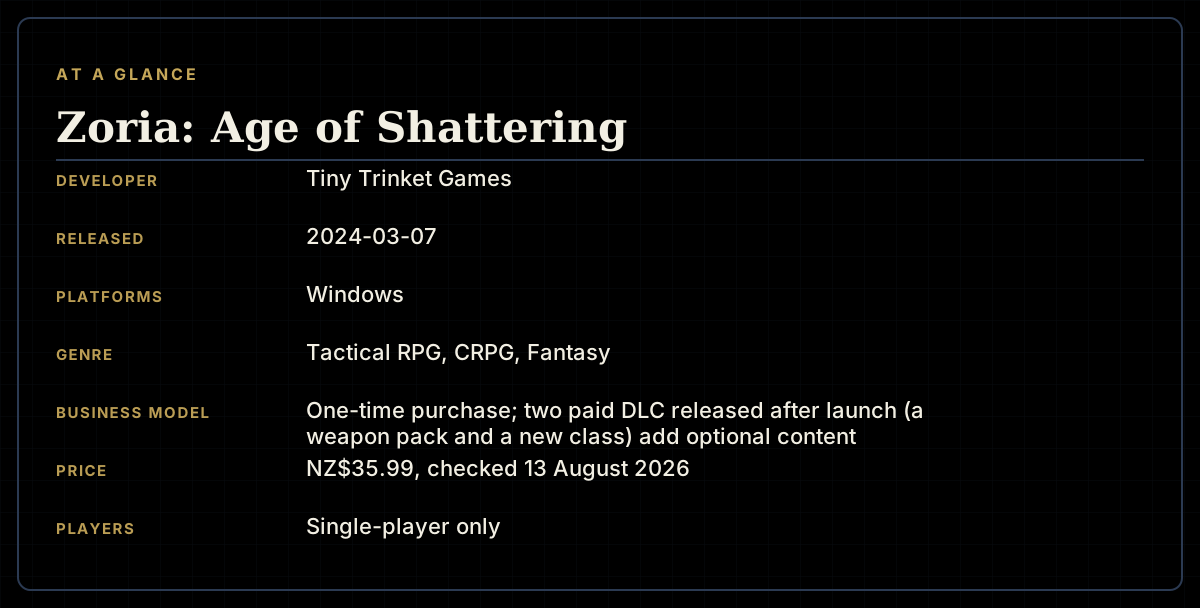
The essentials at a glanceWanderer Editorial -
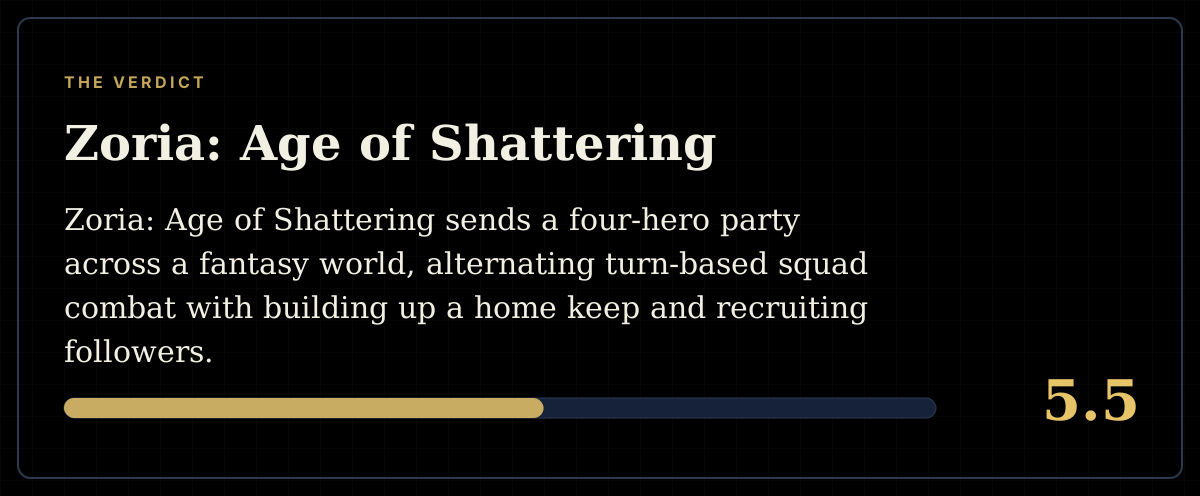
The short versionWanderer Editorial