Game review
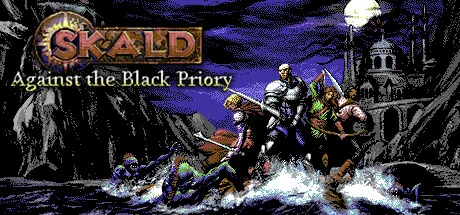
SKALD: Against the Black Priory
8 / 10
- Developer
- High North Studios AS
- Publisher
- Raw Fury
- Released
- 30 May 2024
- Platforms
- Windows, macOS
- Genre
- CRPG, Fantasy RPG, Tactical RPG
- Monetisation
- One-time purchase, no DLC required for the base experience; an optional Reinforcement Pack is sold separately
- Players
- Single-player only
The short version
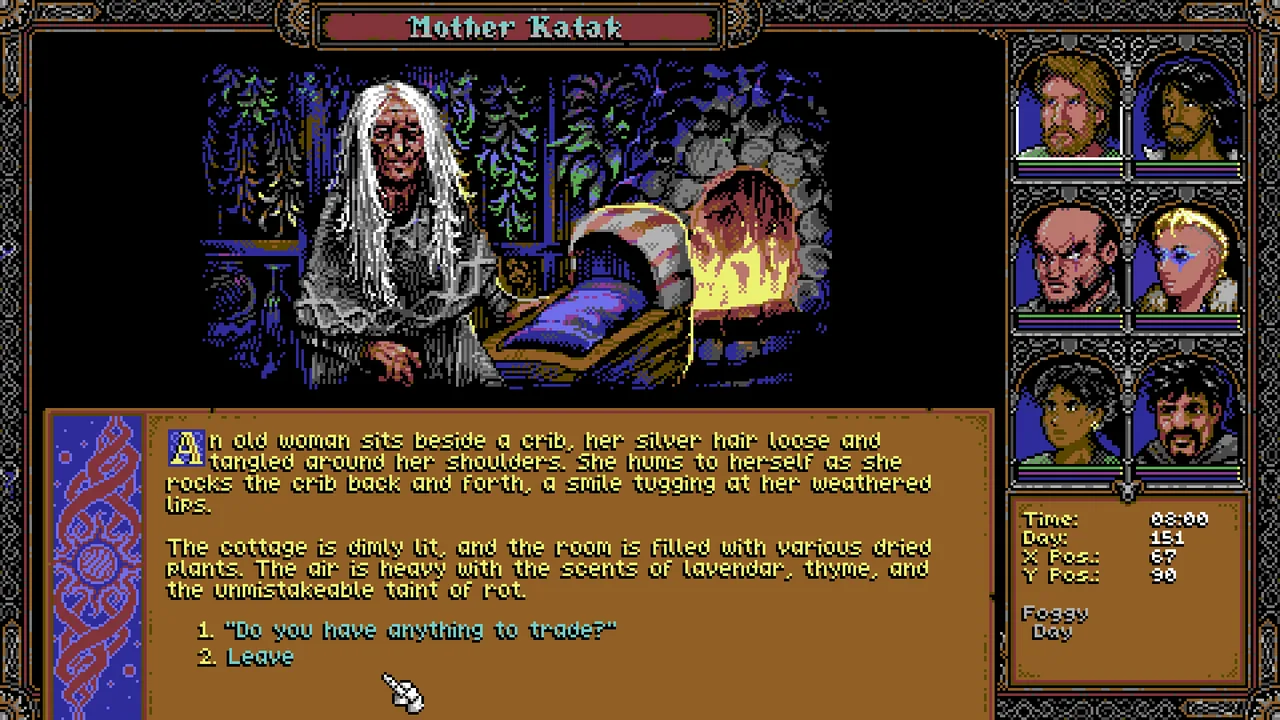
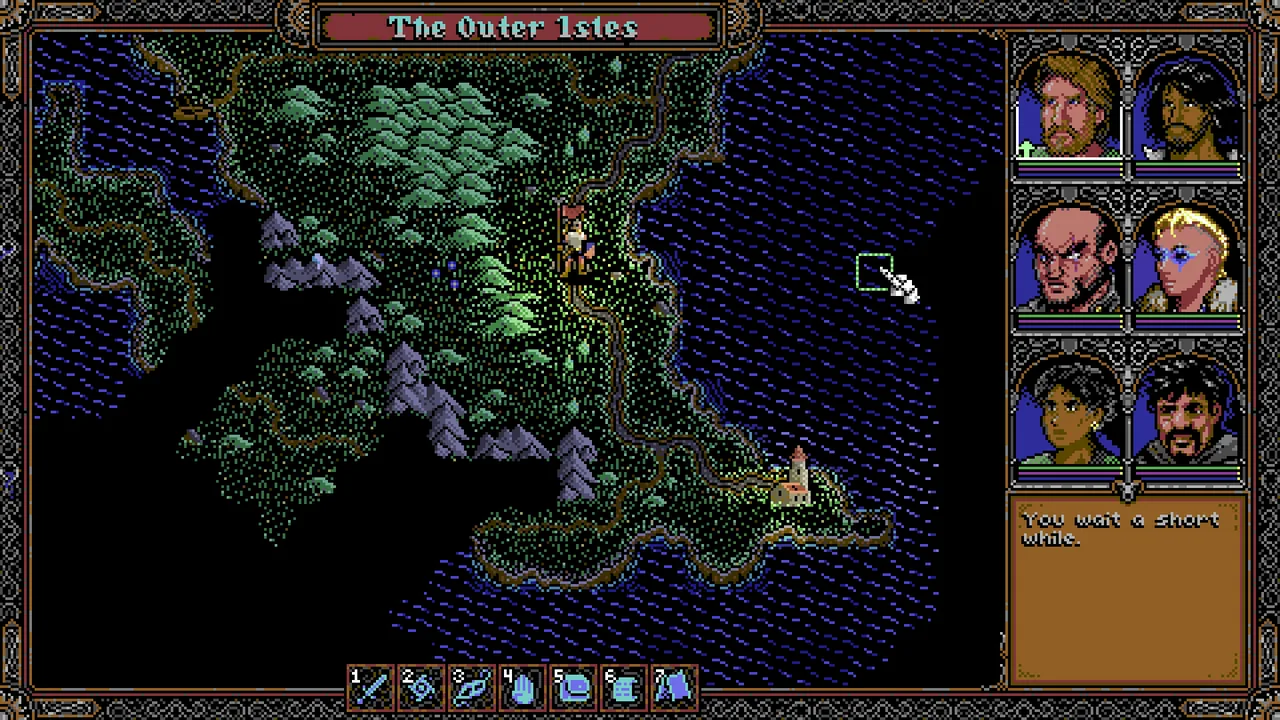
SKALD: Against the Black Priory recreates the look and feel of an early-90s Ultima or Gold Box CRPG down to the dithered pixel art and chunky UI, then builds a genuinely Lovecraftian horror story and tactical, tabletop-inspired combat system underneath it. Made by the small studio High North Studios AS and published by Raw Fury on 30 May 2024, it sits at Very Positive across a substantial 3,144 English-language reviews, and recent sentiment (96 of the last 100) shows no sign of decline. The critical consensus that emerges from reading the full negative sample alongside the top positives is unusually specific: an excellent, sometimes extraordinary first half, a noticeably rushed second half, illegible default fonts several reviewers had to fight the settings menu to fix, and controller support that stayed broken for months after the developer's own dedicated fix attempt.
Biggest strengths
- A genuinely convincing recreation of 80s and 90s CRPG design — Ultima, the Gold Box games and Call of Cthulhu-style horror are the constant reference points across this review's reading of the top positive sample — executed with real conviction rather than as pure nostalgia bait
- A tactical, turn-based combat system built on tabletop-RPG logic that reviewers consistently single out as satisfying without demanding excessive grinding
- Music and sound design draw some of the most enthusiastic praise in the entire sample, including from the game's own credited composer reflecting honestly on the finished product
Biggest weaknesses
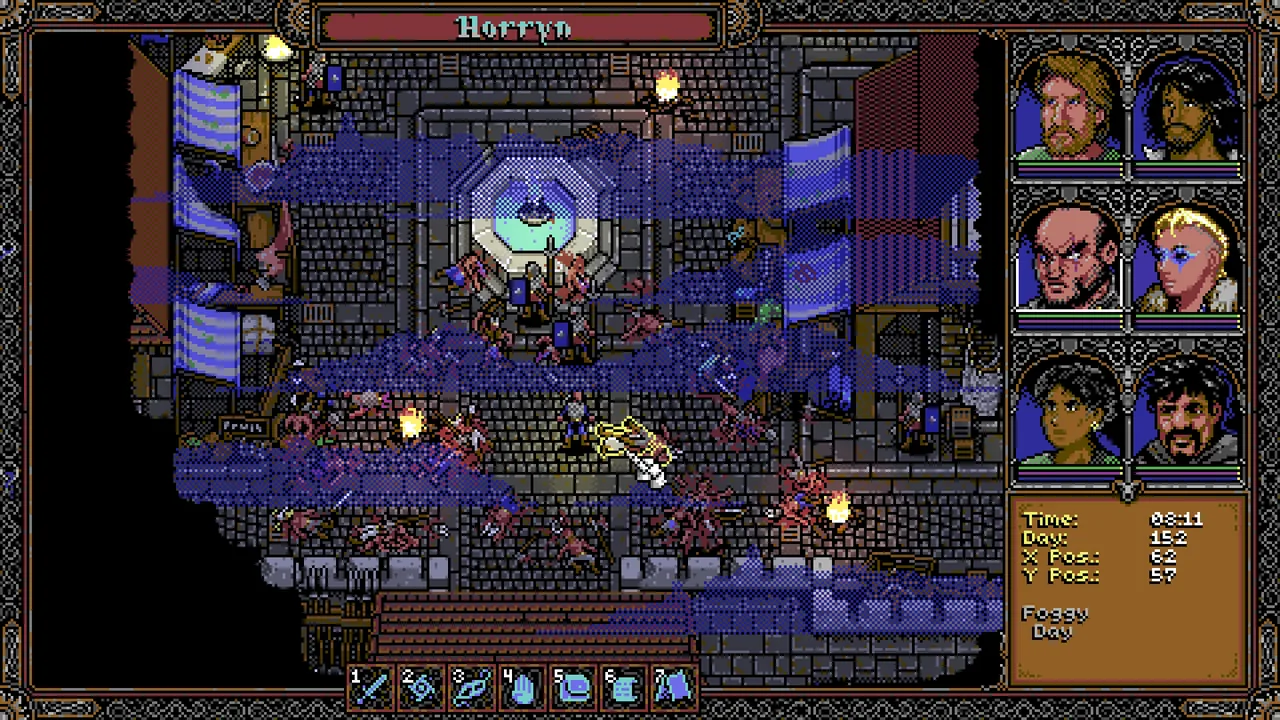
- A specific, highly corroborated complaint runs through several of the most-upvoted negative reviews: the game's first half, through the point the story reaches the town of Horryn, is described as excellent, while writing quality and pacing noticeably decline afterward — several reviewers explicitly recommend stopping there
- The default font is illegible enough that multiple reviewers, including the single highest-voted review in the entire sample, needed to hunt through settings to find a readable configuration, and at least one reviewer returned the game specifically over this
- Despite a genuine, developer-announced September 2024 update adding Steam Deck verification and dedicated controller support, several detailed reviews posted months afterward — into December 2024 and March 2025 — continue to describe controller play as "borderline unplayable"
Who it's for: CRPG fans who grew up on Ultima, the Gold Box games or early Fallout, and anyone who wants genuine cosmic horror without wading through a AAA budget to find it; Steam Deck and controller players should read the caveats below closely before buying for that platform specifically.
Our recommendation: One of 2024's most distinctive small-studio RPGs, worth playing on mouse and keyboard for its atmosphere, writing and music alone, with real and specific caveats about its second half and its still-unresolved controller support.
8 / 10
Introduction
SKALD: Against the Black Priory commits fully to a specific, unfashionable idea: what if a modern developer built a genuinely new CRPG using the exact visual language of an Ultima or Gold Box game from 1992, and then filled it with real cosmic horror rather than nostalgia for its own sake? Made by the small studio High North Studios AS and published by Raw Fury on 30 May 2024, it has become one of the more substantial success stories among 2024's smaller RPG releases — Very Positive across a genuinely large 3,144 English-language reviews, holding at 96% positive among the most recent 100 with no sign of the enthusiasm cooling. Reading through the full negative sample and the top of the positive one together tells a specific, consistent story rather than a scattered one: this is a game whose most serious problems are well understood by its own fanbase, sitting alongside genuine, hard-won praise.
The pitch, and why it lands
The top-voted review in this game's entire history — 180 votes — puts the elevator pitch about as well as it can be put: "Baldur's Gate meets Call of Cthulhu in the style of a Commodore 64 game. An actual CRPG horror game. For $15... Why are you still reading the reviews?" Another, 160 votes, calls it "an excellent distillation of modern CRPG design into a DOS-colored dream," praising it as "deeply respectful of your time while also telling an excellent story." A third describes finishing their first playthrough and being "absolutely blown away by the grotesque beauty of this game," staring at "a pixelated screen in the middle of a dialogue, listening to the gorgeous" score. That last point recurs constantly — the sound design and music draw some of the most consistent praise in the whole sample, and tellingly, the review with the single most votes overall (237) is written by the game's own credited composer, reflecting candidly on both the music and the finished game rather than simply promoting it.
The tactical combat system built underneath all of that atmosphere earns its own credit. Rooted explicitly in tabletop RPG logic — turn order, positioning, resource management between fights — it's consistently described as satisfying without demanding excessive grinding, letting the game move at the pace of its story rather than forcing padding to hit a playtime target.
A first half critics call nearly perfect, and a second half they don't
The single most specific, most consistently repeated criticism across this game's negative sample concerns its pacing across two halves rather than any one system. One of the most-upvoted negatives — 104 votes — states it plainly: "The first half is excellent. Cosmic horror themes are dead on the money. Pacing is great. Characters are well-written... I 100% recommend the game up through the end of the segment where you visit Horryn." A separate review, 42 votes, describes "a drop in quality towards the end regarding writing and locations" that "leaves such a sour taste I can't 100% recommend it," despite calling the overall experience "generally a good experience." A third, 38 votes, titles its whole argument around the idea that this is "a great game in the first half that sadly fails to stick the landing." That's three independently written, highly-voted reviews converging on the identical structural complaint, which makes it worth taking seriously as a real finding rather than one disappointed player's opinion.
Steam's own achievement data offers a useful, more measured counterpoint rather than a confirmation of collapse. Sequential story achievements taper steadily rather than falling off a cliff at the point these reviews describe — from an early milestone at 58.4% down through progressively rarer ones, with roughly 10% of all owners reaching the achievements tied to the game's final chapters. That's a genuinely reasonable completion rate for an RPG of this length, and it suggests most players who reach the back half do see it through rather than abandoning the game outright — the complaint from this review's sample is about a decline in quality players noticed while finishing, not a wall that stopped them from finishing at all.
A font worth checking before you buy, and controller support that stayed broken
Two more specific, practical issues are worth flagging plainly rather than folding into general atmosphere praise. The single highest-voted review in the game's history — 216 votes — opens with real enthusiasm for the horror-CRPG concept before spending much of its length on a concrete accessibility problem: the default font remains difficult to read even after adjusting the in-game options, requiring specific workarounds like disabling the drop shadow. A separate reviewer with only 29 minutes logged returned the game specifically over this, writing that they "couldn't make out things on the screen" despite not minding retro graphics generally.
The more serious and better-documented issue concerns controller support. The developer clearly took this seriously: an August 2024 update post describes "a huge lift for controller and Steam Deck play," and the resulting September 2024 update formally added Steam Deck Verified status alongside dedicated controller support and a new class. What the review record shows afterward is that the fix didn't resolve the underlying problem for a meaningful share of players. Reviews dated December 2024, and two more from February and March 2025 — all well after the update shipped — continue to describe controller play as "borderline unplayable," "the most cumbersome controls in any game I've played," and, in the most detailed of the three, note that the developer has "confirmed" no further work on it is planned. Buyers who specifically intend to play on Steam Deck or controller should treat the "Verified" badge with real caution based on this record, even though the developer's initial effort to address it was genuine.
Final Verdict
SKALD: Against the Black Priory is one of 2024's most distinctive and best-loved small-studio RPGs, and the praise in its review history is earned — a genuine cosmic-horror CRPG built with real craft, an outstanding soundtrack, and tactical combat that respects the player's time. What keeps it from the top of the scale is equally specific and equally well documented by its own fans: a second half that a meaningful, highly-voted share of players say doesn't match the first, a default font legible enough to draw a return over, and controller support that remains genuinely troubled well after a real attempt to fix it. On mouse and keyboard, this is an easy recommendation for anyone who ever loved Ultima or the Gold Box games. On Steam Deck or controller, go in with the review record above firmly in mind.
Pros and cons
Pros
- A genuinely convincing recreation of 80s and 90s CRPG design — Ultima, the Gold Box games and Call of Cthulhu-style horror are the constant reference points across this review's reading of the top positive sample — executed with real conviction rather than as pure nostalgia bait
- A tactical, turn-based combat system built on tabletop-RPG logic that reviewers consistently single out as satisfying without demanding excessive grinding
- Music and sound design draw some of the most enthusiastic praise in the entire sample, including from the game's own credited composer reflecting honestly on the finished product
- Genuinely fair value at NZ$21.99 for the length and density of story on offer, according to the overwhelming majority of this review's sample
Cons
- A specific, highly corroborated complaint runs through several of the most-upvoted negative reviews: the game's first half, through the point the story reaches the town of Horryn, is described as excellent, while writing quality and pacing noticeably decline afterward — several reviewers explicitly recommend stopping there
- The default font is illegible enough that multiple reviewers, including the single highest-voted review in the entire sample, needed to hunt through settings to find a readable configuration, and at least one reviewer returned the game specifically over this
- Despite a genuine, developer-announced September 2024 update adding Steam Deck verification and dedicated controller support, several detailed reviews posted months afterward — into December 2024 and March 2025 — continue to describe controller play as "borderline unplayable"
- A handful of reviewers report interactable objects not consistently responding to clicks during exploration, and at least one reports a game-breaking bug that forced a restart after nine hours of progress
Screenshots
-
SKALD: Against the Black PrioryImage: Raw Fury via Steam -
SKALD: Against the Black PrioryImage: Raw Fury via Steam -
SKALD: Against the Black PrioryImage: Raw Fury via Steam -
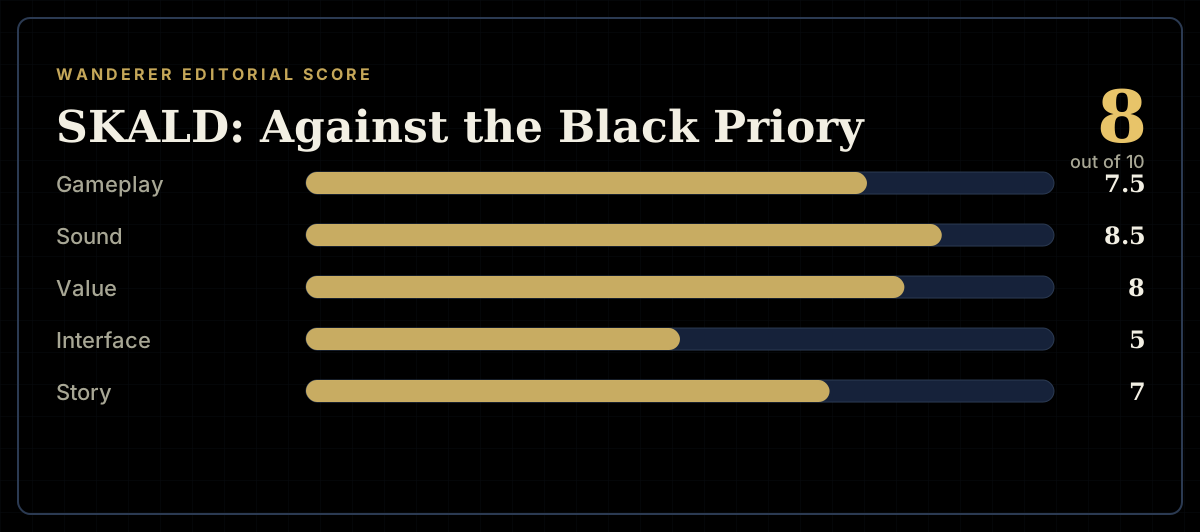
How the review scores each part of the gameWanderer Editorial -
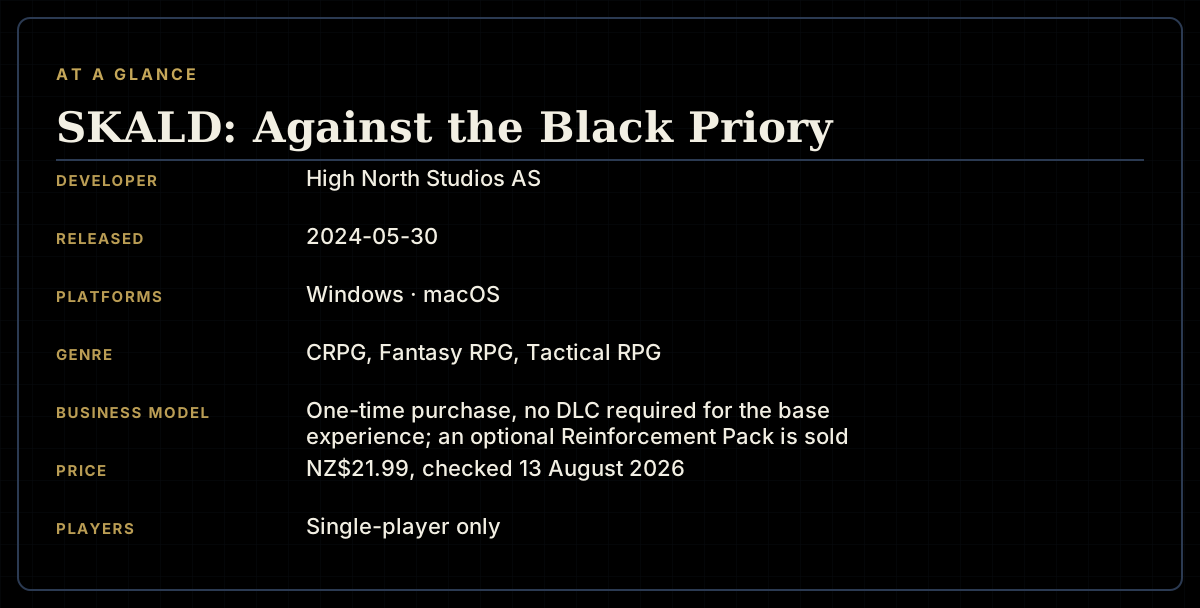
The essentials at a glanceWanderer Editorial -
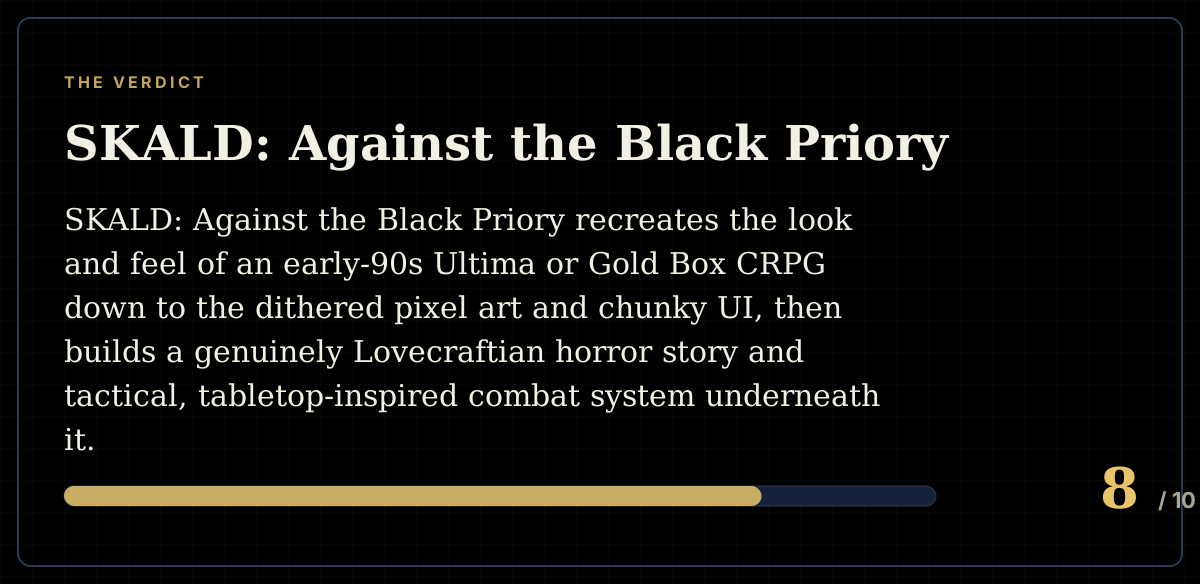
The short versionWanderer Editorial