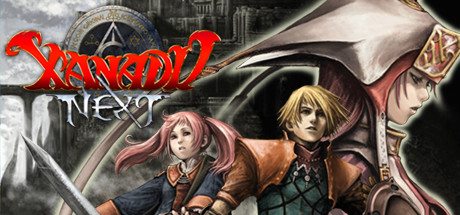
Game review
Xanadu Next
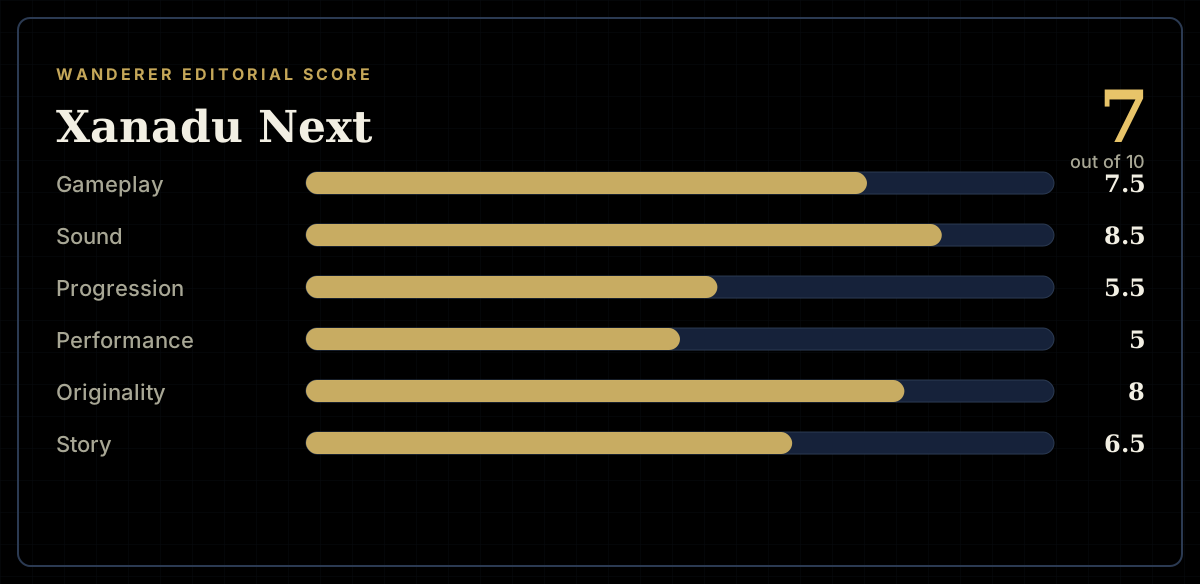
7 / 10
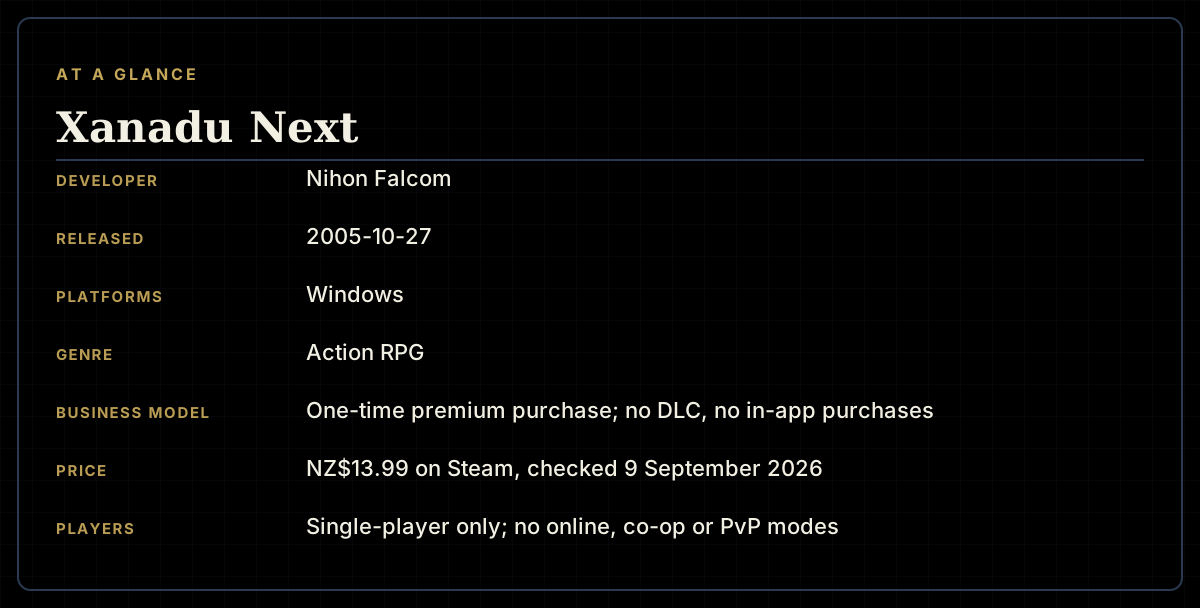
- Developer
- Nihon Falcom
- Publisher
- XSEED Games, Marvelous USA, Inc.
- Released
- 27 October 2005
- Platforms
- Windows
- Genre
- Action RPG
- Monetisation
- One-time premium purchase; no DLC, no in-app purchases
- Players
- Single-player only; no online, co-op or PvP modes
The short version
Xanadu Next was Nihon Falcom's own deliberate departure from its usual style: a slower, more methodical action-RPG set around a single interconnected castle, with a bleak, melancholic atmosphere and a hub area a resurrected protagonist keeps returning to. Reviewers, independently and repeatedly, describe the resemblance to a much later, far more famous game as uncanny — multiple separate reviews float the theory that this 2005 release may have been "the smoking gun for where FromSoft got the idea" for Dark Souls' interconnected world design, years before that series existed.
That striking reputation comes with real costs specific to this 2016 Western Steam release. Multiple reviewers report longstanding, unresolved stuttering and crashing issues. A native Japanese-speaking reviewer reports something more unusual and specific: the original Japanese language track, present in the game as originally released in Japan, was removed entirely from this localization. Both are concrete, checkable complaints about this specific release rather than the underlying game's design.
Biggest strengths
- A striking, independently repeated reviewer theory that this 2005 game's interconnected level design, hub structure and deliberate difficulty may have directly influenced Dark Souls, years before that series existed — a genuinely rare kind of historical significance
- Methodical, deliberately paced action combat that reviewers consistently praise as more considered than typical hack-and-slash ARPGs, closer in spirit to King's Field than Diablo
- A widely and specifically praised soundtrack from Falcom Sound Team jdk, cited by reviewers as a highlight even among a genre known for strong music
Biggest weaknesses
- A specific, striking complaint from a native Japanese-speaking reviewer: the original Japanese-language track present in the game's native 2005 release was removed entirely from this Western Steam localization, described by that reviewer as tainting their memory of a favorite game
- Multiple reviewers report longstanding, unresolved technical instability — frequent stuttering and crashing reported as an ongoing issue for years with little effective fix available
- A detailed reviewer complaint argues the game's "free-form" stat and class system is less flexible than advertised, describing at least one boss encounter effectively requiring a full build reroll (from a warrior build to a mage build) to progress
Who it's for: Action-RPG and Souls-adjacent fans curious about a possible genre precursor, and Falcom soundtrack fans. Less suited to native Japanese speakers wanting the original language track, or players sensitive to unresolved stability issues on modern PCs.
Our recommendation: A historically fascinating, genuinely well-crafted action-RPG worth experiencing for genre historians and Souls fans alike — just go in aware of this specific release's real stability issues and the missing original-language option.
7 / 10
Xanadu Next arrived in Japan in 2005 as Nihon Falcom's own deliberate departure from its usual output — slower, more methodical, and built around a single interconnected castle rather than the sprawling, fast-paced worlds the studio was known for. It took eleven years to reach Steam in English, and by the time it did, something unusual had happened to its reputation: reviewers started noticing how much it resembled a game that didn't exist yet when it was made.
A striking, independently repeated theory
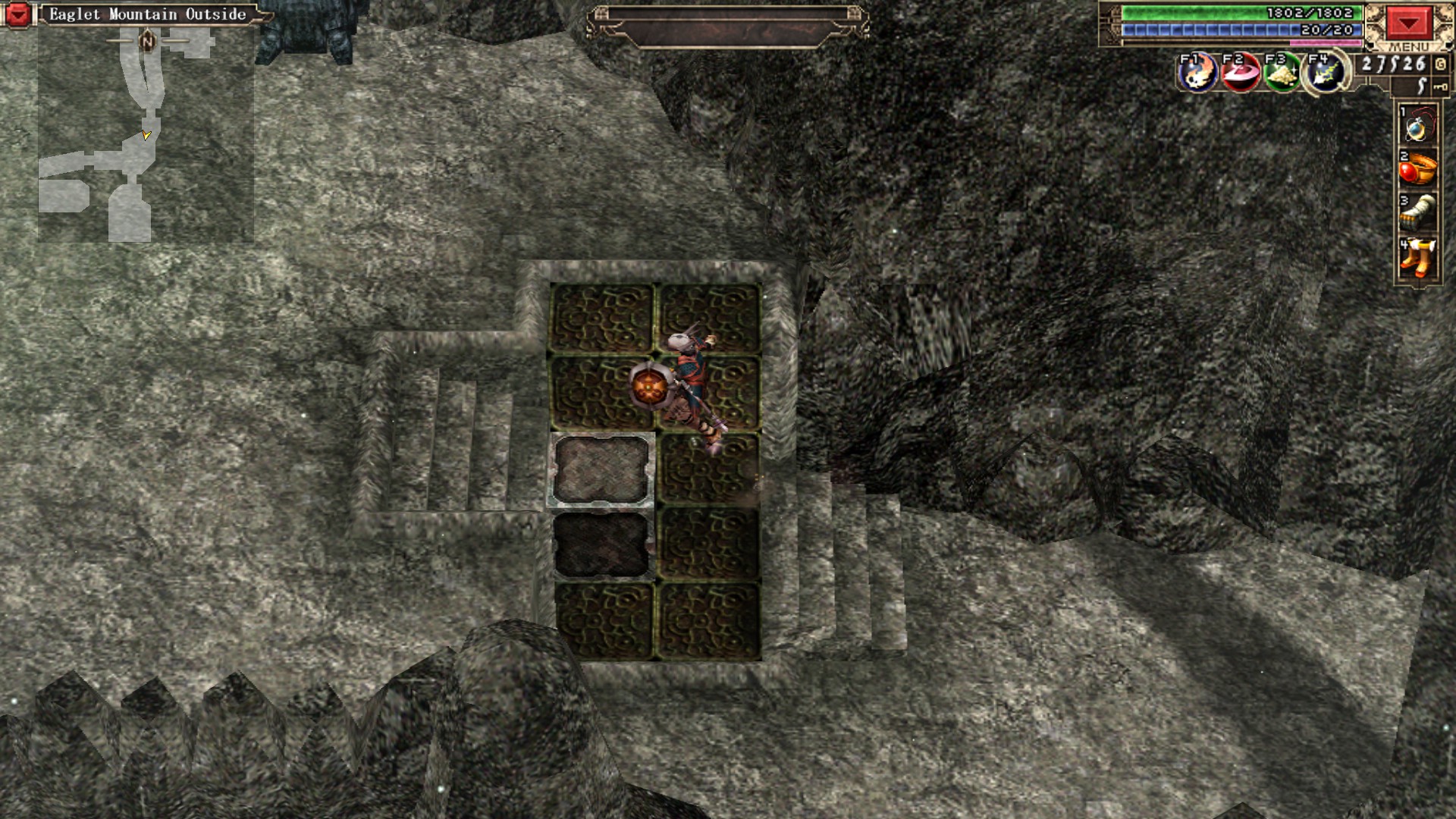
The comparison to Dark Souls comes up constantly, and not vaguely — reviewers point to specific, matching design choices. One review calls it plainly "a precursor to what the Souls games accomplished," while a separately written review goes further: "This might be the smoking gun for where FromSoft got the idea for how to design the world" — pointing to the game's single, interconnecting castle map, a central hub area the resurrected protagonist keeps returning to, and a deliberately bleak, melancholic atmosphere layered over genuinely difficult, backstab-capable combat. Multiple separate reviewers make this same comparison independently, in their own words, without citing each other — which is a meaningfully stronger signal than one reviewer's pet theory repeated in review titles. Whether or not FromSoftware ever played this specific game, reviewers agree the resemblance is real and specific enough to be worth naming directly, not just a vague "it's dark and hard" comparison.
What the game does on its own terms
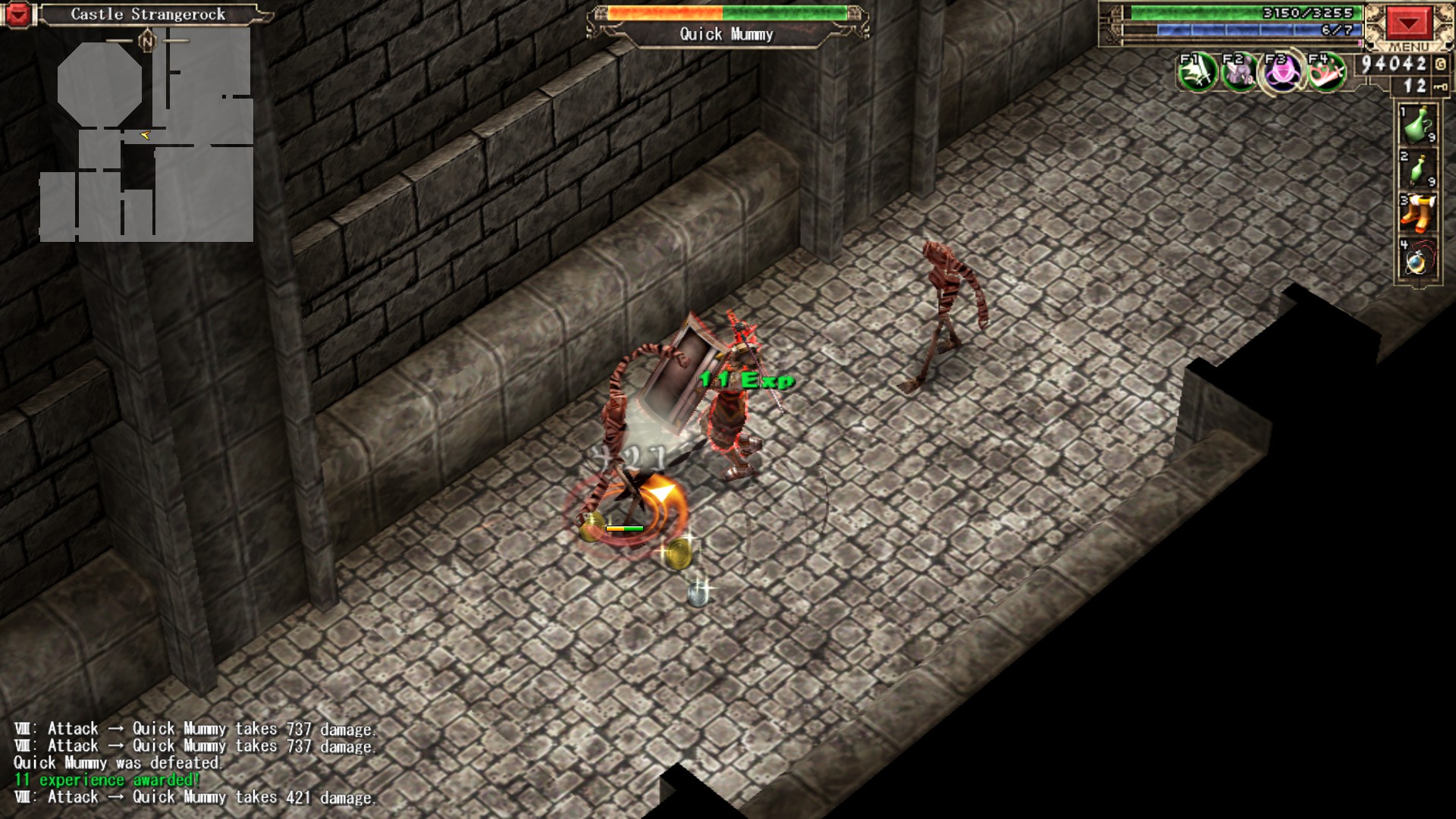
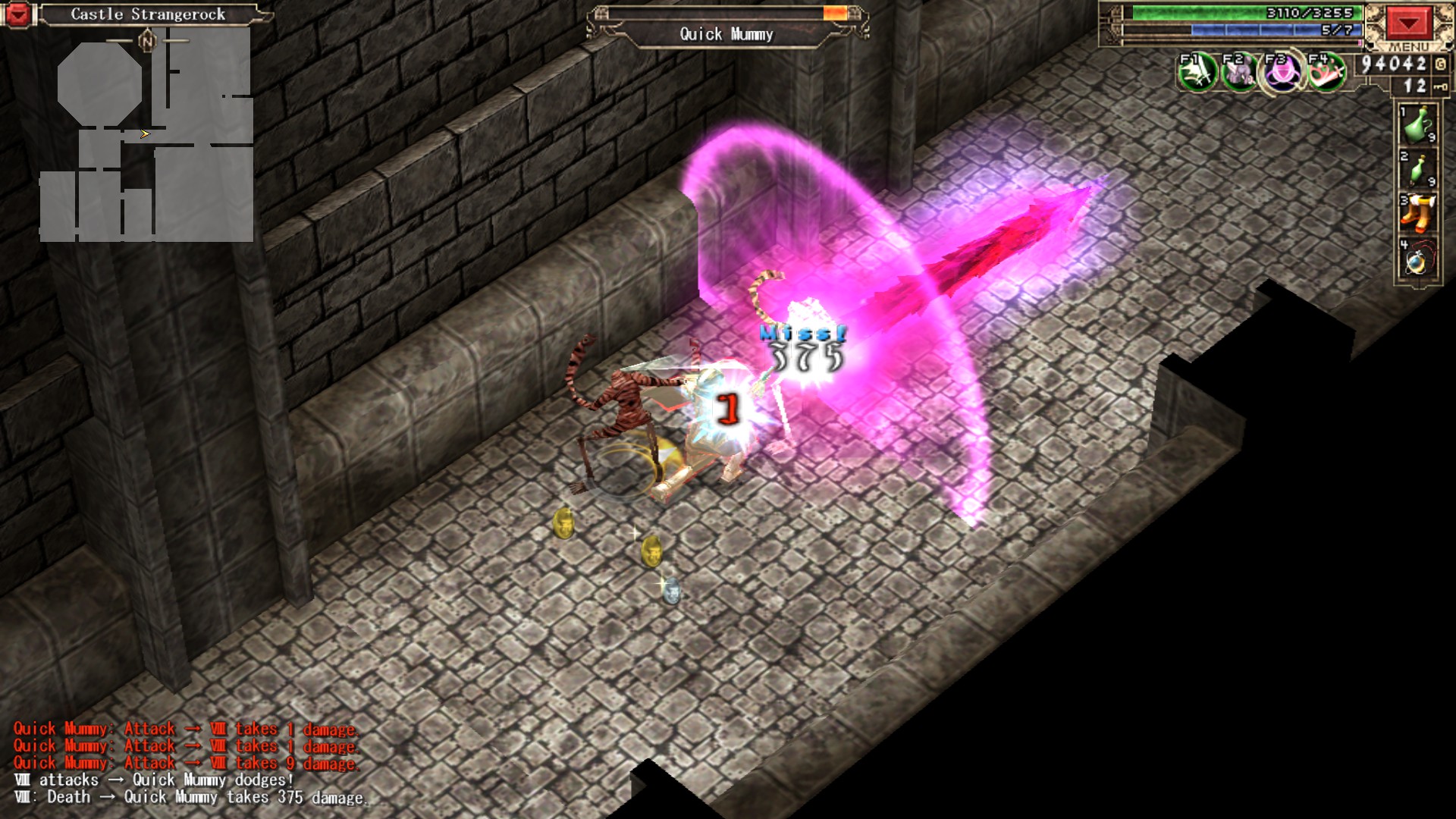
Set the Souls comparison aside and Xanadu Next still earns real, specific praise. Its combat is described as methodical and considered — "combat's methodical, skills are used more sparingly, loot and dungeons are all fixed," one detailed review notes, comparing it more to King's Field than Diablo despite surface-level similarities to both. The soundtrack, from Falcom's own longstanding Sound Team jdk, draws consistent, specific praise even in a genre where strong music is often taken for granted. The writing leans on atmosphere and lore over dialogue-heavy plot, and several reviewers say that restraint suits the game's tone well, even acknowledging its age shows in the complete absence of voice acting.
A specific, striking loss for the game's original audience
The most unusual complaint in this review sample doesn't concern gameplay at all. One reviewer, writing partly in Japanese, points out something this Western Steam release actually removed: the original game's native Japanese language track. "The Original game was made by a Japanese developer in Japanese Language... But, Japanese Language has been removed in the steam version. I felt tainted my memory of my favorite game." That's a specific, checkable claim about what this localization strips out relative to the game's original release, and a genuinely unusual complaint to see — most localization gripes run the other direction (a missing English option), not a native-language track disappearing from a port of a game originally made in that language.
Real technical instability and a design-honesty complaint
Beyond that, two more concrete issues recur. Several reviewers report ongoing stuttering and crashing they describe as unresolved for years, with one reviewer specifically noting "little to no solution exist online as people have been posting about said issues for years with little result" — a real, longstanding reliability problem rather than a one-off configuration issue. Separately, a detailed reviewer pushes back on how "free-form" the game's stat and class system actually is, describing at least one boss fight that's effectively unbeatable with a warrior build, forcing a full reroll into a mage build to progress — a specific example of the system offering less genuine flexibility than its framing suggests.
What the achievement curve shows
Steam's achievement data offers a useful independent check on how the game's difficulty actually plays out for a wider audience. Boss-defeat milestones sit in a healthy range — the earliest around 40%, tapering to roughly a quarter of the playerbase for later encounters — while the deepest completionist goals (maxing every guardian ability, clearing every map, earning every achievement) sit under 2%. That's a reasonably normal shape for a genuinely difficult but fair action-RPG, consistent with reviewers' broader account of the game rewarding patience and careful play rather than gating basic progress behind an artificial wall.
Discovery, decades later
Several reviewers frame their experience explicitly as a "hidden gem" discovery rather than returning to a known classic — multiple describe going in expecting nothing and being genuinely surprised, with more than one comparing the feeling to finding a lost PS1-era Squaresoft RPG. Given the game's eleven-year gap between its original Japanese release and this English localization, that's not surprising: most of its current Steam audience is encountering a twenty-year-old game for the first time, with none of the built-in nostalgia a Western contemporary from the same era might carry. That the response is still this positive, this far removed from any nostalgia effect, is itself a reasonably strong signal that the underlying design holds up on its own merits.
Where it lands
Xanadu Next's reputation as a possible, genuinely uncanny precursor to one of the most influential action-RPG franchises of the following decade is a rare and specific kind of historical significance, and the game holds up well enough on its own terms — methodical combat, a genuinely great soundtrack, atmospheric writing — that the comparison doesn't feel like the only reason to play it. But this specific 2016 Western release carries real, concrete costs: unresolved technical instability multiple reviewers describe as a years-long problem, a stat system less flexible than advertised, and, most strikingly, the complete removal of the original Japanese language track for a game a Japanese-speaking reviewer clearly still holds dear.
Pros and cons
Pros
- A striking, independently repeated reviewer theory that this 2005 game's interconnected level design, hub structure and deliberate difficulty may have directly influenced Dark Souls, years before that series existed — a genuinely rare kind of historical significance
- Methodical, deliberately paced action combat that reviewers consistently praise as more considered than typical hack-and-slash ARPGs, closer in spirit to King's Field than Diablo
- A widely and specifically praised soundtrack from Falcom Sound Team jdk, cited by reviewers as a highlight even among a genre known for strong music
- Genuinely atmospheric, lore-focused dark fantasy writing that several reviewers say holds up well despite predating voice acting norms in the genre
- Achievement data shows a real, gradual difficulty and completion curve rather than an artificial wall, consistent with reviewers' accounts of fair, if demanding, late-game content
Cons
- A specific, striking complaint from a native Japanese-speaking reviewer: the original Japanese-language track present in the game's native 2005 release was removed entirely from this Western Steam localization, described by that reviewer as tainting their memory of a favorite game
- Multiple reviewers report longstanding, unresolved technical instability — frequent stuttering and crashing reported as an ongoing issue for years with little effective fix available
- A detailed reviewer complaint argues the game's "free-form" stat and class system is less flexible than advertised, describing at least one boss encounter effectively requiring a full build reroll (from a warrior build to a mage build) to progress
- Controller support is reported as broken or inconsistent by some players, with cursor and input issues specifically flagged
- No voice acting, which one reviewer notes would likely have suited the story well but is absent, unsurprising for a game of this age
Screenshots
-
Xanadu NextImage: XSEED Games via Steam -
Xanadu NextImage: XSEED Games via Steam -
Xanadu NextImage: XSEED Games via Steam -
How the review scores each part of the gameWanderer Editorial -
The specsWanderer Editorial -
The short versionWanderer Editorial