
Game review
Vernal Edge
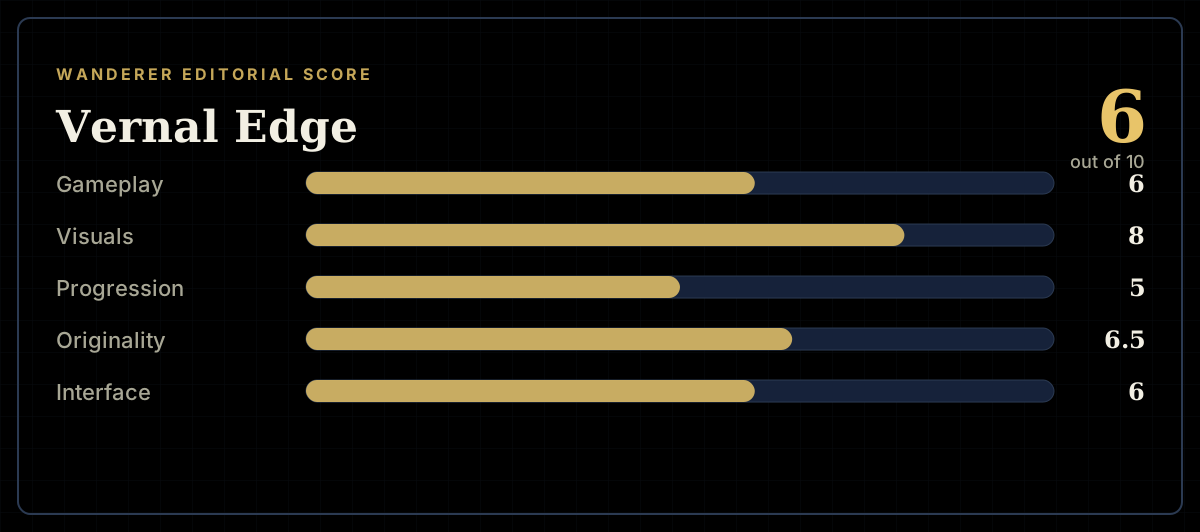
6 / 10
- Developer
- Hello Penguin Team LLC
- Publisher
- Dear Villagers
- Released
- 14 March 2023
- Platforms
- Windows
- Genre
- Action Platformer
- Monetisation
- One-time premium purchase; no ads, DLC or in-game store found
- Players
- Single-player only; no online, co-op or PvP modes
The short version
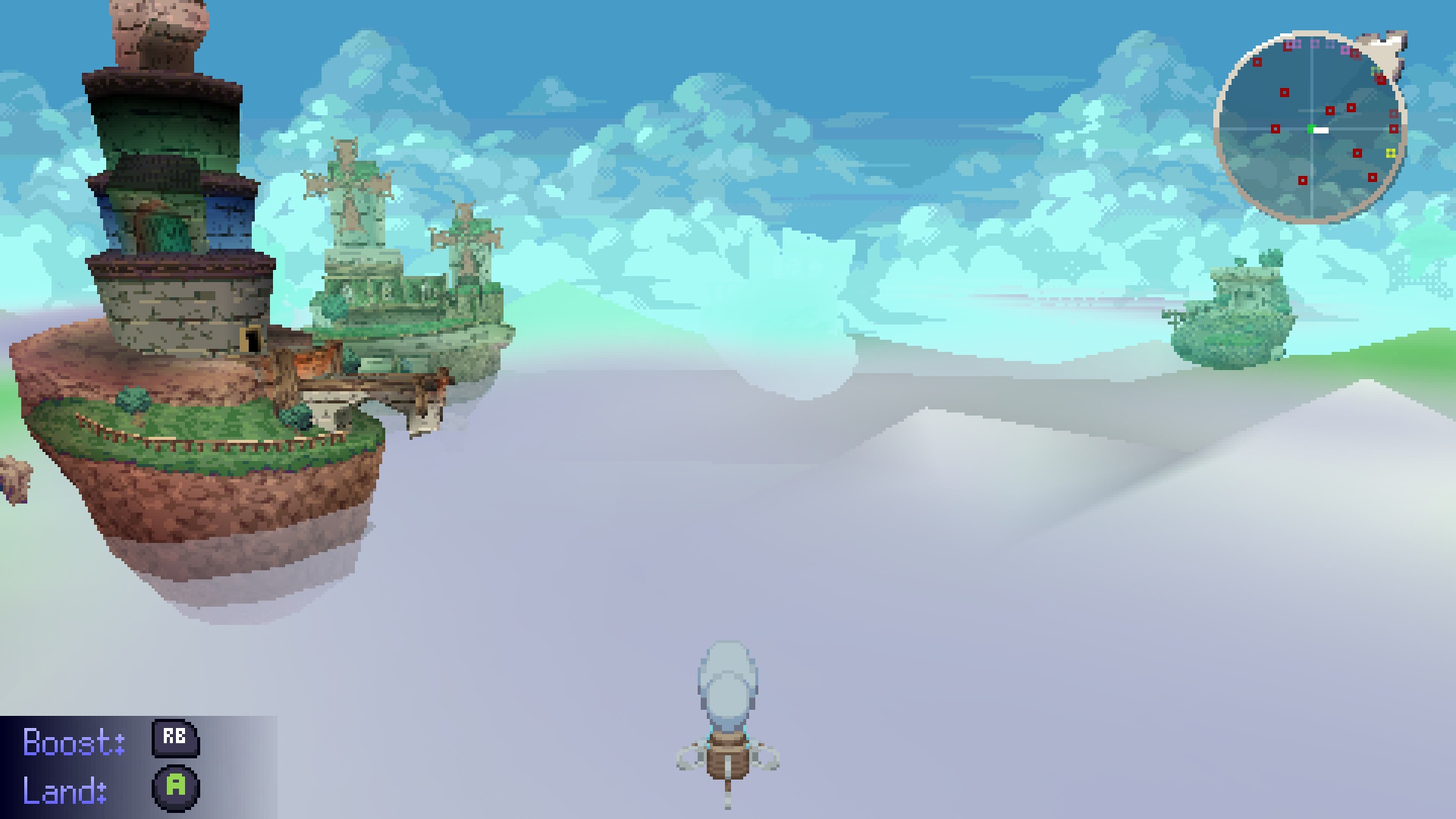
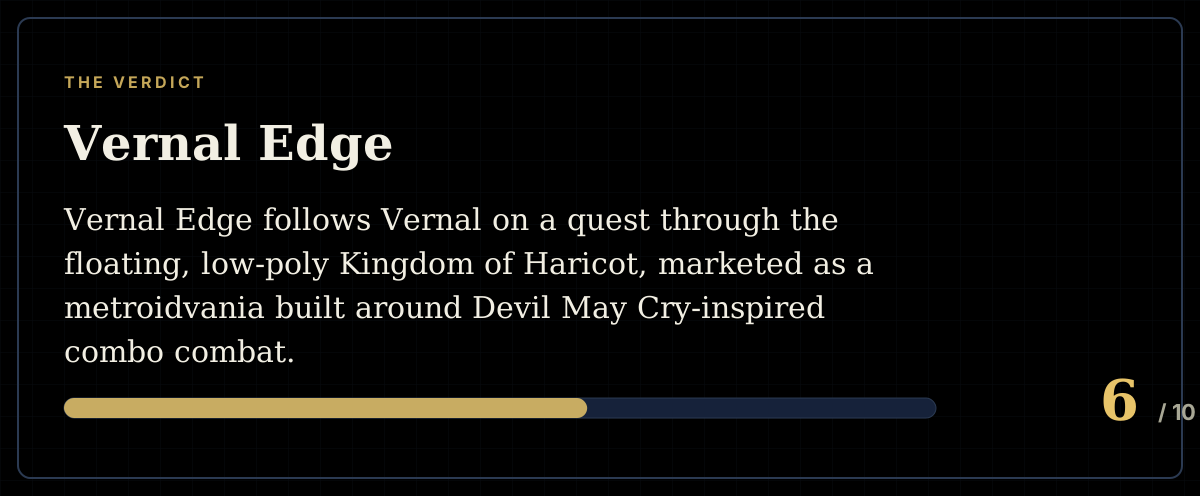
Vernal Edge follows Vernal on a quest through the floating, low-poly Kingdom of Haricot, marketed as a metroidvania built around Devil May Cry-inspired combo combat. Reviewers consistently praise its distinctive Sega Saturn-era aesthetic and genuinely satisfying movement and platforming feel, with several going as far as calling the exploration some of the best metroidvania-adjacent level design they've encountered.
A substantial share of reviewers push back hard on that framing, though: rather than an interconnected world rewarding backtracking, they describe a hub-and-stage structure with largely linear levels, some explicitly noting there's little reason to revisit earlier areas once you leave them — a direct contradiction of the developer's own pre-launch marketing, which promised new abilities would "unlock alternate paths and routes through previously explored areas." Combat draws real praise for its combo depth but equally real criticism for repetitive forced encounters, limited enemy variety, and specific enemy designs several reviewers call outright unfair.
Biggest strengths
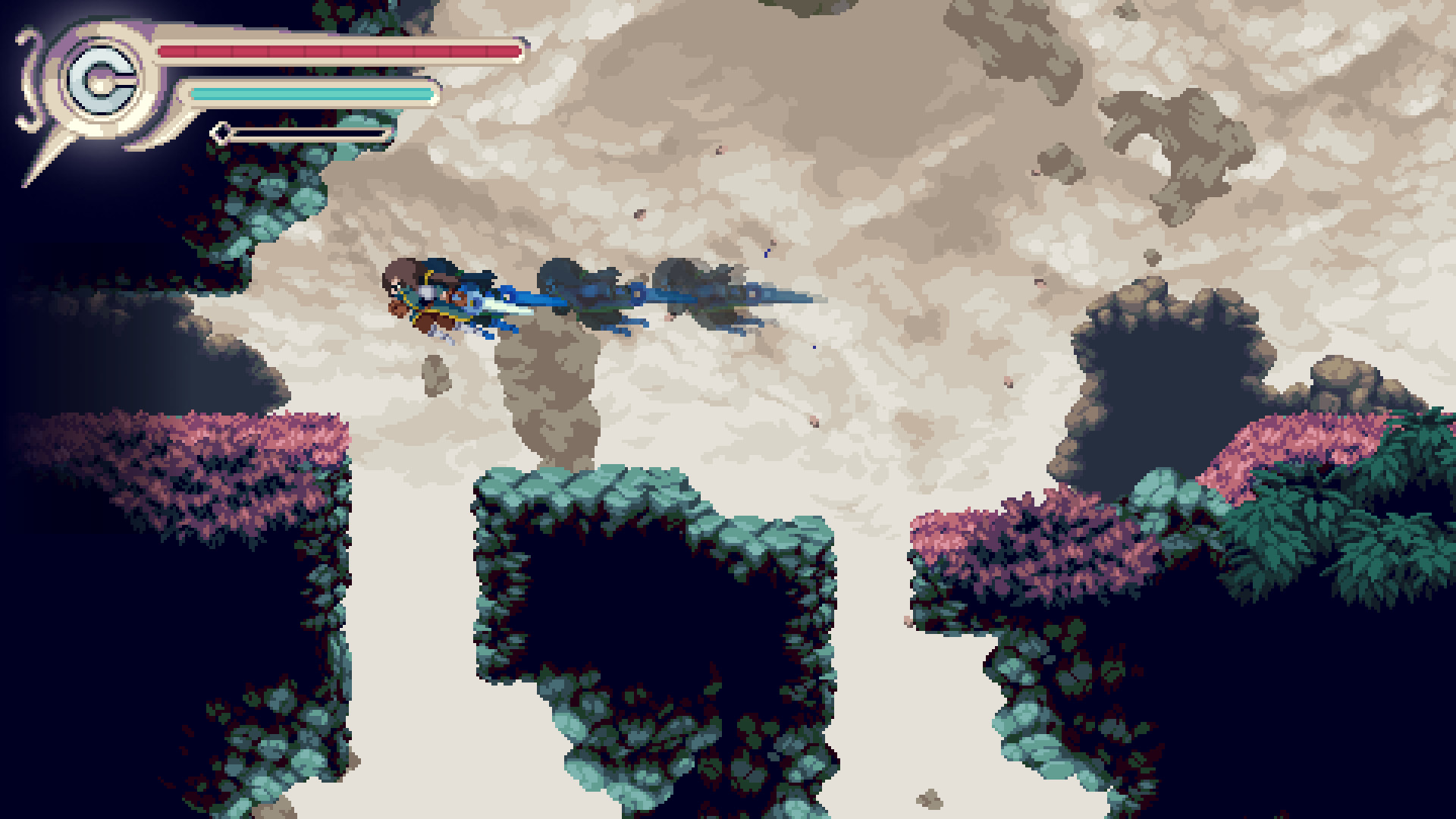
- A distinctive, striking low-poly art style that multiple reviewers compare favourably to Sega Saturn-era games, standing out clearly from typical pixel-art platformer aesthetics
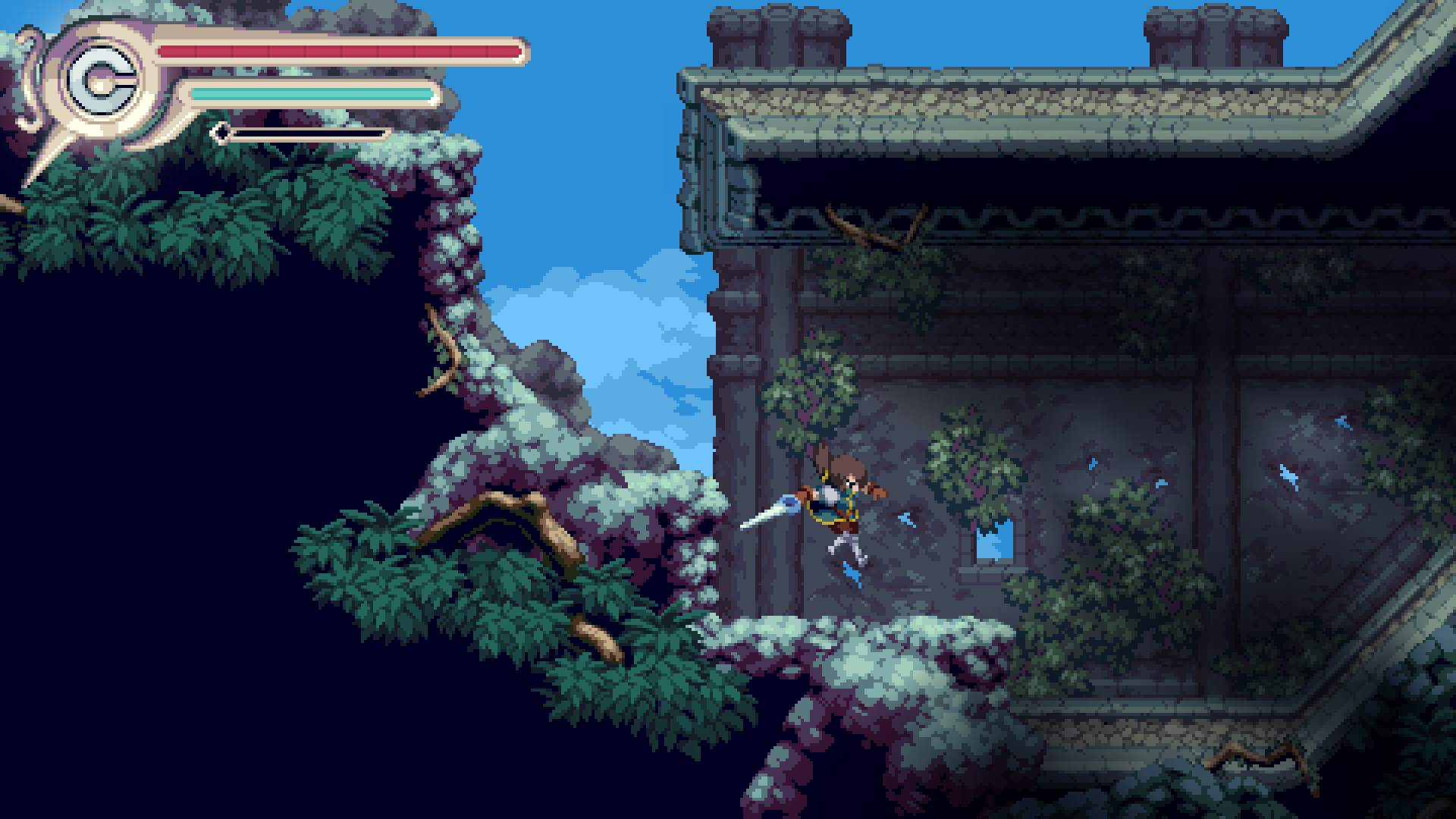
- Genuinely satisfying movement and platforming feel, with fluid traversal mechanics reviewers consistently single out as a highlight independent of the combat or exploration debates
- Deep, Devil May Cry-inspired combo combat offering real build variety through spells, charge attacks and combo potential, praised by reviewers who came in expecting a shallower system
Biggest weaknesses
- A substantial share of reviewers dispute the "metroidvania" label directly, describing a hub-and-stage structure with largely linear levels and little incentive to revisit earlier areas, contradicting the developer's own pre-launch promise of "alternate paths and routes through previously explored areas"
- Regular combat is repeatedly criticized as repetitive due to limited enemy variety, with reviewers describing forced arena encounters that lock players in rooms against waves of the same few enemy types
- Specific enemy designs are called outright unfair by multiple reviewers, citing uncounterable projectile spam, unclear hitscan attack timing, and enemies that can restore their stagger bar without a clear counterplay option
Who it's for: Fans of stylish, combo-focused action platformers who value movement feel and art direction over genuine metroidvania interconnectedness. Less suited to anyone specifically seeking a traditional metroidvania experience or wanting varied, consistently fair combat encounters throughout.
Our recommendation: Worth it for the movement, art and combat depth specifically, but temper expectations about the metroidvania label — go in expecting a more linear, stage-based experience than the marketing implies.
6 / 10
Vernal Edge sends its title character across the floating, low-poly Kingdom of Haricot hunting for her missing father, wrapped in a distinctive Sega Saturn-era art style and marketed heavily as a metroidvania with combat inspired by Devil May Cry's stylish combo systems. Reviewers who picked it up on that pitch found a genuinely divisive game — one where the parts that work draw real, specific praise, and the parts that don't draw equally specific, well-corroborated criticism.
Movement and art that earn their praise
What almost no reviewer disputes is how the game feels to move through. Traversal mechanics draw consistent praise for fluidity and satisfaction, with more than one reviewer specifically comparing the platforming favourably to classic Zelda dungeon design, structured around two rounds of explorable areas that can often be tackled out of strict order. The art direction is an equally consistent highlight, with reviewers repeatedly invoking Sega Saturn-era games and 1990s developer Treasure as reference points for its striking, low-poly aesthetic — a genuinely distinctive look in a genre dominated by pixel art. Combat, when it clicks, draws real praise too: a Devil May Cry- inspired combo system with meaningful depth in spells, charge attacks and combo potential that several reviewers say exceeded their expectations for a smaller-scale action platformer.
A metroidvania label the actual structure doesn't earn
Set against that praise, this review's research turned up a specific, substantial complaint: a meaningful share of reviewers directly dispute the "metroidvania" framing the game is marketed under. Rather than an interconnected world that rewards backtracking as new abilities open up previously inaccessible paths, reviewers describe a hub-world structure where you select largely linear stages, with branching paths that mostly loop back to the start of a section rather than opening genuinely new routes. One reviewer states it plainly: after the world opens up near the beginning, "there's no reason to come back to any island after you explored it." That's a direct contradiction of the developer's own pre-launch marketing, which explicitly promised that new abilities would "unlock alternate paths and routes through previously explored areas" — a real gap between what was promised and what reviewers report experiencing.
Combat that's praised and criticized in the same breath
Regular combat encounters draw the most consistently split reaction of anything in the game. Reviewers who enjoy the combo system praise its depth and the challenge of individual boss fights, which multiple reviews single out as a highlight even within otherwise critical reviews. But an equally substantial share describe standard encounters as repetitive, citing limited enemy variety and forced arena fights that lock players in a room against waves of the same handful of enemy types until they're cleared. Several reviewers go further, citing specific enemy designs they consider outright unfair on higher difficulties — uncounterable projectile spam, unclear hitscan attack timing, and enemies capable of restoring their stagger bar without any clear counterplay option available to the player.
What the achievement data confirms
Global achievement figures back up the shape of a game that loses a real share of its audience to frustration before the end. Only 13.7% of the playerbase has completed the base campaign, and just 1.4% have done so on Hard difficulty — a notably low completion rate that's consistent with reviewer accounts of repetitive, occasionally unfair combat encounters driving players away well before the credits, rather than a story or pacing problem specifically.
A short support window
To the developer's credit, a real technical problem at launch — memory leaks and instability tied to how the game handled frame drops and lag — was directly addressed within about three weeks, with a patch specifically limiting frame-skip behavior and fixing several named memory leak sources tied to map transitions and the title screen. What's notable is how concentrated that support window was: the bulk of bugfixing activity happened in March and April 2023, shortly after the 14 March launch, with little indication of substantial patch activity since. For a game whose reviewers raise real, specific design complaints beyond simple bugs, that narrower support window means those complaints — the metroidvania framing gap and the encounter design issues — appear to remain as originally shipped.
Weighing a defensive minority fairly
Worth noting separately is that some of the game's strongest defenders push back hard on the criticism above, with at least one detailed positive review dismissing much of the negative feedback as unreasonable and specifically praising the same combat and genre-departure choices other reviewers criticize. That's a legitimate perspective — Vernal Edge never claims to be a pure metroidvania beyond its store tags, and reviewers who approach it as a stylish action platformer first do report a more consistently positive experience than those holding it to a stricter genre standard. But the sheer number of independent reviews raising the same specific structural and combat complaints, often with detailed, evidence-citing accounts rather than vague dissatisfaction, suggests these are genuine design tensions rather than a small vocal minority talking past a otherwise-satisfied majority. A Mostly Positive score of roughly 76% reflects a real, substantial minority who came away disappointed, not an outlier fringe.
Where it lands
Vernal Edge succeeds clearly on movement feel, art direction and individual boss encounters, and reviewers who go in expecting a stylish action platformer rather than a true metroidvania are more likely to come away satisfied than those holding the genre label to its word. The gap between the developer's own pre-launch promises about interconnected exploration and what reviewers actually report experiencing is a fair, specific complaint worth knowing before buying, and the repetitive, occasionally unfair combat encounters are real enough to explain the game's comparatively low completion rate. For fans of stylish combo combat and distinctive art willing to overlook a misleading genre label, this remains a worthwhile, if imperfect, pickup.
Pros and cons
Pros
- A distinctive, striking low-poly art style that multiple reviewers compare favourably to Sega Saturn-era games, standing out clearly from typical pixel-art platformer aesthetics
- Genuinely satisfying movement and platforming feel, with fluid traversal mechanics reviewers consistently single out as a highlight independent of the combat or exploration debates
- Deep, Devil May Cry-inspired combo combat offering real build variety through spells, charge attacks and combo potential, praised by reviewers who came in expecting a shallower system
- Strong individual boss encounters that reviewers repeatedly call a highlight even among otherwise critical reviews of the regular enemy encounters
- A real, if short, post-launch bugfixing effort that addressed memory leaks and lag-related instability within about three weeks of a rocky technical launch
Cons
- A substantial share of reviewers dispute the "metroidvania" label directly, describing a hub-and-stage structure with largely linear levels and little incentive to revisit earlier areas, contradicting the developer's own pre-launch promise of "alternate paths and routes through previously explored areas"
- Regular combat is repeatedly criticized as repetitive due to limited enemy variety, with reviewers describing forced arena encounters that lock players in rooms against waves of the same few enemy types
- Specific enemy designs are called outright unfair by multiple reviewers, citing uncounterable projectile spam, unclear hitscan attack timing, and enemies that can restore their stagger bar without a clear counterplay option
- Achievement data shows only 13.7% of players complete the base game and just 1.4% complete it on Hard, a low completion rate consistent with reviewer accounts of frustration driving players away before the end
- Post-launch support was comparatively short, with the bulk of bugfixing patches concentrated in the first three weeks after release and little indication of substantial support since
Screenshots
-
Vernal EdgeImage: PID Games via Steam -
Vernal EdgeImage: PID Games via Steam -
Vernal EdgeImage: PID Games via Steam -
How the review scores each part of the gameWanderer Editorial -

The specsWanderer Editorial -
The short versionWanderer Editorial