Game review
Relooted
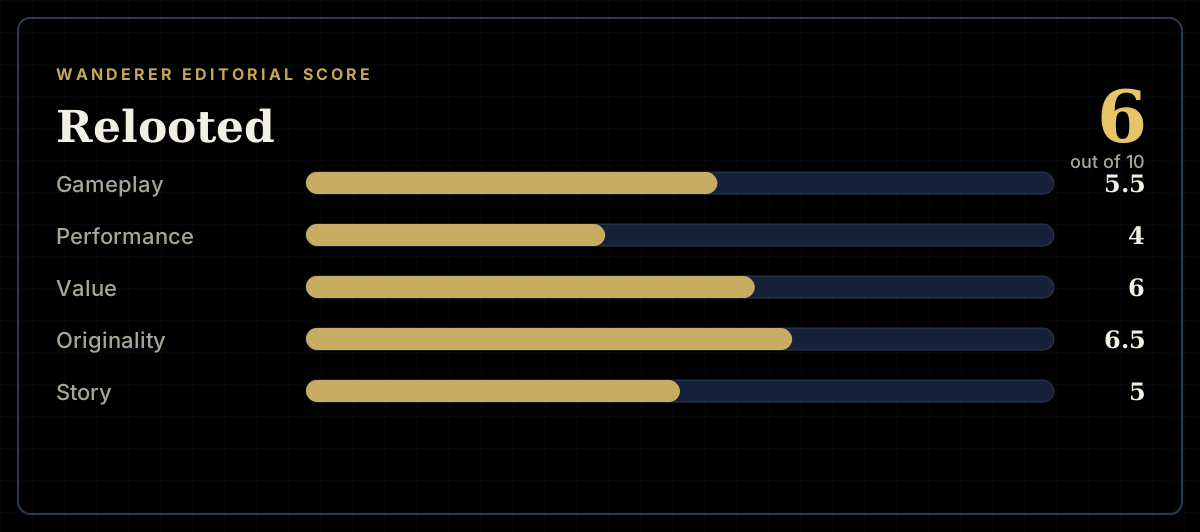
6 / 10
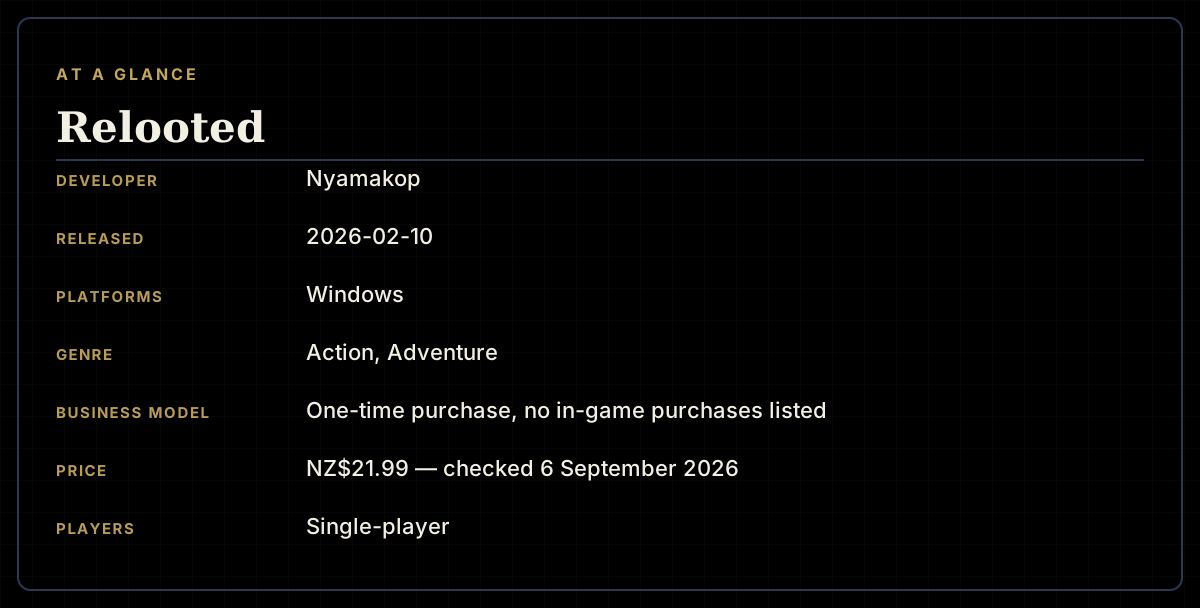
- Developer
- Nyamakop
- Publisher
- Nyamakop
- Released
- 10 February 2026
- Platforms
- Windows
- Genre
- Action, Adventure
- Monetisation
- One-time purchase, no in-game purchases listed
- Players
- Single-player
The short version
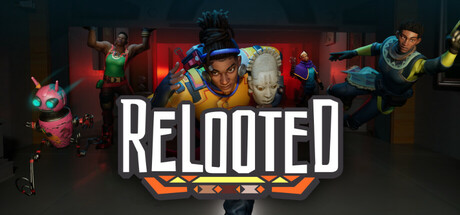
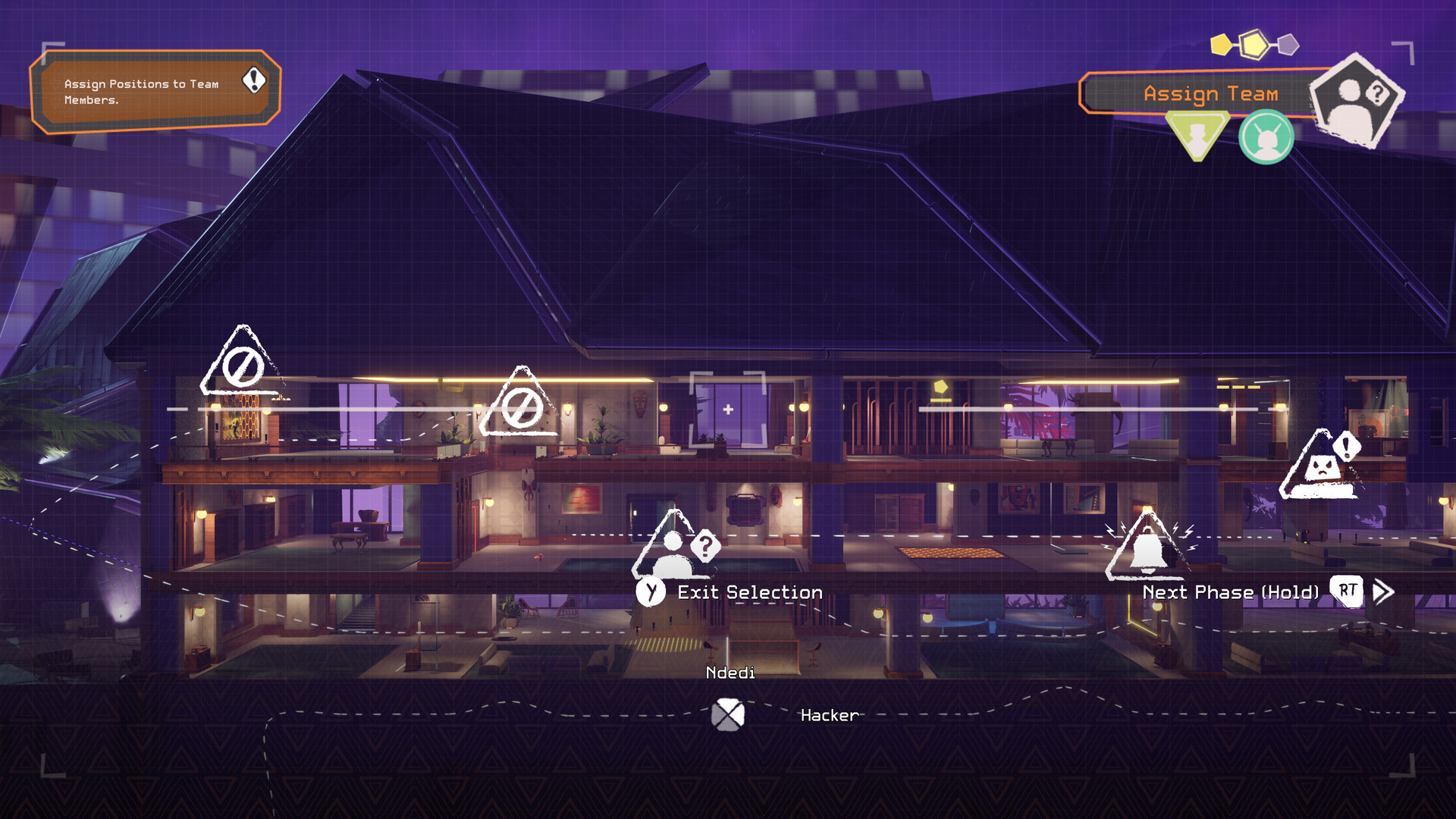
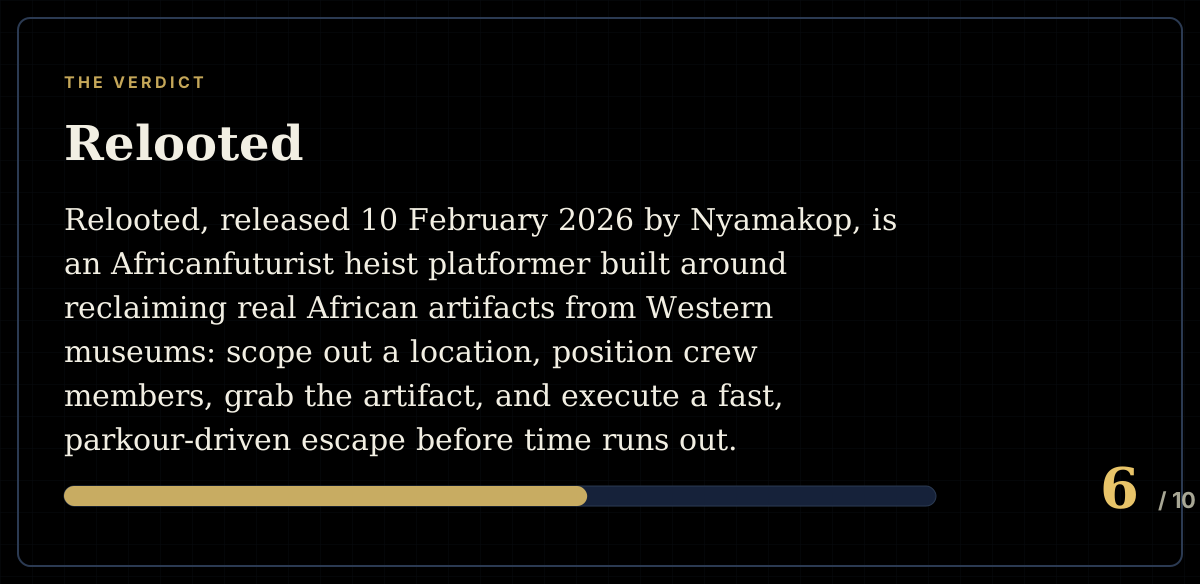
Relooted, released 10 February 2026 by Nyamakop, is an Africanfuturist heist platformer built around reclaiming real African artifacts from Western museums: scope out a location, position crew members, grab the artifact, and execute a fast, parkour-driven escape before time runs out. It sits Very Positive with a sample of 255 reviews, and reading widely through it reveals two distinct threads that need to be separated to fairly assess the game. On gameplay terms, reviewers on both sides of the recommend line describe a genuinely satisfying prep-then-escape loop, with the planning and scoping phase feeding directly into fast, flow-focused parkour sequences reviewers compare favourably to dedicated speedrunning platformers. Multiple reviewers separately raise substantive, specific complaints about ambiguous context-sensitive controls, uneven pacing weighed down by excessive tutorializing, a underdeveloped loot system, and reported performance issues including crashes. Separately, and distinctly from those gameplay complaints, this review's research found the game's real-world subject matter — reclaiming looted African artifacts and its associated historical commentary — has drawn a documented backlash from a portion of its reviewer base objecting specifically to that subject matter and social framing rather than to gameplay mechanics; at least one reviewer explicitly characterises this pattern as review-bombing. This review reports that pattern factually as part of the game's broader reception without echoing or amplifying its specific content, and evaluates the game itself primarily on the substantive, gameplay-focused feedback found across this same sample.
Biggest strengths
- The core heist loop draws genuine, detailed praise from reviewers on both sides of the overall recommend line, with the scoping and crew-placement planning phase feeding directly into fast, satisfying parkour escape sequences multiple reviewers compare favourably to dedicated speedrunning platformers
- Individual heists are described as appropriately short and self-contained, making the game well suited to shorter sessions, with reviewers specifically praising the ability to complete one or two heists during a lunch break without feeling rushed or interrupted mid-objective
- The historical research underpinning each artifact draws specific, genuine appreciation, with multiple reviewers describing real interest in reading about the actual objects and cultures the game's fictionalised heists are based on
Biggest weaknesses
- Multiple reviewers report ambiguous, context-sensitive controls that frequently execute the wrong action during time-pressured escape sequences, with more than one describing the input scheme as needing an additional dedicated button to reliably differentiate between actions
- Pacing between heists draws repeated criticism for excessive tutorializing and dialogue, with reviewers describing the game repeatedly re-explaining mechanics well past the point they'd already been understood, slowing momentum between the faster-paced action sequences
- The loot and collectible system is described by multiple reviewers as underdeveloped, with most found items serving no purpose beyond passive collection rather than offering meaningful strategic or mechanical impact on subsequent runs
Who it's for: Fans of fast, flow-focused platforming and heist-planning games looking for a shorter, historically-grounded experience with real substance behind its premise, who can tolerate rough controls and uneven pacing in exchange for a genuinely satisfying core loop.
Our recommendation: Worth it at this price for players drawn to its heist-planning-into-parkour loop and its historical subject matter; go in aware of reported control ambiguity, pacing issues and performance problems, and be aware the game's public reception includes a documented backlash tied to its subject matter distinct from assessments of the gameplay itself.
6 / 10
Introduction
Relooted, released 10 February 2026 by Nyamakop, is an Africanfuturist heist platformer built around a specific, well-defined loop: scope out a museum location, position crew members strategically, grab a real historical artifact, and execute a fast, parkour-driven escape before time runs out. It sits Very Positive with a sample of 255 reviews, and reading widely through that sample requires separating two genuinely distinct threads to arrive at a fair assessment: detailed, substantive gameplay feedback, and a separate, documented pattern of backlash tied specifically to the game's real-world subject matter rather than its mechanics.
A genuinely satisfying heist loop
On pure gameplay terms, this review found real, consistent praise from reviewers across both sides of the overall recommend line. The core structure — a planning phase where players scope a level and position crew members, followed by a fast, flow-focused parkour escape once the artifact is grabbed — draws specific, detailed praise, with multiple reviewers comparing the escape sequences favourably to dedicated speedrunning platformers for how satisfying a clean, well-planned run feels. Individual heists are described as appropriately short and self-contained, well suited to shorter play sessions without feeling rushed mid-objective. The historical research underpinning each artifact draws genuine, specific appreciation, with multiple reviewers describing real interest in learning about the actual objects and cultures referenced, independent of their overall verdict on the surrounding game.
Specific, substantive gameplay complaints
Beyond that core praise, this review found consistent, concrete criticism worth taking seriously on its own terms. Multiple reviewers report ambiguous, context-sensitive controls that frequently execute the wrong action during time-pressured escape sequences, with more than one specifically requesting an additional dedicated button to reliably separate distinct actions the current scheme conflates. Pacing between individual heists draws repeated criticism for excessive tutorializing, with reviewers describing mechanics being re-explained well past the point of necessity, slowing momentum between the game's faster, more satisfying action sequences. The loot and collectible system is described by multiple reviewers as underdeveloped, offering little strategic or mechanical payoff beyond passive collection. Separately, multiple reviewers report specific performance problems, including crashes and freezing during play, with at least one detailed reviewer stating directly they otherwise enjoy the game but can't recommend it until stability improves.
A documented, separate pattern in the game's public reception
This review's research also found something distinct from ordinary gameplay criticism that needs to be reported factually rather than omitted. A portion of this game's negative reviews focus specifically on objecting to the game's real-world subject matter and social framing — the premise of reclaiming looted African artifacts from Western museums and the historical commentary surrounding it — rather than on assessing its mechanics, controls or performance. At least one reviewer within this same sample explicitly characterises this pattern as review-bombing, and several reviewers giving the game a positive recommendation specifically frame their review as a deliberate counterweight to that backlash. This review reports this pattern as a documented, verifiable feature of the game's public reception without repeating, characterising, or amplifying the specific content of that backlash, and has focused its own evaluation on the substantive, gameplay-grounded feedback present throughout this same review sample rather than on the surrounding controversy itself.
Specific praise for accessibility and pacing options
Beyond the core loop, this review found specific, useful detail about how the game accommodates players of different skill levels. Multiple reviewers highlight a story mode offering extended alarm timers and other difficulty adjustments, specifically praising it as a genuine, well-designed accessibility option for players who find the base platforming challenging rather than a token easy-mode afterthought. Several reviewers describe successfully adjusting their difficulty setting mid-playthrough once they better understood the game's systems, suggesting the difficulty options themselves are well-calibrated rather than simply binary. This is a meaningful, concrete strength distinct from the broader control-scheme complaints above — the underlying mechanics may frustrate some players regardless of difficulty setting, but the game does provide real, functional tools for players to tune the experience to their own skill level.
A short, self-contained campaign length
Length draws specific, mostly positive comment in this sample. Multiple reviewers report completing the full campaign, including gold-rank completion on every mission, in roughly eight to ten hours, framing this as an appropriately tight runtime for the heist-planning structure rather than padded filler. This reads as a deliberate design choice rather than a content shortfall — reviewers specifically praising the game's pacing at this length outnumber those wanting a longer campaign in this review's research, a notably different pattern from many other short indie titles this lane has covered where brevity draws more consistent complaint.
Reading this game's score with appropriate context
Given the documented pattern described above, this review encourages readers to treat the raw aggregate percentage on Relooted's store page with more context than usual, in both directions. A portion of the negative volume reflects reaction to subject matter rather than gameplay assessment, which means the aggregate may understate how the underlying mechanics land with players evaluating it purely as a platformer. At the same time, this review does not want to suggest every critical review should be dismissed as bad-faith — the specific, detailed control and pacing complaints documented above come from reviewers clearly engaging seriously and specifically with the game's actual systems, and deserve to be weighed on their own merits rather than lumped in with the separate backlash this review has deliberately declined to detail further.
Final Verdict
Relooted delivers a genuinely satisfying core loop — careful heist planning paying off in fast, flow-driven parkour escapes — backed by real historical substance and consistently praised presentation. What holds this score down are concrete, substantive gameplay complaints reported across this review's research: ambiguous controls during exactly the moments precision matters most, pacing weighed down by excessive tutorializing, an underdeveloped loot system, and reported performance instability. Worth it at this price for players drawn to its specific heist-and-parkour premise and historical grounding; go in with realistic expectations about rough edges in its controls and pacing, set apart from the separate, documented backlash this game's public reception has also included.
Pros and cons
Pros
- The core heist loop draws genuine, detailed praise from reviewers on both sides of the overall recommend line, with the scoping and crew-placement planning phase feeding directly into fast, satisfying parkour escape sequences multiple reviewers compare favourably to dedicated speedrunning platformers
- Individual heists are described as appropriately short and self-contained, making the game well suited to shorter sessions, with reviewers specifically praising the ability to complete one or two heists during a lunch break without feeling rushed or interrupted mid-objective
- The historical research underpinning each artifact draws specific, genuine appreciation, with multiple reviewers describing real interest in reading about the actual objects and cultures the game's fictionalised heists are based on
- Presentation draws consistent praise, with reviewers specifically highlighting the soundtrack, colour palette and Black character representation as genuine strengths independent of any other complaints they raise about the game
Cons
- Multiple reviewers report ambiguous, context-sensitive controls that frequently execute the wrong action during time-pressured escape sequences, with more than one describing the input scheme as needing an additional dedicated button to reliably differentiate between actions
- Pacing between heists draws repeated criticism for excessive tutorializing and dialogue, with reviewers describing the game repeatedly re-explaining mechanics well past the point they'd already been understood, slowing momentum between the faster-paced action sequences
- The loot and collectible system is described by multiple reviewers as underdeveloped, with most found items serving no purpose beyond passive collection rather than offering meaningful strategic or mechanical impact on subsequent runs
- Multiple reviewers report specific performance issues, including crashes and freezing during play, with at least one detailed reviewer stating they otherwise enjoy the game but can't recommend it until stability issues are resolved
- This review's research found the game's real-world subject matter has drawn a backlash from a portion of its reviewer base focused on objecting to that subject matter rather than on gameplay assessment; at least one reviewer explicitly describes this pattern as review-bombing, a characterisation this review reports factually without independently verifying or amplifying the specific content involved
Screenshots
-
RelootedImage: Nyamakop via Steam -
RelootedImage: Nyamakop via Steam -
RelootedImage: Nyamakop via Steam -
How the review scores each part of the gameWanderer Editorial -
The essentials at a glanceWanderer Editorial -
The short versionWanderer Editorial